electric toothbrush quality control is a fundamental requirement for brands sourcing products through OEM or ODM manufacturing models.
For B2B buyers, quality control is not limited to final inspection. Instead, it represents a complete system that spans material sourcing, production processes, and long-term consistency. Therefore, evaluating a factory’s quality management capability is essential.
Quality Control in Electric Toothbrush Manufacturing
Quality control begins with incoming material inspection. Motors, batteries, PCBA components, and plastic parts are checked against predefined standards.
As a result, potential defects are identified early. This reduces production interruptions and prevents downstream quality issues.
In addition, standardized operating procedures guide each production stage. Consequently, assembly consistency improves across different batches.
In-Process Inspection and Functional Testing
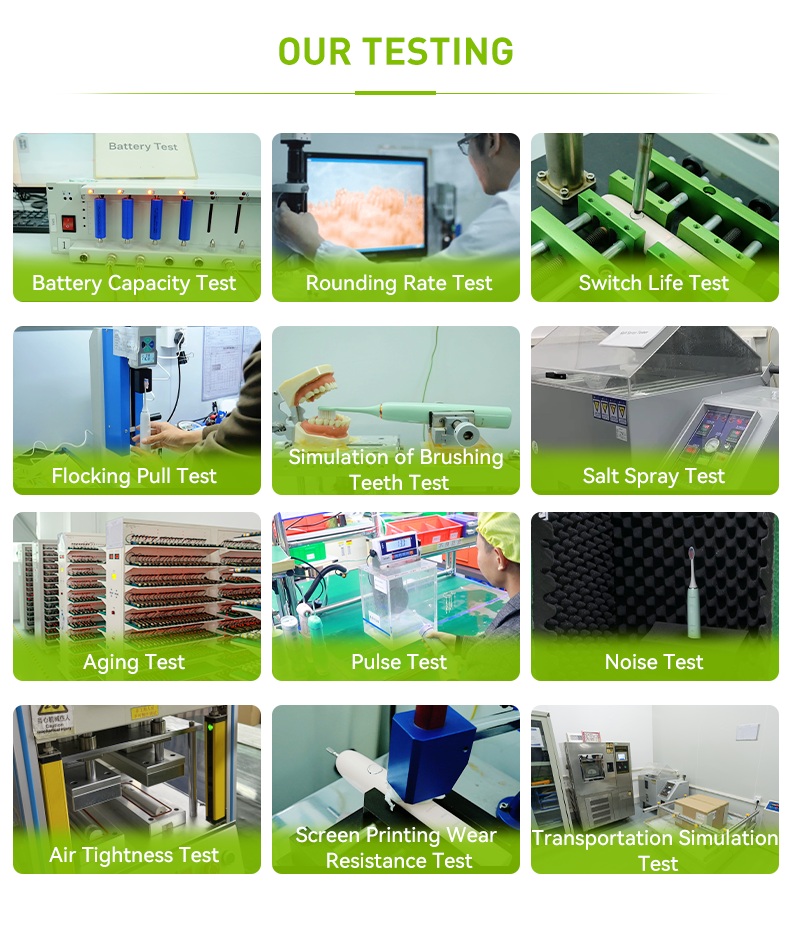
During assembly, vibration performance, power stability, and charging behavior are monitored. Each unit is tested to confirm that brushing modes function correctly.
Moreover, waterproof sealing points are inspected throughout production. Therefore, water ingress risks are minimized before final testing.
Reliability and Aging Tests
Aging tests play a critical role in quality assurance. Products operate continuously under controlled conditions to verify motor durability and battery stability.
Because these tests simulate long-term use, early failures are detected. As a result, shipment reliability improves.
Documentation and Traceability
Quality records are maintained for each production batch. Component traceability allows factories to identify root causes quickly if issues arise.
This level of documentation supports B2B buyers during audits and compliance reviews.
Compliance and International Standards
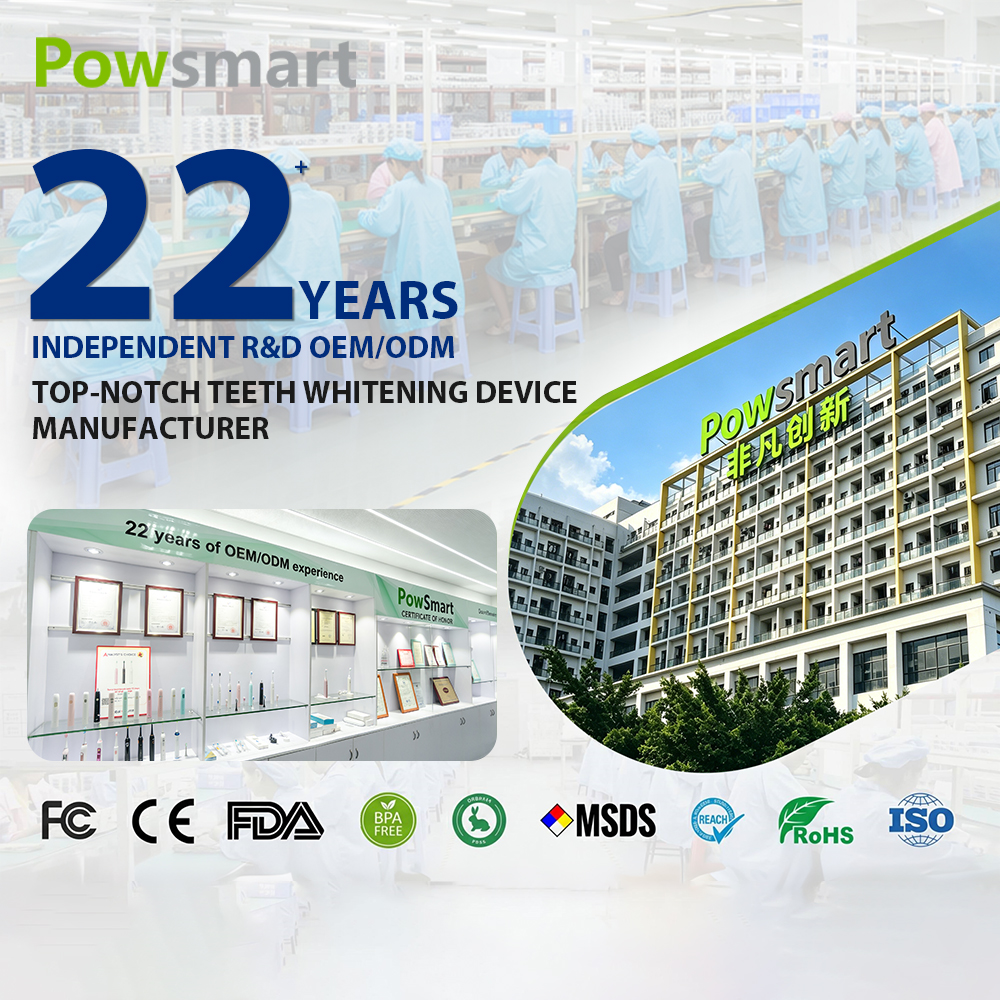
Quality control systems align with CE, FCC, and RoHS requirements. Testing procedures are integrated into production workflows rather than handled separately.
Therefore, certification timelines are shortened. Brands can enter multiple markets without redesigning quality processes.
To review electric toothbrush manufacturing processes with established quality systems, visit
👉 https://www.powsmart.com
For global manufacturing and quality standards, buyers often reference ISO guidelines:
👉 https://www.iso.org
Conclusion
Strong electric toothbrush quality control ensures product consistency, reduces risk, and protects brand reputation across international markets.

.jpg)
