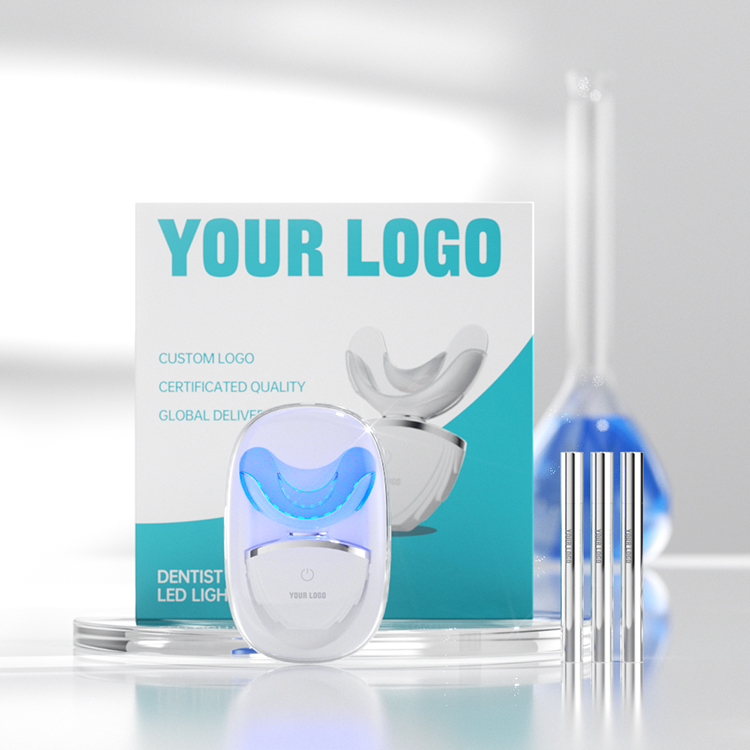
Oral beauty device private label programs allow retailers, distributors, and digital brands to enter the fast-growing whitening and oral care technology segment without building their own factories. Moreover, partnering with an experienced OEM or ODM supplier enables faster market entry, controlled investment, and flexible customization. However, because the category touches both cosmetic and medical-adjacent regulation, B2B buyers must manage product, compliance, and marketing disciplines with care to avoid risk.
To begin with, brand owners should define their target consumer group and preferred price band. Therefore, product specifications, material choices, and certification depth all align with that strategic decision. In addition, differentiation matters. For example, ergonomic mouth-tray design, battery life, or smart-app integration can help a new private label compete in crowded online channels. Moreover, packaging and unboxing experience strongly influence review quality and repeat purchase rates.
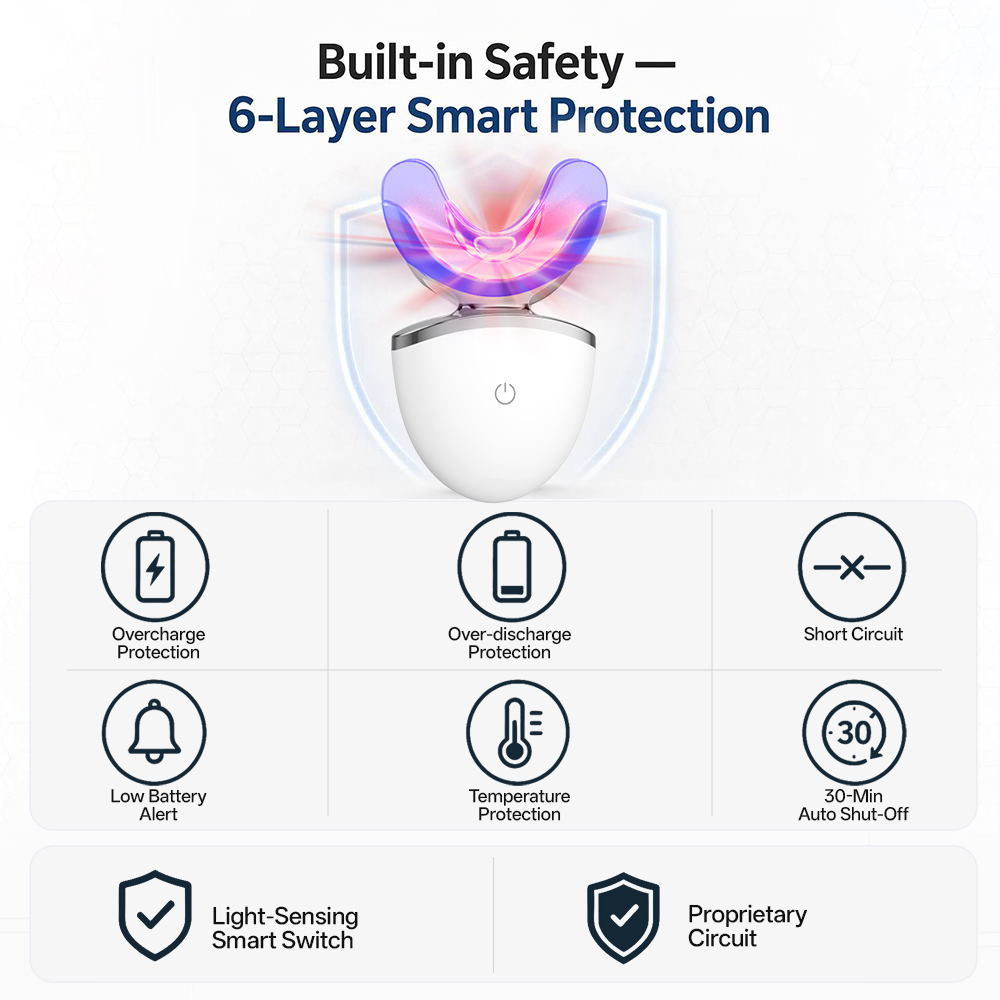
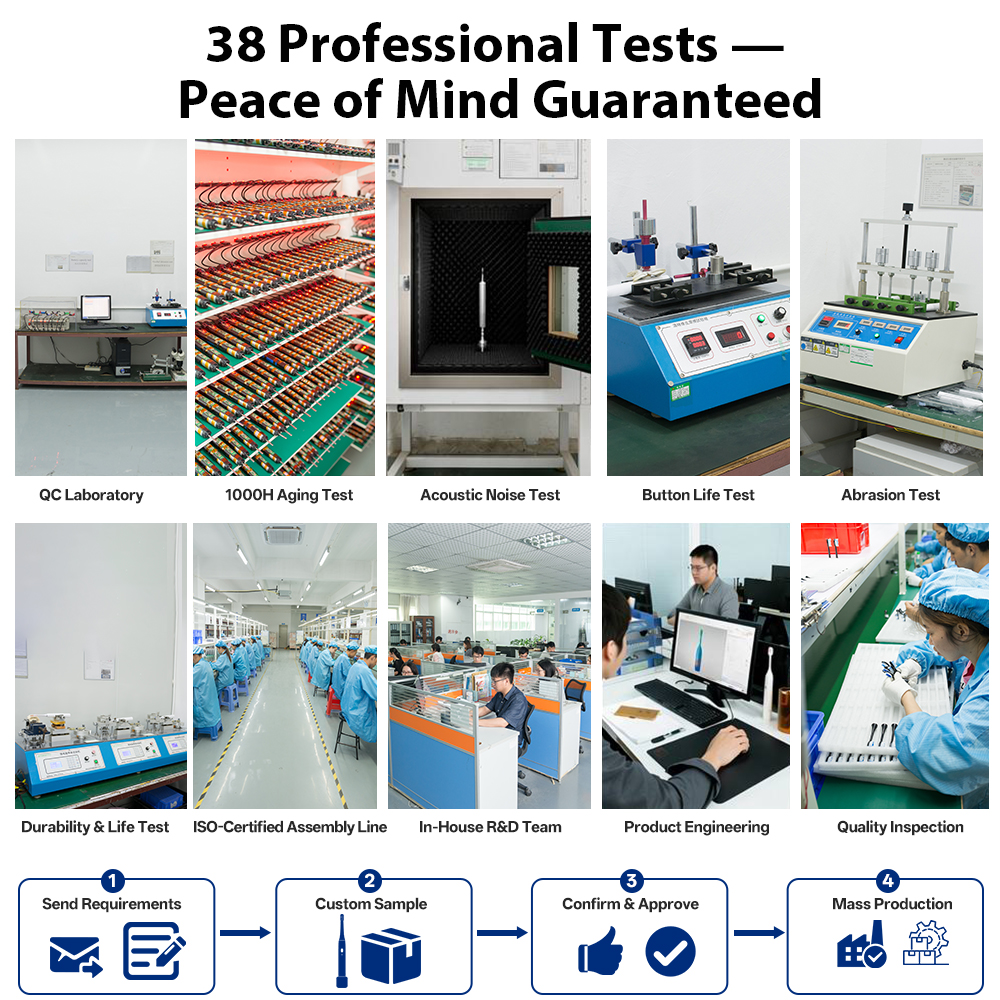
Midway through the project, cooperation with the OEM partner shapes the technical foundation of the oral beauty device private label range. Engineering teams support LED configuration, optical output balancing, and safety testing, while quality managers build validation plans that meet EU and US expectations. In addition, documentation for regulatory filing must stay consistent and traceable. However, some factories still operate with informal processes, which increases risk for international importers. Therefore, supplier qualification remains a non-negotiable step.
Marketing alignment also plays a major role. Consequently, performance claims must always match test evidence and legal guidance. Moreover, consumer instructions should clearly explain sensitivity precautions and after-care. If you need reference solutions or manufacturing support, you can review options at https://powsmart.com/. For independent oral care guidance, professional associations such as https://www.ada.org provide credible education resources for consumers and brands.
In conclusion, building a sustainable oral beauty device private label business requires disciplined supplier selection. Regulatory awareness, and thoughtful product design so that your brand grows with confidence in global markets.