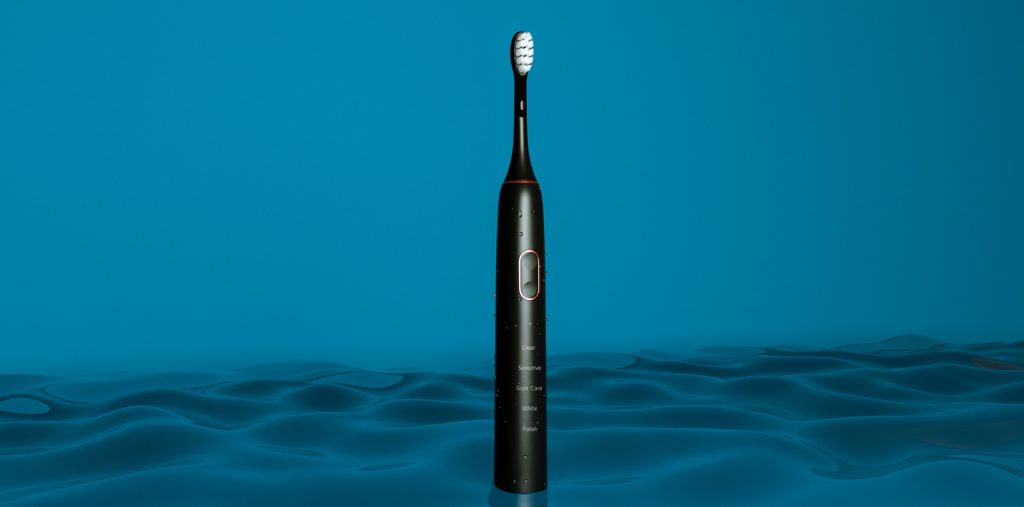
When developing an electric toothbrush, one of the most overlooked yet crucial aspects is the surface finish. Over the past few years, the matte surface finish has become increasingly popular among premium oral-care brands—valued for its soft-touch feel, elevated aesthetic, and anti-slip performance. However, many brand owners share a common concern: Will the matte surface finish chip off during long-term use? In this blog, we break down the key factors that influence paint durability, what brands should look for when partnering with a manufacturer, and how a well-controlled OEM coating process ensures consistent, long-lasting quality.
Understanding Why Matte Surface Finishes Are Sensitive to Chipping
Matte coatings typically rely on a micro-textured surface created by special additives or a soft-touch rubberized layer. While aesthetically appealing, these textures can make the coating more susceptible to abrasion if the formulation or curing process is poorly controlled.
This is where the term “matte surface finish chip” often originates—coatings that crack or flake after months of handling, water exposure, or friction.
For brands, understanding this helps guide better material selection and manufacturer evaluation.
What Actually Causes Chipping or Peeling on Electric Toothbrush Coatings?
There are several root causes of coating defects on electric toothbrushes:
✔ Insufficient Surface Pre-Treatment
Poor cleaning or failure to remove mold-release agents can weaken adhesion between the coating and plastic shell.
✔ Incorrect Coating Formulation
Low-quality paints or incompatible additives reduce bond strength and long-term electric toothbrush paint durability.
✔ Improper Curing Temperature or Time
Under-curing leads to softness; over-curing leads to brittleness—both contribute to peeling.
✔ Humidity and Water Exposure
Daily bathroom environments stress the coating of any personal-care device.
A reliable manufacturer will control all these variables with documented processes.
How a High-Quality OEM Coating Process Prevents Paint Chipping
If you are sourcing from an OEM or ODM factory, the first thing to examine is whether they have a professional coating line designed for consumer electronics and medical-grade personal-care products.
A strong OEM coating process should include:
-
Automated surface cleaning to remove oil, dust, and mold-release residue
-
Corona or plasma treatment to enhance surface adhesion
-
Automated spraying equipment for coating thickness consistency
-
Multi-layer coating including primer + color coat + protective topcoat
-
Controlled curing ovens with precise temperature regulation
A factory that can document every step—from raw material qualification to process traceability—is dramatically more reliable.
Testing Methods to Ensure Electric Toothbrush Paint Durability
Before mass production, a factory should conduct strict durability testing, especially for matte surfaces. Key tests include:
-
Cross-cut adhesion test
-
Abrasion resistance test (steel wool or rubbing test)
-
Moisture and humidity test
-
Sweat & chemical resistance test
-
Drop test and vibration test
These tests ensure the paint remains intact during months or years of use. A trustworthy supplier will openly share their quality assurance procedures and allow third-party audits.
Quality Assurance: What Oral-Care Brands Should Expect from a Manufacturing Partner
A reliable toothbrush manufacturer should offer:
● Material traceability and paint batch control
Ensures that no sub-standard coating materials enter the production line.
● Incoming Quality Control (IQC) for Coating Materials
Paint viscosity, consistency, and shelf life must be verified.
● In-line Inspection During Coating
Checking gloss level, thickness, uniformity, and defects in real time.
● Final Quality Assurance (FQA) Testing for Durability
Every production batch should undergo adhesion and abrasion testing.
This level of quality assurance protects your brand reputation and minimizes post-launch complaints or returns.
Conclusion: Matte Electric Toothbrushes DO NOT Chip Easily—If You Choose the Right Manufacturer
A matte surface finish does not naturally lead to chipping or peeling. The true determining factor is the manufacturing process behind it.
With the right OEM coating process, strict adhesion testing, and robust quality assurance, the finish of an electric toothbrush can remain durable, smooth, and visually appealing even after long-term daily use.
For oral-care brands seeking to launch premium electric toothbrushes, partnering with a factory that understands material science, cosmetics-grade coatings, and international quality standards is the key to achieving superior product lifespan and user satisfaction.
.jpg)
