
Cavitation Cleaning Technology is revolutionizing the way whitening systems achieve effective and long-lasting results. By utilizing the power of controlled bubbles and pressure, this technology enhances the cleaning action, allowing for better removal of surface stains and improving the overall effectiveness of whitening treatments. When assessing these results, Hue Saturation Lightness (HSL) measurements play a critical role in evaluating the whiteness achieved, making it essential to understand how Cavitation Cleaning Technology impacts these metrics.
The Role of Cavitation Cleaning Technology in Whitening
Cavitation Cleaning Technology generates rapid bubbles in a liquid medium, which implode to create intense localized energy. This energy helps break down plaque, debris, and surface stains on teeth, resulting in a cleaner and whiter appearance. By improving stain removal, this technology can lead to better results, which can then be measured accurately using Hue Saturation Lightness metrics to assess the level of whitening achieved.
Understanding Hue Saturation Lightness (HSL) Measurements
Hue Saturation Lightness (HSL) is a color model used to describe color in terms of three attributes: hue, saturation, and lightness. Hue refers to the type of color, saturation to the intensity of the color, and lightness to the brightness. In the context of teeth whitening, HSL measurements used to quantify the visual change in tooth color after treatment, making it an essential metric for assessing whitening effectiveness.
Cavitation Cleaning’s Impact on Hue Saturation Lightness
By enhancing the stain removal process, Cavitation Cleaning Technology directly influences the HSL values of teeth. The more effectively stains are removed from the enamel surface, the lighter and brighter the teeth appear. This can lead to an increase in lightness (L value) on the HSL scale, which reflects a whiter appearance. As stains are broken down, the Hue and Saturation components of the tooth color may also shift.
Better Consistency in Whitening Results
One of the challenges in teeth whitening is achieving consistent results across various teeth types and surface conditions. Cavitation Cleaning Technology helps by ensuring that the entire surface of the teeth receives equal treatment, thereby reducing inconsistencies in the whitening process. This consistency translates to more predictable changes in HSL measurements, allowing for more accurate assessments of whitening effectiveness.
Enhancing Whitening Systems with Cavitation Technology
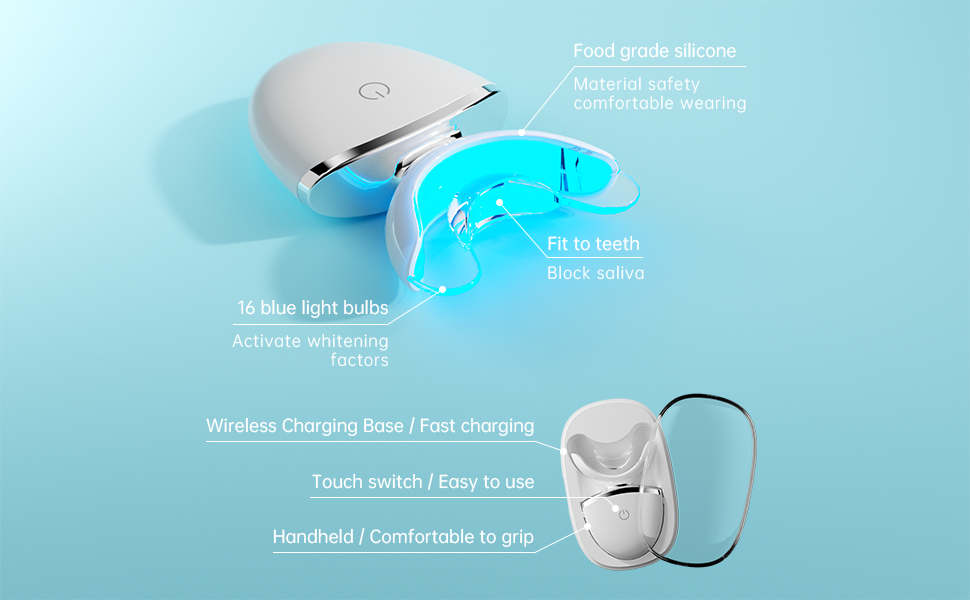
Integrating Cavitation Cleaning Technology into whitening systems allows for faster, more efficient stain removal, improving whitening outcomes. By creating a more uniform and effective cleaning action, this technology supports better performance in professional and at-home whitening products. Accurate HSL measurements post-treatment can then confirm the degree of whitening achieved.
The Future of Whitening Technology and HSL Measurement
As whitening technologies evolve, the integration of Cavitation Cleaning Technology with advanced measurement techniques like HSL will continue to play a pivotal role in enhancing the overall whitening experience. For manufacturers, understanding how this technology affects HSL readings provides critical insights into product performance. Contact us
.jpg)
