
Understanding the Concern: Can You Really Overcharge an Electric Toothbrush?
Many consumers wonder whether it’s possible to overcharge an electric toothbrush by leaving it on the dock for days. While modern designs are built to be safe, this concern is valid—especially when thinking about long-term battery safety and performance. Overcharging can shorten battery lifespan or, in poorly designed products, even pose a safety risk.
For brand owners and product developers, understanding how battery management works is key to building consumer trust and ensuring reliable performance.
The Science Behind Toothbrush Charging
Most electric toothbrushes use lithium-ion or nickel-metal hydride (NiMH) batteries. These cells require precise control of voltage and current during the toothbrush charging process. A smart charging circuit stops the current flow when the battery is full.
If a toothbrush lacks advanced monitoring, however, prolonged charging can cause heat buildup, chemical degradation, or even swelling—issues that directly affect both user experience and safety.
That’s why OEM circuit protection plays a vital role in product design.
How OEM Circuit Protection Prevents Overcharging
OEM manufacturers integrate multiple protection layers into the charging system, including:
-
Voltage and Current Control: Prevents overvoltage or excessive current from damaging the battery.
-
Temperature Sensors: Detect heat buildup during charging and automatically pause charging if necessary.
-
Smart Battery Management Systems (BMS): These ensure that charging stops exactly when the cell reaches full capacity.
When OEM circuit protection is properly implemented, it’s virtually impossible to overcharge an electric toothbrush. Instead, the device maintains a healthy charge level, extending battery life and ensuring battery safety over years of use.
Why Battery Safety Matters for Brands and Consumers
For brand owners, battery safety is more than a technical detail—it’s part of your brand promise. A single battery failure can damage customer trust and trigger recalls. By working with an experienced OEM partner, brands can ensure compliance with international standards such as IEC 62133 and UN38.3.
Reliable OEM circuit protection not only prevents overcharging but also helps brands reduce warranty claims, improve durability, and enhance overall product quality.
Best Practices for Toothbrush Charging and Design
To maintain battery health and user confidence, OEM experts recommend:
-
Using certified OEM suppliers who specialize in smart charging circuits.
-
Designing for convenience and safety—charging docks with automatic shut-off or trickle charge modes.
-
Testing across different environments to simulate long-term toothbrush charging conditions.
-
Educating users that modern toothbrushes can safely remain on their chargers, thanks to advanced electronics.
Partnering with the Right OEM for Battery Safety
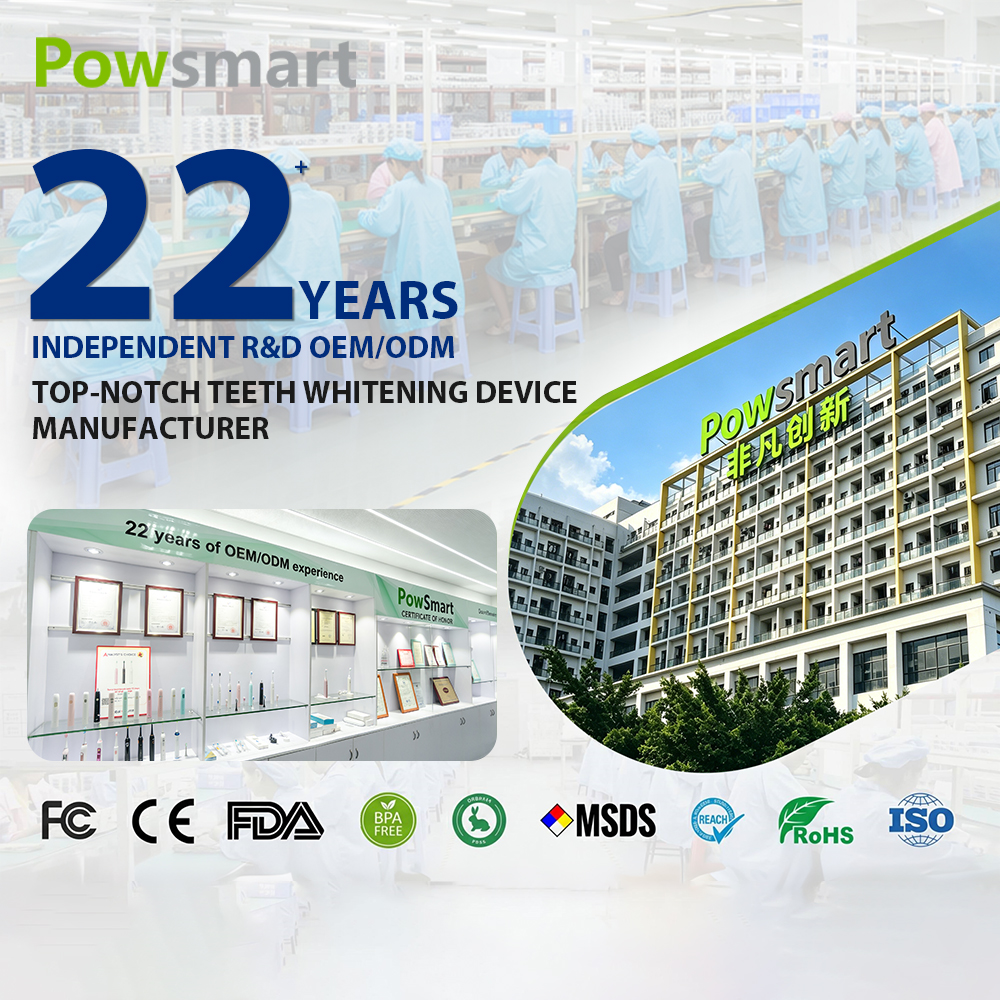
If you’re a brand looking to launch or upgrade your oral care line, partner with an OEM that prioritizes battery safety and cutting-edge circuit protection. Experienced manufacturers not only provide proven hardware but also help you comply with global safety standards and reduce time to market.
With the right OEM partner, you can confidently assure your customers: No, you can’t overcharge your electric toothbrush—because it was engineered to protect itself.
Conclusion:
Battery safety isn’t just a technical feature—it’s the foundation of consumer trust. By understanding how OEM circuit protection prevents overcharging and ensures efficient toothbrush charging, oral care brands can deliver smarter, safer, and longer-lasting products. https://www.powsmart.com/about-powsmart/
.jpg)
