.webp)
Gum disease remains one of the most common oral-health issues and a frequent driver of product returns, complaints, and churn. For manufacturers and brand partners, helping end users adopt the right toothbrush technique is not only a matter of public health — it’s a way to reduce warranty exposure, strengthen channel credibility, and increase lifetime value through replacement heads and complementary products. Below we explain six practical ways technique, product design and after-sales support combine to lower the risk of gum disease.
Start with the right hardware: brush head size and bristle profile
First, technique begins with tool selection. Choosing the right toothbrush (appropriate head size and soft, tapered bristles) makes it easier for users to reach the gum line without aggressive scrubbing. For electric toothbrushes, small round or compact heads promote access to posterior teeth and interproximal areas. Therefore, OEMs should specify head geometry and bristle stiffness in product specs to support gentle yet effective cleaning.
Teach the correct motion and angling — less is often more
Next, technique matters more than force. Users should gently seat the brush at approximately a 45° angle to the gum line and move slowly over each section rather than scrubbing horizontally. With oscillating-rotating brushes, advise users to let the brush do the work (hover and guide) instead of applying large manual strokes. Consequently, proper motion reduces plaque retention at the gingival margin — a key factor in preventing gum disease.
Control pressure — product features that nudge better behavior
Moreover, excessive pressure is a common cause of recession and aggravated gum tissue. Thus, integrating a pressure sensor or mechanical feedback (visual LED, haptic or audible cue) helps users correct technique in real time. From a B2B perspective, including pressure-control features in a product line — even in mid-tier models — materially improves clinical outcomes and strengthens marketing claims around gum protection.
Enforce adequate duration and coverage with timers & modes
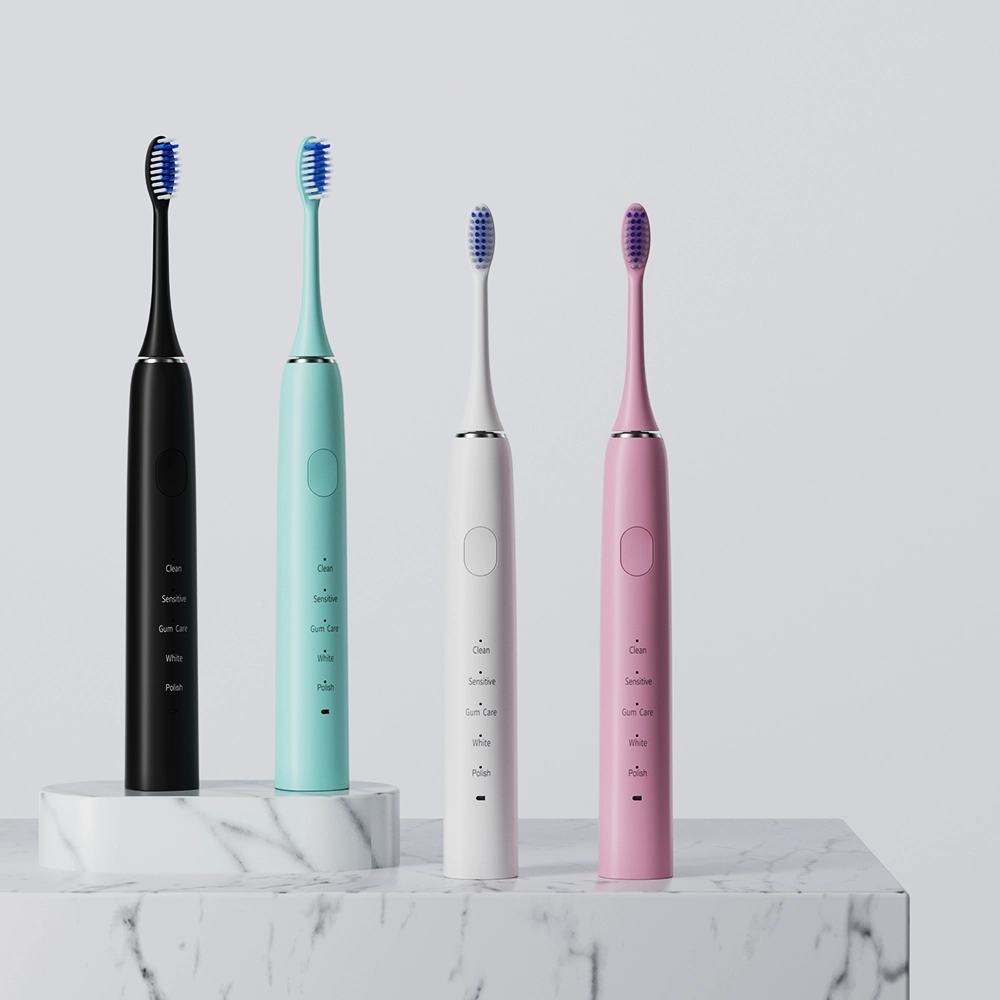
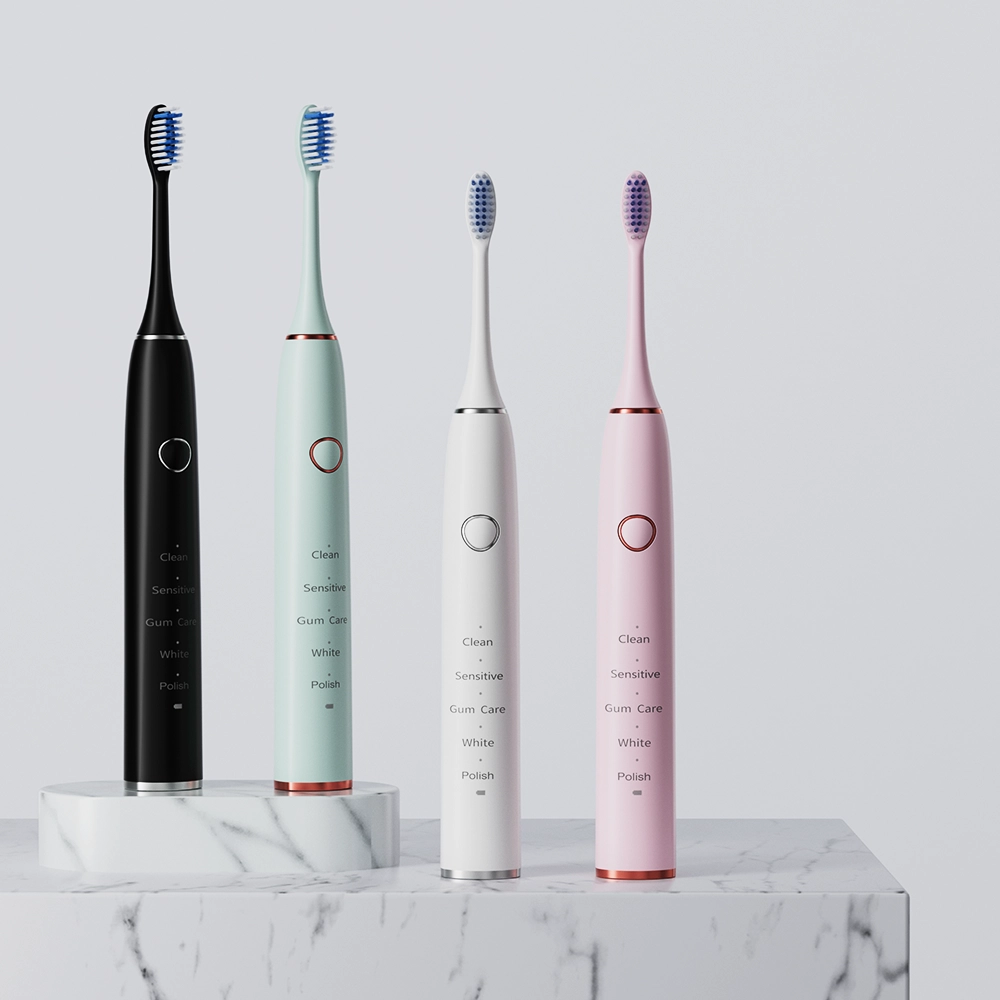
Furthermore, insufficient brushing time and uneven coverage allow plaque to persist in neglected quadrants. Implementing a reliable 2-minute timer and a Quadpacer-style interval reminder ensures balanced coverage. Additionally, offering a “Gum Care” or “Massage” mode with reduced intensity encourages targeted, gentle stimulation of the gingival margin — a practical product-led way to support users against gum disease.
Promote interdental cleaning and adjuncts as part of technique
In addition, toothbrush technique alone cannot remove all biofilm between teeth. Encourage customers to pair brushing with interdental tools — floss, interdental brushes, or a water flosser — in product literature and B2B training. Consequently, educating channel partners and clinicians to recommend combined cleaning routines reduces bacterial reservoirs that contribute to gum disease.
Maintain brush hygiene and timely head replacement
Finally, even the best technique fails if brush heads are worn or contaminated. Recommend replacing brush heads every 3 months (or sooner when bristles splay), provide replacement reminder features, and advise hygienic storage. From a manufacturer standpoint, accurate reminder mechanisms (app alerts, color-fade bristles, or mechanical counters) both support oral health outcomes and drive recurring replacement-head revenue.
Conclusion (short):
In short, preventing gum disease requires the right toothbrush plus guided, repeatable technique. For B2B manufacturers and brand partners, the opportunity is to design products and education that make the correct behavior obvious, easy and repeatable — pressure control, targeted modes, timers, optimized head geometry, and clear instructions all move the needle on clinical outcomes and commercial performance.
6-point action checklist for manufacturers & channel partners:
- Specify compact head geometry and soft/tapered bristles in product requirements.
- Include pressure-sensing feedback and a low-intensity Gum Care mode in product variants.
- Bake a 2-minute Quadpacer timer into firmware and surface it in user messaging.
- Create simple, evidence-based user instructions (angle, motion, quadrant timing) for packaging and POS.
- Bundle or recommend interdental products and create cross-sell SKU options for channels.
- Implement replacement-head reminders (app, color fade or physical indicator) and support an easy subscription program.
Medical note: This article provides manufacturer-level guidance on design and user education. For customers with active periodontal disease, deep pockets, bleeding gums or other oral-health concerns, recommend referral to a dental professional for personalized clinical care. Contact us
.jpg)
