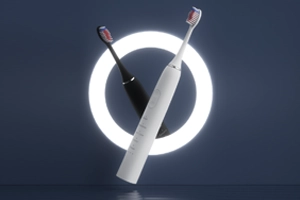
As consumer demand for high-quality oral care products grows, so does the need to evaluate the environmental impact of electric toothbrush production. For oral care brands, balancing innovation, performance, and sustainability is no longer optional — it’s a necessity. Understanding the environmental footprint of manufacturing can help brand owners find the right factory partners while ensuring long-term brand value.
Raw Materials and Eco Toothbrush Manufacturing
The first stage in production begins with materials. Many electric toothbrushes use plastics, metals, and electronic components that can create waste and pollution during extraction and processing. This is where eco toothbrush manufacturing comes in — focusing on responsibly sourced plastics, recyclable packaging, and even biodegradable components. By selecting suppliers who invest in sustainable materials, brands can reduce upstream environmental impact.
Energy Use in Manufacturing Facilities
The assembly of electric toothbrushes requires significant amounts of energy. Factories that rely on fossil fuels increase carbon emissions. However, more manufacturers are now adopting sustainable OEM practices, such as solar-powered facilities or energy-efficient production lines. Choosing an OEM partner committed to energy reduction not only cuts costs but also strengthens a brand’s green image.
Waste Management and Pollution Control
Beyond energy, waste generated from injection molding, circuit board production, and battery assembly can be harmful to the environment if not properly managed. Leading factories implement recycling systems and waste separation processes. Brands should prioritize partners that emphasize green oral care strategies, ensuring minimal toxic outputs and safer disposal practices.
Transportation and Supply Chain Emissions
Electric toothbrushes often involve global supply chains. From component shipping to final distribution, transportation emissions add significantly to the carbon footprint. Brands can mitigate this impact by working with localized OEM factories or by collaborating with suppliers who implement greener OEM solutions like optimized logistics, eco-friendly packaging, and carbon offset programs.
Product Lifecycle and Consumer Impact
Even after leaving the factory, electric toothbrushes continue to impact the environment. Batteries, charging stations, and non-recyclable parts can create e-waste. Forward-thinking manufacturers are addressing this by designing modular toothbrushes with replaceable heads and recyclable parts. By aligning with sustainable OEM practices, brands can extend product life while lowering post-consumer waste.
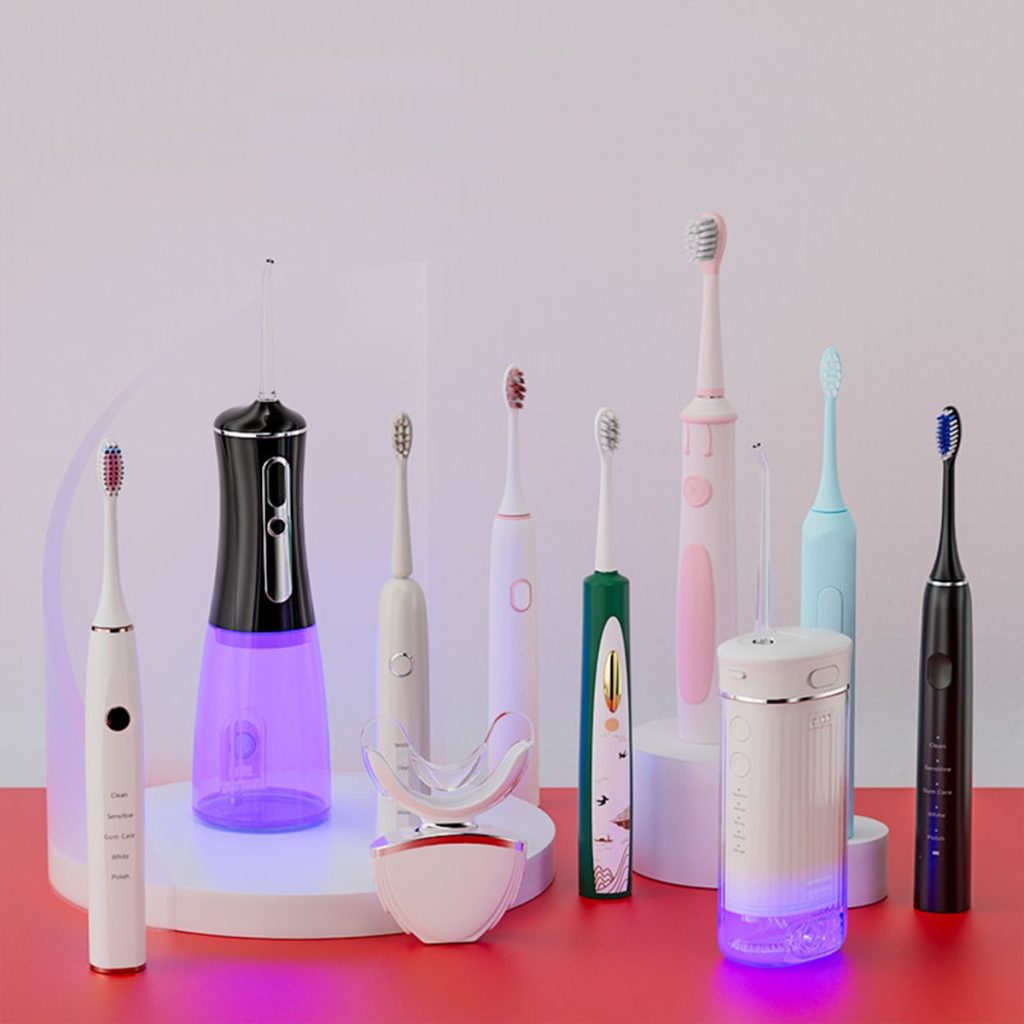
Building a Sustainable Future in Oral Care
For oral care brands, aligning with environmentally conscious manufacturing is more than a trend — it’s a strategic advantage. From eco toothbrush manufacturing to green oral care solutions, every step taken toward sustainability builds consumer trust and long-term market competitiveness. By partnering with factories that prioritize implementing greener OEM solutions, brands can deliver innovation while reducing the environmental impact of electric toothbrush production.
.jpg)
