
As awareness around oral health continues to grow, a large segment of consumers is shifting toward sensitive gums oral care solutions. People with gum irritation, bleeding, or post-treatment sensitivity are actively seeking gentler alternatives. For oral care brands, this presents a promising niche. But to capture this market, it’s essential to collaborate with a manufacturing partner that specializes in gentle oral care products manufacturing.
This blog serves as a guide for brand owners looking to develop or expand their oral care products for sensitive gums portfolio.
Before launching a product line, it’s crucial to understand the specific needs of users with sensitive gums. Key concerns include:
Avoiding harsh bristles or aggressive brushing mechanisms
Minimizing chemical irritants in toothpaste or rinse formulations
Seeking soothing, anti-inflammatory ingredients (like aloe vera, chamomile, or allantoin)
These users prioritize comfort, safety, and clinical efficacy, which should be reflected in your product design and ingredient choices.
When sourcing or developing gentle oral care products for sensitive gums, brands must consider:
Soft or ultra-soft bristles in toothbrushes, especially sonic or electric types
Low-abrasive toothpaste formulas without sodium lauryl sulfate (SLS)
Water flossers with pressure control to avoid damaging delicate gum tissue
Mild flavoring agents that won’t trigger irritation
Your manufacturer should have experience producing these product types and offer customization for sensitive oral care needs.
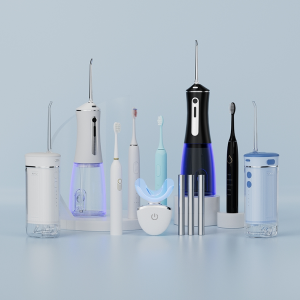
Finding the right manufacturing partner is critical. Look for factories that specialize in:
Sensitive-use product lines, such as sonic toothbrushes with soft heads or low-noise motors
Medical-grade materials, especially for bristles and nozzles
Cosmetic or pharmaceutical-grade facilities for toothpaste and rinse production
Certifications such as ISO 13485 (medical devices), GMP, or FDA registration for export
A professional gentle oral care products manufacturing partner will also support R&D, provide private labeling, and offer flexible MOQ (minimum order quantity) options for scaling.
As a brand, consider the following product categories to serve this niche:
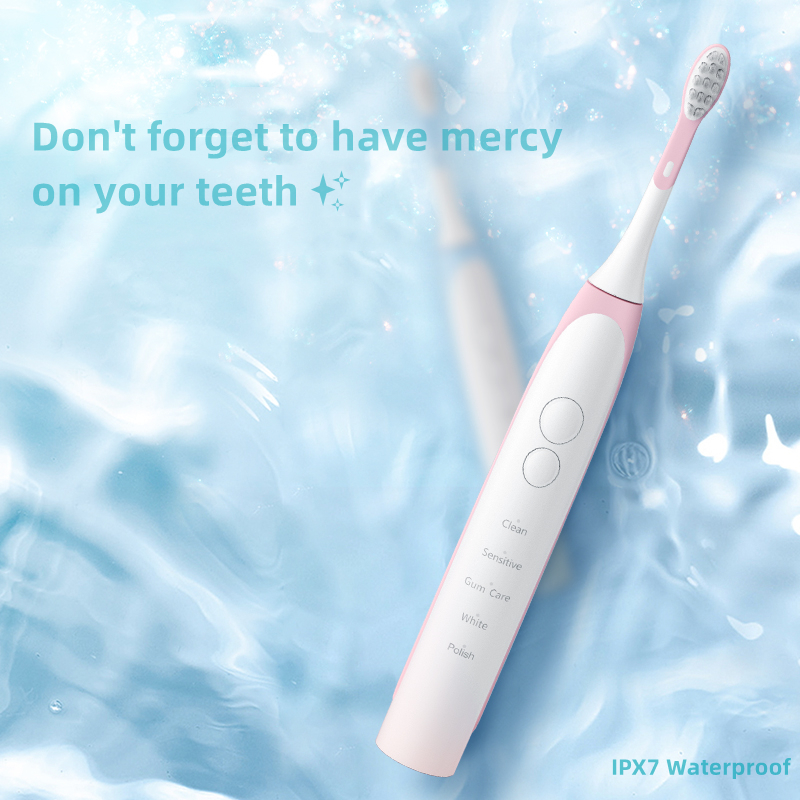
Electric toothbrushes with gum care modes
Water flossers with pulsed water pressure and soft tips
Soothing toothpaste with desensitizing agents (potassium nitrate, herbal extracts)
Mouth rinses with alcohol-free, anti-inflammatory formulas
Each of these categories has growing demand and can be uniquely branded to highlight their benefits for sensitive gums oral care.
The market for oral care products for sensitive gums is expanding steadily. Whether you’re an emerging DTC brand or an established oral care company, tapping into this segment requires thoughtful product design and the right gentle oral care products manufacturing partner.
By aligning your product vision with a specialized factory, you can ensure quality, innovation, and market differentiation — ultimately delivering trusted solutions for consumers who need them most.
.jpg)
Waterproof Failure Causing Material Toxicity? A Silent Risk in Oral Care Manufacturing
Electric Toothbrush for Plaque Removal – Professional Cleaning for Dental Businesses
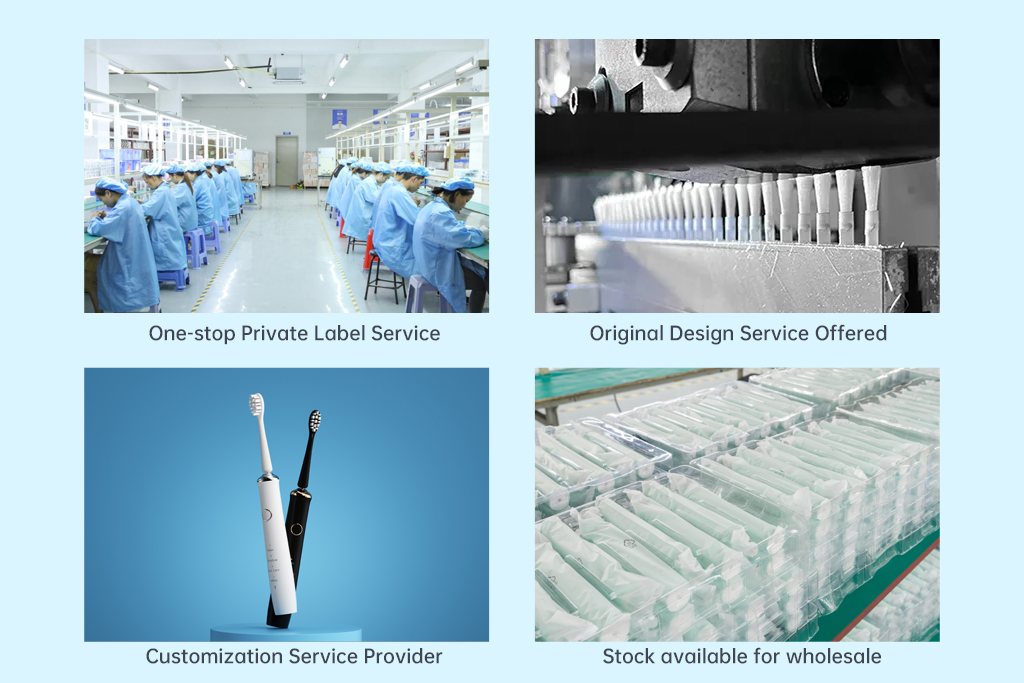
How to Find Reliable Electric Toothbrush Manufacturers for Your Oral Care Brand
.jpg)
Is Your POWSMART Smart Rechargeable Toothbrush Leaking Battery?
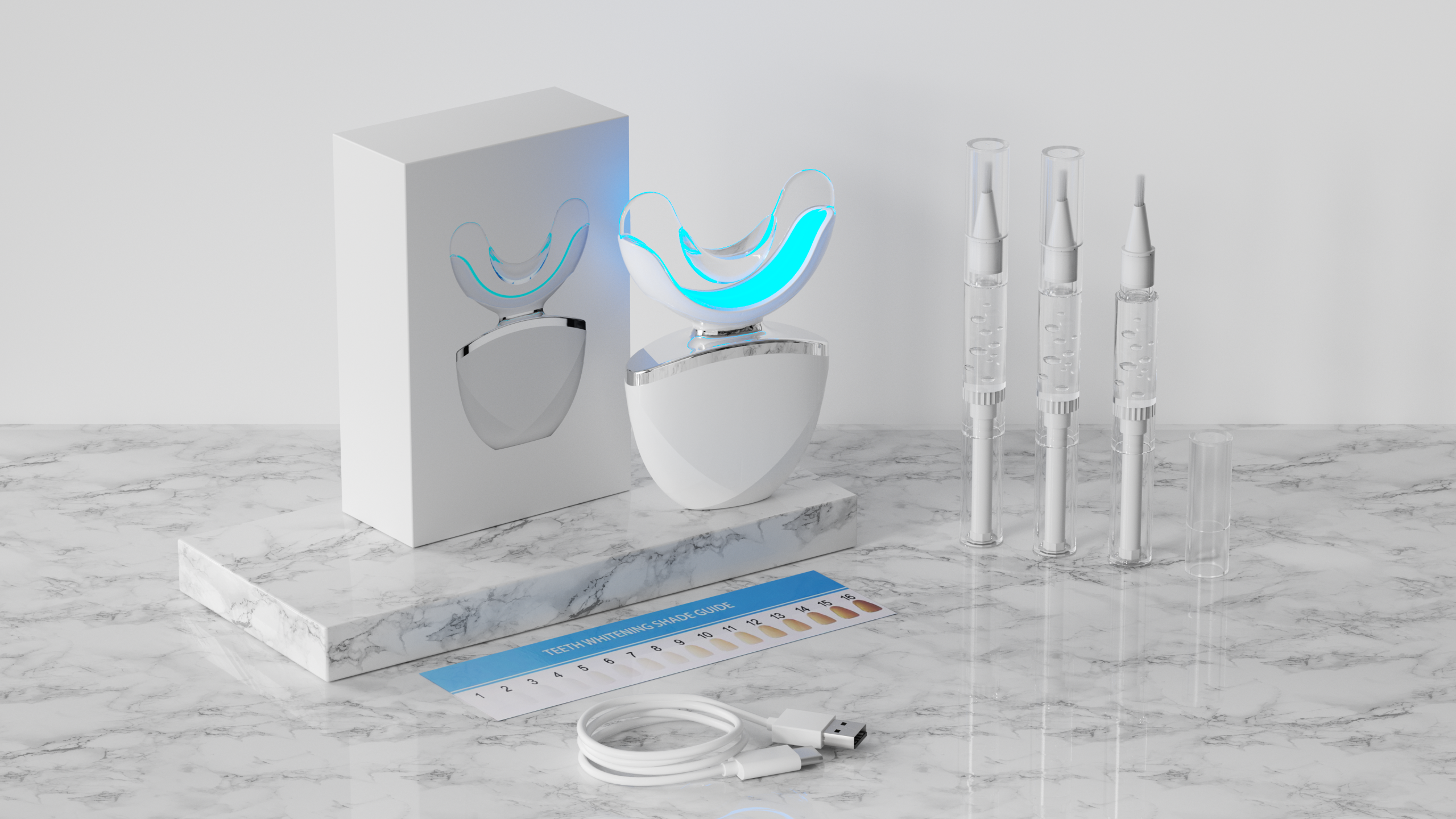
The Market Potential of Teeth Whitening: The Consumer Psychology Behind Annual Growth of Home Teeth Whitening Devices
.jpg)
Smart Electric Toothbrush Manufacturing: How to Choose the Best OEM Partner
.jpg)
Customization of Oral Irrigator Pulse Frequency: How to Balance 1400–1800 Times/Minute with Noise Control?
.jpg)
Does POWSMART Kids Electric Toothbrush Contain Material Toxicity?
Why Does Waterproof Failure Cause Pressure Fluctuation in Water Flossers?
.jpg)
electric toothbrush with replacement heads
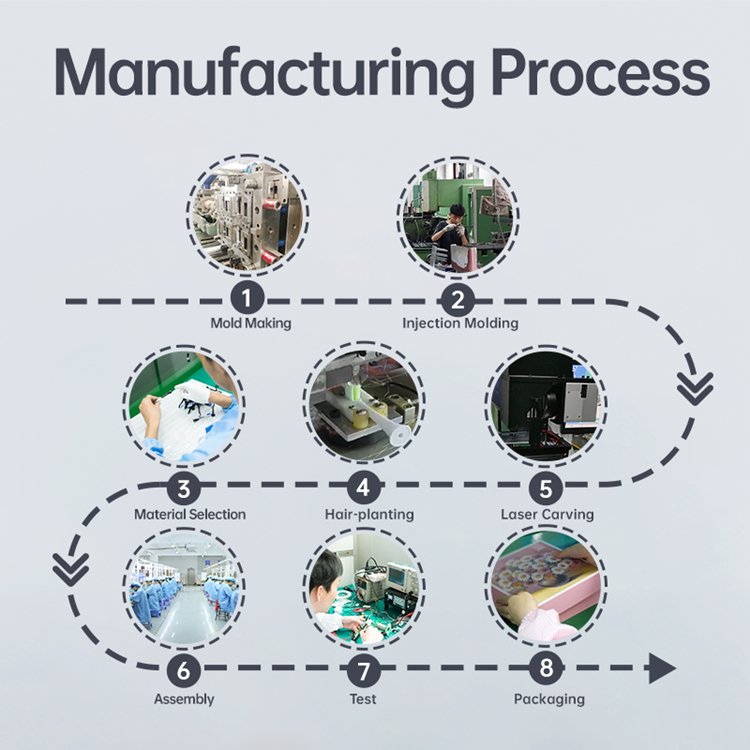
Choosing Electric Toothbrush Handle Processes: An OEM Guide to Cost vs. Quality
Professional Dental Care Toothbrush Bulk | Trusted Hygiene for Clinics
USB charging toothbrush wholesale supplier | OEM & Private Label Factory
Hose Cracks Causing Water Pressure Instability?
Noise Complaints from Handle Corrosion? A Silent Threat Uncovered!
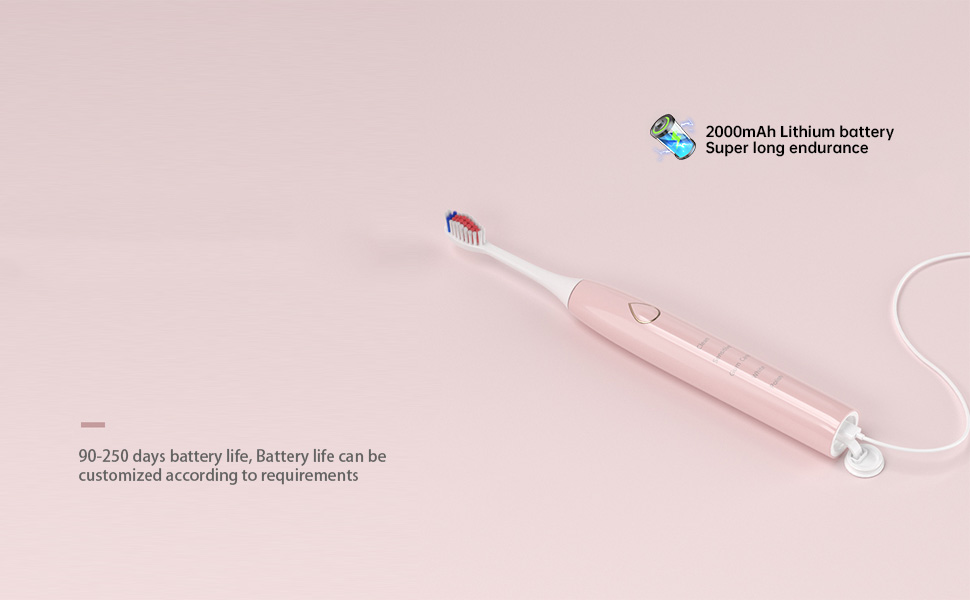
Development Guide for Long-Endurance Electric Toothbrushes: How Can Long Battery Life Become a Standard Feature in the High-End Market?


.jpg)
.jpg)
.jpg)
.jpg)
.jpg)



.jpg)
.jpg)