In the field of oral care device manufacturing, cleaning residue and bristle hardening are frequently dismissed as minor maintenance issues. However, when both occur together, they can quickly escalate into a serious quality and safety concern for users. Left unaddressed, this combination not only undermines product performance but also increases the likelihood of gum irritation, enamel damage, and customer dissatisfaction.
In this article, we’ll explore why cleaning residue and bristle hardening often go hand in hand, the specific risks they create, and how manufacturers can prevent this “double trouble” scenario.
Cleaning residue typically forms when toothpaste, whitening gels, or disinfectants are not fully rinsed away. Over time, these substances:
This residue compromises hygiene and creates friction points that accelerate bristle wear. Company web: https://www.powsmart.com/product/electric-toothbrush/
While bristle hardening can occur independently due to material fatigue or repeated heat exposure, cleaning residue often makes it worse:
As a result, a brush head that should remain soft and adaptive becomes abrasive and stiff.
When cleaning residue and bristle hardening appear together, they create a compounding hazard:
For professional oral care brands, this combination can lead to negative reviews, warranty claims, and loss of consumer trust.
To catch problems before they escalate, manufacturers should train distributors and customers to recognize early warning signs:
Identifying these symptoms early allows timely intervention and replacement.
Addressing this issue requires a dual strategy targeting both cleaning residue and bristle hardening:
Additionally, providing visual guides or QR code instructions can significantly improve compliance.
As oral care devices evolve to include smart features and advanced materials, it’s critical not to overlook foundational quality factors. Cleanliness and bristle integrity remain core pillars of safety and performance. By proactively addressing cleaning residue and bristle hardening, manufacturers can:
Ultimately, investing in prevention and education yields long-term gains in reputation and consumer loyalty.
While cleaning residue and bristle hardening may seem manageable individually, together they create a powerful risk multiplier. The solution lies in rigorous material selection, smart design, and consistent user education. If you’re ready to explore product innovations that keep these problems at bay, our team is here to support your development goals with tailored solutions. Contact us
How Does Jet Stream Technology Function Efficiently in a Simple Gravity Feed System?
Is a TSA Friendly Toothbrush with Portable Toothbrush Case Truly Hassle-Free at Airports?
.jpg)
Powsmart Electric toothbrush Factory San Diego California
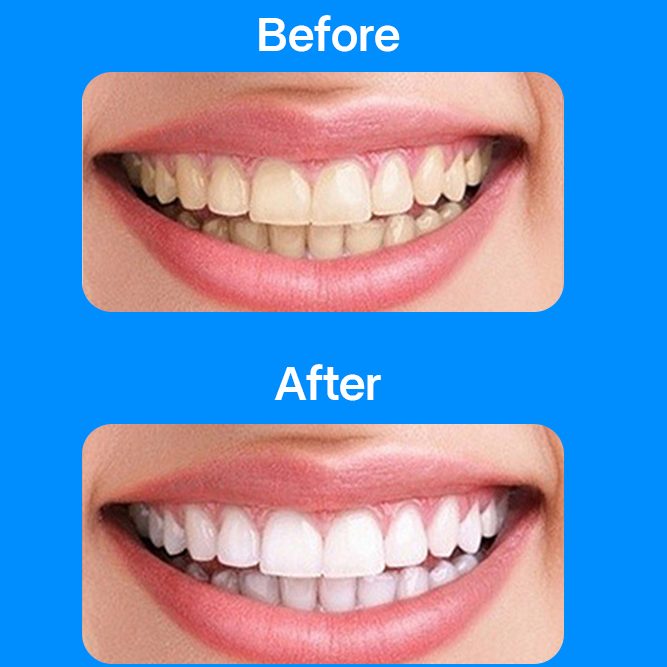
Is It True That Portable Teeth Whitening Devices Have No Effect at All?
.jpg)
Head Detachment During Lip Abrasions – Design Fault?
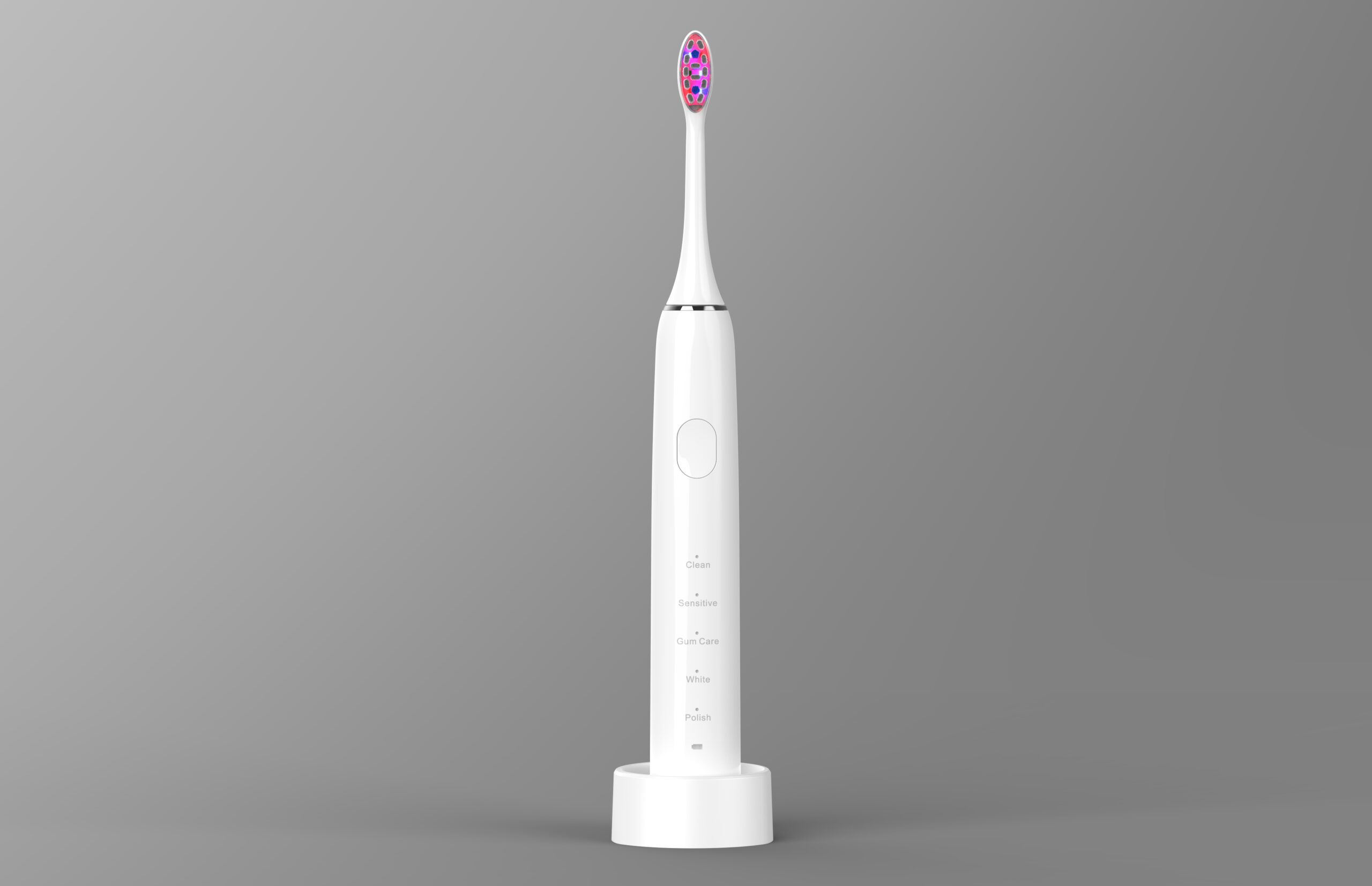
kids electric toothbrush factory
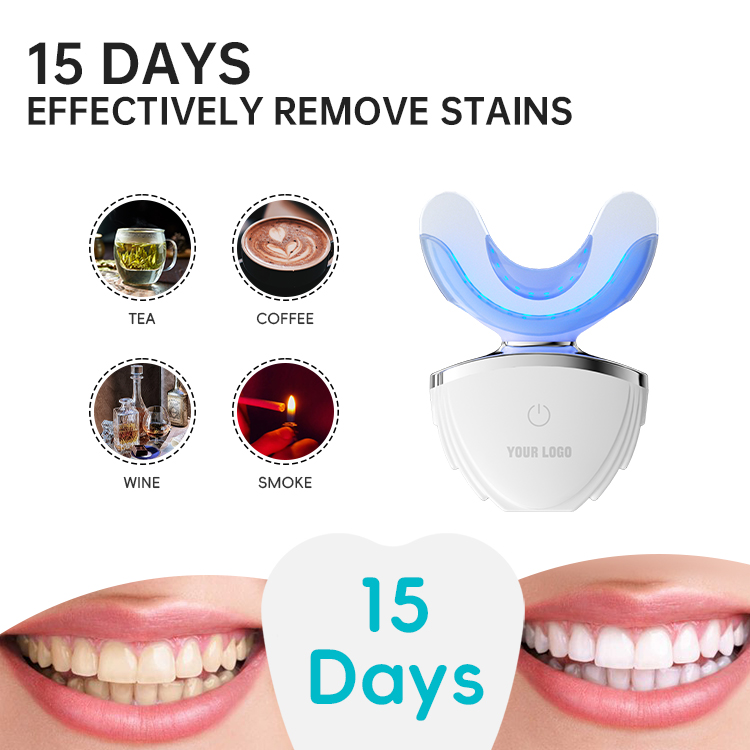
How Is Whitening Device Safety Engineered Into a Portable Whitening Kit?
Oral Beauty Device Supplier for Global Brands and Distributors
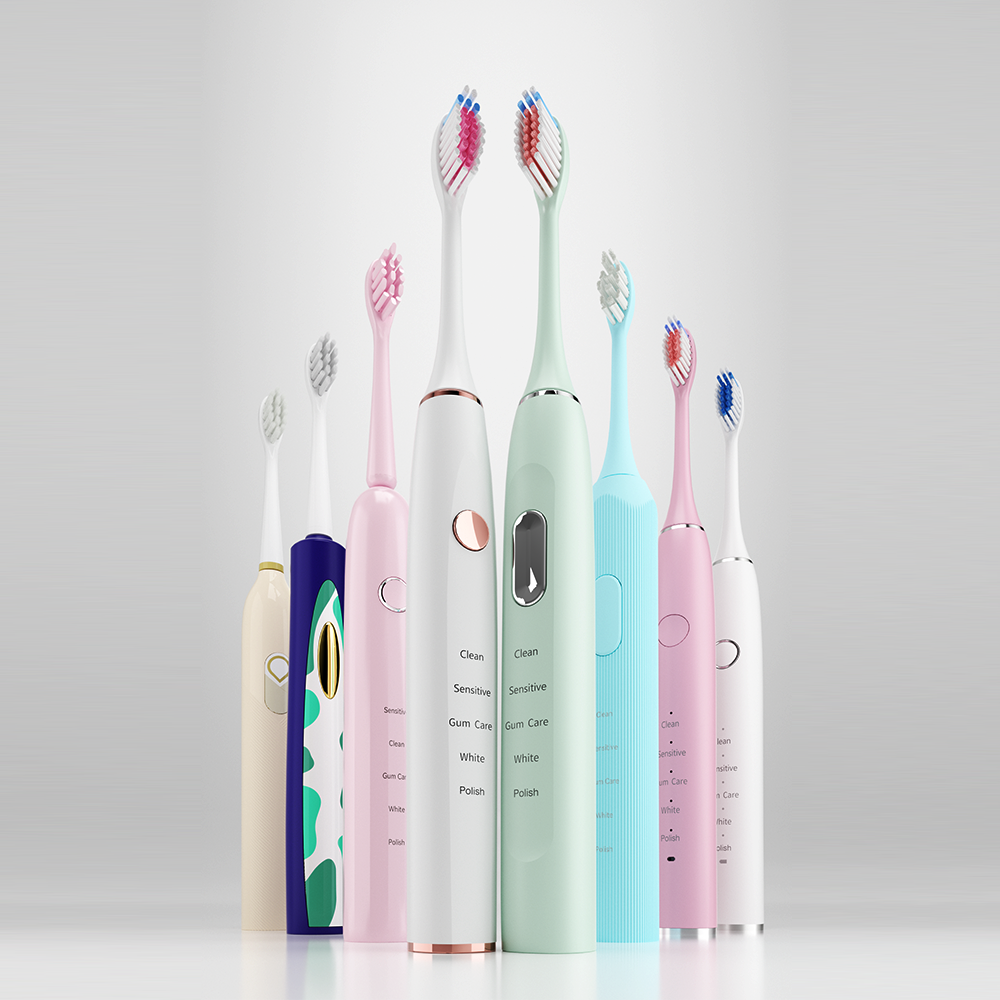
Camping Electric Brush Too Bulky? Folding Toothbrush Design Saves 50% Space!
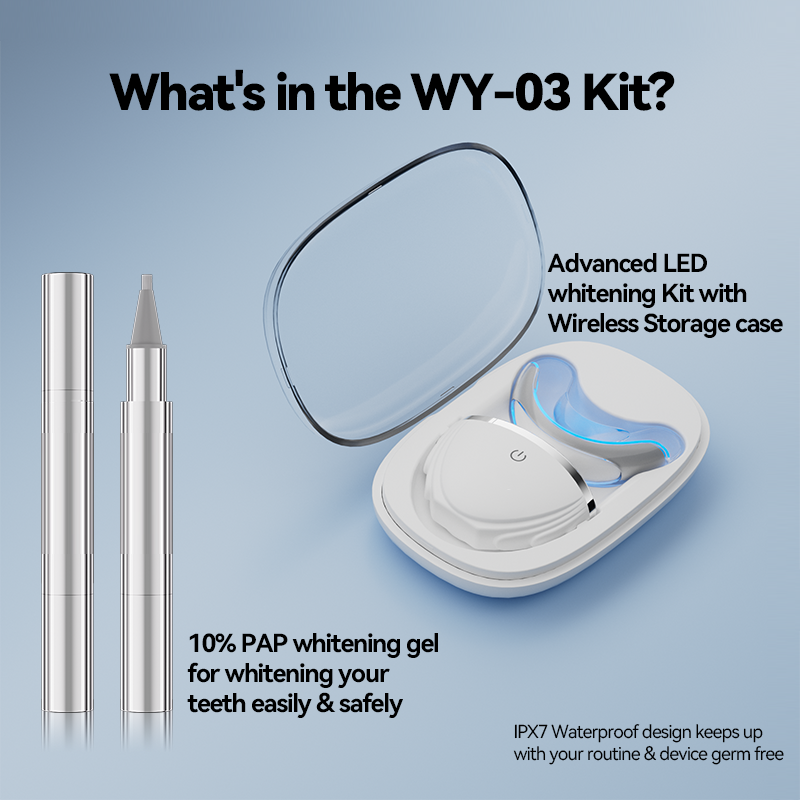
How Wireless Tech is Revolutionizing Oral Care Devices
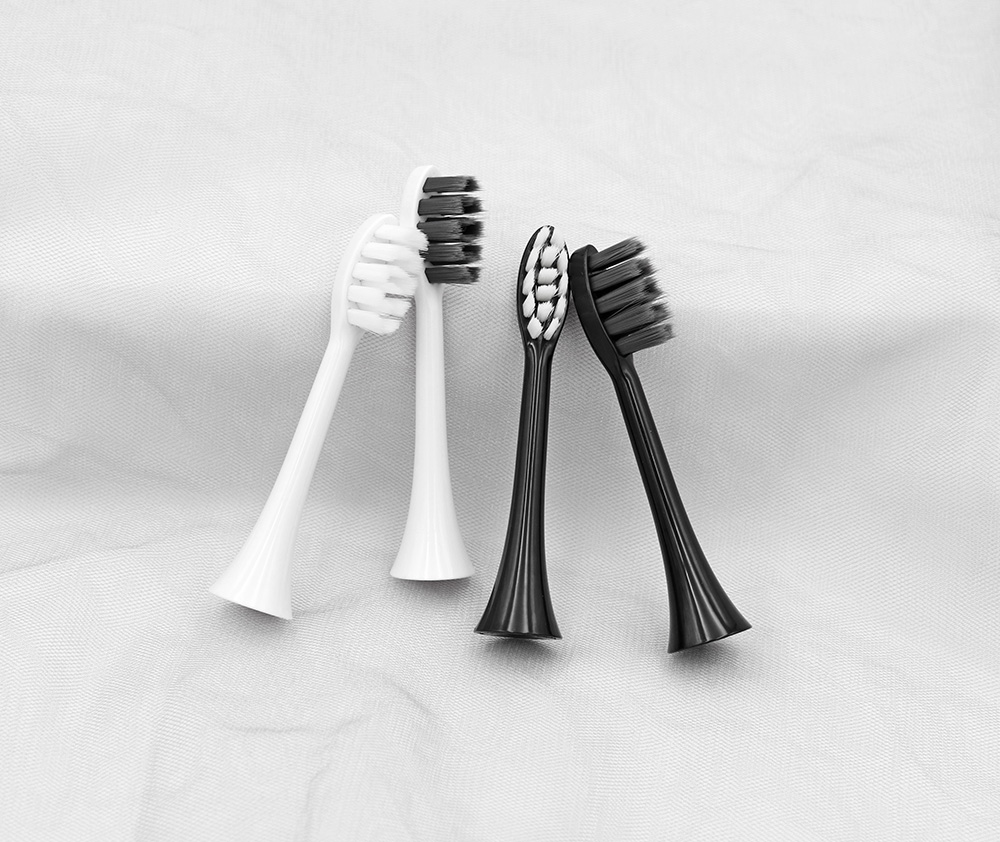
Multi-Color Electric Toothbrush Head Options – Custom Branding for Kids & Adults
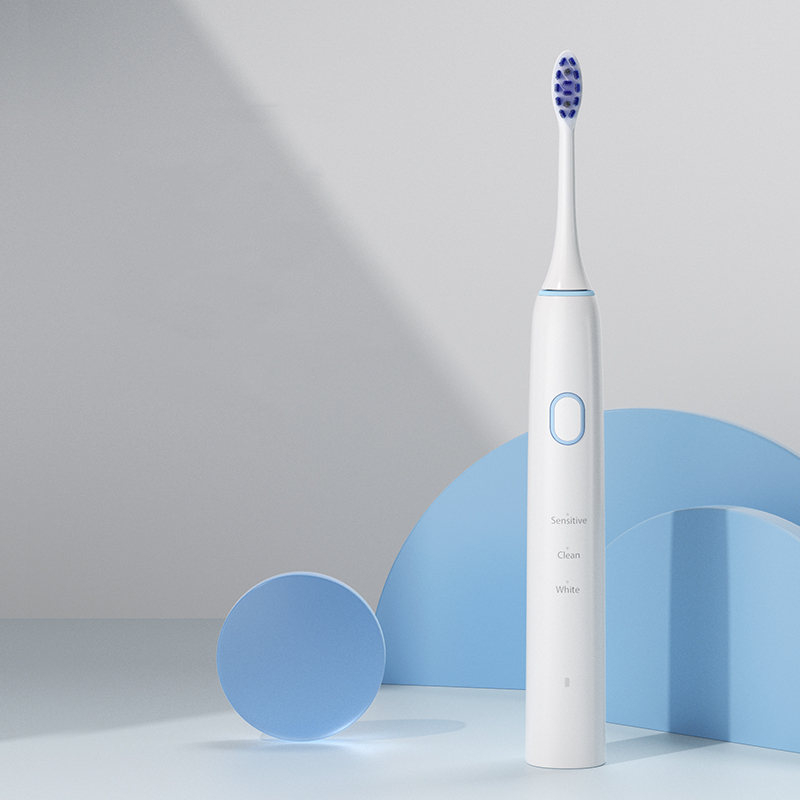
sonic electric toothbrush San Diego
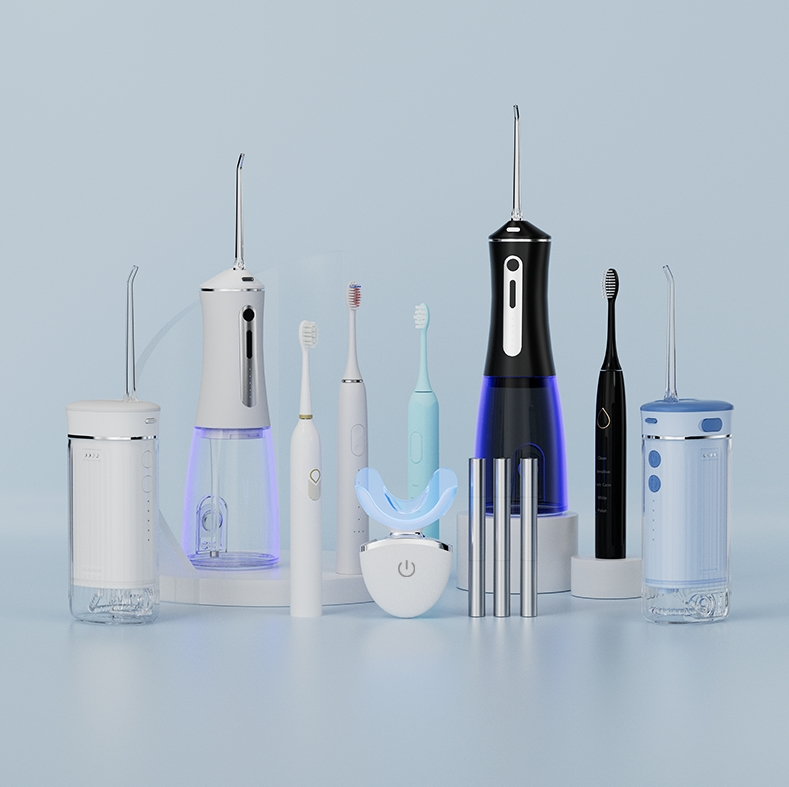
Why Electric Toothbrush & Water Flosser Bundles Sell Better
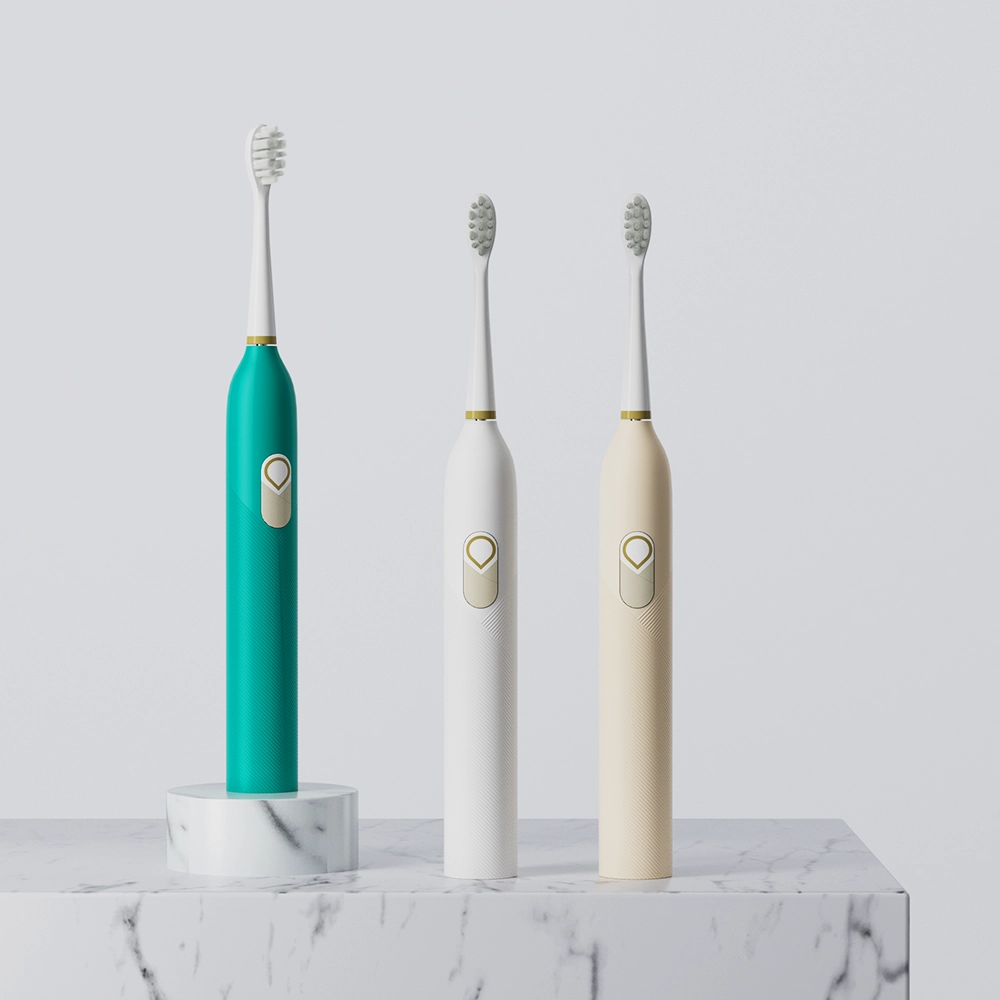
Electric Toothbrush with Bass Brushing Technology – 45-Degree Angle Cleaning
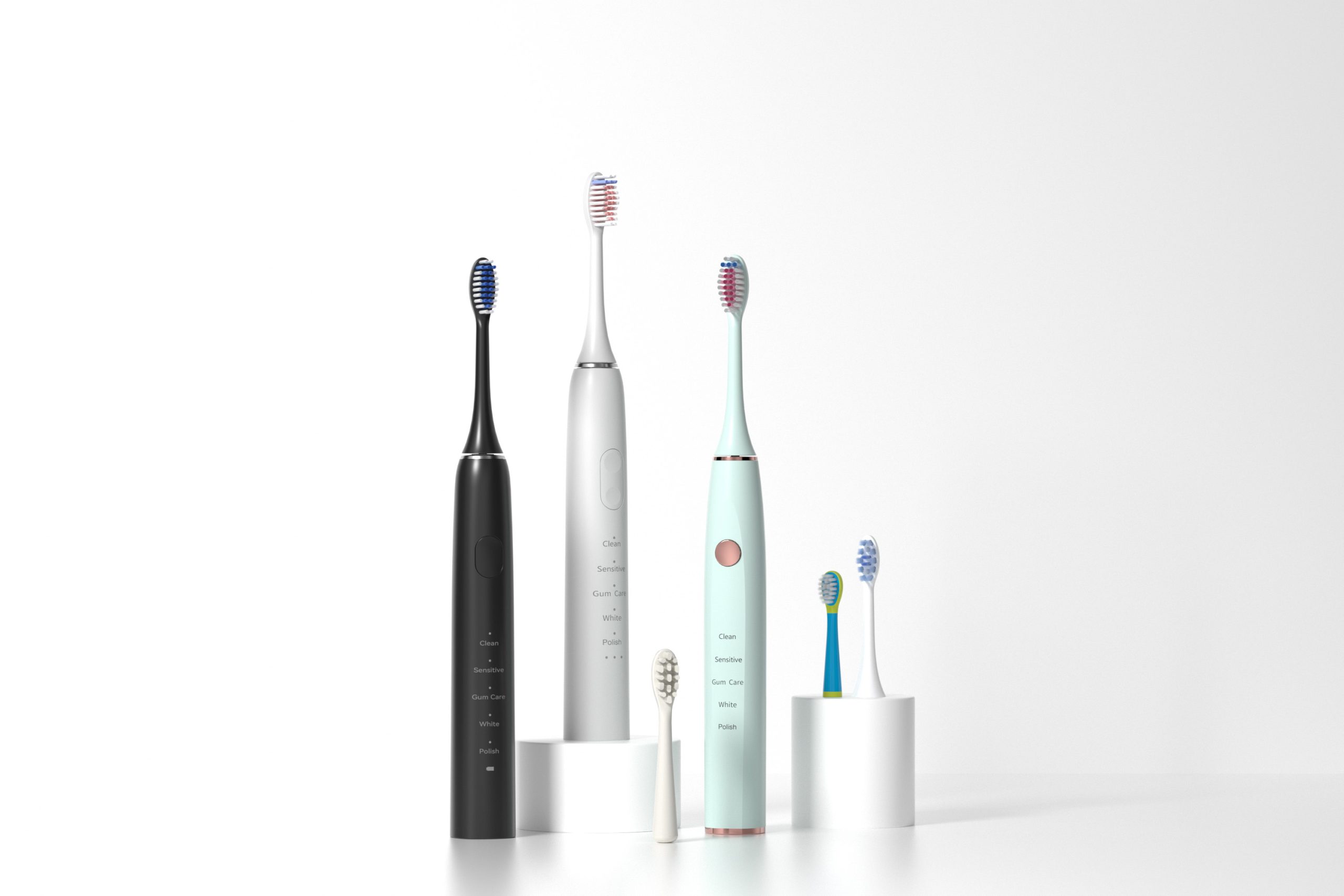
Gentle Yet Effective Cleaning: Sonic Toothbrush for Receding Gums

How Does UV Whitening Technology Comply with Dental Grade Whitening Standards?


.jpg)
.jpg)
.jpg)
.jpg)
.jpg)