In the competitive landscape of oral care devices, user adaptation has become a critical metric of product success. Surprisingly, one of the most overlooked factors hindering smooth adaptation is improper angle use. When devices are not ergonomically aligned with user behavior, even advanced technologies may fail to deliver intended results—leading to frustration, poor compliance, and product abandonment.
The Angle Problem: Where Design and Usability Collide
While many assume that users will instinctively adopt the correct brushing or flossing angle, clinical data shows otherwise. Improper angle use, especially with power toothbrushes and water flossers, often leads to:
- Incomplete plaque removal
- Gum line irritation
- Discomfort in wrist or jaw movement
This, in turn, delays user adaptation, especially for first-time electric brush or flosser users. Products that demand awkward wrist positioning or lack clear angling cues increase the cognitive load during daily use.
Why Improper Angle Use Persists Across Demographics
Improper angle use isn’t limited to elderly or pediatric users—it spans across all consumer groups. Common contributing factors include:
- Poor handle ergonomics
- Lack of user education or unclear user manuals
- Overly slim or thick brush necks
- Non-intuitive brush head orientation
Without thoughtful design intervention, users must rely on trial-and-error, prolonging adaptation time and diminishing their trust in the product. Company web:https://www.powsmart.com/product/electric-toothbrush/
Delayed User Adaptation = Higher Return Rates
From a B2B perspective, the consequences of delayed user adaptation are tangible. Products that are perceived as hard to use due to improper angling:
- Are more frequently returned within warranty periods
- Generate negative feedback and poor star ratings
- Increase customer service overhead and support inquiries
ODM buyers and private label clients should take angle-related UX seriously, as it directly impacts brand retention and lifecycle value.
Best Practices in Angle Optimization for OEM Devices
To address improper angle use, OEM manufacturers should incorporate:
- 45-degree angled necks to match natural brushing posture
- Rotational flexibility for jet nozzles and brush heads
- Visible angling guides or ridges on device casing
- Smart sensors that provide real-time feedback on incorrect angles
When products “guide the hand,” rather than relying on users to self-correct, user adaptation becomes intuitive and efficient.
Testing for Adaptation During R&D Phase
Human-centered design testing is essential. At the prototype stage, manufacturers should:
- Conduct usability trials across varied age groups
- Use motion tracking to monitor real-use angles
- Gather data on time-to-adaptation benchmarks
- Adjust design based on repeat error patterns observed
This investment pays off significantly by reducing long-term usability issues and support costs post-launch.
How We Bridge the Gap Between Angle and Adaptation
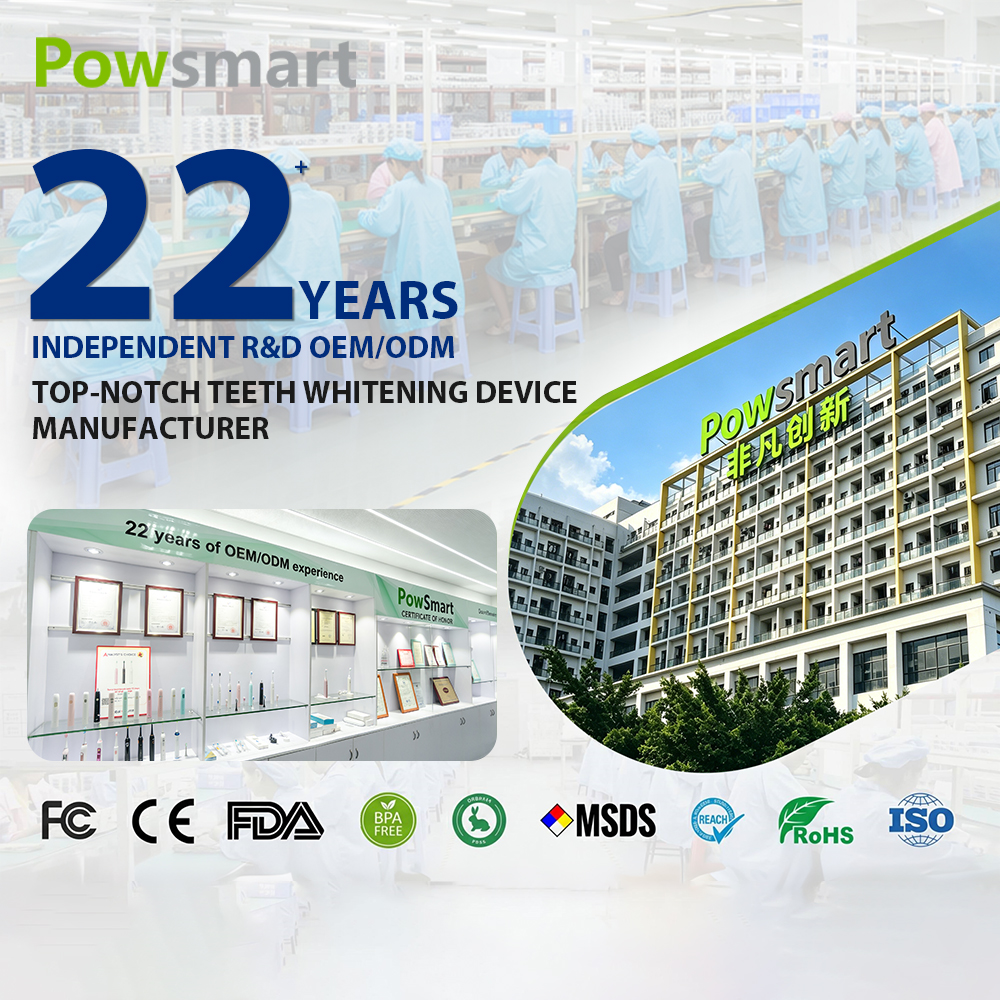
At our facility, we integrate user behavior analytics into every new device iteration. Our design engineers work closely with market insights teams to ensure brush angles, handle grips, and head orientations align with natural human ergonomics. This has resulted in a 38% improvement in first-week user adaptation among our OEM partners’ latest oral care models.
Conclusion: Fix the Angle, Empower the User
Ultimately, user adaptation struggles from improper angle use are not a user fault—they’re a design responsibility. Manufacturers and brand owners must rethink angle ergonomics as a foundational element of product development. Doing so not only enhances user satisfaction but also futureproofs your product against negative reception in a crowded marketplace.
Looking to improve adaptation rates and reduce learning curves? Contact our engineering team today to explore ergonomic optimization for your next oral care product line.
.jpg)
.jpg)
