
Many consumers report oral ulcers, heightened teeth sensitivity, or even allergy reactions after using over-the-counter whitening kits. While whitening agents aim to brighten smiles, their chemical action and delivery methods can inadvertently damage oral tissues. Below, we explore six critical factors manufacturers should address to minimize ulcer risk and ensure partner confidence in your whitening solutions.
Firstly, the active bleaching agents—typically hydrogen peroxide or carbamide peroxide—can irritate mucosal cells:
Recommendation: Formulate gels at neutral pH and include antioxidants to buffer free radicals.
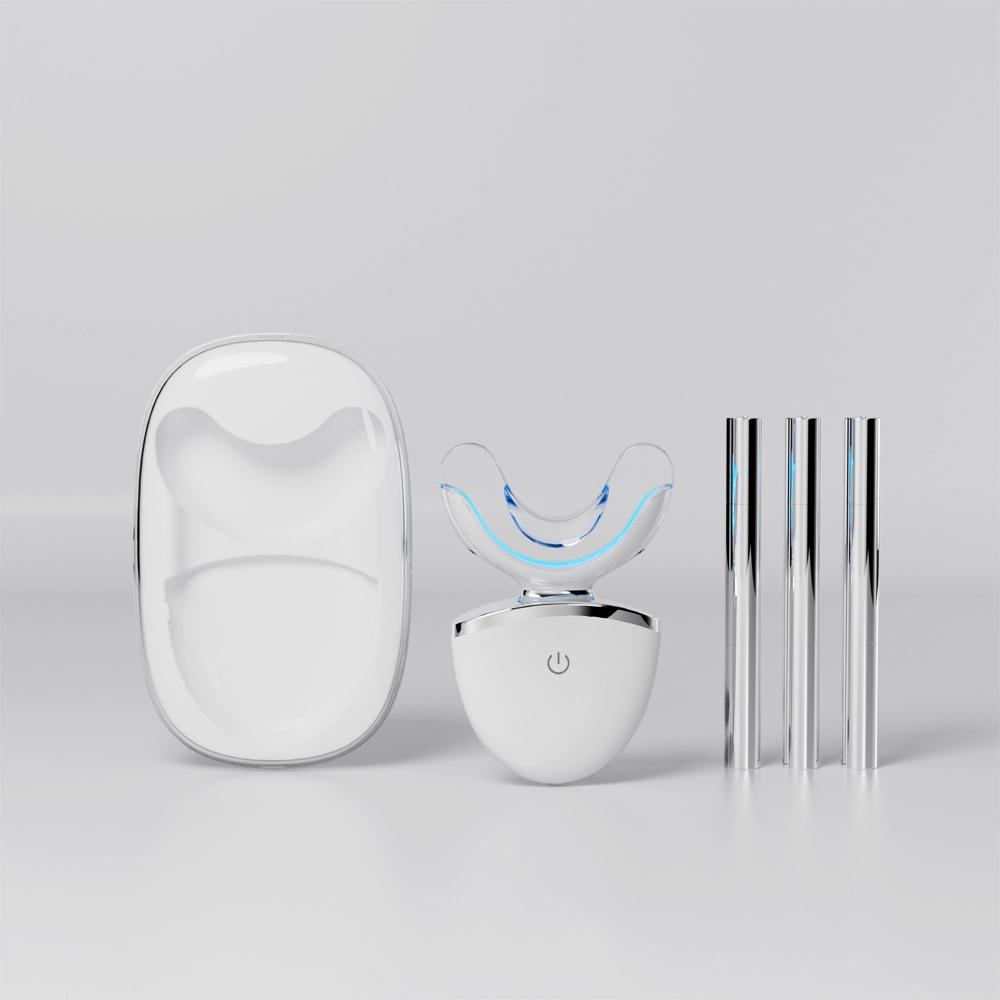
Next, the way whitening gel is applied influences ulcer risk:
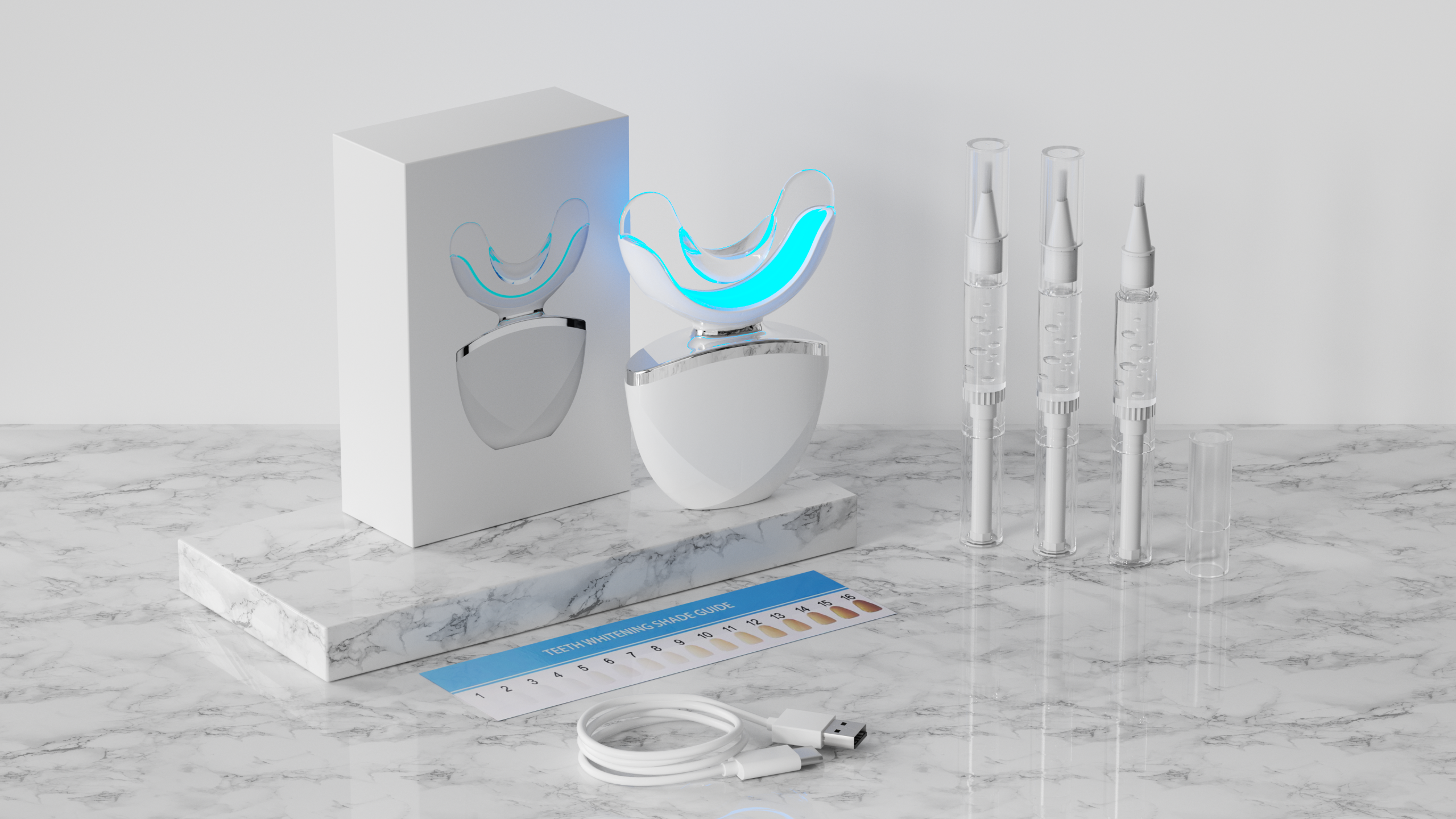
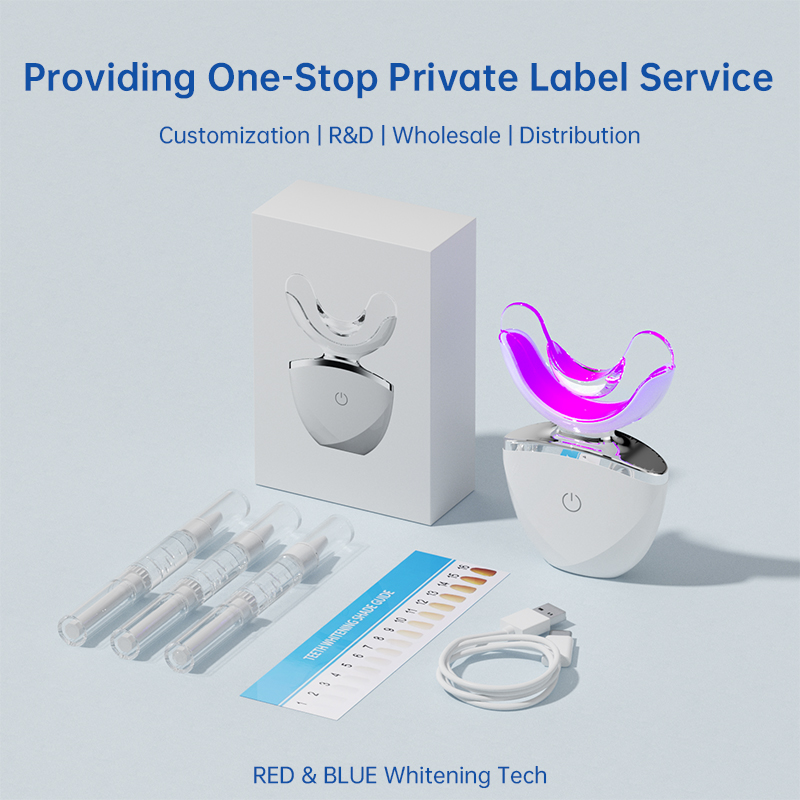
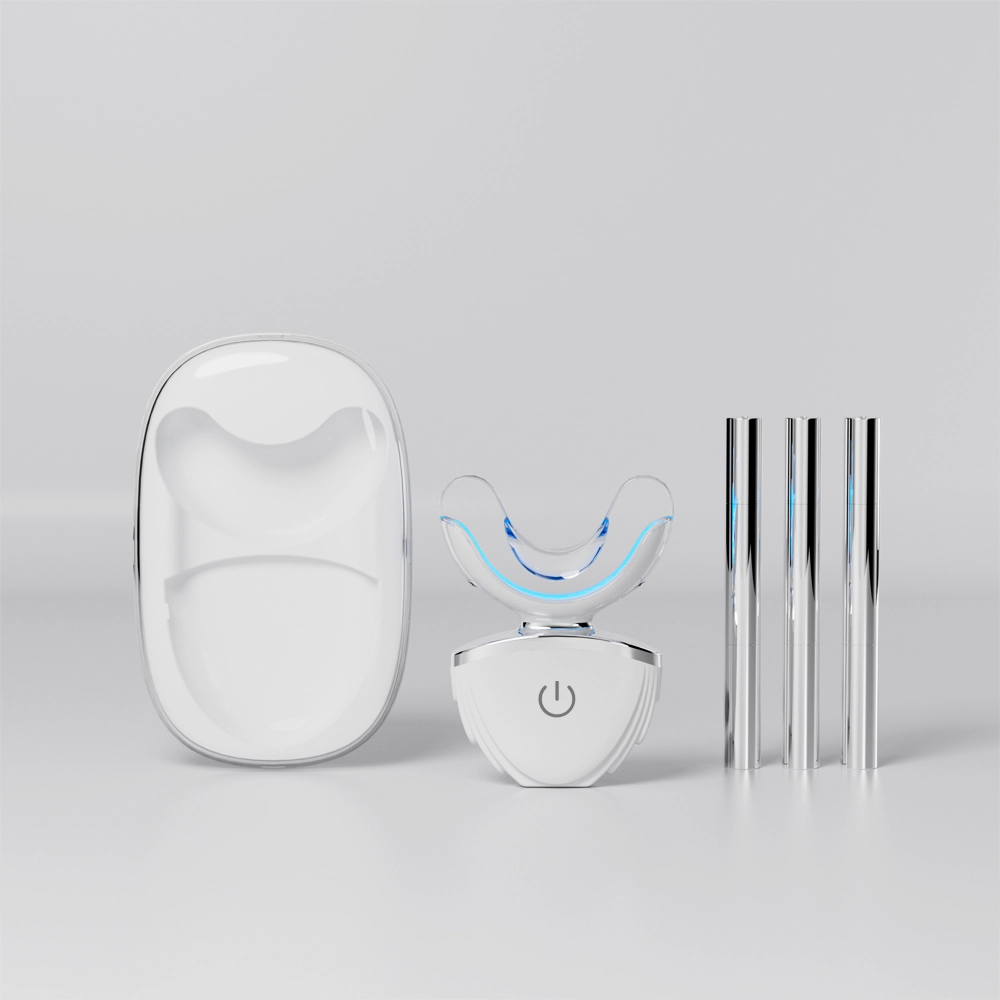
Recommendation: Develop anatomically contoured trays with soft-edge seals and clear application markers to avoid gum contact. Company web:https://www.powsmart.com/product/electric-toothbrush/
Moreover, pre-existing teeth sensitivity often coexists with enamel micro-cracks:
Recommendation: Incorporate desensitizing agents (e.g., potassium nitrate) and enforce pre-use enamel integrity checks.
In addition to chemical irritation, allergy reactions play a role:
Recommendation: Use hypoallergenic excipients, clearly label potential allergens, and offer fragrance-free variants.
Even the safest formulas require clear guidance:
Recommendation: Supply concise, illustrated instructions and training videos for your B2B channels.
Finally, robust QMS and feedback loops are essential:
Recommendation: Establish an online portal for real-time adverse-event reporting and rapid product updates.
Conclusion
While teeth whitening kits deliver cosmetic benefits, insufficient attention to gel chemistry, delivery methods, and user guidance can lead to oral ulcers, exacerbated teeth sensitivity, and allergy reactions. By optimizing formulations, tray design, hypoallergenic ingredients, and education protocols—backed by rigorous quality control—B2B manufacturers can offer whitening solutions that brighten smiles without compromising oral health. Contact us to co-develop next‐generation kits that balance efficacy with safety.
.jpg)
-3-1024x576.png)
-2-1024x576.png)
Should You Partner with a Teeth Whitening Gel Manufacturing Expert?
What Are the Key Points to Note When Using the LED Teeth Whitening Device and Whitening Gel Together?

Ways Having Whiter Teeth Can Help Boost Your Confidence
1-scaled.jpg)
How Can Brand Owners Partner with Reliable Teeth Whitening Device Factories to Create Differentiated Products?
What Are the Other Promising oral care Products in the Oral Care Industry?
Teeth Whitening Equipment and Gel Compatibility – OEM System Integration
How Profitable is a Teeth Whitening Business with OEM Teeth Whitening Kit Suppliers?
A Few Things You Need to Know Before and After Teeth Whitening
How to find a factory to OEM your own brand of teeth whitening kits
Introduction of 5 Important Teeth Whitening Products in Oral Care and Their Pros and Cons
Home Teeth Whitening Device – A Must-Have Before a Date

Do You Know What PAP+ Is? Why Is It So Popular in Teeth Whitening?
Should You Try The Take-Home Whitening Kit?
R&D innovation and technological upgrading of dental appliances
Global teeth whitening Device Market : Fastest Growing Regions and Consumer Group Portraits
.jpg)
Taste Alteration After Tray Misalignment – Coincidence?


.jpg)
.jpg)
.jpg)
.jpg)
.jpg)



.jpg)
.jpg)