The electric toothbrush industry has seen remarkable advancements over the past few years, with innovation of electric toothbrush technology driving the market forward. From smart features to enhanced brushing techniques, these innovations are not only improving user experience but also reshaping the entire oral care sector. In this blog, we will explore the impact of innovation on the electric toothbrush market, highlighting key trends, the role of electric toothbrush factories, and how factory’s innovation ideas are pushing the boundaries of what electric toothbrushes can do.
Technological Advancements and Market Demand
One of the main drivers behind the innovation of electric toothbrush technology is the growing demand for more efficient, user-friendly, and personalized oral care solutions. Consumers are increasingly looking for products that offer convenience, customization, and improved performance. Recent innovations like pressure sensors, smart timers, and mobile app connectivity have made electric toothbrushes more intelligent and adaptable to individual needs. The integration of AI-powered features that track brushing habits and provide feedback is an example of how innovation is enhancing the consumer experience. As a result, the market for electric toothbrushes continues to expand, with innovations leading to higher consumer satisfaction and brand loyalty.
The Role of Electric Toothbrush Factories in Driving Innovation
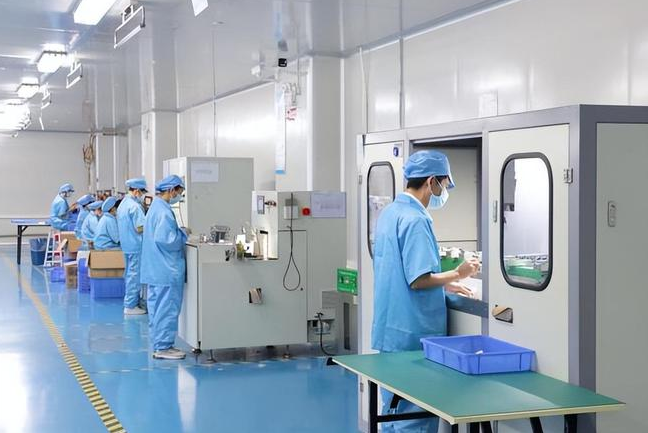
Electric toothbrush factories play a critical role in the development and production of these advanced products. By investing in research and development (R&D), factories can integrate the latest technological advancements into their manufacturing processes. This investment in R&D helps manufacturers stay ahead of the competition and produce high-quality products that meet evolving consumer expectations. Some factories are even adopting sustainable practices, such as using recyclable materials and reducing energy consumption, which are also becoming important selling points in today’s environmentally conscious market.
Factory’s Innovation Ideas: Shaping the Future of Oral Care
Factory’s innovation ideas are not just limited to product design but also encompass improvements in manufacturing processes. Some forward-thinking factories are embracing automation, precision engineering, and advanced quality control measures to enhance product consistency and reduce production costs. Moreover, many manufacturers are focused on creating customized options for consumers, such as toothbrushes with interchangeable brush heads, multi-speed settings, or options for specific oral care needs (e.g., gum care or whitening). These innovations give factories the flexibility to cater to a wide range of customer preferences, further solidifying their position in a competitive market.
Consumer Benefits: Improving Oral Health and User Experience
The innovations in electric toothbrush technology have had a profound impact on consumers’ oral health and overall user experience. Studies have shown that electric toothbrushes, especially those with advanced features, offer superior plaque removal compared to manual brushes, contributing to better oral hygiene and reduced risk of gum disease. Furthermore, the added convenience of features like timers, pressure sensors, and mobile apps helps users brush more effectively and for the recommended time, ensuring a more thorough clean. As these features become more prevalent, consumers are increasingly making the switch from manual to electric toothbrushes, boosting the overall growth of the market.
Conclusion
The innovation of electric toothbrush technology is transforming the way people care for their teeth, with advancements in performance, usability, and sustainability leading the way. Electric toothbrush factories are central to this innovation, driving improvements in both product design and manufacturing processes. With factory’s innovation ideas continuously pushing boundaries, the future of electric toothbrushes looks even more promising. As businesses and manufacturers continue to prioritize innovation, the oral care industry will see even greater opportunities for growth, paving the way for more efficient, personalized, and eco-friendly oral hygiene solutions.
.jpg)
