For brands entering the competitive oral care market, developing a compliant and effective Whitening Gel OEM Formula is a critical milestone. Achieving recognition as an FDA-cleared Whitening Gel requires not only proven whitening efficacy but also strict adherence to safety, formulation, and documentation standards. For OEM/ODM manufacturers, understanding the regulatory pathway and building compliance into the product development process is essential for successful market entry.
The foundation of any Whitening Gel OEM Formula lies in its active whitening agents, such as hydrogen peroxide or carbamide peroxide. To achieve FDA-cleared Whitening Gel status, these ingredients must meet concentration limits and safety standards defined for over-the-counter oral care products.
Key considerations include:
Ingredient compliance is the first step toward regulatory clearance.
An FDA-cleared Whitening Gel must demonstrate safety for oral use. A professionally developed Whitening Gel OEM Formula undergoes comprehensive testing to confirm it does not cause harmful irritation or enamel damage under recommended use.
Testing protocols typically include:
Validated safety data strengthens regulatory approval readiness.
Regulatory compliance extends beyond formulation. To support FDA-cleared Whitening Gel status, the Whitening Gel OEM Formula must be produced in facilities that follow Good Manufacturing Practices (GMP).
Manufacturing requirements include:
Consistent production standards ensure product integrity.
Demonstrating whitening efficacy is critical. A compliant Whitening Gel OEM Formula must show measurable stain reduction through clinical evaluation or scientifically validated laboratory testing.
Performance validation may involve:
Documented efficacy supports regulatory confidence.
Achieving FDA-cleared Whitening Gel status requires thorough documentation submission. OEM manufacturers must compile detailed technical files related to formulation, testing, labeling, and risk analysis.
Documentation typically includes:
Accurate and transparent documentation accelerates approval processes.
Even after clearance, proper labeling and claims management are essential. A Whitening Gel OEM Formula must avoid exaggerated or unapproved claims while clearly communicating usage instructions and safety warnings.
Compliance measures involve:
Responsible marketing protects both brand reputation and regulatory standing.
Achieving FDA-cleared Whitening Gel status requires a comprehensive approach that integrates compliant formulation, validated safety testing, controlled manufacturing, and complete regulatory documentation. A professionally developed Whitening Gel OEM must align with both scientific standards and regulatory expectations to ensure successful market approval. Contact us
.jpg)
Dual Light Electric Toothbrush Technology: Integrating Blue and Red Light for Advanced Oral Care
Enamel Erosion with Cavity Acceleration – Vicious Cycle?
Capitalizing on the LED Oral Care Boom: Essential Market Insights for Brands

How to Enhance the Competitiveness of Your Oral Brand
Gum Irritation or Throat Irritation – What’s the Culprit?
Electric Toothbrush Factory Direct Supply
How Can Faith-based Wellness Integration Accelerate Innovation Diffusion Forecasting?
Why Should Advanced Material Integration Include Embedded Self-diagnostic Componentry?
DuPont Bristle Toothbrush OEM Factory: Premium Material & Quality Guide
Electric Toothbrush OEM Manufacturer Guide
Electric Toothbrush for Mid Range Market Supplier Strategy Guide
Bonded Teeth Whitening Guide: Safe Whitening for Bonded Smiles
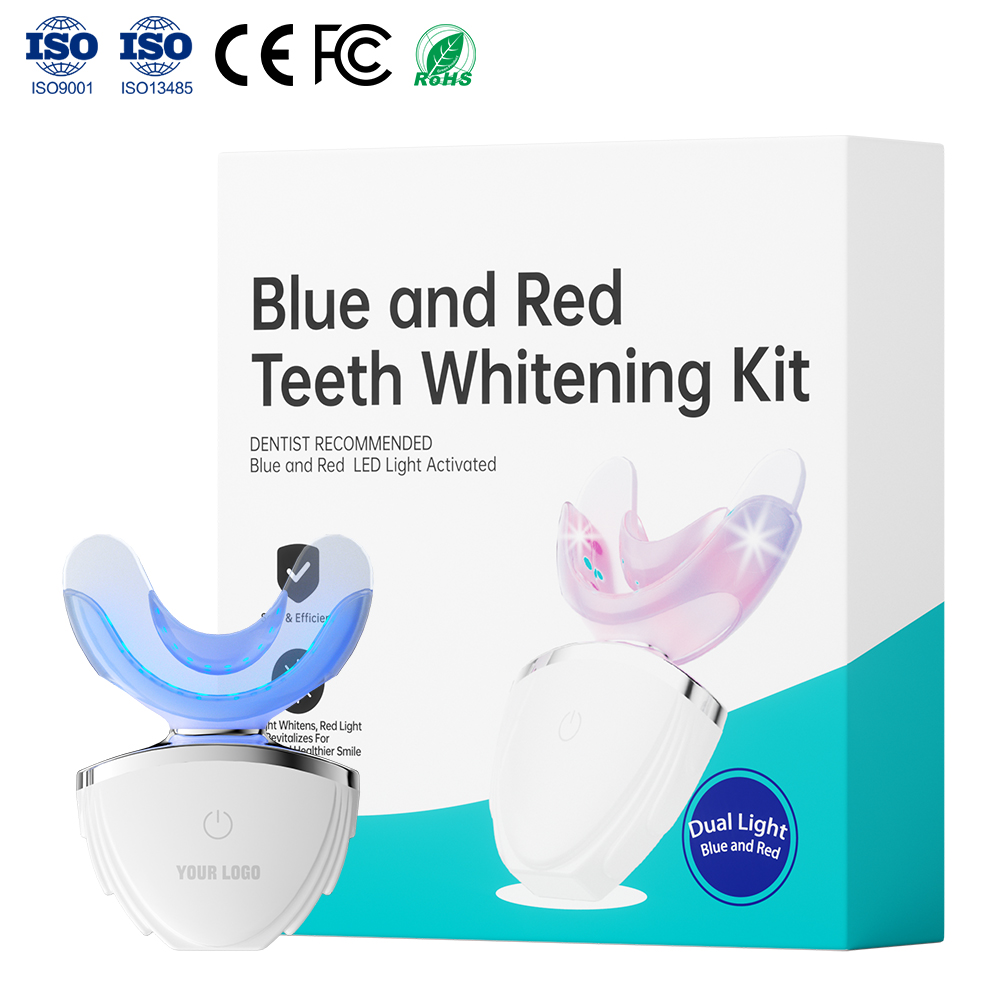
What Is the Role of Blue Light LED Module in LED Mouthpiece Design for Teeth Whitening?
Denture Care Brushing Guide: Keep Dentures Fresh Without Damage
How Does Micro-molding for Nozzles Relate to Insurance Reimbursement Code Support?
Trial Order Electric Toothbrush Supplier


.jpg)
.jpg)
.jpg)
.jpg)
.jpg)







.jpg)
.jpg)