As the demand for aesthetic dental solutions grows globally, teeth whitening continues to be one of the most sought-after cosmetic procedures. For oral care brands and product developers, understanding not only the whitening agents but also the full care cycle — including teeth whitening precare and teeth whitening aftercare — is essential for product positioning, consumer education, and R&D planning.
This blog outlines the best teeth whitening practices, helping brand owners create comprehensive oral care solutions that extend beyond the whitening gel or device itself. Whether you’re launching a new whitening line or seeking a reliable oral care manufacturer, knowledge of pre- and post-whitening dental care can enhance your brand’s credibility and customer satisfaction.
Before any whitening treatment, a proper precare routine ensures better results and reduced sensitivity. Here are the core elements of how to prepare for teeth whitening:
Professional dental cleaning: Encourage users to get a dental cleaning to remove surface stains and tartar before whitening.
Desensitizing prep: Recommend the use of toothpaste with potassium nitrate or fluoride 1–2 weeks prior to reduce post-treatment sensitivity.
Avoid staining foods: Cut down on coffee, tea, red wine, and tobacco before treatment for at least 48 hours.
Hydration and enamel care: Staying hydrated and avoiding acidic foods help maintain enamel strength before application.
Including teeth whitening precare tips in your product packaging or user manual elevates your product as a professional-grade solution.
To align with professional standards, your product line should promote best teeth whitening practices, including:
Accurate dosage and application time: Overuse or incorrect application leads to tooth sensitivity or gum irritation.
Shade tracking tools: Providing a shade guide helps users monitor progress and avoid over-whitening.
Use of trays or LED accelerators: Clear instructions and safety standards around these devices minimize risk.
Brand owners should seek manufacturers who can provide not only the active whitening formula, but also complementary accessories and packaging that support usage safety and compliance.
Once treatment is complete, proper teeth whitening aftercare is critical to sustaining results. Key recommendations include:
Post-treatment dietary caution: Avoid dark-colored beverages and staining foods for 24–72 hours.
Enamel recovery: Suggest remineralizing gels or fluoride toothpaste to help enamel recover.
Ongoing oral hygiene: Daily brushing with non-abrasive whitening toothpaste and flossing are vital.
Post-whitening dental care visits: Encourage follow-up visits with dental professionals for assessment.
Effective post-whitening dental care helps consumers maintain results longer and minimizes issues like rebound staining or sensitivity.
Including clear precare and aftercare instructions on product packaging not only improves customer satisfaction but positions your brand as an expert in dental wellness. Consider:
Adding QR codes linking to tutorial videos.
Providing a printed selection guide for product strength (mild, professional, sensitive teeth).
Offering full teeth whitening kits with both precare (e.g., desensitizing gel) and aftercare items (e.g., remineralizing gel or mouthwash).
This user-focused strategy not only differentiates your product in a competitive market but builds long-term loyalty.
For oral care brands, it’s no longer enough to provide only the whitening agent. Developing products around the entire whitening journey — including teeth whitening precare, treatment application, and teeth whitening aftercare — will appeal to educated consumers and dental professionals alike.
If you’re a brand looking to launch or enhance a whitening line, partner with a manufacturer who understands how to prepare for teeth whitening and can deliver complete solutions with built-in post-whitening dental care support. Comprehensive product offerings built around best teeth whitening practices are no longer optional — they’re the future of brand competitiveness in the global oral care market.
.jpg)
Camouflage Electric Toothbrush Texas
.jpg)
Pros and Cons: A Deep Dive into UVC and Ozone Sterilization Technologies
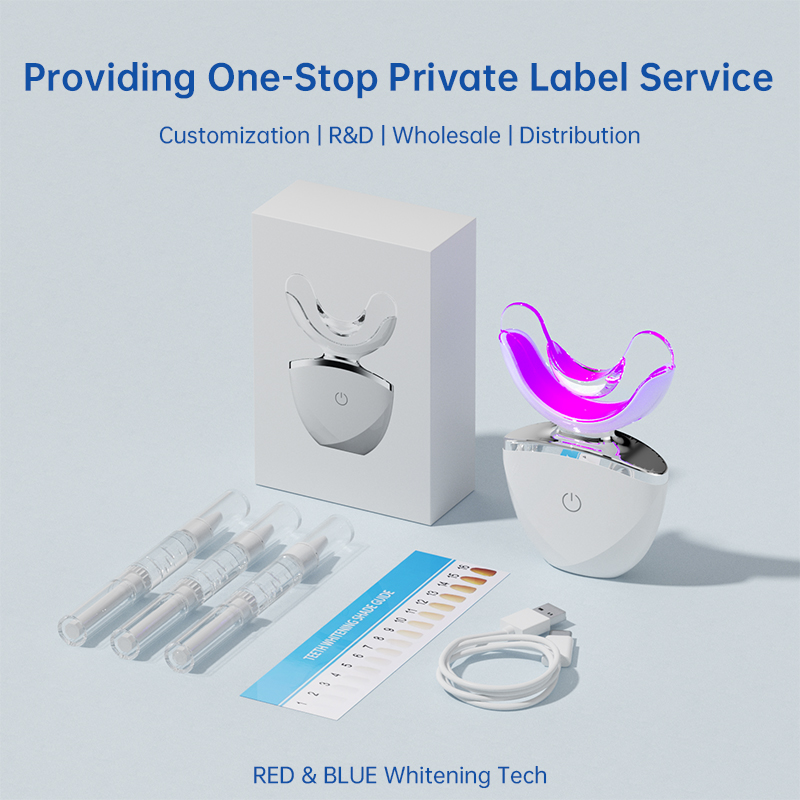
Teeth Whitening Kit OEM Manufacturing Compliance Standards
.jpg)
Is pressure sensor tech a must-have for sensitive gums?
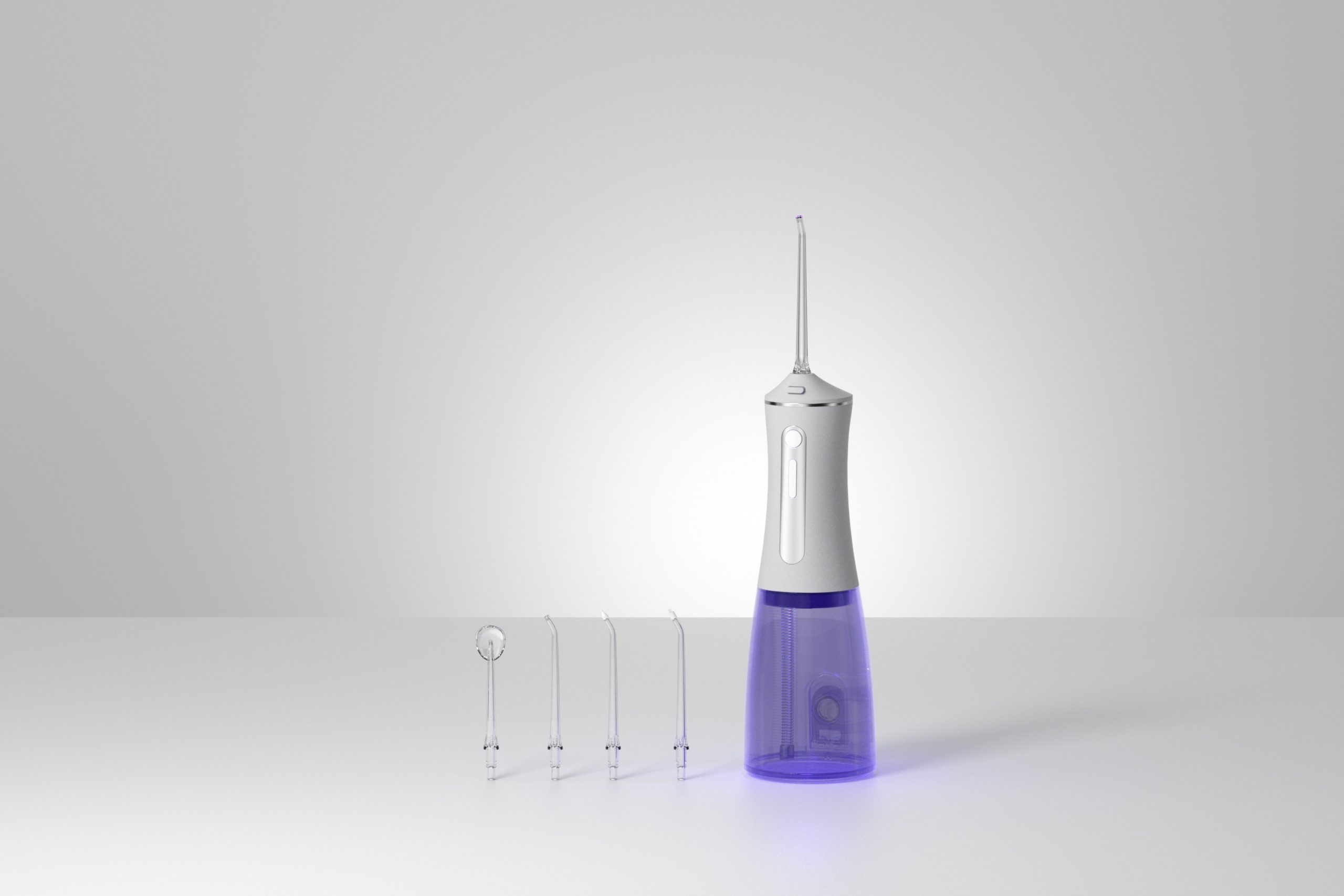
How to Pick the Right Water Flosser for Your Oral Health: Answers from an Oral Irrigator Manufacturer

How to Deal with Sudden Tooth Sensitivity?
Is an IPX8 Waterproof Rating Enough Without a Drop Resistance Test?
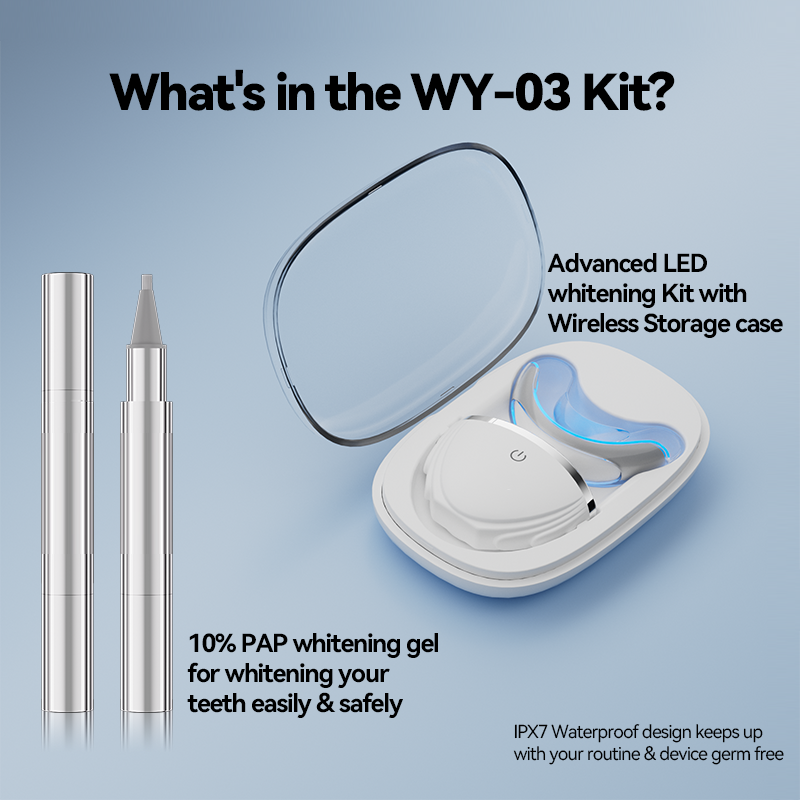
What Gives Some Teeth Whitening Devices Competitive advantage?
.jpg)
Looking for a Toothbrush Supplier with Toothbrush Replacement Heads?

Uncover 5 Critical Steps to Product Quality Control for Oral Irrigator: How Manufacturers Can Achieve Low Defects Rate
.jpg)
Is an RV battery toothbrush truly an RV travel essential?
Whitening Gel Compatibility Device — OEM/ODM Considerations for Global Brands
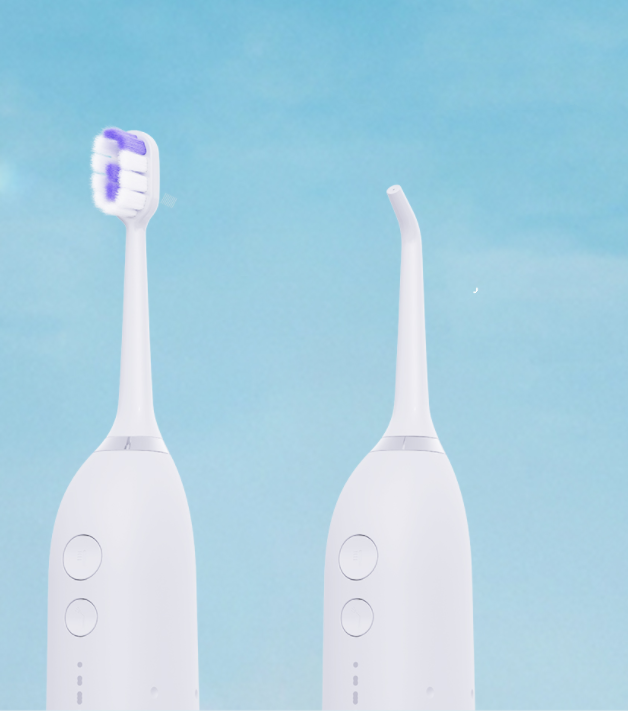
Deep Clean Interdental Electric Toothbrush Manufacturing Solutions
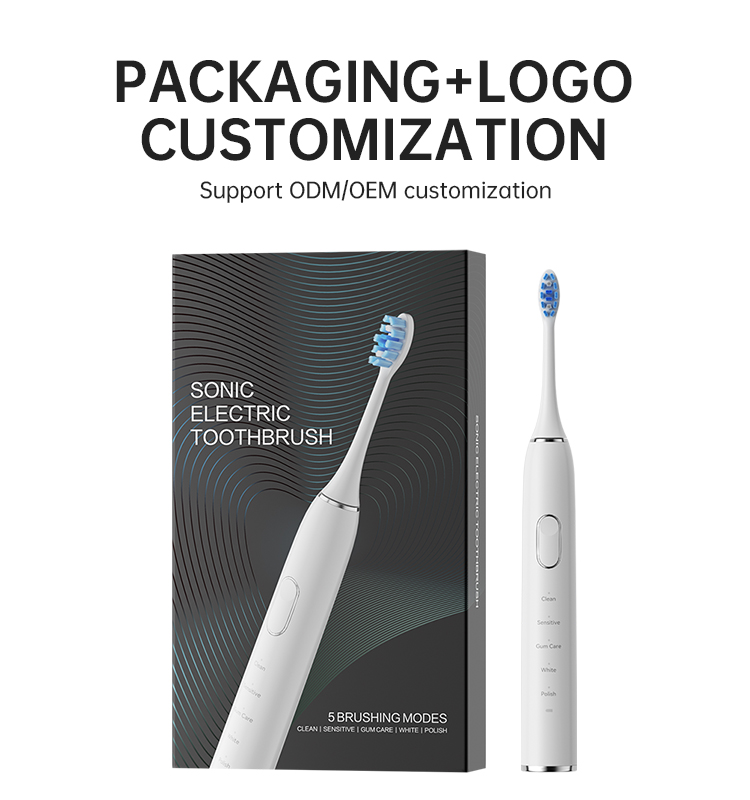
Is an IPX8 Waterproof Rating Essential for Durable Brush Heads?
Do Water Flossers Actually Remove Hard Plaque? An OEM Manufacturer’s Insight
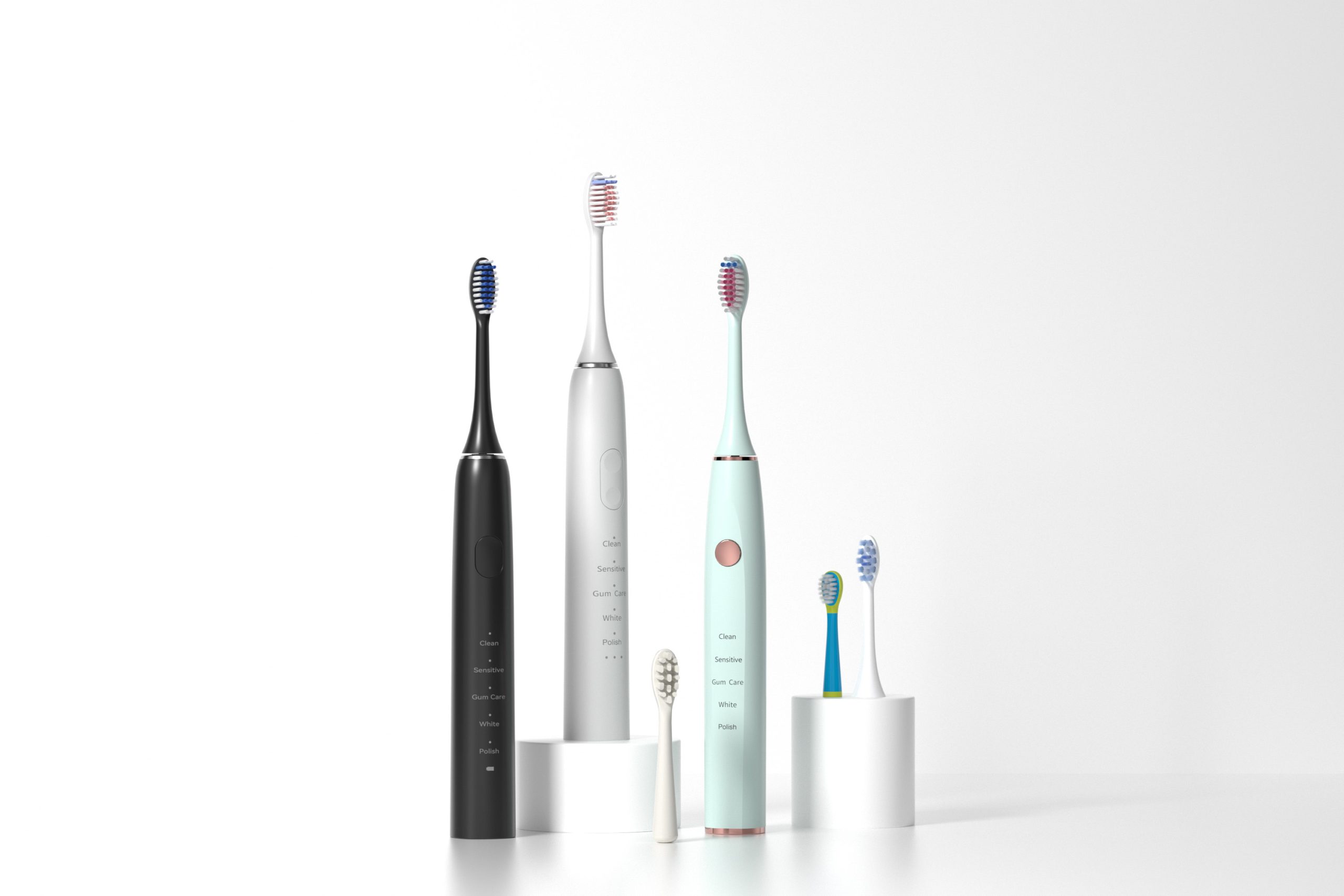
Why is an Alaska travel toothbrush designed as an Alaska rugged toothbrush?


.jpg)
.jpg)
.jpg)
.jpg)
.jpg)






.jpg)