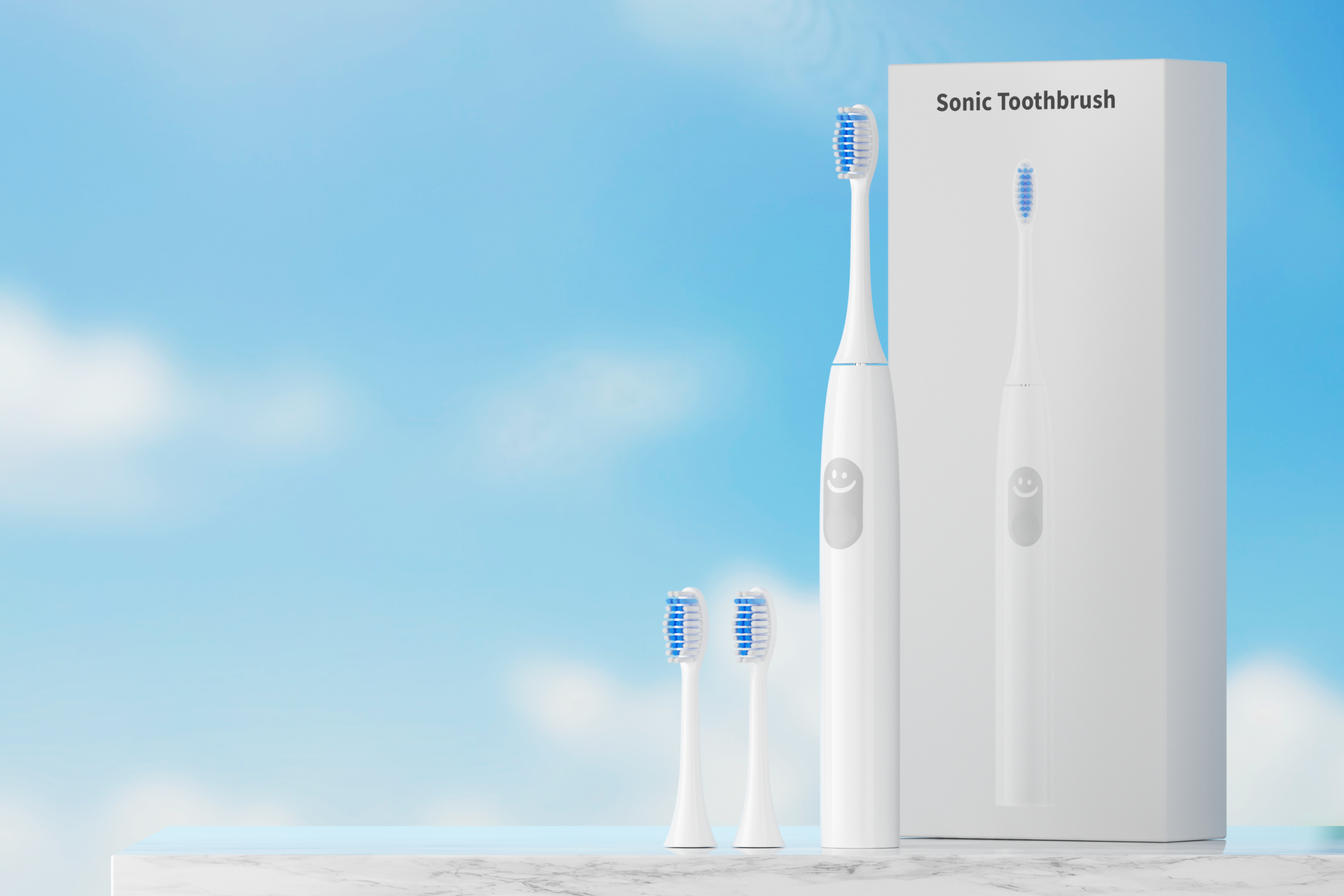
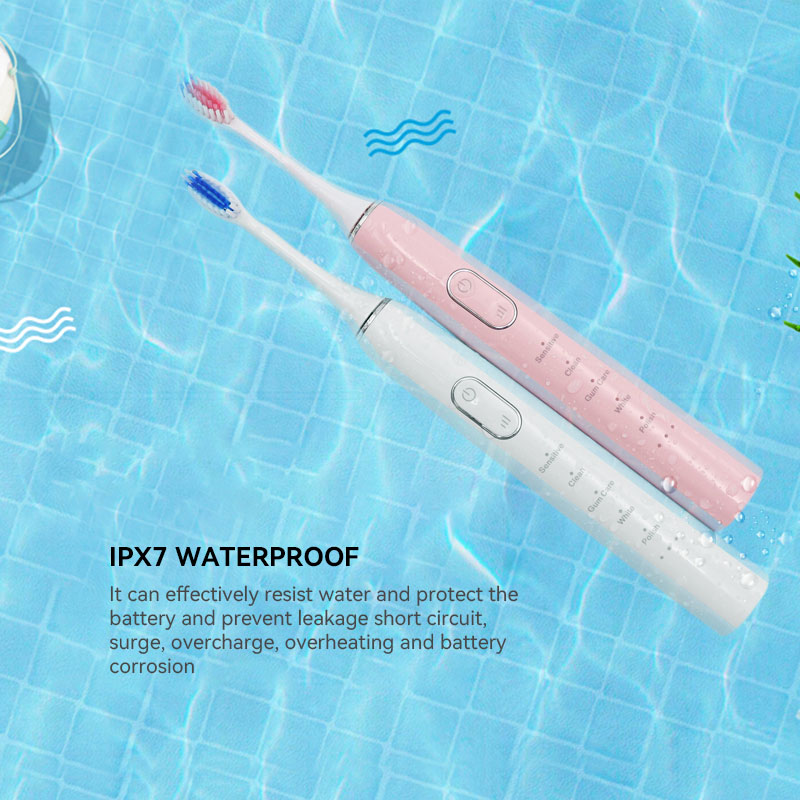
When it comes to consumer safety in oral care devices, waterproof failure isn’t just a mechanical flaw—it could be a direct cause of material toxicity. Many assume that as long as a product functions electrically, it’s safe. However, water intrusion can trigger chemical degradation in materials not designed to withstand prolonged moisture exposure. For OEMs and B2B buyers, understanding the correlation between waterproof integrity and toxic material leaching is crucial to both compliance and brand reputation.
Traditionally, waterproofing is associated with protecting internal components like motors or batteries. However, in modern electric toothbrushes, water can infiltrate and compromise:
When waterproof failure occurs—due to poor IP sealing, failed ultrasonic welding, or loose assembly—the materials not intended for water exposure may begin to degrade, leading to the release of harmful substances into contact areas like grip zones or brush necks.
The connection between waterproof failure and material toxicity is chemical in nature. Prolonged moisture intrusion can:
Especially in high-temperature environments like bathrooms, this degradation process intensifies. Over time, users may unknowingly be exposed to irritants or long-term carcinogens through direct skin or oral contact. Company web:https://www.powsmart.com/product/electric-toothbrush/
Regulations such as REACH, RoHS, and FDA material compliance clearly restrict the presence of certain heavy metals, phthalates, and BPA in consumer-facing components. However, these tests often assume “dry use” conditions.
If a product experiences waterproof failure, the material’s chemical behavior under “wet conditions” could render it non-compliant. This puts B2B brands at risk of:
The origin of most waterproof breaches can be traced to:
These are often overlooked during cost-cutting or rapid scaling. A single failed batch can result in hundreds of devices with compromised enclosures.
To avoid this cascading risk, manufacturers should adopt robust design-for-waterproofing strategies, including:
OEM partners should also be transparent about their material sourcing and provide full material safety data sheets (MSDS) for each component.
At our production facilities, we run multi-stage testing, including:
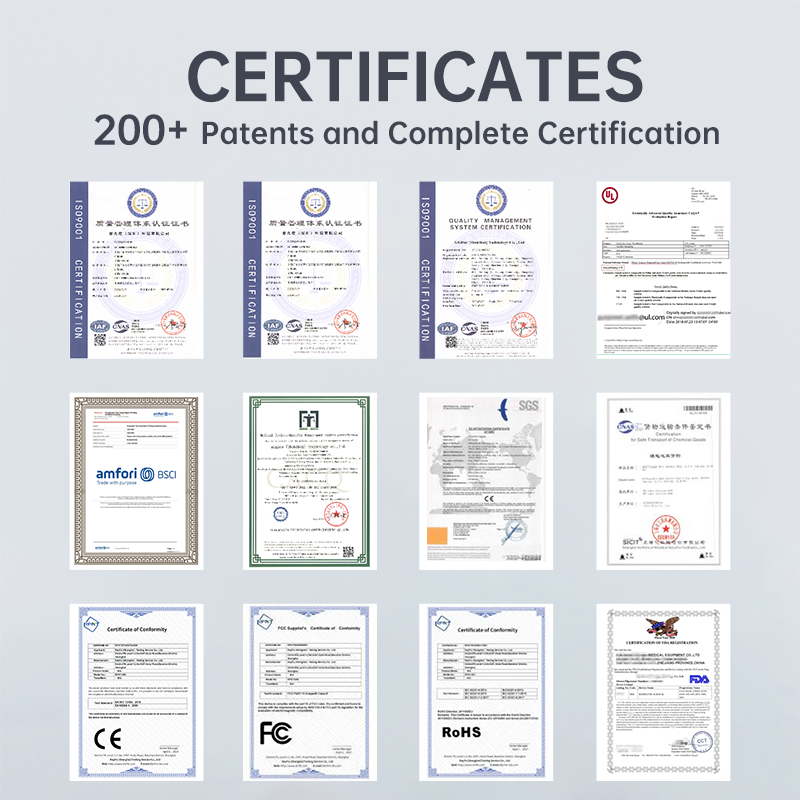
All components used are pre-certified to meet global toxicity safety standards, even in failure scenarios. This gives our OEM clients confidence—not just in initial performance—but in lifecycle safety.
The link between waterproof failure and material toxicity is often invisible—until customer complaints or lawsuits arise. For B2B brands and procurement teams, selecting the right manufacturing partner means choosing one who proactively tests for failure points and material safety beyond minimum specs.
Looking to audit your current waterproof design or material selection? Reach out to our engineering team for a risk assessment tailored to your product line.

.jpg)
Brush Shedding with Sensor Failure? What B2B Buyers Must Know!
Wireless Charging Toothbrush Factory | Contactless Power for Modern Hygiene
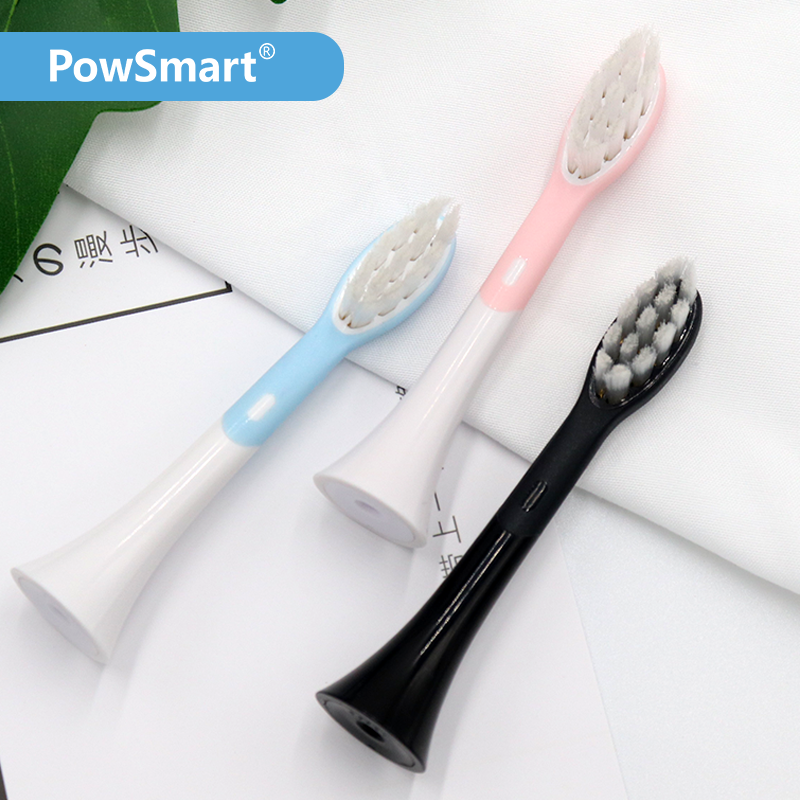
Why Is the Powsmart Ortho Head Key to the Clean Braces Technique?
.jpg)
Perfect Pressure Every Time: Designing User-Friendly Water Flosser Settings for Your OEM Brand
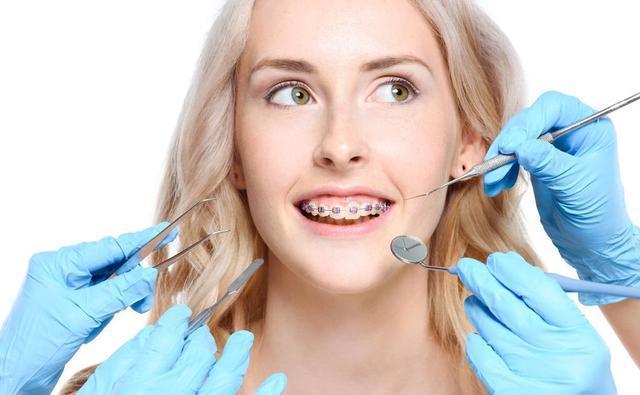
Best Dentist-Recommended Braces Cleaning Products for Braces Wearers
How Do Toothbrush Design Services Accelerate Toothbrush Prototype Development?
replaceable brush head toothbrush supplier | OEM & Private Label Factory in China
Electric Toothbrush & Water Flosser Combination Set: How to Increase the Average Transaction Value through Scenario-Based oral care products Design?
Can Scalable Toothbrush Production Capacity Optimize Your Toothbrush Material Sourcing Costs?
Electric Toothbrush ODM Manufacturer China for Global Brand Development
.jpg)
sonic electric toothbrush Montgomery
Gum-Care Whitening Device | Gentle LED Oral Care OEM Solution
Can a Gingival Sulcus Cleaner integrate a Thermochromic Indicator for safety monitoring?
.jpg)
Key Points for Customized Water Flosser Nozzle: Food-Grade Silicone vs. PP Material and Antibacterial Structure Design
Gingival Abrasion with Saliva Depletion – A Silent Crisis in Oral Care Design?
Dental-Grade Whitening Kit | Professional-Level Home Whitening


.jpg)
.jpg)
.jpg)
.jpg)
.jpg)



.jpg)