Dental software today does more than automate charts — it can fundamentally transform your practice management by connecting clinical workflows, patient engagement, and even device data from smart electric toothbrushes. In other words, modern dental platforms turn scattered tasks into measurable outcomes, so practices deliver better care while running more efficiently.
First, consider the typical friction points in a busy clinic: missed appointments, inconsistent oral-hygiene coaching, inventory surprises, and weak patient follow-up. Dental software addresses these by centralizing information and automating routine tasks. Moreover, when paired with data streams from smart electric toothbrushes (for example, brushing time, pressure alerts, and coverage maps), the platform becomes a two-way engine: it both captures real-world oral hygiene behavior and converts that insight into better clinical decisions.
Concretely, integrated dental software can:
Therefore, the combination of device + software closes the loop between at-home behavior and in-office care.
Next, let’s look at measurable advantages. By adopting dental software that accepts device input and supports practice workflows, clinics typically see improvements in:
Hence, dental software is not an expense; it’s a multiplier that turns clinical data into commercial and care value.
If you’re ready to transform practice management, follow these six prioritized actions:
Collectively, these steps align clinical, operational, and commercial goals — turning data into decisions.
Meanwhile, manufacturers of electric toothbrushes should see dental software as a channel, not just a checklist. By offering device SDKs, secure data feeds, and co-branded dashboards, suppliers can:
Consequently, software partnerships increase product stickiness and open recurring-revenue pathways.
Nevertheless, transformation requires caution. Avoid these common mistakes:
Instead, proceed incrementally: pilot with a small patient cohort, refine workflows, then scale.
Finally, to assess return on investment, monitor these practical metrics over the first 6–12 months:
To sum up, Dental software can indeed transform your practice management — especially when it intelligently ingests at-home oral hygiene data from electric toothbrushes and turns that information into clinical actions, better patient engagement, and new revenue streams. For clinics, the result is streamlined operations and improved outcomes; for manufacturers, it’s a path to deeper partnerships and product differentiation.
If you’d like, we can provide a one-page integration brief for your IT team or a vendor comparison checklist that highlights the device-integration features most relevant to dental practices. Which would help you more right now — the brief or the checklist? Contact us
.jpg)
.jpg)
How Does an LED Whitening Light Withstand a Pressure Decay Test for Durability?
.jpg)
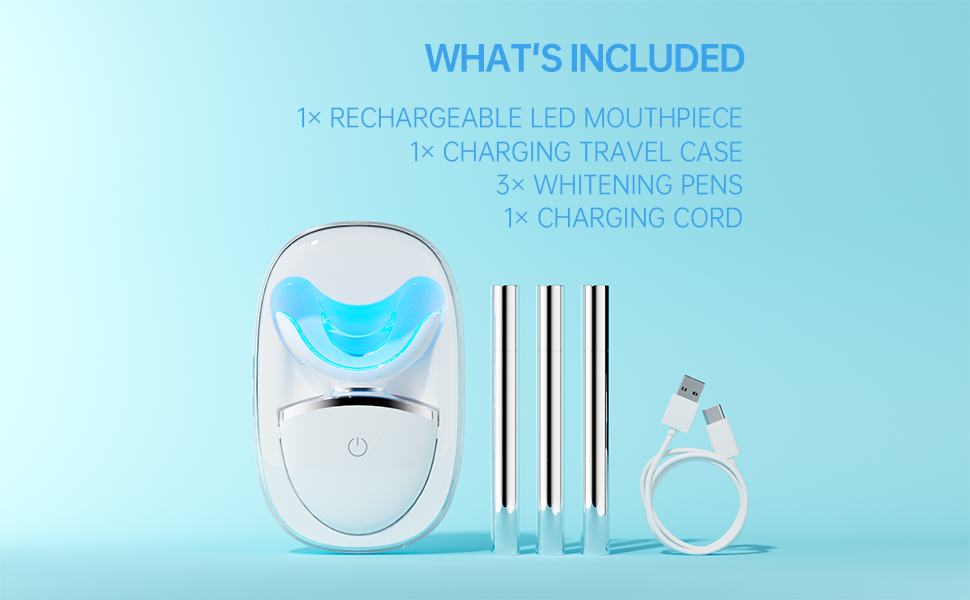
Portable LED Teeth Whitening Kit OEM
Understanding MOQ Variations for Custom Electric Toothbrush Colors
Professional IPX7 Toothbrush Supplier for Global Importers
Time for a clinic upgrade? Why invest in a smart Dental chair?
OEM Electric Toothbrush Kirkland | Custom Dental Solutions
How the Best Toothbrush Materials Enhance OEM Product Value
Electric Toothbrush Lifespan: When to Replace from an OEM Perspective
How Does an Apical Irrigation Tip Prevent Enamel Micro-abrasion During Root Canal Cleaning?
If Resetting an Electric Toothbrush Can Solve Malfunction Problems
Don’t Believe These 3 Myths About Natural Teeth Whitening
Long Battery Life Toothbrush Wholesale Supply for Global Importers
How does dental suction enhance infection control?
Soft Bristle Toothbrush Bulk Order Solutions for Importers
.jpg)
How to support dental charity? Free clinics in Kirkland
.jpg)
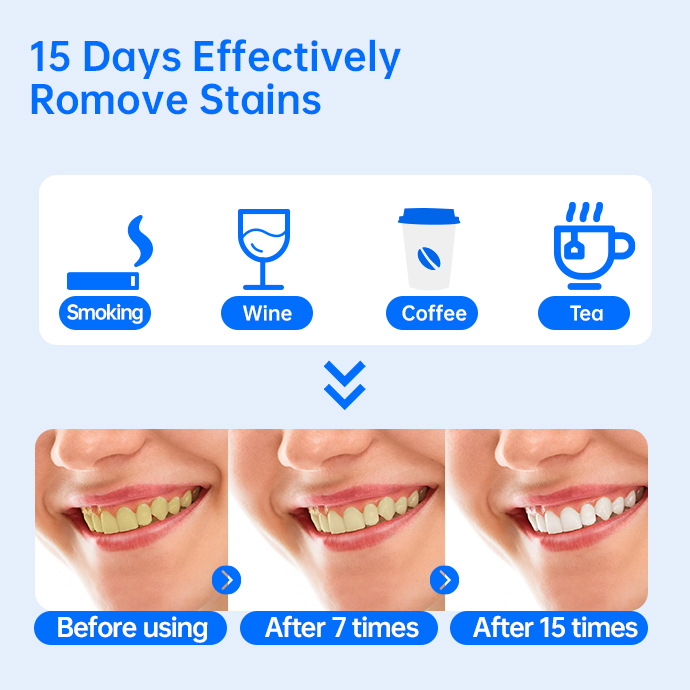
Why Use Chromophore Targeting Gel With a Dental Water Jet for Enhanced Stain Removal?


.jpg)
.jpg)
.jpg)
.jpg)
.jpg)