In the competitive toothbrush manufacturing industry, toothbrush production capacity is a key factor in improving operational efficiency and reducing costs. By scaling production, manufacturers can optimize their toothbrush material sourcing, ultimately leading to significant savings. In this blog, we will explore how increasing production capacity can help minimize sourcing costs and maximize profitability.
Increasing toothbrush production capacity allows manufacturers to buy materials in larger quantities. Bulk purchasing helps negotiate better rates with suppliers, as larger orders generally lead to discounts. By optimizing toothbrush material sourcing through larger quantities, manufacturers can take advantage of economies of scale, reducing the per-unit cost of materials.
With a higher toothbrush production capacity, manufacturers are likely to secure stronger relationships with material suppliers. Long-term contracts and consistent, high-volume orders make manufacturers more attractive to suppliers, often resulting in better prices, faster lead times, and priority service. This can significantly lower toothbrush material sourcing costs over time.
A scalable production model enables manufacturers to optimize workflow and minimize inefficiencies in material usage. With increased toothbrush production capacity, manufacturers can better plan their material purchases, reducing waste and excess stock. This efficient sourcing process ensures that only the necessary amount of material is ordered, preventing overstocking and associated costs.
Scaling up toothbrush production capacity also reduces lead times for sourcing materials. A manufacturer with higher production capacity often develops more predictable schedules for material deliveries, reducing delays and improving supply chain efficiency. With more reliable sourcing, manufacturers can avoid costly emergency material purchases, further optimizing toothbrush material sourcing costs.
With increased production volume, manufacturers can better standardize materials for different toothbrush models. This not only reduces variability in material types but also allows manufacturers to negotiate with suppliers for high-quality, cost-effective options. Standardizing materials contributes to more consistent toothbrush production capacity, further enhancing the efficiency of toothbrush material sourcing and reducing costs.
Ultimately, a scalable toothbrush production results in long-term financial benefits. As production increases, manufacturers can continuously improve their cost structure, passing on savings from material sourcing to their bottom line. This not only optimizes costs but also strengthens the competitive position of the business in a fast-paced market.
Scaling toothbrush production capacity plays a crucial role in optimizing toothbrush material sourcing costs. Through bulk purchasing, stronger supplier relationships, and streamlined production processes, manufacturers can significantly reduce material expenses. As the production capacity grows, businesses can leverage efficiencies that lead to better pricing, improved supply chain management, and ultimately, higher profit margins. Contact us
-1024x1024.jpg)
-1024x1024.jpg)
.jpg)
Pressure Sensor Toothbrushes: Prevent Over-Brushing with Smart Tech
.jpg)
Custom Electric Toothbrush Factory for B2B Brands | OEM & ODM Solutions
Can Travel Electric Toothbrush’s Waterproof Failure Cause Circuit Corrosion?
Analyzing Oral-B Style Handle Technology: A Cost-Benefit Guide for OEM Brands
Chicago Electric Toothbrush Supplier – Wholesale Quality from Chinese Factory
.jpg)
Smart Electric Toothbrush Manufacturing: How to Choose the Best OEM Partner
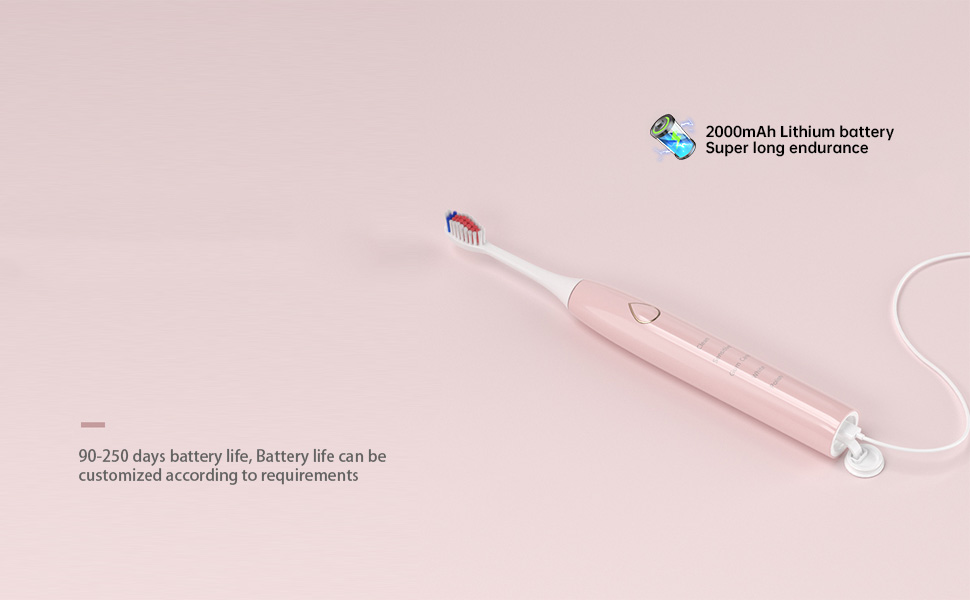
Development Guide for Long-Endurance Electric Toothbrushes: How Can Long Battery Life Become a Standard Feature in the High-End Market?
How does a Pressure-sensitive Matrix leverage Hydro-kinetic Energy Transfer for gentle cleaning?
Long-Lasting Smart Toothbrushes: 90–250 Days Battery Life for Bulk Buyers
Electric Toothbrush Head Customization Solution and Range

Oral Care and Personal Confidence Enhancement: A Dual Strategy from Whitening Effect to Product Appearance Level
.jpg)
Does POWSMART Kids Electric Toothbrush Contain Material Toxicity?
Private Label Electric Toothbrush Solutions for Global Oral Care Brands
Multi-Speed Electric Toothbrush Supplier | Customizable Oral Care Innovation
Professional Dental Care Toothbrush Bulk
Powsmart Electric toothbrush Factory Montgomery Alabama


.jpg)
.jpg)
.jpg)
.jpg)
.jpg)



.jpg)
.jpg)
.jpg)