Maintaining good oral hygiene goes beyond just brushing your teeth. A water flosser is an effective tool that helps remove food particles, plaque, and bacteria from between teeth and along the gumline. For those new to this device, understanding the proper usage is essential to maximizing its benefits. This guide will provide water flosser beginners with essential oral care tips and usage tips from the factory to ensure optimal performance.
A water flosser uses a pressurized stream of water to clean areas where traditional flossing might be difficult. Unlike string floss, which can be harsh on gums, a water flosser provides a gentler yet effective way to clean between teeth, especially for people with braces, implants, or gum sensitivity.
Deep Cleaning: Removes food debris and plaque more efficiently than traditional floss.
Gum Health Improvement: Reduces inflammation and bleeding for people with sensitive gums.
Easy to Use: A great option for those who find string flossing uncomfortable or difficult.
Use lukewarm water to avoid sensitivity.
For additional antibacterial benefits, consider adding a mouthwash (if recommended by your dentist).
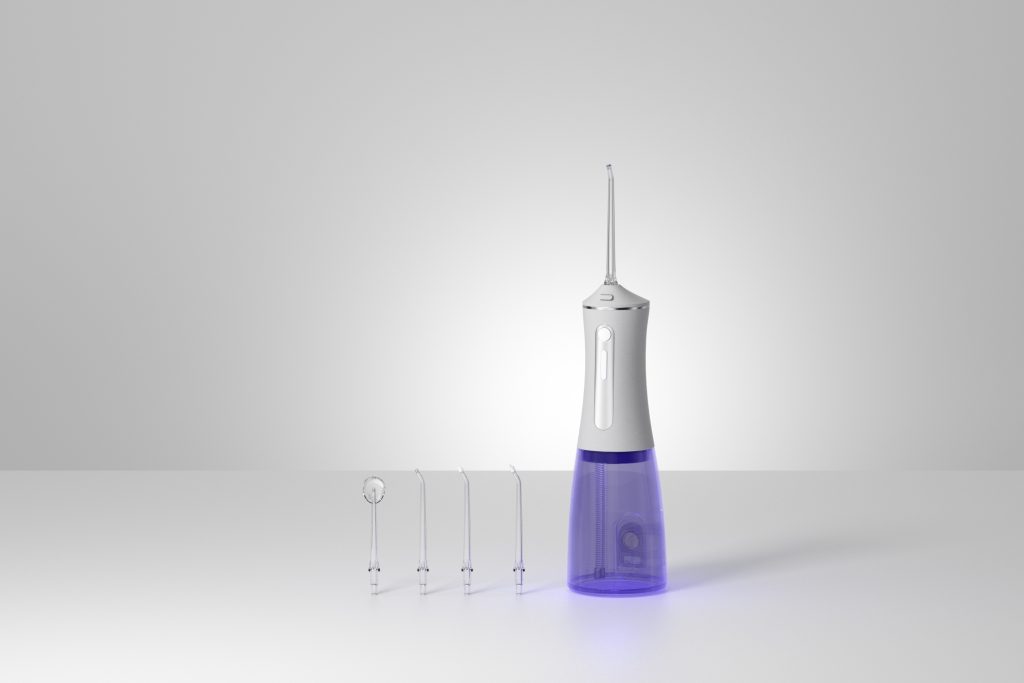
Standard Tip – Ideal for general use.
Orthodontic Tip – Best for braces and dental appliances.
Periodontal Tip – Designed for deep gum cleaning.
Start with a low pressure setting if you are a beginner.
Gradually increase to a comfortable level as you get used to the sensation.
Hold the tip at a 45-degree angle to your gums.
Lean over the sink to avoid water splashing.
Move along the gumline, pausing briefly between teeth.
Start from the back teeth and move forward to ensure thorough cleaning.
Empty the reservoir after each use to prevent bacterial growth.
Rinse the nozzle and store it in a clean, dry place.
Many beginners make mistakes when first using a water flosser. Here’s what to watch out for:
Using High Pressure Too Soon – Can cause gum discomfort. Start on a low setting.
Not Angling the Nozzle Correctly – Keep the tip at a 45-degree angle for best results.
Skipping Certain Areas – Move slowly to ensure complete cleaning.
To get the most out of your water flosser, consider these usage tips from factory experts:
For water flosser beginners, consistency is key. By following these oral care tips and factory-recommended techniques, you can ensure a cleaner, healthier smile. Start slow, practice regularly, and soon water flossing will become an effortless part of your daily routine.
Looking for high-quality water flossers? Contact us for professional solutions tailored to your needs! https://www.powsmart.com/contact-us/
How to Prevention Toothache in the First Place?

Global Electric Toothbrush Market Report: Portrait of the Fastest Growing Regions and Consumer Groups

Are Electric Toothbrushes Harmful to Children? Analysis of the Three Major Hazards and Disadvantages
Tips for Maintaining Oral Hygiene While Traveling from an Oral Care Products Factory
Pricing Strategy for Electric Toothbrushes: A Balancing Act Between Manufacturing Cost and Market Positioning
.jpg)
Oral Irrigator Pressure Drop and Tank Mold Causing Returns?
Should You Invest in Electric Toothbrushes?

Do You Know What PAP+ Is? Why Is It So Popular in Teeth Whitening?
Electric Toothbrush Charging Failure and Head Loosening Plaguing Your Products?
Does Teeth Whitening Gel Expire? Answer From Factory
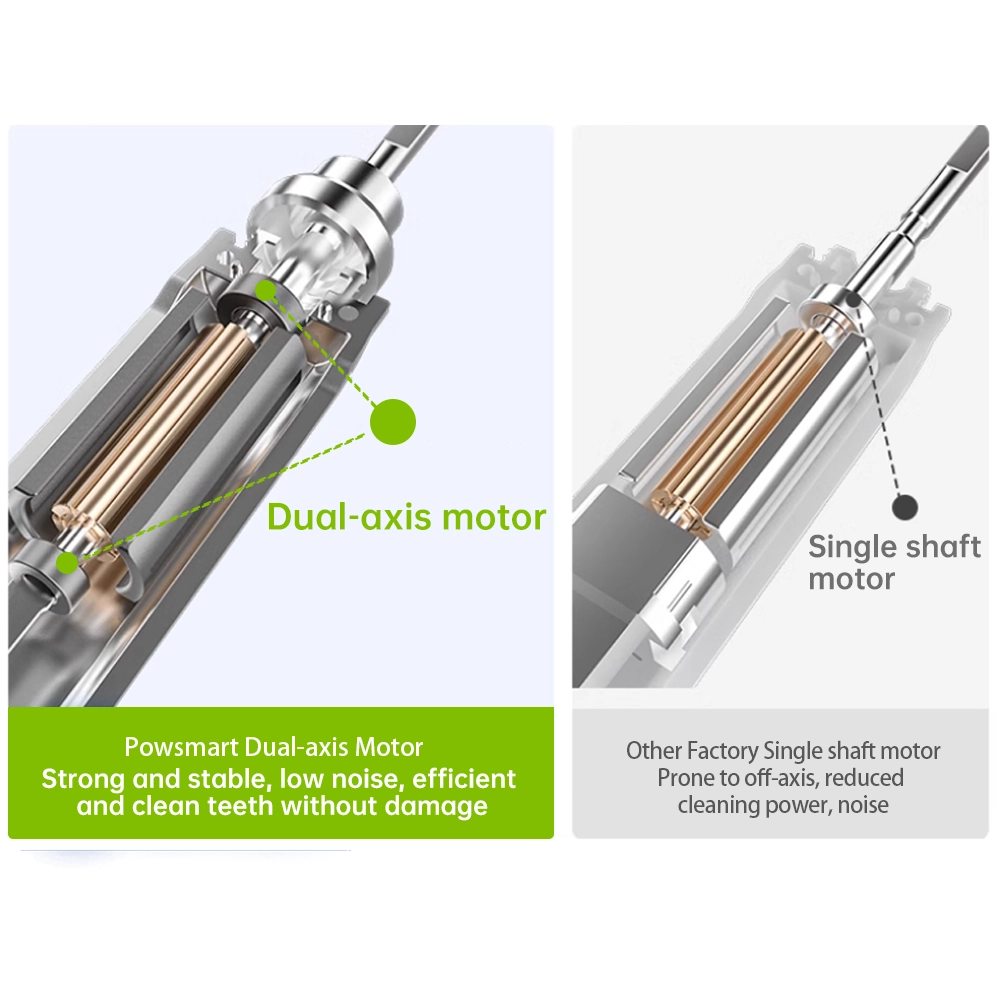
Sonic vs Rotary: Which Electric Toothbrush Technology is Better for Your Brand?
Analysis of the Whole Process of Electric Toothbrush Labeling: The Complete Cycle from Design to Shipment
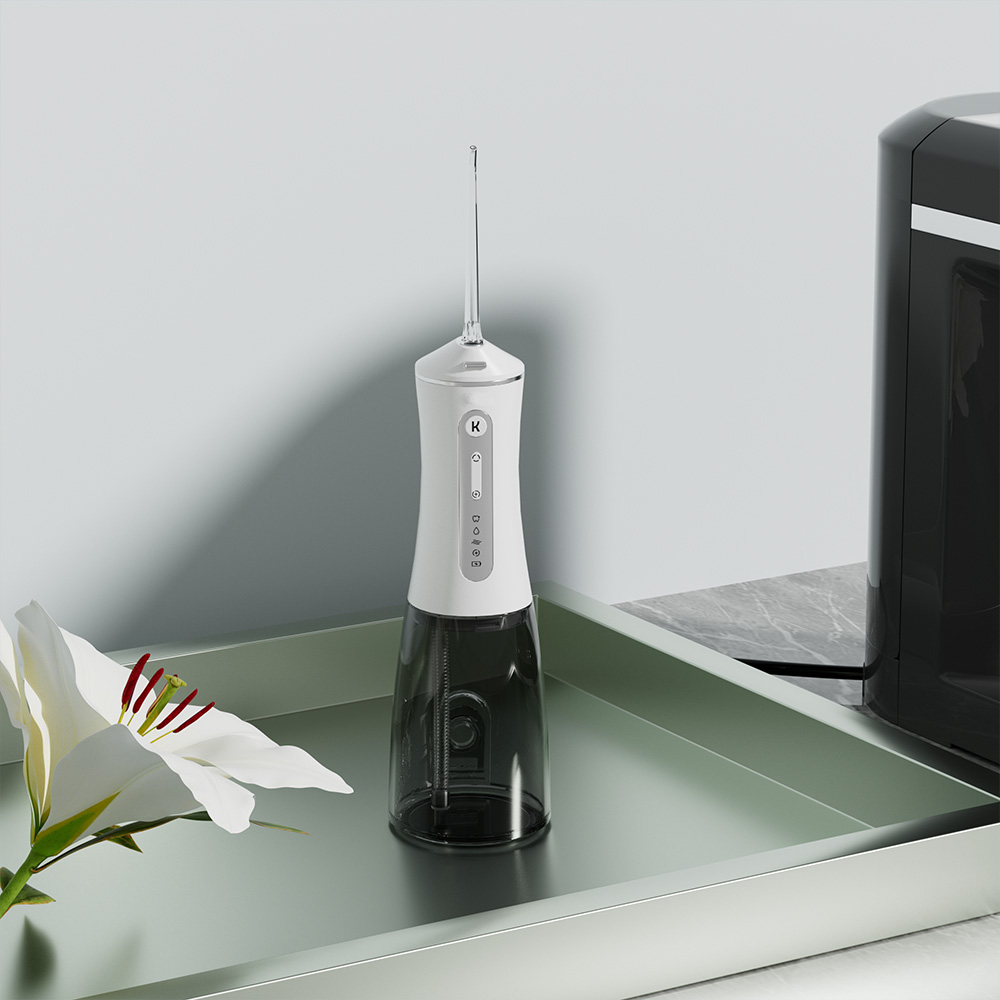
Common Water Flosser Problems and How to Fix Them
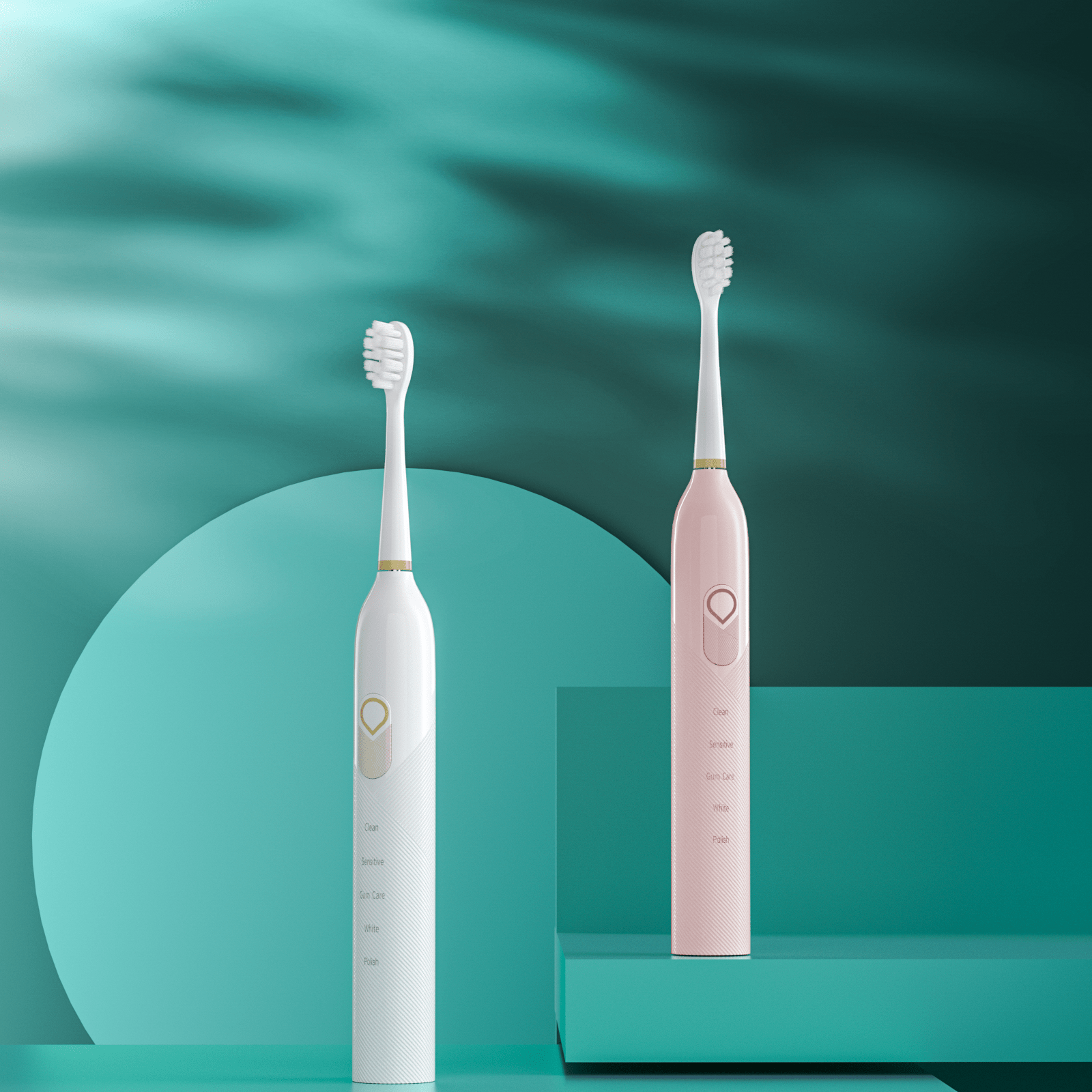
Sonic Electric Toothbrushes: A Key to Long-Term Dental Health
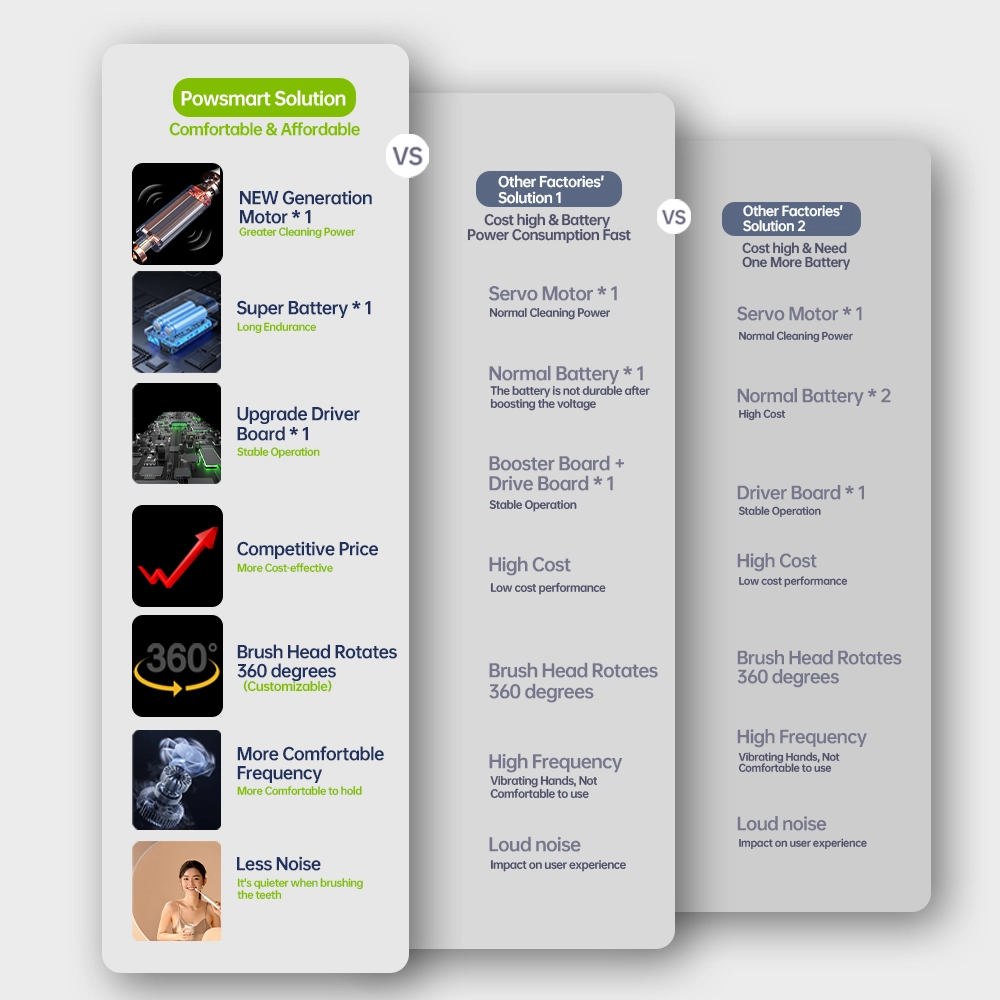
Analysis of the Core Components of the Electric Toothbrush: Technical Secrets from the Motor to the Brush Head
Smart Brush Electrostatic Coating | Electrostatic Spray Coating


.jpg)
.jpg)
.jpg)
.jpg)
.jpg)