
water flosser compliance certification
Any oral care device that enters international markets must satisfy a series of regulatory and safety expectations. Although classification varies by country, every importer remains responsible for ensuring that products meet the rules. Therefore, OEM buyers need a clear understanding of compliance pathways, documentation requirements, and supplier readiness. This is especially true for powered devices combining water flow and electrical components.
Retailers and distributors increasingly screen suppliers for full documentation. Moreover, governments apply stricter controls on product safety. When certification gaps exist, shipments may face customs delays, relabeling requirements, or withdrawal from the market. As a result, strong compliance programs protect both revenue and brand credibility.
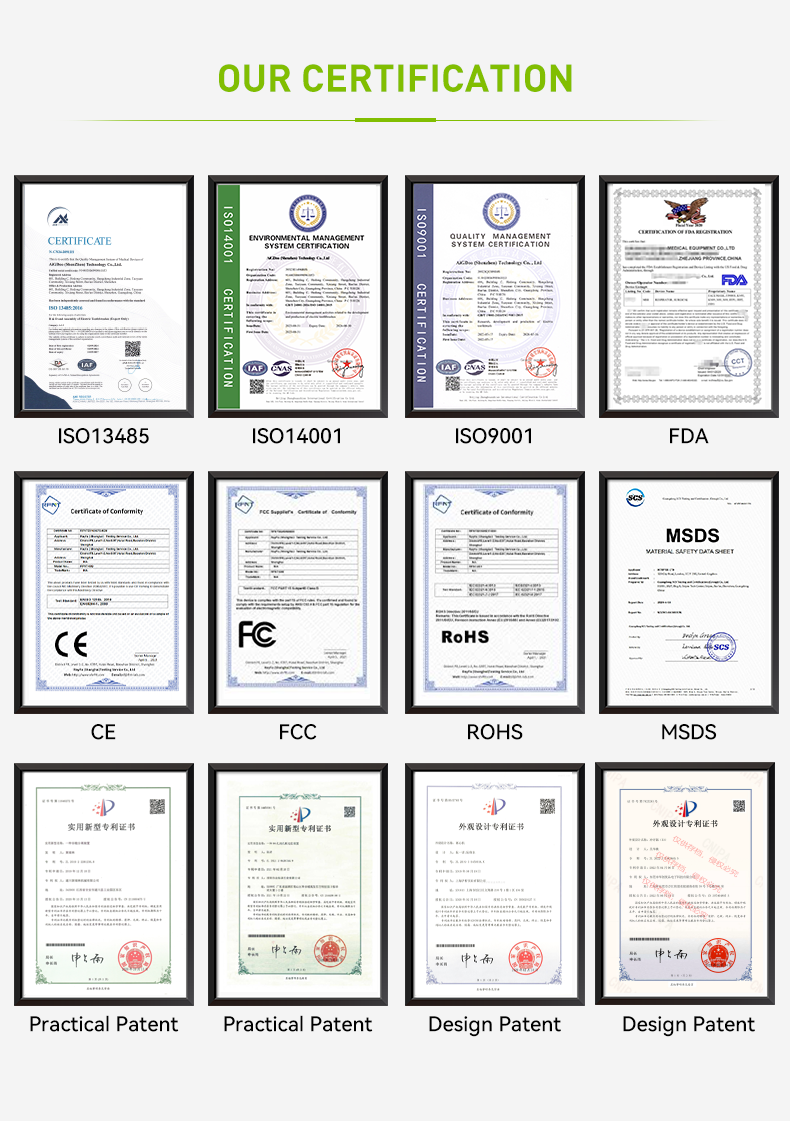
Typical requirements include electrical safety approvals, EMC testing, material safety compliance like RoHS, and packaging labeling standards. In some regions, batteries and chargers require additional documentation. Therefore, your OEM partner must already understand these frameworks.
Beyond price negotiation, supplier selection should include a compliance audit. Mature factories maintain internal labs or partnerships with external laboratories. Additionally, they generate test reports, risk assessments, and technical files. During development, they also recommend design improvements that simplify certification rather than causing repeated testing.
In the middle of your sourcing journey, you should verify that at least one batch has completed water flosser compliance certification according to your target market. Besides reducing risk, this ensures your launch timeline stays realistic.
Because oral care devices ship globally, each region may ask for slightly different evidence. However, structured documentation systems make adaptation easier. Furthermore, traceability and lot control support future audits and distributor requirements. Your regulatory team will appreciate suppliers who maintain organized records instead of reactive paperwork.
For brands seeking reliable partners, companies such as POWSMART provide OEM oral care devices and manufacturing support:
https://powsmart.com/products/water-flosser
For external reference on oral health guidance and public information, you can review the World Health Organization page:
https://www.who.int/health-topics/oral-health
Compliance is not just a legal formality. Instead, it reflects a company’s commitment to consumer safety and ethical manufacturing. Therefore, brands that invest in structured compliance systems build long-term trust with customers, retailers, and regulators. Moreover, this disciplined approach creates business resilience in changing markets.
Finally, working with a factory that understands certification allows you to focus on brand development, channel expansion, and product innovation. Meanwhile, your technical risk stays under control.

.jpg)
The Ultimate Guide to Purchasing Water Flosser from China for Maximum Value
.jpg)
How to Deal with Sudden Tooth Sensitivity carefully?
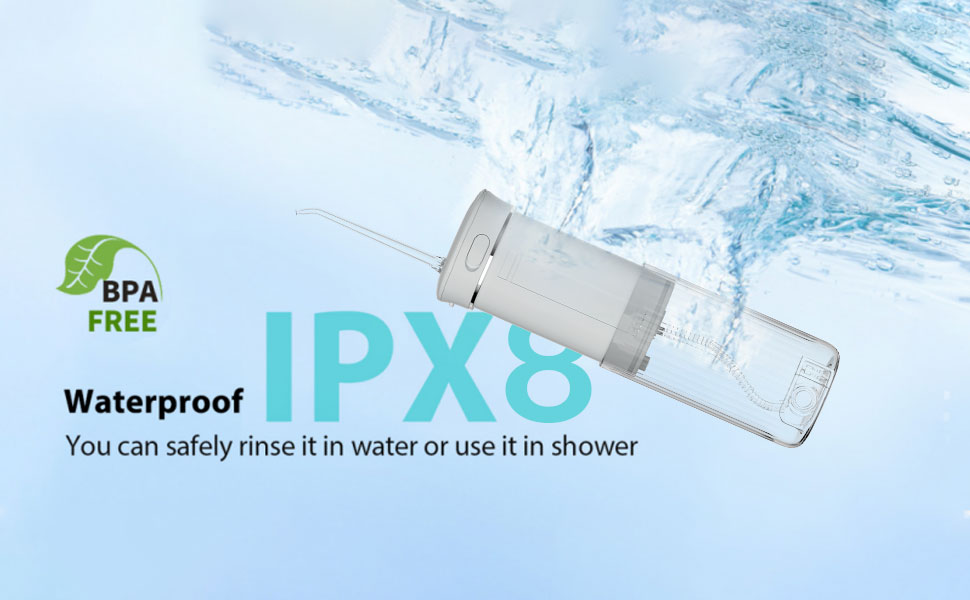
Improvement Record of Waterproof Defect of Water Flossers and the Latest Technical Solutions

7 Dentist-Approved Tips to Safely Whiten Your Teeth — and How They Can Help You Create Your Own Teeth Whitening Brand
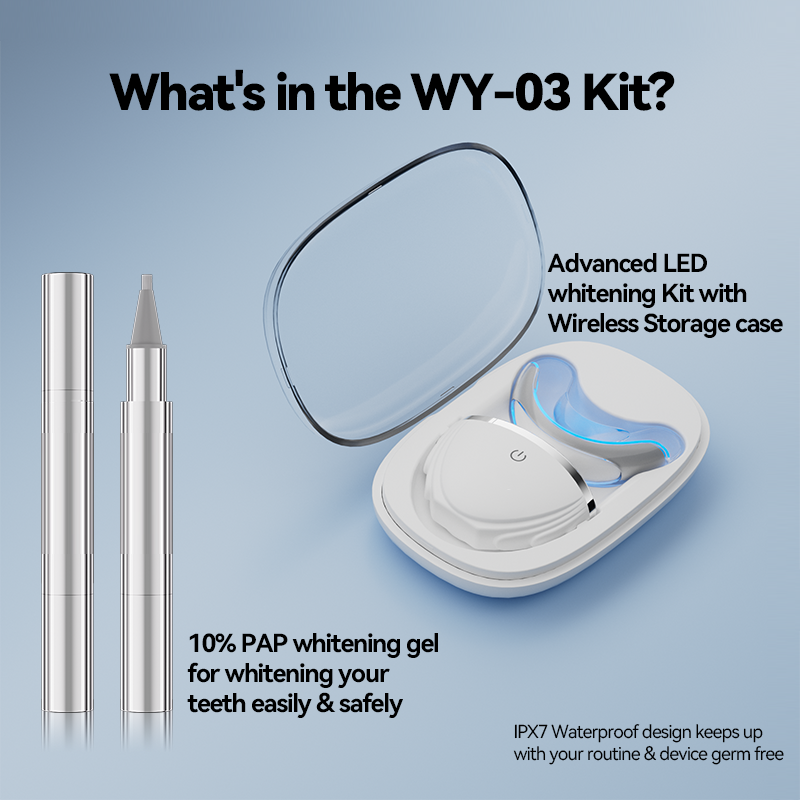
How Wireless Tech is Revolutionizing Oral Care Devices
Shaft Fracture with Indicator Failure – Linked?
Does Your Water Flosser Lack Durable Anodizing and Steel Certification?

Tech-Driven Oral Care: The Impact on Electric Toothbrush OEM Development
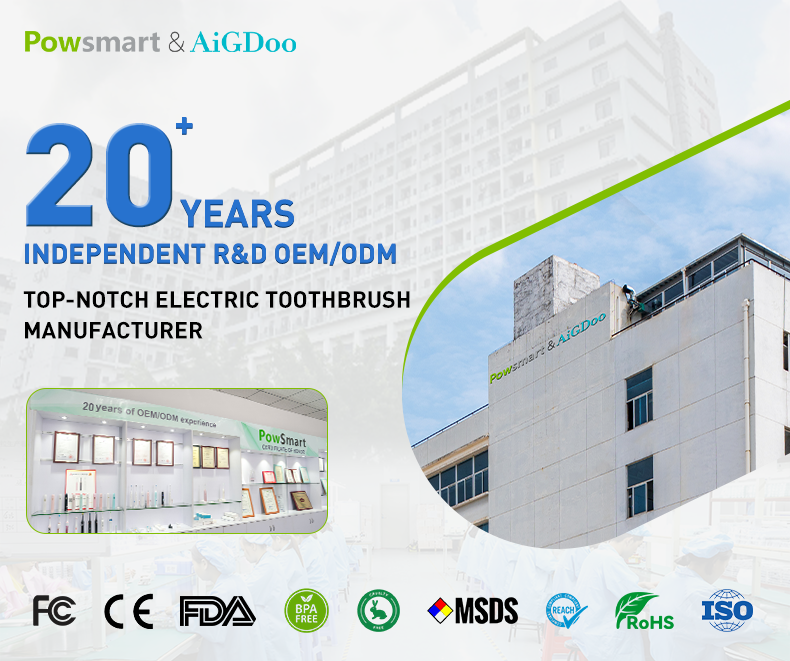
How Does a UV Sanitizing Component Benefit from Medical-grade Material Construction?
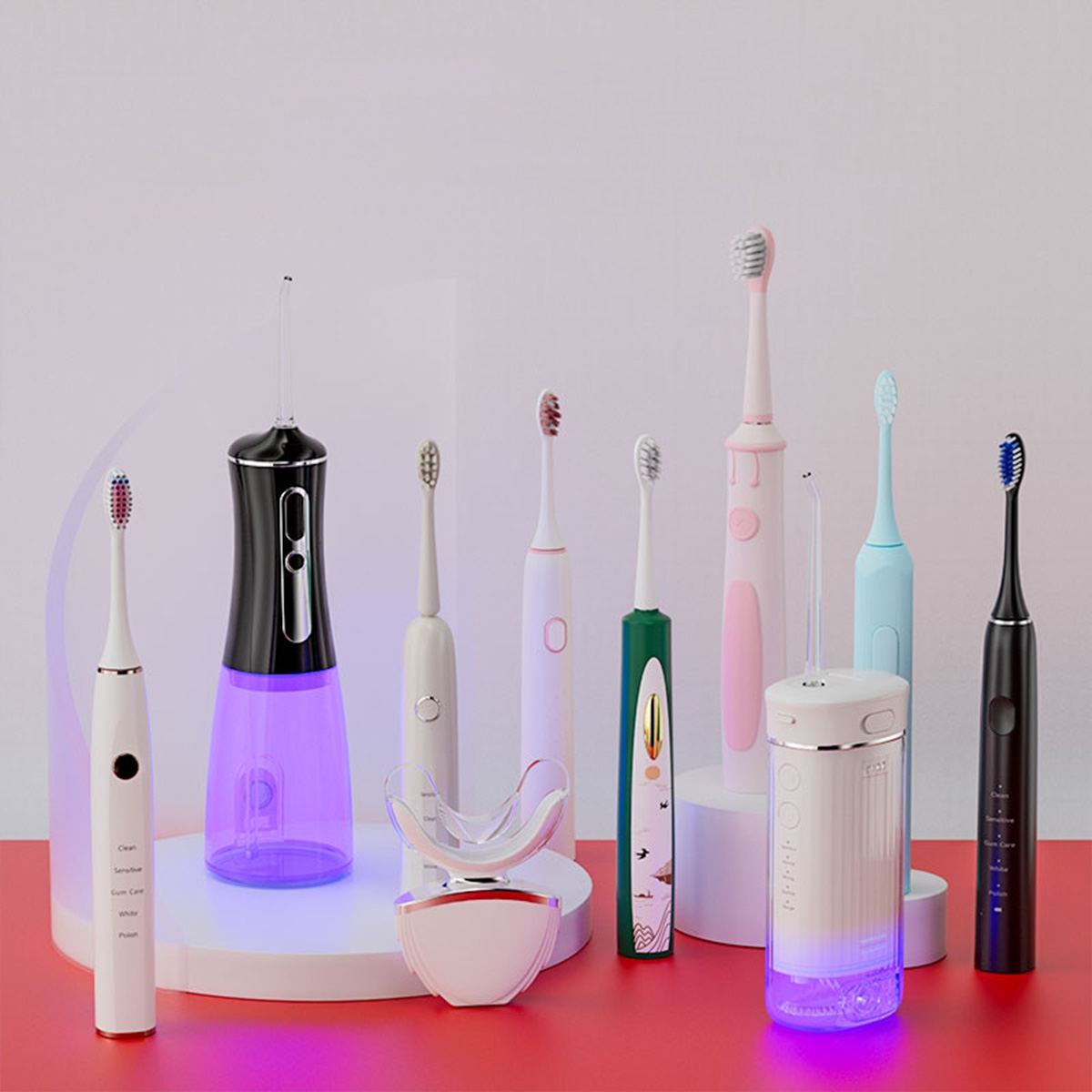
comprehensive oral care solutions: Why Consumers Prefer Them
Seal Degradation Leading to Biofilm Regrowth – Preventable?
Why Do Dentists Recommend Dental Irrigators? Only by Cleaning Properly Can You Protect Your Mouth
Guide for Oral Care Brands Seeking San Diego Water Flosser & Toothbrush Combo Custom Kits Suppliers
Do LED teeth whitening device trays need to be removed and cleaned frequently?
Runtime Shortening with Battery Memory – Related?
Why Conduct a Human-Centric Algorithmic Audit on a System Using the Tactile Internet Protocol?


.jpg)
.jpg)
.jpg)
.jpg)
.jpg)






.jpg)
.jpg)