
As electric toothbrushes become a standard in modern oral hygiene routines, quality control and product reliability have never been more critical. For oral care OEM partners, and especially for brands seeking factories, understanding common failure points and how to solve them is key to building strong, trustworthy products.This article offers a practical guide for brands & factories to troubleshooting electric toothbrush problems, helping improve production quality, reduce returns, and strengthen long-term customer satisfaction.
One of the most frequent complaints in user feedback is related to battery life issues. Whether the toothbrush runs out of power too quickly or fails to hold a charge over time, battery reliability is critical for user retention.
Key considerations for brands and factories:
Use high-quality lithium-ion batteries from certified suppliers.
Optimize PCB design for energy efficiency.
Implement smart charging indicators and auto shutoff features to extend battery lifespan.
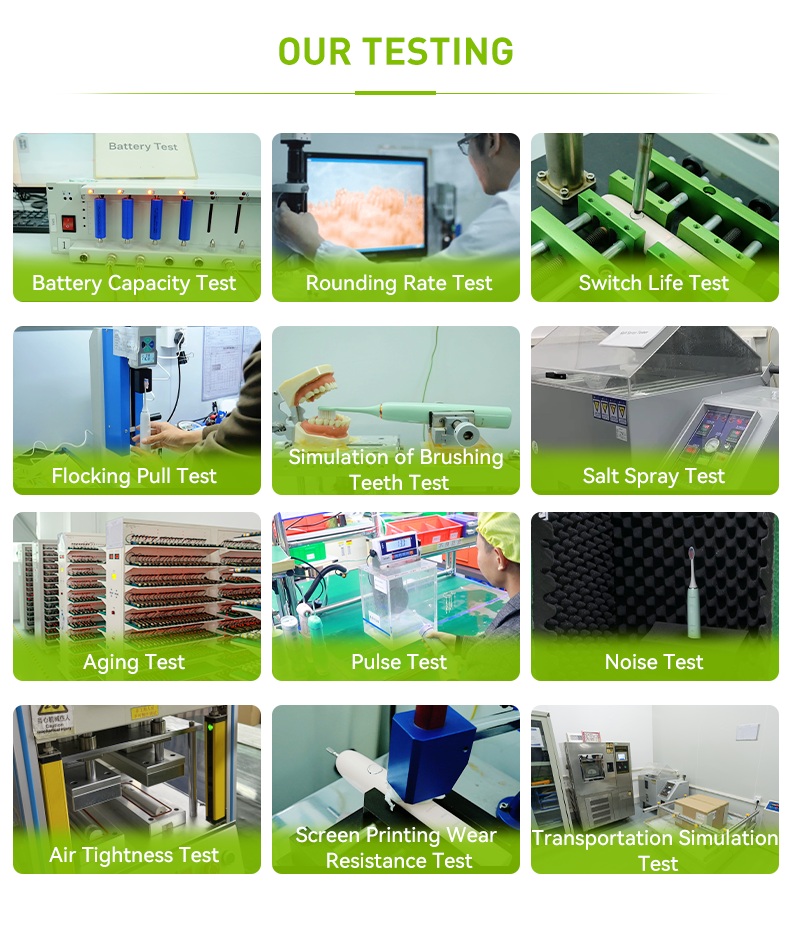
Ensure your oral care OEM partner offers battery cycle testing during quality control.
Given the daily exposure to water and moisture, inadequate waterproofing can lead to product failures, electrical shorts, or even safety risks. Adherence to waterproofing standards—especially IPX7 or higher—is essential.
Factory-level best practices:
Use ultrasonic welding or seamless bonding for enclosure assembly.
Seal charging ports and buttons with silicone rings or membrane seals.
Conduct water immersion testing in pre-shipment QC checks.
When brands partner with OEM factories, requesting documentation and proof of passed waterproofing tests should be a standard part of the vetting process.
The core cleaning power of any electric toothbrush comes from its motor, but inconsistent torque or excessive vibration can damage user experience. Additionally, noise complaints are increasingly common in online reviews.
How to address motor issues:
Ensure factory suppliers use balanced, low-noise motors.
Request detailed performance reports during prototyping.
Calibrate oscillation frequency to meet both cleaning needs and comfort expectations.
Reducing motor-related failures improves long-term user satisfaction and helps brands maintain a premium positioning.
Physical assembly flaws like loose brush heads, button misalignment, or water leaks often stem from poor injection molding and inadequate quality checks.
To avoid this:
Conduct tooling reviews and injection molding inspections before mass production.
Choose a manufacturer with proven experience in oral care OEM molding processes.
Apply quality gates at each assembly stage to catch alignment or sealing issues early.
In smart toothbrushes, software glitches—such as syncing errors or charging incompatibility—can frustrate users and damage brand perception.
Preventive measures:
Use stable firmware platforms and run OTA update testing.
Ensure universal charging (USB-C or wireless) meets current market trends.
Validate firmware behavior under low battery, overcharge, and idle conditions.
When seeking a factory, prioritize partners with in-house R&D for firmware and electronics integration.
Ultimately, reducing product issues comes down to a collaborative approach between brands and factories. A reliable oral care OEM partner should provide:
Transparent defect reporting and analysis.
Shared product lifecycle management (PLM) tools.
Quick response for design modifications based on user feedback.
Having a clearly defined guide for brands & factories that outlines response protocols, testing checkpoints, and responsibility zones is essential to maintaining product integrity.
The ability to anticipate and resolve common electric toothbrush issues is what separates average OEMs from true strategic partners. For oral care brands, selecting a factory that prioritizes troubleshooting electric toothbrush problems, understands battery life issues, enforces waterproofing standards, and contributes to every part of the process is essential to long-term success.
When you’re evaluating your next OEM partner, make sure they don’t just offer manufacturing — they offer solutions.
Seeking a Toothbrush for Dental Clinics Produced by an ISO13485 Electric Toothbrush Factory?
How Does Water Tank Molding Design Accommodate a Filter Cartridge Supply?
.jpg)
Electric Toothbrush with Dual Motor OEM
Allergy Outbreaks after Brush Discoloration – Coincidence or Warning Sign?
Does Dental Grade Whitening Necessitate the Use of Safe Whitening Ingredients?
Electric Toothbrush Ecommerce Bundle Wholesale | Complete Oral Care Sets
How Does Expert Electric Toothbrush Mold Design Benefit a Custom Toothbrush Factory?
How can Servo System Manufacturing enhance the value proposition of a Custom Handle OEM for B2B toothbrush brands?
Premium Sonic Toothbrush Wholesale | Professional Quality for Global Brands
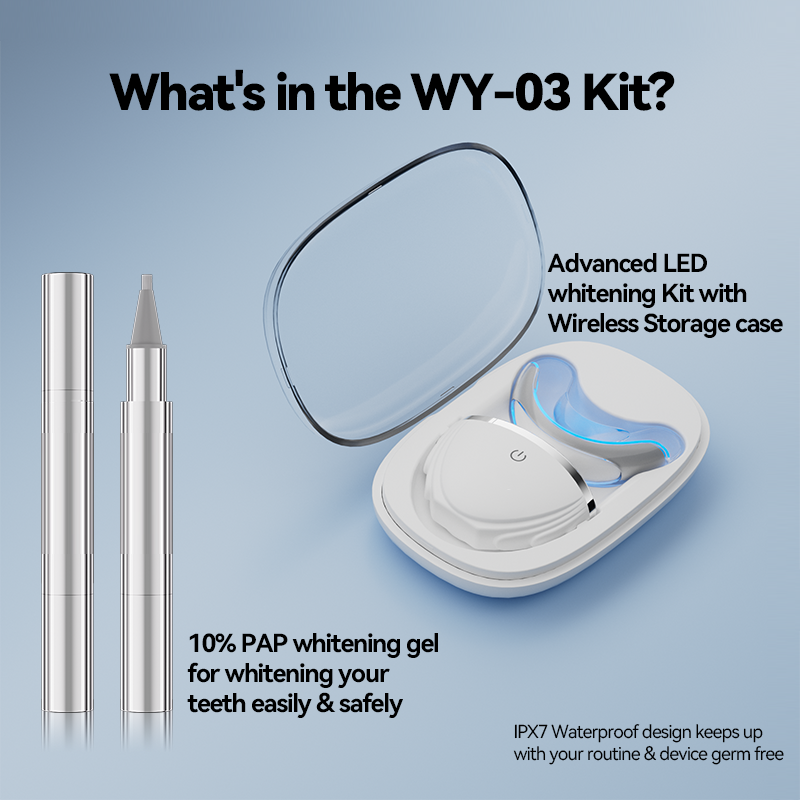
What Gives Some Teeth Whitening Devices Competitive advantage?
Root Exposure Due to Overheating Alerts – A Hidden Risk in Oral Devices?
Hospital Grade Electric Toothbrush Supplier
Pump Failure Plus Weak Suction – Terminal Malfunction?
Why integrate a Leakage Prevention Valve with a Quiet Flosser Motor for user comfort?
Smart Pressure Sensor Toothbrush Supplier | Intelligent Brushing Solutions
.jpg)
Water Flossers in Europe: Prices, Warranties & Market Entry Tips for Brands


.jpg)
.jpg)
.jpg)
.jpg)
.jpg)



.jpg)

.jpg)