In the development of oral care and medical-grade fluid devices, seal degradation is often an underestimated issue. However, when seal integrity is compromised, it can lead to unintended pressure irregularities, fluid leaks, or component misalignment—conditions that directly contribute to tissue trauma during user interaction. For B2B manufacturers and OEM/ODM partners, exploring this link is critical to reducing user complaints and enhancing product performance.
Seal degradation refers to the gradual breakdown of sealing materials used in devices such as water flossers, irrigators, or other pressurized instruments. This degradation may be caused by:
Once degraded, seals can become brittle, lose elasticity, or even crack, resulting in a partial or complete loss of containment.
When a seal begins to fail, pressure regulation becomes unstable. This often results in:
This unstable delivery system is not only inefficient—it may also direct water or air at unpredictable angles and intensities, inadvertently causing tissue trauma, particularly to delicate oral mucosa. Company web:https://www.powsmart.com/product/electric-toothbrush/
.jpg)
Tissue trauma refers to localized damage such as:
In a water flosser or similar oral hygiene device, such injuries are typically caused by forceful, uncontrolled jets or misdirected fluid due to degraded seals. Users may attribute the problem to the nozzle or motor, when in fact, the root cause lies deep within the internal sealing system.
From a production standpoint, seal degradation is challenging to detect during routine quality checks because:
This disconnect often leads to recurring complaints of pain or discomfort with no obvious cause, undermining product reputation.
To reduce the incidence of tissue trauma linked to seal degradation, manufacturers can consider:
These measures help ensure consistent internal pressure and fluid containment throughout the device’s lifecycle.
Ignoring seal degradation is not just a technical risk—it’s a business risk. For B2B clients, this oversight can lead to:
Proactively addressing seal quality safeguards both user health and product longevity—two key metrics for any brand’s success.
In summary, seal degradation can silently compromise device functionality and user comfort, ultimately leading to tissue trauma. By recognizing this relationship, B2B manufacturers can refine design specifications, enhance QC protocols, and strengthen their position in a competitive market focused on safety and performance. Contact us
.jpg)
Electric Toothbrush for Orthodontists Wholesale | Professional Dental Supply
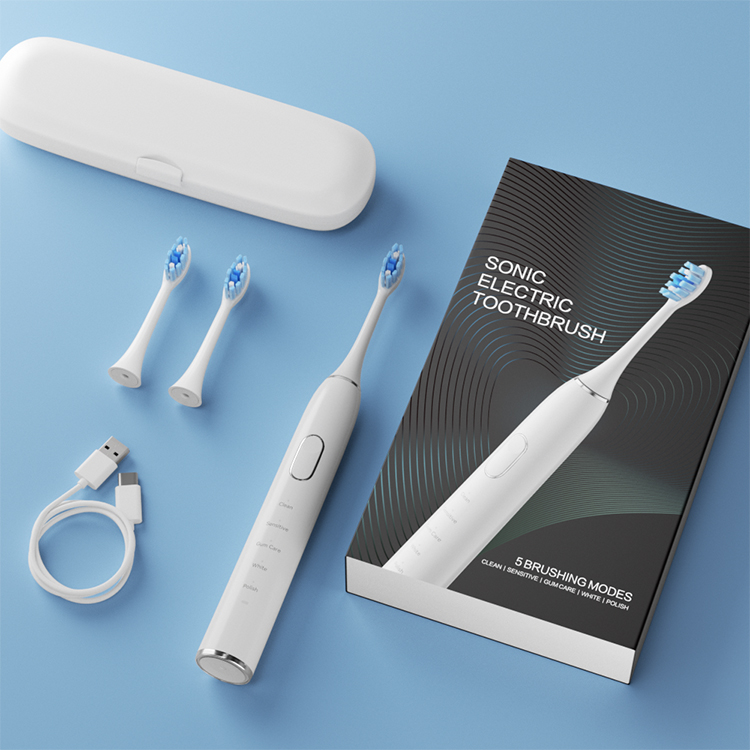
How Does Expert Electric Toothbrush Mold Design Benefit a Custom Toothbrush Factory?
Blue vs Red Light for Teeth Whitening: Choosing the Right OEM Technology
How Changing Consumer Attitudes Are Shaping Oral Care Product Demand
Mode Glitches During Calibration Drift – What’s Really Happening?
.jpg)
sonic electric toothbrush Los Angeles
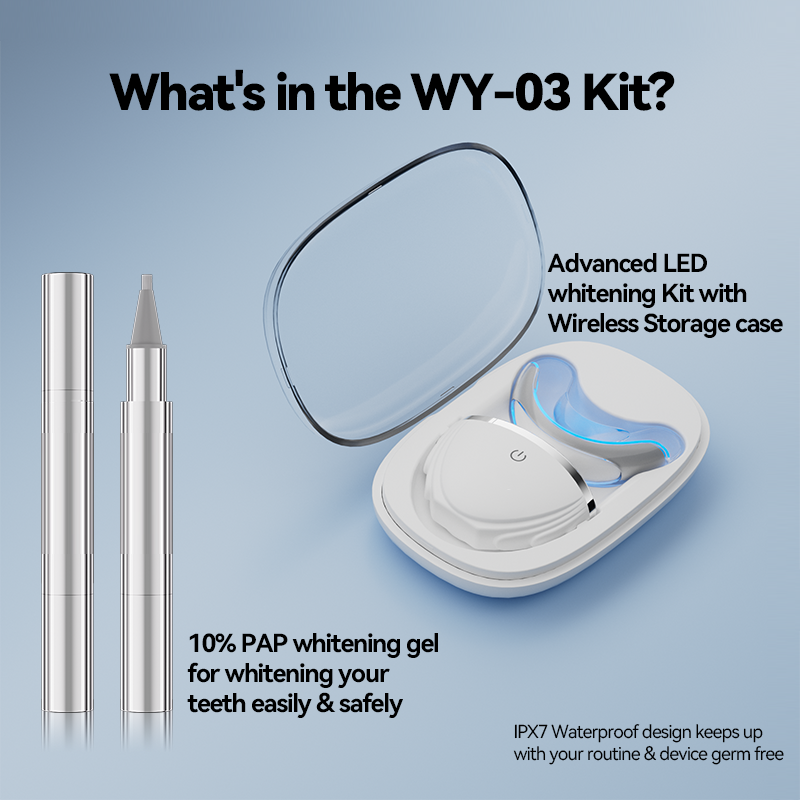
What Gives Some Teeth Whitening Devices Competitive advantage?
How Changing Consumer Attitudes Are Shaping Oral Care Products Demand
Professional Whitening Electric Toothbrush Supplier | Advanced LED Oral Care by Powsmart
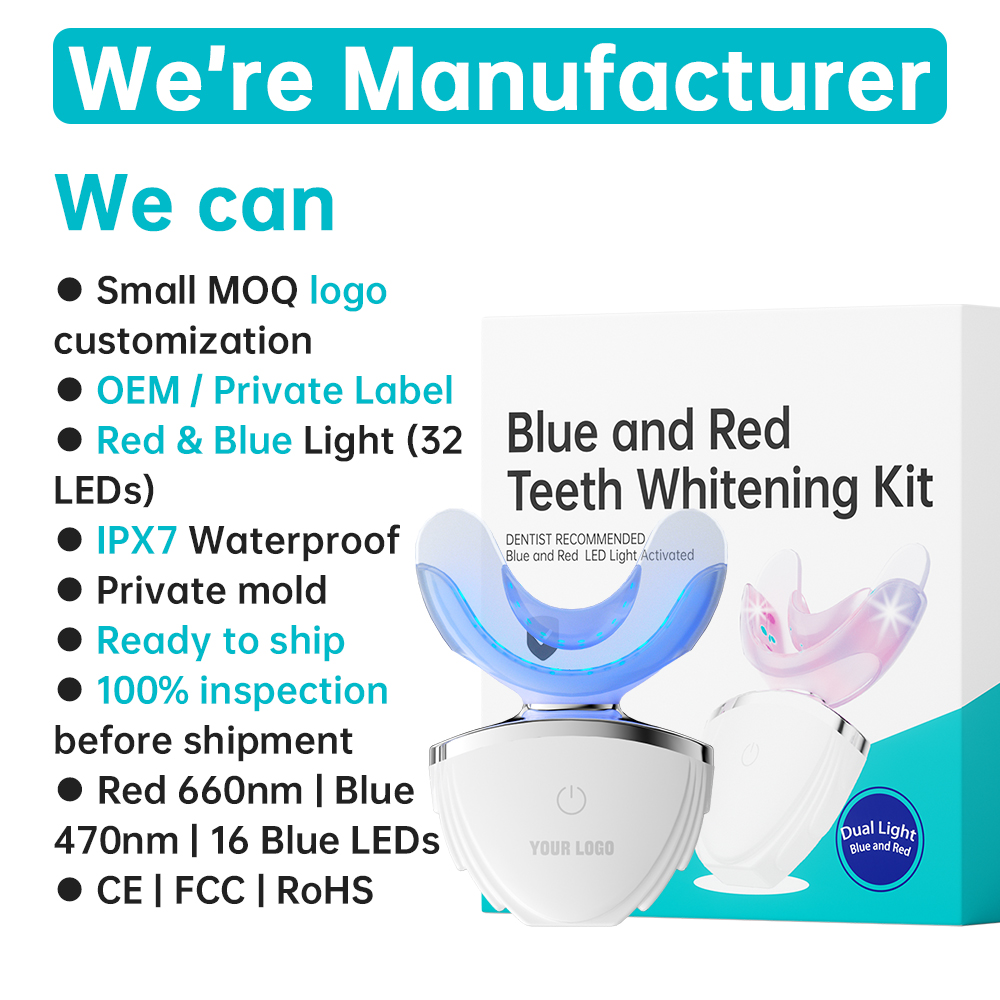
Can a Rechargeable Battery Solution power an LED Display Module efficiently in flossers?
Electric Toothbrush with Travel Case OEM
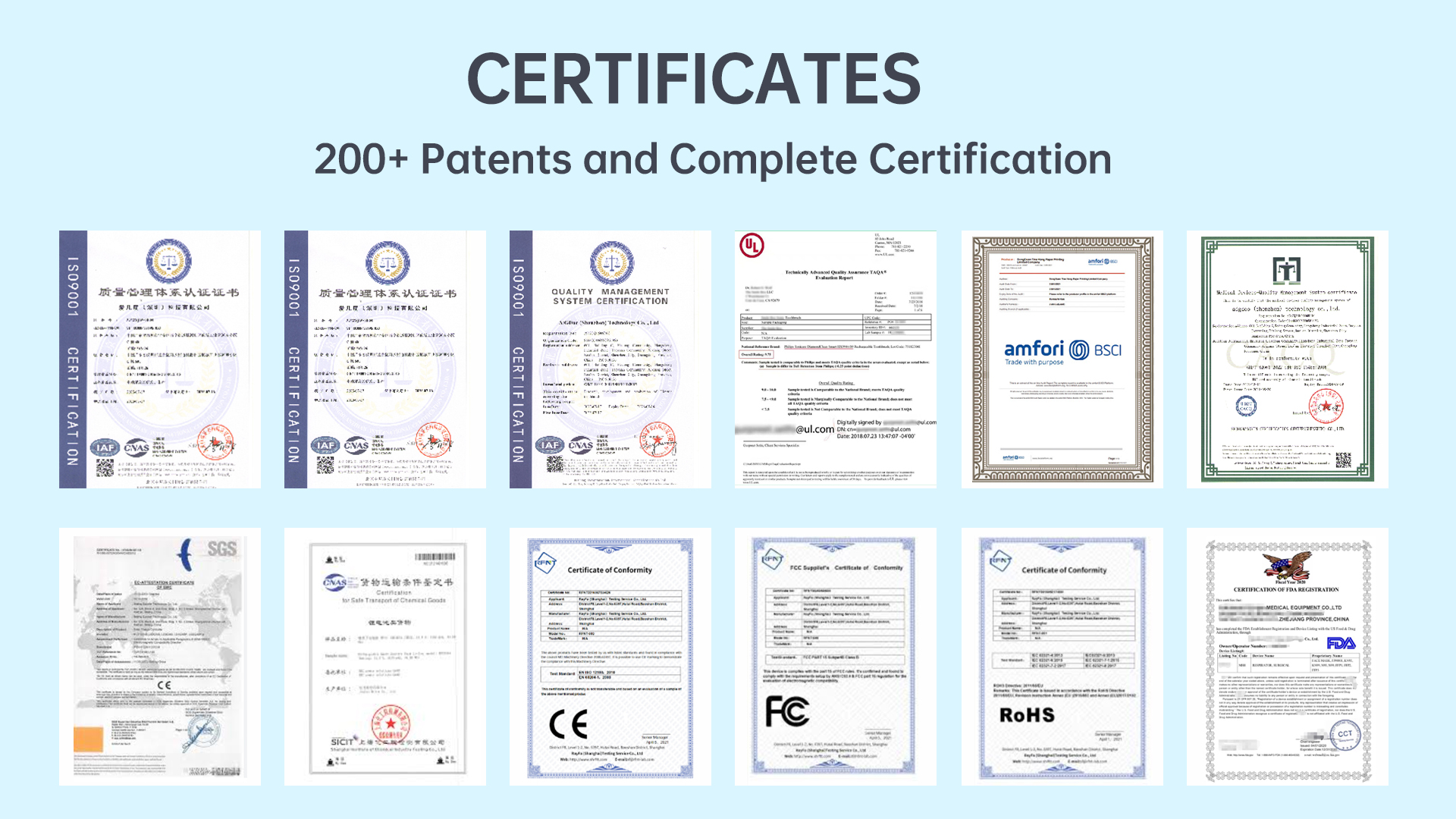
How Does a Pulsed Water Flow Irrigator Combine with a Sterile Water Tank Flosser for Superior Hygiene?
Hose Rupture and Gum Discomfort – Related?
.jpg)
Why Consumers Prefer electric vs manual toothbrush – And How Brands Can Benefit
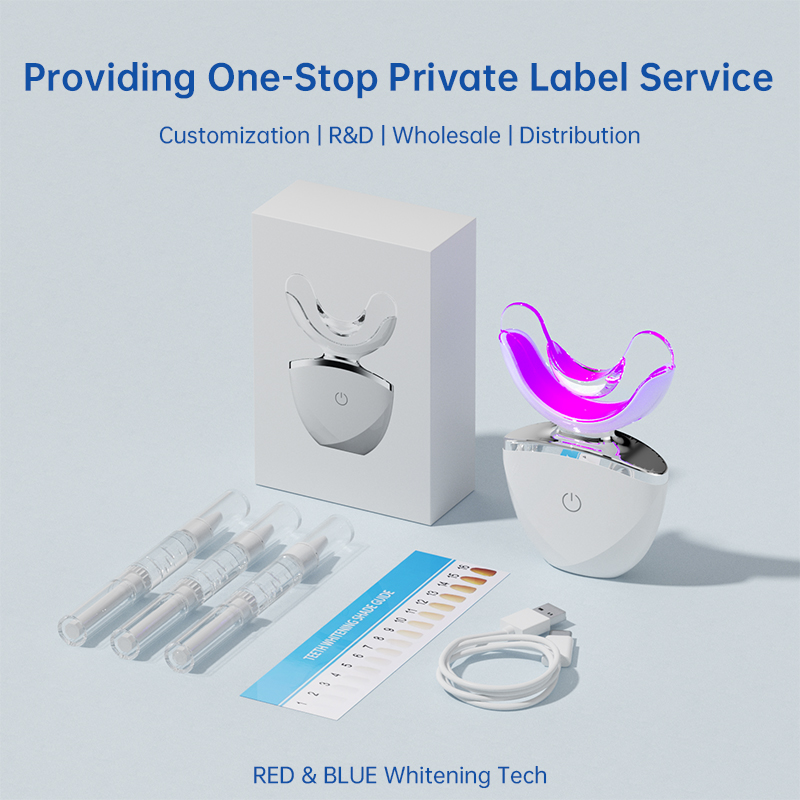
Market Access Made Simple: Understanding Regulations for Your OEM Whitening Kits
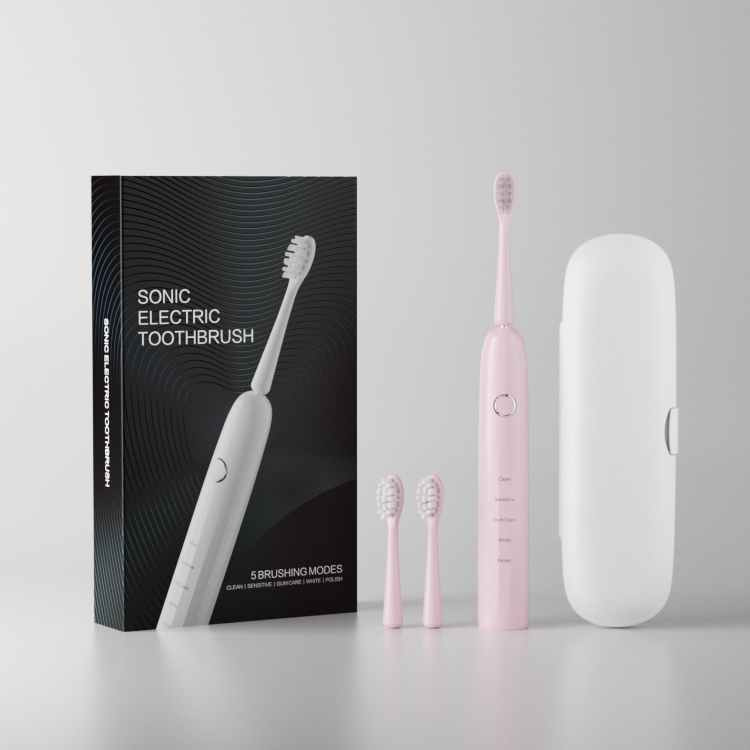
Seeking a Toothbrush for Dental Clinics Produced by an ISO13485 Electric Toothbrush Factory?


.jpg)
.jpg)
.jpg)
.jpg)
.jpg)



.jpg)