As portability and convenience become key selling points in oral care, the Travel Electric Toothbrush is seeing a surge in demand across global B2B channels. However, with compact size and mobile usage comes a heightened reliance on waterproof integrity. A frequently overlooked but critical concern is: Can waterproof failure in a travel electric toothbrush lead to internal circuit corrosion?
The short answer is yes—and the implications for reliability, safety, and brand credibility are severe. This blog dives deep into how waterproof failure occurs, its direct link to circuit corrosion, and how manufacturers can proactively address the issue.
A Travel Electric Toothbrush typically integrates a compact high-speed motor, lithium-ion rechargeable battery, microcircuit control board, and pressure-sensitive brushing feedback—all within a slim enclosure.
Because these components are tightly packed and often exposed to water during brushing, waterproofing becomes not just a cosmetic feature, but a critical functional protection barrier. Failure in this area can compromise the entire device’s integrity.
To defend against moisture infiltration, quality toothbrush manufacturers employ:
However, cost-cutting, inconsistent production, or aging seals can compromise these protective measures, leading to waterproof failure over time.
Despite the engineering precautions, several factors contribute to waterproof failure in travel electric toothbrushes:
B2B buyers must be aware that even slight seal failure can create a pathway for moisture intrusion.
Once moisture breaches the inner housing, it may not trigger immediate device failure. Instead, it slowly degrades the circuit board via:
What starts as a waterproof failure silently evolves into performance degradation, reduced lifespan, or even hazardous malfunction during travel.
At POWSMART, we recognize these risks and integrate multiple anti-corrosion defenses into our travel toothbrush line:
These investments help our OEM/ODM partners guarantee reliability, even in challenging portable environments.
Toothbrush portability shouldn’t come at the cost of product longevity or user safety. Waterproof failure in a Travel Electric Toothbrush may seem minor at first—but left unaddressed, it can corrode internal circuits, lead to device failure, and erode user trust.
For B2B brands sourcing through OEM/ODM partnerships, verifying waterproof engineering is not just about IP ratings—it’s about understanding failure pathways and selecting suppliers who proactively mitigate them. With the right design and quality controls in place, circuit corrosion can be avoided—and long-term reliability ensured. Contact us
-300x300.jpg)
.jpg)
Corporate Gift Electric Toothbrush Wholesale | Premium Business Gifts
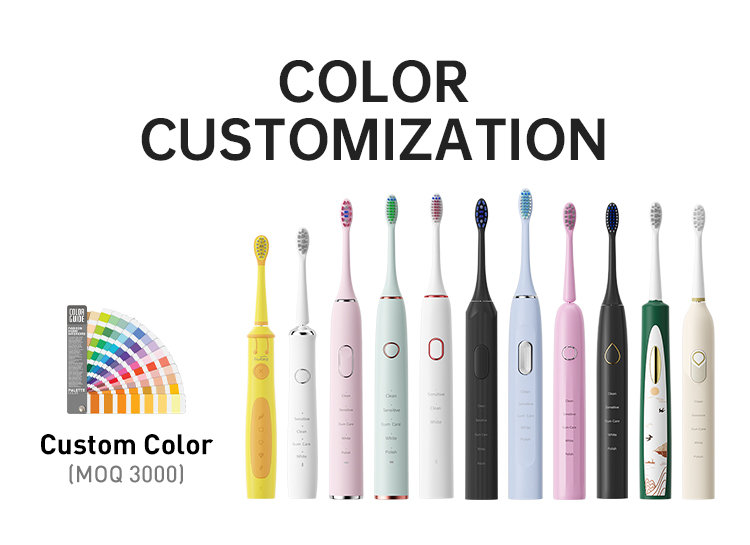
How Does Sonic Toothbrush Manufacturing Integrate with App Connectivity Development for Smart Oral Care?
wholesale electric toothbrush distributor USA
Compact Cordless Water Flosser OEM Manufacturing | Portable Oral Care Solutions
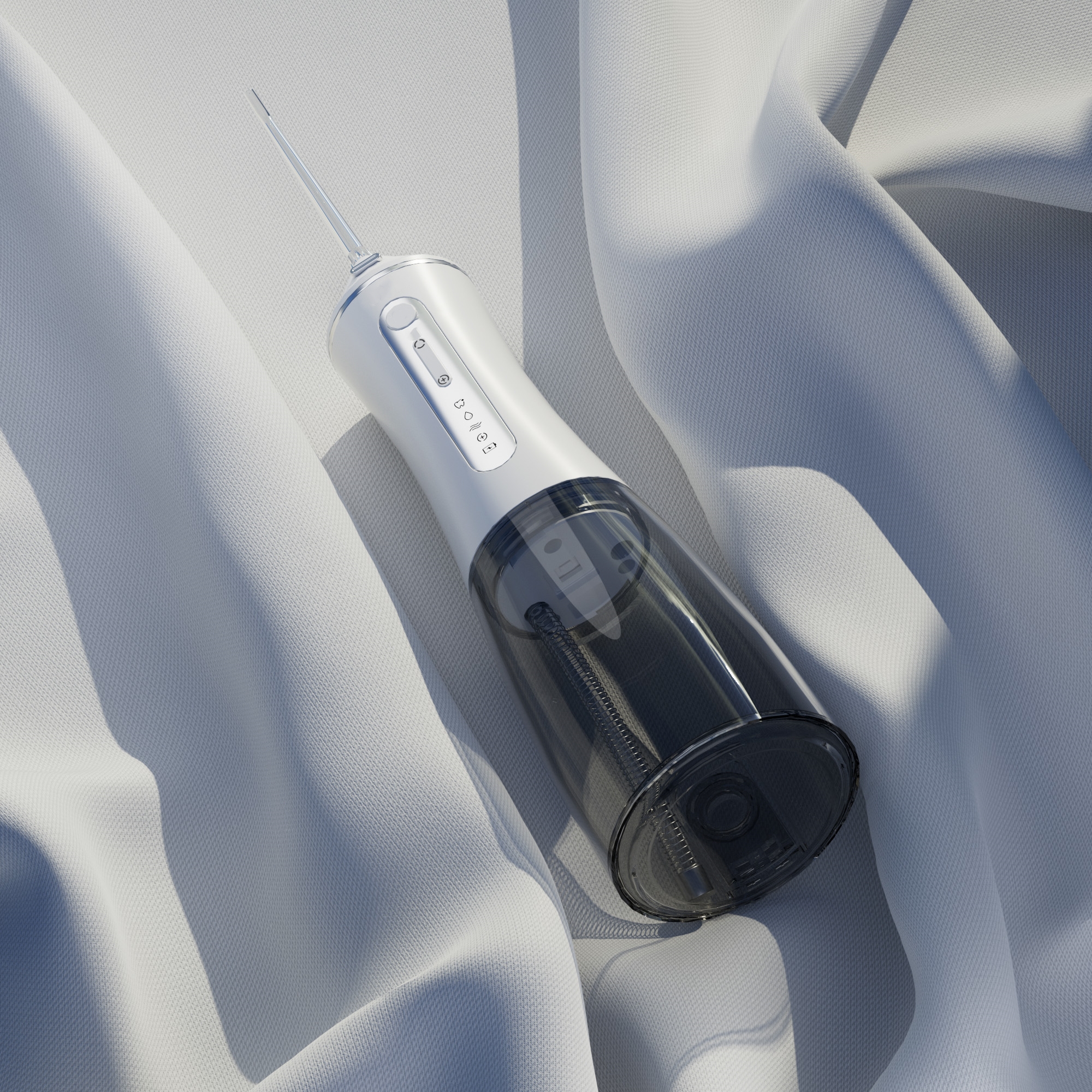
Compatibility of Water Flosser Accessories: How to Increase User’s Repurchase Rate Through Replaceable Nozzles?
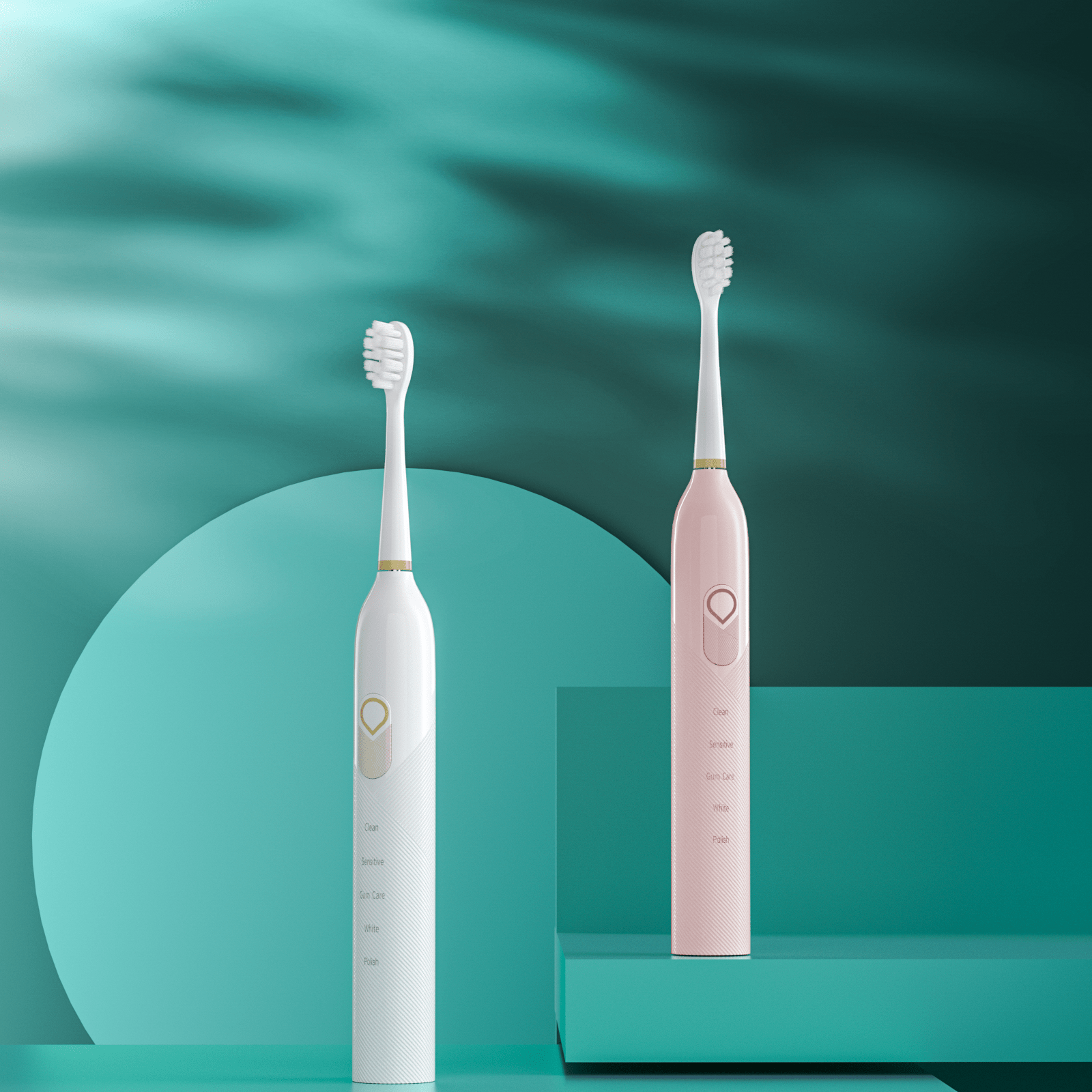
What Are the Advantages of Electric Toothbrushes Over Traditional Toothbrushes?
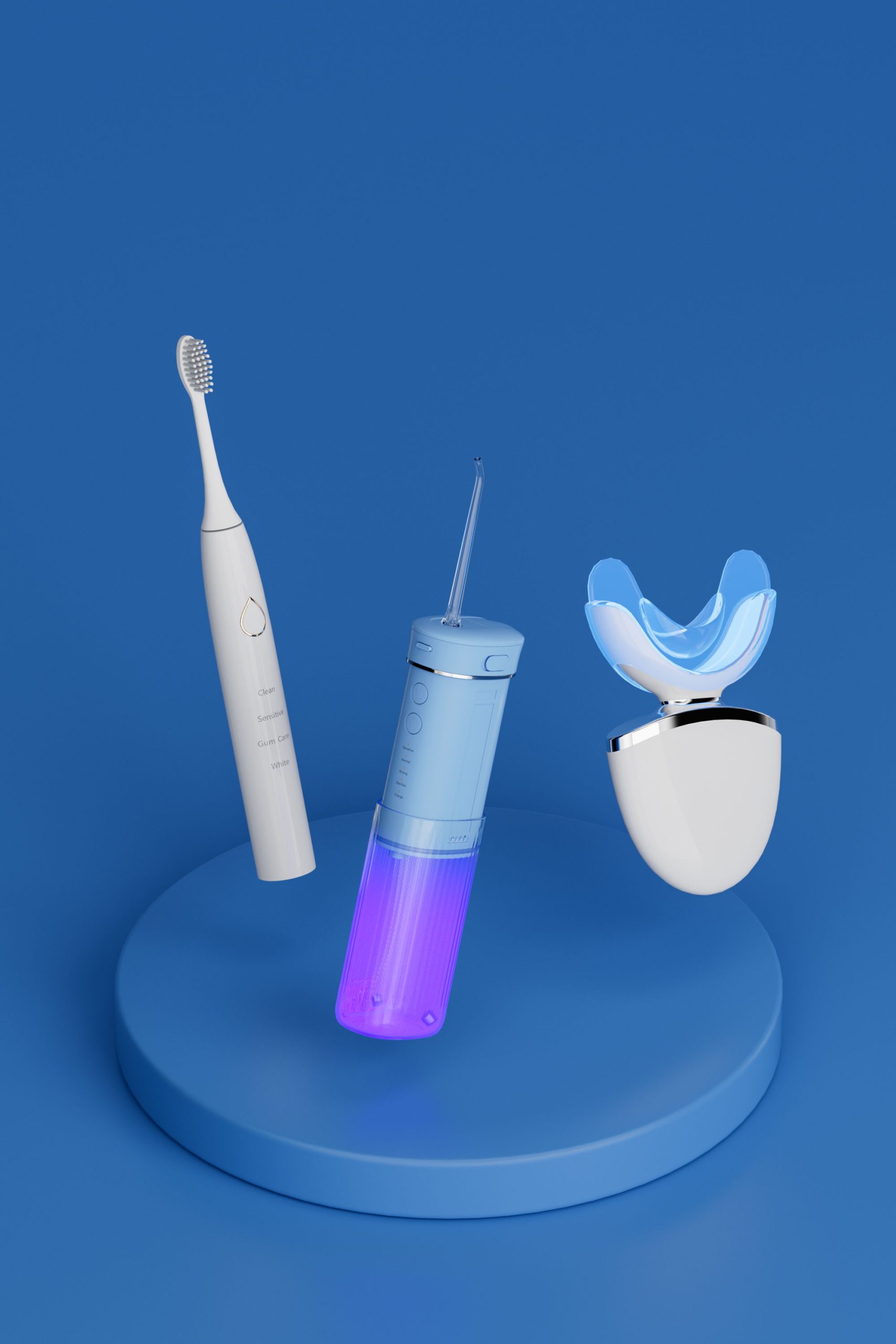
Whether the LCD Screen on Water Flosser Is a Useful Feature or Just a Gimmick
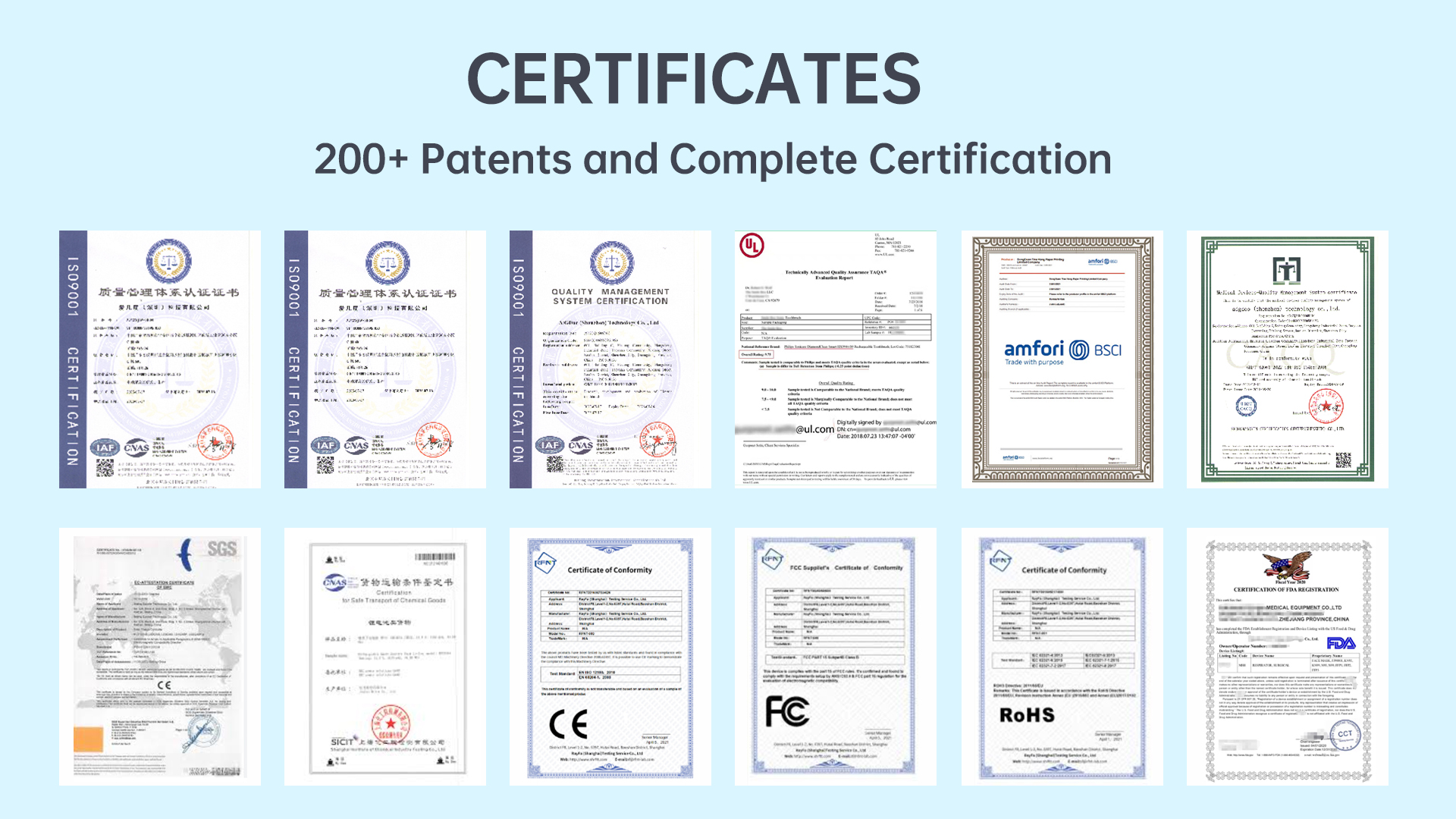
What Are the Advantages of Cooperating with FDA certificated factories?
.jpg)
Best Electric Toothbrush for Sensitive Teeth in New York?
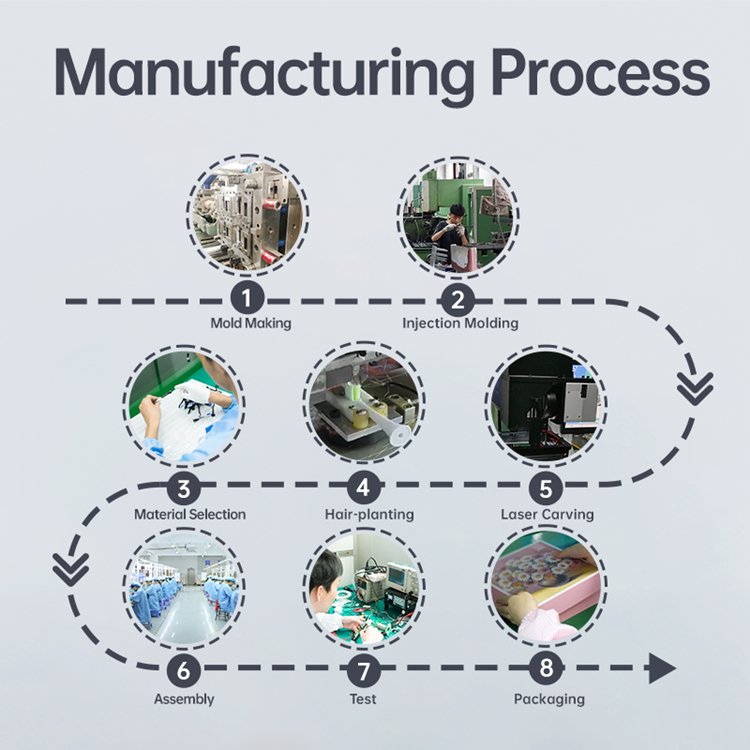
Looking for an OEM Partnership Program that Guarantees Long-Term Toothbrush Supply?
Dental Veneers Whitening Guide: Maintain Brightness for Your Veneers
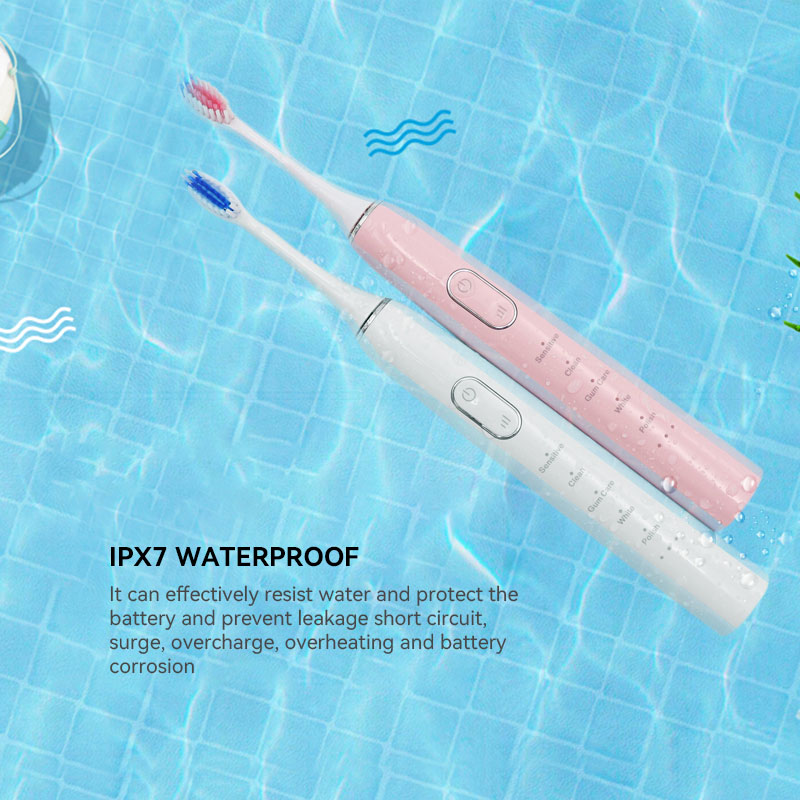
How Important Is Waterproof Testing for Electric Toothbrushes?
.jpg)
Five Advantages of Electric Toothbrush Customization Service: Why Brand Owners Choose OEM/ODM?
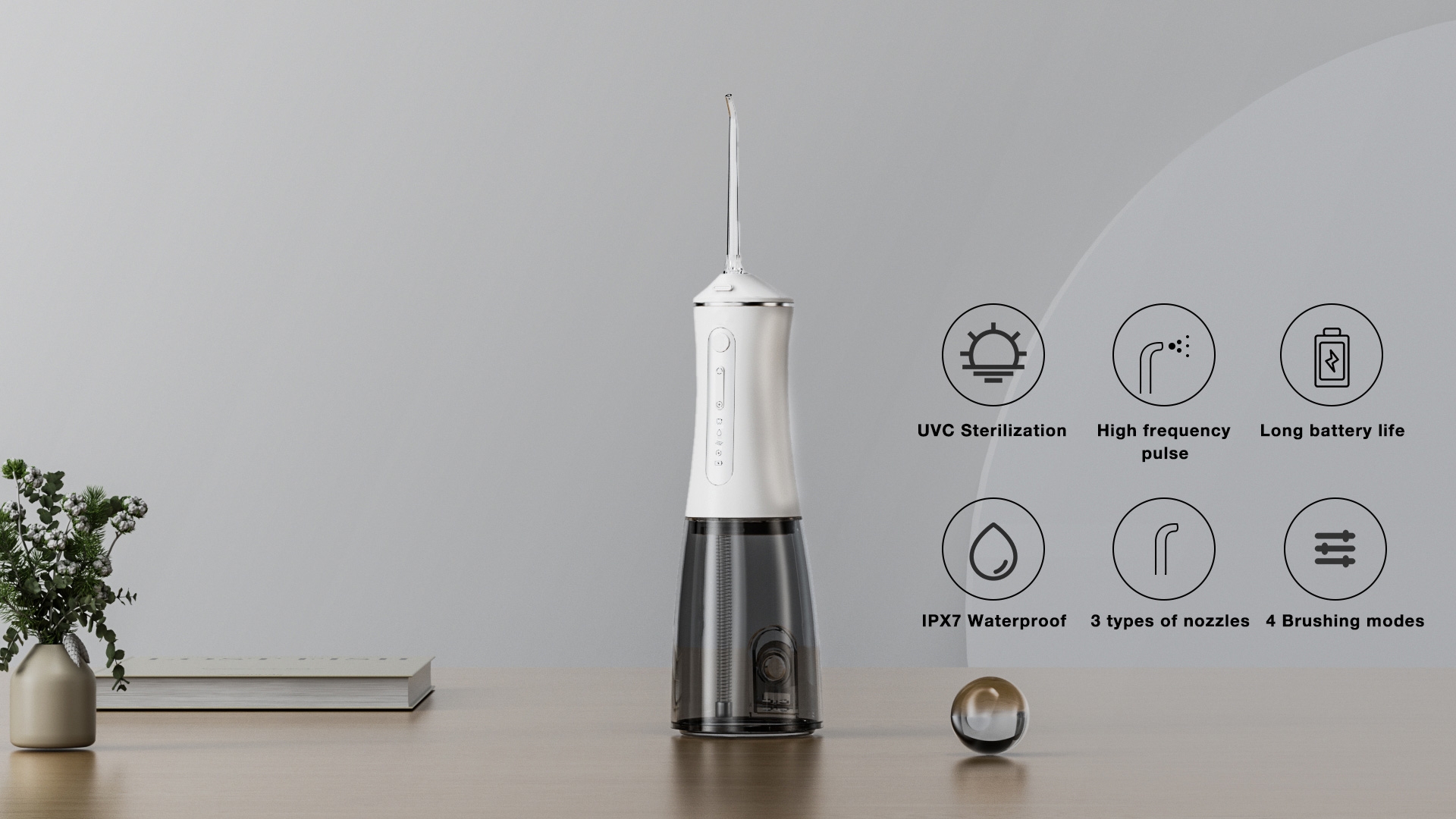
New Opportunities for Cross-Border E-Commerce: How to Sell the Water Flosser to the World?
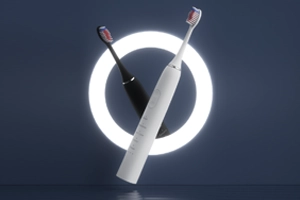
Does an orthodontic brush simplify braces care?
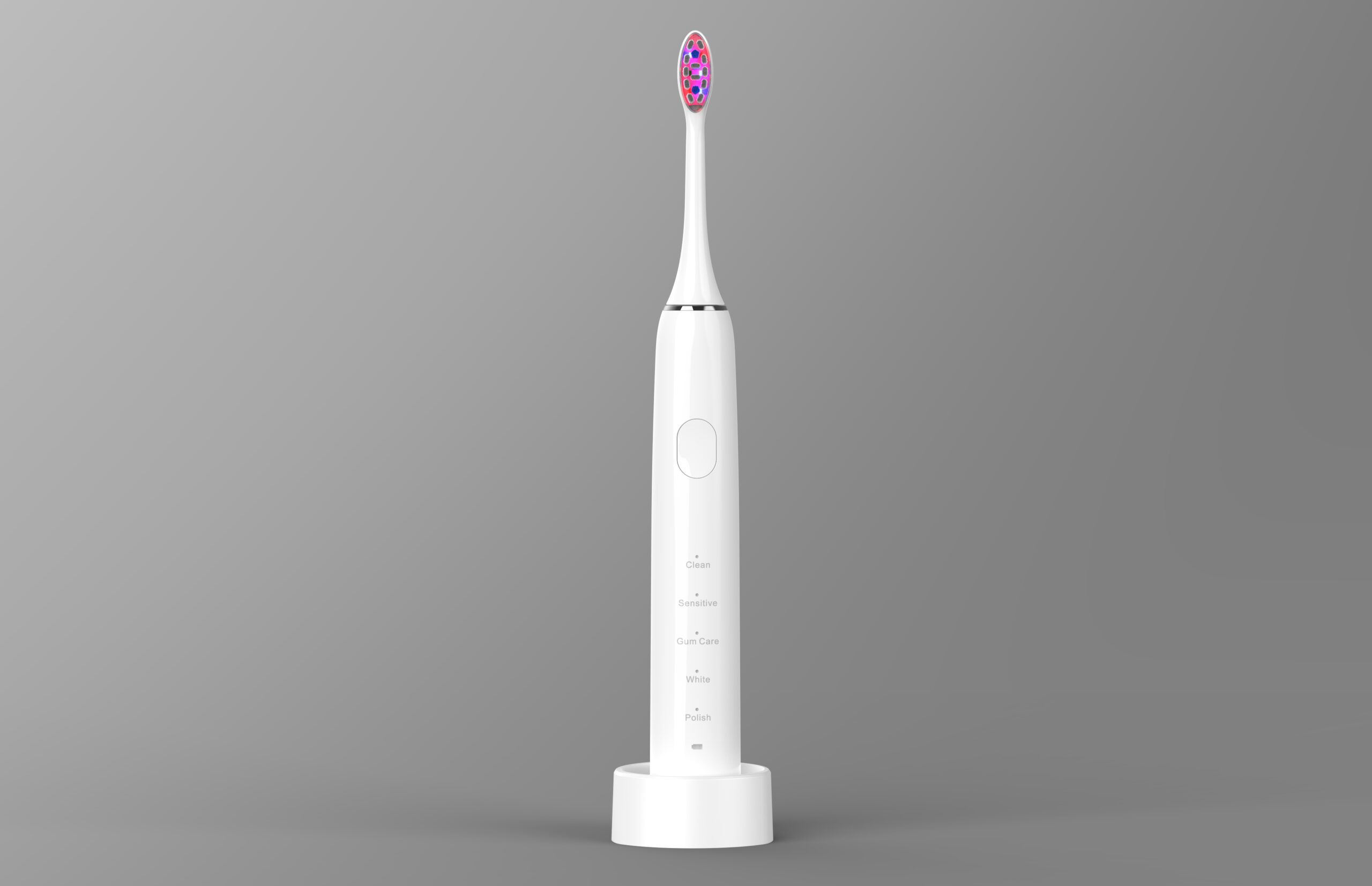
How Does a Bidirectional Vibration Motor Influence Optimal Brush Head Mold Design for Deep Cleaning?


.jpg)
.jpg)
.jpg)
.jpg)
.jpg)