
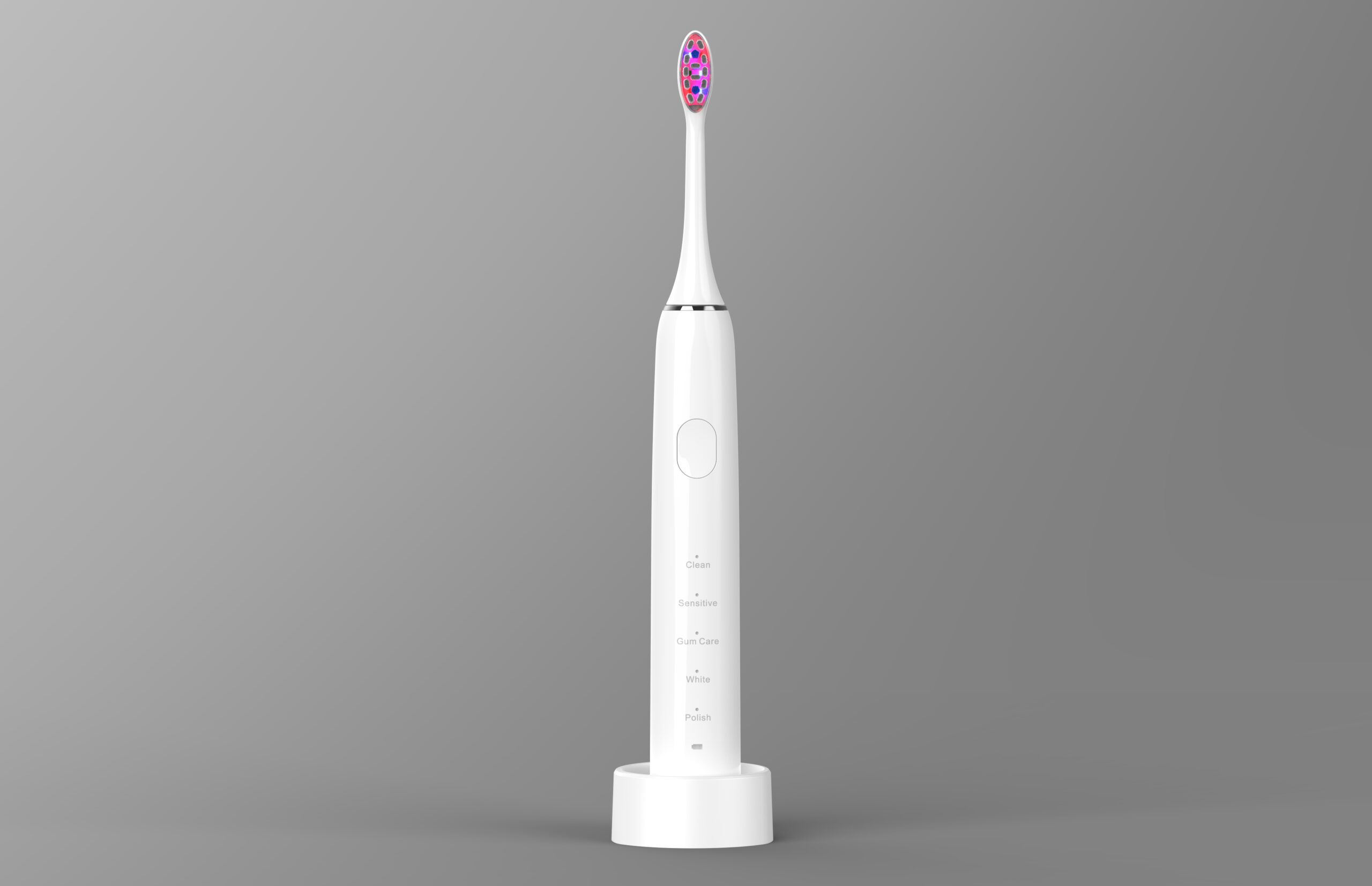
Introduction As smart oral care and personal care devices become more interactive, Touch Interface Design plays a key role in usability and product differentiation. At the same time, safety expectations are rising—especially for family-oriented products. Integrating a dependable Child Lock Function into a touch-based interface requires careful balance between intuitive user experience and robust protection against accidental activation. Defining Clear Activation Logic for Child Safety A reliable Child Lock Function begins with deliberate activation steps, such as long-press gestures or multi-touch sequences. Thoughtful Touch Interface Design ensures these actions are intentional for adults while remaining inaccessible to children through random touches. Visual and Haptic Feedback for Lock Status Clear visual icons or subtle haptic feedback help users instantly recognize whether the Child Lock Function is enabled. Touch Interface Design should communicate lock status without clutter, reinforcing safety without compromising a clean interface layout. Preventing Accidental Mode Switching Touch-sensitive surfaces can be prone to unintended input. By segmenting touch zones or requiring confirmation gestures, Touch Interface Design minimizes accidental mode changes and ensures the Child Lock Function remains active during storage or handling. Firmware and Hardware Coordination Reliable child lock performance depends on seamless coordination between firmware logic and touch sensors.…
Introduction For oral care devices and professional hygiene equipment, Pressure Stabilization is a critical function that directly affects safety, performance, and user confidence. However, even the most advanced technology can underperform if end users do not understand how to operate it correctly. This is why a clearly written and well-structured User Manual plays a vital role in ensuring proper use, especially in B2B-distributed products that serve diverse markets and user profiles. Preventing Misuse and Operational Errors Clear instructions in the User Manual guide users on how Pressure Stabilization works and when it is activated. Without proper explanation, users may apply incorrect pressure settings, leading to inconsistent results or potential device misuse. Supporting Consistent Performance Across Use Cases Pressure Stabilization systems designed to adapt to different operating conditions. A detailed User Manual helps standardize user behavior, ensuring that the feature performs consistently whether the device is used in clinical, professional, or home environments. Enhancing Product Safety and User Confidence When Pressure Stabilization limits clearly explained, users gain confidence in the device’s safety mechanisms. Transparent documentation reassures buyers and end users that the product engineered to protect both the device and the user during operation. Reducing After-Sales Support and Training Costs For…
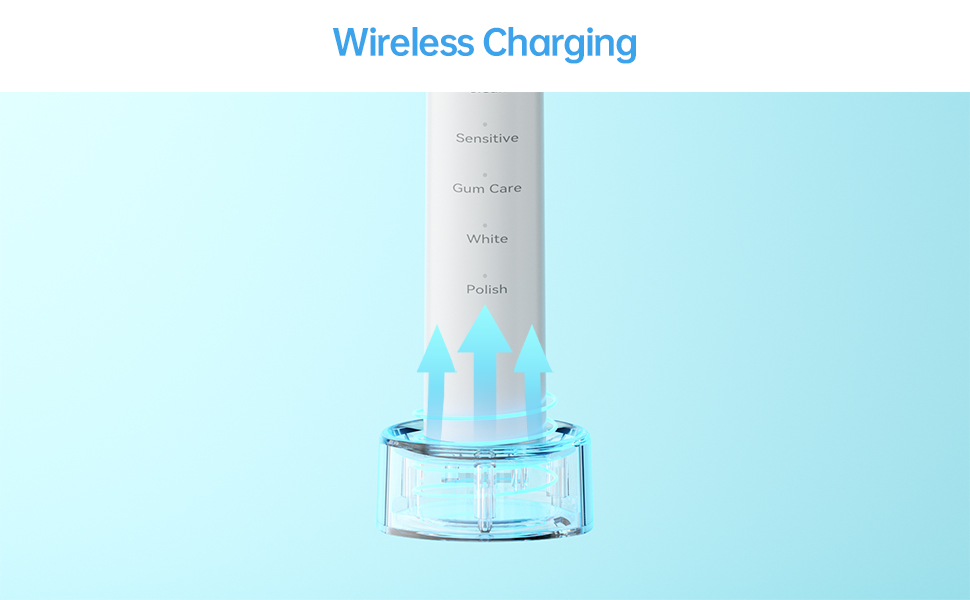
Introduction As wireless power technologies mature, integrating a Wireless Charging Module into oral care or cosmetic devices is becoming a strategic upgrade for premium product lines. However, this innovation directly impacts Kit Packaging design, influencing everything from internal structure and material selection to user unboxing experience and logistics efficiency. For B2B manufacturers and OEM partners, packaging must evolve alongside charging technology. Internal Layout and Component Protection Requirements A Wireless Charging Module introduces additional components such as coils, receivers, and alignment structures. Kit Packaging must be redesigned to secure these elements during transit, preventing coil deformation, magnetic interference, or connector stress. Space Optimization and Form Factor Adjustments Wireless charging often allows the removal of exposed charging ports, but it may require additional internal space. Kit Packaging designers must balance compact outer dimensions with sufficient internal clearance to accommodate charging pads, docks, or multi-device layouts. Material Selection and Signal Compatibility Certain packaging materials can interfere with wireless charging efficiency. When a Wireless Charging Module is included, Kit Packaging must avoid excessive metal layers or shielding materials that could reduce charging performance during in-box demonstrations or testing. User Experience and Unboxing Guidance Wireless charging is still a learning curve for some users. Kit…
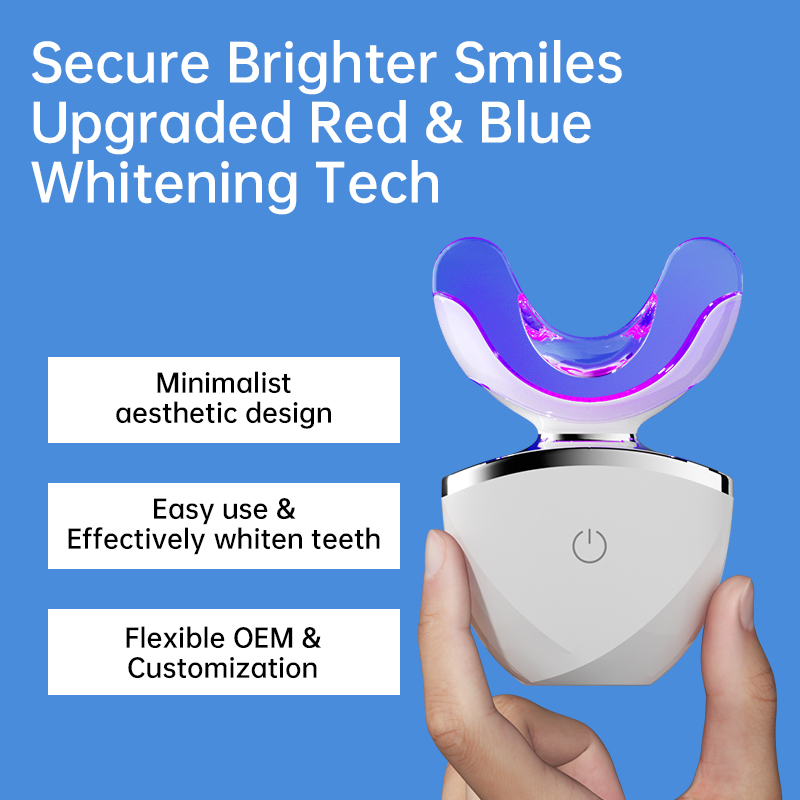
Introduction In professional and at-home oral aesthetics, combining an Accelerated Whitening formula with a precise Timer Function is essential for achieving fast, safe, and repeatable results. For OEM manufacturers and brand owners, this integration is not just about speed—it is about controlling exposure time, enhancing user safety, and ensuring regulatory-aligned performance across whitening devices. Controlling Exposure Time for Active Ingredients Accelerated Whitening formulas typically rely on higher-efficiency active agents. A built-in Timer Function ensures these ingredients remain in contact with enamel only for validated durations, reducing the risk of overexposure while maintaining whitening efficacy. Enhancing User Compliance and Consistency From a B2B design perspective, a Timer Function removes guesswork for end users. When paired with Accelerated Whitening, it ensures each session follows a consistent treatment cycle, supporting predictable outcomes and reducing misuse-related complaints. Supporting Sensitivity Management Strategies Shorter, precisely timed sessions are key to minimizing sensitivity. By synchronizing Accelerated Whitening performance with automated timing control, manufacturers can better balance whitening speed with enamel and gum protection requirements. Enabling Smart Device and System Integration A built-in Timer Function can be integrated with LED modules, mobile apps, or control chips. This allows Accelerated Whitening systems to deliver phased treatment cycles, pauses, or…
Introduction In the oral care manufacturing industry, achieving Brush Head Compatibility across multiple devices is often seen as a commercial advantage. However, from a regulatory perspective, universal designs introduce significant complexity in meeting Certification Compliance requirements. For OEMs and brand owners, balancing modular compatibility with strict safety, performance, and regional certification standards remains a critical challenge. Variability in Mechanical Fit and Retention Universal brush heads must fit multiple handle designs, which can lead to inconsistent locking mechanisms or tolerances. Certification Compliance often requires validated retention force and detachment safety for each configuration, complicating approval processes. Differences in Electrical and Vibration Interfaces Brush Head Compatibility becomes more complex when devices use different drive systems, vibration frequencies, or power outputs. Certification bodies may require separate testing to confirm safe operation under each electrical or mechanical interface. Material Compliance Across Multiple Use Scenarios Universal brush heads are exposed to varied operating conditions. Materials must meet Certification Compliance standards for wear, chemical resistance, and biocompatibility across all compatible devices, increasing testing scope and documentation. Performance Consistency Requirements Regulatory frameworks often require consistent cleaning efficacy and user safety. Ensuring Brush Head Compatibility does not compromise performance across different platforms can trigger additional validation and repeat…

Introduction In water-based oral care and personal hygiene devices, Jet Stream Precision is often evaluated by nozzle design and pump performance, but long-term consistency depends heavily on Hose Durability. For B2B manufacturers and OEM partners, understanding how hose materials, structure, and aging behavior influence pressure stability is critical to delivering reliable, high-performance products. Maintaining Stable Internal Pressure Over Time Hose Durability directly affects pressure retention. Degradation, micro-cracking, or elasticity loss can cause fluctuations that reduce Jet Stream Precision during extended product use. Preventing Flow Loss and Pulse Distortion Precision jet streams rely on smooth, uninterrupted flow. Durable hoses minimize internal deformation and flow resistance changes, ensuring consistent pulse patterns and controlled output. Supporting Accurate Pump-to-Nozzle Energy Transfer The hose acts as the transmission path between pump and nozzle. High Hose Durability ensures efficient energy transfer, allowing Jet Stream Precision to remain consistent even under repeated high-pressure cycles. Reducing Leakage Risk and Performance Drift Over time, inferior hoses may develop leaks or weak points. Enhanced Hose Durability reduces leakage risk, preserving Jet Stream Precision and protecting surrounding components. Enabling Material Compatibility and Hygiene Standards Durable hoses are more resistant to chemical exposure, temperature variation, and biofilm buildup. This stability supports Jet…

Introduction In high-performance oral care and personal hygiene devices, output quality and energy management are closely connected. Sonic Wave Technology relies heavily on stable and precise motor performance, making a Motor Efficiency Upgrade a strategic improvement rather than a simple component change. For B2B manufacturers and OEM partners, enhancing motor efficiency can unlock measurable gains in performance, reliability, and user experience. Improving Energy Conversion and Output Stability A Motor Efficiency Upgrade allows more electrical energy to be converted into mechanical motion. This improvement helps Sonic Wave deliver consistent vibration frequencies without unnecessary power loss. Extending Battery Runtime Without Reducing Performance Efficient motors draw less current for the same output. By implementing a Motor Efficiency Upgrade, devices using Sonic Wave can achieve longer runtime while maintaining effective cleaning performance. Enhancing Frequency Precision and Control Sonic Wave Technology depends on accurate frequency generation. A high-efficiency motor provides smoother operation and better response to control signals, improving frequency stability and overall performance. Reducing Heat and Mechanical Stress Inefficient motors generate excess heat and vibration. A Motor Efficiency Upgrade minimizes thermal buildup, protecting internal components and preserving the integrity of Sonic Wave Technology systems. Supporting Quieter and More Comfortable Operation Improved motor efficiency often…
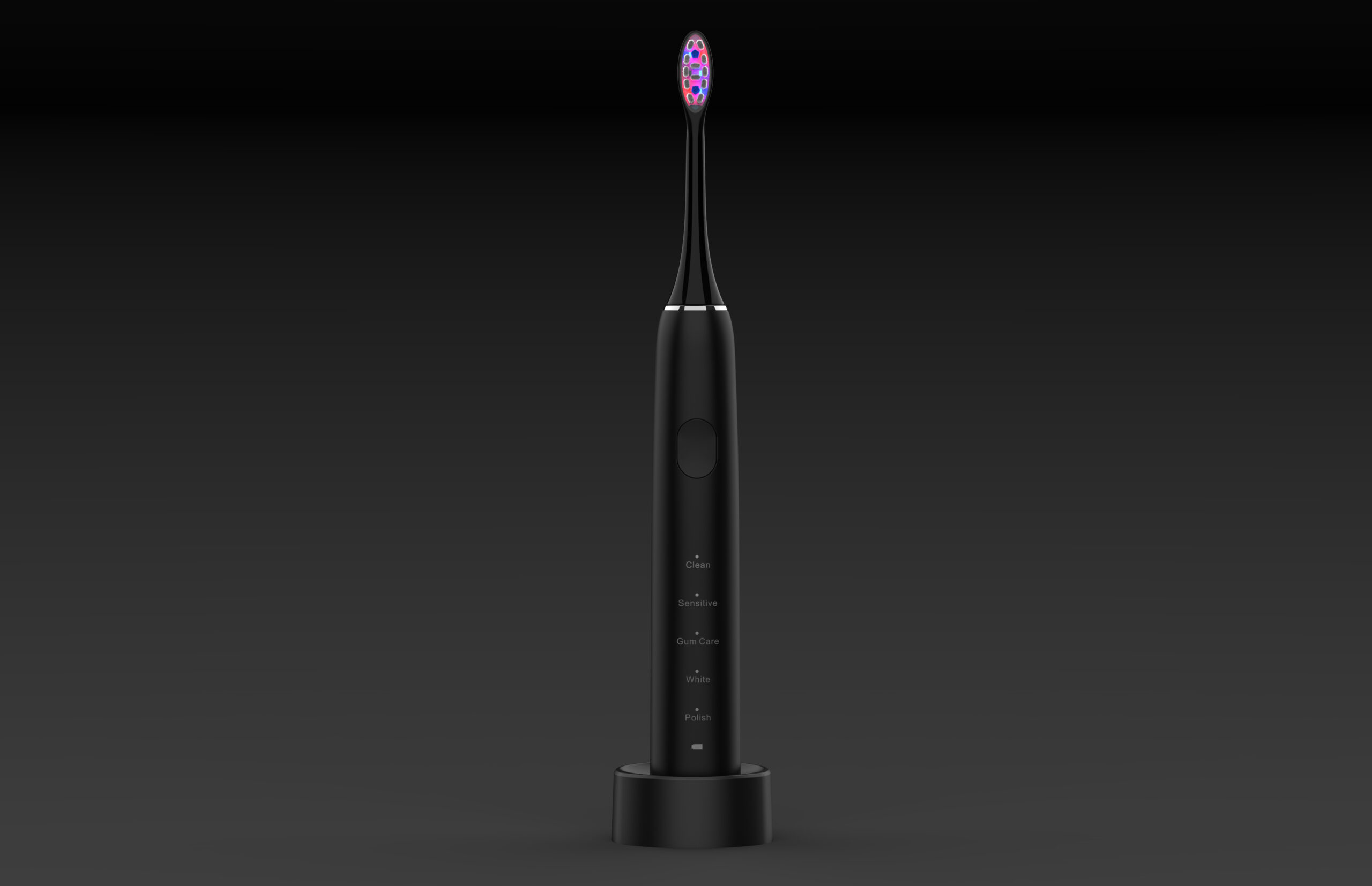
Introduction As mobility and convenience become essential product requirements, engineers are rethinking traditional fluid delivery methods. A Gravity Feed System offers a simplified alternative to pump-driven designs, making it a key enabler for a lightweight and fully cordless Portable Design. For B2B manufacturers and OEM partners, this approach opens new possibilities in energy efficiency, form factor optimization, and user-friendly product development. Eliminating the Need for High-Power Pump Components A Gravity Feed System relies on natural water flow rather than mechanical pumping. Removing power-hungry pumps supports a more compact and energy-efficient Portable Design, ideal for cordless applications. Reducing Power Consumption for Extended Runtime Without continuous motor operation, a Gravity Feed System significantly lowers energy demand. This efficiency allows Portable Design products to achieve longer usage time on smaller batteries. Simplifying Internal Structure and Assembly Gravity-based fluid delivery requires fewer moving parts. This simplicity benefits Portable Design by reducing internal complexity, improving reliability, and streamlining manufacturing processes. Enabling Lightweight and Compact Form Factors By minimizing mechanical components, a Gravity Feed System helps reduce overall device weight. This directly supports ergonomic and travel-friendly Portable Design objectives. Enhancing Reliability Through Fewer Failure Points Fewer active components mean fewer potential failures. Gravity Feed architectures improve…
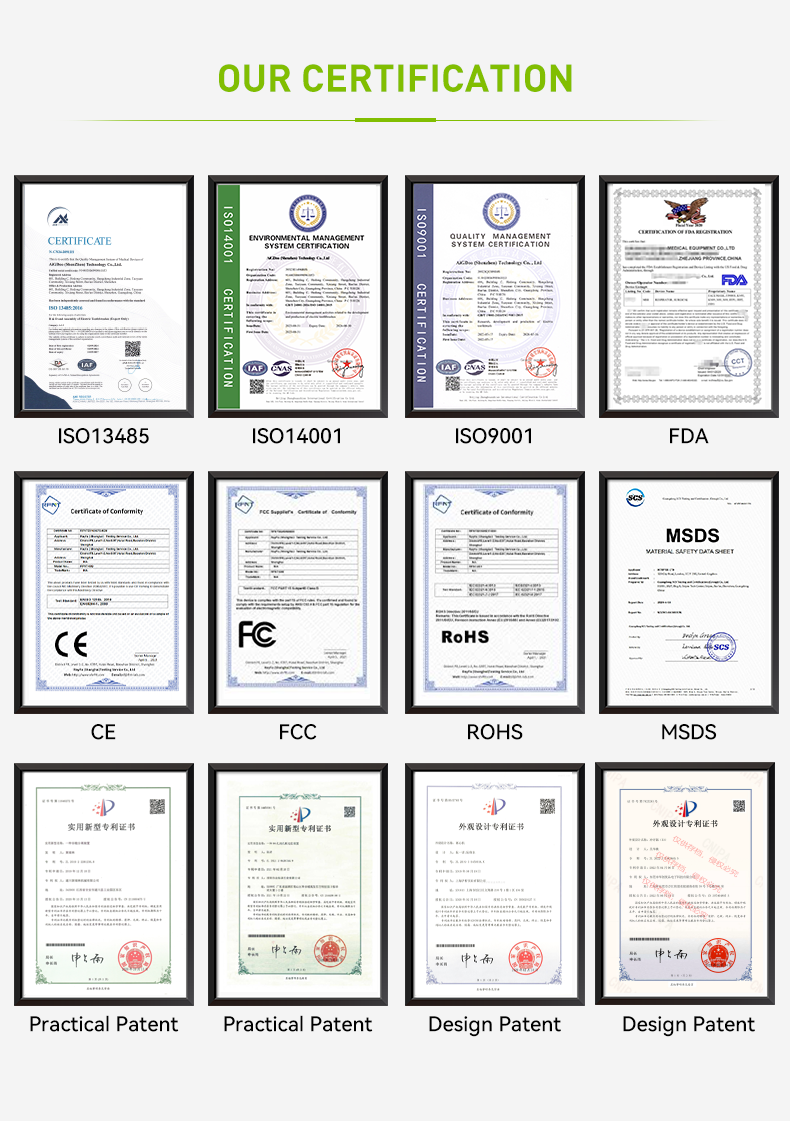
Introduction In modern teeth whitening systems, safety is closely tied to how light-based technologies are applied. The choice of LED Wavelength plays a critical role in determining whether a whitening solution can be considered truly Enamel Safe. For B2B manufacturers and OEM partners, understanding the relationship between wavelength selection, material interaction, and enamel protection is essential for developing safe and effective products. Understanding How LED Wavelength Interacts with Enamel Different LED Wavelength ranges interact with dental tissues in distinct ways. Selecting an appropriate wavelength allows effective activation of whitening agents while minimizing direct impact on enamel structure, supporting Enamel Safe performance. Limiting Thermal and Photochemical Stress An unsuitable LED Wavelength can generate excessive heat or unwanted photochemical reactions. Proper wavelength selection reduces these risks, helping ensure whitening treatments remain Enamel Safe during repeated use. Ensuring Controlled Activation of Whitening Agents The effectiveness of whitening relies on precise activation rather than higher intensity. A targeted LED Wavelength enables efficient gel activation without overexposing enamel, reinforcing Enamel Safe system design. Supporting Compatibility with Low-Sensitivity Formulations Whitening systems designed around specific LED Wavelength parameters can work effectively with gentler formulations. This compatibility helps reduce enamel stress and supports Enamel Safe product positioning. Aligning…
Introduction As hygiene-focused features become standard in advanced oral care devices, UV Sanitization is increasingly integrated into flosser systems. This technology not only enhances cleanliness but also directly influences the Cartridge Replacement cycle by reducing microbial buildup. For B2B manufacturers and OEM partners, understanding this interaction is key to optimizing maintenance schedules, user experience, and long-term product value. Reducing Bacterial Accumulation in Cartridges Integrated UV Sanitization helps limit bacterial growth inside flosser cartridges. With lower contamination levels, Cartridge Replacement intervals can be extended without compromising hygiene or performance. Maintaining Consistent Flow Performance Over Time Microbial buildup can restrict water flow and reduce effectiveness. UV Sanitization preserves internal cleanliness, allowing cartridges to maintain optimal performance throughout a longer Cartridge Replacement cycle. Enhancing User Perception of Hygiene and Reliability Visible or communicated UV Sanitization features increase user confidence. This perception supports acceptance of longer Cartridge Replacement intervals, reducing perceived maintenance burden. Supporting Predictable and Optimized Maintenance Schedules With UV Sanitization controlling microbial growth, manufacturers can define more stable Cartridge Replacement timelines. This predictability benefits both end users and OEM after-sales planning. Balancing Component Longevity and Material Integrity While Sanitization improves hygiene, it must carefully calibrated. Proper system design ensures that extended Cartridge…
.jpg)
Introduction As portability and safety become defining factors in modern product design, Battery Powered oral care devices must deliver reliable performance without unnecessary energy waste or risk. An Auto Shutdown Feature plays a critical role in protecting both the device and the user by ensuring controlled operation under various usage conditions. For B2B manufacturers and OEM partners, this feature is a key element of responsible and competitive product development. Preventing Battery Over-Discharge and Damage An Auto Shutdown Feature automatically powers off the device when battery levels fall below safe thresholds. This protection helps preserve battery health in Battery Powered oral care devices and extends overall product lifespan. Enhancing User Safety During Operation Unattended or prolonged operation can pose safety risks. By integrating an Auto Shutdown Feature, Battery Powered devices reduce the likelihood of overheating, electrical faults, or unintended continuous use. Improving Energy Efficiency and Runtime Management Efficient power management is essential for portable devices. An Auto Shutdown Feature ensures that Battery Powered products consume energy only when needed, improving runtime consistency and reducing unnecessary power loss. Supporting Compliance with Safety and Quality Standards Many international safety standards require automatic power-off mechanisms. Incorporating an Auto Shutdown Feature helps Battery Powered oral…
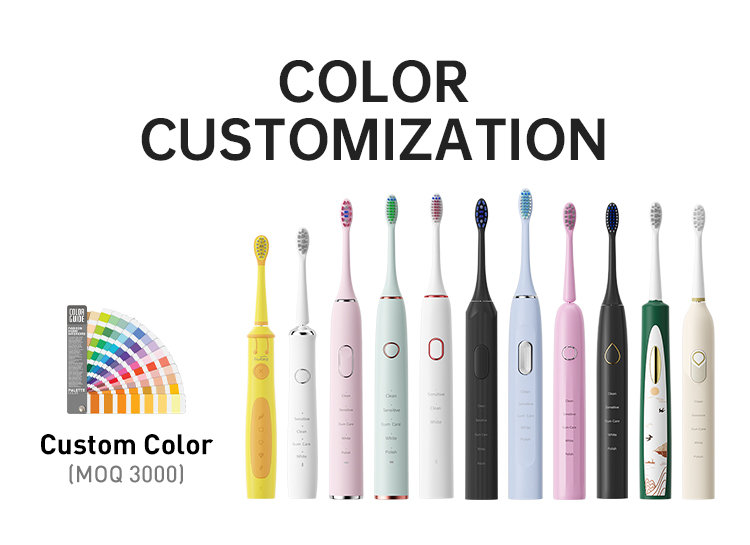
Introduction In the oral care and aesthetic device industry, regulatory approval is often seen as a benchmark of trust. However, while an FDA Approved Device confirms compliance with safety and regulatory requirements, it does not automatically ensure effective Sensitivity Reduction. For B2B manufacturers and OEM partners, understanding this distinction is essential when designing products that balance compliance, performance, and user comfort. Understanding What FDA Approval Actually Covers An FDA Approved Device meets defined safety, manufacturing, and labeling standards. However, FDA approval focuses on risk control rather than guaranteeing outcomes such as Sensitivity Reduction. Differentiating Safety Compliance from User Comfort Safety and comfort are related but not identical. While an FDA Approved Device is safe for intended use, Sensitivity Reduction depends on formulation, exposure time, and device interaction beyond regulatory minimums. The Role of Design and Technology in Sensitivity Reduction Engineering factors such as output control, material selection, and delivery precision strongly influence Sensitivity Reduction. These elements must be optimized independently of FDA Approved Device status. Importance of Compatible Consumables and Accessories Sensitivity often arises from system mismatches. Even with an FDA Approved, improper gels, trays, or applicators can increase discomfort, undermining Sensitivity Reduction goals. Clinical Validation and User Testing Beyond…
.jpg)
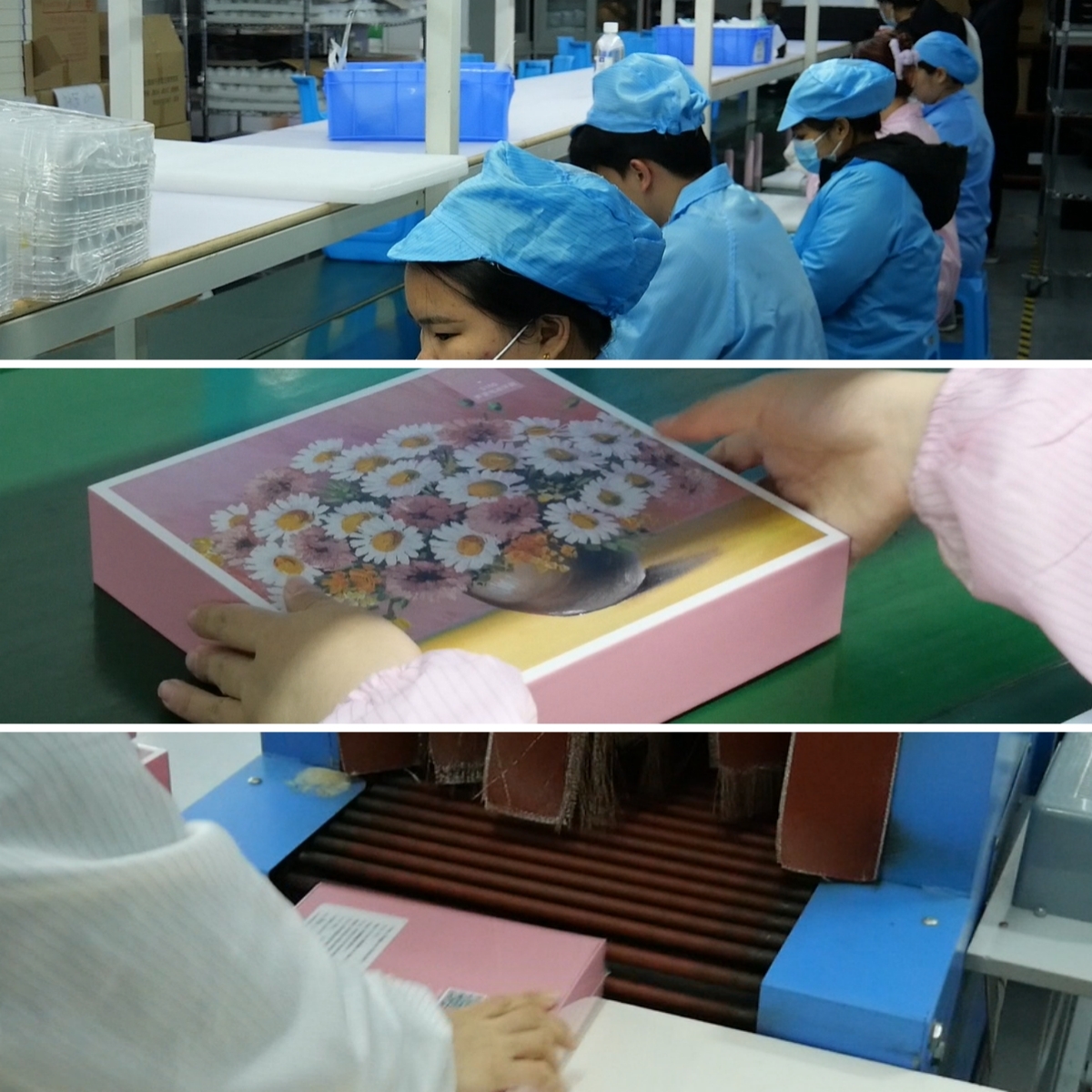
Electric Toothbrush Packaging Compliance Overview Electric toothbrush packaging compliance is a critical requirement for OEM brands selling across borders. Packaging is not just a marketing element—it is a regulated component of the product. Failure to meet packaging standards can result in customs rejection, product recalls, or marketplace listing removal. Key Compliance Elements in Packaging Labeling Accuracy Mandatory information such as voltage, manufacturer details, country of origin, and safety warnings must be clearly displayed. Language requirements vary by market and must be strictly followed. Regulatory Marks Compliance marks like CE or recycling symbols must be printed according to official size and placement guidelines. Incorrect usage may be considered non-compliance. Market-Specific Packaging Rules Different regions impose different packaging obligations. The EU emphasizes environmental and recycling compliance, while North America focuses on safety labeling and traceability. Therefore, packaging artwork should be reviewed separately for each target market. Role of OEM Manufacturers Professional OEM suppliers review packaging files before mass production. This step reduces errors and ensures alignment with product certification documents. At Powsmart, packaging review is integrated into pre-production checks. You can explore compatible OEM packaging solutions here:👉 https://www.powsmart.com/private-label-electric-toothbrush/ Sustainability & Environmental Considerations Many markets now require compliance with packaging waste regulations. Reduced…
Toothbrush Export Documentation in International Trade Toothbrush export documentation is a core requirement for OEM manufacturers shipping products to overseas markets. Missing or incorrect paperwork often leads to customs delays, additional costs, or even shipment rejection. For B2B buyers, understanding document requirements improves supply chain reliability and planning accuracy. Core Documents Required for Export Commercial Invoice & Packing List These documents declare product value, HS codes, quantities, and shipment details. Accuracy is essential to avoid customs disputes. Certificate of Origin Depending on destination, a COO may be required to qualify for preferential tariffs or regulatory clearance. Compliance Declarations Electric toothbrushes usually require CE, FCC, or similar conformity declarations. These documents confirm that products meet safety and electromagnetic standards. Market-Specific Documentation Differences Export requirements vary across regions. EU markets emphasize CE compliance and technical files, while U.S. imports focus on FCC documentation and labeling accuracy. Therefore, toothbrush export documentation should always be prepared according to destination country rules rather than a one-size-fits-all approach. Manufacturer Support in Documentation Preparation Experienced OEM factories assist buyers by preparing standardized files, test reports, and shipment declarations. This support reduces buyer workload and minimizes clearance risks. At Powsmart, export documentation is managed together with logistics planning…
Electric Toothbrush Warranty Policy in OEM Cooperation An effective electric toothbrush warranty policy plays a critical role in B2B cooperation between brands and manufacturers. Unlike consumer-facing guarantees, OEM warranty terms focus on defect responsibility, batch consistency, and long-term risk control. For private label and ODM buyers, clarifying warranty conditions early helps prevent disputes once products enter the market. Why Warranty Policy Matters for B2B Buyers In OEM projects, after-sales issues often involve entire batches rather than individual units. Therefore, warranty terms must clearly define coverage scope, defect definitions, and claim procedures. Moreover, warranty responsibility directly impacts cost structure and customer satisfaction. A vague agreement may increase hidden risks after shipment. Key Elements in an OEM Warranty Framework Coverage Scope & Duration Most manufacturers offer 12–24 months of warranty for electric toothbrushes. Coverage usually includes functional defects related to motors, PCBA, or battery performance under normal use. However, wear parts such as brush heads are typically excluded due to their consumable nature. Defect Rate Threshold OEM contracts often define an acceptable defect rate (e.g. below 0.5%). Issues beyond this threshold may trigger compensation, replacement, or credit arrangements. Claim Handling Process Clear documentation requirements — including photos, videos, and batch numbers —…
Choosing the Right Toothbrush Supplier for Amazon Sellers Selecting a toothbrush supplier for Amazon sellers requires more than competitive pricing. Platform rules, customer reviews, and fulfillment standards demand consistent quality, reliable logistics, and fast response times. For Amazon-focused brands, supplier capability directly influences listing performance and long-term account stability. Key Requirements from Amazon-Oriented Brands Amazon sellers often operate under strict timelines and inventory limits. As a result, suppliers must support flexible order quantities, fast sampling, and repeatable production quality. Additionally, packaging, labeling, and barcode application must comply with FBA requirements to avoid inbound issues. OEM Capabilities That Matter Quality Control & Consistency Stable QC processes reduce return rates and negative reviews. Suppliers should perform functional tests, waterproof inspections, and aging simulations before shipment. Compliance Support Products sold on Amazon must meet regional regulations. A qualified toothbrush supplier should assist with CE, FCC, and RoHS documentation where applicable. Scalable Production As listings grow, production capacity must scale without sacrificing consistency. Reliable factories plan capacity in advance to support promotional spikes. Why Private Label Sellers Prefer Integrated Manufacturers Suppliers offering in-house assembly, testing, and packaging provide better control over timelines and quality. This integration simplifies communication and reduces coordination risks. At Powsmart,…
Electric Toothbrush Sample Lead Time in OEM Manufacturing Electric toothbrush sample lead time is one of the most common concerns for B2B buyers during early project discussions. Whether you are developing a private-label product or a fully customized design, sample timing directly impacts testing, certification, and market launch plans. Understanding what affects sampling schedules helps buyers set realistic expectations and avoid unnecessary delays. Typical Sample Lead Time Scenarios Sample timelines vary depending on project complexity. For existing models with logo customization only, samples can often be prepared within 7–14 days. However, projects involving structural changes, new molds, or upgraded components usually require longer preparation. In private mold or semi-custom projects, electric toothbrush sample lead time typically ranges from 25 to 45 days, including engineering validation and trial assembly. Factors That Influence Sampling Speed Product Customization Level The more changes required, the longer the sampling cycle. New housing designs, battery upgrades, or motor replacements all require additional verification steps. Tooling Availability Projects using existing molds move faster than those requiring new tooling. Mold fabrication alone can take several weeks before first trial samples are ready. Component Supply Chain Motor availability, battery lead times, and PCB programming can also affect sampling schedules.…
Toothbrush Private Mold Development for Brand Differentiation Toothbrush private mold development is a critical step for brands that want to stand out in the competitive electric toothbrush market. Instead of relying on shared or open tooling, private molds allow companies to fully control product design, structure, and intellectual property from the beginning. For OEM and ODM buyers, especially those targeting mid- to high-end markets, custom tooling is no longer optional. It directly affects brand value, product lifecycle, and long-term competitiveness. Why Private Mold Development Matters in OEM Projects Compared with public molds, private tooling offers clear strategic advantages. First, it ensures that your product appearance cannot be legally reused by competitors. Second, it enables better alignment between industrial design and internal structure, such as motor placement, battery capacity, and waterproof sealing. As a result, toothbrush private mold development supports not only differentiation but also performance optimization. Many Amazon-focused brands now choose this route to avoid price wars caused by identical product shells. Key Stages of Toothbrush Mold Development 1. Concept & Industrial Design Validation At the early stage, design feasibility must be evaluated from both aesthetic and engineering perspectives. Wall thickness, draft angles, and assembly tolerances are carefully reviewed to…
Introduction As orthodontic care becomes more specialized, product design must extend beyond performance to include hygiene and usability. Advanced Orthodontic Nozzle Design introduces unique structural and functional characteristics that directly influence how Nozzle Storage should be engineered. For B2B manufacturers and OEM partners, aligning nozzle design with appropriate storage solutions is essential for maintaining cleanliness, durability, and user convenience. Accommodating Complex Nozzle Geometry Orthodontic Nozzle Design often features angled tips, narrow channels, or precision outlets. These characteristics require Nozzle Storage systems that securely hold the nozzle without deforming or damaging delicate structures. Supporting Hygiene and Drying Requirements Due to frequent exposure to moisture and debris, orthodontic nozzles must dry thoroughly between uses. Well-designed Nozzle Storage allows airflow and drainage, ensuring that Orthodontic Nozzle Design maintains hygienic conditions over time. Preventing Cross-Contamination Specialized orthodontic applications may involve multiple users or multiple nozzle types. Nozzle Storage solutions should provide separation and clear organization, supporting hygienic use aligned with advanced Orthodontic Nozzle Design standards. Enhancing User Accessibility and Compliance Ease of access encourages consistent use. Nozzle Storage designed around Orthodontic Nozzle enables intuitive placement and removal, improving the overall user experience and compliance with daily care routines. Protecting Nozzle Integrity During Storage Precision…
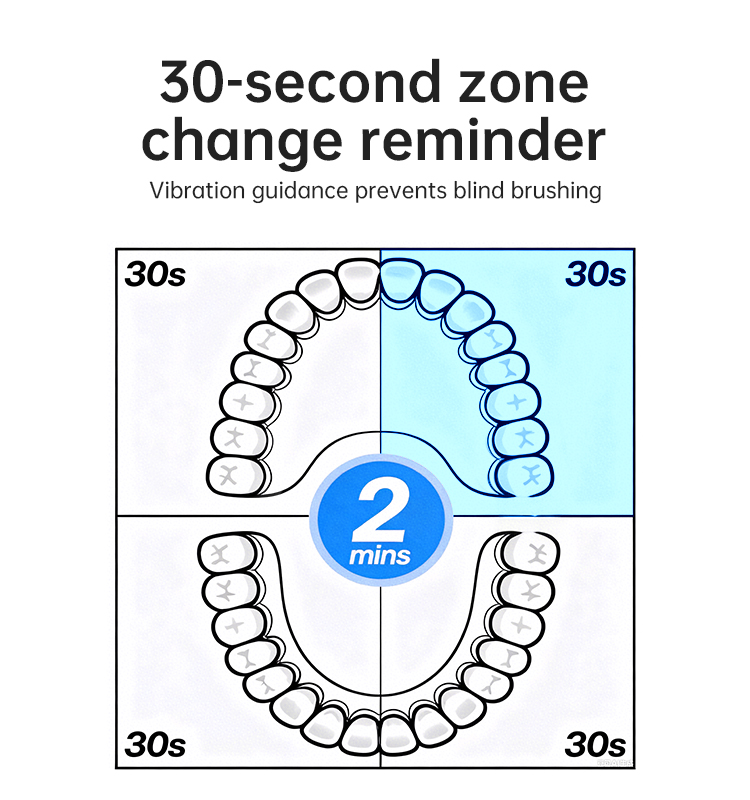
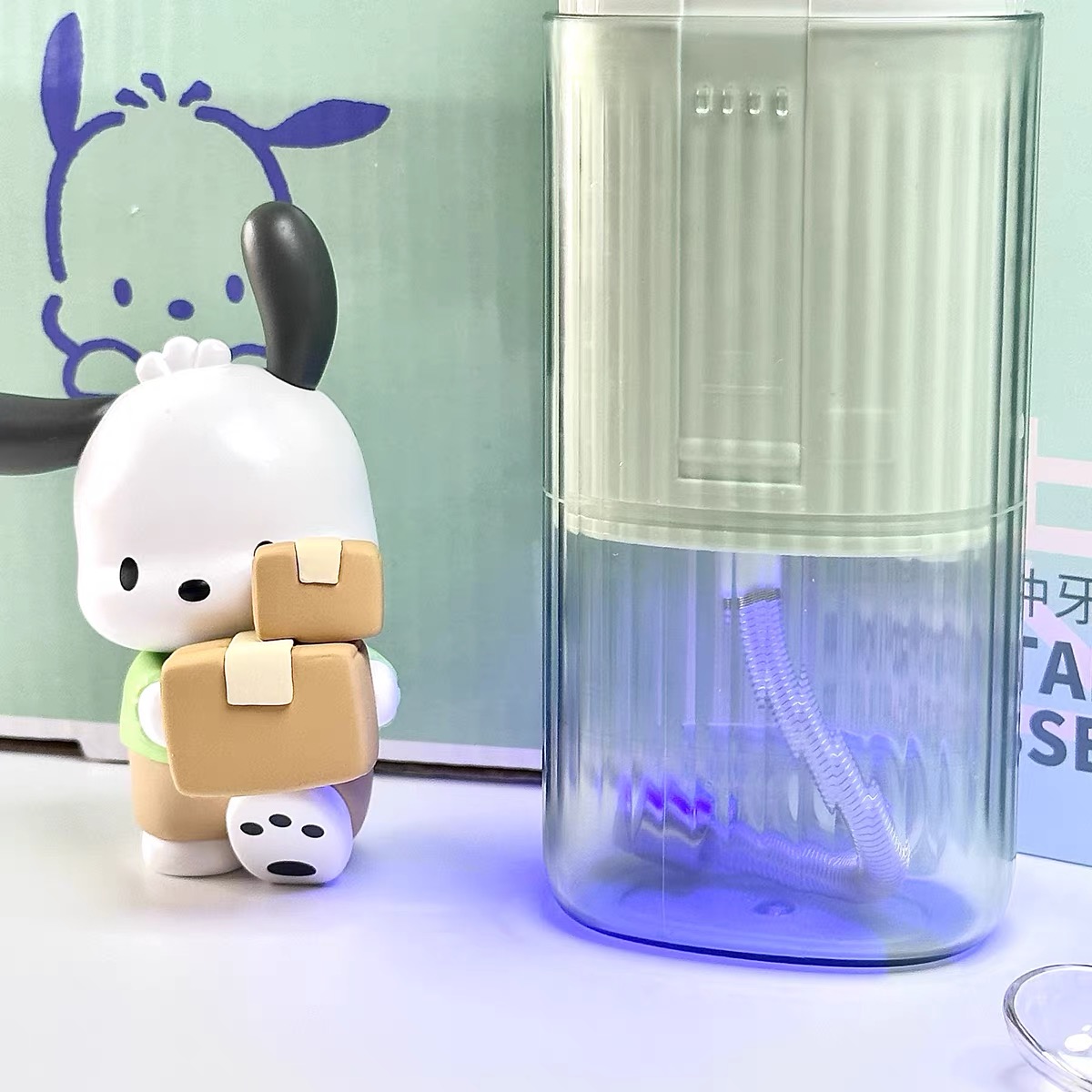
Introduction In modern water-based oral care and cleaning devices, performance is defined not only by output power but also by system integrity. While a High-Pressure Water Pump delivers the force required for effective cleaning, its performance can be significantly compromised without a reliable Leak-Proof Valve. For B2B manufacturers and OEM partners, balancing pressure generation with leak prevention is essential to ensure safety, durability, and product reliability. Maintaining Stable Pressure Output A High-Pressure Water Pump relies on a sealed fluid path to maintain consistent pressure. Without a robust Leak-Proof Valve, pressure fluctuations can occur, reducing cleaning efficiency and overall system performance. Preventing Water Leakage and Component Damage Leakage can expose electronic components to moisture, leading to corrosion or failure. Integrating a high-quality Leak-Proof Valve protects internal systems, allowing the High-Pressure Water Pump to operate safely over time. Enhancing User Safety and Product Reliability Uncontrolled leaks pose safety risks in electrically powered devices. A dependable Leak-Proof Valve ensures controlled water flow, reinforcing the safe operation of High-Pressure Water Pump systems in consumer and professional applications. Extending Product Lifespan and Reducing Failure Rates Continuous leakage accelerates material wear and mechanical fatigue. By pairing a High-Pressure Water Pump with a durable Leak-Proof Valve, manufacturers…
whstapp
whstapp
National Toll-Free Service Hotline
+86 755 86238638


.jpg)
.jpg)
.jpg)
.jpg)
.jpg)





.jpg)