.jpg)
Introduction A wedding teeth whitening timeline is essential for brides and grooms who want a bright, photo-ready smile on their big day. Planning ahead ensures you get natural-looking results without last-minute sensitivity. This guide shares how to schedule your whitening routine for the perfect wedding smile. Wedding Whitening Timeline: Step-by-Step Follow this schedule for the best results: 4–6 months before the wedding: Start with a dental cleaning to remove surface stains and check for any issues like cavities or sensitive teeth. 3–4 months before: Begin at-home whitening strips or a gentle whitening toothpaste to build up results gradually. 2 months before: If using custom tray whitening, start your treatment. This gives you time to adjust if sensitivity occurs. 2 weeks before: Stop all whitening treatments to let any sensitivity fade. Use a desensitizing toothpaste to calm your teeth. 1 week before: Avoid dark foods and drinks like coffee, red wine, or berries to prevent new stains. The day before: Brush with a whitening toothpaste and rinse with water to keep your smile bright. Best Whitening Options for Weddings Choose these methods based on your timeline: Custom tray whitening: The most effective option for natural, long-lasting results, best started 2–3 months…
Introduction Trismus water flosser use is designed for people with limited mouth opening, a common side effect of cancer treatment, jaw surgery, or TMJ disorders. When you can’t open your mouth wide, traditional string flossing becomes impossible. Water flossers offer a way to clean between teeth without needing to open your jaw fully. This guide shares techniques for using water flossers with limited mouth opening. Why Limited Mouth Opening Makes Flossing Hard Trismus (lockjaw) restricts how wide you can open your mouth, making it hard to maneuver string floss between teeth. Water flossers solve this by using a targeted water stream to clean between teeth, even with a small opening. Water Flosser Techniques for Limited Mouth Opening Follow these tips to floss comfortably: Use a slim, angled nozzle: A narrow, curved nozzle can reach between teeth without needing a wide mouth opening. Hold the flosser at an angle: Position the tip at the corner of your mouth, directing the stream between teeth from the side. Start with the lowest pressure setting: This reduces splashing and makes it easier to control the stream. Clean in small sections: Focus on one quadrant at a time, taking breaks if your jaw feels tired.…
Introduction Chemotherapy oral care toothbrush is essential for patients dealing with sensitive gums, mouth sores, and weakened enamel during cancer treatment. Chemotherapy can damage healthy cells in the mouth, making even gentle brushing painful. This guide shares the safest brushes and techniques for chemo patients. How Chemotherapy Affects Oral Health Chemotherapy can cause: Mouth sores and ulcers that make brushing painful. Dry mouth, which increases the risk of cavities. Sensitive gums that bleed easily with even light pressure. Weakened enamel, making teeth more prone to damage. Key Features of a Chemo-Friendly Electric Toothbrush Look for these gentle features: Ultra-soft, rounded bristles: Gentle on sensitive gums, with no sharp edges that can irritate sores. Low vibration or gentle cleaning modes: Reduced power to avoid irritating sensitive tissue. Pressure sensors: Alert you if you’re brushing too hard, preventing bleeding or damage. Small brush head: Fits easily in the mouth to clean hard-to-reach areas without discomfort. Safe Brushing Techniques During Chemotherapy Follow these steps to clean gently: Brush with lukewarm water only if toothpaste irritates your mouth. Use a light touch, letting the brush do the work instead of applying pressure. Rinse your mouth with a baking soda solution after brushing to soothe…
Introduction A single dark tooth can throw off the appearance of your entire smile, even if the rest of your teeth are bright. Whether caused by trauma, old fillings, or natural discoloration, targeted whitening solutions can help match the dark tooth to the rest of your smile. This guide explores your options for single dark tooth whitening. Why One Tooth May Be Darker Than Others Common causes include: Trauma: A knocked or injured tooth can die, turning gray or black over time. Old fillings or crowns: Metal fillings or outdated restorations can cause discoloration. Staining from food or drinks: One tooth may absorb more stains due to uneven enamel. Medications or health conditions: Some medications can cause localized discoloration. Targeted Whitening Options These methods are designed for single dark teeth: Internal whitening: For dead or discolored teeth, your dentist can bleach the inside of the tooth to lighten it from within. Custom tray whitening with spot treatment: Your dentist can adjust the whitening gel application to focus only on the dark tooth. Whitening pens for touch-ups: Gentle whitening pens can target surface stains on a single tooth without affecting the rest of your smile. When Veneers or Bonding Are Better…
Introduction Braces pain water flosser relief is a game-changer for anyone dealing with tender teeth after orthodontic adjustments. Traditional string floss can irritate sensitive gums and wires, but a water flosser offers a gentle way to clean around braces without worsening soreness. This guide shares how to use water flossers safely for braces pain relief. Why Braces Hurt After Adjustments Tightened wires and new archwires put pressure on teeth, causing temporary soreness and sensitivity. Hard or abrasive cleaning methods can irritate the already tender gums and brackets, making pain worse. Water flossers use a pulsating stream to clean between teeth and around wires without direct contact. Safe Water Flossing Techniques for Sensitive Braces Follow these steps to clean gently: Start with the lowest pressure setting: This reduces irritation on tender gums and sensitive teeth. Use an orthodontic tip: A specialized tip with a soft rubber brush cleans around brackets and wires without scratching them. Hold the tip at a 90-degree angle: Direct the stream parallel to the gumline, not directly at the sensitive teeth or brackets. Clean slowly: Take extra time to flush debris from around the wires, avoiding any sudden movements that could jostle the braces. Additional Tips to…
Introduction For people with ADHD, remembering to brush teeth consistently can feel like a constant battle against distraction. The good news is that electric toothbrushes with built-in timers and app alerts are specifically designed to work with ADHD brains, turning a tedious chore into a manageable routine. This guide breaks down the best features and tools to help you stay on track. Why Brushing Is Hard for ADHD Brains ADHD often impacts executive functions like working memory, task initiation, and sustained attention. This can make it hard to: Remember to brush twice daily, even with repeated attempts. Stay focused for the full two minutes required for effective cleaning. Maintain the habit long-term without a structured reminder system. Key Features of ADHD-Friendly Electric Toothbrushes Look for these tools to make brushing easier: Built-in timers with interval alerts: Brushes that buzz every 30 seconds to prompt you to move to a new quadrant, ensuring you brush for the full two minutes. App-connected reminders: Smart toothbrushes that sync with your phone to send custom alerts, track streaks, and even gamify the process with rewards. Vibrating alerts: For those who struggle with auditory distractions, quiet vibrations can signal the start/end of brushing without overwhelming…
Electric Toothbrush Ergonomic Handle Design: Improving User Experience In product development, electric toothbrush ergonomic handle design plays a crucial role in enhancing usability and comfort. A well-designed handle improves grip, control, and overall brushing experience. As consumers demand more user-friendly products, ergonomic design has become a key factor in product differentiation. Importance of Ergonomic Design Comfortable Grip An ergonomic handle allows users to hold the toothbrush comfortably. As a result, brushing becomes easier and more effective. Improved Control Better grip design ensures precise movement during brushing. Therefore, users can clean more efficiently. Key Design Elements Shape and Structure Manufacturers design handles with curves and contours that fit naturally in the hand. Surface Materials Anti-slip materials are often used to enhance grip, especially in wet conditions. OEM Customization Options OEM manufacturers provide flexible design solutions. These include: Custom handle shapes Material selection Surface textures Branding integration Thus, brands can create unique and appealing products. Internal Link Explore our ergonomic design solutions:https://www.powsmart.com/ergonomic-toothbrush Testing and Validation Manufacturers conduct usability testing to ensure effectiveness. Testing includes: Grip comfort evaluation User experience testing Durability testing External Authority Reference For ergonomic design guidelines:https://www.iso.org Market Trends Consumers are increasingly focusing on comfort and usability. Therefore, ergonomic design…
Electric Toothbrush Charging Safety Design: Ensuring Reliable and Safe Products In electric toothbrush development, electric toothbrush charging safety design is a critical factor that directly affects product reliability and user safety. As devices rely on rechargeable batteries, safe charging systems must be implemented to prevent risks such as overheating or short circuits. Therefore, B2B buyers must carefully evaluate safety design capabilities when selecting OEM partners. Key Elements of Charging Safety Overcharge Protection Modern toothbrushes include protection circuits to prevent overcharging. As a result, battery lifespan is extended and safety risks are reduced. Temperature Control Thermal management systems monitor temperature during charging. Therefore, overheating can be effectively prevented. OEM Engineering Solutions Smart Charging Circuits Advanced OEM manufacturers use intelligent charging ICs to regulate voltage and current. Waterproof Charging Design Charging systems must be protected against water exposure. For instance, sealed interfaces or wireless charging solutions are commonly used. Internal Link Learn more about our safety design solutions:https://www.powsmart.com/toothbrush-charging-safety Testing and Certification Manufacturers conduct strict testing procedures, including: Electrical safety testing Battery stress testing Waterproof testing External Authority Reference For global safety standards:https://www.iec.ch Market Requirements Consumers expect safe and reliable products. Therefore, safety design has become a key purchasing factor. Engineering Challenges Balancing…
USB Rechargeable Electric Toothbrush OEM: Meeting Global Charging Trends In today’s fast-evolving electronics market, USB rechargeable electric toothbrush OEM solutions are becoming a standard requirement for modern oral care products. As consumers increasingly rely on universal charging interfaces, USB charging provides convenience, flexibility, and compatibility across multiple devices. Moreover, USB charging aligns with global trends toward minimalism and portability. Therefore, B2B buyers are actively seeking OEM manufacturers capable of delivering reliable USB-powered toothbrush solutions. Advantages of USB Rechargeable Design Universal Compatibility USB charging allows users to charge their toothbrush using power banks, laptops, and adapters. As a result, it enhances usability across different environments. Portability and Convenience Travel-friendly designs benefit greatly from USB charging. In addition, users can avoid carrying dedicated chargers. OEM Design and Engineering Considerations Charging Interface Types Manufacturers can offer multiple USB interface options, such as: USB Type-C Micro USB Magnetic USB connectors Each option must be evaluated based on durability and user convenience. Waterproof Integration Since toothbrushes are used in wet environments, the charging port must be sealed effectively. Therefore, advanced waterproof structures are required. OEM Customization Options OEM partners can provide flexible customization solutions. These include: Custom charging indicators Fast charging capability Battery capacity options…
Long Battery Electric Toothbrush Supplier: Meeting Market Demand for Extended Usage As consumer expectations evolve, long battery electric toothbrush supplier selection has become increasingly important for brands targeting convenience and portability. Long battery life is especially valued in travel scenarios and premium product segments. Therefore, B2B buyers are seeking suppliers with strong expertise in battery optimization. Benefits of Long Battery Toothbrushes Convenience for Users Long battery life reduces the need for frequent charging. As a result, users enjoy a more convenient experience. Ideal for Travel Products with extended battery performance are particularly suitable for travelers. OEM Manufacturing Capabilities High-Capacity Battery Design Manufacturers use advanced lithium batteries to achieve extended usage time. Efficient Energy Management Optimized circuit design ensures that energy is used efficiently during operation. Internal Link Explore our long battery solutions:https://www.powsmart.com/long-battery-toothbrush Quality Control Manufacturers conduct strict testing to ensure reliability. Testing includes: Battery lifespan testing Charging efficiency testing Safety certification External Authority Reference For global oral health guidelines:https://www.fdiworlddental.org Market Trends The demand for long battery products is growing rapidly. Therefore, this feature is becoming a standard requirement in many markets. Challenges in Development Achieving long battery life without increasing product size is challenging. However, advanced engineering can address this…
Electric Toothbrush Battery Life Performance: A Key Factor in Product Competitiveness In modern product development, electric toothbrush battery life performance has become one of the most critical factors influencing user satisfaction. Consumers expect longer usage time, faster charging, and reliable battery stability. Therefore, B2B buyers must carefully evaluate battery performance when selecting OEM manufacturers. Factors Affecting Battery Life Battery Capacity Higher capacity batteries provide longer usage time. However, they also increase product size and cost. Power Consumption Efficient motor and circuit design can significantly reduce energy consumption. As a result, battery life can be extended without increasing battery size. OEM Engineering Solutions Lithium Battery Integration Most modern electric toothbrushes use lithium batteries due to their high energy density and long lifespan. Smart Power Management Advanced OEM designs include smart power control systems. These systems optimize energy usage during operation. Internal Link Learn more about our battery optimization solutions:https://www.powsmart.com/electric-toothbrush-battery Testing and Validation To ensure reliable performance, manufacturers conduct: Charging cycle testing Battery aging tests Safety testing External Reference For battery safety and standards:https://www.ul.com Market Expectations Consumers increasingly prefer products with long battery life. In particular, travel-friendly devices require extended usage time. Therefore, battery performance has become a key selling point. Engineering…
Replaceable Brush Head Toothbrush OEM: Enhancing Product Value and Sustainability In the global oral care market, replaceable brush head toothbrush OEM solutions are becoming increasingly important for brands focused on sustainability and long-term user value. Instead of replacing the entire toothbrush, consumers can simply change the brush head, which reduces waste and improves cost efficiency. Moreover, this design aligns with growing environmental awareness. Therefore, B2B buyers are prioritizing OEM partners that can deliver reliable replaceable systems. Advantages of Replaceable Brush Head Design Cost Efficiency for Consumers Users only need to replace the brush head regularly. As a result, the overall cost of ownership is reduced. Environmental Benefits Replacing only the brush head significantly reduces plastic waste. Therefore, it supports eco-friendly product positioning. Key Design Considerations Connection Mechanism A secure connection between the handle and brush head is essential. Common solutions include: Snap-on systems Metal shaft connections Magnetic coupling Each design must ensure stability during high-frequency vibration. Compatibility and Standardization OEM manufacturers often develop standardized connection systems. As a result, multiple brush head types can be used with one handle. OEM Customization Capabilities Manufacturers offer flexible solutions to meet different market needs. Customization options include: Multiple brush head types (cleaning, whitening,…
Introduction Age spot teeth whitening is designed to address brown spots and discoloration that appear as teeth age. Over time, teeth naturally darken, and age-related stains can develop, making smiles look dull. This guide reviews whitening methods that specifically target age-related tooth discoloration. Why Age Spots Develop on Teeth Several factors cause age-related discoloration: Thinning enamel: As you age, enamel wears down, revealing the yellowish dentin underneath. Staining from food and drinks: Years of coffee, tea, and red wine leave deep stains on tooth surfaces. Medications or health conditions: Certain medications or conditions can cause permanent discoloration over time. Effective Whitening Methods for Age Spots These methods target deep age-related stains: Professional in-office whitening: Uses high-concentration bleaching gels to lift deep stains that over-the-counter products can’t reach. Custom tray whitening: Prescribed by your dentist, these trays use stronger gels for longer periods, targeting stubborn age spots. Whitening toothpaste with baking soda: Mild abrasives help lift surface age spots with daily use. Dental bonding or veneers: For severe discoloration, bonding or veneers can cover age spots for a uniform look. Tips to Prevent New Age Spots These habits help keep teeth bright as you age: Use a straw when drinking staining…
Introduction Gum graft water flosser safety is critical for anyone recovering from gum graft surgery, as improper use can damage healing tissue. Gum grafts involve delicate gum tissue that needs time to heal, and high-pressure water streams can disrupt the graft. This guide shares safe usage timelines and settings for recovery. Why Water Flossers Need Caution After Gum Grafts The grafted gum tissue is fragile and easily irritated in the first few weeks after surgery. High water pressure can dislodge the graft or cause bleeding, slowing healing. It’s important to use water flossers only when approved by your dentist, and at the lowest pressure. Safe Usage Timeline for Gum Graft Recovery Follow this schedule to avoid complications: First 2 weeks: Do not use a water flosser. Stick to gentle rinses with warm saltwater using a syringe. 2–4 weeks after surgery: If your dentist approves, use the lowest pressure setting and hold the nozzle at least 1 inch away from the graft site. 4–6 weeks after surgery: Gradually increase pressure, still avoiding direct contact with the graft until it’s fully healed. Safe Flossing Techniques During Recovery These steps protect the healing graft: Hold the nozzle parallel to the gumline, not directly…
Introduction Private label whitening strips enable customized branding and product positioning. Charcoal whitening powder wholesale offers natural-inspired alternatives for oral care. Combining both expands market reach. This blog explains key advantages. Expanding Product Portfolio Diversity A broader range attracts more customers. Private label whitening strips deliver convenient whitening solutions. Charcoal whitening powder wholesale adds natural-style options. This increases product variety. Meeting Different Consumer Preferences Consumers have varied whitening habits. Private label whitening strip suit structured treatments. Charcoal whitening powder wholesale appeals to alternative care users. This meets diverse demands. Enhancing Brand Customization and Identity Customization strengthens market presence. Private label whitening strip support logo and packaging design. Charcoal whitening powder wholesale allows branded presentation. This improves brand recognition. Ensuring Consistent Quality and Safety Standards Quality control is essential in oral care. Private label whitening strip follow strict manufacturing processes. Charcoal whitening powder wholesale ensures safe ingredient sourcing. This builds consumer trust. Optimizing Cost Efficiency for Bulk Procurement Bulk sourcing reduces overall expenses. Private label whitening strips offer scalable production advantages. Charcoal whitening powder wholesale provides competitive pricing. This improves margins. Supporting Scalable Distribution and Market Growth Reliable supply enables expansion. Private label whitening strip ensure consistent availability. Charcoal whitening powder wholesale supports large-volume…
Introduction Wholesale teeth whitening trays support scalable oral care product sourcing. Teeth whitening pen bulk solutions add portability and convenience. Combining both expands product offerings. This blog explains key advantages. Creating a Complete Whitening Product Portfolio Diverse products meet different user preferences. Wholesale teeth whitening trays provide full-coverage solutions. Teeth whitening pen bulk offers targeted application. This creates a balanced product range. Supporting Flexible Usage Scenarios Consumers seek convenience and flexibility. Wholesale teeth whitening tray are ideal for structured treatments. Teeth whitening pen bulk supports on-the-go use. This enhances usability. Ensuring Consistent Quality and Performance Quality is essential for customer satisfaction. Wholesale teeth whitening tray follow strict production standards. Teeth whitening pen bulk ensures reliable formulation delivery. This builds trust. Enhancing Branding and Customization Options Customization strengthens market positioning. Wholesale teeth whitening tray support private labeling. Teeth whitening pen bulk allows custom packaging and design. This improves brand identity. Optimizing Cost Efficiency for Bulk Procurement Bulk purchasing reduces overall costs. Wholesale teeth whitening tray offer competitive pricing. Teeth whitening pen bulk supports high-volume orders. This improves profit margins. Enabling Scalable Distribution and Market Growth Reliable supply supports expansion. Wholesale teeth whitening tray ensure consistent availability. Teeth whitening pen bulk enables large-scale distribution. This drives business…
Introduction Wholesale rechargeable toothbrush sets offer cost-effective and scalable product solutions. Corporate gift electric toothbrushes require premium design and brand value. Combining both creates attractive gifting options. This blog explains why they fit together. Enhancing Brand Image Through Practical Gifts Corporate gifts should be useful and memorable. Corporate gift electric toothbrushes provide daily value. Wholesale rechargeable toothbrush sets ensure consistent quality. This strengthens brand perception. Supporting Custom Branding and Personalization Customization is key for corporate gifting. Wholesale rechargeable toothbrush sets allow logo and packaging customization. Corporate gift electric toothbrushes reflect brand identity. This improves marketing impact. Ensuring High Perceived Value for Recipients Premium gifts create stronger impressions. Corporate gift electric toothbrushes offer advanced features and design. Wholesale rechargeable toothbrush set maintain affordability. This balances value and cost. Providing Cost Efficiency for Bulk Orders Corporate gifting often involves large quantities. Wholesale rechargeable toothbrush set reduce unit costs. Corporate gift electric toothbrushes remain budget-friendly. This supports large-scale campaigns. Offering Convenient and Travel-friendly Design Recipients prefer portable and easy-to-use products. Corporate gift electric toothbrushes are compact and rechargeable. Wholesale rechargeable toothbrush set meet travel needs. This enhances usability. Enabling Scalable Supply for Corporate Programs Reliable supply chains are essential. Wholesale rechargeable toothbrush set support high-volume production. Corporate…
Introduction Toothbrush OEM ODM services provide design, engineering, and manufacturing solutions. Smart toothbrush app development adds digital connectivity and user engagement. Combining both creates complete smart oral care ecosystems. This blog explains key benefits. Delivering End-to-end Product Integration Toothbrush OEM ODM services handle hardware development and production. Smart toothbrush app development connects devices with mobile platforms. This creates seamless integration. It enhances overall product value. Enhancing User Experience and Engagement Modern users expect connected features. Smart toothbrush app development enables tracking and personalized feedback. Toothbrush OEM ODM ensure hardware compatibility. This improves daily user interaction. Supporting Data-driven Oral Care Insights Data enables better oral care habits. Smart toothbrush app development collects brushing data. Toothbrush OEM ODM ensure sensor integration. This supports actionable insights. Enabling Customization for Different Markets Different markets require tailored features. Toothbrush OEM ODM services offer flexible hardware design. Smart toothbrush app development enables localized software features. This meets diverse user needs. Improving Brand Differentiation and Competitiveness Connected devices stand out in competitive markets. Smart toothbrush app development adds advanced functionality. Toothbrush OEM ODM ensure product quality. This strengthens brand positioning. Supporting Scalable and Future-ready Solutions Smart ecosystems require scalability. Toothbrush OEM ODM support large-scale production. Smart toothbrush app development enables feature…
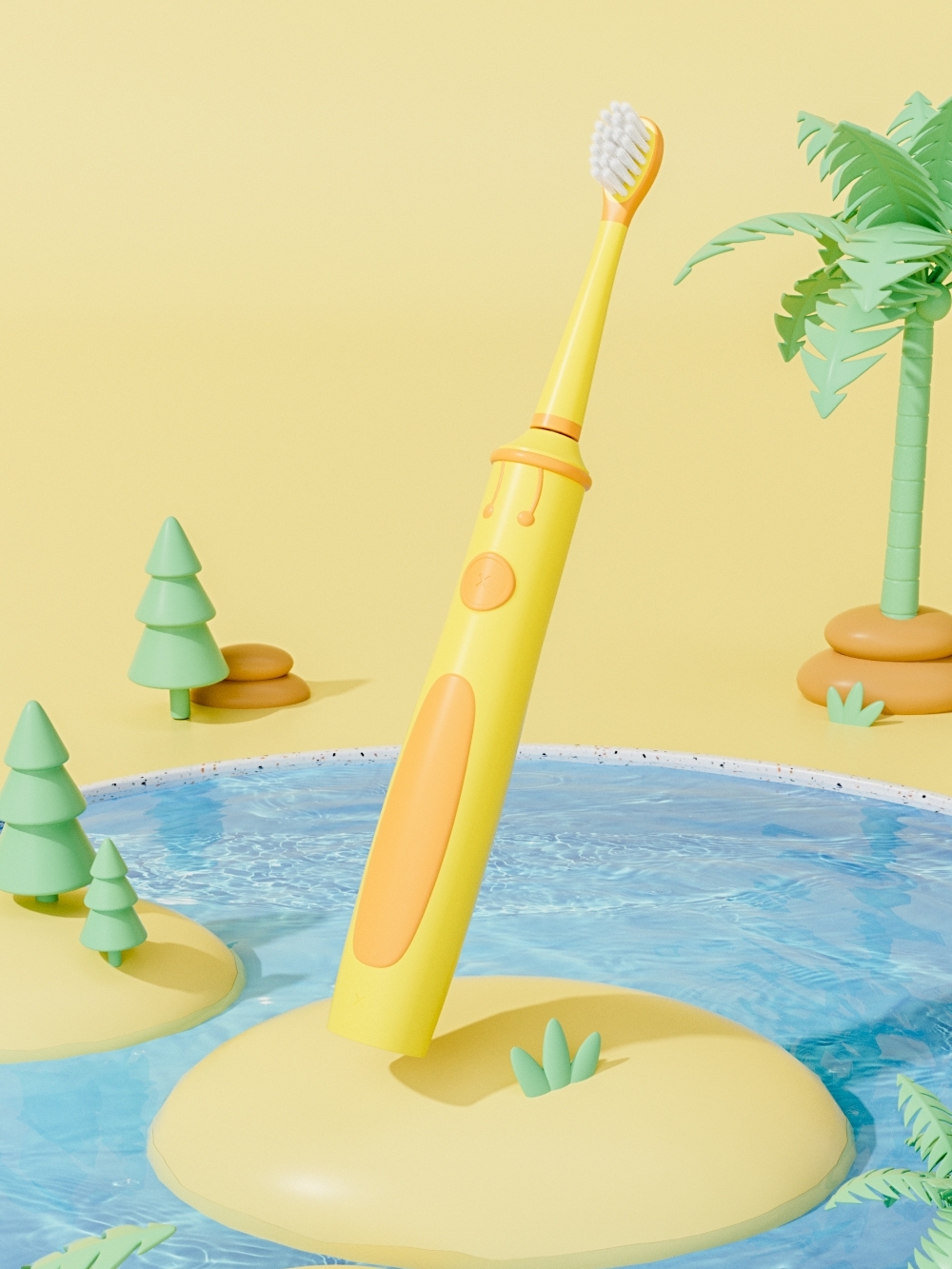
Introduction Private label toothbrush heads enable brands to create customized oral care products. Toothbrush replacement heads wholesale supports large-scale supply and distribution. Combining both drives business growth. This blog explains key advantages. Enabling Brand Customization and Differentiation Private label toothbrush heads allow unique branding and design options. Logos and colors can be customized. Toothbrush replacement heads wholesale supports consistent supply. This strengthens brand identity. Ensuring Consistent Quality and Performance Quality is essential for user satisfaction. Private label toothbrush head follow strict manufacturing standards. Toothbrush replacement head wholesale ensures uniform production quality. This improves customer trust. Supporting Cost Efficiency Through Bulk Purchasing Bulk sourcing reduces overall costs. Toothbrush replacement head wholesale offers competitive pricing. Private label toothbrush head maximize value for brands. This improves profit margins. Providing Flexible Product Options Different markets require varied specifications. Private label toothbrush head offer multiple designs and materials. Toothbrush replacement heads wholesale supports diverse product lines. This meets market demands. Accelerating Time-to-market for New Brands Speed is critical in competitive markets. Private label toothbrush head reduce development time. Toothbrush replacement head wholesale ensures fast supply. This enables quicker product launches. Supporting Scalable Global Distribution Growing brands need reliable supply chains. Toothbrush replacement heads wholesale supports high-volume distribution. Private label…
Introduction A Hotel amenity electric toothbrush enhances guest comfort and convenience. A Luxury hotel toothbrush kit reflects premium hospitality standards. Combining both elevates guest experience. This blog explains key advantages. Enhancing Guest Experience and Satisfaction Guests expect high-quality amenities in luxury hotels. A Hotel amenity electric toothbrush provides superior cleaning performance. A Luxury hotel toothbrush kit becomes more attractive. This improves guest satisfaction. Strengthening Brand Image and Differentiation Luxury hotels compete through details and service quality. A Hotel amenity electric toothbrushes signals premium care. A Luxury hotel toothbrush kit reinforces brand positioning. This enhances differentiation. Supporting Customization and Branding Opportunities Brand identity is essential for hospitality businesses. A Hotel amenity electric toothbrushes can include custom logos. A Luxury hotel toothbrush kit supports tailored packaging. This creates a cohesive brand image. Ensuring Hygiene and Safety Standards Hygiene is critical for guest trust. A Hotel amenity electric toothbrushes is individually packaged. A Luxury hotel toothbrush kit meets strict cleanliness requirements. This ensures safe usage. Offering Convenient and Travel-friendly Design Guests value portable and easy-to-use products. A Hotel amenity electric toothbrushes is compact and lightweight. A Luxury hotel toothbrush kit fits travel needs. This enhances usability. Enabling Scalable Bulk Supply for Hospitality Chains…


.jpg)
.jpg)
.jpg)
.jpg)
.jpg)






.jpg)
.jpg)
.jpg)
.jpg)