Introduction: When Overbrush Habits Lead to Deep Tissue Inflammation In the pursuit of oral cleanliness, many end users unintentionally adopt an overbrush habit, believing that more force or longer brushing time equates to better hygiene. However, evidence increasingly suggests that excessive brushing can go beyond surface abrasion, triggering deeper biological responses such as pulp inflammation. For B2B device manufacturers and dental technology developers, understanding this connection is critical to designing tools that not only clean effectively but protect long-term dental health. What Is an Overbrush Habit and Why Does It Occur? The overbrush habit is typically defined by: Brushing for more than 2 minutes excessively Applying excessive pressure while brushing Using stiff bristles or high-powered brush heads without modulation Brushing multiple times a day beyond clinical recommendation This behavior often stems from consumer misconceptions about oral hygiene, lack of device feedback, or poor ergonomic design that doesn't intuitively correct user misuse. From Enamel Wear to Pulp Inflammation: A Deepening Threat While overbrushing is commonly associated with enamel erosion or gingival recession, the real danger lies beneath. When enamel is stripped and dentin exposed, the dental pulp—which contains nerves and blood vessels—becomes vulnerable. Prolonged mechanical stress or thermal sensitivity from exposed…
As oral care continues to shift toward smart, modular solutions, one of the most common industry questions is: Are electric toothbrush heads universal? For oral care brands and retailers, understanding compatibility is more than a product detail—it’s key to product development, customer satisfaction, and long-term market success. In this blog, we will explore the compatibility landscape of replaceable electric toothbrush heads, analyze the design and functional differences, and highlight business opportunities for brands looking to partner with an oral care products manufacturer. The Basics: What Are Replaceable Electric Toothbrush Heads? Replaceable electric toothbrush heads are detachable brush components designed to be swapped out regularly—usually every 3 months—for hygiene and performance purposes. They are critical not only for end-user health, but also as a recurring revenue stream for brands. Most brush heads include: A plastic or rubberized base Nylon bristles with varied hardness Embedded or sonic-motion compatible connectors Color fading indicators or soft wear alerts These components offer flexibility for product differentiation, but they also raise the issue of compatibility across brands. Are Electric Toothbrush Heads Universal? In short: No, electric toothbrush heads are not truly universal—but the market is moving toward greater standardization. Most brands, especially major ones like Philips Sonicare and Oral-B,…
The student demographic presents a unique opportunity for oral care brands. Students are health-conscious yet price-sensitive, seeking quality hygiene products that fit within limited budgets. An affordable electric toothbrush recommendations for students provides the perfect entry point for this segment—balancing price, performance, and convenience. For oral care brands and product developers, targeting this group requires both the right product design and a reliable oral care products manufacturer that can deliver quality at scale and cost. What Makes an Electric Toothbrush Student-Friendly? When building or selecting products for students, the following criteria are key: Affordability: Price is a top concern. Keeping retail prices under $20–$30 is ideal. Portability: A slim, travel-ready design is essential for dorm life or on-the-go routines. Battery Life: Long-lasting rechargeable batteries or replaceable AAA battery options are highly favored. Basic Modes: Students usually don’t need high-end features. One to two brushing modes with a timer are sufficient. Durability: A water-resistant body and sturdy build ensure longevity. These factors help determine the best electric toothbrush recommendations for students, guiding both product design and marketing approach. Best Affordable Electric Toothbrush Features for Student Use For brands considering a student-targeted model, the following features strike a balance between function and cost:…
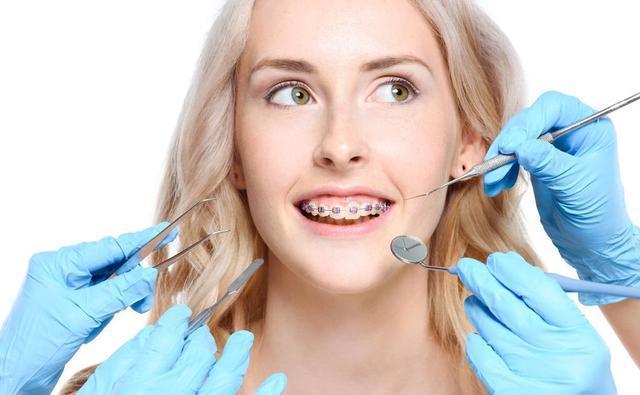
Braces wearers face unique oral hygiene challenges due to the complexity of cleaning around brackets, wires, and tight spaces. For oral care brands and retailers, offering dentist-recommended braces cleaning products is not only a market necessity but also a growing opportunity in orthodontic care. This blog serves as both an insightful product selection guide and a directional piece for partnering with the right oral cleaning products manufacturer to serve this niche effectively. The Challenges of Braces Oral Hygiene Braces make regular oral care significantly more difficult, with increased risk of: Plaque buildup Gum inflammation Enamel decalcification Bad breath As a result, braces wearers oral care tips from dental professionals often focus on specialized tools designed to clean around orthodontic appliances. This demand creates opportunities for brands to expand their product lines with purpose-built solutions. Essential Features of Dentist-Recommended Braces Cleaning Products To meet professional standards, dentist-recommended braces cleaning products typically include features such as: Soft or orthodontic brush heads High-frequency vibration or sonic technology Water-based interdental cleaning systems Wax-free, fluoride-rich formulations Oral care brands seeking to stand out in this space should focus on product performance validated by dental professionals or clinical trials. Top Product Categories for Braces Wearers A comprehensive oral care solution for…
As awareness around oral health continues to grow, a large segment of consumers is shifting toward sensitive gums oral care solutions. People with gum irritation, bleeding, or post-treatment sensitivity are actively seeking gentler alternatives. For oral care brands, this presents a promising niche. But to capture this market, it’s essential to collaborate with a manufacturing partner that specializes in gentle oral care products manufacturing. This blog serves as a guide for brand owners looking to develop or expand their oral care products for sensitive gums portfolio. Understanding the Needs of Sensitive Gums Users Before launching a product line, it's crucial to understand the specific needs of users with sensitive gums. Key concerns include: Avoiding harsh bristles or aggressive brushing mechanisms Minimizing chemical irritants in toothpaste or rinse formulations Seeking soothing, anti-inflammatory ingredients (like aloe vera, chamomile, or allantoin) These users prioritize comfort, safety, and clinical efficacy, which should be reflected in your product design and ingredient choices. What Makes an Oral Care Product “Gentle”? When sourcing or developing gentle oral care products for sensitive gums, brands must consider: Soft or ultra-soft bristles in toothbrushes, especially sonic or electric types Low-abrasive toothpaste formulas without sodium lauryl sulfate (SLS) Water flossers with pressure control to avoid damaging…
In dental device manufacturing and oral appliance engineering, occlusal interference and resulting jaw fatigue are critical yet often overlooked consequences of inadequate product design. When an appliance—whether a night guard, aligner, or occlusal splint—introduces unwanted bite interferences, it can lead to cumulative strain on the masticatory system. Could this be more than just a patient adaptation issue? Does it reflect a fundamental design flaw? This article explores that possibility in depth. Understanding Occlusal Interference in Device Use Occlusal interference occurs when a dental device disrupts the natural contact between upper and lower teeth during function or rest. Unlike physiologic occlusion, where contact is evenly distributed and harmonious, interference results in: Premature or uneven contacts. Mandibular displacement during closure. Asymmetrical loading of jaw muscles and joints. These small discrepancies, if consistent, can initiate or aggravate myofascial discomfort and alter the natural bite pattern. From Interference to Jaw Fatigue: A Biomechanical Pathway When occlusal surfaces are poorly calibrated, they force the masticatory muscles to work harder to reach a comfortable bite. Over time, this triggers jaw fatigue, marked by: Morning soreness or heaviness in the jaw. Limited mouth opening or stiffness. Muscle compensation and overuse of the temporalis and masseter. While these…
In recent after-sales analysis reports, tray deformation has emerged as a hidden factor contributing to occlusal discomfort during whitening or oral treatment sessions. This issue is often underestimated by manufacturers, yet it directly affects end-user comfort and brand reputation. Can tray deformation be effectively controlled and corrected? Let’s explore the technical answers. Understanding Tray Deformation: Why It Happens Tray deformation typically refers to structural distortion of whitening trays or oral treatment mouthpieces during production, storage, or use. Common causes include: Inadequate material selection with low heat resistance Poor mold design lacking uniform wall thickness Warpage due to uneven cooling during injection molding Residual stresses from suboptimal demolding or handling Improper tray storage leading to mechanical distortion These deformations compromise tray fit, leading to pressure points inside the mouth. How Deformed Trays Cause Occlusal Discomfort Occlusal discomfort arises when the bite force is unevenly distributed due to ill-fitting trays. Specifically: Warped trays apply uneven contact force on teeth and gums Users experience bite misalignment or pressure imbalance Longer wear sessions amplify tissue strain and discomfort In severe cases, jaw fatigue and temporomandibular joint (TMJ) irritation occur Ultimately, tray deformation transforms a comfort-based treatment into a painful experience. Company web:https://www.powsmart.com/product/electric-toothbrush/ Design Flaws…
In modern oral care device usage, reports of occlusal discomfort combined with unexpected salivary alteration are becoming more frequent. While seemingly unrelated, these two symptoms may indicate a serious underlying design flaw in oral care systems. From water flossers to electric toothbrushes, understanding whether this combination is an isolated irritation or an alarming trend is essential for manufacturers seeking to uphold product safety and comfort. What Is Occlusal Discomfort in Device Usage? Occlusal discomfort refers to pain or pressure sensations in the bite zone (occlusal surfaces) following device use. In oral care products, this can result from: Overaggressive vibration transmission to molars during brushing Excessive water pressure from flossers directed at interdental spaces Poorly calibrated pulsed jets impacting occlusal surfaces directly Misalignment of device output relative to tooth surface While often mistaken for user error, device design directly contributes to discomfort during repeated use. Understanding Salivary Alteration: Subtle but Concerning Salivary alteration describes changes in: Saliva viscosity (becoming too thick or too watery) Taste perception within saliva Saliva production rates (either dryness or excessive flow) Such changes can stem from: Chemical residue introduced by device cleaning agents Thermal effects from LED or heating elements Mechanical overstimulation of salivary glands by…
When an electric toothbrush experiences a vibration malfunction, the handle can produce excessive or erratic amplitudes that not only compromise cleaning but, over time, may trigger gum recession. To help B2B manufacturers understand this critical risk, we analyze six key dimensions and provide actionable design and support strategies. How Vibration Malfunctions Damage Periodontal Tissue First, abnormal vibration patterns harm gums through: Excessive Instant Amplitude: Sudden high-amplitude jolts tear the fibers attaching the gum to the tooth neck. Frequency Instability: Rapid frequency shifts create micro-tears in the gingival tissue that accumulate into recession. Resonance Amplification: If the motor frequency resonates with the handle’s structure, localized motion spikes, worsening the impact. Understanding these mechanisms enables targeted improvements to vibration control. User Habits That Amplify the Risk Next, brushing behaviors can magnify the harm from malfunctions: Increased Brushing Force: Users often press harder to compensate for lost cleaning power, further stressing the gums. Prolonged Dwell Time: Lingering on one area subjects the same gum region to repeated impacts. Frequent Mode Switching: Repeatedly toggling modes can trigger more erratic vibrations, intensifying tissue damage. Guiding users on correct grip and brushing motion is therefore essential. Common Design Flaws Leading to Vibration Malfunction Furthermore, these design…
When customers experience motor overheating and unexpectedly shortened battery lifespan, they often turn to their warranty coverage for relief. However, many B2B partners find that without clear policy language and robust product design, warranty claims become a source of friction rather than trust. In this post, we’ll explore six key considerations to ensure your warranties align with product realities. Identifying the Root Causes of Motor Overheating First, it’s essential to understand why an electric toothbrush motor overheats: Excessive Load: Continuous high-speed or high-torque modes can push the motor beyond its thermal limits. Poor Heat Dissipation: Inadequate internal airflow or thermal interface materials trap heat around the winding. Battery Strain: A weakened cell forces the motor to draw higher current, compounding thermal stress and reducing overall battery lifespan. By diagnosing these failure modes, you can determine whether an overheating incident stems from user misuse, design gaps, or component defects—and thus whether it should be covered under warranty. The Impact of Overheating on Customer Satisfaction Next, consider how motor overheating affects end users: Unexpected Shutdowns: Thermal cut-outs may stop brushing mid-session, undermining cleaning efficacy. Handle Warmth: A hot grip can discourage proper brushing technique or cause discomfort. Perceived Quality: Frequent overheating erodes…
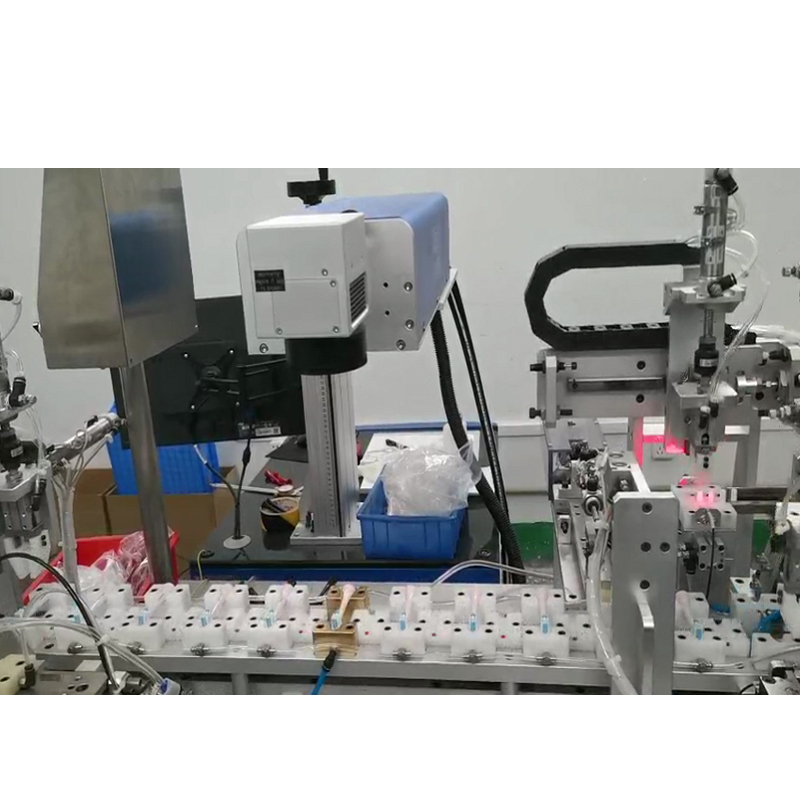
In today’s competitive oral care market, Electric toothbrush laser engraving is more than just decoration—it’s a core part of brand identity and consumer recognition. For electric toothbrush factories, offering toothbrush laser engraving customization adds value, enhances brand consistency, and ensures that the logo remains clear and durable throughout the product’s lifecycle. Laser engraving, as a permanent LOGO process, is widely favored because it doesn't fade, peel, or wear off like ink printing. But achieving high-quality engraving depends heavily on fine-tuning the right parameters: depth, speed, and power. Understanding the Basics of Laser Engraving Parameters To achieve precise and durable results, manufacturers must control three key laser engraving parameters: Power (W): Determines how much energy is delivered to the surface. Higher power increases depth but may burn or deform soft plastics. Speed (mm/s): Dictates how fast the laser moves. Faster speeds result in lighter engravings; slower speeds go deeper but may overheat the material. Depth (mm): Not a directly set parameter, but the result of how power and speed interact. For toothbrush handles (usually ABS or PP), ideal depth is 0.1–0.3 mm. Proper tuning ensures the OEM brand logo looks sharp, professional, and permanent on every unit. Material Consideration: Matching Settings to Handle Composition Electric…
With the rise of cold-light whitening systems, more end users report allergy reactions—including oral burning, redness, and ulcers. When investigating root causes, we must look beyond bleaching formulations to the cold-light risks embedded in the device, since light wavelength, power density, and exposure time can magnify chemical irritation. Interaction of Cold Light and Bleaching Agents Cold-light devices emit blue light in the 420–450 nm band to accelerate peroxide decomposition, enhancing whitening speed. However, over-activated free radicals can attack mucosal barriers, combining chemical and photonic stress that triggers allergy reactions. Allergens—Light Source vs. Ingredients Although peroxide and sensitizing flavorings are primary allergens, studies show: High-Intensity Blue Light can alter saliva pH and protein structures, increasing mucosal permeability to external chemicals. Photosensitivity in certain users leads to phototoxic reactions, such as oral mucosal erythema. Thus, cold light isn’t merely a harmless adjunct—its spectral profile demands careful evaluation. Cold-Light Risks in Device Design A closer look at hardware reveals potential hazards: Lack of Optical Filtration: Direct shortwave emission without diffusion optics concentrates energy. Power Overdrive: Oversized output for rapid results elevates mucosal temperature and chemical reactivity. Inadequate Cooling: Heat buildup in the cold-light module increases agent corrosiveness. Enhancing optical design and thermal management…
From a manufacturing perspective, achieving both aesthetics and functionality in toothbrush components is no small task. Electric toothbrush injection molding process requires precision and deep understanding to ensure consistent quality. In this blog, we will explore the core challenges in the precision injection molding customization of electric toothbrush parts, especially focusing on how to avoid common defects such as shrinkage marks and flash. We’ll also highlight crucial considerations in toothbrush mold design, material selection, and manufacturing techniques that electric toothbrush factories should pay close attention to. Understanding the Electric Toothbrush Injection Molding Process The electric toothbrush injection molding process involves injecting molten plastic into specially designed molds under high pressure. This process must be tightly controlled to meet aesthetic standards and mechanical strength requirements. For toothbrush manufacturers, achieving consistent dimensions, smooth surfaces, and reliable structural integrity is key. Any deviation, such as shrinkage or flash, not only affects appearance but can lead to assembly issues or user discomfort. Toothbrush Mold Design: The Foundation of Precision A high-quality toothbrush mold design is critical to success. Poorly designed parting lines, inadequate venting, or incorrect runner placement can lead to flash and shrinkage issues. Best practices in mold design include: Optimized gate placement to ensure uniform material…
In today’s competitive oral care market, electric toothbrush manufacturers face increasing demand for both functionality and sustainability. A crucial part of the product design process lies in the OEM shell process, which directly impacts durability, aesthetics, cost, and environmental footprint. As a professional electric toothbrush factory, selecting the right shell material during the OEM shell material process is critical. This blog provides a full OEM shell process comparison of ABS, PP, and bio-based plastics to help you make an informed choice. ABS – The Standard Choice in Electric Toothbrush Manufacturing ABS (Acrylonitrile Butadiene Styrene) is one of the most widely used materials in electric toothbrush shells. Its popularity stems from a solid balance of strength, rigidity, and processability. Advantages: High impact resistance Smooth surface finish, ideal for painting or UV coating Consistent in injection molding and mass production Disadvantages: Derived from petroleum, not environmentally friendly Heavier than other plastic options ABS remains the go-to option for premium-looking products with complex designs. It is still a favorite for many OEM projects seeking durability and a refined appearance in electric toothbrush shell customization. PP – A Lightweight and Cost-Effective Alternative Polypropylene (PP) is often used for more economical toothbrush models. It offers sufficient durability…
When frequency adjustment isn’t optimized, electric toothbrushes can underperform or over-stimulate—leading not only to poor plaque removal but also to thermal “hot spots” that risk chemical burns from fluoridated gels and aggravate gum bleeding. For B2B manufacturers, balancing vibration frequency is critical to safeguarding both cleaning efficacy and periodontal health. The Role of Frequency in Plaque Disruption Firstly, vibration frequency directly influences how effectively bristles dislodge plaque: Low Frequencies (<200 Hz) generate strong sweeping motions but may leave biofilm in interdental spaces. High Frequencies (>300 Hz) create micro-streaming in saliva, improving debris removal even between teeth. Misaligned Settings: Without precise calibration, mid-range frequencies can neither sweep nor micro-stream effectively, reducing cleaning efficiency. Thus, fine-tuning frequency settings maximizes both mechanical and fluid‐dynamic cleaning action. Excess Frequency and Thermal Risks Moreover, overly high frequencies can induce heat buildup in the brush head: Motor Overheating: Rapid oscillations generate friction inside the motor, elevating handle temperature. Gel Degradation: Heat can accelerate breakdown of whitening or fluoride gels applied concurrently, risking chemical burns on sensitive tissues. Localized Hot Spots: Users may feel sudden warmth at the gum line, leading to soft-tissue irritation. Controlled frequency limits and thermal cutoffs prevent these heat-related hazards.Company web:https://www.powsmart.com/product/electric-toothbrush/ Frequency-Induced Mechanical…
When it comes to cosmetic dentistry, pregnancy contraindications are non-negotiable—and yet many patients overlook these guidelines and inadvertently expose themselves to chemical burns from whitening agents. As a B2B manufacturer, it’s vital to understand how hormonal changes, mucosal sensitivity, and agent potency intersect, so you can equip your channel partners with safe, compliant protocols. Why Pregnancy Contraindications Matter First and foremost, hormonal fluctuations during pregnancy thin the oral mucosa and alter immune response: Increased Vascularity: Elevated progesterone levels make gums more prone to bleeding and absorption of bleaching agents. Enhanced Sensitivity: Thinner epithelial layers heighten the risk of chemical irritation. Regulatory Mandates: Many jurisdictions forbid elective bleaching for pregnant or nursing women, requiring explicit warnings. Therefore, clear labeling and training on pregnancy contraindications are essential to both patient safety and regulatory compliance. Mechanisms Behind Whitening-Induced Chemical Burns Next, understanding how bleaching gels cause chemical burns helps refine safe formulations: pH Extremes: High-concentration peroxide (HP > 25%) often has a low pH that denatures mucosal proteins. Free Radical Overload: Unchecked generation of reactive oxygen species attacks epithelial cells. Prolonged Exposure: Exceeding recommended contact time (15–20 minutes) compounds mucosal damage. Optimizing gel buffer systems and enforcing strict timing protocols can mitigate these…
Failing to adhere to recommended brush head replacement schedules can lead to progressively stiffer, frayed bristles that abrade tooth surfaces—an insidious way for enamel wears to accelerate unnoticed. In this article, we’ll examine six critical factors that link replacement cadence to enamel health and outline best practices B2B manufacturers can promote to safeguard end‐users’ smiles. Bristle Stiffness and Abrasive Thresholds First, as bristles age, they lose their flexibility: Increased Hardness: Worn bristles straighten and harden, raising their friction coefficient against enamel. Abrasive Contact: Stiffer filaments scrape rather than gently clean, heightening abrasion per stroke. Micro‐Chipping: Over time, rigid bristles can cause microscopic enamel spallation, weakening protective layers. Therefore, maintaining bristle suppleness through timely replacement is essential to control abrasive forces. Splaying and Uneven Bristle Profiles Moreover, brush head replacement intervals that run too long allow bristle splaying: Irregular Contact Patterns: Splayed bristles create uneven pressure points that focus wear on localized enamel spots. Deep Grooves: Instead of dispersing force, flared tips carve grooves into the tooth surface, exacerbating enamel wears. Plaque Trapping: Frayed bristles hold debris, increasing friction and chemical erosion in worn areas. Regular replacement restores a uniform filament profile, distributing pressure evenly. Biofilm Accumulation and Glass‐Hard Deposits In…
As the global demand for personal oral hygiene continues to grow, more brands are looking to enter the market with innovative and reliable products like water flossers. However, one critical decision for brands and startups is how to bring these products to life—via Oral irrigator OEM (Original Equipment Manufacturer) or Oral irrigator ODM (Original Design Manufacturer). Understanding these two business modes is essential to make an informed decision. This blog provides a detailed comparison and selection guide to help you choose the business mode that aligns best with your brand’s goals and capabilities. What is Oral Irrigator OEM? An Oral irrigator OEM model involves a manufacturer producing water flossers according to a buyer’s design, specifications, and branding. The manufacturer does not participate in the product design but handles manufacturing and quality control. Advantages: Full control over design and features Unique branding and product differentiation Ideal for companies with R&D capability Considerations: Higher development cost and longer lead time Greater need for internal technical resources What is Oral Irrigator ODM? In contrast, an Oral irrigator ODM model allows businesses to choose from pre-designed, ready-to-produce water flossers. The manufacturer owns the product design and offers branding customization (e.g., logos, packaging). Advantages: Faster time to market Lower initial…
In today's competitive online marketplace, simply listing your product is not enough—especially in the personal care sector. For oral irrigators, a well-optimized product page can significantly improve your e-commerce conversion rate, turning casual browsers into committed buyers. In this blog, we’ll break down the essential components of effective oral irrigator product page, tailored for manufacturers and B2B partners.https://www.powsmart.com/contact-us/ Understand Your Target Audience Before designing your product page, you must first understand who you're speaking to. Are you targeting dental professionals, wholesalers, or direct-to-consumer brands? Each audience segment has unique pain points and priorities. For example: Dental clinics look for clinical effectiveness and certifications. Retail buyers want user-friendly features and competitive margins. Consumers focus on ease of use, cleaning performance, and value. Knowing your audience is the foundation of effective oral care marketing. Use a Clear, SEO-Driven Product Title The product title should be concise but rich in keywords. For example:“Cordless Rechargeable Oral Irrigator with Adjustable Water Pressure | Professional Dental Flosser” Including relevant search terms improves visibility and sets expectations immediately—an important part of oral irrigator product page optimization. High-Quality Visual Content Is Non-Negotiable Invest in professional photos and short demo videos. Show: The product in use (on a model, not just in…
Frequent reports of gum irritation after using at-home whitening kits raise two critical questions for manufacturers: are your user instructions detailed enough to prevent misuse, and does your warranty coverage truly protect end users and channel partners from adverse reactions? In this article, we explore six perspectives to help B2B suppliers fortify manuals, streamline claims processes, and bolster partner confidence. Clarity and Accessibility of User Instructions First, ambiguous or overly technical manuals contribute directly to misuse: Overly Dense Text: Walls of small print discourage thorough reading, leading users to skip isolation and timing steps. Lack of Visual Aids: Without clear diagrams showing tray placement and gel boundaries, users often apply bleach too close to gingival margins. Untranslated Localizations: Incomplete language versions create misunderstandings in non-English markets. Action: Simplify instructions into step-by-step illustrated guides, emphasize critical precautions in call-outs, and ensure all translations are professionally validated. Highlighting Signs and First-Aid for Gum Irritation Next, user manuals must proactively educate on identifying and managing early signs of gum irritation: Symptom Checklist: List redness, tingling, or minor bleeding as early warnings. Immediate Remedies: Recommend saline rinses or cold compresses to soothe mild irritation. Usage Pause Criteria: Advise users to halt treatment and consult…
whstapp
whstapp
National Toll-Free Service Hotline
+86 755 86238638