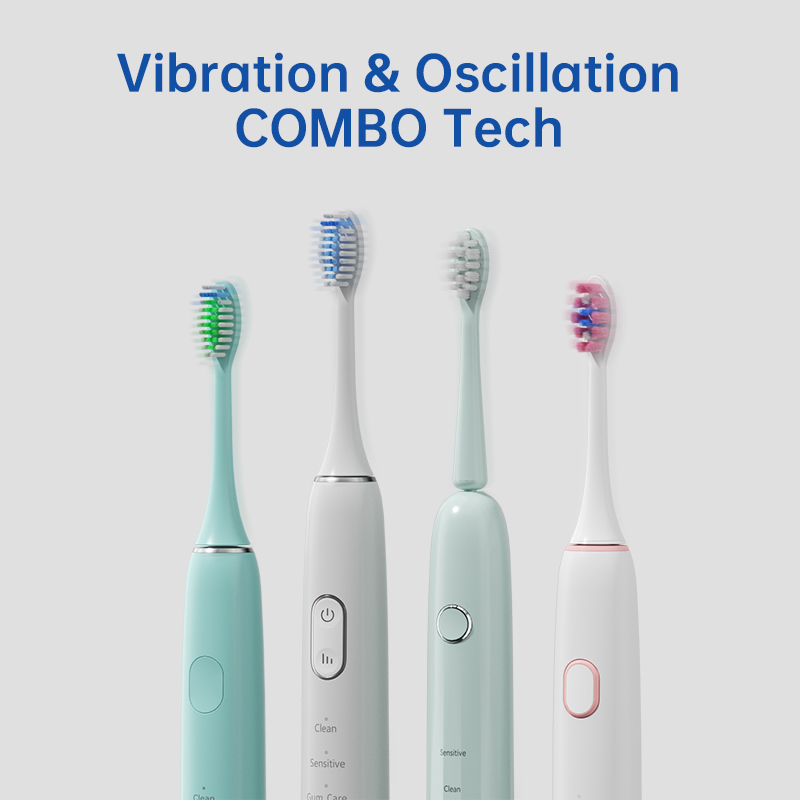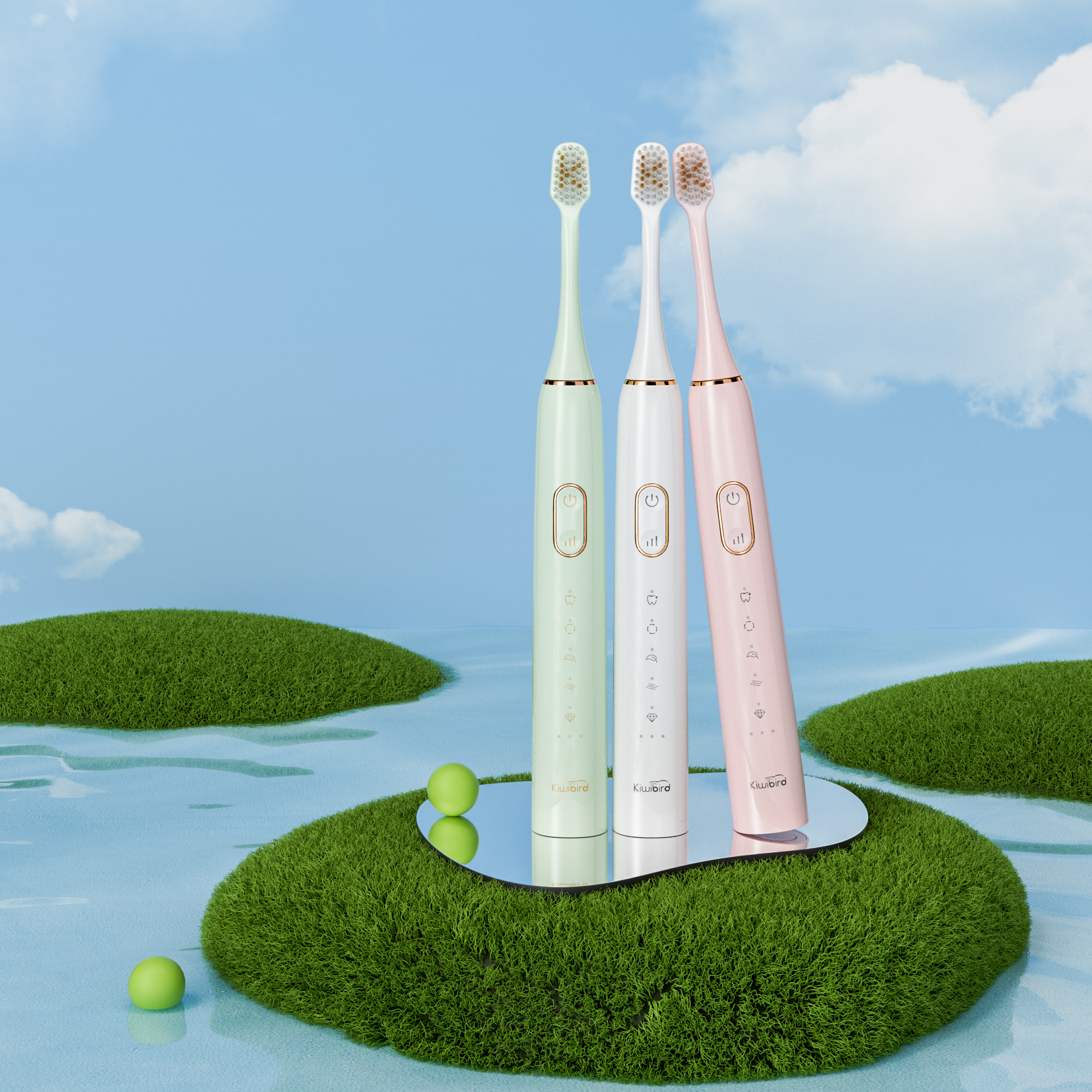
As global oral care markets shift toward wellness-driven, clinically validated product lines, the integration of Bio-compatible Housing Material with Accelerometer-based Feedback has become a defining trend for health-focused toothbrushes. These two engineering pillars—one grounded in material science, the other in smart sensor technology—combine to create safer, more intelligent devices that meet rising consumer and regulatory expectations. For brands and OEM/ODM partners, this pairing not only supports ergonomics and hygiene but also enables precise brushing analytics, making it a strategic foundation for next-generation premium toothbrush development. Bio-compatible Housing Material Sets the Foundation for User Safety The housing of a toothbrush is the user’s primary point of contact, especially for sensitive applications such as children’s products, senior care, or wellness-focused devices. Using Bio-compatible Housing Material ensures: Non-toxic, hypoallergenic surfaces Compliance with medical-grade safety standards Resistance to chemical cleaners, saliva, toothpaste abrasives, and moisture Bio-compatible materials such as medical-grade ABS, PC+ABS, TPE, or food-grade silicone prevent skin irritation and bacterial buildup, supporting long-term hygienic use. For brands targeting health-conscious consumers, this material specification immediately elevates product trust and regulatory readiness. Accelerometer-based Feedback Enables Behavior-oriented Brushing Guidance Modern smart toothbrushes rely increasingly on Accelerometer-based Feedback to analyze brushing patterns in real time. Built-in MEMS…
Introduction: How Kinematic Pair Design and Non-slip Grip Texture Elevate Premium Toothbrush Engineering In the competitive premium oral care market, integrating Kinematic Pair Design with a refined Non-slip Grip Texture has become a strategic engineering approach for manufacturers aiming to deliver both performance stability and elevated user ergonomics. This combination not only enhances the structural precision of high-end electric toothbrushes but also improves handling comfort, long-term durability, and consistency of brushing results—three factors increasingly demanded by global B2B buyers. This blog explores why these two design elements are essential for next-generation electric toothbrush platforms and how they support superior product reliability, long-term consumer satisfaction, and strong OEM/ODM differentiation. Mechanical Precision: Why Kinematic Pair Design Matters in High-End Toothbrush Systems At the core of an electric toothbrush’s mechanical reliability is the movement system of the brush head. Kinematic Pair Design refers to the engineered interaction of moving parts, ensuring predictable motion trajectories, minimal friction loss, and high operational stability. For B2B clients sourcing premium toothbrushes, this design philosophy offers several advantages: Reduced mechanical deviation over time, ensuring stable oscillation or sonic vibration modes. Improved energy efficiency, since well-paired joints reduce motion resistance. Enhanced lifetime performance, allowing manufacturers to guarantee longer product…
As smart oral-care devices evolve, pairing a Smart Timer Chip with a Surface Reflectance Sensor is becoming a powerful strategy for brands aiming to deliver more precise brushing analytics. This integration allows OEM/ODM toothbrush manufacturers to enhance performance tracking, refine user feedback systems, and differentiate high-end product lines with measurable oral-hygiene insights. Coordinated Timing Enhances Real-Time Reflectance Data Capture The Smart Timer Chip controls the brushing interval and synchronizes data sampling intervals, ensuring that the Surface Reflectance Sensor captures consistent information about plaque density, enamel brightness, and cleaning coverage. Improved Accuracy Through Stable Signal Processing With timing algorithms embedded in the Smart Timer Chip, reflectance signals can be filtered, averaged, and processed more effectively. This reduces noise interference from brush vibration or hand movement, increasing analytical accuracy. Personalized User Feedback Based on Reflectance Metrics When reflectance readings correlate with time-stamped brushing behavior, devices can generate personalized feedback—highlighting insufficient brushing time in high-plaque areas or rewarding users for achieving measurable improvements. Enhanced Plaque Detection for Smart Oral-Care Ecosystems By combining time-controlled brushing cycles with optical reflectance measurements, manufacturers can create a closed-loop system that identifies plaque buildup. Compatibility With Multi-Mode Brushing Programs Reflectance data can trigger adaptive brushing modes. For example:…
In modern oral-care electronics, integrating Waterproof IPX7 Design into a Wireless Charging Base is essential for ensuring long-term durability, reliability, and user safety. As B2B partners increasingly demand robust charging solutions for electric toothbrushes, irrigators, and whitening kits, waterproof engineering becomes a critical factor that directly influences product lifespan, maintenance cost, and brand competitiveness. Protection Against Daily Water Exposure in Bathroom Environments The bathroom environment exposes charging bases to splashes, steam, accidental spills, and constant humidity. An IPX7-rated structure prevents water ingress even when temporarily submerged, ensuring that internal charging coils and circuits remain fully protected. Enhanced Structural Sealing Prevents Corrosion Moisture can corrode metallic components, PCB contacts, and induction coils inside a Wireless Charging Base. Waterproof IPX7 sealing—through ultrasonic welding, gasket barriers, and hydrophobic coatings—keeps delicate components isolated from corrosive moisture, extending product longevity. Stable Power Transmission Under Wet Conditions Even when users place a wet device or handle on the charger, IPX7 protection ensures that inductive charging performance remains stable. This reduces voltage fluctuations and improves the reliability of power transfer in B2B oral-care systems designed for daily usage. Reduced Warranty Claims and Service Costs for OEM/ODM Clients Water damage is one of the leading causes of returns…
In the competitive oral-care market, design details can significantly influence user experience—and one of the most overlooked problems is the electric toothbrush handle rolling off counters. Consumers place their toothbrush on a flat surface, only to watch it roll away, fall, or get contaminated. Brand owners looking to differentiate their products need to address this simple yet critical issue through thoughtful engineering and reliable OEM solutions. This blog explores practical design strategies and manufacturing considerations for preventing rolling, boosting ergonomics, and enhancing your product’s competitive edge. Understanding Why Electric Toothbrush Handles Roll Most electric toothbrush handles are cylindrical, a shape that is easy to mold and comfortable to hold—but also prone to rolling. As soon as the weight distribution shifts or the surface is slightly uneven, the handle begins to move. For brands, this is more than an annoyance; rolling can cause: Increased risk of bathroom contamination Product damage from falls User dissatisfaction and poor reviews Reduced perceived product quality Addressing these issues early in the product development stage is critical. Incorporating Practical Anti-Roll Design Features The most direct solution is to integrate a functional anti-roll design into the handle body. OEM manufacturers can provide multiple structural options, including: Flat-spot…
As electric toothbrushes continue evolving toward more minimalistic and modern aesthetics, one design trend has gained significant attention: integrated invisible buttons. These buttons blend seamlessly into the handle surface, offering a sleek look and a futuristic feel. But for oral-care brands searching for a reliable manufacturing partner, an important question arises—are these invisible buttons truly beneficial, or do they introduce new usability challenges? This blog explores the pros and cons of this trending electric toothbrush design, helping brands make informed decisions before moving forward with tooling and production. Enhanced Aesthetics and Brand Differentiation Invisible buttons allow for a seamless interface, giving the product an ultra-clean, premium appearance. For brands competing in an oversaturated market, this can be a powerful differentiator. Manufacturers with advanced molding and assembly capabilities can help brands achieve this high-end finish without sacrificing structural integrity. Improved Waterproofing Performance One of the biggest engineering benefits of integrated invisible buttons is improved sealing. With fewer exposed mechanical gaps, electric toothbrushes can more easily meet IPX7 or higher waterproofing standards. This can lower long-term failure rates and reduce warranty costs—an attractive advantage for both brands and OEM/ODM factories. Potential User Experience Challenges While the design is visually appealing, some users…
For many oral-care brands, customizing the appearance of electric toothbrush brush heads seems like an attractive way to strengthen visual identity or differentiate from competitors. Some brands request special colors, printed graphics, or molded patterns directly on the brush head surface. However, from the perspective of professional OEM/ODM factories, design patterns are not suggested for several important reasons relating to hygiene, production stability, and long-term consumer safety. Hygiene Concerns — Patterns Complicate OEM Hygiene Standards (Key Point 1)Electric toothbrush brush heads require strict cleanliness during production because they come into direct contact with the mouth. Adding carved textures, grooves, or printed patterns increases the risk of: Residue and bacteria accumulation More difficult cleaning during manufacturing Inconsistent sterilization results High-quality OEM facilities must meet OEM hygiene standards, and patterned surfaces create unnecessary obstacles that may compromise compliance. Material Safety — Ink, Paint & Pattern Processes Can Create Risks (Key Point 2)Pattern design often requires additional materials—such as paint, adhesives, heat-transfer films, or inks. These additives may not meet strict material safety regulations for oral-contact components, especially in global markets like the EU or the US. Potential risks include: Chemical migration from inks into saliva Allergic reactions for sensitive users Difficulty passing…
As electric toothbrushes continue to dominate the oral-care market, visual design—and particularly color matching—has quietly become one of the strongest influences on how consumers judge quality. For oral-care brands working with manufacturing partners, mastering color matching is no longer just a design choice; it is a strategic advantage that affects perception, differentiation, and long-term brand value. Below is a structured exploration of why color matching electric toothbrush design matters and how OEM manufacturing precision directly enhances perceived quality and the overall consumer experience. Why Color Matching Matters in Premium Oral-Care Products Consumers consistently associate cohesive, well-matched colors with higher craftsmanship.In electric toothbrushes—where many models share similar shapes and functions—color harmony becomes a primary cue for perceived quality. A small mismatch between the body, button, ring, or brush head can appear cheap or inconsistent, lowering trust in the product before the user ever turns it on. The Psychology Behind Perceived Quality Color influences emotions and expectations.When an electric toothbrush uses precisely matched hues and finishes: It appears more reliable and durable It suggests careful engineering It signals a premium, intentional brand identity In short, perceived quality is heavily shaped by what the eye registers in the first three seconds. Manufacturing Challenges…
When developing custom packaging for electric toothbrushes, brand owners must balance functionality, aesthetics, manufacturability, and cost efficiency. Packaging is more than a protective shell—it shapes the consumer’s first impression, influences purchase decisions, and strengthens brand identity. For companies working with OEM/ODM suppliers, understanding the major packaging development considerations is essential to achieving a competitive product that stands out on the shelf. Below are six critical aspects to consider when planning your packaging development with an OEM partner. Structural Protection and Product Safety Electric toothbrushes contain delicate electronic components, batteries, and detachable brush heads. Your packaging structure must therefore offer robust protection against impact, moisture, and vibration during shipping.When discussing OEM packaging design, ensure the manufacturer can provide structural engineering support—such as drop-test standards, protective inserts, and optimized material thickness—so products reach customers safely and damage-free. Brand Identity and Visual Appeal In retail environments, your retail packaging becomes a silent salesperson. Visual elements such as colors, typography, and lifestyle imagery must clearly communicate the brand story and product positioning.A good OEM partner should support this process with mockups, artwork guidelines, and color-matching systems so your brand presentation remains consistent across every batch of packaging. Material Selection and Sustainability Goals Modern consumers,…
Customized packaging has become increasingly important in the competitive oral-care market. For brands selling electric toothbrushes—whether emerging startups or established oral-care companies—packaging is no longer just a box. It plays a crucial role in brand recognition, customer perception, and overall market success.Below, we explore why customized packaging investment is not only beneficial but often essential when partnering with a manufacturer or OEM factory. Packaging as a Strategic Differentiator The electric toothbrush category is crowded, with similar form factors and overlapping features. In such a landscape, OEM packaging that blends in with competitors will not help your product stand out.Customized packaging allows you to choose unique colors, textures, structures, and branding elements that immediately set your product apart, helping your customer recognize your brand even before opening the box. Strengthening Brand Recognition Packaging is the first physical interaction customers have with your product. By aligning packaging design with your brand identity—logos, typography, color palette—you reinforce brand recognition at every touchpoint.When working with a manufacturing partner, brands can request personalized molds, inserts, and printing styles to make the unboxing experience consistent with their marketing message. Enhancing Shelf Impact Whether displayed in retail stores or highlighted in e-commerce product photos, packaging determines first…
When creating next-generation ergonomic toothbrushes, aligning Bristle Configuration Design with the engineering of the Brush Handle Mold is essential for achieving optimal usability, cleaning efficiency, and manufacturing consistency. In toothbrush OEM production, the bristle layout determines cleaning performance, while the handle mold dictates grip comfort, balance, and precision during brushing. These two components must be engineered together—not separately—to ensure that the ergonomic forces applied by the user are properly transferred to the bristle tips. For B2B partners, this integrated approach results in better product differentiation, fewer molding revisions, and superior end-user satisfaction. Ensuring Force Transmission From Handle to Bristle Tips A toothbrush’s cleaning effectiveness depends on how user-applied pressure travels through the handle into the bristles. If the Brush Handle Mold does not match the Bristle Configuration Design, the brushing force may distribute unevenly, causing inefficiency or discomfort. Joint engineering ensures predictable force flow and stable performance across various brushing angles. Optimizing Ergonomic Grip for Correct Cleaning Angles Bristle Configuration Design often includes angled clusters, tapered filaments, or multi-level arrangements. The handle shape must guide the user into holding the brush in a way that naturally aligns these bristle features with the tooth surface. This means ergonomic curves, thumb rests,…
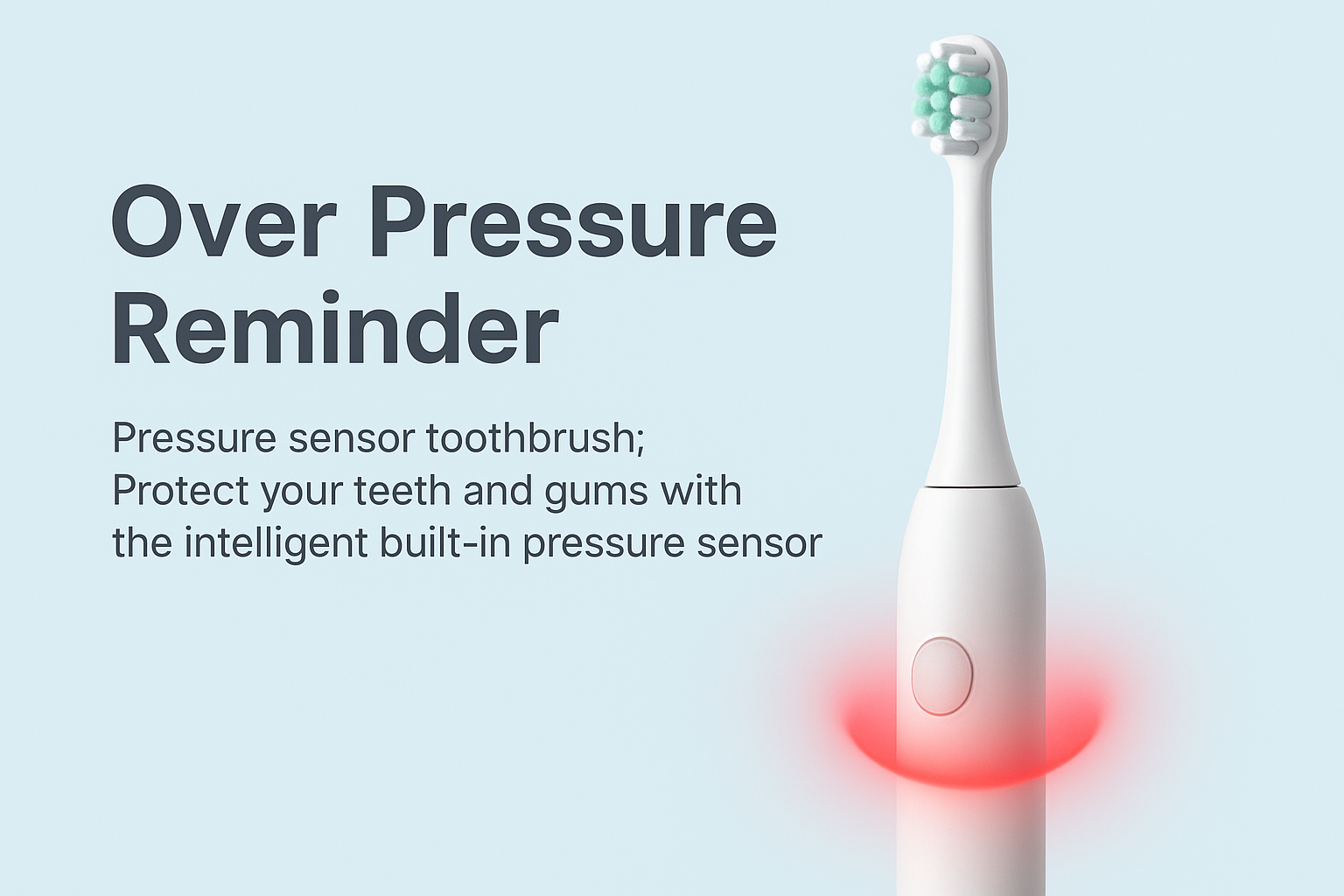
As the oral-care industry advances toward intelligent, adaptive cleaning solutions, integrating a high-frequency Sonic Vibration Motor with modern Pressure Sensor Technology has become a pivotal strategy for next-generation toothbrush OEMs. This powerful combination allows devices to deliver optimized cleaning intensity, protect sensitive areas, and adjust performance based on real-time brushing feedback. For B2B buyers and OEM manufacturers, this synergy not only enhances user safety and comfort but also expands product differentiation opportunities in increasingly competitive global markets. Real-time Pressure Feedback for Controlled Sonic Cleaning The Sonic Vibration Motor generates rapid oscillations designed to remove plaque effectively, but excessive force can lead to gum irritation or enamel wear. By integrating Pressure Sensor Technology, the device can detect when a user presses too hard and automatically modulate vibration intensity or issue alerts. This prevents over-brushing while maintaining cleaning efficiency. Adaptive Motor Output for Personalized Brushing Performance With continuous pressure data, the device’s internal controller can dynamically adjust the Sonic Vibration Motor’s amplitude and frequency. This creates a customized brushing experience for different users—children, seniors, sensitive-gum individuals, or those with orthodontic appliances. Such adaptability enhances user satisfaction and long-term loyalty to OEM brands. Enhanced Protection of the Oral Mucosa and Tooth Enamel High-pressure…
The portable whitening lamp has become a popular choice for both consumers and beauty brands seeking compact and effective whitening solutions. As at-home whitening evolves, portable LED lamps are increasingly included in whitening bundles, travel kits, and professional add-on services. This article explores the benefits, key features, and OEM opportunities associated with portable whitening devices. Why a Portable Whitening Light Device Matters Portability is now a major factor in consumer purchasing decisions. Because users want flexibility, a compact whitening lamp allows them to complete whitening sessions during travel, at work, or at home. Additionally, these lamps deliver LED activation that improves the performance of whitening gels, making them both practical and effective. To explore more whitening technologies, visit powsmart.com. Core Features Buyers Seek in a Portable Whitening Lamp For a lamp to succeed in competitive markets, several features must stand out. High-Efficiency LED Illumination A focused LED beam accelerates stain breakdown when paired with whitening gel. Chip-stabilized output ensures consistent performance throughout each session. Lightweight and Travel-Friendly Design The compact shape and lightweight structure allow users to carry the lamp easily. Many models fit into small cosmetic bags, making them popular among frequent travelers. Versatile Charging Options Some lamps use…
A sensitive teeth whitening tool is designed for users who experience discomfort with regular whitening kits but still want visible whitening results. As sensitivity becomes increasingly common among adults, brands focusing on oral beauty must offer gentle alternatives that maintain effectiveness without irritation. This article outlines why sensitivity-focused devices are trending, what features buyers require, and how manufacturers can capture this growing market. Why Gentle Whitening Tools Are Needed Traditional whitening gels may cause tingling or temporary discomfort, especially for users with weakened enamel or exposed dentin. Therefore, a specialized whitening tool that reduces harsh stimulation is crucial. Because these tools use mild LED wavelengths combined with low-sensitivity formulas, customers can enjoy whitening sessions without unnecessary discomfort. To explore compatible whitening accessories, visit powsmart.com. Essential Features of a Sensitive Teeth Whitening Tool Brands seeking to enter the sensitivity-friendly market should prioritize several key features. Low-Intensity LED Light for Gentle Whitening Compared to high-output systems, gentle LED illumination activates whitening gel without overheating or overstimulation. This balance ensures that whitening remains effective while still protecting sensitive areas. Soft Silicone Mouthpiece for Comfort A flexible mouthpiece provides better fit and comfort, especially for users with gum sensitivity. The soft silicone surface creates…
The wireless teeth whitening kit has quickly become a top choice for consumers who want a convenient, cord-free whitening experience at home. As oral beauty continues to expand across global e-commerce platforms, wireless whitening systems are now considered essential for premium whitening bundles. This article explores how the technology works, what buyers expect, and why brands increasingly choose wireless systems for their whitening lineups. Why a Wireless Whitening System Enhances User Convenience A cordless whitening setup eliminates the discomfort that traditional wired devices often create. Because users can move freely during whitening sessions, the overall experience becomes more enjoyable. Moreover, wireless systems reduce compatibility issues with smartphones, which helps brands reach a broader audience. The combination of LED illumination and whitening gel creates a fast-acting whitening effect. Although the LED light accelerates stain removal, the process stays gentle when the gel concentration is selected correctly. For related whitening devices, visit powsmart.com. Key Features Buyers Expect in a Wireless Teeth Whitening Kit To stay competitive, manufacturers incorporate advanced features that enhance both performance and comfort. LED Light Stability and Whitening Efficiency Stable LED output ensures that the whitening gel activates evenly. This prevents inconsistent results while improving the overall whitening effect.…
The blue light whitening device continues to shape the future of at-home whitening, especially in markets where consumers want visible results in less time. With strong demand from e-commerce brands, dental distributors, and cosmetic retailers, blue light systems remain a top choice for fast-acting whitening kits. Why Blue Light Enhances Whitening Results Blue wavelengths activate common whitening ingredients more efficiently than ambient light. Consequently, whitening gels break down surface stains faster. This light-boosted process is one of the main reasons consumers prefer blue-light solutions over traditional chemical-only whitening. Additionally, blue light provides consistent exposure across all teeth, which helps maintain even whitening. Silicone trays or mouthpieces support comfort and ensure proper placement during each session. Visit powsmart.com for more whitening technologies. What Buyers Expect in a Modern Whitening Device Because competition continues to grow, manufacturers improve performance and usability through new features: Stable LED Output Consistent brightness is necessary for predictable whitening. Many modern devices include chip-level controllers that maintain stable light emission throughout each session. Safe and Comfortable Design Devices now include automatic shut-off, low heat emission, and medical-grade materials. These features help increase consumer confidence. Convenient Charging Systems Most current blue-light models support USB-C, portable power banks, or…
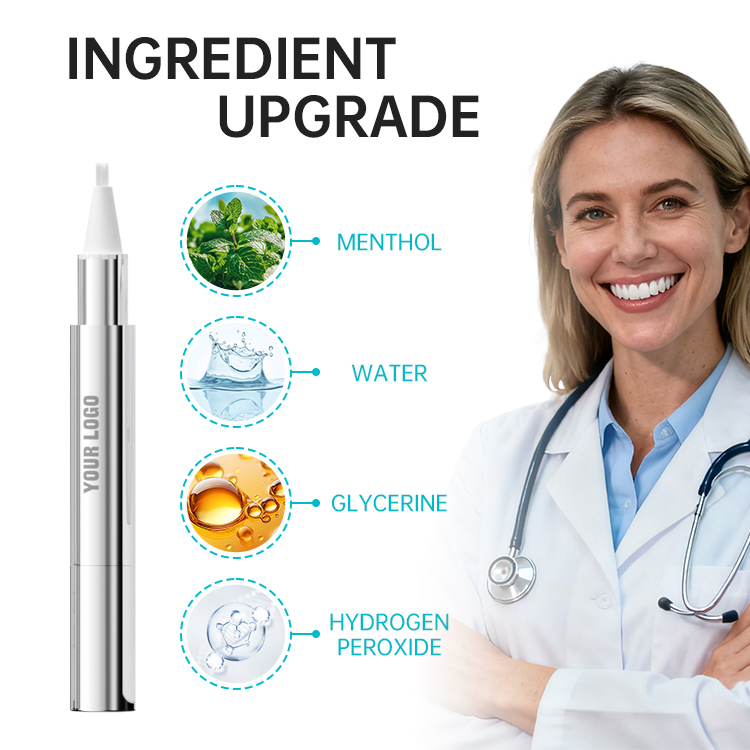
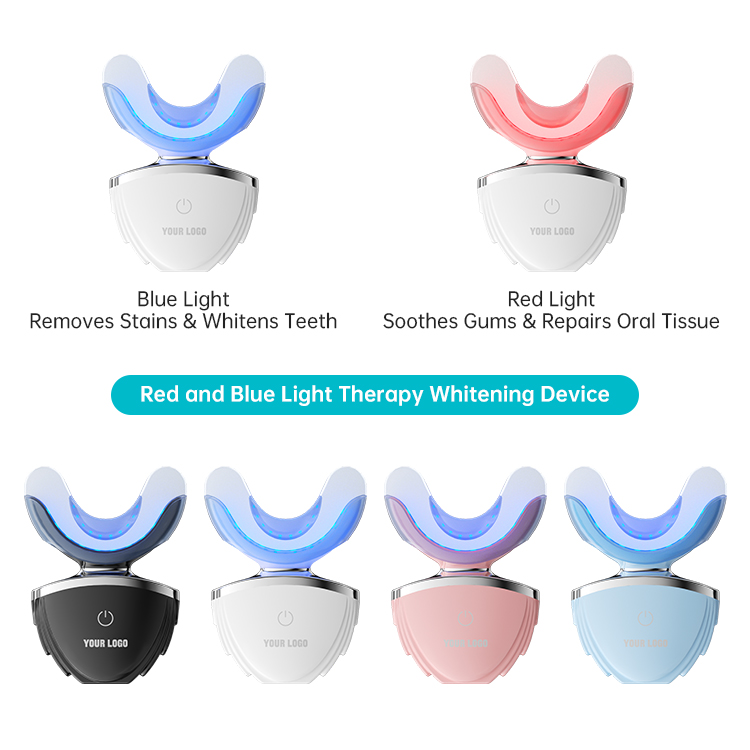
The LED whitening mouthpiece has become one of the fastest-growing whitening solutions for brands that target at-home oral beauty markets. Because consumers now prefer safe and convenient whitening options, LED mouthpieces have quickly replaced traditional strips and pens in many product lines. This article explains the technology, buyer expectations, and OEM customization opportunities. How an LED Whitening Mouthpiece Works This whitening tool uses light-activated enhancement to improve the performance of whitening gels. When LED wavelengths interact with peroxide-based formulas, they accelerate stain breakdown. Although this technology is powerful, it remains safe for users when applied correctly. LED mouthpieces also provide uniform light coverage, which ensures that both upper and lower teeth receive balanced exposure. Furthermore, silicone trays make the device comfortable to wear during sessions. Explore additional whitening devices at powsmart.com. Key Advantages That Buyers Look For To succeed in competitive markets, whitening mouthpieces must provide distinct advantages. Below are the most important features: Multiple Light Modes for Better Whitening Many premium models incorporate blue, red, or a combination of wavelengths. Blue light helps lift stains, while red light supports gum wellness. Together, they create a more efficient whitening experience. Safe Temperature Control Because safety is essential, mouthpieces are built…
The silicone electric toothbrush has become a preferred choice for users who want a gentler and more hygienic brushing experience. As more consumers shift toward soft silicone material for daily oral care, brands and dental distributors are paying greater attention to product safety, durability, and user comfort. This article explores why silicone-based electric brushes are gaining popularity, especially among OEM and ODM customers who want to differentiate their oral-care lineup. Additionally, it includes internal and outbound links to help readers find more resources. Why a Silicone Brush Head Improves Daily Comfort Silicone bristles provide a gentler touch compared to nylon. Because they are flexible and soft, they reduce irritation on sensitive gums. In addition, silicone naturally resists bacterial buildup, which helps maintain cleanliness throughout the product's lifespan. As a result, many oral-care companies now include silicone-based designs in their premium product categories. When integrated into an electric motor system, these soft bristles create micro-massage effects that improve blood circulation in the gums. Moreover, silicone withstands repeated bending without deforming, making it ideal for long-term use. For more oral-care device options, you may visit our product page at powsmart.com. Key Features Buyers Expect in a Silicone Electric Toothbrush To stand out…
In LED whitening devices, Bio-compatible Housing Materials play a crucial role in improving both device safety and performance. One of the key optical challenges that manufacturers face when designing these devices is Chromatic Aberration—the distortion of light that can occur due to imperfections in lens or housing materials. By selecting the right bio-compatible materials for the housing, manufacturers can reduce this optical distortion and enhance the effectiveness of LED-based whitening treatments. Minimizing Light Distortion for Accurate Whitening Results Chromatic Aberration occurs when different wavelengths of light focus at different points, creating a blurry or colored edge around the light beam. In LED whitening devices, this distortion can lead to uneven application of whitening light, affecting the device's overall efficacy. Bio-compatible Housing Materials with optical clarity can help minimize this aberration, ensuring that light is uniformly focused on the teeth for optimal whitening performance. Ensuring Safe and Effective Light Emission LEDs in whitening devices emit light across a broad spectrum, but their effectiveness relies on the precision of that light being directed to specific areas. Bio-compatible Housing Materials with high optical integrity prevent the scattering or bending of light waves, which can contribute to Chromatic Aberration. This ensures that the light…
When designing a high-pressure Dental Water Jet, one critical feature that cannot be overlooked is the Non-slip Grip Texture. A secure, non-slip grip is essential for ensuring both safety and precision, especially when using a device that delivers powerful water pressure to clean between teeth and along the gumline. By optimizing this feature, manufacturers can offer users a more comfortable, reliable, and effective experience. Ensuring Safety During Use A Dental Water Jet operates under high pressure, which means that any accidental slip during use could lead to uncomfortable mishaps or, worse, injury. The Non-slip Grip Texture ensures that the device remains securely in the user’s hand, even in wet conditions, preventing the risk of dropping the device during operation. Improving User Control and Precision When users need to target specific areas, such as gum pockets or between teeth, precision is key. A non-slip grip helps users maintain steady control of the Dental Water Jet . This is particularly important for high-pressure models where accuracy is essential for effective cleaning. Supporting Ergonomics and Comfort For users with limited hand strength or dexterity, a Non-slip Grip Texture is more than just a safety feature. A textured grip minimizes the effort needed to hold…