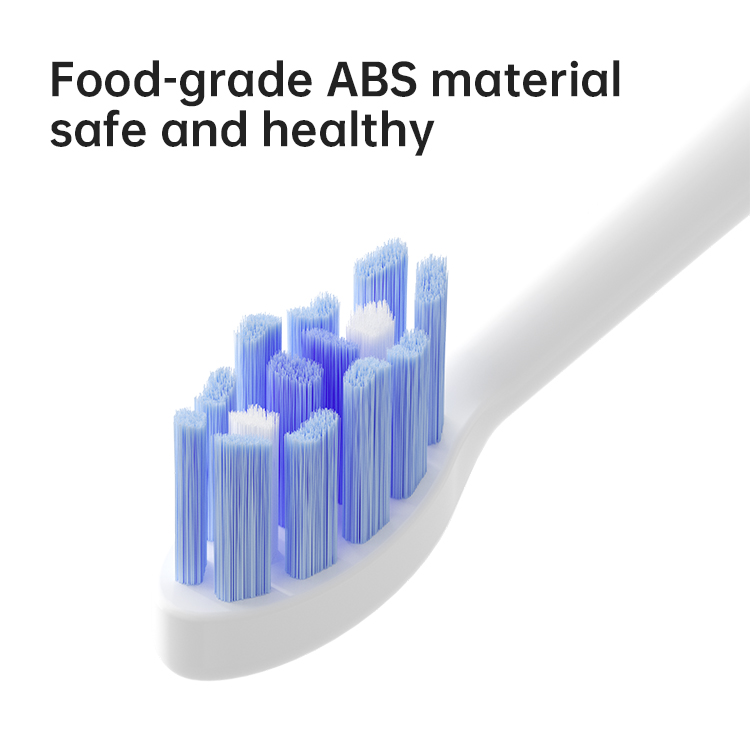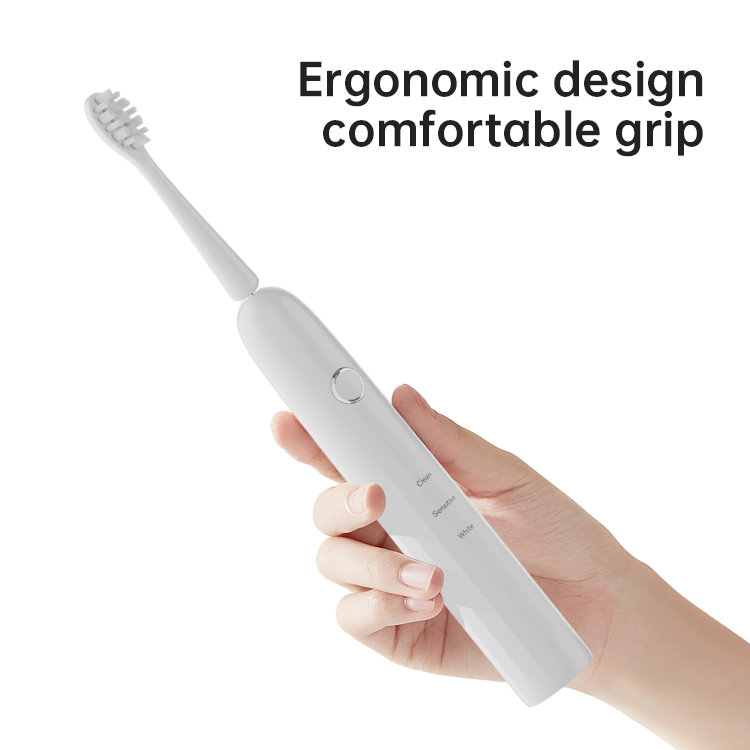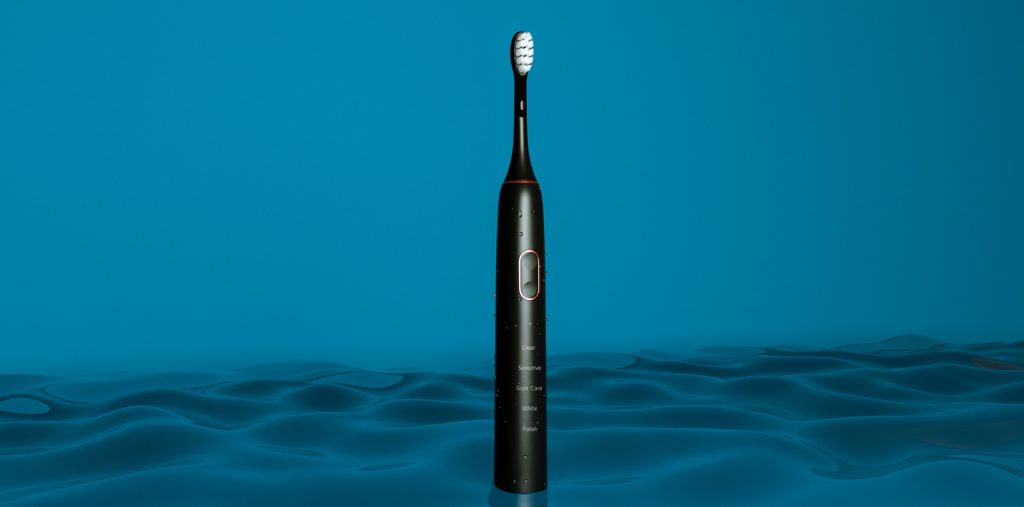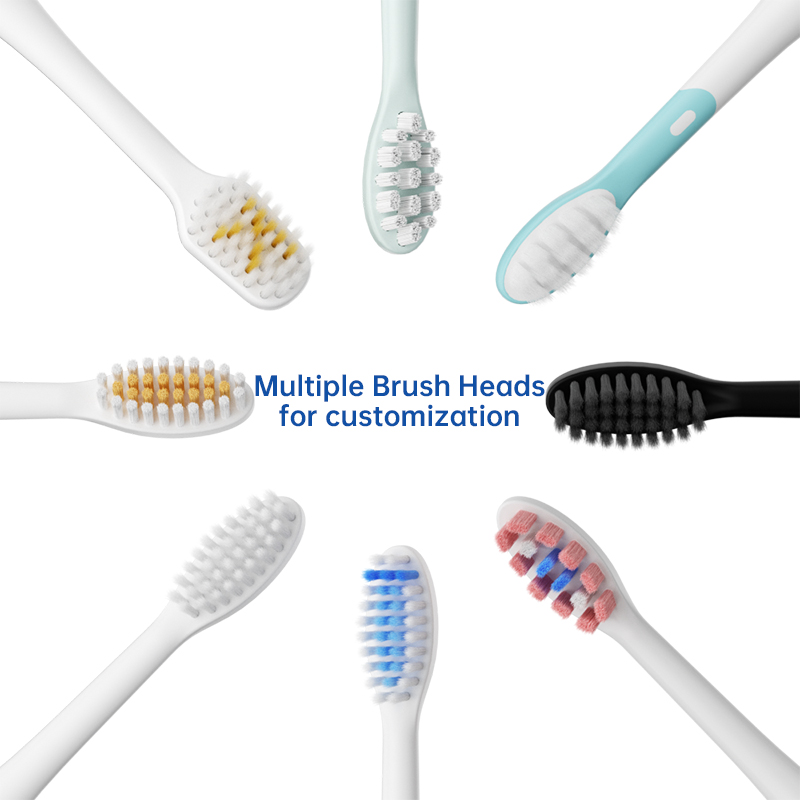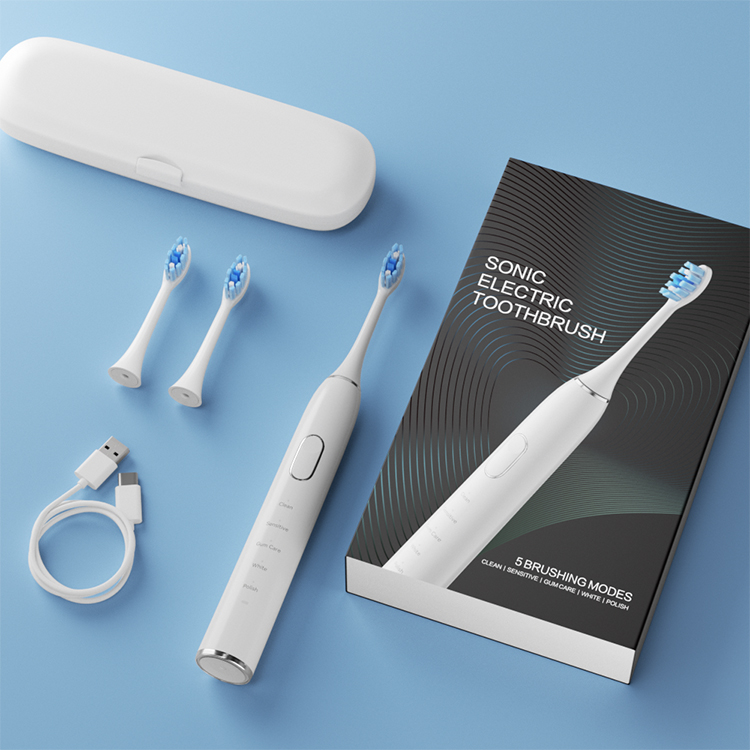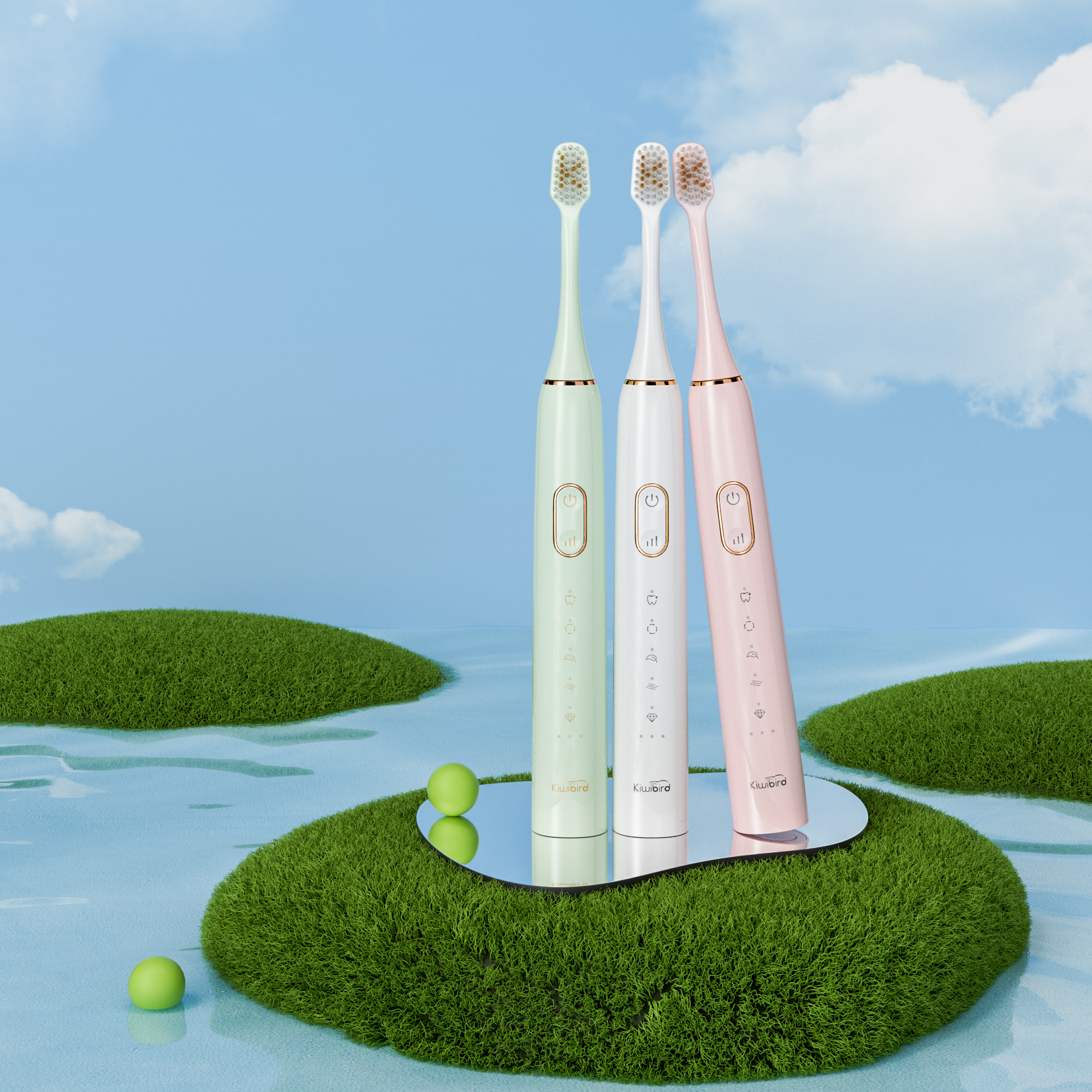
The increasing demand for smart oral-care devices makes an LED display sonic toothbrush OEM solution highly desirable for brands that want to enter the premium market. Smart toothbrushes with LED screens offer real-time brushing data, intuitive indicators, and advanced brushing modes. Because consumers now expect smart features in everyday personal-care tools, LED-display toothbrushes quickly stand out on retail shelves and online listings. LED displays commonly show brushing mode, pressure alerts, battery level, and timer progress. Moreover, combining sonic vibration technology with a clear screen enhances user engagement and encourages healthier daily habits. To explore similar smart oral-care designs, visit https://www.powsmart.com/. Advantages of LED Display Sonic Toothbrushes(Smart Features) Smart screens elevate the brushing experience by giving users clear feedback. Additionally, they help users improve technique and track brushing performance. Real-Time Pressure & Brushing Guidance LED warnings help prevent overbrushing, which protects enamel and gums. Multiple Brushing Modes with Screen Indicators Modes such as Clean, White, Gum Care, or Sensitive become easier to navigate through LED icons. Long Battery Life with Type-C Charging Smart brushes often include fast-charging systems to support busy lifestyles. For general dental guidance, the Oral Health Foundation(https://www.dentalhealth.org/)provides valuable oral-care recommendations that align with modern brushing technology. OEM Customization…
A well-designed corporate wellness electric toothbrush pack has become a popular choice for companies that prioritize employee well-being and healthy workplace initiatives. As organizations invest more in preventive health programs, electric toothbrush bundles offer a practical and appreciated wellness gift. Additionally, businesses value the branding potential these packs offer, making them ideal for corporate events, onboarding kits, and annual health campaigns. Corporate toothbrush bundles typically include sonic toothbrushes, replacement brush heads, travel cases, and optional oral-care accessories. Because companies often purchase in bulk, OEM suppliers can customize the packaging, logo placement, and included items. You can visit our internal product page at https://www.powsmart.com/ for reference. Why Electric Toothbrush Packs Work for Corporate Wellness Programs Corporate wellness programs aim to improve employee health, and oral hygiene plays a key role. Studies referenced by the Centers for Disease Control and Prevention (CDC)(https://www.cdc.gov/)highlight how oral health affects overall well-being, productivity, and confidence. Furthermore, sonic toothbrushes offer employees more effective cleaning, helping reduce plaque and gum problems over time. When companies distribute wellness toothbrush packs, they send a clear message about promoting healthier lifestyles. Key Components of Corporate Electric Toothbrush Packs Customizable Sonic Toothbrush Units Brands can choose brushing modes, vibration frequency, and handle…
Choosing a reliable high-frequency vibration toothbrush supplier allows brands to deliver sonic toothbrushes with powerful cleaning efficiency, advanced features, and consistent manufacturing quality. As consumer expectations grow, high-frequency sonic brushes outperform standard models and offer deeper plaque removal through micro-vibration technology. Additionally, global oral-care brands increasingly request OEM/ODM production to create products that stand out in competitive markets. High-frequency vibration technology helps push fluid and toothpaste between teeth more effectively. Because of this, users experience more complete oral hygiene even when brushing hard-to-reach areas. Moreover, modern sonic devices integrate smart timers, pressure sensors, and ergonomic handles that enhance the brushing experience. You can explore related oral-care product categories on our internal site: https://www.powsmart.com/. Benefits of High-Frequency Sonic Toothbrushes(Sonic Cleaning Advantages) These devices deliver up to tens of thousands of vibrations per minute, which results in improved cleaning efficiency. Furthermore, high-frequency movements help break down plaque and remove stains more effectively than manual brushes. Since many users have sensitive gums, sonic designs often incorporate soft bristles and gentle-clean modes, allowing comfortable brushing without irritation. Authoritative institutions like the American Dental Association (ADA)(https://www.ada.org/)provide guidelines on effective brushing practices, supporting the use of high-frequency sonic technology for plaque reduction. OEM Features Expected from…
As water flosser technology advances, manufacturers are exploring whether a Percussive Hydraulic Mechanism can be integrated with an Anti-microbial Reservoir to achieve safer, more hygienic, and more effective oral irrigation. This combination not only supports higher cleaning performance but also addresses consumer concerns about bacteria buildup inside devices. For OEM/ODM buyers, it marks a new frontier in functional and sanitary innovation. Understanding the Percussive Hydraulic Mechanism A Percussive Hydraulic Mechanism generates pulsed water streams that break down plaque and debris more efficiently than continuous flow systems. The percussive action enhances cleaning in tight interdental spaces and along the gumline, making it a preferred technology for high-performance water flossers. Why an Anti-microbial Reservoir Matters for User Safety Water reservoirs are prone to moisture retention and microbial growth. An Anti-microbial Reservoir uses treated materials or embedded agents to inhibit bacterial proliferation, ensuring safer, cleaner water delivery during each use. This feature has become increasingly important as users prioritize hygiene in personal-care appliances. Synergy Between Percussion and Hygiene-Controlled Water Storage Combining these two technologies ensures that the high-energy pulses produced by the Percussive Hydraulic Mechanism are delivered through clean, microbe-resistant pathways. The result is a more sanitary irrigation system that maintains water purity…
The integration of Quad-brush Synchronization technology with a Laminar Flow Nozzle is reshaping next-generation water flosser performance. As brands demand higher precision, reduced turbulence, and more effective interdental cleaning, this combined engineering approach delivers smoother water dynamics, greater cleaning accuracy, and a superior user experience. For OEM and ODM manufacturers, this pairing represents a powerful innovation pathway. Understanding Quad-brush Synchronization in Fluid Mechanics Quad-brush Synchronization refers to a four-point micro-mechanical alignment system that stabilizes internal moving components. In water flossers, it ensures consistent oscillation control, minimizing vibration distortion so that water pressure remains stable throughout operation. Why Laminar Flow Matters for Water Flosser Efficiency A Laminar Flow Nozzle creates a smooth, uniform water stream with minimal turbulence. This steady flow boosts cleaning accuracy, prevents splashing, and improves penetration into interdental and gingival zones. Laminar flow is essential for premium water flosser performance and user comfort. How Synchronization Improves Water Stream Stability Quad-brush enhances the internal motor and pump behavior by reducing micro-fluctuations. This stability ensures that water entering the Laminar Flow Nozzle maintains consistent velocity and pressure, resulting in a highly controlled output stream. Enhanced Plaque Removal Through Optimized Fluid Behavior When a stable flow passes through the laminate structure…
As demand grows for gentle yet high-performance dental tools, many brands are now seeking an Abrasion-free Polishing Cup paired with an integrated Tongue Cleaner Attachment. This combination elevates a single dental instrument into a multifunctional hygiene solution, delivering enhanced polishing efficiency while supporting complete oral cleaning. For manufacturers and OEM buyers, these integrated features create strong differentiation and market appeal. Why Abrasion-Free Polishing Matters in Modern Dental Tools Traditional polishing cups can produce unnecessary wear on enamel. An Abrasion-free Polishing Cup ensures effective stain removal while preserving enamel integrity—an essential factor for both professional and at-home dental care products. Material Engineering for Gentle Yet Effective Polishing Manufacturers now rely on advanced silicone blends, micro-textured surfaces, and elastic polymer compounds. These materials reduce friction while maximizing polishing contact, ensuring the polishing cup is truly abrasion-free and safe for long-term use. Value of Integrating a Tongue Cleaner Attachment Adding a Tongue Cleaner Attachment transforms a simple polishing accessory into a complete oral hygiene tool. This attachment helps remove bacteria from the tongue surface, improving breath freshness and supporting overall oral health. For brands, it offers multifunctionality without additional product complexity. Streamlined Workflow for Dental Professionals and End-Users A polishing cup that includes…
Selecting a Gingival Sulcus Cleaner that ensures complete Interdental Space Access is crucial for brands that aim to deliver high-performance oral-care solutions. As consumer awareness of gum health continues to rise, products that effectively target hard-to-reach areas are increasingly prioritized. For manufacturers and private-label buyers, choosing the right device design can significantly impact performance claims, consumer satisfaction, and market competitiveness. The Importance of Reaching the Gingival Sulcus The gingival sulcus—the shallow groove between the tooth and gum—is a hotspot for plaque accumulation and early-stage gum issues. A Gingival Sulcus Cleaner designed for precision ensures effective cleaning in this sensitive area, reducing inflammation risk and improving overall oral hygiene outcomes. Why Interdental Space Access Matters Food debris and bacteria often hide in the spaces between teeth, where standard brushing lacks reach. Guaranteed Interdental Space Access enables deeper cleaning, helping users maintain healthier gums and prevent periodontal problems. For brands, this capability adds strong value to the product’s clinical performance. Engineering Features That Enhance Precision Cleaning Effective sulcus cleaning depends on specialized engineering. Manufacturers may incorporate ultra-fine tips, angled nozzles, micro-vibration modules, or flexible materials to ensure a Gingival Sulcus Cleaner can access narrow, curved, or crowded interdental zones with consistency and…
In the quest for improving oral hygiene, accurately measuring Bio-film Removal Efficiency is critical for evaluating the effectiveness of oral-care devices. A Plaque Disclosure Indicator offers a powerful, visual tool for assessing plaque buildup and how well bio-film is removed during brushing. Combining these two technologies allows manufacturers to create more effective and scientifically validated products that help consumers achieve optimal oral health. Understanding Bio-film and Its Role in Oral Health Bio-film, commonly known as plaque, is a sticky layer of bacteria that forms on teeth and gums. If not effectively removed, it can lead to cavities, gum disease, and other dental issues. Bio-film Removal Efficiency refers to how well a toothbrush or cleaning device eliminates this plaque during use, which is critical for ensuring long-term oral health. How a Plaque Disclosure Indicator Works A Plaque Disclosure Indicator is a coloring agent—often in the form of a gel or rinse—that reacts with plaque on teeth, making it visible. When used in conjunction with brushing, it helps users see areas where plaque has been removed and where it remains. This visual feedback is invaluable for consumers, as it shows the effectiveness of their brushing technique and the toothbrush's ability to remove…
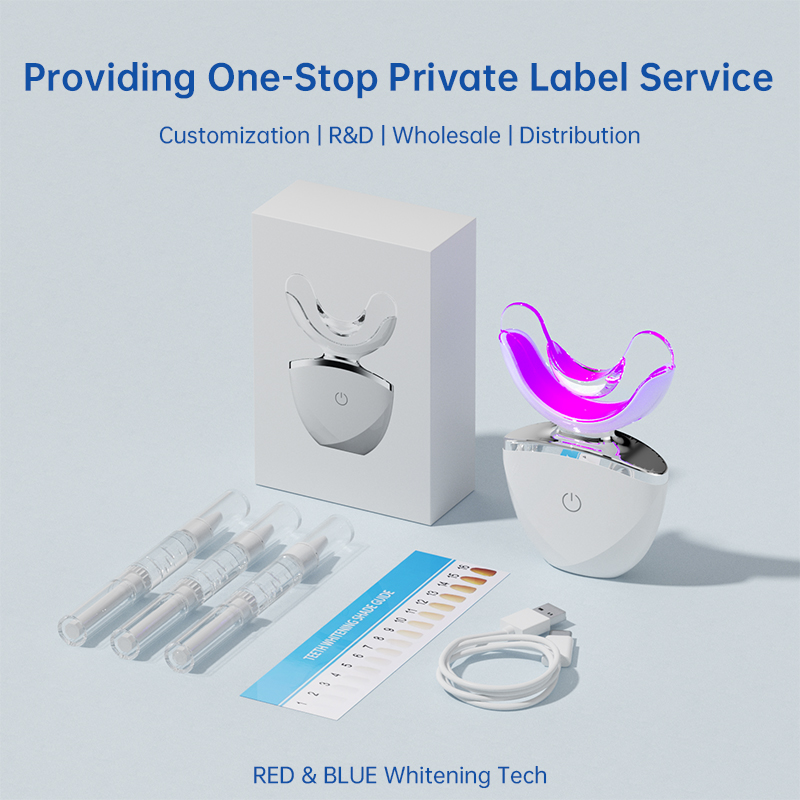
As consumer demand for whiter smiles continues to rise, at-home teeth whitening kits have become one of the fastest-growing categories in the oral-care market. Brand owners looking to expand product lines often ask the same question: Are these whitening kits truly safe for long-term use? This blog provides an OEM analysis to help oral-care brands evaluate product safety, formulation strategies, and manufacturer capabilities before launching or upgrading their whitening solutions. Understanding the Science Behind At-Home Whitening Kits Most at-home teeth whitening kits rely on peroxide-based or non-peroxide ingredients to remove stains through oxidation or physical detachment. When properly formulated, both options can deliver effective results.However, long-term use safety depends on concentration control, exposure time, and the stability of whitening agents—factors that professional OEM manufacturers regularly optimize. The Importance of Long-Term Use Safety Evaluation Consumers often use whitening kits more frequently than recommended, which makes long-term use safety a priority for brand owners. OEM factories typically conduct: Enamel micro-abrasion tests Soft-tissue irritation assessments Sensitivity tolerance evaluations Ingredient compatibility studies These safety protocols ensure that the final product aligns with regulatory guidelines and customer expectations. Benefits of a Gentle Formula for Consumer Comfort To support continuous or repeated use, many leading OEM…
As global awareness of environmental issues grows, consumers increasingly demand oral hygiene products that reflect their values. This shift has opened a major opportunity for brands to develop eco oral care products built on sustainability, safety, and transparency. From toothpaste tablets to bamboo toothbrushes, product innovation is reshaping the industry—and manufacturing partners must keep pace. Why Sustainable Manufacturing Matters Modern oral care brands face the challenge of balancing product performance with environmental responsibility. Choosing sustainable manufacturing solutions is no longer optional; it’s a core brand value. Manufacturers who prioritize energy-efficient processes, reduce emissions, and minimize water usage help brands create cleaner and greener supply chains. Ultimately enhancing consumer trust and long-term loyalty. Biodegradable Materials as a Market Differentiator One of the fastest-growing trends in the category is the use of biodegradable materials. Whether it’s compostable toothbrush handles, dissolvable floss picks, or plant-based packaging, these materials significantly reduce landfill waste. Forward-thinking factories now leverage advanced biomaterials such as PLA, bamboo fiber composites, and sugarcane-derived plastics to help brands stand out with both innovation and sustainability. Partnering With Green OEM Manufacturers Finding the right manufacturing partner is crucial. Brands looking for an edge often turn to green OEM providers—factories committed to eco-friendly…
As sustainability becomes a defining force in market trends, oral care brands are rapidly turning to manufacturers capable of producing greener, cleaner, and more innovative solutions. For companies managing an OEM product line, upgrading to eco-friendly oral care materials and designs is no longer optional—it’s a strategic investment in both long-term growth and brand reputation. If you’re a brand owner looking for a manufacturing partner or planning your next product refresh, here are ten upgrades that can set you apart in a competitive market. Biodegradable Toothbrush Handles Switching from traditional plastics to bamboo, wheat-straw, or biopolymer handles reduces environmental impact and improves your sustainability positioning. Manufacturers specializing in these materials can help you scale quickly. Recyclable Toothbrush Bristles While bristles are usually the least eco-friendly component, some OEM manufacturers now offer castor-oil-based or recyclable nylon options—ideal for brands that want a fully sustainable toothbrush solution. Compostable Dental Floss Corn-based or bamboo-charcoal floss packaged in refillable glass containers meets rising consumer demands for plastic-free packaging. This upgrade aligns strongly with global eco-friendly oral care expectations. Low-Impact Toothpaste Packaging Brands are increasingly adopting aluminum tubes, sugarcane-PE tubes, or refill pouch systems. These packaging formats require specialized OEM manufacturing capabilities but significantly elevate…
As sustainability becomes a primary purchasing driver, brands in the oral care sector are shifting toward cleaner, greener product lines. Consumers increasingly demand alternatives that reduce plastic waste, embrace natural materials, and prioritize long-term environmental impact. For emerging and established brands alike, building a zero-waste oral care line is no longer just a trend—it’s a strategic move toward future-proofing your business.To achieve this, partnering with the right OEM manufacturers is essential. Identifying Eco-Conscious OEM Partners Not all factories are created equal. When sourcing eco-conscious OEM products, brands must evaluate more than production capacity. The ideal manufacturing partner should offer: Verified experience with sustainable materials Compliance with environmental certifications and global standards Transparent sourcing and innovative eco-focused R&D Customizable private-label or white-label solutions Choosing a manufacturer aligned with sustainability goals ensures your product line can scale responsibly and remain competitive. Designing Low-Impact Product Components A zero-waste oral care line begins with product design. Manufacturers specializing in sustainable R&D can help you integrate eco-friendly materials into core items such as: Bamboo or bio-based manual toothbrush handles Recycled nylon or plant-derived bristles Natural floss and refillable containers Plastic-free tooth tabs or powder formulations By collaborating early with your OEM supplier, you can ensure…
As sustainability becomes a core strategy for oral-care brands, one question often arises when evaluating toothbrush materials: Do nylon toothbrush bristles release microplastics? As an OEM manufacturer working closely with global oral-care brands, we are frequently asked this question during product development. Below, we provide a clear, science-based explanation—along with practical considerations for brands looking to launch eco-responsible products. What Are Nylon Toothbrush Bristles Made Of? The majority of manual and electric toothbrushes on the market still use nylon toothbrush bristles, most commonly Nylon-6 or Nylon-6,12. These materials are favored because they offer the ideal balance of flexibility, durability, and water-absorption resistance. For manufacturers, nylon remains the most stable and predictable filament option during mass production. Can Nylon Toothbrush Bristles Release Microplastics? The short answer is yes, but minimally. Like all synthetic polymers, nylon bristles can wear down over time due to brushing friction. This abrasion may cause microscopic particles to detach; however, the amount is generally low and significantly less than many everyday plastic products.For brands concerned with the “release microplastics” issue, proper filament selection, polishing, and end-rounding during production can substantially reduce particle shedding. Why Nylon Is Still the Industry Standard Although sustainability is a rising priority, nylon…
As oral-care technology evolves, brands are evaluating how Angular Momentum Control and a precision Harmonic Drive System could redefine the efficiency, stability, and brushing accuracy of next-generation electric toothbrushes. These innovations—widely used in robotics and high-precision motion control—are emerging as potential game-changers for performance-focused oral-care devices. The Rise of Advanced Motion Control in Oral-Care Devices Traditional toothbrush motors rely on simple oscillation or vibration systems. By integrating advanced motion algorithms and compact drive mechanisms, manufacturers can significantly increase torque precision, brushing stability, and head movement accuracy. How Angular Momentum Control Improves Brushing Efficiency Angular Momentum Control enables smoother directional changes and more consistent rotational force. This results in: Better plaque removal due to stable torque output Reduced motor jitter More controlled transitions between brushing modes This technology ensures brushing power remains consistent even under high pressure or varied angles along the gumline. The Mechanical Advantages of a Harmonic Drive System A Harmonic Drive System—known for high torque density, zero backlash, and precision motion transfer—delivers superior mechanical reliability. Its compact elliptical gear mechanism ensures: Exceptionally smooth oscillation Minimal internal resistance Higher torque in smaller form factors This makes it ideal for premium performance toothbrushes requiring ultra-accurate brush-head movement. Synergistic Integration: Motion…
When developing next-generation oral-care products, brands increasingly seek Bio-compatible Housing Material paired with a high-performance Non-slip Grip Texture to elevate both user safety and in-hand experience. As consumer expectations for eco-safe materials and ergonomic design rise, toothbrush OEM/ODM manufacturers are challenged to balance comfort, durability, compliance, and scalable production. Understanding the Need for Bio-compatible Materials in Oral Care Selecting the right housing material is more than a functional choice—it is a compliance-driven requirement. Bio-compatible Housing Material ensures the toothbrush maintains skin and mucosal safety, offering brands confidence that their product meets international standards such as FDA, ISO10993, and EU regulations. Enhancing User Experience with Optimized Non-slip Grip Texture Modern users demand stability while brushing, especially in wet environments. A Non-slip Grip Texture improves control and reduces hand fatigue, offering a premium tactile experience. Manufacturers can adopt micro-patterning, soft-touch TPE overlays, or dual-injection structures to achieve this effect. Material Engineering for Strength, Comfort, and Longevity Beyond safety, materials must withstand mechanical stress, moisture, toothpaste ingredients, and continuous handling. Engineers typically consider high-performance polymers, plant-based composites, or recyclable blends that balance firmness with ergonomic comfort. Precision Manufacturing Processes for Consistent Quality To ensure stable production outcomes, manufacturers rely on advanced forming technologies…
As smart oral-care devices evolve, Accelerometer-based Feedback and a Pressure-sensitive Matrix have become essential technologies for delivering real-time brushing insights. By integrating motion tracking with pressure detection, manufacturers can create highly intelligent brushing systems that improve technique, protect gum health, and elevate user experience. This synergy is driving the next wave of innovation in premium electric toothbrushes. Tracking Brushing Angle and Motion Through Accelerometer-based Feedback Accelerometers collect detailed data on brushing angle, stroke direction, and coverage. When paired with a Pressure-sensitive Matrix, this data provides a complete picture of user brushing behavior. This enables smart toothbrushes to identify incorrect habits, such as brushing too fast or missing key oral zones. Detecting Harmful Brushing Force Using a Pressure-sensitive Matrix The Pressure-sensitive Matrix measures the exact force applied on teeth and gums. When integrated with Accelerometer-based Feedback, the system can determine not only how hard users brush but also how force interacts with brushing motion. This leads to more advanced protection against gum recession and enamel wear. Providing Instant Alerts and Adaptive Mode Adjustments Combining the two technologies allows the toothbrush to deliver instant haptic, visual, or in-app alerts. For example: Excess pressure triggers the motor to reduce speed. Poor brushing angles…
In the pursuit of deeper, safer, and more efficient oral hygiene solutions, manufacturers are turning to Cavitation Cleaning Technology as a next-generation cleaning method. When paired with a Micro-perforated Brush Head, cavitation effects become significantly stronger, delivering enhanced plaque removal, improved access to tight spaces, and overall superior cleaning performance. This synergistic combination is shaping the future of premium electric toothbrush design for global brands. Maximizing Bubble Formation for Higher Cleaning Efficiency Cavitation Cleaning Technology relies on microscopic bubbles that implode to break down plaque and debris. A Micro-perforated Brush Head increases the number of bubble-generation points, allowing the cavitation effect to cover more surface area. This results in greater cleaning power without increasing motor force. Improving Fluid Dynamics for Better Reach Between Teeth The small perforations channel water and toothpaste more effectively, enhancing fluid flow around the teeth and gum line. This interaction boosts the performance of Cavitation Cleaning Technology, helping the brush reach narrow interdental spaces that traditional bristles may miss. Reducing Physical Brushing Force While Maintaining Cleaning Strength Because cavitation bubbles perform much of the cleaning work, less pressure is required from the user. When the device incorporates a Micro-perforated Brush Head, the cavitation bubbles are distributed…
As electric toothbrush technology continues to evolve, manufacturers increasingly focus on improving motion efficiency, stability, and brushing accuracy. A Torque Control Motor plays a central role in regulating force output, while advanced Kinematic Pair Design significantly enhances how this motion is transferred to the brush head. When combined, these two engineering components create a highly optimized brushing system that elevates performance, comfort, and product durability—making them essential for next-generation oral-care devices. Improving Motion Transmission Accuracy A Torque Control Motor relies on precise mechanical connections to deliver controlled power. With refined Kinematic Pair Design, the motor’s rotational or oscillating movements are transferred more accurately into the brush head mechanism. This minimizes motion loss, reduces mechanical backlash, and leads to consistent brushing performance across all modes. Enhancing Stability and Reducing Vibration Noise Advanced kinematic structures—such as sliding pairs, rotational pairs, or cam-follower mechanisms—stabilize the motor’s output. When paired with a Torque Control Motor, these optimized motion pairs reduce unnecessary lateral vibration and enable smoother operation. This results in quieter performance and improved user comfort. Protecting Gum Health Through Controlled Force Output The torque-regulation capability of the Torque Control Motor helps prevent excessive brushing force. Combined with precise Kinematic Pair Design, the system…
In today’s oral-care market, consumers are demanding cleaner, safer, and more transparent products. For electric toothbrush brands looking to partner with reliable manufacturers, microplastics-free production is becoming a defining factor—not just for marketing, but for protecting consumer health and maintaining compliant manufacturing standards. Below, we outline the essential elements every brand should understand when sourcing factories capable of producing safer OEM products in the electric toothbrush category. Understanding the Risks of Microplastics in Oral-Care Devices Microplastics are increasingly scrutinized by global regulators due to their potential health and environmental hazards. In electric toothbrushes, microplastics can originate from low-grade materials, brush-head components, coatings, or packaging. When consumers use these devices daily, even small levels of microplastic shedding may introduce long-term risk.This growing concern drives brands to eliminate microplastics at the design and production stages. Why Microplastics-Free Production Matters for OEM Brands Manufacturers capable of microplastics-free production help brands align with the latest regulations while strengthening consumer trust. This approach reduces exposure to harmful particulates, minimizes environmental impact, and positions your product as a next-generation, premium oral-care solution.For OEM clients, microplastics-free production is now a competitive advantage rather than an optional upgrade. Key Production Standards for Safer Electric Toothbrush Manufacturing When evaluating…
As oral-care consumers become increasingly eco-conscious, toothbrush brands are under growing pressure to rethink the materials used in brush heads. For OEM and private-label brands, choosing eco-friendly toothbrush bristles has become a key differentiator—not only for meeting sustainability goals but also for enhancing brand storytelling and value perception. This guide walks you through what modern sustainable bristle options are made of, how they perform, and what to consider when sourcing from a manufacturer. Why Bristle Material Matters for Sustainable Toothbrush Design Many brands focus on bamboo handles or recyclable packaging, yet the bristles are often the least sustainable component of a toothbrush. Traditional nylon bristles are petroleum-based and non-biodegradable, creating challenges for eco-certifications and end-of-life disposal. For OEM brands, selecting sustainable bristles directly supports environmental claims, improves product positioning, and meets growing consumer expectations for cleaner, greener oral-care products. Castor Oil Bristles: The Most Widely Adopted Eco-Friendly Alternative One of the most common options today is castor oil bristles. These bristles are made from bio-based polyamides derived from castor beans. While not fully biodegradable, they contain significantly less fossil-fuel content than traditional nylon, making them a strong step toward sustainability. Benefits for OEM brands: High durability and flexibility Heat and…