Introduction Federated Learning for Oral Health enables collaborative model training without sharing raw data. An Oral Health Digital Twin simulates individual oral conditions digitally. Combining both improves accuracy, privacy, and scalability. This blog explains how this integration enhances next-generation oral care solutions. Understanding Oral Health Digital Twin An Oral Health Digital Twin is a virtual model of a patient’s oral condition. It uses real-time and historical data for simulation. This model supports prediction, diagnosis, and personalized care planning. What is Federated Learning for Oral Health? Federated Learning for Oral Health trains AI models across decentralized data sources. Data remains locally stored and secure. Only model updates are shared and aggregated centrally. Enhancing Data Privacy and Compliance Federated Learning for Oral Health protects sensitive patient data effectively. It reduces risks related to centralized data storage. This strengthens trust in Oral Health Digital Twin systems. Improving Model Accuracy with Diverse Data Decentralized training enables access to diverse datasets. Federated Learning for Ora captures varied user behaviors and conditions. This improves the predictive power of Oral Health Digital models. Enabling Continuous Model Updates Models improve continuously through distributed learning cycles. Federated Learning for Oral Health allows frequent updates without data transfer. This keeps Oral Health…

Introduction Programmable Metamaterial Bristles introduce adaptive functionality into toothbrush design. Could this innovation enable classification as Software as a Medical Device? This blog explores how hardware and software convergence reshapes oral care devices. Understanding Programmable Metamaterial Bristles Programmable Metamaterial Bristles are engineered to change properties under control signals. They can adjust stiffness, motion, or response dynamically. This enables customized brushing performance based on user needs. What is Software as a Medical Device? Software as a Medical Device refers to software performing medical functions independently. It processes data, provides insights, and supports clinical decisions. It must meet regulatory standards for safety and effectiveness. Bridging Hardware and Software Intelligence Programmable Metamaterial generate real-time physical responses. Software algorithms interpret user data and adjust bristle behavior. This interaction supports the transition toward Software as a Medical Device functionality. Enabling Personalized Oral Care Treatment Software-driven control enables tailored brushing experiences. Programmable Metamaterial adapt to sensitivity, gum condition, and plaque levels. This aligns with personalized care principles in Software as a Medical Device systems. Data Collection and Clinical Feedback Loop Sensors and software collect brushing data continuously. This data feeds into analytics supporting Software as a Medical Device capabilities. Programmable Metamaterial respond based on these insights. Regulatory and Compliance…
Introduction A Behavioral Nudge Engine influences user actions through timely prompts and insights. A Predictive Supply Algorithm forecasts refill needs based on usage data. Combining both improves refill accuracy and user engagement. This blog explains how this integration drives smarter supply management. Understanding Behavioral Nudge Engine A Behavioral Nudge Engine uses data to guide user decisions subtly. It delivers reminders, alerts, and personalized suggestions. These nudges encourage timely actions without forcing user behavior. What is a Predictive Supply Algorithm? A Predictive Supply Algorithm estimates when consumables need replacement. It analyzes brushing frequency, duration, and wear patterns. This ensures brush head refills are supplied at the right time. Enhancing Prediction Accuracy with Behavioral Data A Behavioral Nudge Engine captures real user interaction patterns. This data refines the Predictive Supply Algorithm inputs. Improved data quality leads to more accurate refill predictions. Driving Timely User Action A Predictive Supply Algorithm identifies optimal refill timing. A Behavioral Nudge prompts users to act on these insights. This reduces delays and prevents product overuse. Supporting Subscription and Inventory Optimization Combining both systems enables automated refill subscriptions. The Predictive Supply Algorithm forecasts demand for inventory planning. The Behavioral Nudge ensures consistent user participation. Creating a Data-driven Ecosystem A Behavioral…
Introduction A Guided Biofilm Therapy Protocol focuses on systematic plaque removal and prevention. A Teledentistry Integration Kit enables remote monitoring and patient guidance. Combining both can transform preventive oral care delivery. This blog explores how this integration works in practice. Understanding Guided Biofilm Therapy Protocol A Guided Biofilm Therapy Protocol targets biofilm using structured clinical steps. It includes detection, visualization, and minimally invasive removal. This protocol improves patient outcomes and supports long-term oral health. What is a Teledentistry Integration Kit? A Teledentistry Integration Kit connects patients and clinicians through digital tools. It may include imaging devices, apps, and communication platforms. This allows remote consultations, monitoring, and treatment guidance. Remote Assessment and Biofilm Visualization A Teledentistry Integration Kit enables remote imaging and data sharing. Clinicians can assess biofilm presence using uploaded visuals. This supports the application of a Guided Biofilm Therapy outside clinics. Personalized Treatment Guidance Clinicians can deliver tailored instructions through a Teledentistry Integration Kit. Patients receive step-by-step support aligned with the Guided Biofilm Therapy. This improves adherence and treatment consistency. Continuous Monitoring and Feedback A Teledentistry Integration Kit allows ongoing patient monitoring. Clinicians can track progress and adjust the Guided Biofilm Therapy. Real-time feedback enhances treatment effectiveness. Expanding Access to…
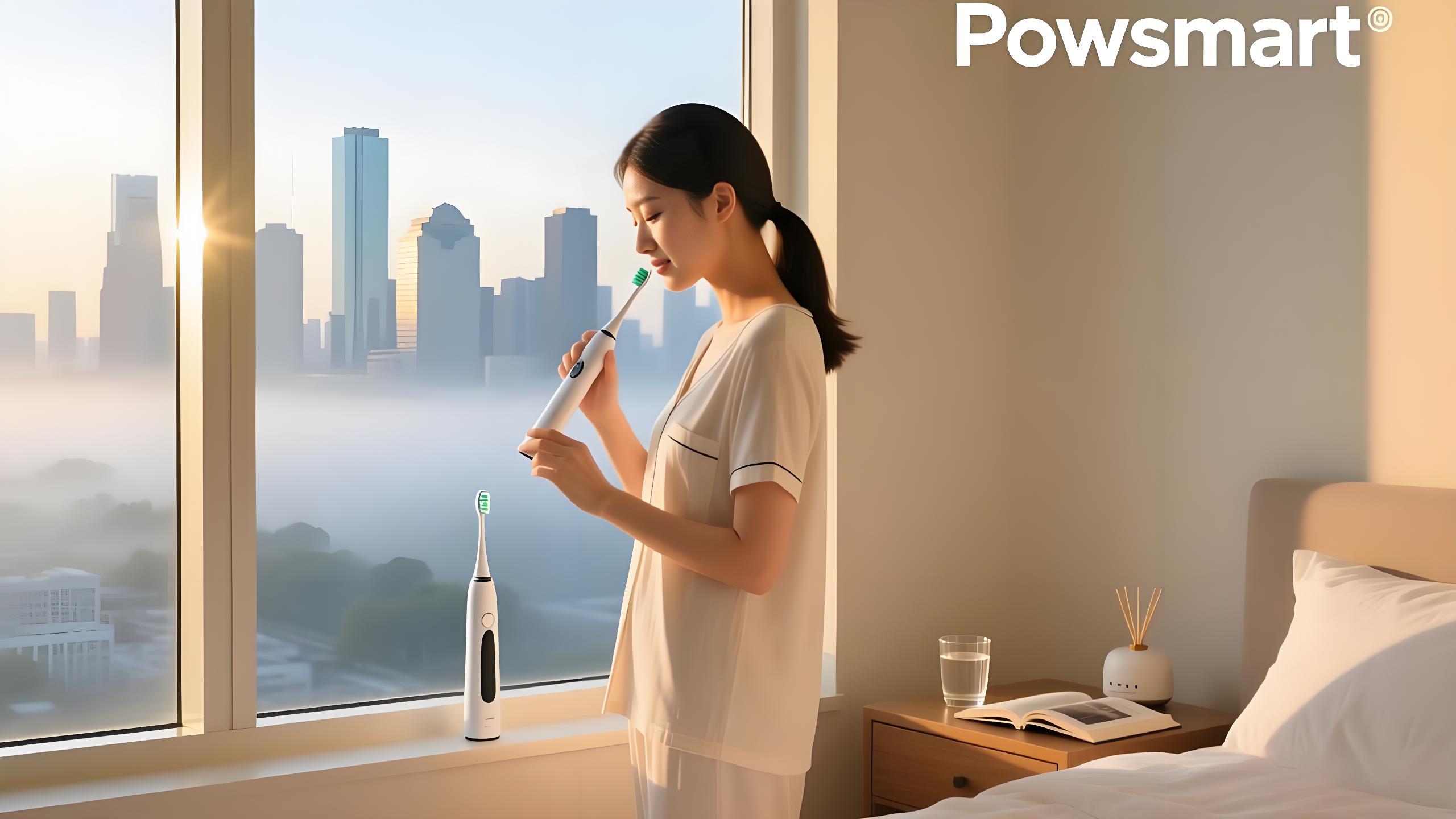
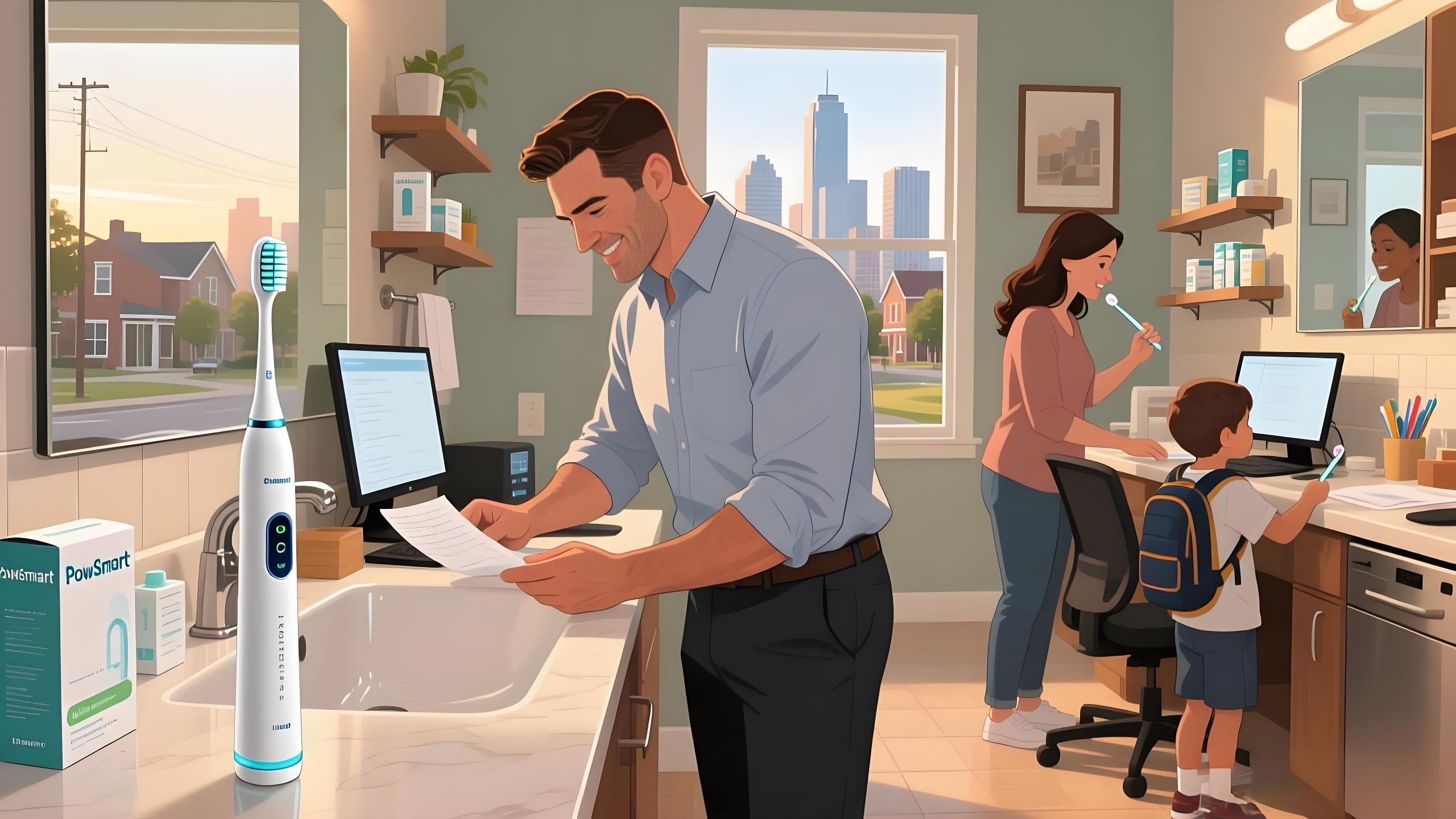
Powsmart Electric Toothbrush – Wholesale in the UK Powsmart is a leading electric toothbrush brand focused on high-quality oral care solutions for consumers, retailers, and distributors in the UK. Our products combine smart design, durable battery life, and gentle cleaning technology to ensure optimal dental health. Product Advantages Soft bristle design for safe and effective cleaning Long-lasting battery with multiple cleaning modes Smart timer and pressure sensor for optimal brushing Suitable for families, retail chains, and franchise stores FDA and CE approved for safety and reliability Product Models Comparison Model Price per Unit (£) Packaging Quantity Battery Life Special Features Powsmart Basic £12.50 24 pcs/box 2 weeks Soft bristles, 2 modes Powsmart Advanced £18.00 12 pcs/box 3 weeks 3 modes, timer, pressure sensor Powsmart Pro £25.00 6 pcs/box 4 weeks Smart app integration, 5 modes Wholesale Purchasing Information Bulk discounts available: 5% off 50+ boxes, 10% off 100+ boxes OEM/Private Label opportunities for your brand Flexible packaging quantities to suit retail and franchise needs Fast shipping to the UK with reliable logistics partners Contact Us for Quote Why Retailers Choose Powsmart Excellent value for money, ideal for bulk orders High-quality, certified products (FDA/CE) that customers trust Strong brand recognition to…
Introduction A Photocatalytic Disinfection Coating offers active antimicrobial performance under light exposure. A Self-Assembling Monolayer Coating provides controlled surface functionality at the molecular level. Combining both creates advanced surface solutions for hygiene and durability. This blog explores why this combination is strategically valuable. Understanding Photocatalytic Disinfection Coating A Photocatalytic Disinfection Coating uses light to activate reactive species. These species break down bacteria, viruses, and organic contaminants. It provides continuous, passive disinfection without manual intervention. What is a Self-Assembling Monolayer Coating? A Self-Assembling Monolayer Coating forms a single molecular layer on surfaces. It modifies surface energy, adhesion, and chemical resistance. This coating enables precise control over surface interactions. Enhancing Surface Stability and Adhesion Combining a Self-Assembling Monolayer Coating improves coating adhesion. It creates a uniform interface for the Photocatalytic Disinfection Coating. This enhances durability and long-term performance. Improving Antimicrobial Efficiency A stable surface improves the effectiveness of the Photocatalytic Disinfection. The Self-Assembling Monolayer ensures even distribution of active materials. This leads to more consistent antimicrobial activity. Extending Surface Lifespan and Resistance A Self-Assembling Monolayer Coating enhances resistance to moisture and chemicals. This protects the Photocatalytic Disinfection from degradation. The combined system extends the usable lifespan of treated surfaces. Enabling Advanced Functional Surface Design…
.jpg)
A professional electric toothbrush bulk order manufacturer is essential for businesses that require large-scale production and consistent product quality. As global demand for electric toothbrushes continues to grow, bulk purchasing has become a common strategy for distributors and retailers. Therefore, choosing the right manufacturing partner is critical. In addition, bulk production requires efficient processes and strict quality control. As a result, only experienced manufacturers can meet the demands of high-volume orders while maintaining product consistency. Large-Scale Production Capabilities Manufacturers specializing in bulk orders operate advanced production lines designed for efficiency and precision. Automated assembly systems reduce human error and increase output capacity. Consequently, large orders can be completed within shorter lead times. Moreover, integrated supply chains ensure stable sourcing of components such as motors, batteries, and electronic parts. Therefore, production can continue without interruptions. In addition, factories implement standardized processes to ensure consistent quality across all units. This is essential for maintaining brand reputation. OEM Services and Customization Options When working with an electric toothbrush bulk order manufacturer, customization remains an important factor. Despite large volumes, manufacturers still provide: Private label branding and logo printing Packaging design and customization Feature adjustments based on market needs Product variations for different segments…
A reliable rechargeable electric toothbrush supplier is essential for brands seeking consistent product quality and long-term business growth. As rechargeable devices become the standard in oral care, suppliers must provide efficient battery solutions, stable performance, and scalable production capacity. In addition, working with a professional supplier allows brands to streamline operations and focus on market expansion. As a result, businesses can achieve better efficiency and profitability. Product Features and Technology Advantages Rechargeable electric toothbrushes are designed to provide convenience and sustainability. High-capacity batteries allow extended usage, often lasting several weeks on a single charge. Consequently, users benefit from reduced charging frequency. Moreover, modern designs incorporate Type-C fast charging, energy-efficient motors, and multiple brushing modes. These features improve both performance and user experience. In addition, ergonomic handles and soft bristles ensure comfortable brushing. Therefore, rechargeable models are widely accepted across different market segments. Manufacturing Capabilities and Supply Stability When choosing a rechargeable electric toothbrush supplier, production capability is a key consideration. Professional factories offer: Battery integration and energy management systems Motor assembly and performance optimization Automated production lines for large-scale orders Custom branding and packaging solutions Furthermore, stable supply chains ensure timely delivery and consistent quality. This is particularly important for…
An effective electric toothbrush ODM solution is essential for brands aiming to develop unique and competitive oral care products. As the market becomes increasingly saturated, standard OEM products are no longer sufficient for differentiation. Therefore, many companies are turning to ODM services to create customized designs and advanced functionalities tailored to their target markets. In addition, ODM solutions allow businesses to reduce development time while leveraging the technical expertise of experienced manufacturers. As a result, brands can bring innovative products to market more efficiently and with lower risk. ODM Development Process and Innovation Capabilities A comprehensive ODM solution typically begins with market analysis and concept development. Manufacturers work closely with clients to understand their branding, target audience, and functional requirements. Consequently, product design is aligned with market demand from the beginning. Moreover, industrial design plays a key role in product success. Ergonomic shapes, premium materials, and modern aesthetics are carefully developed to enhance user experience. At the same time, internal engineering focuses on motor performance, battery efficiency, and waterproof structure. In addition, advanced features such as smart timers, LED indicators, and multiple brushing modes can be integrated into the design. Therefore, products developed through ODM services often provide higher added…
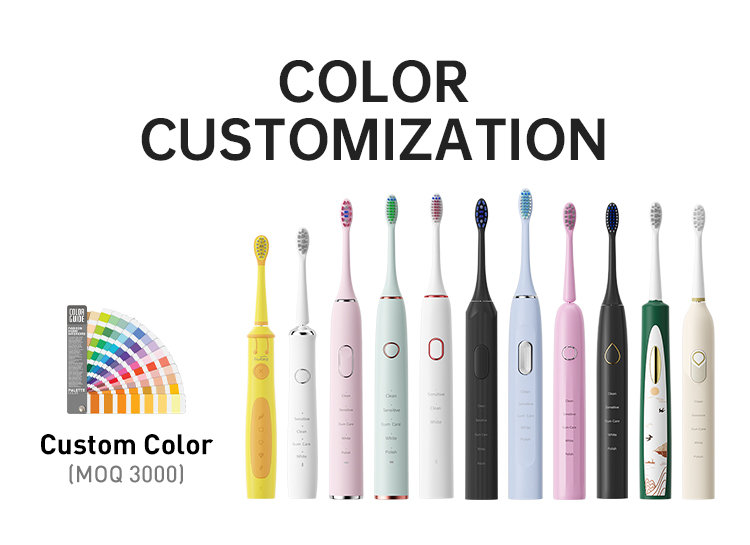
A professional custom electric toothbrush manufacturer enables brands to create unique and competitive oral care products. As market competition intensifies, customization has become a key factor in product differentiation. Therefore, businesses are increasingly seeking manufacturers that can provide flexible OEM and ODM solutions. In addition, customization allows brands to align products with specific market needs. As a result, they can better target different customer segments and improve brand positioning. Customization Options and Product Development Modern manufacturers offer a wide range of customization options. Firstly, product design can be tailored to meet brand identity requirements. Secondly, functional features such as brushing modes, vibration levels, and smart functions can be adjusted. Moreover, customization extends to materials, colors, and surface finishes. Consequently, products can achieve a premium look and feel. In addition, packaging design plays an important role in branding. Therefore, manufacturers provide customized packaging solutions to enhance market appeal. Manufacturing Capabilities and OEM/ODM Services When selecting a custom electric toothbrush manufacturer, technical capability is essential. Experienced factories provide: Industrial design and engineering support Prototype development and testing Motor and battery integration Automated assembly and quality control Private label and packaging customization Furthermore, ODM services allow brands to develop entirely new products based…
Introduction AI Cavity Risk Analytics is transforming preventive oral care decision-making. A secure Data Monetization Framework enables value extraction from clinical and usage data. This blog explains how both can work together for scalable business growth. Understanding AI Cavity Risk Analytics AI Cavity Risk Analytics uses algorithms to predict caries development risks. It analyzes brushing data, diet patterns, and historical dental records. This enables early intervention and personalized oral care recommendations for users. What is a Data Monetization Framework? A Data Monetization Framework converts collected data into measurable business value. It includes data collection, processing, protection, and commercialization strategies. Companies use it to generate revenue from insights while maintaining compliance. Integrating Analytics into Monetization Models Combining AI Cavity Risk with a Data Monetization Framework creates new revenue streams. Insights can be offered to insurers, clinics, or product developers. This enables data-driven services beyond traditional hardware sales. Ensuring Data Security and Compliance A secure Data Monetization Framework must prioritize data privacy and protection. Encryption, anonymization, and access control are essential components. These measures ensure AI Cavity Risk Analytics operates within regulatory requirements. Enhancing Product and Service Value AI Cavity Risk can improve product ecosystems through actionable insights. Manufacturers can refine device features based…
A professional sonic toothbrush factory China plays a vital role in the global oral care supply chain. As China continues to lead in manufacturing efficiency and technological development, more international brands are choosing Chinese factories for OEM and ODM cooperation. Therefore, selecting the right factory can significantly impact product quality and business success. In addition, Chinese manufacturers offer strong advantages in cost control and production scalability. As a result, brands can achieve competitive pricing while maintaining high product standards. Advantages of Manufacturing in China China has developed a complete industrial ecosystem for electric toothbrush production. Firstly, supply chains for motors, batteries, and electronic components are well established. Secondly, skilled labor and advanced equipment ensure efficient production. Moreover, factories continuously invest in research and development. Consequently, they are able to deliver innovative products with improved performance and design. In addition, flexible production capacity allows factories to handle both small and large orders. Therefore, they can support startups as well as established brands. Production Capabilities and OEM Services When working with a sonic toothbrush factory China, brands gain access to full-service manufacturing solutions. These typically include: Product design and prototyping Sonic motor development and calibration Waterproof structure design Automated assembly and quality…
Choosing the right electric toothbrush OEM supplier is a critical decision for brands entering the global oral care market. As demand for high-quality electric toothbrushes continues to grow, businesses are increasingly seeking manufacturing partners that can provide stable production, consistent quality, and flexible customization. Therefore, selecting an experienced OEM supplier is essential for long-term success. In addition, OEM cooperation allows brands to focus on marketing and distribution while relying on professional manufacturers for product development and production. As a result, companies can reduce operational complexity and accelerate time-to-market. Core Capabilities of a Professional OEM Supplier A reliable OEM partner must offer comprehensive manufacturing capabilities. Firstly, product design and engineering support are required to ensure functionality and user experience. Secondly, production efficiency must be optimized to meet large-scale order demands. Moreover, advanced factories provide integrated services, including motor development, battery integration, and waterproof design. Consequently, products can achieve consistent performance and durability. In addition, OEM suppliers typically support private label customization. This includes logo printing, packaging design, and feature adjustments. Therefore, brands can create unique products tailored to specific market segments. Manufacturing Process and Production Strength When evaluating an electric toothbrush OEM supplier, it is important to understand the production process.…
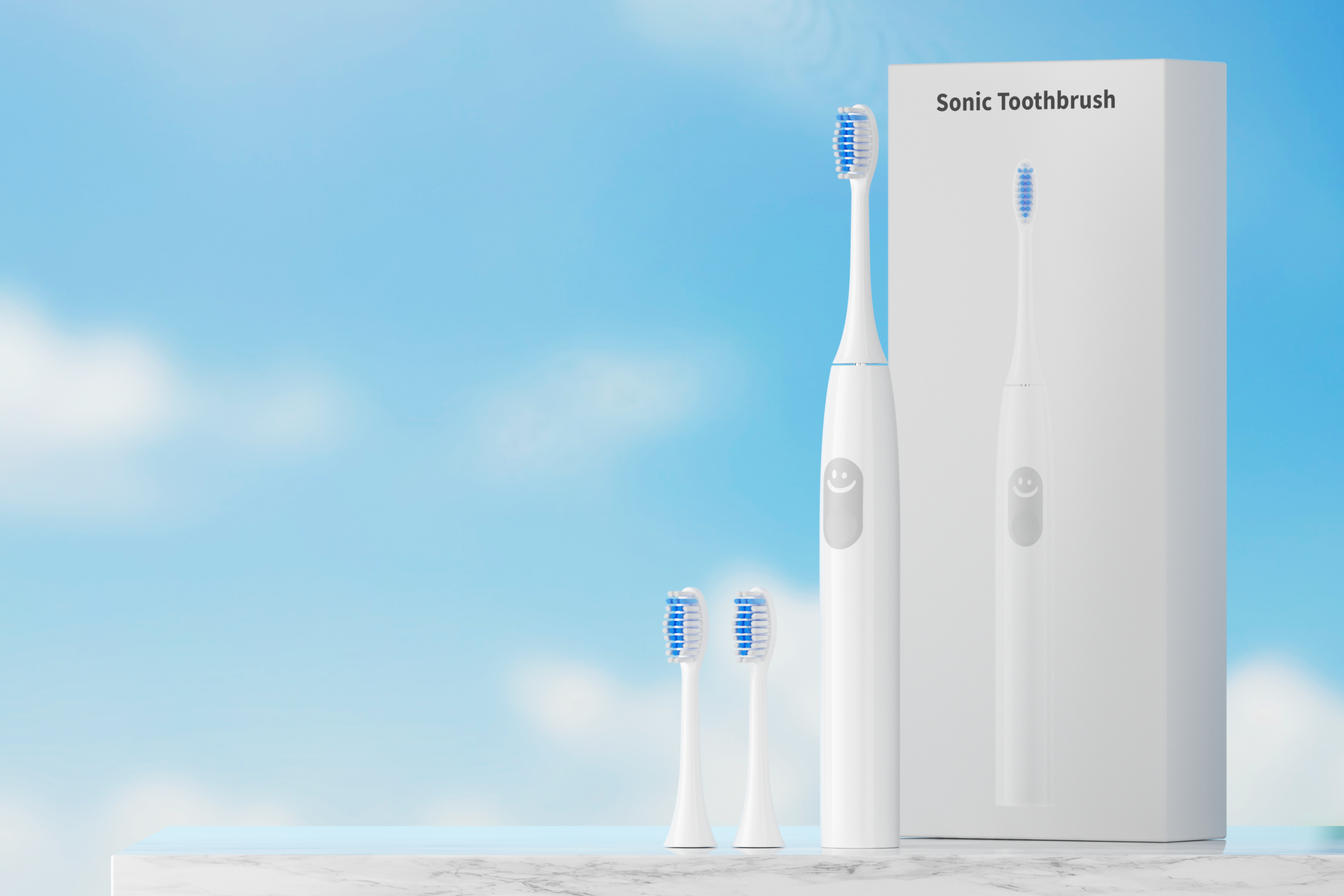
The development of powerful sonic toothbrush cleaning technology has significantly improved modern oral care solutions. As consumers demand more effective cleaning performance, manufacturers are continuously enhancing sonic vibration systems to achieve better results. For B2B buyers, this technology represents a key factor in product competitiveness. Therefore, selecting a supplier with strong technical capabilities is essential for long-term success. High-Performance Sonic Cleaning Mechanism Sonic toothbrushes use high-frequency vibrations to create dynamic fluid movement. This mechanism allows cleaning beyond the reach of bristles. As a result, plaque and bacteria are effectively removed from difficult areas. Moreover, powerful vibration output ensures deep cleaning without damaging gums. Consequently, users can maintain better oral hygiene while minimizing discomfort. In addition, advanced systems optimize energy efficiency and noise reduction. Therefore, products deliver strong performance while maintaining a comfortable user experience. Manufacturing Capabilities and OEM Services Developing powerful sonic toothbrush cleaning technology requires advanced engineering and precision manufacturing. Experienced factories provide: Sonic motor development and calibration Circuit design and performance optimization Automated assembly and quality testing Private label and packaging customization Furthermore, customization options allow brands to adjust vibration intensity and cleaning modes according to market needs. You can explore related solutions here:https://www.powsmart.com/electric-toothbrush/ Quality Control and Certification…
A well-developed advanced sonic toothbrush design is essential for brands aiming to stand out in the competitive oral care industry. As consumer expectations evolve, product design now goes beyond basic functionality. Instead, it combines performance, comfort, and visual appeal to create a complete user experience. Therefore, manufacturers are focusing on integrating innovative design elements into sonic toothbrushes. At the same time, B2B buyers are seeking suppliers that can provide both technical expertise and flexible customization. Key Elements of Modern Sonic Toothbrush Design Modern toothbrush design emphasizes ergonomics and usability. For example, handles are shaped to provide a comfortable grip, while button placement ensures easy operation. As a result, users can maintain proper brushing habits with minimal effort. In addition, design innovation includes features such as LED indicators, smart timers, and multiple brushing modes. These elements enhance functionality while improving user interaction. Moreover, aesthetic design plays a significant role in product success. Sleek shapes, premium materials, and modern finishes help create a strong visual identity. Consequently, products become more attractive in both retail and online markets. OEM Customization and Manufacturing Capabilities When sourcing an advanced sonic toothbrush design, OEM capability is a key factor. Experienced manufacturers offer comprehensive services, including: Industrial…
Understanding the sonic vibration toothbrush benefits is essential for brands aiming to enter or expand in the oral care market. As consumers increasingly prioritize oral hygiene and advanced technology, sonic toothbrushes have become a preferred choice due to their efficiency and comfort. Therefore, highlighting these benefits is critical for B2B buyers when positioning products in competitive markets. In addition, sonic vibration technology offers a combination of high performance and gentle cleaning. As a result, it appeals to a wide range of users, including those with sensitive teeth and gums. Consequently, distributors and private label brands are actively sourcing manufacturers capable of delivering reliable sonic solutions. Core Advantages of Sonic Vibration Technology Sonic toothbrushes operate at high frequencies, typically generating tens of thousands of brush strokes per minute. This rapid movement creates dynamic fluid action, allowing toothpaste and water to reach areas between teeth. As a result, plaque and debris are removed more effectively compared to manual brushing. Moreover, this technology provides a gentle yet thorough cleaning experience. Unlike traditional rotating brushes, sonic vibrations minimize gum irritation while maintaining efficiency. Therefore, users can achieve better oral health without discomfort. Additionally, consistent vibration output ensures uniform cleaning performance. Consequently, users experience improved…
Advanced electric toothbrush motor technology is the foundation of modern oral care devices. As the core component, the motor determines vibration frequency, cleaning efficiency, and overall user experience. Therefore, continuous innovation in motor design has become essential for manufacturers. For B2B buyers, understanding motor technology is crucial when selecting a supplier. A reliable motor ensures consistent performance, longer product lifespan, and higher customer satisfaction. Types of Motor Technology in Electric Toothbrushes Electric toothbrushes mainly use sonic motors that generate high-frequency vibrations. These vibrations help remove plaque effectively while remaining gentle on gums. As a result, they are widely preferred in global markets. Moreover, advanced motor designs focus on reducing noise and improving energy efficiency. In addition, stable vibration output ensures consistent cleaning performance across different modes. Furthermore, some manufacturers develop customized motor solutions to meet specific market requirements. This allows brands to differentiate their products through performance advantages. Manufacturing Capabilities and Technical Strength Developing reliable electric toothbrush motor technology requires strong engineering expertise. Therefore, experienced OEM factories invest heavily in research and development. Core capabilities include: Motor design and performance optimization Precision assembly and vibration calibration Integration with battery and control systems Automated production and quality testing Additionally, customization options…
A modern smart timer electric toothbrush plays an important role in improving brushing habits and overall oral hygiene. As consumers become more aware of dental health, proper brushing time and technique have gained increasing attention. Therefore, smart timing functions are now widely integrated into electric toothbrushes. For B2B buyers, this feature is especially valuable because it aligns with professional dental recommendations. In addition, it enhances product credibility and strengthens brand positioning in the market. Smart Timing Technology and User Benefits Smart timers are designed to guide users through a complete brushing routine. Typically, a two-minute timer is built into the device, with interval reminders every 30 seconds. As a result, users can evenly clean all areas of the mouth. Moreover, some advanced models include vibration alerts or slight pauses to indicate when to switch brushing zones. Consequently, users develop better brushing habits over time. In addition, smart timing systems can be combined with other features such as pressure sensors and multiple modes. This integration provides a more comprehensive oral care experience. Manufacturing Capabilities and OEM Support When developing a smart timer electric toothbrush, manufacturers must ensure precise control of timing circuits and motor synchronization. Therefore, experienced factories are required to…
A high-quality electric toothbrush with LED indicator has become a key feature in modern oral care products. As consumer expectations continue to evolve, more users are seeking devices that provide intuitive feedback and enhanced usability. Therefore, visual indicators have been widely integrated into electric toothbrush designs to improve interaction and user awareness. At the same time, for B2B buyers, this feature represents not only a functional upgrade but also a strong selling point. In competitive markets, differentiation is essential. As a result, LED indicators are increasingly used to enhance product value while maintaining cost efficiency. LED Indicator Technology and Functional Advantages LED indicator systems are designed to deliver real-time feedback during brushing. For example, different colors can indicate various brushing modes, battery levels, or pressure warnings. Consequently, users can easily understand device status without relying on sound or guesswork. Moreover, manufacturers now integrate multi-color LED rings and display panels into the toothbrush handle. This approach not only improves functionality but also enhances the visual appeal of the product. In addition, LED lights are often used to signal charging progress, making the device more user-friendly. Furthermore, smart lighting systems can be programmed for different user needs. For instance, a gentle pulsing…
Introduction In the development of medical electronics, precision, cleanliness, and reliability are non-negotiable. One of the advanced technologies that has transformed the production of medical electronic devices is Laser Direct Structuring (LDS). This technology allows for the creation of intricate, high-quality circuits directly onto plastic substrates, making it ideal for compact, durable, and precise medical devices. However, for Laser Direct Structuring to achieve its full potential, it must be complemented by strict Cleanroom Assembly Protocols. This combination ensures that the integrity, performance, and safety of the devices meet the rigorous standards demanded in the medical industry. In this blog, we’ll explore how Laser Direct Structuring benefits from being paired with Cleanroom Assembly Protocols in the production of medical electronics. Ensuring High Precision in a Contaminant-Free Environment Laser Direct Structuring (LDS) relies on laser technology to directly write high-resolution circuit patterns onto the surface of materials, usually thermoplastic substrates. This process requires an exceptionally high level of precision and control to ensure that the electrical pathways are created correctly. Any contamination, such as dust or moisture, can interfere with the laser’s path or lead to suboptimal results. Cleanroom Assembly Protocols provide an ultra-clean environment that is free from particles, dust, and…


.jpg)
.jpg)
.jpg)
.jpg)
.jpg)






.jpg)