
.jpg)
For oral care brands aiming to develop competitive water flossers, aligning product development with end-user expectations is essential. In today's highly competitive market, the right oral irrigation device performance can determine a product’s success or failure. This blog explores what users value most when it comes to water flosser functions & performances of water flossers and how brands can leverage these insights when choosing an oral care products supplier. Core Water Flosser Functions Users Expect Modern consumers demand water flossers that go beyond basic cleaning. The best water flosser features are those that improve daily usability and offer superior cleaning results. These typically include: Adjustable water pressure levels to suit sensitive gums or deep cleaning needs. Multiple nozzle tips for family use, orthodontic care, or periodontal pockets. Pulsating vs. steady stream options, depending on personal comfort. 360° rotating nozzles for reaching difficult angles. Brands seeking to stay competitive must ensure these water flosser functions are built into their designs by their manufacturing partners. Key Performance Metrics: What Makes a Flosser Stand Out Aside from functionality, performances of water flossers is a top concern for consumers. Performance defines how well the product delivers results over time. Key factors include: Pump durability and consistency: A powerful yet stable motor…
In today’s highly competitive oral care market, attracting new customers is only half the battle—retaining them is where true growth lies. Building strong oral care brand loyal users means that users not only choose your product repeatedly, but they also advocate for your brand. For manufacturers and brand owners alike, investing in the right retention strategies for oral care is key to long-term success. In this article, we explore actionable steps to transform first-time buyers into repeat customers through proven tactics such as customer loyalty programs, smart user engagement in oral care, and effective repeat purchase strategies. Understand the Customer Journey in Oral Care The first step in building oral care brand loyalty is understanding how customers interact with your products—from discovery to daily usage. Oral care is a habitual activity, and your product must seamlessly fit into that routine. Tips: Map out key touchpoints (e.g., first use, refill cycle, user education) Collect data on product usage patterns Use surveys or social listening to understand pain points Understanding where users may lose interest helps you better tailor communication and experiences that keep them engaged. Create Seamless and Educational Onboarding Experiences The first impression sets the tone for future loyalty. Educating users on…
.jpg)
The global oral care industry is growing rapidly, but so is the competition. New brands emerge every year, often offering similar products. In such a competitive oral care market, establishing a clear identity and purpose is critical. To succeed, businesses must focus on oral care branding strategies that emphasize uniqueness, consistency, and customer relevance. This blog provides a six-part guide on how to create a differentiated oral care brand that stands out and gains consumer trust. Define Your Unique Selling Proposition (USP) in Oral Care A strong Unique Selling Proposition (USP) in oral care is the foundation of brand differentiation. What makes your product line different from existing options? Are your products eco-friendly or clinically proven? Do you focus on a niche audience such as sensitive gums, teens with braces, or luxury dental tools? Are you leveraging innovative technologies like AI brushing guidance or nano-coating? Your USP should address a specific problem or deliver a unique benefit that resonates with your target audience. It’s what your marketing, product design, and partnerships should consistently reinforce. Conduct Market and Competitor Research Before defining your brand positioning, thorough market research is essential. Study existing dental hygiene brand differentiation efforts by competitors. Analyze gaps in offerings, customer complaints,…
.jpg)
In dental device manufacturing and oral appliance engineering, occlusal interference and resulting jaw fatigue are critical yet often overlooked consequences of inadequate product design. When an appliance—whether a night guard, aligner, or occlusal splint—introduces unwanted bite interferences, it can lead to cumulative strain on the masticatory system. Could this be more than just a patient adaptation issue? Does it reflect a fundamental design flaw? This article explores that possibility in depth. Understanding Occlusal Interference in Device Use Occlusal interference occurs when a dental device disrupts the natural contact between upper and lower teeth during function or rest. Unlike physiologic occlusion, where contact is evenly distributed and harmonious, interference results in: Premature or uneven contacts. Mandibular displacement during closure. Asymmetrical loading of jaw muscles and joints. These small discrepancies, if consistent, can initiate or aggravate myofascial discomfort and alter the natural bite pattern. From Interference to Jaw Fatigue: A Biomechanical Pathway When occlusal surfaces are poorly calibrated, they force the masticatory muscles to work harder to reach a comfortable bite. Over time, this triggers jaw fatigue, marked by: Morning soreness or heaviness in the jaw. Limited mouth opening or stiffness. Muscle compensation and overuse of the temporalis and masseter. While these…
With the competitive dental care market growing rapidly, competition among oral care brands is fiercer than ever. To stand out, brands must understand which competitive oral care products are currently in demand and what consumers are looking for in their oral hygiene routines. From dental care market trends to oral hygiene innovations, this blog provides manufacturers and brand owners with a clear roadmap to product development and strategic sourcing. Understanding Dental Care Market Trends To succeed in today’s oral care industry, it’s critical to align with current dental care market trends. Key developments include: Increased awareness of preventative care Consumer demand for personalized and tech-enabled products Rising preference for eco-friendly and sustainable options Growth in at-home oral care routines, especially post-pandemic These trends are shaping the future of what qualifies as high-demand dental products, forcing manufacturers and brands to evolve beyond traditional brushes and pastes. Characteristics of Competitive Oral Care Products What makes a product truly competitive in this saturated market? Here are key characteristics: Functionality & Innovation: Products that integrate new technology or design for better results—think sonic vibration, pressure sensors, and AI feedback apps. User-centric design: Sleek, ergonomic, and easy-to-use products win user loyalty. Scientific validation: Backed by dental professionals…
In precision oral care devices, hose leakage might seem like a minor technical fault at first glance. However, when this issue translates into uncontrolled water spray, it can result in unintended consequences—one of the most concerning being mucosal lesions in the user’s mouth. This convergence of mechanical and physiological damage represents a double layer of harm, raising urgent questions about manufacturing responsibility, safety validation, and design resilience. What Causes Hose Leakage in Oral Devices? The flexible hose system in oral irrigators plays a critical role in channeling pressurized water from the pump to the nozzle. Leakage in this system may arise from: Material fatigue due to prolonged bending or stretching Poor bonding at connection points Inferior grade tubing materials that degrade under temperature or chemical exposure Manufacturing inconsistencies such as micro-cracks or overmold defects Even minor leaks can interfere with intended water pressure, causing turbulence or irregular spray that directly affects performance. How Leaks Contribute to Mucosal Lesions When pressure is compromised, the water stream becomes unpredictable. Leaked jets or sudden sprays can strike soft tissues such as the gums, inner cheeks, or palate with unintended force. Over time, this repeated trauma may result in mucosal lesions—ranging from minor irritation…
In the evolving landscape of smart oral care devices, pressure sensor failure is not merely an engineering issue—it may also affect the end user's experience in unexpected ways, such as taste distortion. When sensors misinterpret pressure levels, downstream effects may include inconsistent fluid delivery, altered cleaning dynamics, and potentially, a shift in how taste is perceived during or after use. Could these two phenomena be linked? This blog explores the connection. Understanding the Role of Pressure sensor failure in Oral Devices Modern electric toothbrushes and irrigators often incorporate pressure sensors to regulate brushing force or water jet strength. These sensors detect applied pressure and provide feedback—either to the device processor or to the user—ensuring optimal and safe operation. However, when these sensors malfunction or lose calibration, the device may deliver unexpected force or volume, which could interfere with delicate oral tissues. How Sensor Malfunctions Can Affect Fluid Dynamics A pressure sensor failure can lead to several undesirable outcomes: Overcompensation in water output Weak or inconsistent water flow Failure to trigger safety cutoffs Increased mechanical strain on internal components These changes can alter how fluids interact with the tongue and palate—regions closely tied to taste perception. Possible Mechanism Behind Taste Distortion…
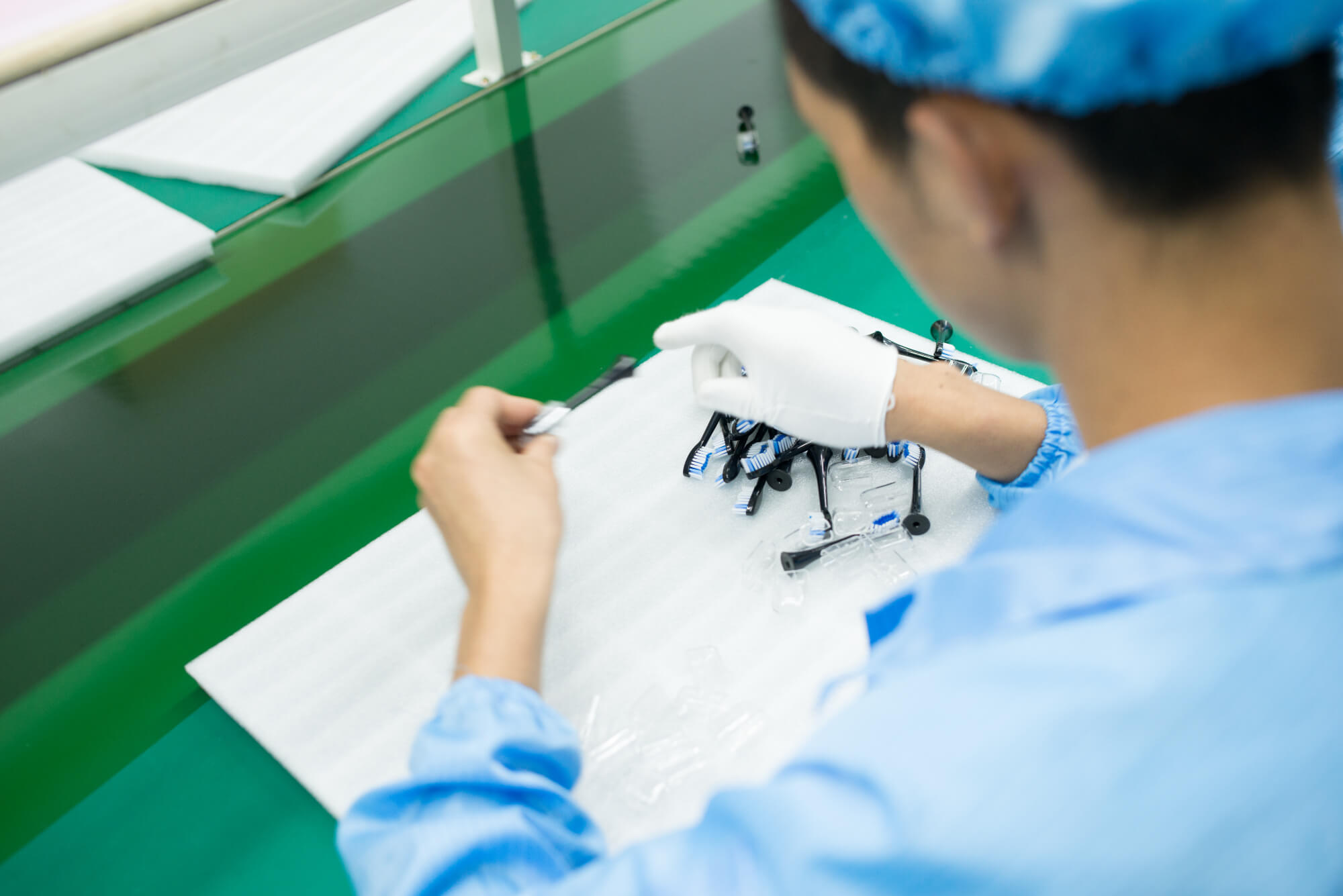
The variety of brush head types available in the market today means there is an option for almost every need, from sensitive gums to deep cleaning. Choosing the right brush head for your electric toothbrush can make a significant difference in your oral care routine. In this blog, we will explore the different types of brush heads, their benefits, and how to choose the one best suited to your dental needs. Understanding Different Types of Brush Heads The first step in choosing the right brush head is understanding the different types of brush heads available. Broadly, these can be categorized into: Standard Brush Heads: These are the most commonly used, designed for everyday brushing. They provide a balanced cleaning experience suitable for most users. Compact Brush Heads: These heads are smaller, which makes them easier to maneuver, especially for users with braces or those who need precision. Interdental Brush Heads: Designed to clean between teeth, these brush heads often feature bristles arranged in a V-shape to help remove plaque from tight spaces. Deep Cleaning Brush Heads: These typically have extra-long bristles that penetrate deeper into the gum line, providing a more thorough clean. Sensitive Brush Heads: With extra-soft bristles, these brush heads…
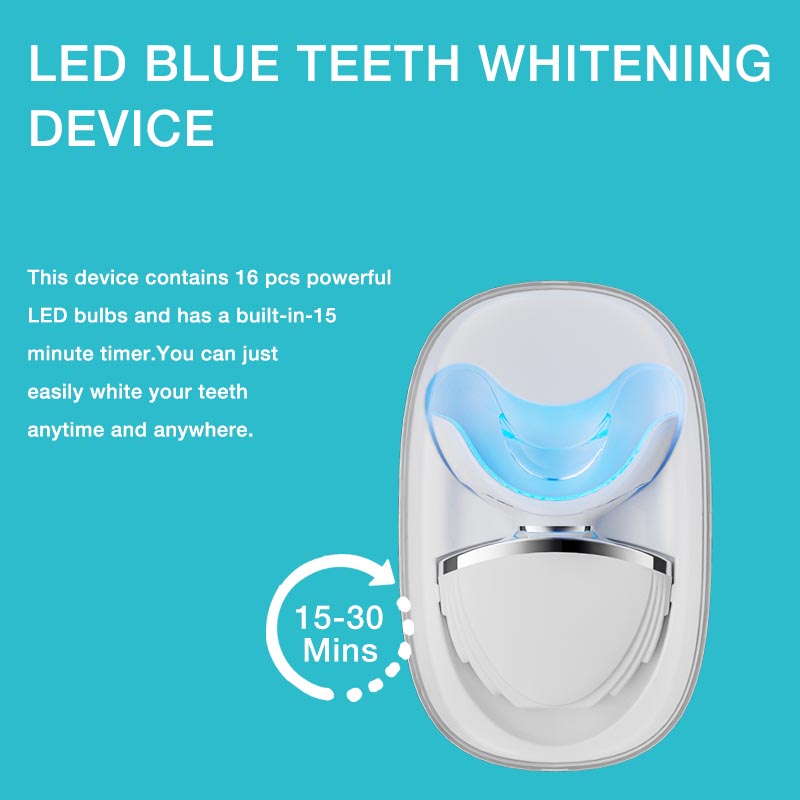
If you want healthy and whiter teeth, many people think of going to the dental hospital for ultrasonic cleaning or physical whitening. Little do people know that even the most thorough cleaning every six months still cannot replace good daily dental self-care. Here are some good habits to whiten your teeth and for healthy and white teeth given by professional doctors. 1. Remove bacteria Toothbrushes, dental floss, mouthwashes, etc. can remove bacteria in the mouth. A Pittsburgh oral public health dentist named Helen said that both gum disease and tooth decay are caused by bacteria. If there is not enough time during the day, there is always a solution. Many times, when you get home from get off work, before making dinner, you can use some wooden toothpicks or dental floss. 2. Make an appointment with the dentist for care every six months Think about the mold in the damp place in the bathroom. A dentist named Gayla in Pennsylvania said that mold is easy to grow in a dark, warm and humid environment. The same is true for oral teeth, especially the gums. The food left there after chewing is easy to grow bacteria. Therefore, go to the dentist…
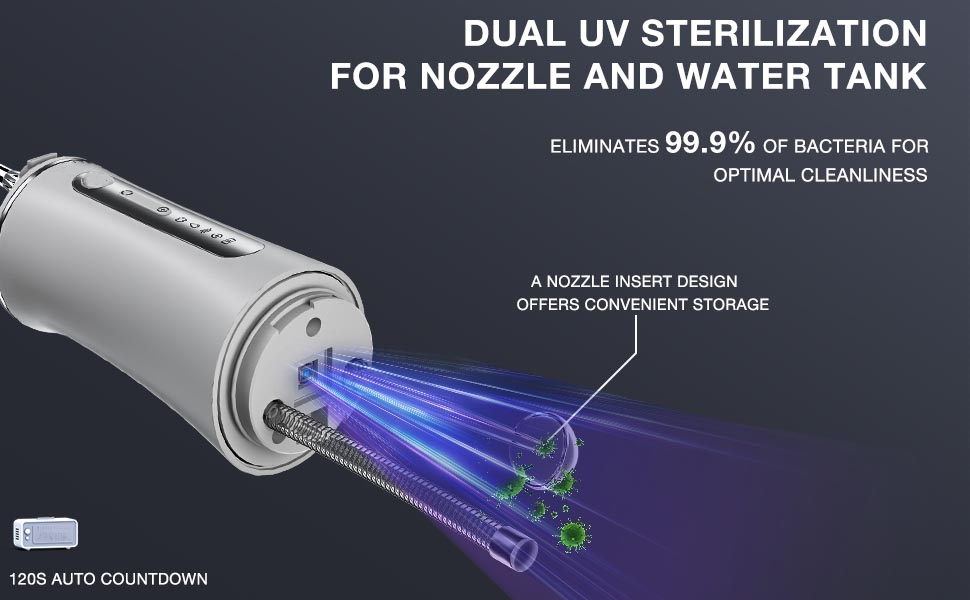
Oral hygiene is an important part of maintaining good health, and brushing and using an oral irrigator are the basis of oral hygiene. However, many people are not clear about the correct answer to the question of whether to use an oral irrigator or a toothbrush first. Today we will explore the answer to this question and provide you with some scientific advice to help you maintain good oral hygiene. Powsmart is one of the professional oral care products manufacturer in Shenzhen, offering OEM/ODM service for over 20 years. https://www.powsmart.com/about-powsmart/ Understand our mouth First, we need to understand the physiological structure of teeth and gums. The surface of the teeth itself is relatively hard, and general brushing can remove surface dirt and bacteria. However, bacteria and food residues in the gingival sulcus and teeth are more difficult to remove. This is because the gap between the teeth and gums in these areas is small, and there are a large number of capillaries and lymphatic tissues in the gingival sulcus, which are easy to breed bacteria and viruses. Therefore, using an oral irrigator can help better remove bacteria and food residues in these areas. Electric toothbrush and oral irrigator However, some…
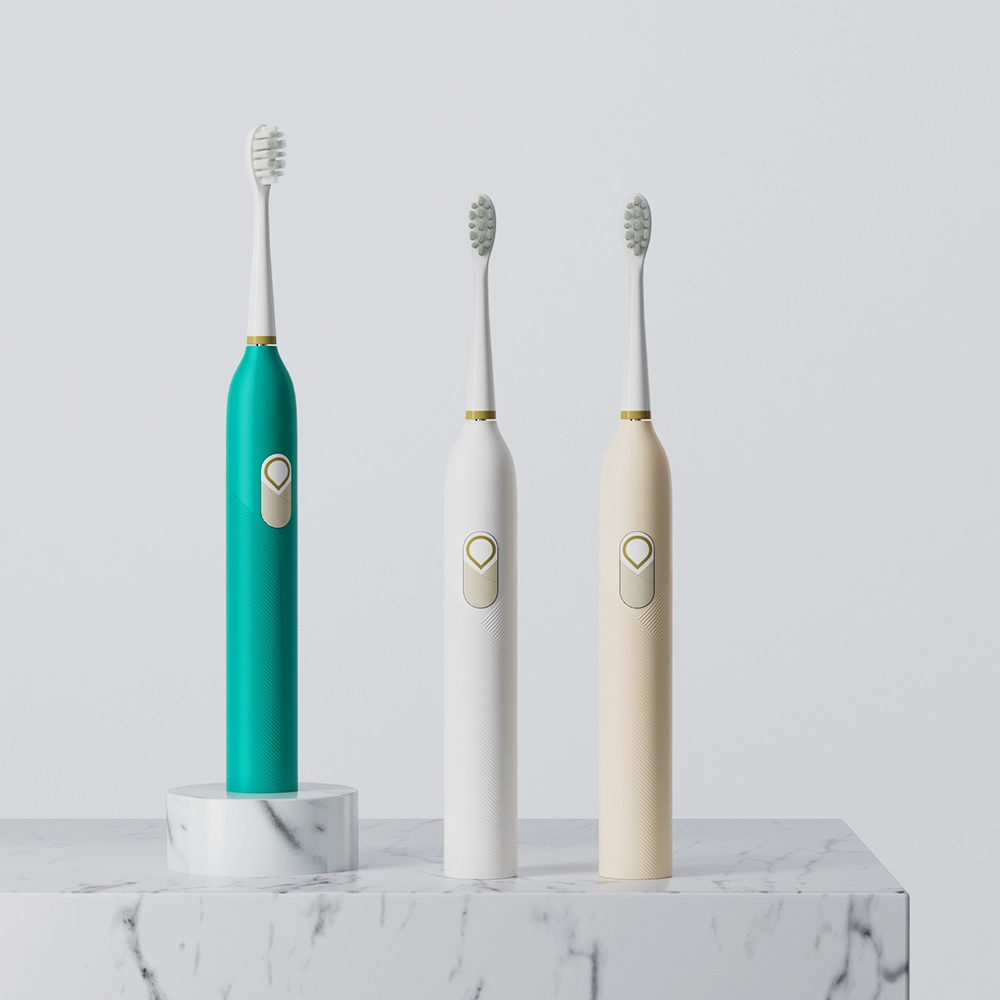
In today's fast-paced life, travelers and consumers who travel frequently are increasingly paying attention to convenient and effective oral care products. As a result, many manufacturers have launched travel size (portable) oral care products, such as travel size water flosser and travel size electric toothbrush, to help consumers maintain oral health at all times. This article will explore the five major benefits of portable oral care products. Easy to carry and easy to travel The biggest advantage of travel size oral care products is portability. Whether you are traveling for business or vacation, it can be a burden to bring bulky equipment. The compact travel size electric toothbrush and travel size water flosser can easily take with travel bags or hand luggage, saving space while ensuring that you do not sacrifice your oral health. Consumers can enjoy the convenience of daily care without interrupting their oral cleaning habits even when they are in a different place. Provide efficient cleaning to ensure oral health Despite their small size, these products are no less effective in cleaning. The travel size water flosser has strong water pressure, which can effectively remove food debris and plaque between teeth to prevent oral problems. At the…
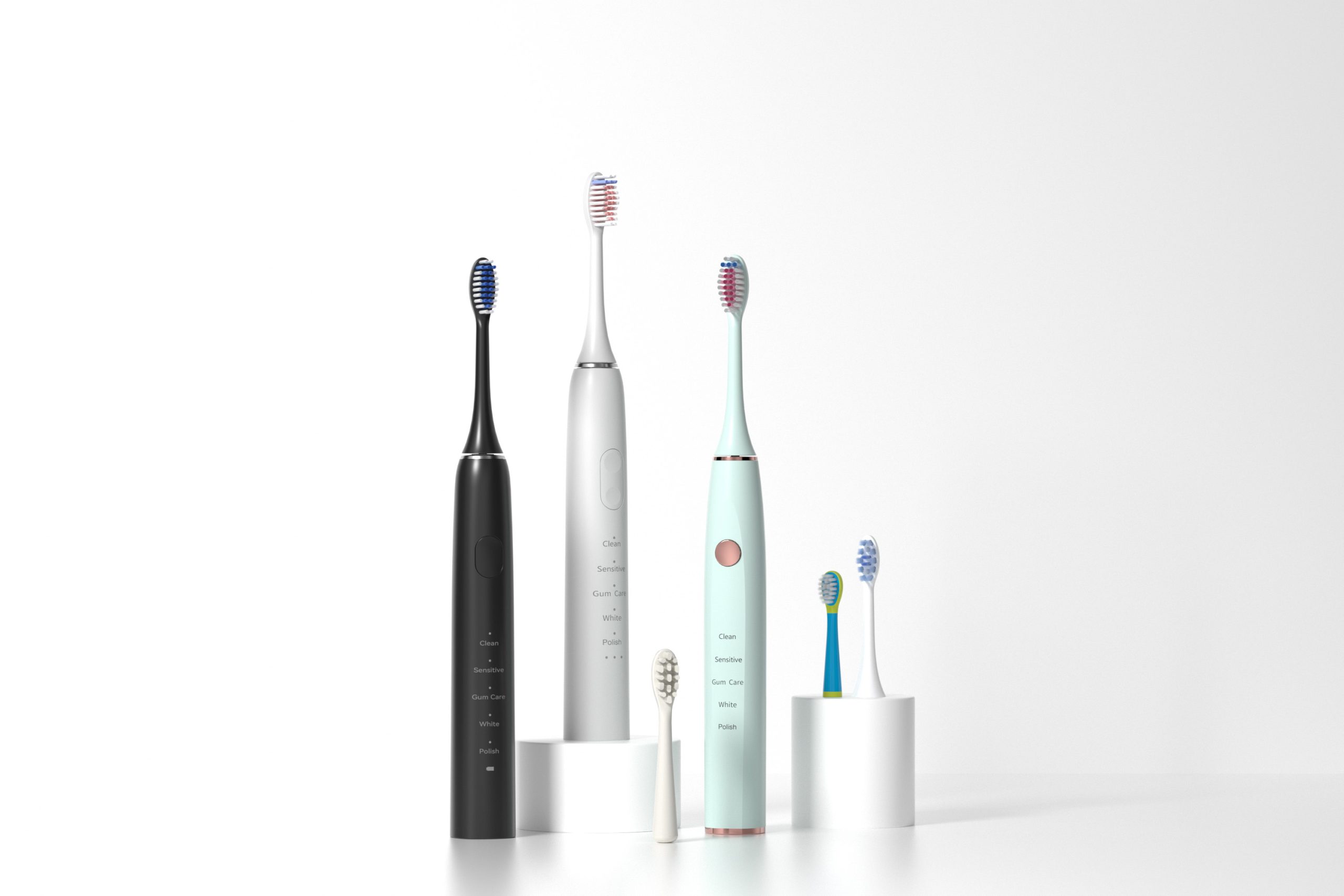
As families increasingly prioritize hygiene and efficiency in daily routines, the demand for smart, space-saving oral care products is growing. One standout innovation is the Family Electric Toothbrush Set with a Shared Charging Base. This design not only caters to modern consumer expectations but also opens up new opportunities for brands and retailers to create value-packed OEM electric toothbrush kits. What Is a Family Electric Toothbrush Set? A Family Electric Toothbrush Set typically includes 2 to 4 electric toothbrush handles, multiple brush heads, and a shared charging base. Each brush is color-coded or labeled for individual users, and the entire set is designed for household use. Key features include: Centralized charging to eliminate clutter Interchangeable brush heads Syncing options for smart brushing apps (in advanced models) Hygienic storage compartments This kind of bundled solution supports both functionality and affordability, making it increasingly popular in retail and online sales channels. Shared Charging Base: Compact, Cost-Efficient, and Practical The shared charging base is the cornerstone of cost-saving design. Instead of every toothbrush requiring its own charger, families can use one base for all handles, which leads to: Space optimization in bathrooms or travel kits Reduced material and manufacturing costs Lower power consumption Easier logistics and packaging for…
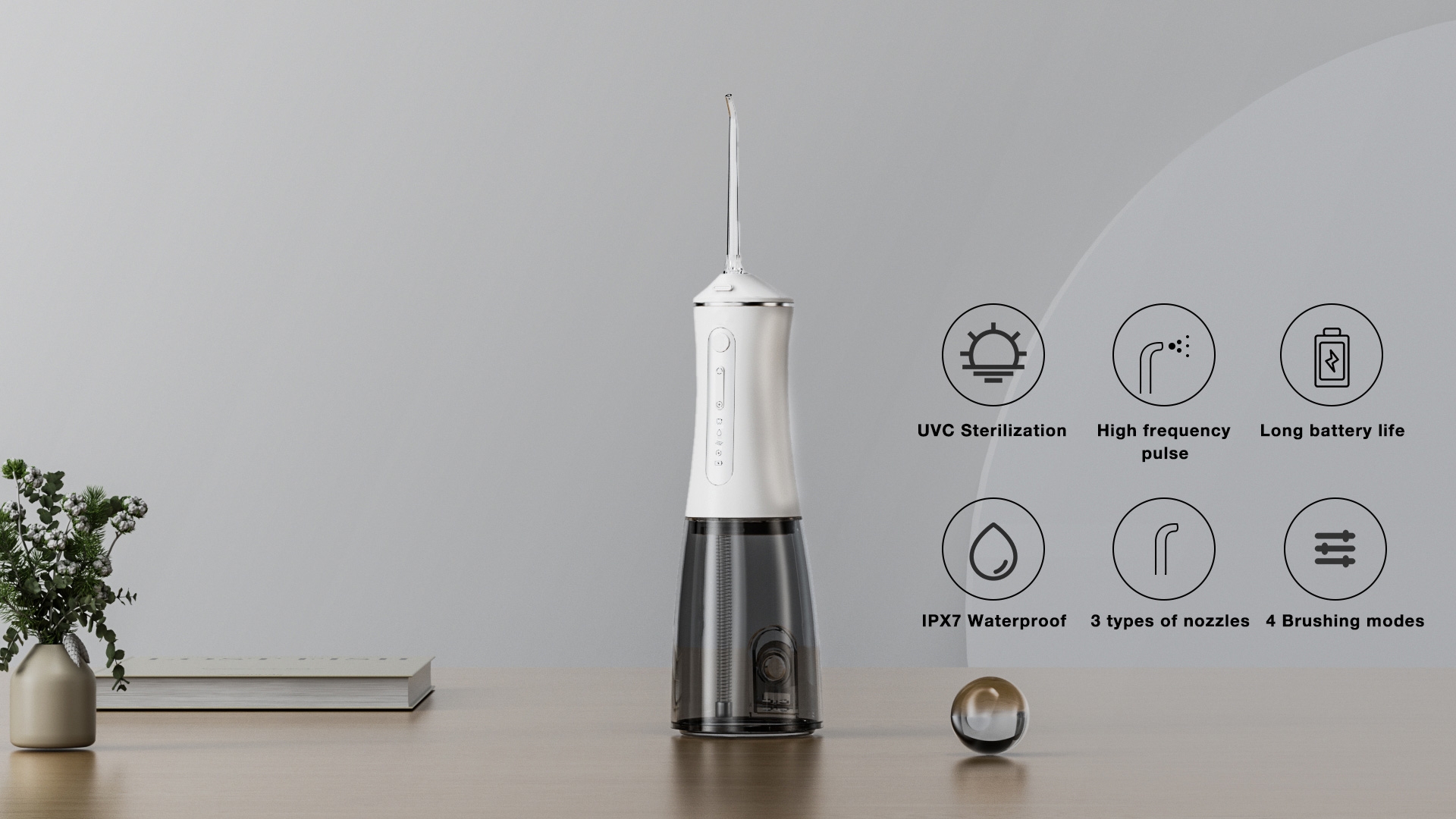
If you're sourcing oral irrigator, this bog will tell you how to choose the water flosser. An oral irrigator is a tool that cleans the teeth by pressurizing water and spraying it into the mouth. It has two different types: countertop and portable. Countertop: This type of oral irrigator is relatively large and needs to be charged before it can be operated, so it is more suitable for use at home and is not very convenient to carry out. It provides multiple gears to choose from to adapt to different usage scenarios. Its water tank has a large capacity and can meet the cleaning needs of the entire family after being filled with water once. Portable: It only has a charging station and the water tank is located at the handle. This type of oral irrigator is the smallest size on the market and can be easily held in the hand, making it very convenient to carry. Due to its compact size, small water tank capacity, and limited adjustable gear modes. If you need to use it frequently, it is a good choice; but if you need more adjustable gear modes, you may need to consider other options. How to…
With the continuous innovation of oral care, charcoal brush head have gradually gained favor among consumers. As an emerging tooth beautification tool, charcoal brush heads excel in teeth whitening and oral health. This article will explore several key points of charcoal brush heads and combine actual cases and data to gain an in-depth understanding of their advantages and disadvantages. How charcoal brush heads work Charcoal brush heads use the adsorption properties of activated carbon to help remove dirt and plaque from the surface of teeth. Studies have shown that activated carbon can effectively adsorb pigment molecules to help achieve teeth whitening. An experiment showed that users who used charcoal brush heads had a 25% improvement in teeth whitening, which proves the effectiveness of charcoal brush heads in daily care. Antibacterial properties of charcoal brush heads Charcoal brush heads not only perform well in whitening, but their antibacterial properties are also a highlight. The structure of activated carbon enables it to capture bacteria, reduce the growth of bacteria in the mouth, and thus maintain oral health. A clinical study showed that users who used charcoal brush heads had an overall 30% improvement in oral health scores and reduced the incidence of…
Oral health professionals often warn that improper brushing technique can damage delicate tissue—especially in users with sensitivity issues. This has brought innovation to the forefront, especially in products like the sensitive gums toothbrush equipped with the Powsmart pressure sensor. But how exactly does this technology help, and can it truly prevent gum bleeding? Understanding the Challenge of Sensitive Gums Gum sensitivity is not just uncomfortable—it can lead to bleeding, inflammation, and long-term periodontal issues if not addressed properly. Many toothbrushes on the market are too harsh or provide no feedback to prevent excessive pressure. This creates a common issue where users unknowingly aggravate already vulnerable gums. The Role of Pressure Sensors in Modern Toothbrush Design The Powsmart pressure sensor was specifically developed to counteract the risks associated with manual brushing force. Its purpose is to monitor and respond in real time to brushing pressure, and here’s how it functions in a sensitive gums toothbrush: Detects force above the optimal pressure threshold Triggers automatic response (e.g., slowing bristle movement or providing visual cues) Alerts the user to adjust grip or angle to reduce gum strain This feedback loop reduces the likelihood of users over-brushing, especially in high-risk areas like receding gum…
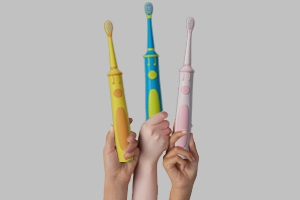
When it comes to Kids’ Electric Toothbrushes, safety is non-negotiable. As young children develop independent brushing habits, the risk of accidental swallowing or choking on detachable parts becomes a key concern. That’s why the anti-swallow toothbrushes design is becoming a critical innovation in this category. For oral care brands, partnering with a capable factory offering custom manufacturing solutions is essential to ensure both child-friendly designs and global compliance. What Is Anti-Swallow Design in Toothbrushes? The anti-swallow design refers to a set of structural features integrated into child safety toothbrush models to prevent any part of the toothbrush from entering the throat or being accidentally ingested. Key features include: Enlarged brush head bases that cannot be swallowed Non-detachable brush heads Specially designed handle grips for toddlers Safety shields or stoppers near the neck of the toothbrush This is especially important for Kids’ Electric Toothbrushes, where vibrating or rotating mechanisms may cause children to mouth the brush in unintended ways. The Role of Custom Manufacturing in Safety and Compliance For brands targeting the children’s oral care segment, working with manufacturers that specialize in custom manufacturing is vital. These manufacturers can design and produce anti-swallow toothbrushes tailored to specific age groups, safety standards, and branding requirements. Benefits of custom manufacturing…
.jpg)
In today’s children’s oral care market, 2-minute brushing routines, smart timers, and music-enhanced kids electric toothbrushes are becoming standard features. These functions are not only fun, but also serve a greater purpose: improving brushing compliance and oral hygiene outcomes. For OEM electric toothbrush buyers, understanding the effectiveness of these features is crucial in designing appealing and functional products for private label success. Why the 2-Minute Rule Still Matters According to global dental health guidelines, brushing for two full minutes ensures the entire mouth is cleaned effectively. Yet, many children brush for far less. That’s where 2-minute brushing timers come in—they help standardize healthy brushing duration from a young age. A toothbrush that supports this scientifically backed habit gives private label brands a strong selling point, especially when customized with engaging features. How Music Boosts Brushing Engagement Plain timers can feel boring, especially for children. However, smart timers paired with cheerful music have been proven to increase brushing time and consistency. Music serves as an audio cue, helping kids stay engaged without constantly watching a clock. Integrating this into a kids electric toothbrush can enhance brand differentiation and perceived value—an advantage for companies sourcing from OEM suppliers like Powsmart. Music Timing…


.jpg)
.jpg)
.jpg)
.jpg)
.jpg)



.jpg)
.jpg)

.jpg)
