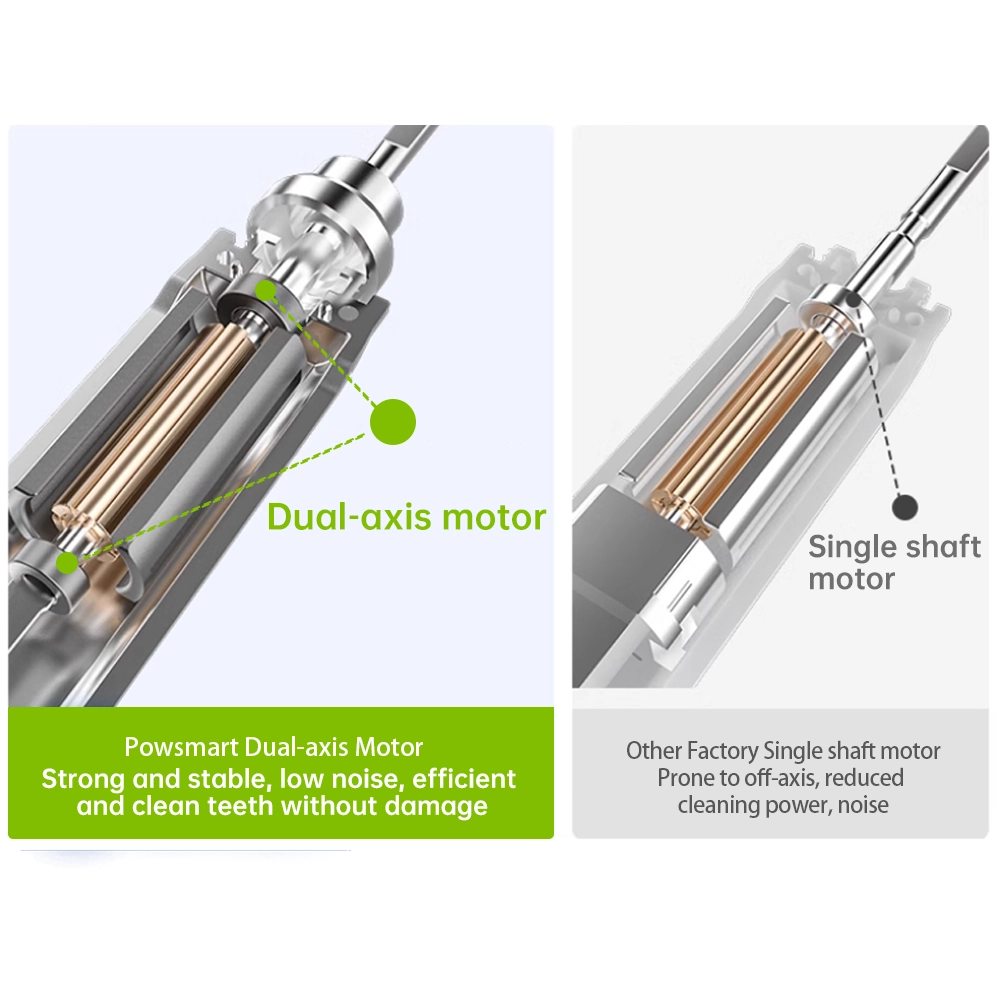
In the world of oral care, sonic toothbrushes have become a game-changer. With their ability to produce between 31,000 and 40,000 vibrations per minute, they promise deeper and more effective cleaning than traditional manual brushing. But what makes these sonic toothbrush motors so powerful? In this blog, we’ll explore the science behind sonic toothbrush vibrations and how they work to improve oral hygiene. The Role of Sonic Toothbrush Motors in Cleaning Effectiveness At the core of any sonic toothbrush is its motor, which drives the high-frequency vibrations essential for deep cleaning. Here’s how the motor functions: Motor Design: The motor inside a sonic toothbrush uses either a magnetic or linear actuator to create rapid back-and-forth motion. Vibration Frequency: Depending on the design, sonic toothbrush motors can produce anywhere from 31,000 to 40,000 vibrations per minute, significantly enhancing cleaning efficiency. Brush Head Movement: This rapid vibration translates into a high-frequency brushing motion that helps disrupt plaque and bacteria on the teeth and gums. The high vibration frequency ensures that the sonic toothbrush vibrations can reach areas traditional brushes can’t, such as between teeth and along the gumline. The Science Behind the High-Frequency Vibrations The effectiveness of sonic toothbrushes lies in the…
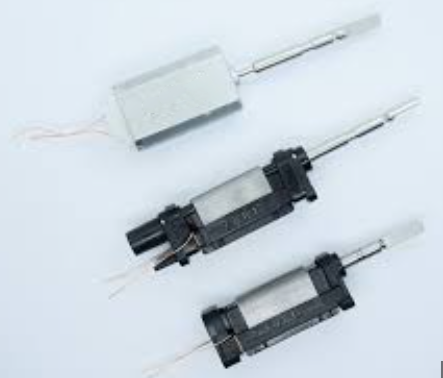
When it comes to the performance of sonic toothbrushes, the motor is arguably the most critical component. The motor determines the brushing efficiency, the feel of the brushing experience, and even the durability of the toothbrush. Among the most common motor technologies used today are Magnetic Levitation Motors and Traditional Motors. This article delves into the key differences between Magnetic Levitation Motors and Traditional Motors, and how they impact the overall performance of electric toothbrushes. https://www.powsmart.com/ Magnetic Levitation Motors: The Future of Sonic Toothbrushes Magnetic Levitation Motors have emerged as a cutting-edge technology in the sonic toothbrush industry, offering several advantages over traditional motor designs: Higher Efficiency: The absence of physical contact between moving parts reduces friction, leading to lower energy consumption and longer battery life. Quieter Operation: Magnetic levitation reduces vibrations, making the motor run more quietly, which is a key feature for consumers who prefer a quieter brushing experience. Increased Durability: With fewer moving parts, magnetic levitation motors are less prone to wear and tear, extending the lifespan of the toothbrush. Smoother Brushing Motion: The levitation effect enables a more consistent and powerful brushing motion, delivering superior plaque removal. As electric toothbrush private label services increasingly focus on innovation and premium performance, integrating…
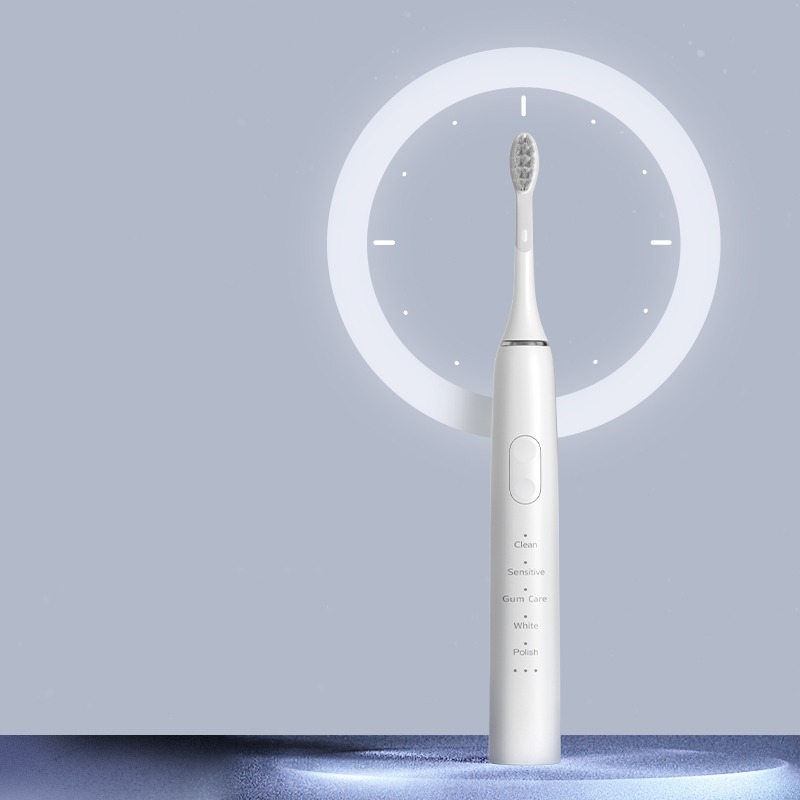
Introduction: The Competitive Edge of Self-Developed Motor Technology In the rapidly evolving oral care market, manufacturers are constantly seeking ways to differentiate their products. One key area of innovation lies in self-developed motor technology, particularly in electric toothbrushes. By designing and producing their own magnetic suspension sonic motors, manufacturers can achieve superior performance, reliability, and cost efficiency—giving them a significant advantage in the B2B marketplace. 1. Enhanced Cleaning Performance with High-Intensity Vibration Frequency A self-developed motor allows manufacturers to fine-tune the high-intensity vibration frequency to optimize cleaning efficiency. Unlike generic motors, custom-engineered solutions can deliver precise oscillations that effectively clean oral food residues and plaque, even in hard-to-reach areas. This level of performance ensures end-users receive a superior brushing experience, fostering brand loyalty. 2. Low Noise Operation for a Premium User Experience Noise levels can make or break a consumer’s perception of an electric toothbrush. With an in-house magnetic suspension sonic motor, manufacturers can minimize mechanical friction, resulting in low noise operation. This refinement enhances user comfort, making the product more appealing in both home and travel settings. 3. Long-Lasting Power for Reliability and Durability Battery life is a critical factor in consumer satisfaction. A self-developed motor can be optimized for energy efficiency, ensuring long-lasting power without compromising performance. This reduces…
The Motor—The Heart of Every Electric Toothbrush In the rapidly evolving oral care industry, performance and user experience are everything. While brush head design and battery life are essential, it is ultimately the electric toothbrush motor that determines how effective the product truly is.This blog dives deep into the technical aspects of how do motors improve cleaning efficiency, especially the rise of magnetic levitation motors and sonic technology, and explains how these innovations contribute to better cleaning results. We also highlight how OEM customized solutions empower brands to differentiate in a competitive market. Types of Motors Used in Electric Toothbrushes Understanding the different motor types is key to selecting the right technology for your target market: Conventional DC motors: Affordable, widely used in entry-level toothbrushes, but limited in vibration stability and lifespan. Magnetic levitation motors: The new industry standard for premium models. They offer smoother operation, higher vibration frequency, and lower noise. The choice of electric toothbrush motor affects everything from brushing effectiveness to product durability and comfort. Advantages of Magnetic Levitation Motor Technology Magnetic levitation motors use magnetic fields to suspend and move the internal rotor, reducing friction and improving control. Key advantages include: High vibration frequency (up to…
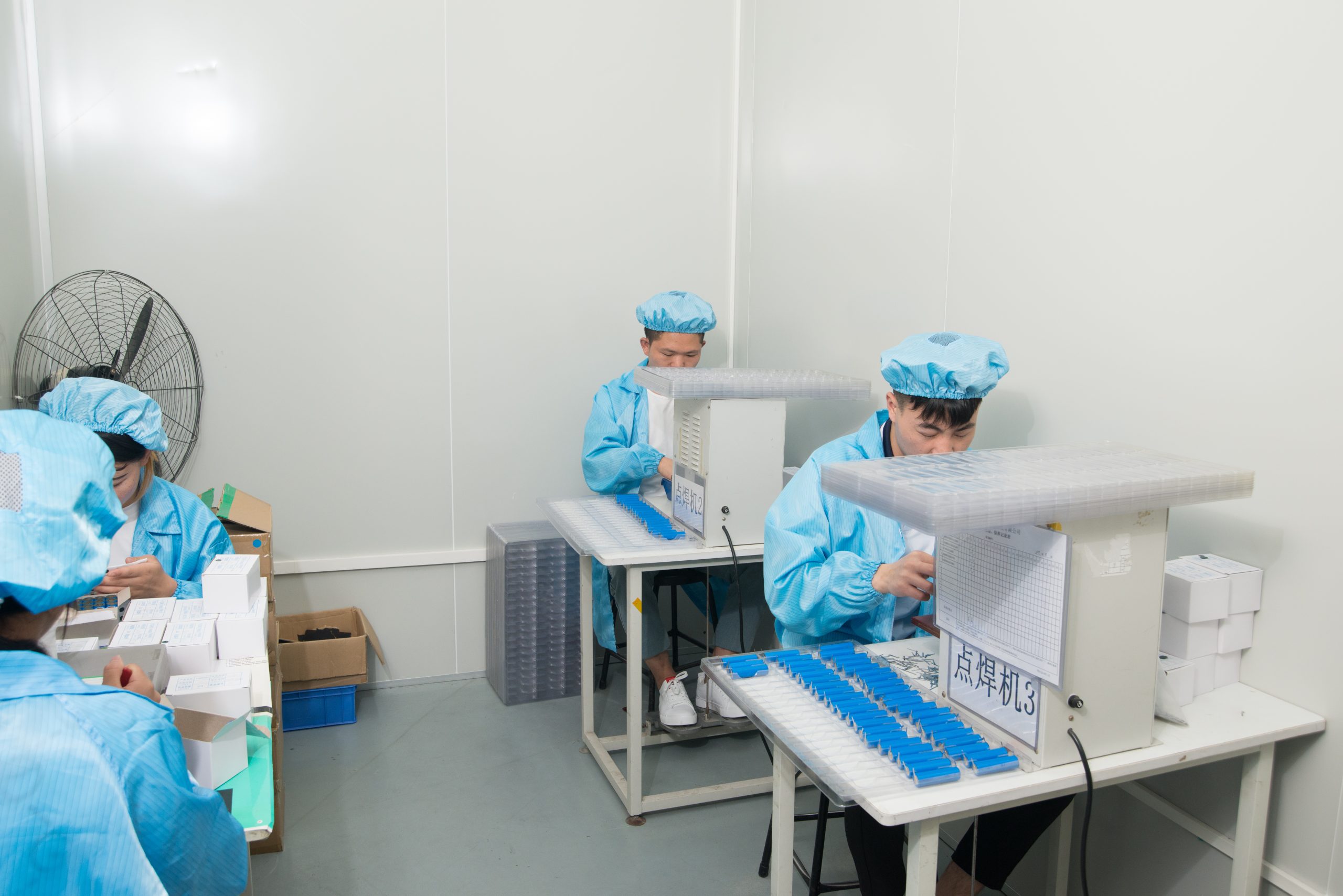
As the global demand for high-quality electric toothbrush continues to grow, brands and distributors are increasingly selective about the manufacturing partners they choose. The quality, reliability, and scalability of your supply chain begins with choosing the right factory. But what truly defines a trustworthy manufacturer in this space? In this blog, we outline the five essential characteristics of a high-quality electric toothbrush factory — the kind of partner that ensures product consistency, innovation, and long-term cooperation. Proven Manufacturing Experience – Over 20 Years in the Industry Experience matters, especially in precision manufacturing. A factory with over 20 years of manufacturing experience has: Refined production workflows Deep understanding of motor control and ultrasonic cleaning technology Proven ability to handle volume orders with consistent quality Such a factory is more than just a supplier — it is a strategic partner who understands market trends, end-user preferences, and regulatory challenges. Strict Quality Control Systems The production of high-quality electric toothbrushes depends on robust quality assurance procedures. Leading factories will have: QC checkpoints across every stage of production Automated testing equipment for vibration, battery life, and waterproofing Final product audits before packaging These practices ensure that every toothbrush delivered meets international standards and brand…
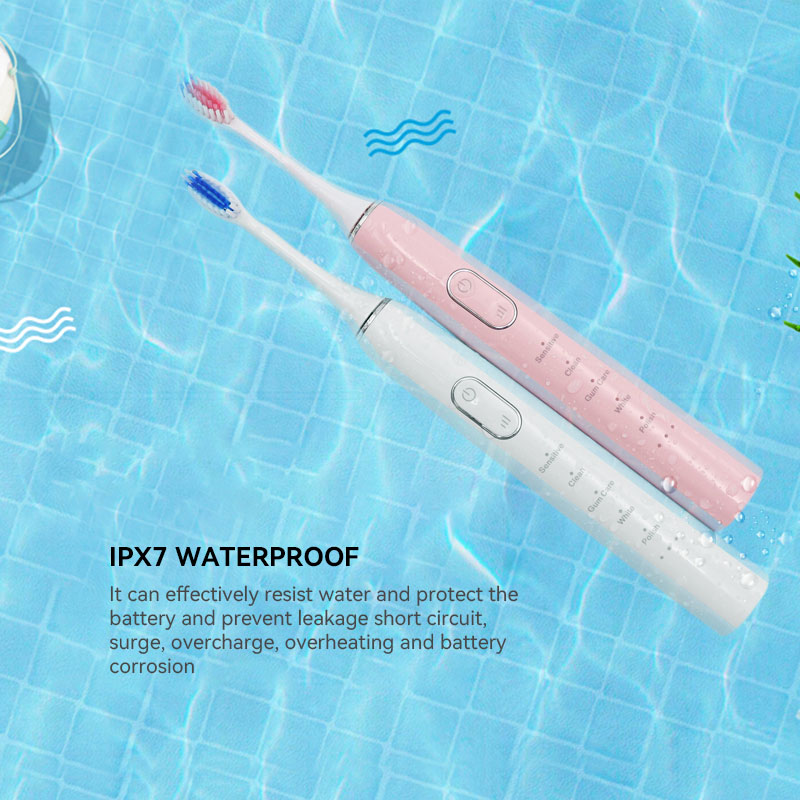
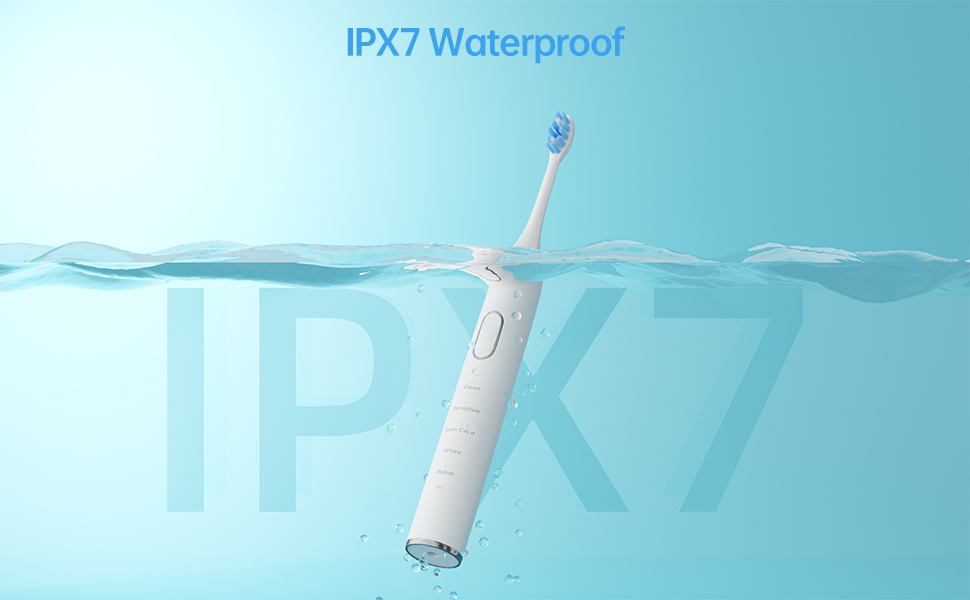
As a professional manufacturer of electric toothbrushes, we understand that waterproof performance isn't just a feature - it's a fundamental requirement. Here's why rigorous waterproof testing should be non-negotiable in your production standards. 1. Why 100% TEST Matters for Every Unit Unlike sample testing, implementing 100% TEST waterproof verification ensures no defective unit reaches consumers. Our production line automatically subjects each toothbrush to full immersion testing, catching even the slightest seal imperfections that could lead to water damage. This commitment to comprehensive testing has reduced our warranty claims by 37% year-over-year. 2. The IPX7 Standard: Minimum Requirement for Safety IPX7 certification (30 minutes at 1 meter depth) represents the baseline for quality electric toothbrushes. We go beyond this standard with our proprietary 72-hour accelerated water resistance test that simulates years of bathroom conditions. Products that pass this extreme evaluation maintain perfect functionality even after prolonged real-world use. 3. Before Inspection: Building Waterproofing Into Design True waterproofing begins before inspection at the design phase. Our engineering team uses: Ultrasonic welding for seamless housing Dual-layer silicone gaskets at all entry points Nano-coating on internal circuitsThis proactive approach ensures our products are born waterproof, not just tested to be so. 4. The Hidden Costs of Water Damage A…
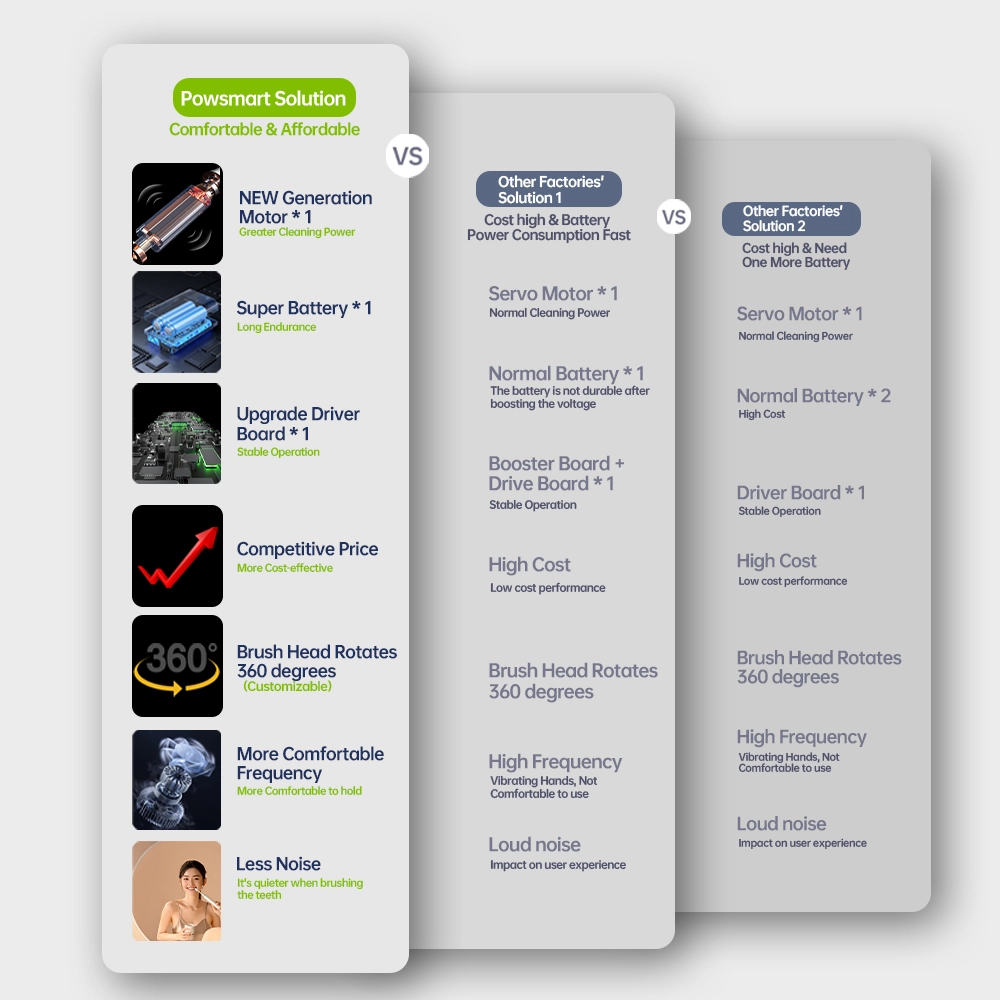
As electric toothbrushes continue to gain popularity, consumers are placing greater emphasis on cleaning power, comfort, and overall user experience. Core components of electric toothbrush — the electric toothbrush motor.This blog explores how high-performance motors, especially magnetic levitation motors powered by sonic technology, significantly enhance brushing efficiency. We’ll also cover how manufacturers can offer OEM customized solutions to help brands tailor performance for different user needs. Understanding the Electric Toothbrush Motor: The Core Driver of Cleaning Action The electric toothbrush motor is the core component of electric toothbrush that drives brush head movement, converting electrical energy into high-frequency mechanical oscillation. Its precision and power directly affect: Brushing speed (vibrations per minute) Stroke amplitude User comfort and noise level A well-designed motor ensures consistent motion and optimized vibration, delivering thorough plaque removal while protecting gum tissue. Magnetic Levitation Motor: Elevating Vibration Efficiency and Stability Among motor types, the magnetic levitation motor stands out due to its efficiency and low noise profile. It suspends the moving parts with magnetic force, reducing mechanical friction. Key benefits include: High-frequency oscillation (up to 42,000 times/min) Minimal energy loss and smoother vibration transfer Quiet operation compared to traditional motors Longer lifespan due to reduced wear For manufacturers, integrating magnetic levitation motors into electric toothbrush designs…
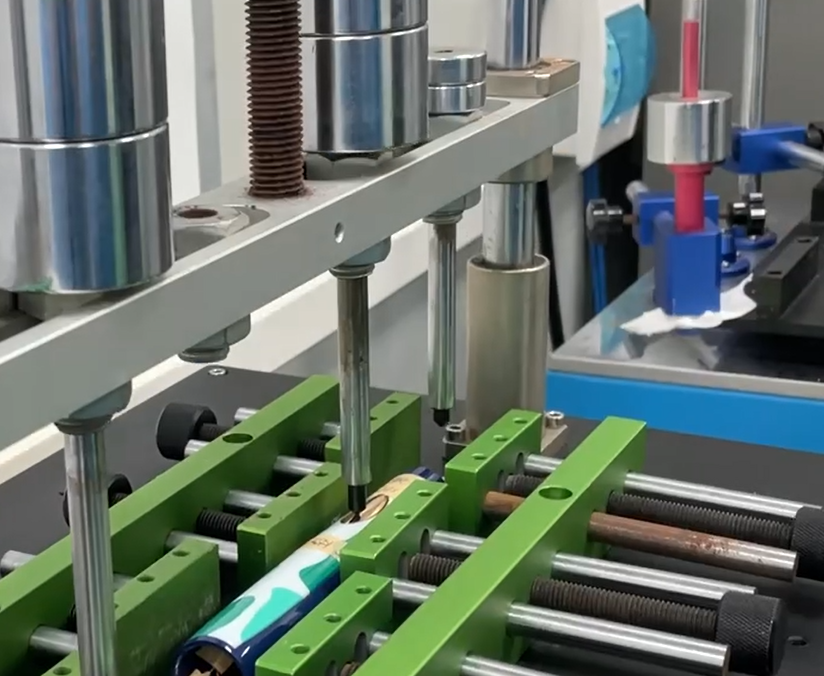
Ensuring high-quality electric toothbrushes is crucial for both manufacturers and consumers. A well-manufactured toothbrush not only enhances the user experience but also plays a vital role in maintaining oral health. For an ISO-certified manufacturer, adhering to strict electric toothbrush quality control processes is essential to meet global safety and performance standards. This blog will explore the manufacturer quality control process and highlight five essential testing standards that every oral care quality control program should follow. Material Safety and Compliance Testing The first step in quality control is ensuring that all materials used in electric toothbrush production are safe, non-toxic, and compliant with international regulations. Key factors include: BPA-Free and FDA-Approved Materials: The plastic components, bristles, and rubber elements must be free from harmful substances. RoHS and REACH Compliance: Ensuring that the product is free from hazardous substances like lead, mercury, and cadmium. ISO 10993 Biocompatibility Testing: This standard ensures that materials in contact with the human body do not cause irritation or allergic reactions. Mechanical Durability and Life Cycle Testing A high-quality electric toothbrush should withstand long-term use without mechanical failure. Manufacturer quality control processes should include: Motor Performance Testing: Verifying that the brush maintains consistent power and vibration levels over its lifespan. Drop…
With the increasing popularity of electric toothbrushes, ensuring their durability and longevity has become a key concern for both manufacturers and consumers. One of the most common issues affecting product performance is the water ingress problem in electric toothbrush charging ports. When water seeps into the charging port, it can cause short circuits, corrosion, and device failure. From a manufacturing perspective, preventing water damage requires careful engineering, material selection, and production techniques. In this article, we will analyze the causes of water ingress, explore effective prevention tips for water ingress problems, and discuss advanced solutions to enhance the reliability of charging ports. Understanding the Water Ingress Problem in Charging Ports The charging port of an electric toothbrush is exposed to a high-moisture environment due to regular use in bathrooms. Water ingress can occur due to: Condensation: Steam from hot water can accumulate inside the device. Direct exposure: Splashes from rinsing or accidental submersion in water. Capillary effect: Water creeping into small gaps in the charging port design. If not addressed properly, water ingress can lead to:Electrical failure – Short circuits and malfunctions.Corrosion – Internal components degrade over time.Reduced lifespan – Frequent replacements and increased warranty claims. Common Weaknesses in Charging Port Designs Manufacturers need to be…
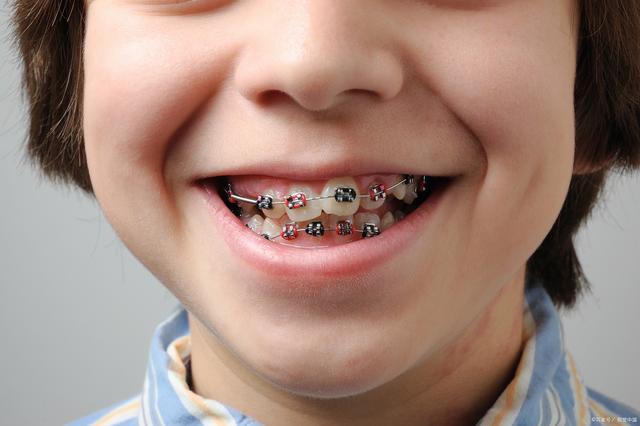
Adolescents undergoing fixed orthodontic treatment often face challenges in maintaining proper oral hygiene. Braces and wires create hard-to-reach areas where plaque can accumulate, leading to issues like gingivitis and tooth decay. As a leading manufacturer of oral care products, we’ve conducted research to understand how electric toothbrushes, particularly those with sonic vibration technology, can address these challenges. In this blog, we’ll explore the high efficiency of electric toothbrushes in providing deep cleaning for adolescents with fixed orthodontics. 1. The Challenge of Poor Oral Hygiene in Orthodontic Patients Fixed orthodontic appliances, such as braces, make it difficult for adolescents to clean their teeth effectively. Food particles and plaque often get trapped around brackets and wires, increasing the risk of gingivitis (gum inflammation) and other oral health issues. Traditional manual brushing may not be sufficient to remove plaque from these complex areas, leading to a higher prevalence of oral hygiene problems among orthodontic patients. 2. How Electric Toothbrushes Address These Challenges Electric toothbrushes, especially those with sonic vibration technology, are designed to tackle the unique challenges faced by orthodontic patients. The rapid movements of the brush head, often reaching thousands of vibrations per minute, create micro-movements that dislodge plaque and food particles from around brackets and wires. This high efficiency ensures a more thorough clean compared to…
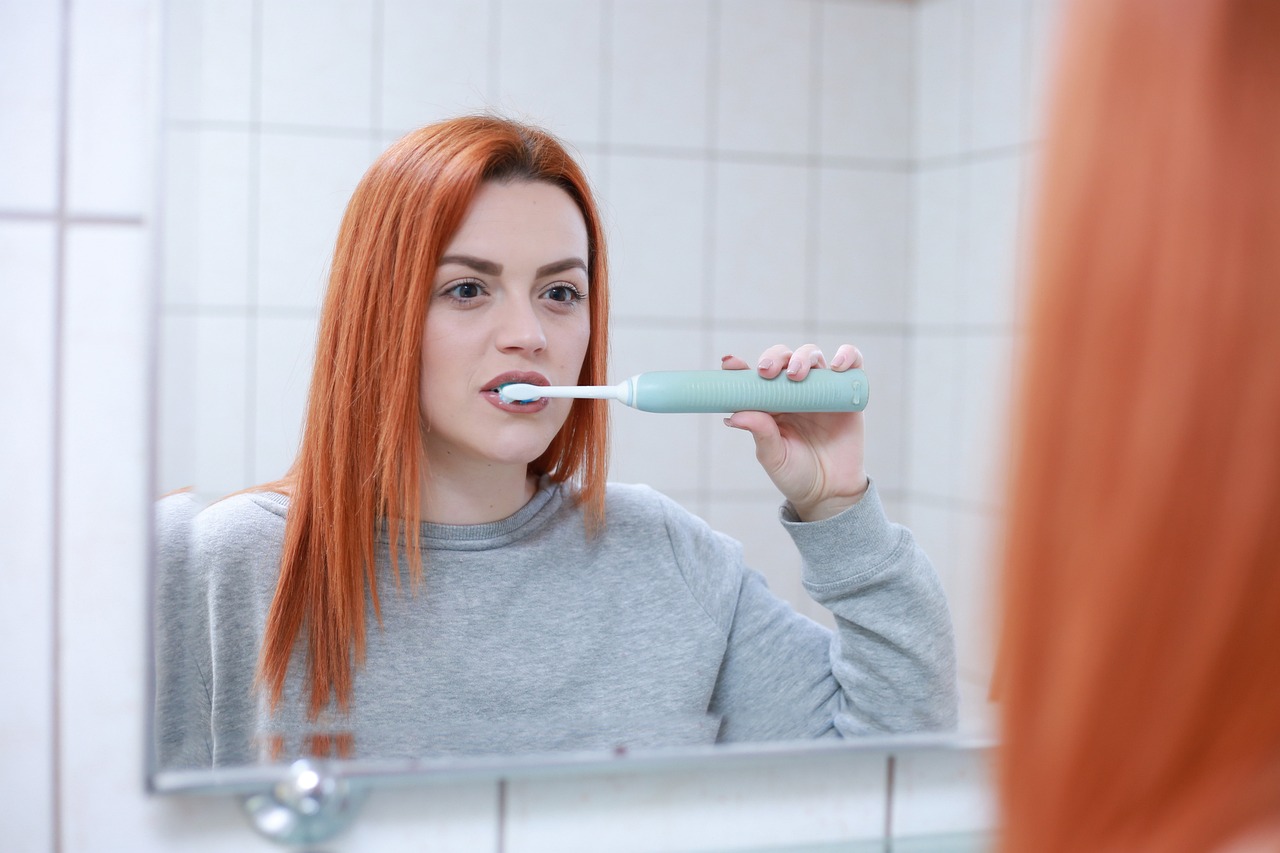
Electric toothbrushes have revolutionized oral care, offering a level of cleaning efficiency that manual brushes simply cannot match. As a leading manufacturer in the dental care industry, we have conducted extensive research and analysis to understand the advantages of electric toothbrushes and their growing role in modern oral hygiene. In this blog, we’ll explore why electric toothbrushes have become an essential part of your daily routine. And how they outperform traditional brushing methods. 1. Superior Cleaning efficiency: Clean Teeth and Gums Effectively One of the advantages of electric toothbrushes is their ability to clean teeth and gums more effectively than manual brushes. Presently Studies have shown that electric toothbrushes can remove up to 100% more plaque compared to manual brushing. This is due to bristle movements operate at thousands of revolutions per minute, ensuring a thorough clean even in hard-to-reach areas. So the oscillating, rotating, or sonic technology used in electric toothbrushes disrupts and removes plaque buildup, reducing the risk of cavities and gum disease. 2. Enhanced Plaque Removal Plaque is a sticky film of bacteria that forms on teeth and gums, leading to oral health issues if not properly removed. Electric toothbrushes are specifically designed to tackle plaque more cleaning efficiency. Their high-speed movements and…
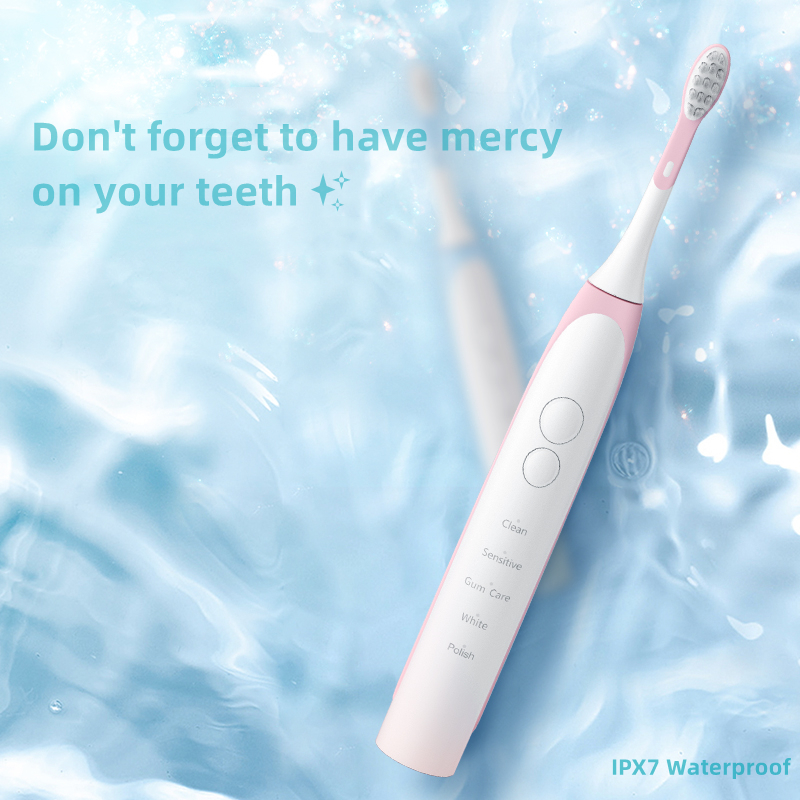
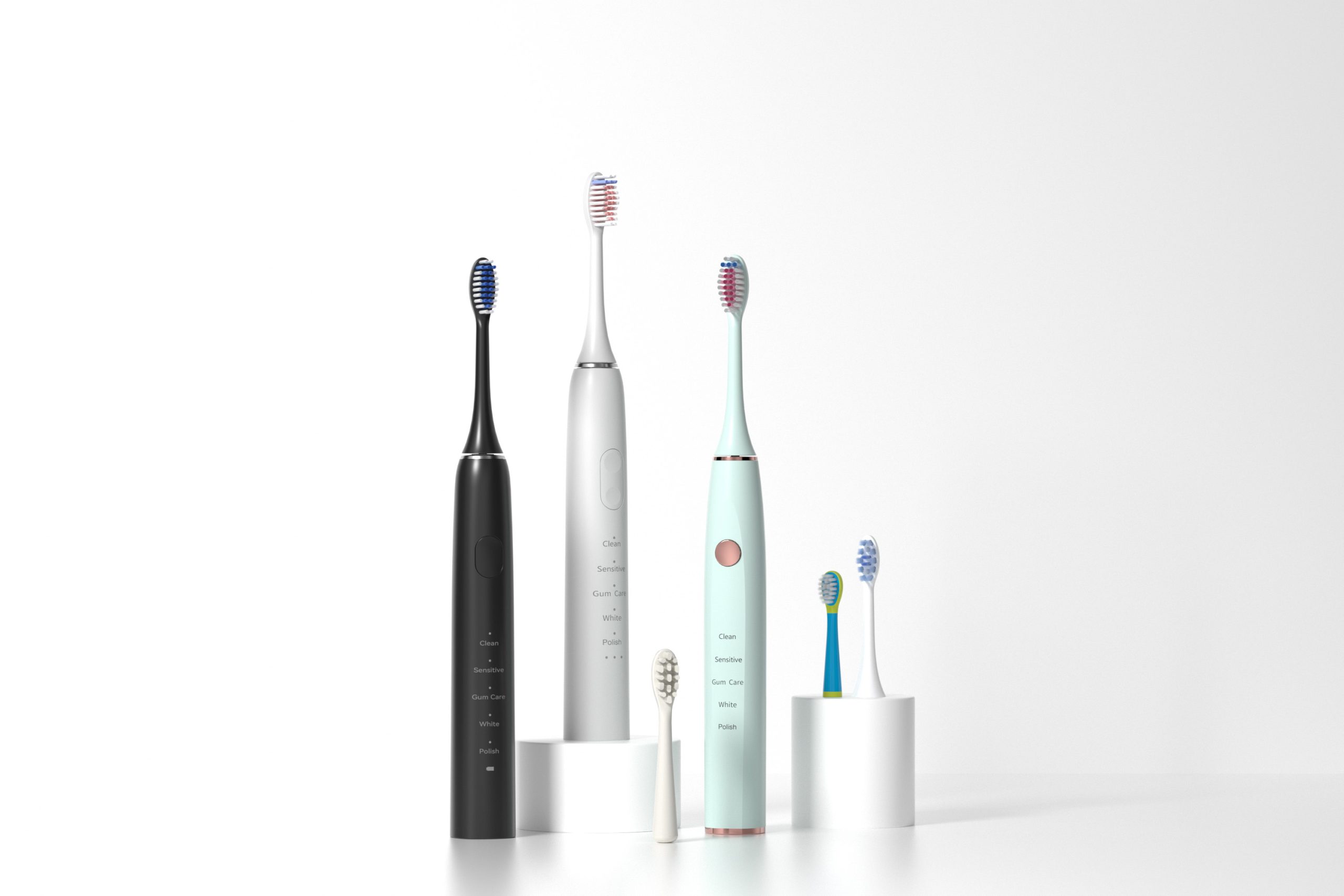
In the world of oral care, electric toothbrushes have become a game-changer, offering superior cleaning performance compared to manual brushes. However, with so many options available, choosing the right electric toothbrush can be overwhelming. As a trusted manufacturer in the dental care industry, PowSmart are here to guide you through the key factors to consider when selecting the perfect electric toothbrush for your needs. 1. Understand the Core Functions The function of an electric toothbrush is its primary purpose: to clean your teeth effectively. When evaluating options, look for brushes with multiple cleaning modes, such as daily clean, gum care, whitening, and sensitive modes. These modes allow you to customize your brushing experience based on your oral health needs. For example, if you have sensitive teeth or gums, a brush with a gentle mode can make a significant difference. Advanced models may also include pressure sensors to prevent over-brushing, ensuring a safe and effective cleaning experience. 2. Evaluate Work Efficiency Work efficiency is a critical factor when choosing an electric toothbrush. The brush’s ability to remove plaque and improve gum health depends on its motor power and bristle movement. Look for brushes with high oscillations per minute (OPM) or sonic technology, which can…
Motor frequency is a key factor influencing the cleanliness of electric toothbrushes. Choosing the right frequency directly impacts cleaning efficiency, user comfort, and overall brushing effectiveness. As an electric toothbrush manufacturer with our own sonic motor production line, Powsmart is going to introduce the importance of motor frequency selection, conduct a comparison of cleaning effects, and examine the relationship between frequency and noise to help optimize the electric toothbrush designs. https://www.powsmart.com/about-powsmart/ Understanding Motor Frequency in Electric Toothbrushes Motor frequency refers to the number of vibrations or rotations per minute (RPM) that an electric toothbrush motor generates. It determines how effectively plaque and debris are removed from teeth and gums. Generally, electric toothbrush motors fall into two categories: Sonic toothbrushes: 24,000 to 48,000 vibrations per minute Rotary toothbrushes: 2,500 to 7,500 oscillations per minute Choosing the optimal motor frequency is crucial for ensuring a balance between deep cleaning and user comfort. Motor Frequency Selection: Key Factors to Consider Selecting the right motor frequency involves considering multiple factors, including: Cleaning performance: Higher frequencies generally enhance plaque removal but may not be suitable for all users. Gum sensitivity: Users with sensitive gums may prefer lower frequencies to reduce irritation. Battery efficiency: Higher frequencies tend…
With the growing demand for durable and high-performance electric toothbrushes, We are continuously improving the electric toothbrush waterproofing technology. A breakthrough in waterproofing technology ensures longer product lifespan, enhanced user safety, and better overall functionality. From the perspective of an electric toothbrush manufacturer, Powsmart provides a detailed explanation of waterproof technology, explores different waterproof levels, and discusses comprehensive waterproof solutions for electric toothbrushes in this blog. Why Waterproofing is Critical for Electric Toothbrushes Electric toothbrushes operate in humid environments and are frequently exposed to water. Without proper waterproofing, issues such as motor damage, battery failure, and short circuits can arise. Key benefits of advanced waterproofing technology include: Enhanced durability: Protection against water ingress ensures long-lasting performance. User safety: Prevents electrical hazards caused by water exposure. Improved product reliability: Reduces maintenance costs and increases customer satisfaction. Detailed Explanation of Waterproof Technology Achieving full waterproofing in electric toothbrushes requires multiple layers of protection. The core waterproof technology methods include: a. Seamless Housing Design A fully sealed casing with minimal gaps prevents water penetration. Ultrasonic welding and precision molding are commonly used to achieve a seamless structure. b. Advanced Sealing Materials The use of high-quality rubber gaskets and silicone seals around critical areas, such as the battery…
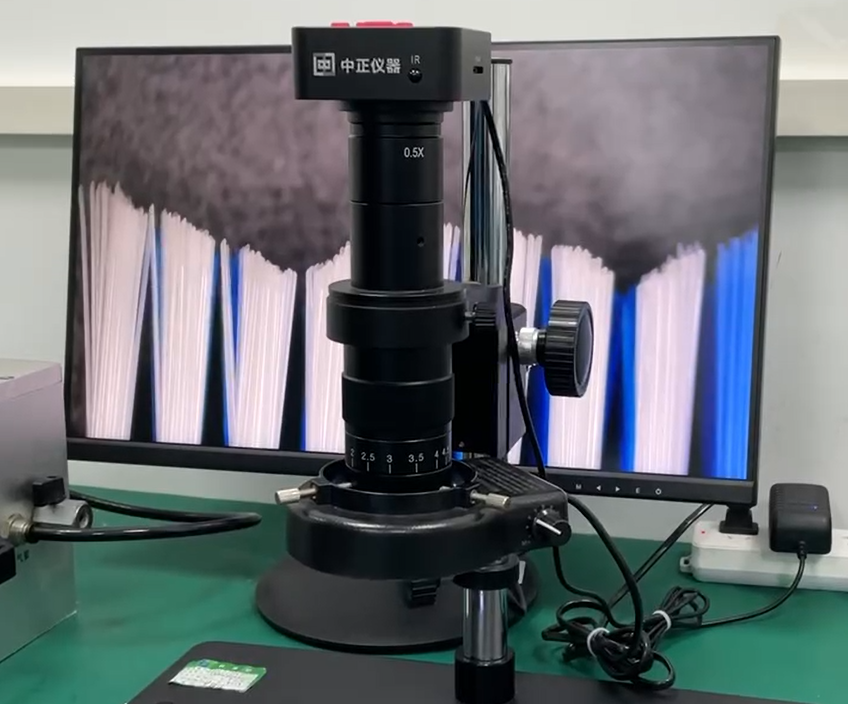
The quality of electric toothbrush bristles plays a crucial role in ensuring an optimal brushing experience. The Electric toothbrush bristle Implantation process has evolved to provide enhanced durability, comfort, and efficiency. However, choosing the right bristles requires an understanding of various factors, including material composition, manufacturing techniques, and implantation methods. In this article, we will explore how to select the most suitable bristles for electric toothbrushes, comparing different transplantation processes and analyzing bristle materials. https://www.powsmart.com/ Understanding the Electric Toothbrush Hair Transplantation Process The Electric toothbrush bristle Implantation process involves embedding bristles into the toothbrush head using specialized technology. This process impacts bristle retention, durability, and overall user experience. The most common methods include: Staple-type implantation: Traditional and widely used, this method involves embedding bristles into a brush head with the help of metal staples. Hot-melt implantation: A more advanced technique that melts bristle bases into the toothbrush head, eliminating the need for metal staples and ensuring a softer feel. Ultrasonic welding: This method uses ultrasonic waves to fix the bristles securely, offering superior strength and longevity. Each technique affects the firmness and lifespan of the bristles, making it essential to choose the right transplantation method based on the target audience and usage…
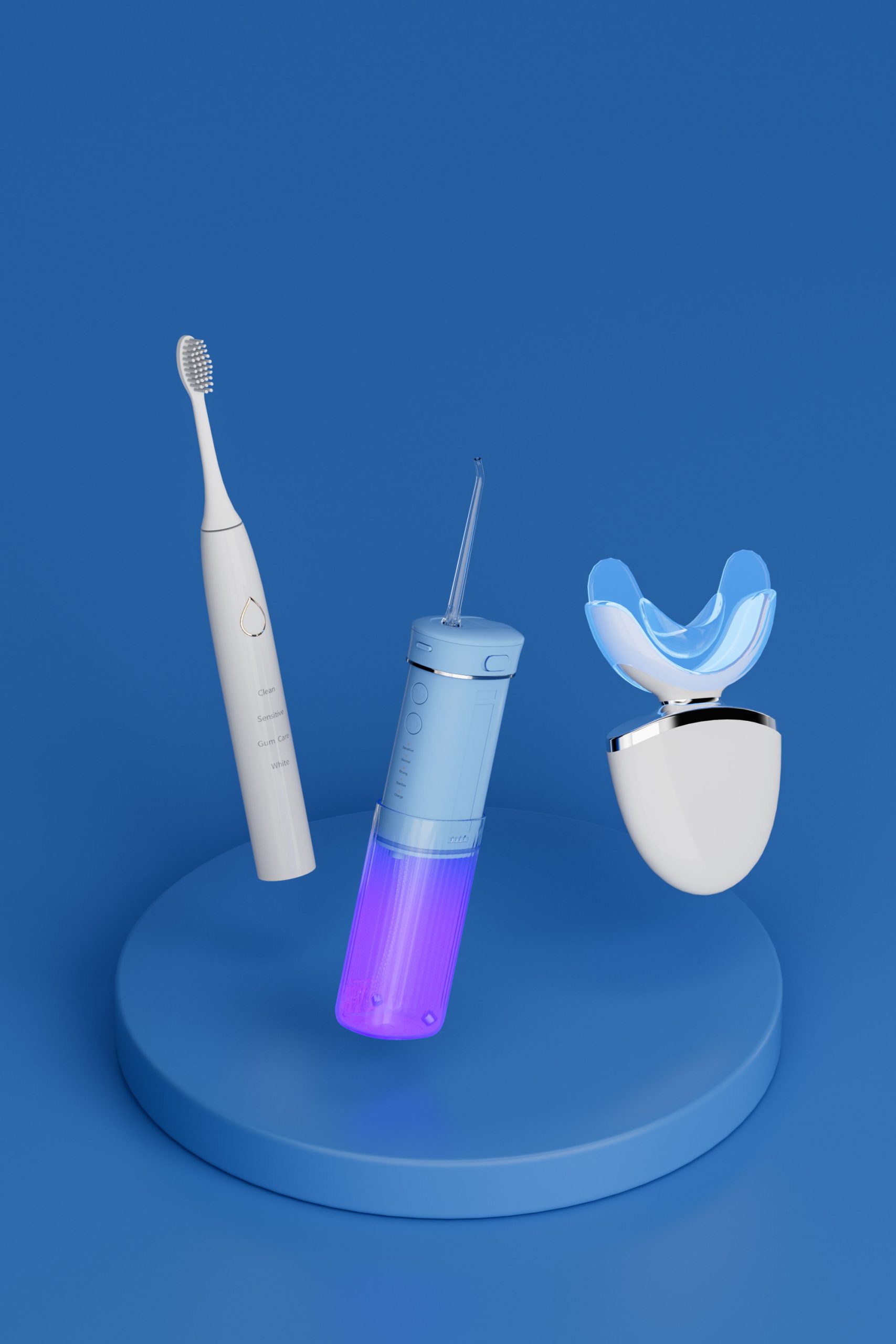
With the growing consumer demand for durable and reliable personal care devices, waterproof technology for electric toothbrushes has evolved rapidly. Manufacturers are focusing on enhancing product longevity, user safety, and overall performance through innovative waterproofing solutions. This article explores the latest advancements in electric toothbrush waterproof technology, potential future directions, and its application scenarios in both consumer and professional markets. Advances in IP Ratings for Electric Toothbrushes Ingress Protection (IP) ratings are a key benchmark for evaluating waterproof technology for electric toothbrushes. Modern toothbrushes are increasingly adopting higher IP ratings, such as IPX7 and IPX8, ensuring full submersion resistance for extended periods. This advancement not only enhances the longevity of electric toothbrushes but also allows users to clean them thoroughly without damaging internal electronics. Ultrasonic and Nanocoating Waterproofing Solutions Traditional waterproofing relies on mechanical seals and rubber gaskets. However, recent developments include nanocoating technology, which involves applying an ultra-thin, hydrophobic layer that repels water at the molecular level. Additionally, ultrasonic welding technology ensures seamless bonding of plastic components, eliminating potential entry points for moisture and improving durability. Wireless Charging and Waterproof Integration The shift towards wireless charging in electric toothbrush future directions has significantly contributed to improved waterproofing. Removing the need for…
.jpg)
As the demand for high-performance electric toothbrushes grows, manufacturers must ensure that their products meet the highest standards of reliability testing and align with the principles of sustainable development. Long-lasting performance, durability, and eco-conscious production are key to staying competitive in today’s market. In this blog, we will explore how rigorous reliability testing enhances product longevity and how manufacturers can adopt sustainable development strategies to minimize environmental impact while maintaining superior quality. Why Reliability Testing is Essential for Electric Toothbrushes A high-quality electric toothbrush must endure daily use while maintaining efficiency and safety. Reliability testing is crucial for ensuring: Durability – The toothbrush withstands thousands of brushing cycles without losing performance. Motor Efficiency – The internal motor maintains consistent power output over long-term usage. Battery Longevity – The rechargeable battery supports extended usage and retains charging capacity. Water Resistance – The device remains fully functional after exposure to moisture and immersion. Bristle Endurance – The brush head maintains its integrity even after months of use. By implementing stringent reliability testing protocols, manufacturers guarantee that their electric toothbrushes meet industry standards and consumer expectations. Key Reliability Tests for Electric Toothbrushes To ensure long-term performance, electric toothbrushes undergo a series of specialized…
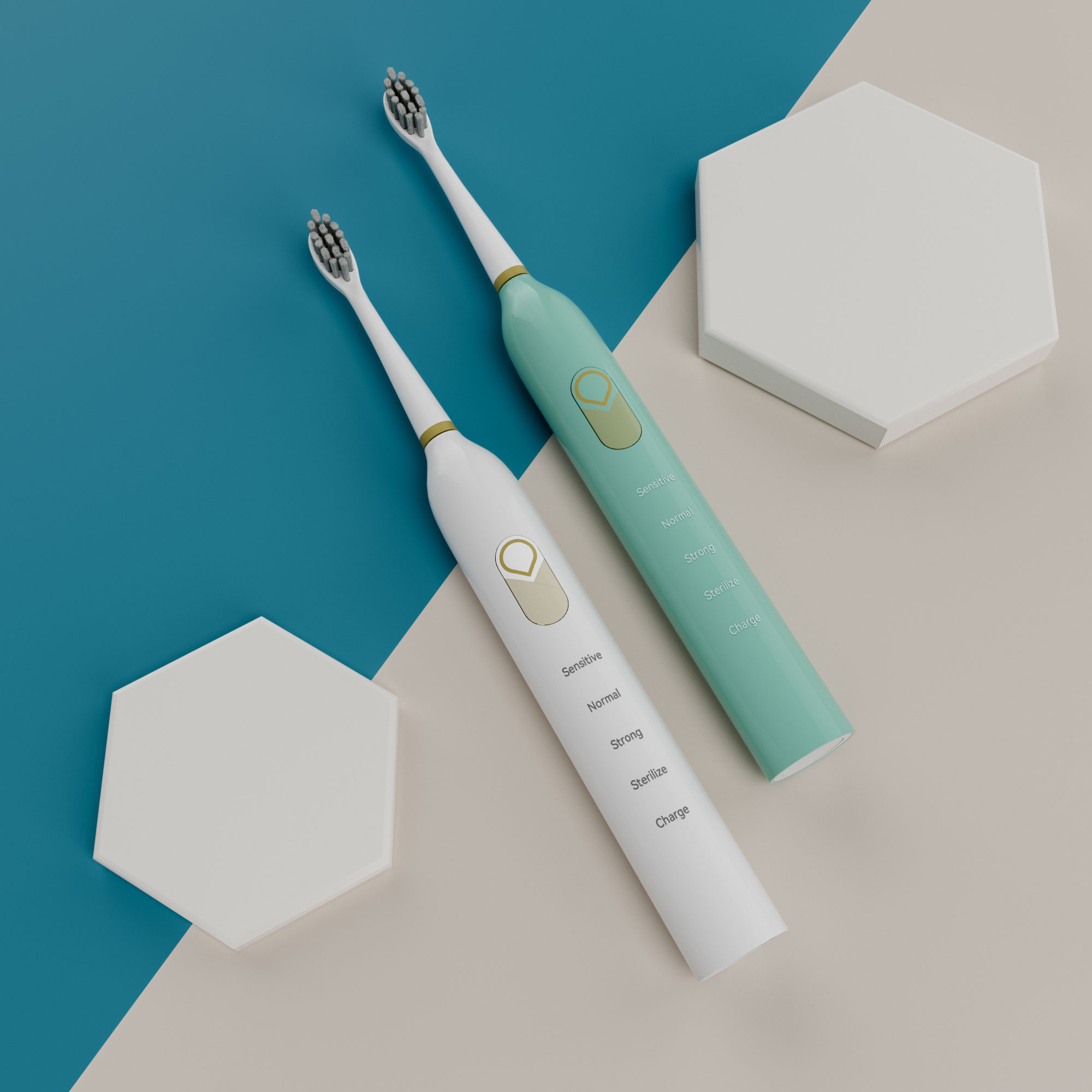
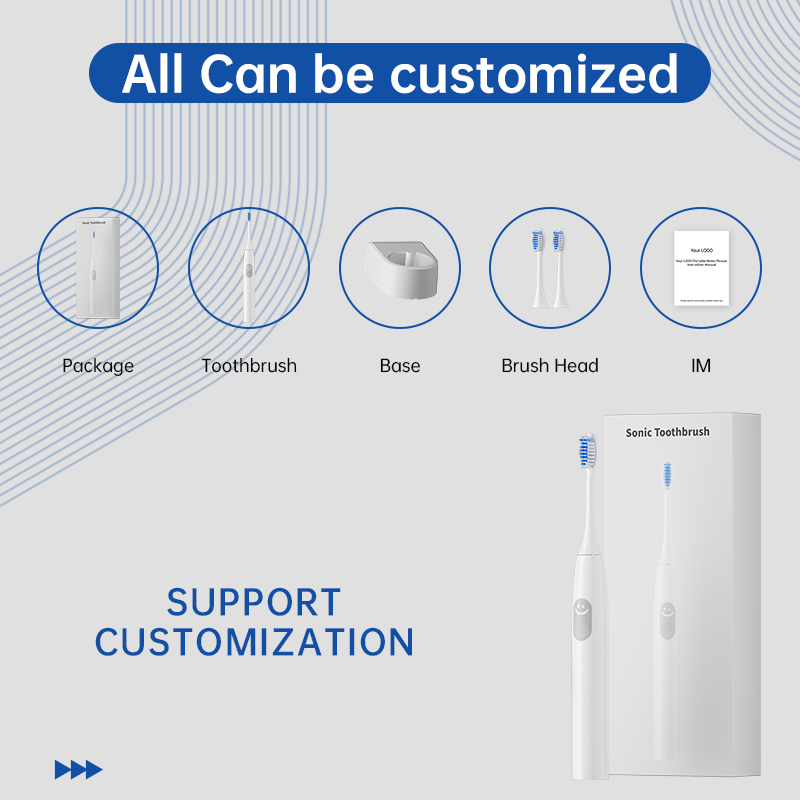
With rising consumer expectations and an increasingly competitive market, brands need more than just high-quality products—they need innovative Customized Packaging solutions that enhance customer experience and reinforce brand identity. For sonic electric toothbrush manufacturers and suppliers, efficient packaging not only ensures product safety but also plays a crucial role in global supply chain optimization. In this blog, we will explore how customized packaging solutions for sonic electric toothbrushes can elevate brand positioning, improve logistics, and meet international market demands. The Importance of Customized Packaging for Sonic Electric Toothbrushes Packaging is more than just protection—it’s the first impression of a product. For sonic electric toothbrush brands, customized packaging delivers multiple benefits: Brand Recognition – Unique packaging designs enhance brand identity and improve market differentiation. Enhanced User Experience – Intuitive, user-friendly packaging improves customer satisfaction. Product Protection – Secure, durable packaging prevents damage during transportation and storage. Regulatory Compliance – Packaging that meets international standards ensures smooth market entry. By investing in customized packaging, brands can optimize their global supply strategy and enhance product value. Key Features of Customized Packaging for Sonic Electric Toothbrushes To meet the diverse needs of global markets, sonic electric toothbrush packaging must incorporate: Sustainable Materials – Eco-friendly…
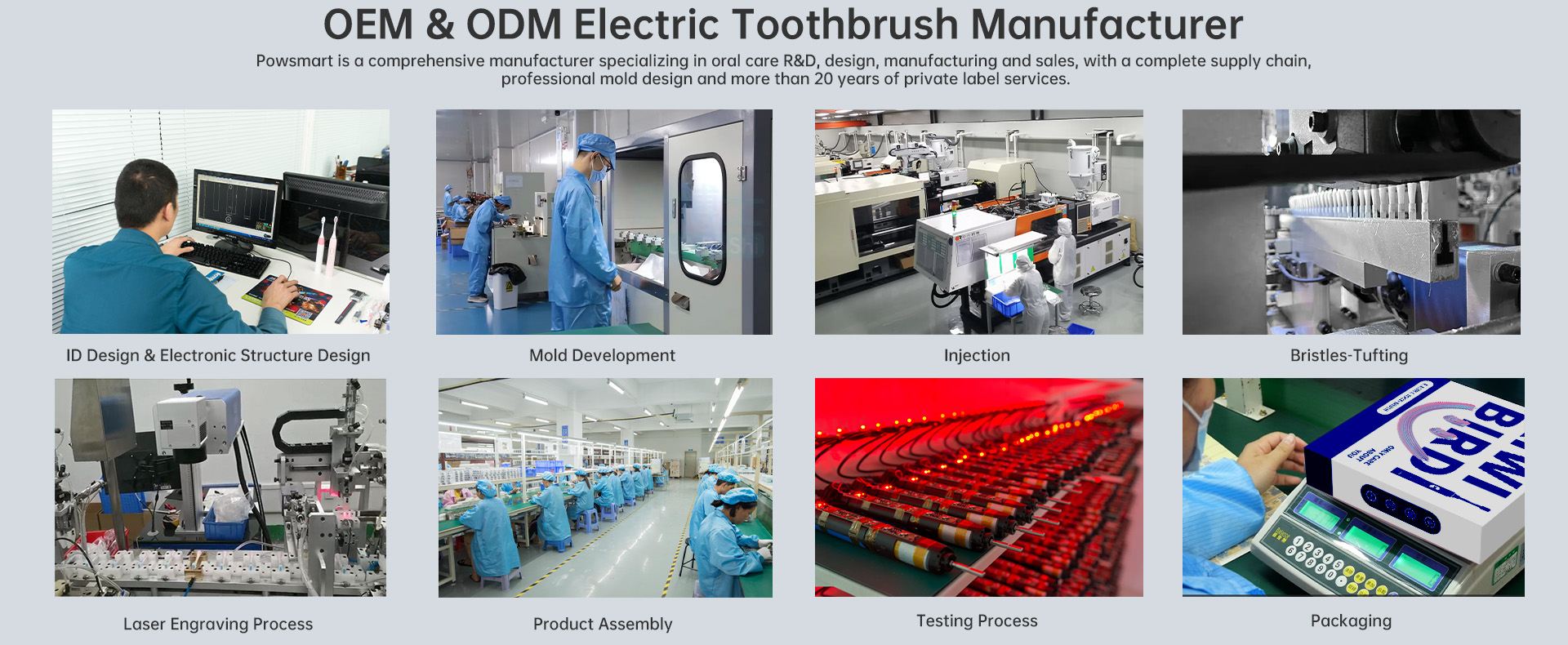
The production of electric toothbrushes requires a delicate balance between waterproof design and electric toothbrush motor performance. As consumer expectations for durability and efficiency rise, manufacturers must integrate cutting-edge technologies to optimize both aspects. This article explores the critical challenges and solutions in achieving this balance. Importance of Waterproof Design in Electric Toothbrush Manufacturing Waterproofing is a fundamental aspect of electric toothbrush design, ensuring longevity and user safety. Since toothbrushes operate in a high-moisture environment, achieving effective sealing is paramount. The integration of ultrasonic welding, rubber gaskets, and advanced coating technologies can significantly enhance waterproof performance. Proper IPX7 or higher waterproof ratings ensure that devices withstand prolonged exposure to water without compromising internal components. Powsmart not only has our own waterproof technology, but also we conduct at least 37 tests before shipment.https://www.powsmart.com/about-powsmart/ The Role of High-Performance Motors The electric toothbrush motor performance directly impacts cleaning efficiency and user experience. Manufacturers must choose between brushed and brushless motors, each with its own advantages in terms of power output, durability, and noise levels. High-torque, low-noise motors help optimize plaque removal while ensuring smooth operation. Balancing power efficiency with battery life is also crucial in delivering a superior product. Integration of Sealing and…
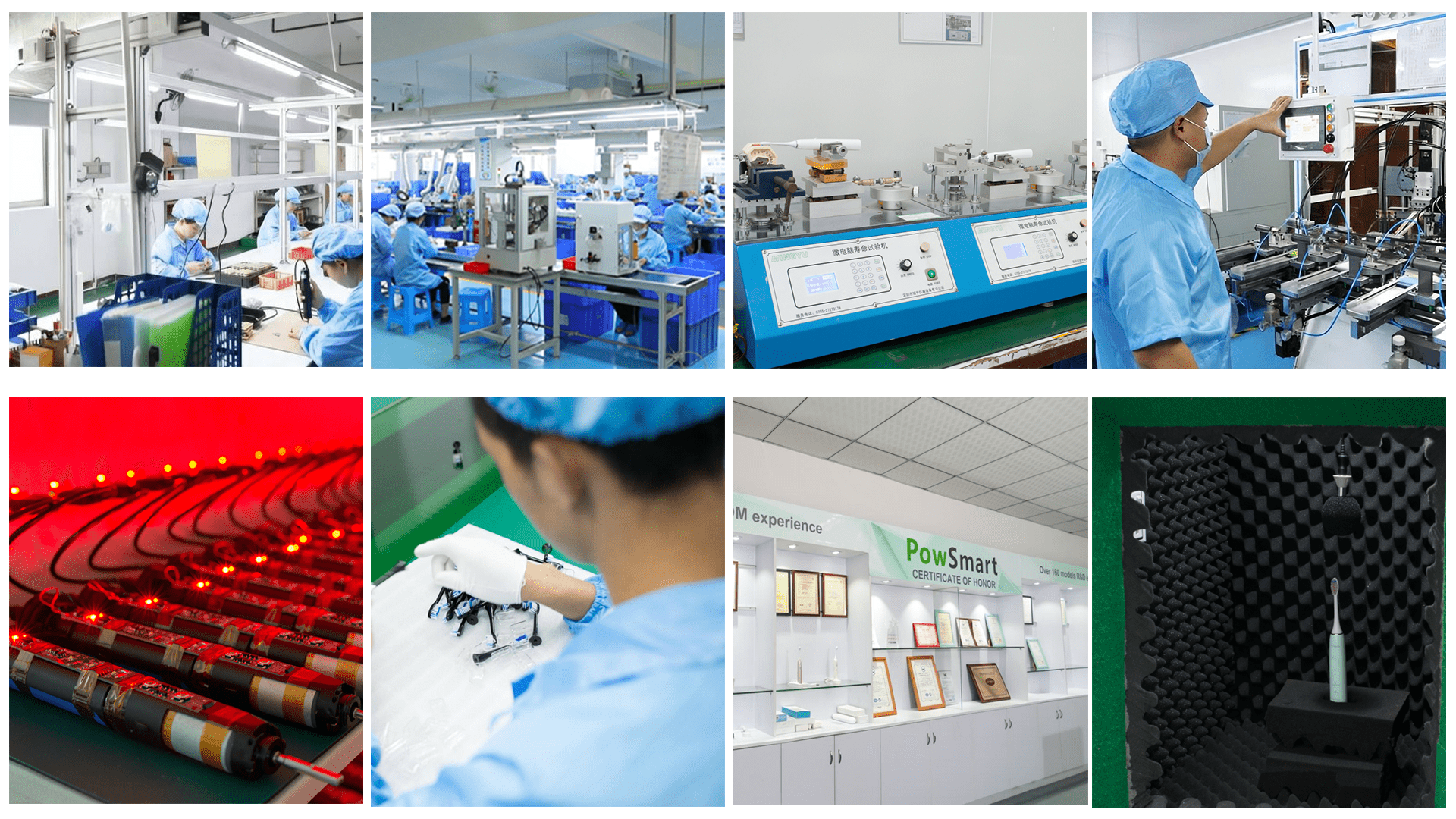
The electric toothbrush market has grown rapidly in recent years, driven by increasing consumer awareness of oral health and advancements in technology. However, competition within the industry is fierce, and brands must continuously innovate to maintain their competitiveness. In this blog, we will analyze the core competitiveness of electric toothbrushes and explore how companies can win the market through technological innovation from an electric toothbrush manufacturer's point of view. Understanding the Competitiveness of Electric Toothbrushes The competitiveness of electric toothbrushes is determined by several key factors, including performance, user experience, brand reputation, and technological differentiation. Companies that can integrate these elements effectively will gain a strong foothold in the market. The Role of Technological Innovation in the Electric Toothbrush Market Technological advancements play a crucial role in shaping the electric toothbrush market. Innovations in motor efficiency, smart connectivity, and personalized brushing modes have significantly improved product performance. To stay ahead, manufacturers must invest in research and development (R&D) to introduce cutting-edge features that enhance the user experience. Key Technological Innovations Driving Market Competitiveness a. Smart Sensors and AI Integration Modern electric toothbrushes are equipped with smart sensors that provide real-time feedback on brushing habits. AI-powered features can analyze brushing patterns…


.jpg)
.jpg)
.jpg)
.jpg)
.jpg)






.jpg)