.jpg)
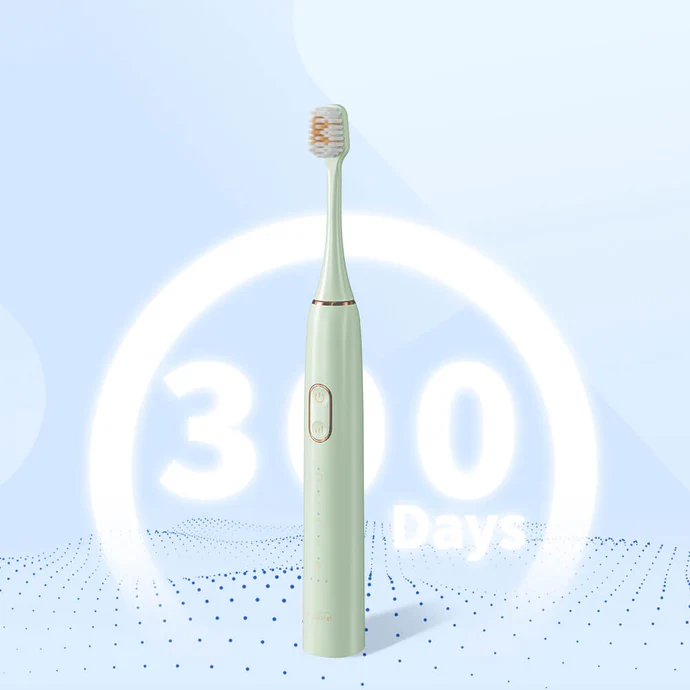
When electric toothbrushes exhibit brush shedding—that is, filaments falling out prematurely—and simultaneous sensor failure, the problem may be deeper than just poor-quality materials. These two faults are often interconnected, and for B2B buyers sourcing private-label or OEM dental devices, the hidden risks behind such issues deserve close attention. This article explores six essential dimensions of this dual failure mode, and how manufacturers can proactively prevent it through better design, testing, and material selection. What Is Brush Shedding and Why Does It Matter? Brush shedding refers to the premature detachment of bristles from the brush head. In commercial-grade devices, shedding is more than a cosmetic or hygienic problem—it signals quality inconsistency, compromised bonding, or mechanical instability. Excessive shedding not only shortens product lifespan but can lead to consumer distrust, especially if loose filaments are swallowed or cause gum irritation. Furthermore, shedding can interfere with optical or pressure sensors inside the brush that rely on stable bristle density to gauge brushing force or angle. How Brush Shedding Leads to Sensor Malfunction The correlation between brush shedding and sensor failure lies in physical and signal disruption: Pressure Sensors: These sensors often rely on even force distribution through the bristles. As filaments fall out,…
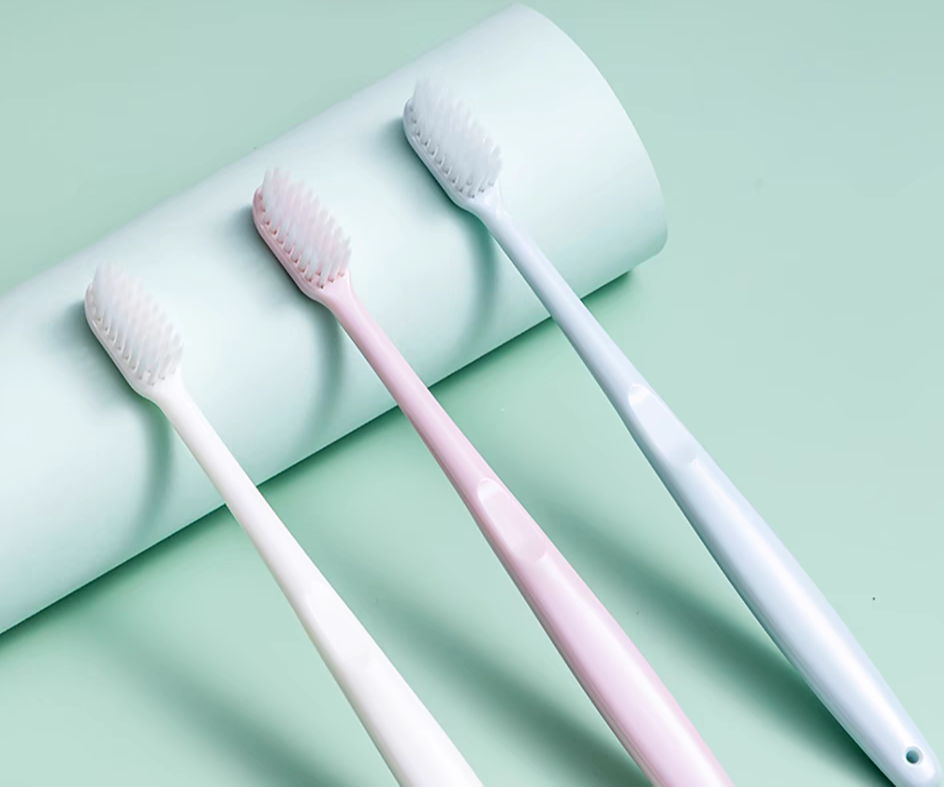
As oral care devices become more personalized and technology-driven, electric toothbrush head customization is gaining traction, especially among brand owners and private label clients. For OEMs and B2B buyers, understanding the range of customization options available is essential to meeting diverse consumer demands. In this blog, we explore the complete toothbrush head OEM solution, covering materials, structure, compatibility, and performance — to help you develop a product line that stands out in today’s competitive oral care market. OEM Customization Options: Materials, Shape, and Branding A successful toothbrush head OEM project starts with selecting the right materials and defining core parameters. Manufacturers can customize: Head shape (round, oval, diamond-cut) Base material (ABS, PP, or eco-friendly alternatives) Color schemes to align with brand identity Logo imprinting on the neck or base of the brush head By offering complete control over design and aesthetics, OEM partners can help businesses establish unique product lines. Nylon Wire Specifications: Performance Meets Comfort The type of bristles used greatly influences brushing efficiency and comfort. Customizing nylon wire specifications involves selecting: Diameter (commonly 0.15mm to 0.22mm) Hardness (soft, medium, or hard) Tip processing (tapered, end-rounded, polished) Material types (Dupont Tynex®, PBT, antibacterial filaments) Adjusting bristle specs not only supports brand differentiation but also tailors the user experience for different…
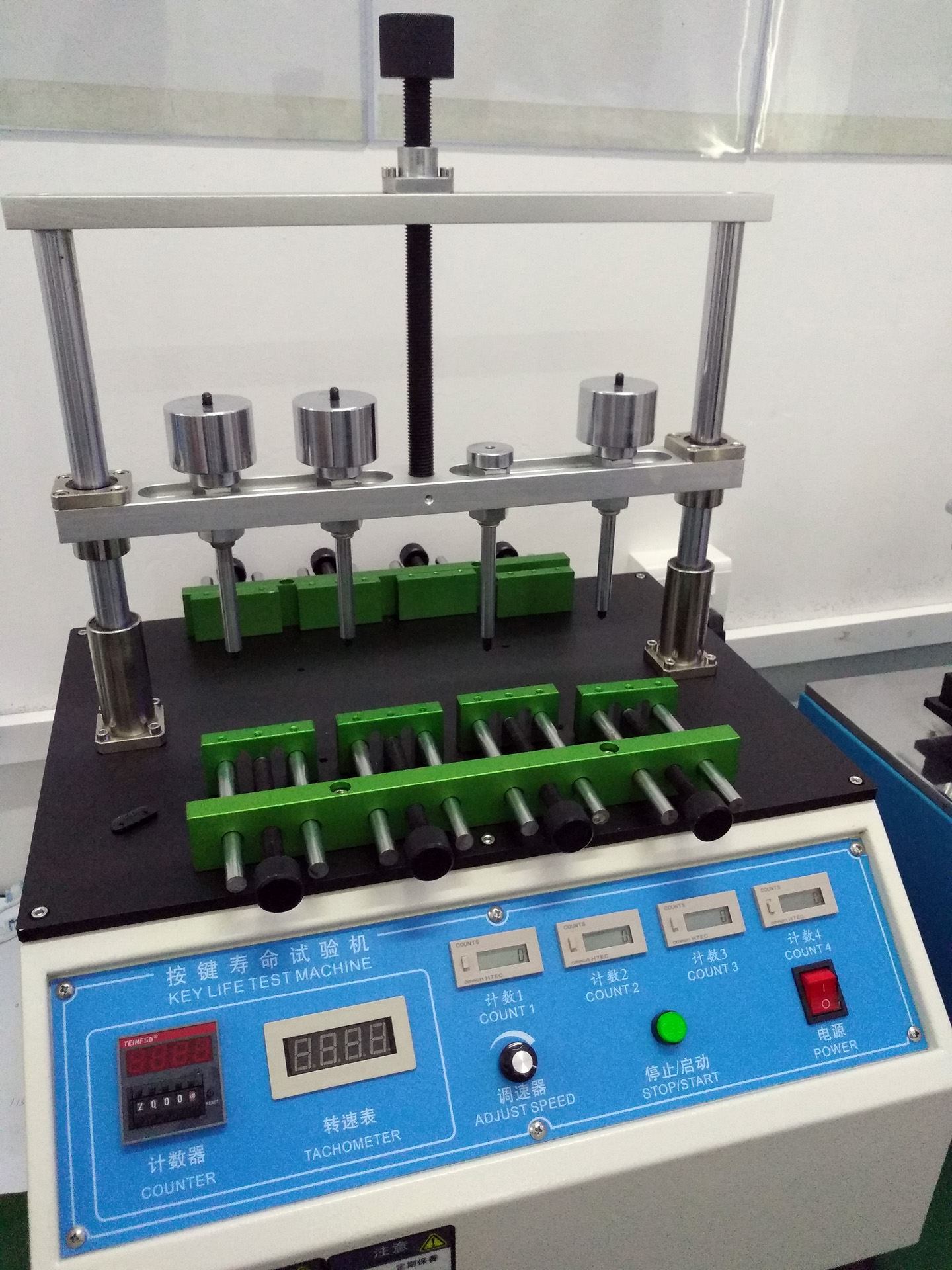
As the electric toothbrush market becomes increasingly competitive, design innovation and surface customization have become key differentiators for brands. Manufacturers are now exploring advanced decoration techniques such as water transfer printing and thermal transfer printing to improve both the visual appeal and surface durability of toothbrush shells. This article explores how these processes enhance the 3D texture shell appearance and the results of the transfer wear test, offering practical insights for any electric toothbrush factory aiming to elevate their product quality. Toothbrush Water Transfer Process: Realistic, Immersive 3D Effects The toothbrush water transfer process (also known as hydrographic printing) involves applying printed patterns onto three-dimensional surfaces via a water-soluble film. This technique allows electric toothbrush shells to adopt a wide variety of natural textures such as carbon fiber, marble, or woodgrain, giving products a high-end, customized look. Advantages: Achieves complex full-surface decoration. Supports high-resolution pattern fidelity. Ideal for creating 3D texture shells with depth and realism. Water transfer printing is especially beneficial for ergonomic, curved surfaces that are difficult to decorate using conventional printing methods. Thermal Transfer Customization: Precision and Mass Production Efficiency Thermal transfer customization uses heat and pressure to apply pre-printed patterns or graphics to the toothbrush shell. This method is often favored for large-scale…
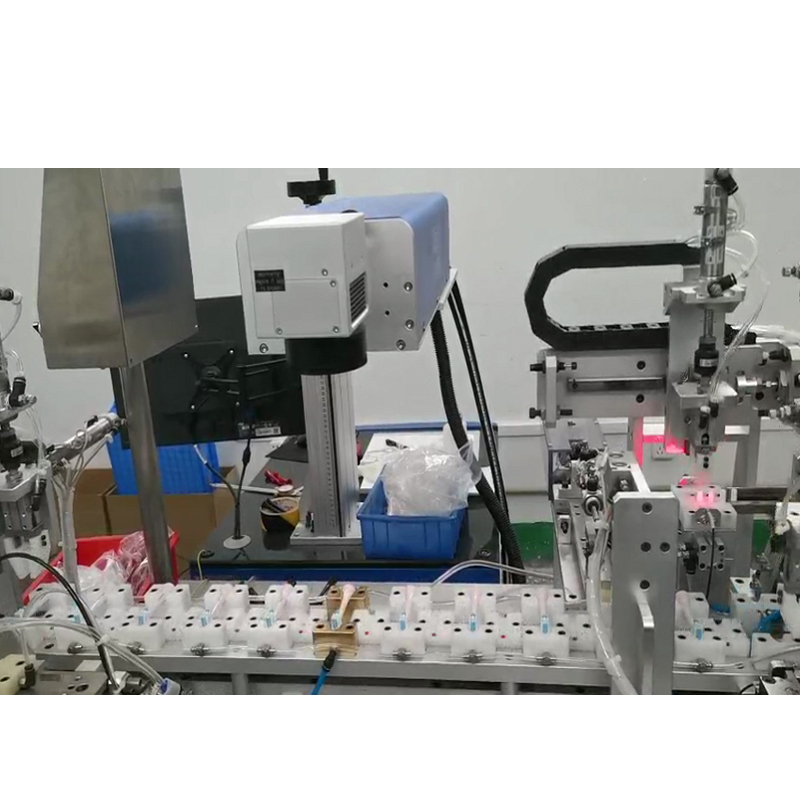
In today’s competitive oral care market, Electric toothbrush laser engraving is more than just decoration—it’s a core part of brand identity and consumer recognition. For electric toothbrush factories, offering toothbrush laser engraving customization adds value, enhances brand consistency, and ensures that the logo remains clear and durable throughout the product’s lifecycle. Laser engraving, as a permanent LOGO process, is widely favored because it doesn't fade, peel, or wear off like ink printing. But achieving high-quality engraving depends heavily on fine-tuning the right parameters: depth, speed, and power. Understanding the Basics of Laser Engraving Parameters To achieve precise and durable results, manufacturers must control three key laser engraving parameters: Power (W): Determines how much energy is delivered to the surface. Higher power increases depth but may burn or deform soft plastics. Speed (mm/s): Dictates how fast the laser moves. Faster speeds result in lighter engravings; slower speeds go deeper but may overheat the material. Depth (mm): Not a directly set parameter, but the result of how power and speed interact. For toothbrush handles (usually ABS or PP), ideal depth is 0.1–0.3 mm. Proper tuning ensures the OEM brand logo looks sharp, professional, and permanent on every unit. Material Consideration: Matching Settings to Handle Composition Electric…
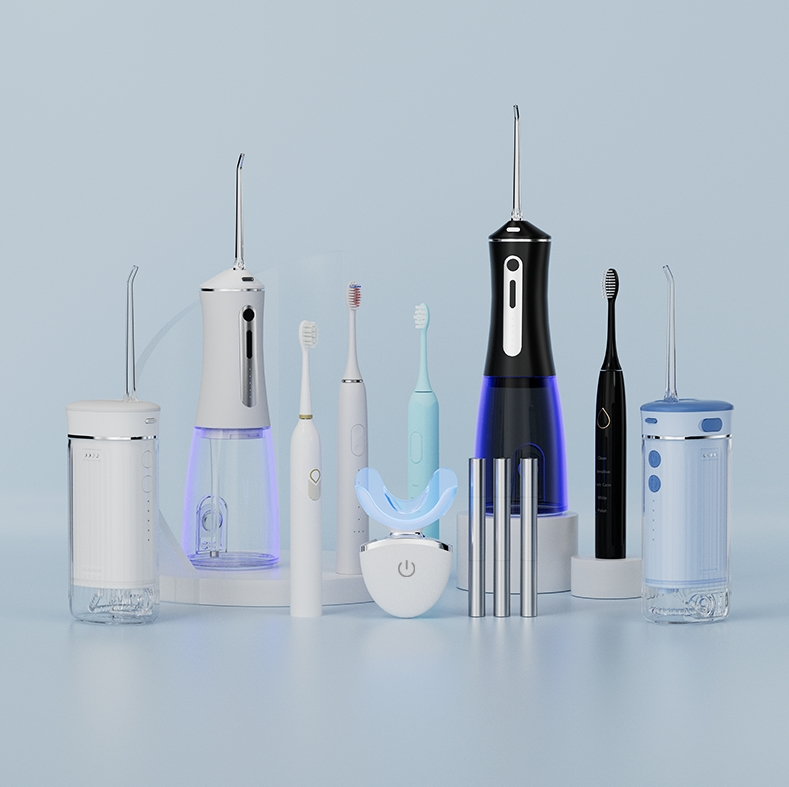
As oral hygiene awareness continues to rise globally, the electric toothbrush industry is experiencing unprecedented momentum. With innovation driving consumer interest and healthcare professionals recommending powered brushing, this segment has become a key driver within the larger personal care category. This blog outlines the major oral care growth trends, electric Toothbrush Growth Opportunities, identifies emerging markets, and evaluates the current electric toothbrush brand competition landscape for strategic insight. Global Electric Toothbrush Market Analysis: A Sector on the Rise Recent electric toothbrush market analysis reveals that the global market is expected to surpass USD 8.5 billion by the end of 2025, growing at a CAGR of over 7%. Key growth drivers include: Increased awareness of oral health Rise in disposable incomes in emerging economies Technological innovations such as AI brushing assistance and smart app integration North America and Europe currently lead in adoption, but Asia-Pacific, particularly China and India, are rapidly expanding markets due to changing consumer habits and urbanization. Oral Care Growth Trend: Beyond Brushing The electric toothbrush is no longer viewed as a luxury item but as a fundamental component of a complete oral care growth trend. The rise in dental care education and preventive healthcare is fueling demand.Key supporting trends include:…
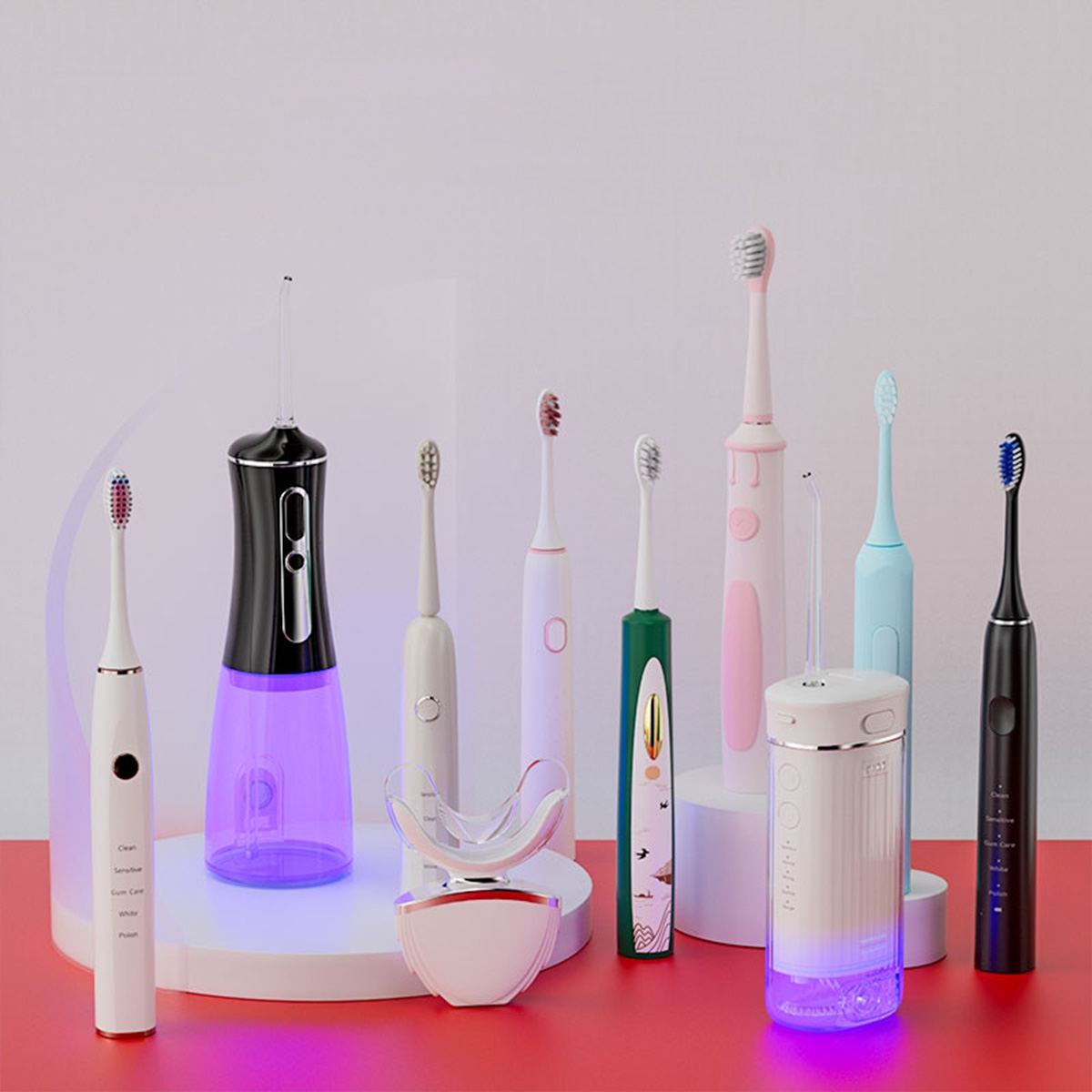
The global demand for smart personal hygiene tools continues to grow in 2025, with the electric toothbrush wholesale market seeing notable expansion across Asia, Europe, and North America. As more consumers prioritize preventive dental care, distributors and retailers are actively sourcing high-performance, affordable, and innovative electric toothbrushes to meet market demand. In this blog, we analyze the latest oral care distribution trends and present some of the best-selling models in the wholesale channel this year. Market Overview: Shifting Preferences & Distribution Channels The electric toothbrush wholesale market in 2025 is shaped by several key factors: Rising oral health awareness: Consumers are investing more in preventive care tools. E-commerce and cross-border trade: B2B platforms and digital wholesale channels are playing a bigger role. Smart and minimalist designs: Retailers prefer products that are not only functional but visually appealing and easy to use. Moreover, oral care distribution trends show growing interest from pharmacies, lifestyle retailers, and subscription box services, all seeking product lines that offer a balance of affordability, brand quality, and technical features. Key Product Features That Drive Sales To remain competitive, best-selling models often share the following attributes: Multiple brushing modes (sensitive, whitening, gum care) Long battery life and USB-C charging Sonic vibration or magnetic levitation motors for high…
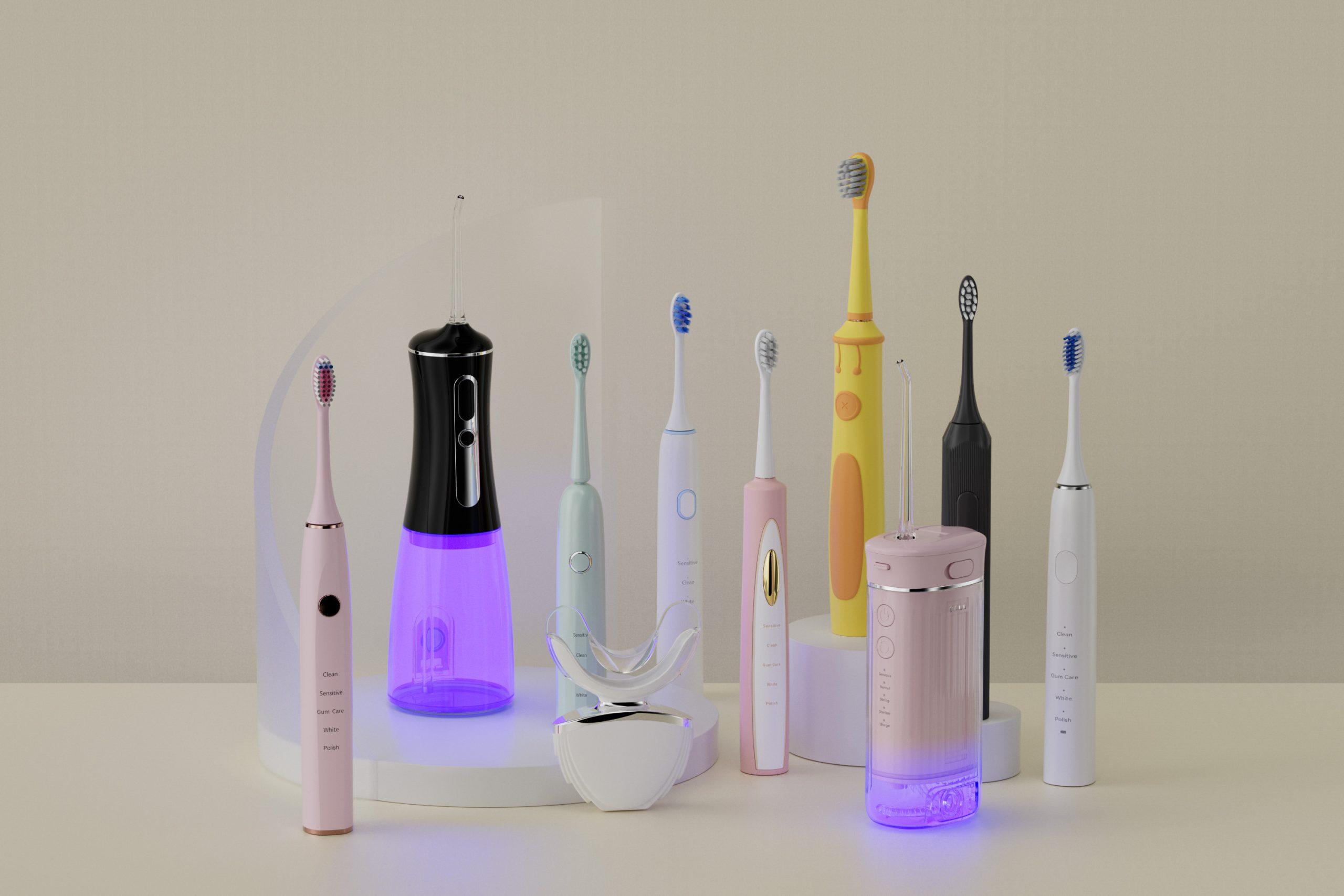
The oral care industry has witnessed rapid growth in recent years, driven by rising health awareness, technological advancements, and increasing demand for smart personal care products such as electric toothbrushes and oral irrigators. For manufacturers and brands, now is a pivotal time to focus on expand the global market. As competition intensifies locally, companies must look beyond borders. This blog outlines actionable strategies and practical market expanding tips to help oral care businesses succeed internationally—especially through emerging platforms like oral care cross-border e-commerce. Understand International Market Demand and Consumer Behavior Every region has unique consumer habits and product preferences. For successful global expansion: Conduct market research on oral care habits (e.g., preference for electric vs. manual toothbrushes, floss vs. oral irrigators) Study regulatory requirements (e.g., FDA, CE, CFDA) for product safety and certifications Tailor marketing to cultural expectations, such as packaging, language, and promotional messaging Understanding localized demand is the foundation of effective global market expansion. Leverage Cross-Border E-Commerce for Rapid Entry Oral care cross-border e-commerce platforms offer fast, scalable ways to enter new regions. Popular platforms include Amazon Global, Alibaba International, Shopee, and Tmall Global. Advantages: Low entry barriers (no physical retail setup required) Direct consumer feedback and data Quick adaptation…
.jpg)
As we head into 2025, the global oral care market continues to show strong momentum. Increased health awareness, innovation in oral hygiene technologies, and consumer demand for convenience and aesthetics are reshaping what products succeed at retail and online. For distributors, the key question is: Which oral care products are most worth distributing in 2025? This blog explores the top oral care market trends, identifies high-demand products, and provides actionable distributor product selection strategies to stay ahead in a competitive landscape. Smart & Connected Devices Are Dominating Consumers are embracing smart technology in personal care. Electric toothbrushes with Bluetooth connectivity, pressure sensors, and app integrations are quickly moving from “nice-to-have” to standard expectations. High-demand products: AI-powered toothbrushes, pressure-sensitive models, smart brushing trackers Why it matters: Smart features enhance the user experience, increase brand loyalty, and justify premium pricing Distributor product selection strategy: Focus on brands offering upgradable or app-integrated models that align with consumer interest in data and personalization. The Rise of Oral Irrigators for At-Home Use Oral irrigators, once a niche professional tool, are now mainstream. With more consumers adopting at-home dental routines, these devices are becoming essential complements to brushing. High-demand products: Compact, USB-chargeable water flossers; multi-pressure-level irrigators; portable travel versions…
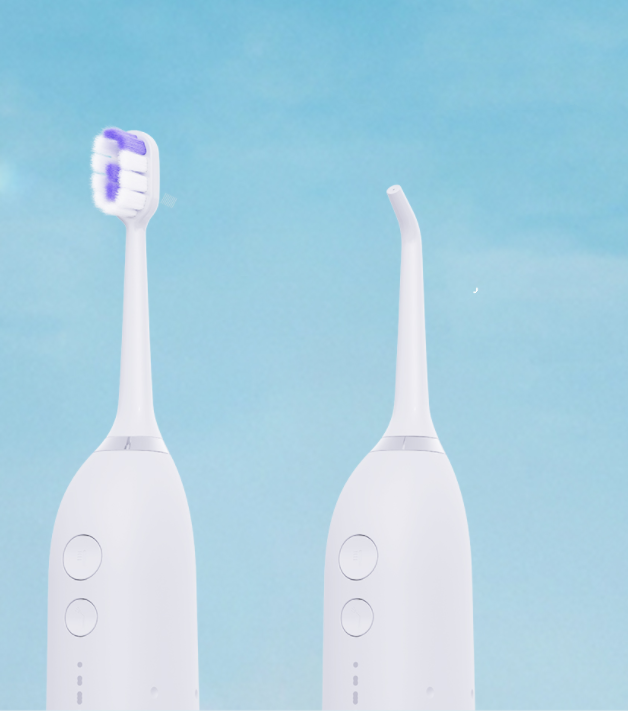
In recent years, consumer interest in multifunctional oral hygiene solutions has been on the rise. As people seek more efficient and convenient routines, the electric toothbrush + water flosser combination has emerged as a game-changing innovation. This two-in-one device offers users a comprehensive oral care solution in a compact and easy-to-use form. As an oral care products factory, understanding real market feedback is essential to guide future development and investment. Why the Two-in-One Device Is Gaining Popularity The rise in demand for two-in-one devices reflects shifting consumer preferences toward space-saving, travel-friendly, and tech-integrated solutions. Combining brushing and flossing in one device eliminates the need for two separate products, while also improving the consistency of oral hygiene routines. Key reasons for popularity include: Time efficiency: Simultaneous brushing and water flossing saves time. Minimalism: Reduces clutter on the bathroom counter. Cost-effectiveness: One purchase, multiple functions. Improved compliance: Easier for users to follow a daily oral care routine. Market Feedback from End-Users and Distributors Our team at the oral care products factory has collected feedback from global distributors and end-users over the past 12 months. Highlights include: Positive Consumer Response:Most users reported a noticeable improvement in oral cleanliness and gum health. They appreciated the innovation and were…
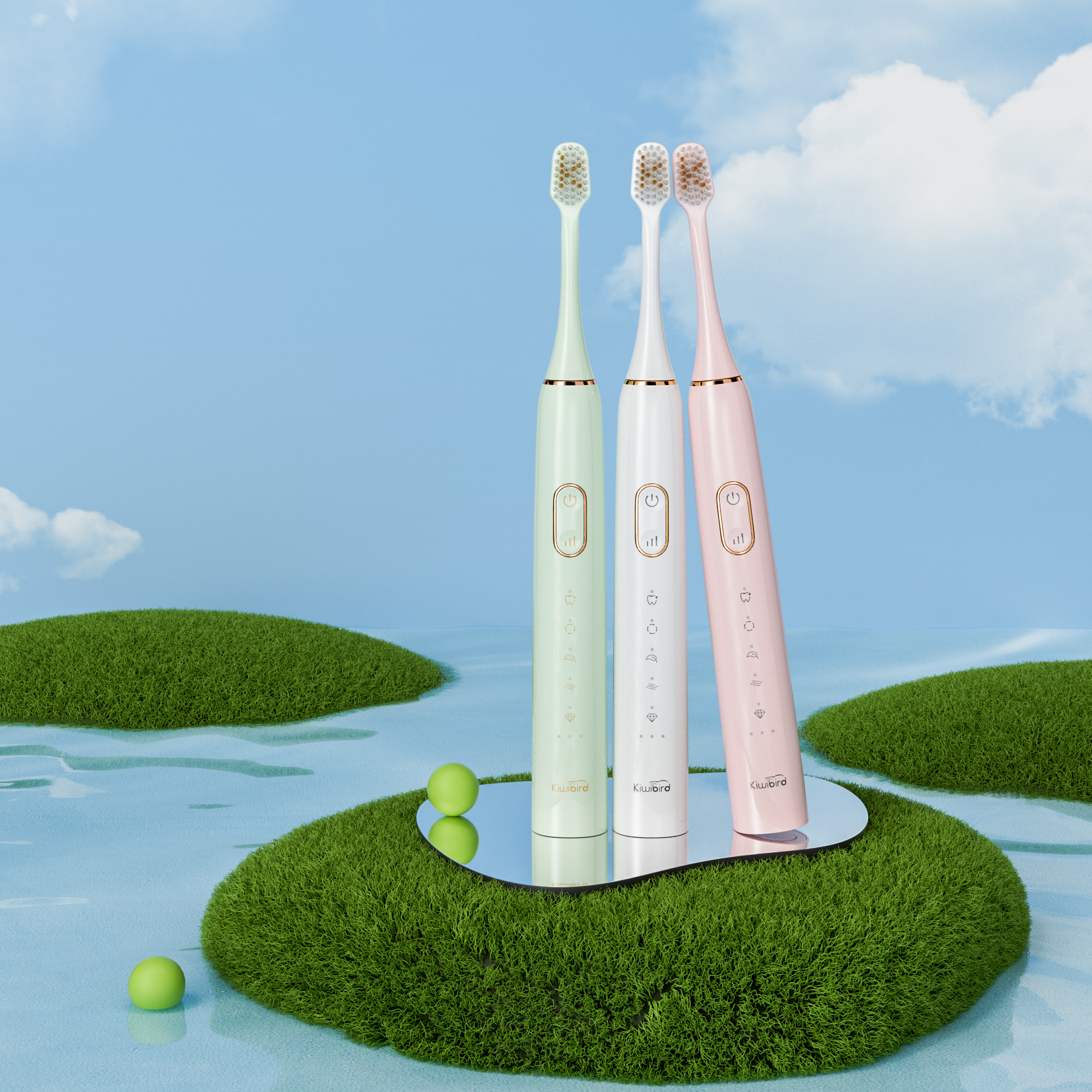
In today’s competitive oral care market, consumers expect more than just effective cleaning from their electric toothbrush—they expect convenience, reliability, and portability. A long endurance electric toothbrush has emerged as a powerful selling point, helping brands differentiate their products in crowded retail and e-commerce spaces. For B2B clients such as retailers, importers, and private label brands, partnering with a forward-thinking electric toothbrush manufacturer that prioritizes battery endurance can result in stronger market appeal and higher customer satisfaction. Consumer Lifestyle Demands: The Need for Less Frequent Charging Modern consumers lead busy, mobile lifestyles. They prefer devices that can keep up with their pace. A long-lasting electric toothbrush typically offers: Up to 30–60 days of use on a single charge Hassle-free morning routines without daily recharging Peace of mind during travel or outdoor use This benefit strongly resonates with end users and increases perceived value, especially in premium and mid-range markets. Lithium Battery Technology: Powering Endurance and Efficiency At the heart of every long-endurance toothbrush is advanced lithium battery technology. Compared to traditional NiMH batteries, lithium batteries offer: Higher energy density Faster charging time Longer lifespan Lightweight design Professional electric toothbrush manufacturers increasingly use lithium-ion or lithium-polymer cells to power high-performance, compact devices that meet today’s…
In today’s review-driven marketplace, common negative reviews of electric toothbrushes can directly affect brand reputation and sales performance. For any OEM or ODM electric toothbrush manufacturer, understanding the root causes of customer complaints and proactively solving them is not just important—it's essential. This article explores common quality issues, the most frequent negative feedback from end users, and how suppliers can implement effective solutions to quality issues of electric toothbrushes during product design and manufacturing stages. Weak Battery Life and Charging Failures User Complaint:“Battery dies too quickly” or “Won’t charge after a few weeks.” Common Quality Issue:Low-grade lithium batteries, poor charging port designs, or inadequate battery management systems. Supplier-Side Solution: Use high-quality, certified lithium batteries with tested charge cycles. Integrate intelligent battery management systems to prevent overcharging or deep discharge. Perform aging tests on power units during QC inspections. As a reliable electric toothbrush manufacturer, it’s critical to test battery systems under simulated daily use to avoid early failures. Motor Malfunction or Insufficient Vibration User Complaint:“Motor stopped working” or “Not strong enough to clean properly.” Common Quality Issue:Substandard motor components or poor assembly leading to motor disconnection or weak performance. Supplier-Side Solution: Source high-performance, durable micro motors from trusted suppliers. Reinforce internal motor…
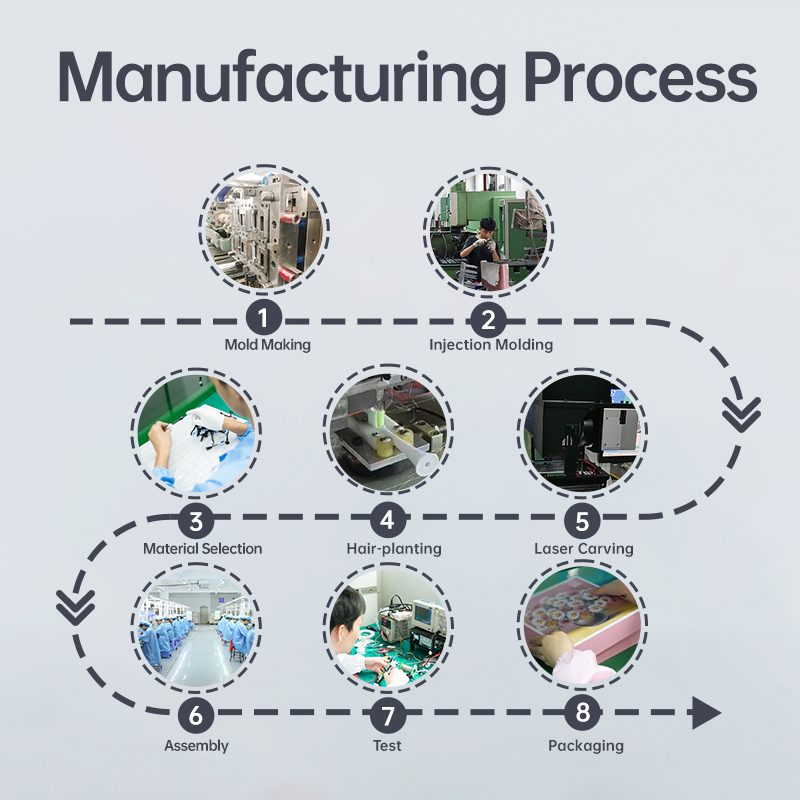
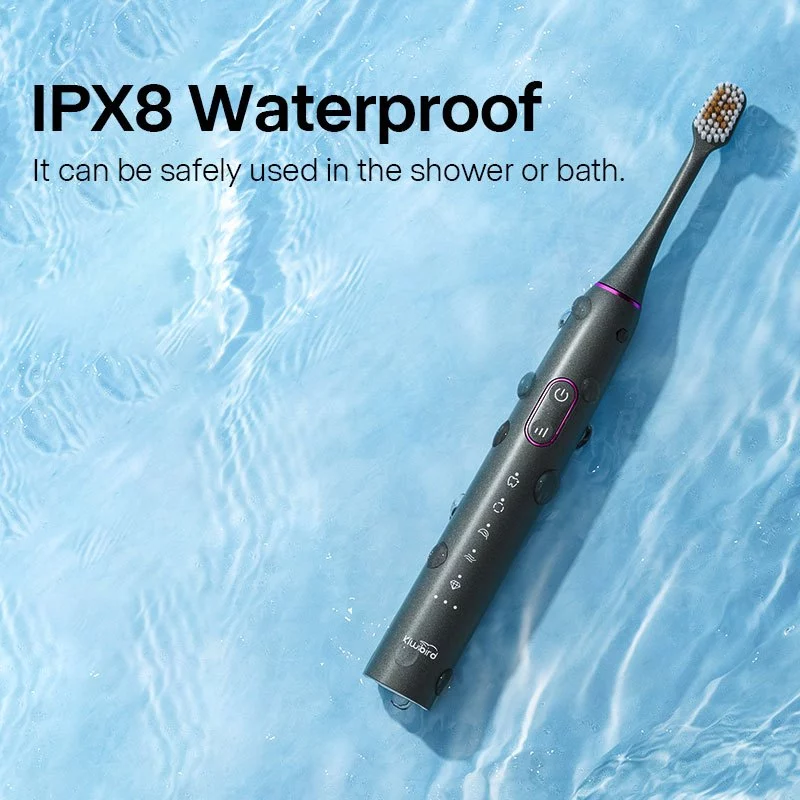
In the competitive oral care market, electric toothbrush manufacturers must deliver consistent product quality while managing potential risks effectively. One of the most crucial ways to ensure product reliability is through a robust traceability of electric toothbrushes. Especially for key components like motors and the waterproof casing, strict control through motor calibration standards and a detailed waterproof test process is vital. Together with proper quality inspection record archiving, these measures help maintain brand reputation and significantly contribute to product recall prevention. Motor Calibration: Setting and Managing High Standards The motor is the heart of any electric toothbrush, directly impacting performance, user experience, and product life. Adhering to precise motor calibration standards ensures that each unit operates within specified parameters, including: Rotational speed (RPM) consistency Vibration strength within optimal ranges Noise level control to enhance comfort During production, every motor undergoes calibration using specialized testing equipment. Detailed calibration data are recorded in the production traceability system, linking each motor to its corresponding toothbrush serial number. This practice guarantees that any deviation can be traced back instantly. Waterproof Testing: Safeguarding Daily Use Reliability Daily exposure to water makes the waterproof test process critical for electric toothbrushes. The standard testing procedures typically include: IPX7 or IPX8 level testing (depending on product…
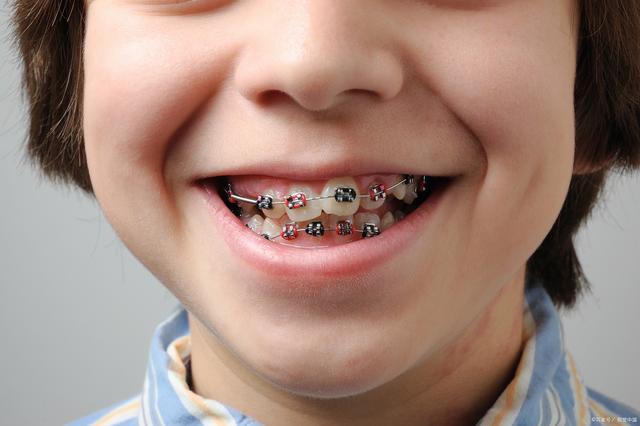
Water flossers are becoming increasingly popular for their ability to provide a deep and effective clean between teeth, offering a gentler alternative to traditional string flossing. However, for first-time users, it's not uncommon to experience some discomfort or even bleeding gums during the initial use.This blog aims to address whether this is a normal occurrence and offers insights when first using a water flosser can use a water flosser properly. We’ll also share usage tips from water flosser manufacturers to ensure the best possible experience. Why Do My Gums Bleed or Feel Uncomfortable When I First Use a Water Flosser? For individuals who are new to using a water flosser, gum discomfort or mild bleeding can occur, especially if the gums are not used to regular cleaning or if there is an underlying issue like gingivitis. Here are some reasons why this might happen: Sensitive Gums: If your gums are inflamed or not accustomed to daily flossing, the water pressure can cause temporary irritation, leading to bleeding gums. Buildup of Plaque: Over time, plaque accumulates along the gumline and between teeth. A water flosser can dislodge this buildup, and while this is beneficial for oral health, it may cause some initial discomfort or mild…
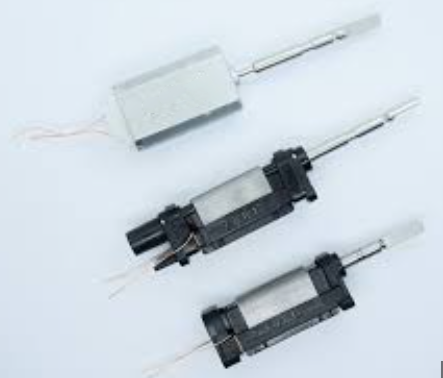
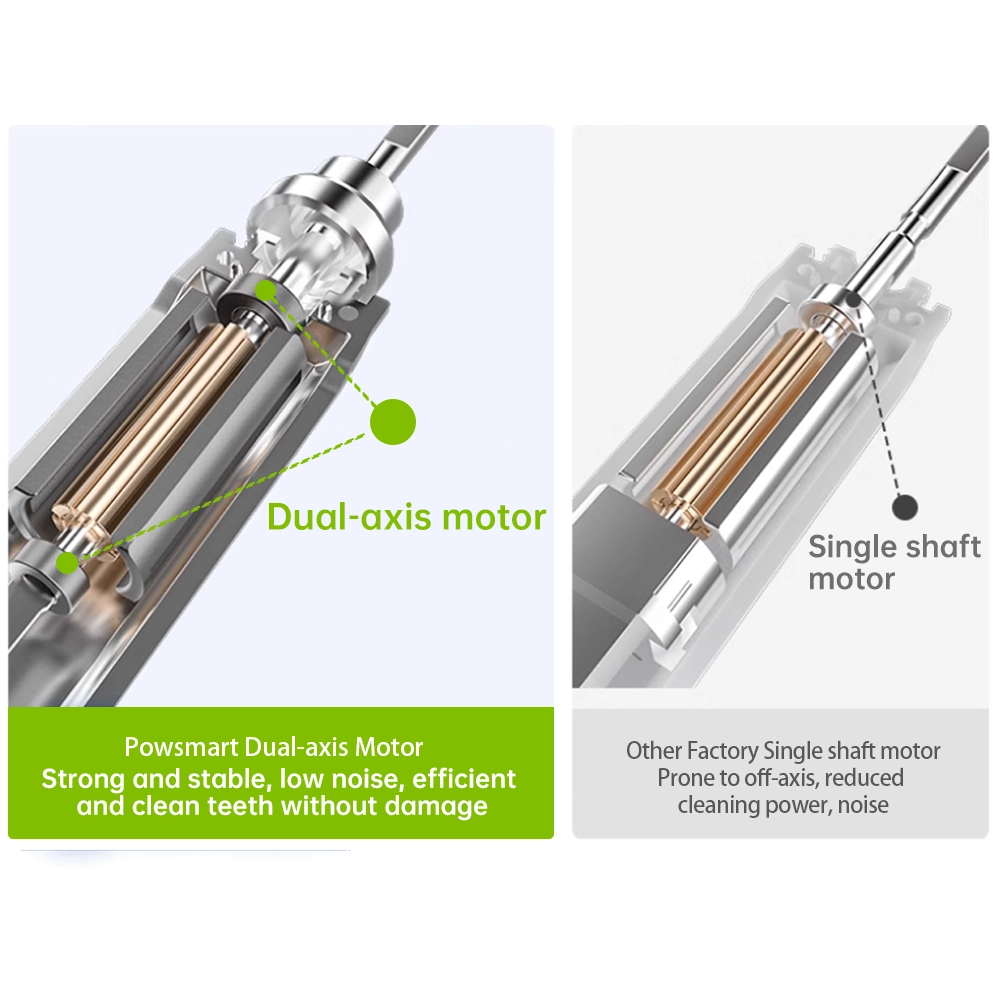
When it comes to the performance of sonic toothbrushes, the motor is arguably the most critical component. The motor determines the brushing efficiency, the feel of the brushing experience, and even the durability of the toothbrush. Among the most common motor technologies used today are Magnetic Levitation Motors and Traditional Motors. This article delves into the key differences between Magnetic Levitation Motors and Traditional Motors, and how they impact the overall performance of electric toothbrushes. https://www.powsmart.com/ Magnetic Levitation Motors: The Future of Sonic Toothbrushes Magnetic Levitation Motors have emerged as a cutting-edge technology in the sonic toothbrush industry, offering several advantages over traditional motor designs: Higher Efficiency: The absence of physical contact between moving parts reduces friction, leading to lower energy consumption and longer battery life. Quieter Operation: Magnetic levitation reduces vibrations, making the motor run more quietly, which is a key feature for consumers who prefer a quieter brushing experience. Increased Durability: With fewer moving parts, magnetic levitation motors are less prone to wear and tear, extending the lifespan of the toothbrush. Smoother Brushing Motion: The levitation effect enables a more consistent and powerful brushing motion, delivering superior plaque removal. As electric toothbrush private label services increasingly focus on innovation and premium performance, integrating…
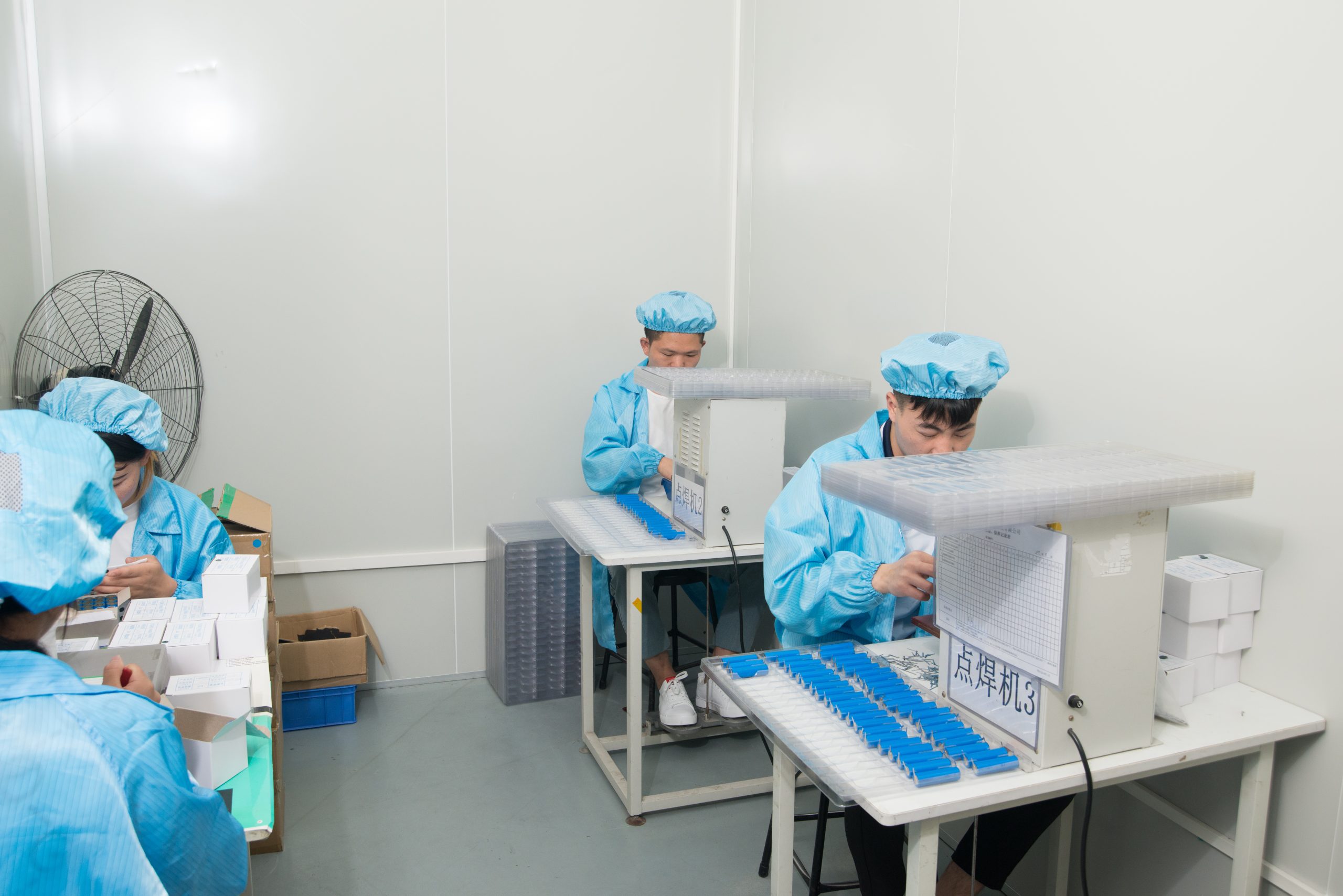
As the global demand for high-quality electric toothbrush continues to grow, brands and distributors are increasingly selective about the manufacturing partners they choose. The quality, reliability, and scalability of your supply chain begins with choosing the right factory. But what truly defines a trustworthy manufacturer in this space? In this blog, we outline the five essential characteristics of a high-quality electric toothbrush factory — the kind of partner that ensures product consistency, innovation, and long-term cooperation. Proven Manufacturing Experience – Over 20 Years in the Industry Experience matters, especially in precision manufacturing. A factory with over 20 years of manufacturing experience has: Refined production workflows Deep understanding of motor control and ultrasonic cleaning technology Proven ability to handle volume orders with consistent quality Such a factory is more than just a supplier — it is a strategic partner who understands market trends, end-user preferences, and regulatory challenges. Strict Quality Control Systems The production of high-quality electric toothbrushes depends on robust quality assurance procedures. Leading factories will have: QC checkpoints across every stage of production Automated testing equipment for vibration, battery life, and waterproofing Final product audits before packaging These practices ensure that every toothbrush delivered meets international standards and brand…
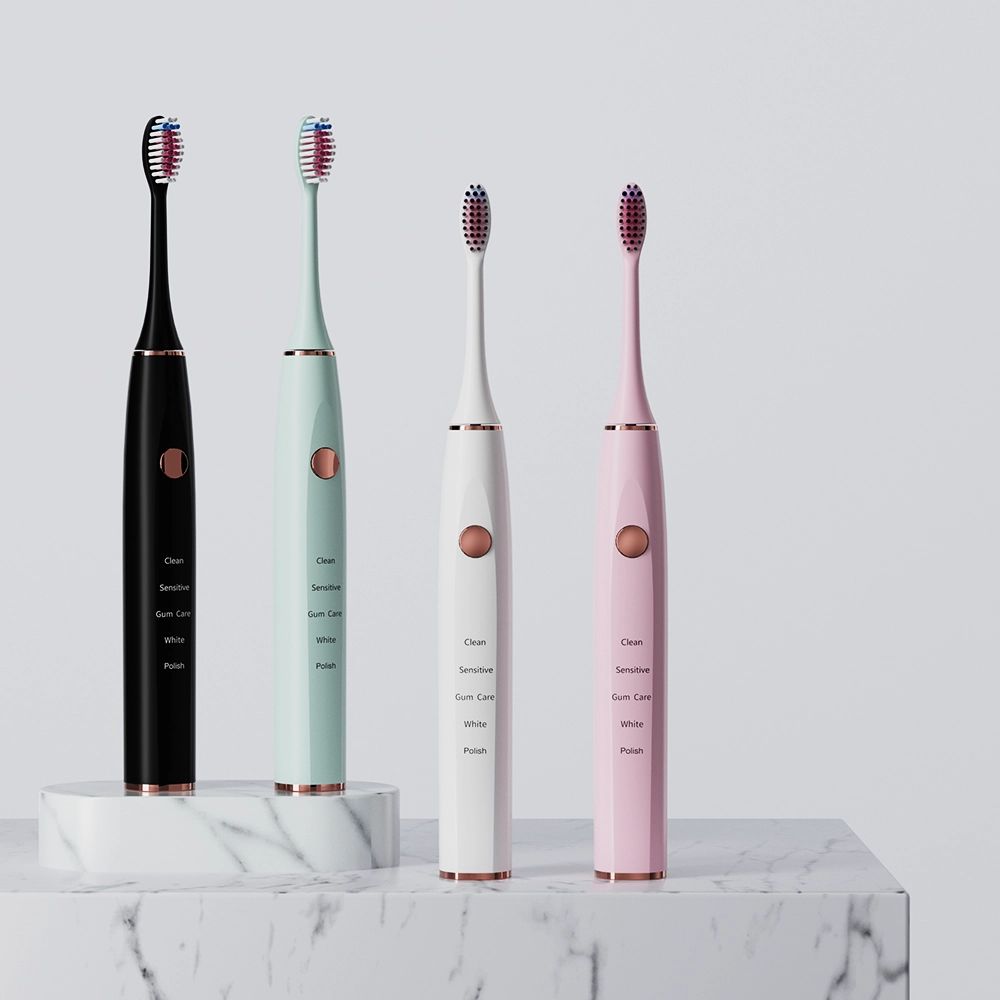
While motor performance and brush head quality are key, an often-overlooked feature is the button types in electric toothbrushes. The switch button's tactile feedback can greatly influence user experience, usability, and even product longevity. In this blog, as an electric toothbrush manufacturer in shenzhen with over 20 years OEM/ODM service experience, Powsmart will compare different button types, discuss their pros and cons, and explore design innovations that can enhance functionality in this blog.https://www.powsmart.com/ Common Button Types in Electric Toothbrushes When selecting the ideal button type for an electric toothbrush, manufacturers must consider factors such as ergonomics, durability, and ease of use. The three most common button types include: Mechanical Push Buttons How it works: Traditional push buttons operate through a physical switch mechanism. Pros: Strong tactile feedback, durable, and easy to manufacture. Cons: Requires a firmer press, which may not be ideal for users with limited hand strength. 2) Soft-Touch Silicone Buttons How it works: Uses a silicone membrane with embedded contacts for a softer press. Pros: Water-resistant, smooth to press, and aesthetically appealing. Cons: Can wear out faster over time compared to mechanical buttons. Capacitive Touch Buttons How it works: Utilizes touch-sensitive technology to activate the toothbrush without physical pressure. Pros:…
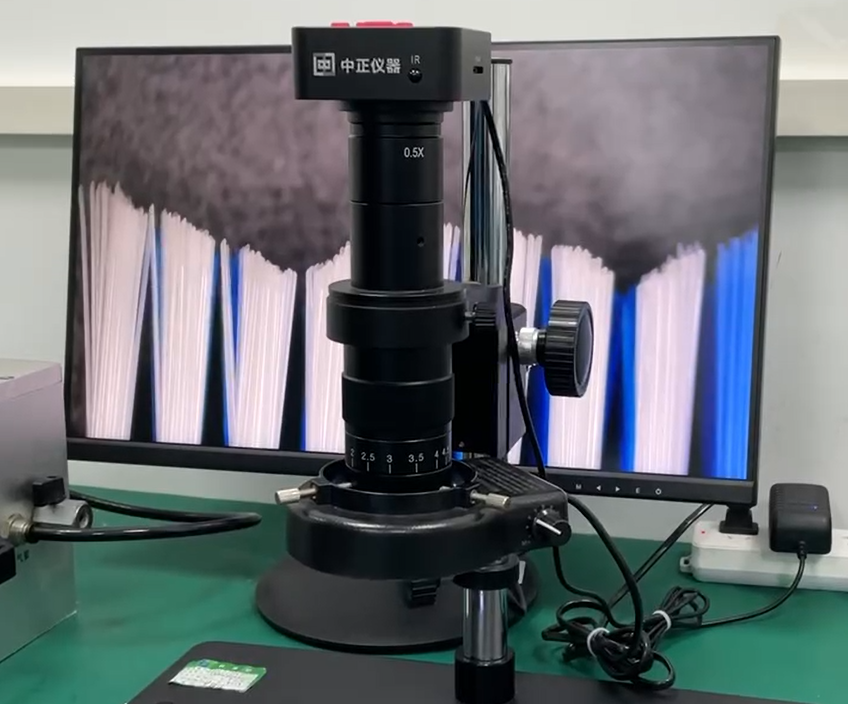
The quality of electric toothbrush bristles plays a crucial role in ensuring an optimal brushing experience. The Electric toothbrush bristle Implantation process has evolved to provide enhanced durability, comfort, and efficiency. However, choosing the right bristles requires an understanding of various factors, including material composition, manufacturing techniques, and implantation methods. In this article, we will explore how to select the most suitable bristles for electric toothbrushes, comparing different transplantation processes and analyzing bristle materials. https://www.powsmart.com/ Understanding the Electric Toothbrush Hair Transplantation Process The Electric toothbrush bristle Implantation process involves embedding bristles into the toothbrush head using specialized technology. This process impacts bristle retention, durability, and overall user experience. The most common methods include: Staple-type implantation: Traditional and widely used, this method involves embedding bristles into a brush head with the help of metal staples. Hot-melt implantation: A more advanced technique that melts bristle bases into the toothbrush head, eliminating the need for metal staples and ensuring a softer feel. Ultrasonic welding: This method uses ultrasonic waves to fix the bristles securely, offering superior strength and longevity. Each technique affects the firmness and lifespan of the bristles, making it essential to choose the right transplantation method based on the target audience and usage…
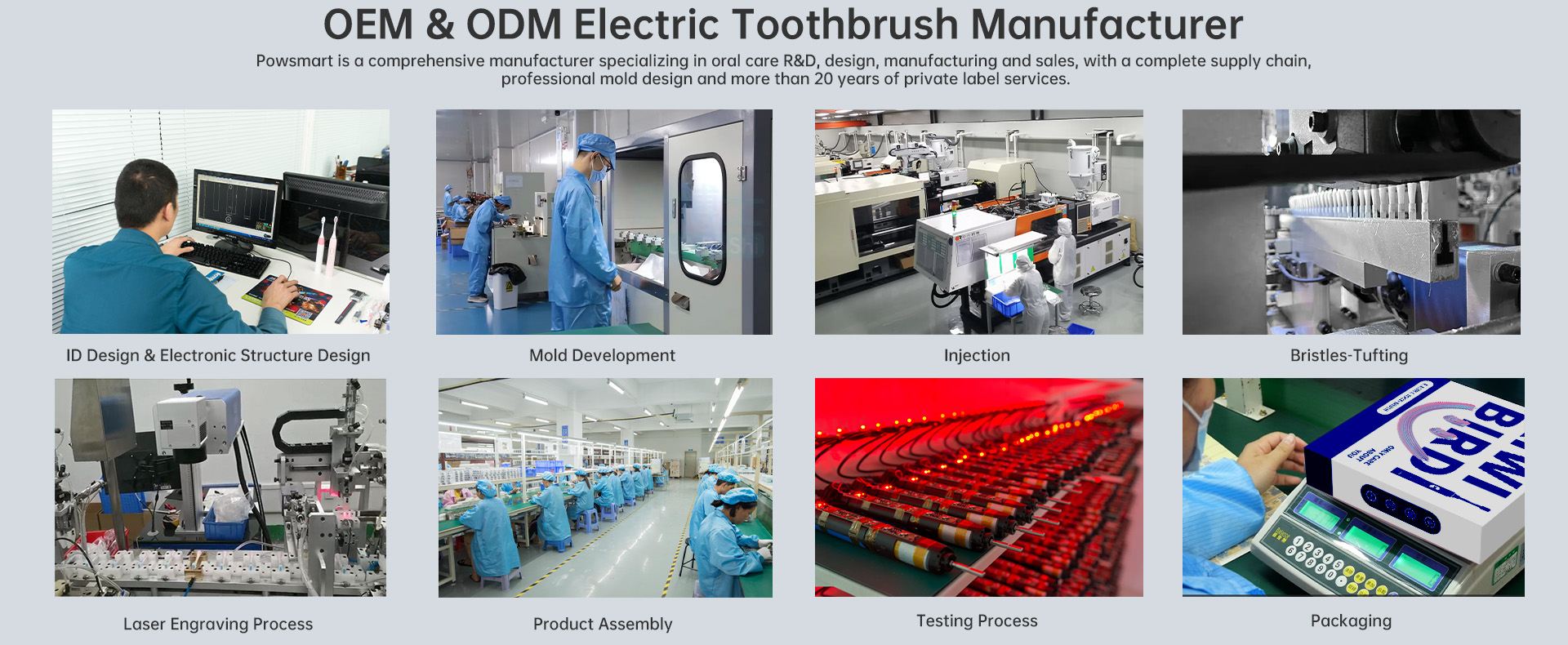
In the highly competitive oral care market, many brands seek differentiation through customization. Finding a reliable Electric Toothbrush Factory Customization service is crucial for building a successful product line that meets market demands. In this blog, we will share a successful brand customization experience to illustrate how a brand collaborated with an Electric Toothbrush Factory to create a unique, market-leading product. Case Background A rising oral care brand aimed to launch an exclusive line of electric toothbrushes targeting premium consumers. They needed a manufacturing partner capable of providing a fully customized solution, from design to final production. After evaluating several manufacturers, they chose our Electric Toothbrush Factory Customization service to bring their vision to life. Product Design and Innovation The client wanted a sleek, modern electric toothbrush with an ergonomic grip and premium materials. Our factory provided: Custom mold development High-quality material selection Unique color and texture customization Smart Technology Integration To align with market trends, the brand required smart technology features, including: Bluetooth connectivity for app integration Multiple brushing modes Pressure-sensitive sensors to protect gums Branding and Private Labeling A strong brand identity was essential for the client. We provided: Logo engraving and UV printing Custom packaging design Tailored user manuals and marketing…
As the demand for high-quality oral care products continues to grow, manufacturers of electric toothbrushes must focus on key technological advancements to maintain a competitive edge. Among these, waterproof technology and motor performance analysis stand out as critical factors influencing product reliability and efficiency. This article explores the core technology of electric toothbrush production, delving into how waterproofing techniques and motor performance optimization shape the development of superior electric toothbrushes. Importance of Waterproof Technology in Electric Toothbrush Production Electric toothbrushes are exposed to water daily, making waterproof technology a fundamental aspect of their design. Manufacturers implement various waterproofing methods to ensure durability and user safety: Encapsulation and Sealing: The use of ultrasonic welding and adhesive sealing to prevent water ingress. IP Rating Standards: Compliance with IPX7 or higher ratings ensures that toothbrushes can withstand immersion in water. Protective Coatings: Application of nano-coatings to electronic components enhances moisture resistance. By perfecting waterproof technology, manufacturers can extend product lifespan and reduce failure rates, thereby enhancing customer satisfaction. Motor Performance Analysis: The Heart of an Electric Toothbrush The motor is the driving force behind an electric toothbrush, determining brushing efficiency and user experience. Motor performance analysis focuses on key elements such as: Torque and Speed: High…
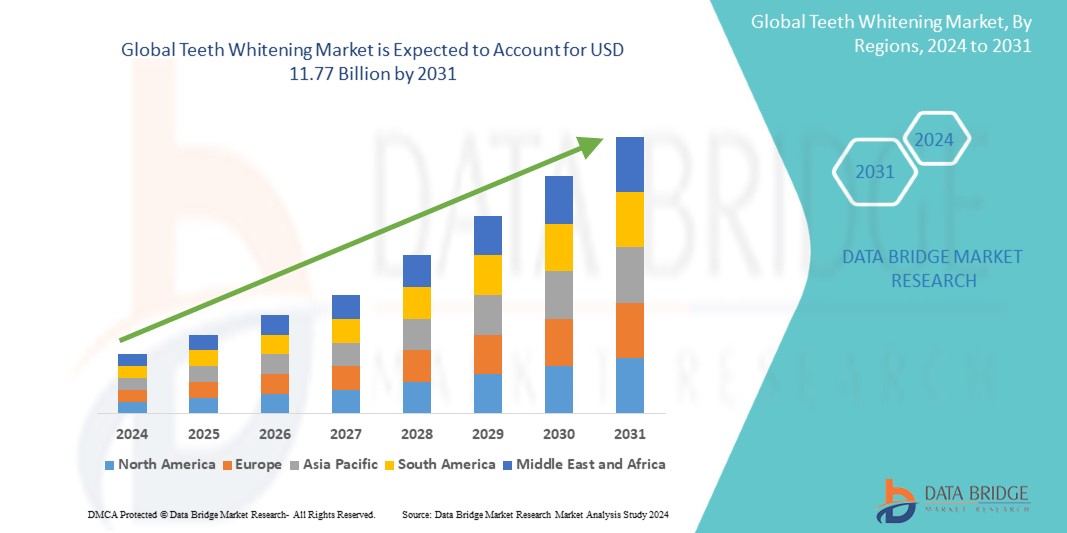
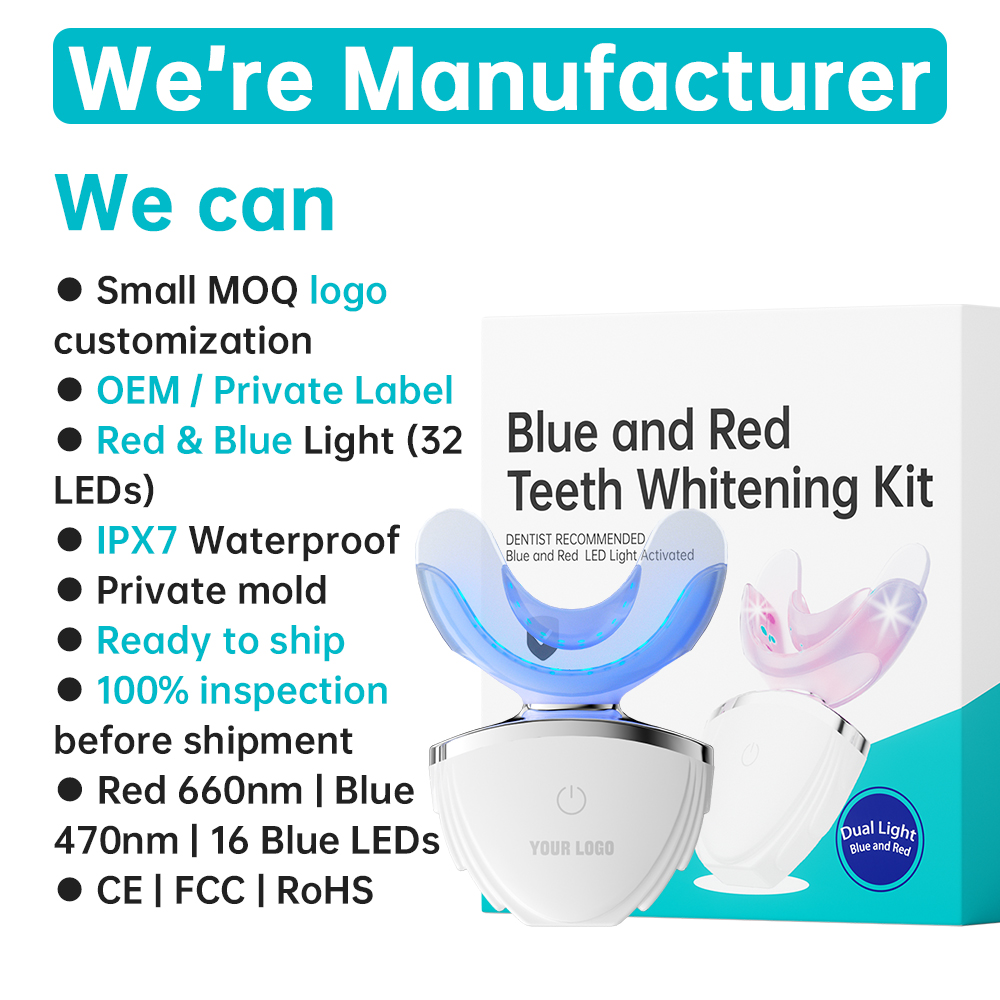
The global teeth whitening device market is experiencing unprecedented growth, fueled by increasing consumer awareness of dental aesthetics, technological advancements, and rising disposable incomes. As more individuals seek professional and at-home solutions for teeth whitening, manufacturers and OEM partners are witnessing a surge in demand for innovative and effective products. In this report, we explore the fastest-growing regions and key consumer groups shaping the industry. Fastest Growing Regions in the Dental Beauty Device Market North America: The Market Leader North America remains the dominant force in the global teeth whitening device market, driven by strong consumer purchasing power and a well-established dental care industry. The U.S. leads the charge, with an increasing preference for at-home teeth whitening kits and professional treatments. Asia-Pacific: The Emerging Powerhouse The Asia-Pacific region is experiencing exponential growth, particularly in China, South Korea, and Japan. Factors such as growing beauty consciousness, social media influence, and an expanding middle class contribute to the rising demand for advanced dental beauty devices. Europe: A Mature Yet Evolving Market Western Europe, particularly Germany, France, and the UK, continues to be a key market. European consumers prioritize quality and safety, driving demand for clinically tested and high-end teeth whitening devices. Consumer Group…


.jpg)
.jpg)
.jpg)
.jpg)
.jpg)






.jpg)