
In the world of product manufacturing and retail, businesses are often faced with the decision of whether to pursue a branding vs private label solutions. Both models have their distinct advantages and disadvantages, and the right choice for your business largely depends on your specific goals, resources, and target market.
In this blog, we’ll explore both branding and private label models, outlining their key benefits and challenges, so you can make an informed decision on which is best suited for your needs.
Branding refers to creating a unique identity for your products. This includes developing a distinctive logo, messaging, packaging, and marketing strategies that set your products apart from competitors. The key here is to build a strong emotional connection with customers through your brand.
On the other hand, private label products are manufactured by one company but sold under another company’s brand. For example, a retailer may purchase generic products from a manufacturer and sell them under their own store’s name. Private label products are often seen as an affordable alternative to well-known brands.
When choosing between branding and private label, there are several factors you should consider:
It’s also worth noting that some companies use a hybrid model, combining private label vs branding strategies. This can give businesses the flexibility to tap into different market segments. For instance, you can offer private label products alongside your branded offerings, giving customers a wider range of options at different price points.
By doing so, you can cater to both budget-conscious customers and those seeking premium, branded products. The hybrid approach allows you to diversify risk while expanding your product portfolio.
Ultimately, the choice between branding vs private label depends on your business objectives, resources, and market positioning. If you have the capital and time to invest in long-term growth, building a brand might offer the best return on investment. However, if you’re looking for lower-risk, cost-effective solutions with quicker market entry, private label products may be the way to go.
Remember that there’s no one-size-fits-all answer. It’s important to evaluate your options carefully and consider both the advantages and disadvantages of branding and private label before making your decision. Contact Powsmart if you’re interested in water flosser manufacturing and customization service.https://www.powsmart.com/
.jpg)
USB rechargeable sonic toothbrush supplier
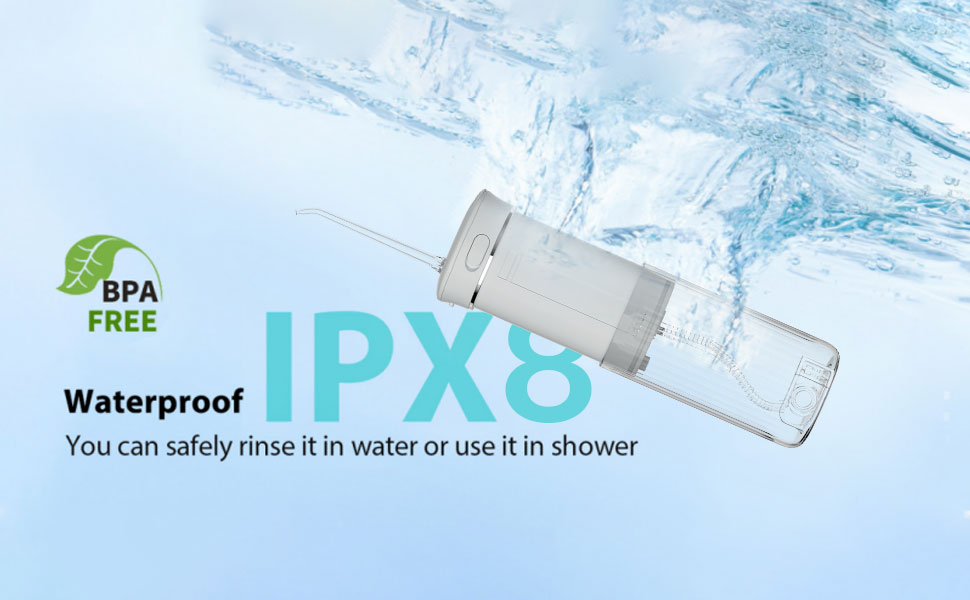
Waterproof Design Flaws of IPX7 Water-Resistant Water Flossers: Solutions to Seal Ring Aging and Water flosser Ingress Failures

What’s the Synergy Between a Neuromorphic Computing Chip and a Holographic User Interface?
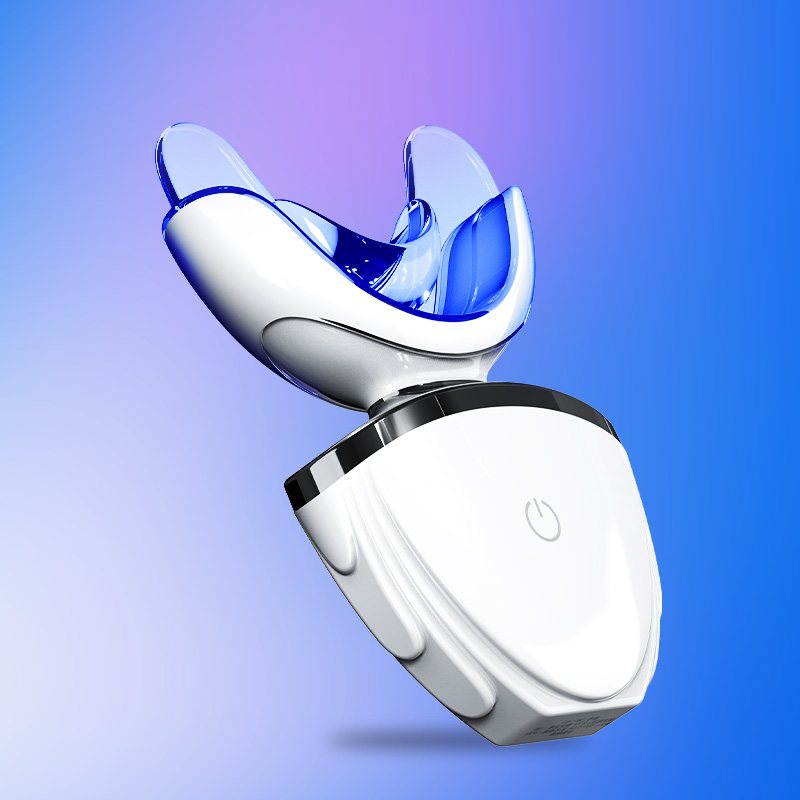
The Importance of Water Resistance for Teeth Whitening Devices and Anti-Saliva Corrosion Structure
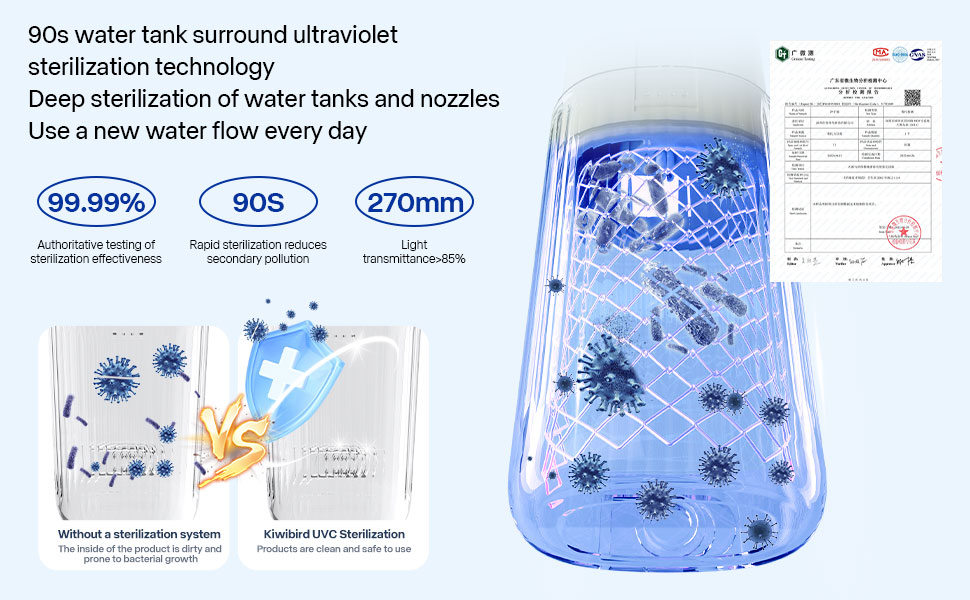
Preventing Mold in Water Flosser Tanks: Silver Ion vs. UV Sterilization
Sonic Sweep Vibration Electric Toothbrush Manufacturer
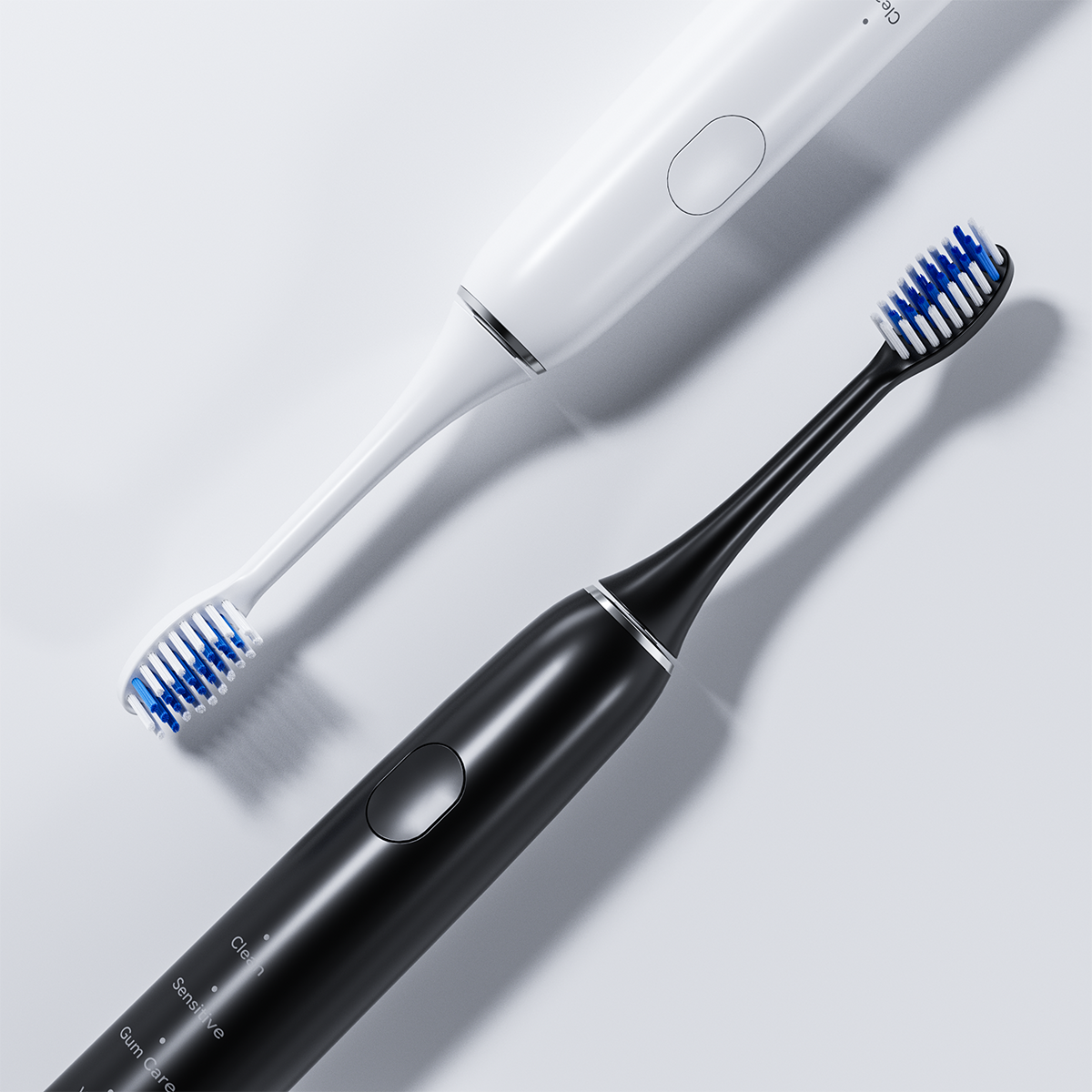
Magnetic Levitation Toothbrush Factory: Premium OEM Services
Hotel Electric Toothbrush Bulk Supply for Hospitality & OEM Programs

What Are the Advantages of Home Dental Beauty Products?
Electric Toothbrush Supplier Comparison: What Matters Beyond Unit Price

How Can a Predictive Maintenance Digital Twin Enhance Your Cyber-Physical Threat Intelligence?
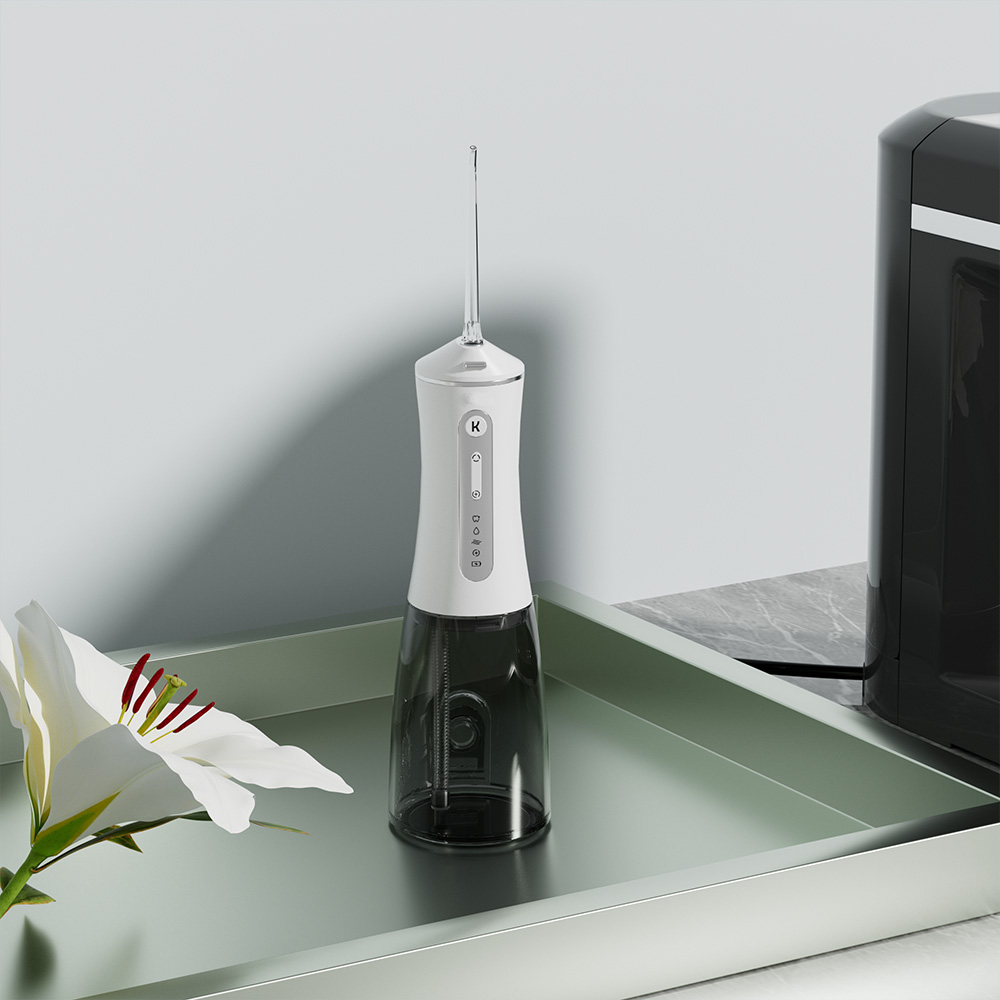
Is the water flosser a waste of money?
California Water Flosser: Advanced Factory Solutions
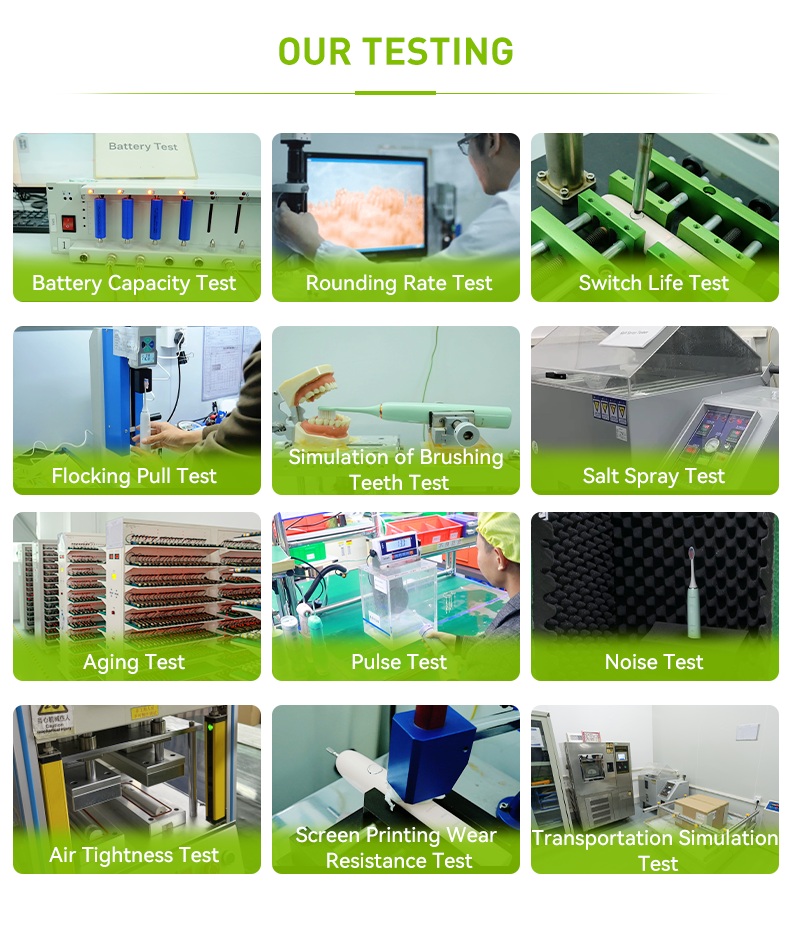
Seeking OEM/ODM Manufacturing Backed by a Reliable Global Logistics Partner?
Teeth Whitener Moldflow & Anti-Mold Process: Ensuring Product Quality and Durability
Dual Motor Electric Toothbrush Supplier


.jpg)
.jpg)
.jpg)
.jpg)
.jpg)




.jpg)

.jpg)