
.jpg)
When customers report battery overheating during operation and mention experiencing ear discomfort, it often raises concerns about whether these symptoms are merely a nuisance or an early warning of something more hazardous. While these issues may appear isolated, manufacturers should recognize how thermal problems can lead to unintended user discomfort—and, in some cases, escalate to safety risks if left unaddressed. This article unpacks why battery overheating is more than a technical fault, how it can cause ear discomfort, and what proactive measures B2B brands can take to prevent incidents before they compromise user trust. How Battery Overheating Starts Battery overheating typically develops due to a combination of: Substandard battery cells with inadequate thermal tolerance Ineffective thermal management systems Overcharging cycles or high-current usage beyond rated specs Blocked vents or enclosures that trap heat Long-duration use without cooling intervals Once the battery begins to overheat, the excess temperature can radiate throughout the device housing, including areas that come into contact with the face or ear. The Pathway to Ear Discomfort At first glance, it might seem unlikely that battery heat could result in ear discomfort. But there are several plausible pathways: Heat conduction: The battery’s rising temperature gradually warms the entire…
When customers or dental professionals encounter chip overheating inside powered oral care devices and simultaneously observe cavity acceleration, the combination can seem puzzling—even coincidental. However, these issues may share more common ground than many manufacturers realize. Understanding how electronic thermal failures can indirectly impact oral health is essential for brands determined to deliver reliable, safe, and scientifically validated products. Below, we examine why chip overheating matters, how it could contribute to faster cavity formation, and what preventive measures B2B suppliers should adopt to protect their customers. What Drives Chip Overheating? Chip overheating typically originates from: Inadequate thermal dissipation within the device housing Low-quality PCB materials unable to withstand sustained load Blocked airflow vents that trap heat during operation Excessive power draw when motors, LEDs, or heating elements run simultaneously Lack of protective circuits to cut off power under extreme temperatures As the chip heats up, surrounding components—including those that regulate dosing of gels, water flow, or vibration speed—can also lose accuracy. Could Overheating Indirectly Promote Cavity Acceleration? At first glance, it seems unlikely that a tiny overheating chip could have any connection to cavity acceleration. However, the link emerges through indirect pathways: Disrupted dosing or spray patterns: Overheating can destabilize…
In the competitive landscape of oral care and personal devices, mode confusion coupled with runtime shortening is more than an inconvenience—it’s a product performance issue that can damage brand trust. When customers find themselves struggling to select the correct mode while battery life drains faster than expected, the result is frustration and diminished perceived value. This article unpacks why these two problems often occur together, what risks they pose, and how manufacturers can effectively resolve them. What Is Mode Confusion? Mode confusion arises when users are unable to clearly distinguish or select the intended operating mode of a device. Typical causes include: Unintuitive interfaces: Buttons that toggle too rapidly or lack clear tactile feedback. Poorly differentiated indicators: LEDs or symbols that look nearly identical across modes. Ambiguous labeling: Mode icons or instructions that fail to communicate functions clearly. When users accidentally activate higher power settings, the device consumes more energy, which directly contributes to runtime shortening. How Runtime Shortening Manifests Runtime shortening refers to the battery depleting faster than advertised or expected. Beyond natural battery degradation, this can occur due to: Inadvertent high-power mode usage triggered by mode confusion. Unnecessary cycles or repeated re-activation when users struggle to confirm the…
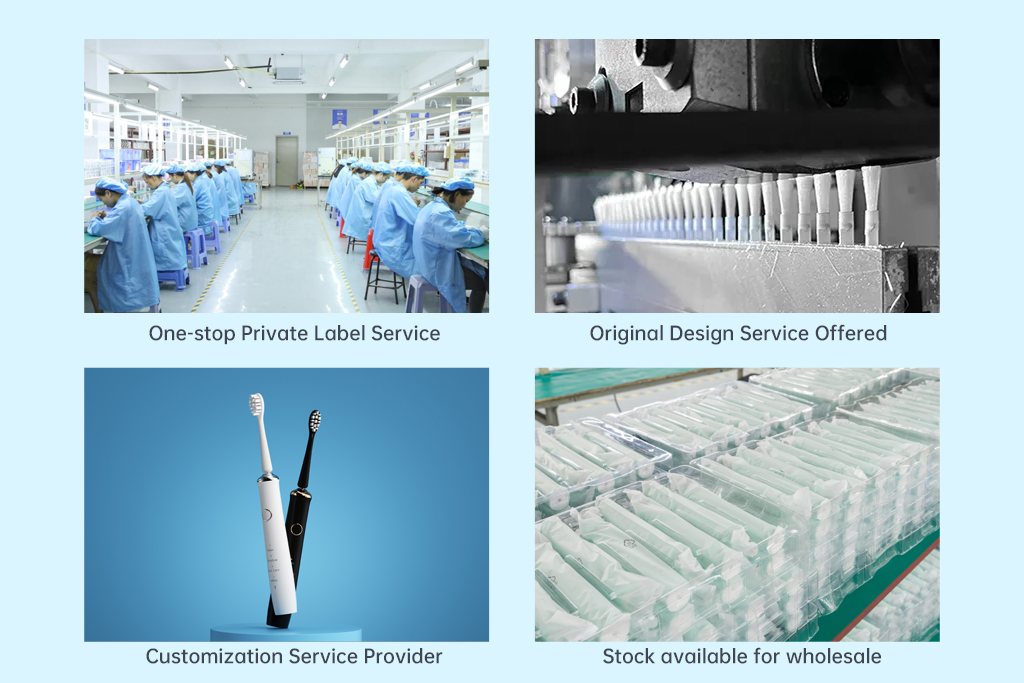
As competition increases in the oral care market, more brands are searching for ways to stand out while maintaining healthy profit margins. One increasingly effective strategy is positioning water flossers as premium oral care products. In this blog, we explore how brand owners can use luxury branding, effective product design, and OEM manufacturing partnerships to turn water flossers into maximizing profit margins oral care solutions. Market Overview: Why Premium Positioning Works The global demand for advanced oral care solutions is rising rapidly, especially among middle- to high-income consumers. Today’s consumers are no longer looking for just functionality—they want convenience, style, and wellness benefits from their purchases. Positioning a premium water flosser taps into this desire. Premium branding not only elevates perceived value but also allows brands to increase retail pricing significantly, thus maximizing profit margins. Key Features that Define a Premium Water Flosser To justify a higher price point, premium water flossers must go beyond basic cleaning. Consider incorporating the following features: Smart technology: Bluetooth-enabled tracking or AI-powered usage analytics Customizable pressure settings: More options for sensitive gums and orthodontic users Elegant design: Sleek finishes, compact build, and travel-friendly packaging Long battery life and fast charging Low-noise operation A focus on design, functionality, and…
In an era of rapidly evolving device ecosystems, charger mismatch has emerged as a surprisingly common issue with significant consequences. When chargers are poorly specified or incorrectly paired, they often result in battery incompatibility, posing both performance and safety risks. This article explores how mismatched charging components can undermine battery lifespan and reliability—and what manufacturers can do to prevent these costly failures. What Is Charger Mismatch? Charger mismatch refers to situations where the charger’s output characteristics—such as voltage, current, or connector type—do not align with the device’s battery requirements. This can happen for several reasons: Using a third-party charger not validated by the original manufacturer Employing outdated chargers with newer battery chemistries Mistaking visually similar connectors for true compatibility Even minor deviations in output specifications can gradually degrade battery health or trigger immediate charging failures. How Does Battery Incompatibility Manifest? Battery incompatibility can present through a range of observable symptoms: Failure to charge or incomplete charge cycles Excessive heat buildup during charging Unexpected battery swelling or leakage Shortened runtime despite nominal full charge Irregular shutdowns or sudden power loss These symptoms are often mistakenly attributed to defective batteries, when the real culprit is an incompatible charger. Company web:https://www.powsmart.com/product/electric-toothbrush/ Why Charger…
In high-performance oral care devices, smooth operation and reliable performance are non-negotiable. Yet pulse lag and incomplete flushing remain two of the most frustrating issues for end users and B2B clients alike. When these problems occur together, they not only damage the user experience but also raise concerns about hygiene, device longevity, and brand reputation. This article explores why pulse lag and incomplete flushing often appear in tandem, the underlying causes, and actionable solutions to prevent these failures. Understanding Pulse Lag Pulse lag describes a noticeable delay between activating the device and the start of the water jet. While minor delays can be tolerable, excessive lag creates confusion and frustration. Typical causes of pulse lag include: Air pockets in the pump or tubing Low motor torque or inconsistent power delivery Software delays in triggering the pump cycle Valve obstructions reducing flow initiation speed Especially in professional or clinical contexts, any lag in response time undermines user confidence. Why Incomplete Flushing Is a Serious Problem Incomplete flushing occurs when residual fluid remains in the reservoir, hoses, or nozzle after a cleaning cycle. Over time, stagnant liquid can: Promote bacterial growth Cause foul odors or taste contamination Block narrow passages and damage…
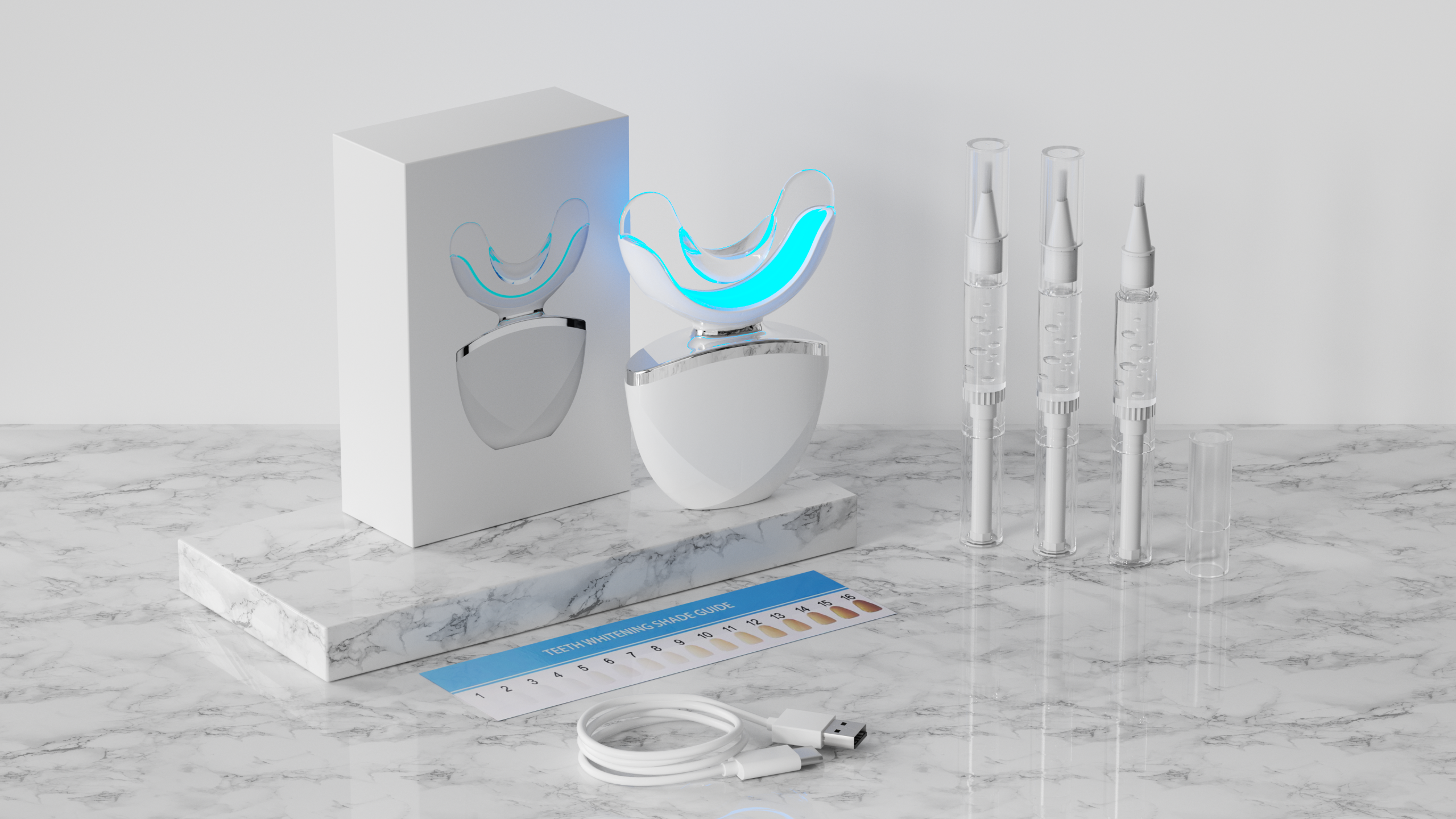
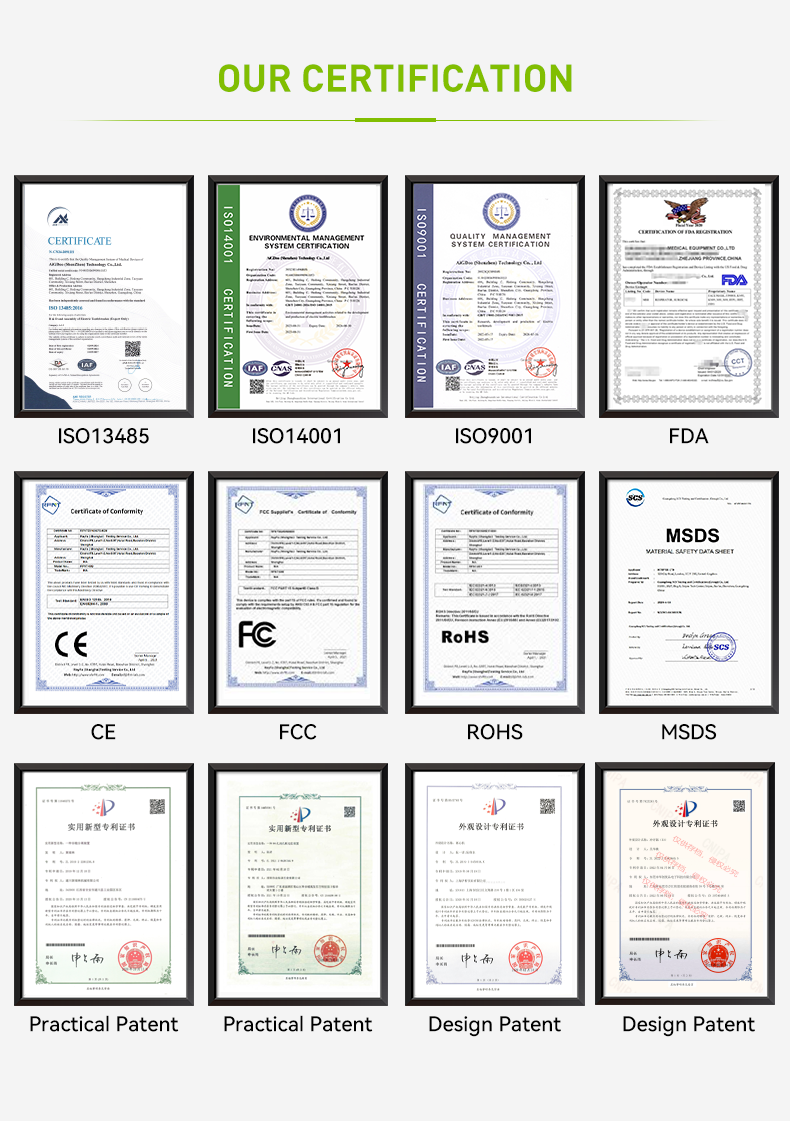
In the rapidly evolving oral care market, standing out as a brand requires more than just a good product. Today’s successful oral care brands must implement well-rounded sales-boosting strategies that address both product innovation and market execution. Whether selling in retail outlets or via online platforms, aligning with the right manufacturing partner and optimizing your oral care marketing and ecommerce sales funnel are essential to achieving sustained growth. This blog explores six actionable strategies to help oral care brands thrive in a competitive environment. Partner with Scalable, Quality-Driven Manufacturers For any oral care brand looking to scale, the choice of manufacturing partner is critical. A reliable factory not only ensures product quality but also supports innovation and volume growth. Look for manufacturers with expertise in electric toothbrushes, water flossers, and custom product development. Ensure they follow international certifications (ISO, CE, FDA) to appeal to global markets. Prioritize factories that offer fast prototyping and white-label capabilities. A strong manufacturing relationship lays the groundwork for consistent product supply, faster time-to-market, and competitive pricing—key pillars of any effective sales-boosting strategy. Develop a Differentiated Product Portfolio To stand out in crowded shelves and search results, your product line must offer unique value. Product differentiation can significantly improve retail…
When LED flickering and adapter fires appear together, many manufacturers and distributors underestimate how dangerous this combination can be. What may start as minor performance inconsistencies can rapidly escalate into severe electrical hazards and product recalls. This article breaks down why these issues arise, how they are connected, and what proactive steps brands can take to protect end-users and maintain product integrity. How LED Flickering Signals Deeper Electrical Instability While occasional LED flickering is often dismissed as harmless, it frequently indicates: Voltage fluctuations caused by unstable power supplies. Loose or degraded solder joints. Deterioration of internal capacitors or driver circuits. These inconsistencies not only disrupt the user experience but also strain the components, increasing the chance of thermal stress and electrical shorts. Why Adapter Fires Often Follow Flickering In some cases, adapter fires are the direct consequence of ignoring flickering symptoms. Here’s why: Prolonged flickering stresses the adapter’s rectifiers and transformers. Heat accumulates in the adapter casing due to inefficient power conversion. Over time, the insulation around wires can degrade, leading to sparks or flames. Especially in high-demand environments—like professional clinics or large-scale retail displays—this chain reaction can trigger extensive damage. Company web: https://www.powsmart.com/product/electric-toothbrush/ Common Triggers of This Dangerous Duo Manufacturers…
When tray warping combines with switch corrosion, many companies fail to recognize just how quickly these issues can compromise device safety and functionality. Although each defect alone can be problematic, together they often signal deeper structural and electrical deterioration that may warrant immediate replacement. In this blog, we explore why these failures occur, how they interact, and when replacement becomes the best course of action. Why Tray Warping Shouldn’t Be Ignored Tray warping usually starts as subtle distortion, often due to: Excessive heat exposure during charging or sterilization. Low-grade polymers that can’t maintain their shape under stress. Improper mechanical loads during operation. Even minor warping can result in poor sealing, uneven pressure on internal components, or misalignment of moving parts—all of which increase the risk of performance failures over time. How Switch Corrosion Develops Alongside Warping While tray deformation compromises mechanical integrity, switch corrosion attacks the electrical system. Moisture and cleaning chemicals can infiltrate gaps created by warped trays, accelerating corrosion at contacts and terminals. Over time, this can lead to: Intermittent power failures. Unresponsive control inputs. Complete switch breakdown. When corrosion is advanced enough to affect continuity, replacement is often unavoidable. The Connection Between These Two Failures At first…
In professional oral care devices, grip fatigue combined with noise pollution isn’t just an inconvenience; it can be a clear signal that your design approach requires reevaluation. Many manufacturers focus on performance metrics—motor power, battery runtime, spray pressure—while overlooking how ergonomics and acoustics directly shape the user experience. Yet, when customers report hand strain and excessive operating noise, the consequences can include reduced compliance, negative reviews, and long-term brand erosion. This article explores why these two issues often appear together, what underlying design choices contribute, and how you can address them effectively. What Causes Grip Fatigue in Oral Devices? Grip fatigue refers to muscle strain in the hand and wrist during repeated use. In dental water flossers and electric toothbrushes, it often stems from: Excessive device weight without counterbalance. Large handle diameters that require constant tension. Slippery surfaces causing involuntary squeezing to maintain control. Continuous operation cycles exceeding recommended usage intervals. Importantly, fatigue is not merely a comfort concern—it can also impact brushing consistency and adherence to oral hygiene routines. Why Does Noise Pollution Occur Simultaneously? Noise pollution in this context describes high-decibel motor sounds, vibration resonance, and intermittent whining. Common causes include: Poor acoustic dampening in the motor housing.…
As device miniaturization and multi-functionality evolve, the relationship between filter clogging and slow charging has become an unexpected but critical concern in the design and manufacturing of consumer electronics, especially in portable and rechargeable devices like electric toothbrushes, water flossers, and personal grooming tools. But how exactly does a clogged filter impact the charging efficiency of such devices, and what measures should manufacturers adopt to avoid this problem? How Does Filter Clogging Occur in Rechargeable Devices? Filter clogging typically refers to the obstruction of air, moisture, or dust filters within electronic devices. These filters are designed to: Block debris, moisture, or dust from entering the internal circuits; Ensure proper ventilation for battery and component cooling; Maintain clean contact points between charging ports and battery systems. However, when these filters are neglected or poorly designed, accumulated contaminants restrict airflow or moisture control, creating conditions that interfere with charging speed and performance. Why Is Filter Clogging Linked to Slow Charging? Though rarely considered, filter clogging can indirectly result in slow charging due to several technical reasons: Clogged filters may cause overheating of internal battery components as proper ventilation is reduced, forcing the device’s battery management system (BMS) to lower charging current to…
.jpg)
In today's competitive oral care market, cleaning performance is a key differentiator for any electric toothbrush brand. Whether you’re launching a new line or improving your current offering, choosing the right electric toothbrush factory can make or break product performance. Key factors such as sonic technology, brush head design, and quality OEM manufacturing standards all influence the outcome. This blog explores how different factories vary and what to consider when selecting the right partner. The Role of Sonic Technology in Deep Cleaning Toothbrushes One of the primary factors impacting cleaning efficiency is the type of motor technology used. Advanced sonic technology enables toothbrushes to deliver up to 40,000 strokes per minute, creating microbubbles that reach deep between teeth and along the gum line. However, not all electric toothbrush factories implement this technology equally. Top-tier factories invest in high-frequency, stable sonic motors. Lower-end suppliers may compromise on vibration strength and consistency. When selecting a supplier, always evaluate their motor sourcing and engineering capabilities to ensure your brand offers a true deep cleaning toothbrush experience. Brush Head Design: The Unsung Hero of Cleaning Performance Another critical but often overlooked component is the brush head design. Factors such as bristle material, tufting density, and head shape directly impact how…
In the world of oral care devices, particularly water flossers and portable irrigators, two recurring issues often surface in user feedback: hose rupture and gum discomfort. While at first glance these may seem like independent problems—one mechanical, the other user-centric—they are more closely linked than most manufacturers assume. Understanding this relationship is crucial for OEM/ODM suppliers aiming to improve product quality and user satisfaction. What Is Hose Rupture and Why It Occurs A hose rupture refers to internal or external cracking, splitting, or bursting of the fluid delivery tube due to: Material fatigue over repeated use cycles Manufacturing defects or uneven wall thickness Exposure to hot water or pressure surges Poor bonding or aging of inner lining This rupture can be partial (micro-leaks, hairline cracks) or complete (visible burst), both of which can severely affect fluid dynamics. How Ruptures Alter Spray Characteristics When a hose ruptures, even minutely, it disrupts the pressure equilibrium and flow consistency. Instead of a steady, focused jet, users may experience: Irregular pulsation Unpredictable spray angles Surges or drops in pressure This instability in water delivery is one of the hidden contributors to gum discomfort, as the user’s soft tissues are exposed to unexpected force or…
In the competitive world of personal care device manufacturing, cosmetic defects are often considered secondary. However, when brush discoloration becomes a recurring issue, it may be more than a visual flaw—it can be an early sign of material degradation that leads to allergy outbreaks among users. This blog explores how these two seemingly unrelated issues are in fact closely connected, and what manufacturers must do to address them. What Is Brush Discoloration and Why It Happens Brush discoloration refers to changes in color or surface texture of bristles over time or after limited usage. Common causes include: Oxidation of dye or bristle materials Reaction with toothpaste chemicals or mouthwash agents UV degradation from prolonged light exposure Contamination from moisture or microbial growth While often dismissed as cosmetic, this discoloration may reflect chemical instability—raising red flags for B2B buyers concerned about quality and safety. Link Between Material Changes and Allergy Outbreaks Discolored bristles may signal deeper material breakdown. During degradation, polymers can release residual monomers, plasticizers, or dyes, many of which are known skin or mucosal irritants. These substances may cause: Contact dermatitis around the lips or gums Oral mucosal inflammation Itching, swelling, or rash—typical allergy outbreaks Hypersensitivity reactions among users…
As the oral care device industry moves toward smarter and more efficient products, two recurring challenges have drawn the attention of both OEM/ODM manufacturers and end-users: weak vibration and sensor failure. While either issue alone can impact performance, their combination presents a serious threat to product reliability, user satisfaction, and brand credibility. But is this double malfunction an avoidable design flaw—or an inevitable risk of advanced technology? What Causes Weak Vibration in Sonic Devices? Weak vibration in sonic toothbrushes or oral irrigators usually stems from: Motor degradation due to prolonged use or substandard components; Power supply inconsistencies such as battery voltage drops; Loose internal connections caused by assembly errors or material fatigue. When vibration intensity weakens, plaque removal efficiency plummets, compromising the primary function of the device. Customers may feel the product is ineffective or defective, triggering complaints and returns. Understanding Sensor Failure in Oral Care Devices Simultaneously, sensor failure—whether pressure sensors, position detectors, or usage timers—leads to operational inaccuracy. Common reasons include: Faulty PCB design or low-grade electronic components; Software glitches causing misinterpretation of user input or position; Environmental factors like moisture ingress or temperature fluctuations. A failed sensor may not detect excessive brushing pressure or incorrect positioning, raising…
As the demand for high-performance electric toothbrushes continues to rise, unexpected issues such as charging port damage and bristle shedding are becoming more frequently reported. At first glance, these two failures may seem unrelated, affecting different parts of the device. However, are they truly isolated problems—or is there a hidden connection that manufacturers must address to maintain product reliability and user satisfaction? Understanding Charging Port Damage in Oral Care Devices Charging port damage occurs when the power inlet on an electric toothbrush becomes worn, corroded, or physically compromised. This can result from: Repeated plugging and unplugging over time; Exposure to moisture or toothpaste residues leading to corrosion; Weak material choice or inadequate sealing during production. When damaged, the charging port can cause inconsistent power flow, battery instability, or complete device failure. What Causes Bristle Shedding? On the other side of the design spectrum, bristle shedding is usually associated with brush head quality. Causes include: Poor adhesion between bristle tufts and the brush base; Inferior bristle materials that break or deform with use; Manufacturing errors during brush head molding or tufting processes. Shedding bristles reduce cleaning effectiveness and can even pose a choking hazard if dislodged fibers are ingested. Is There…
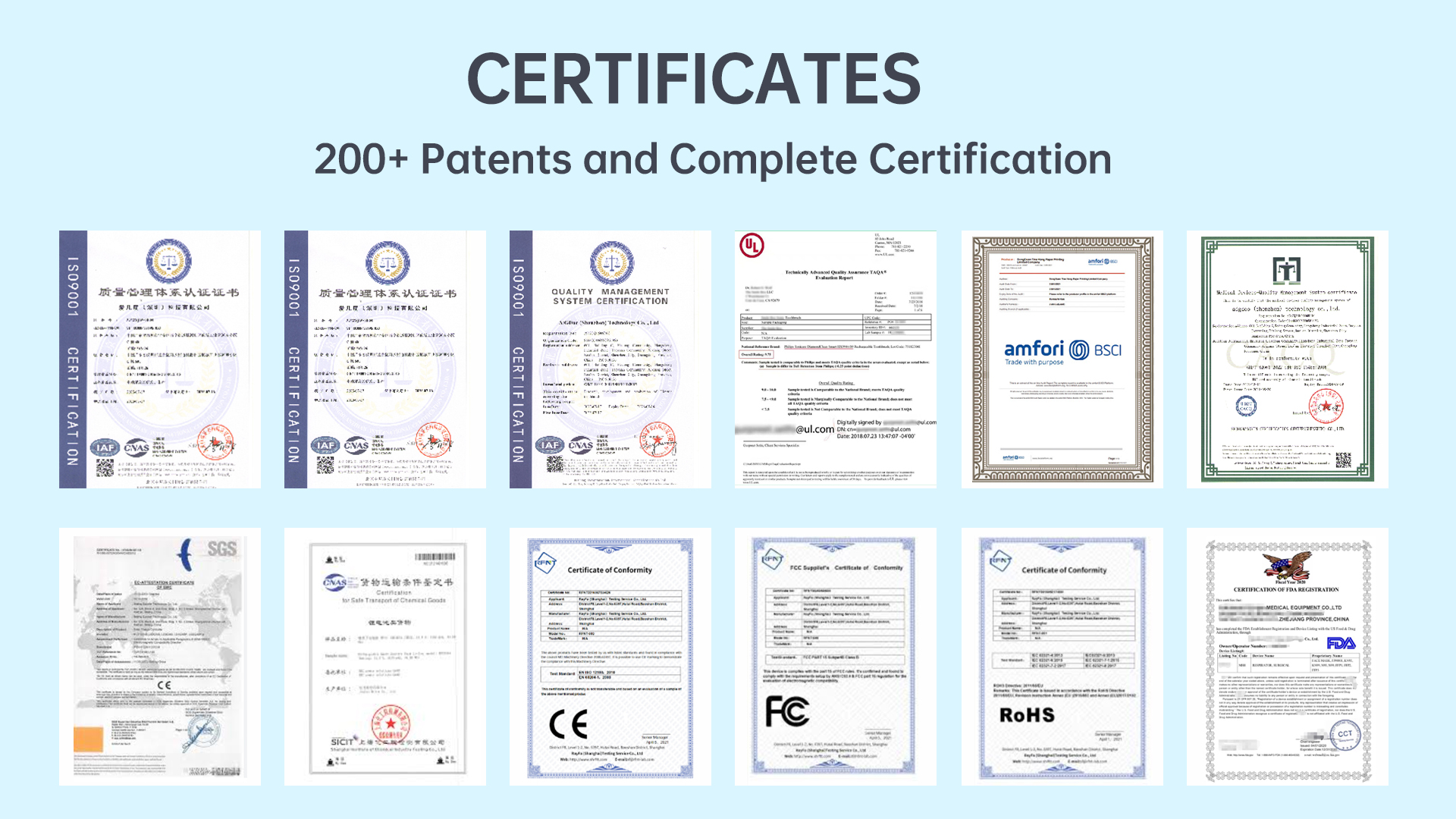
In the rapidly growing oral care industry, the demand for electric toothbrushes is at an all-time high. For brands aiming to enter or expand in this competitive market, partnering with the right electric toothbrush factory is essential—not just for product quality, but also for ensuring long-term business success. But how do you evaluate factories and identify those that can deliver superior electric toothbrush cleaning power, innovation, and scalable production? This article outlines six critical factors to help you choose the ideal manufacturing partner for your OEM electric toothbrush project. Define Your Cleaning Performance Standards Before you begin the search, it’s important to clearly define what “superior electric toothbrush cleaning power” means for your target market. Do you want high-frequency sonic vibration? Do you need multiple cleaning modes or intelligent pressure sensors? Top-tier oral care manufacturing begins with clear technical specifications. Look for a factory that can meet or exceed industry standards for plaque removal, battery efficiency, motor durability, and ergonomic design. Ask for performance test reports or existing client case studies that demonstrate their product capabilities. Evaluate R&D and Innovation Capabilities A reliable electric toothbrush factory should have strong R&D capacity. Innovation is key in a market where user expectations evolve quickly. Investigate: How…
In the development and quality control of electric personal care devices, such as sonic toothbrushes or water flossers, the simultaneous occurrence of pulse instability and unexpected noise spikes often signals a deeper issue within the motor system. These symptoms are not to be dismissed as minor annoyances—in fact, they may be early warnings that the motor is nearing the end of its functional lifespan. But is the motor really dying, or are these signs of something fixable? hat Is Pulse Instability and Why Does It Occur? Pulse instability refers to irregular fluctuations in the electrical pulses delivered to the motor, causing inconsistent performance. The causes include: Aging motor components such as brushes or bearings degrading over time; Poor circuit design that fails to regulate voltage or current properly; Faulty or loose electrical connections leading to intermittent power delivery; Environmental factors such as humidity or corrosion affecting internal contacts. When pulses become unstable, the motor's rotation speed or oscillation frequency changes unpredictably, affecting device performance and user experience. What Causes Noise Spikes in Motorized Devices? Noise spikes—sudden increases in operational sound levels—are often symptomatic of: Imbalanced rotating parts, such as worn or misaligned rotors; Friction buildup in the motor shaft or…
.jpg)
As consumer awareness of dental hygiene increases, water flossers—also known as oral irrigators—have emerged as a key category in the oral care market. For oral care brands, identifying and communicating the key selling points for water flossers is essential to stand out in a competitive landscape. This blog outlines the core water flosser advantages and value propositions of water flossers that manufacturers and brands can use to effectively market their products. Deep Cleaning Power: A Proven Oral Irrigation Advantage One of the biggest water flosser advantages is its ability to deliver deep cleaning in areas where traditional floss or toothbrushes can’t reach. The pressurized water stream: Effectively removes food particles and plaque between teeth and below the gumline Improves gum health with consistent use Is ideal for users with braces, implants, or sensitive gums Oral irrigator deep cleaning capabilities are clinically proven to reduce gingivitis and bleeding, offering a strong scientific backing that brands can confidently highlight as a selling point. Comfort and Convenience: Key to Modern Consumer Adoption Unlike traditional flossing, which can be uncomfortable and time-consuming, water flossers offer: A gentle and non-invasive experience Adjustable pressure levels to suit different user sensitivities Quicker and more intuitive use By promoting this combination of…
In the world of electronic appliances, especially those designed for personal care such as electric toothbrushes and oral irrigators, two critical risks demand serious attention: Short Circuit and Water Leakage. When these two issues occur simultaneously, the potential hazards multiply—not only threatening device performance but also putting user safety at considerable risk. Are manufacturers unknowingly playing with fire if they overlook this dangerous combination? Understanding the Relationship Between Short Circuit and Water Leakage Water and electricity are natural enemies. A Water Leakage—whether from a poorly sealed tank, damaged O-rings, or cracked casings—can directly result in moisture reaching sensitive electronic components. Once inside, this moisture can lead to a Short Circuit, where electrical pathways are unintentionally bridged. This not only causes the device to malfunction but also increases the chance of overheating or sparking. For OEM suppliers, ensuring IPX7 or higher waterproof standards during design and testing is the first step to prevent this chain reaction. Why the Double Risk Is More Dangerous Than It Seems While either Water Leakage or a Short Circuit is harmful on its own, their combination represents an amplified threat. A Short Circuit caused by internal moisture does not only lead to product failure—it can result…


.jpg)
.jpg)
.jpg)
.jpg)
.jpg)



.jpg)
.jpg)

.jpg)