.jpg)
In today’s on-the-go lifestyle, professionals and travelers alike demand a water flosser with true Cordless Efficiency and ample Reservoir Capacity so they can maintain optimal oral hygiene for a full week without constant recharging or refilling. But achieving that balance requires careful attention to power management, tank design, and user convenience—elements that B2B partners must prioritize when specifying a next-generation device. Meeting the Week-Long Usage Challenge First and foremost, end users expect a single charge and refill to last through seven days of twice-daily use. Consequently, B2B customers look for: Reliable Performance: Consistent pressure and pulse settings over dozens of uses. Minimal Downtime: Seamless operation without mid-week interruptions. User Confidence: Clear indicators of battery life and water level to avoid surprises. Understanding these expectations is the first step toward delivering a flosser that truly endures. Maximizing Cordless Efficiency Moreover, Cordless Efficiency isn’t just about a big battery—it’s about intelligent power management: Low-Power Pump Design: High-efficiency motors and optimized impeller geometries reduce current draw per burst. Adaptive Drive Modes: Automatic down-scaling of pulse frequency when reservoir nears empty extends runtime without user intervention. Standby Optimization: Ultra-low quiescent current in idle mode preserves battery between brushing sessions. Battery Chemistry: Selecting high-energy-density Li-ion…
As demand for personalized oral care grows, toothbrush devices must offer highly programmable pulse frequency control and sensitivity adaptation to accommodate multiple modes and user profiles. Only by combining a range of settings with real-time feedback can a single device truly meet the needs of all ages, oral conditions, and use-case scenarios. Segmenting Users and Their Diverse Needs First, B2B manufacturers should consider the full spectrum of end users: Children and Teens: Require low-frequency, gentle pulses to protect developing gums. Everyday Adults: Need mid-range frequency and strength in a standard cleaning mode that balances efficiency with comfort. Sensitive Users: Benefit from precise sensitivity adaptation, ensuring effective cleaning without irritation. Orthodontic and Restorative Cases: Demand specialized nozzles or brush heads to navigate braces, implants, and other hardware. Clear user personas are essential to define the must-have features for a “one-size-fits-all” device. Multi-Mode Design: From Basic to Professional Next, the device should support multiple cleaning modes for different scenarios: Standard Cleaning: Ideal for daily plaque removal. Whitening/Polish: Uses high pulse frequency and specialized brush heads for surface brightening. Gum Massage: Low-frequency pulses gently stimulate gum circulation. Orthodontic Mode: Works with dedicated nozzles or heads to flush around brackets and wires. Deep-Clean Therapy:…
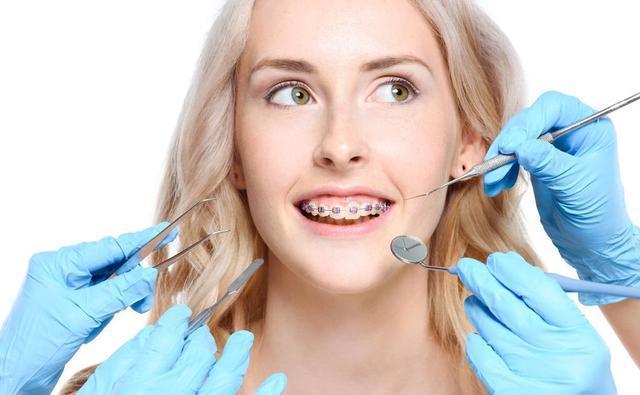
In orthodontic use, patients wearing braces face extra challenges: brackets and wires create tight spaces where food debris and plaque accumulate. At the same time, different nozzle types can make or break cleaning effectiveness. For B2B partners, offering a water flosser specifically optimized for braces is essential to meet both professional and end-user needs. Why Braces Demand Special Water Flossers Braces introduce complex hardware behind which toothbrush bristles can’t reach. A water flosser designed for orthodontic use must: Boost fluid penetration to reach beneath brackets and wires. Use finer nozzles that focus jet streams into narrow gaps. Provide gentle pressure modes to clean effectively without irritating sensitive gums around brackets. Meeting these requirements ensures thorough cleaning without compromising comfort. Exploring Different Nozzle Types Common nozzle options include: Standard Straight Nozzles: Broad jets for general interdental cleaning—but less precise under braces. Orthodontic-Style Nozzles: Slim, angled tips that target plaque beneath brackets. Brush-Hybrid Nozzles: Combine a soft brush head with a water jet for both mechanical and hydrodynamic cleaning. Tongue-Cleaner Nozzles: Focus on overall oral hygiene but are not ideal for braces. Providing a range of interchangeable nozzles lets users tailor their routine to specific needs. Company web: https://www.powsmart.com/product/electric-toothbrush/ Comparing Cleaning Performance…
In today’s era of intelligent oral care, mere motor vibration or simple brush‑head replacement reminders are no longer sufficient. A truly “smart brush” must leverage Smart App Integration for seamless data exchange and employ Hygiene Monitoring to assess users’ oral health in real time. In the following six sections, we’ll explore how an electric toothbrush can be hardcore upgraded to meet B2B partners’ dual demands for “smarts” and “health.” Seamless Connectivity: Building Smart App Integration First, the way the brush handle connects to phones or tablets defines the user experience: Low‑Energy Bluetooth (BLE) Stability: Ensures a reliable link even in humid bathroom environments. Cross‑Platform Support: Provides SDKs for iOS, Android, and specialized devices, so you can tailor the experience to different markets. Bidirectional Data Exchange: Not only uploads brushing duration, frequency, and pressure data, but also receives firmware updates and personalized cleaning routines from the cloud. This is true Smart App Integration, turning your brush into an endpoint in the user’s overall oral‑health ecosystem. Real‑World Hygiene Monitoring Features Next, Hygiene Monitoring goes far beyond counting brushing sessions, using multi‑sensor analysis to deliver meaningful insights: Pressure Sensors detect overzealous brushing, preventing enamel erosion. Accelerometers track brush‑head motion patterns, alerting users to…
In oral care, overzealous brushing can lead to Pressure Sensitivity and accelerate Enamel Erosion, harming both gums and tooth structure over time. As manufacturers of electric toothbrushes, understanding how brushing force affects oral tissues is critical to designing products that clean effectively without causing damage. The Hidden Hazards of Over‑Brushing First, many users believe that pressing harder means a deeper clean. In reality, excessive force can abrade the gum line, causing irritation and inflammation over repeated use. Moreover, splayed or frayed bristles increase drag, forcing the motor to work harder and generating more heat—factors that only compound oral tissue trauma and reduce overall device efficiency. From Pressure Sensitivity to Enamel Erosion Furthermore, Pressure Sensitivity—the pain or discomfort felt when brushing—often signals the onset of Enamel Erosion: Micro‑abrasions: Heavy pressure creates tiny scratches in the enamel surface, making it more vulnerable to acid attack. Mineral Loss: Mechanical stress accelerates the leaching of calcium and phosphate from enamel. Heightened Sensitivity: As enamel thins, the underlying dentin becomes exposed, intensifying sensitivity to hot, cold, or sweet stimuli. This cascade illustrates why moderating brush pressure is essential for long‑term dental health. Precisely Measuring and Diagnosing Brushing Force To optimize design and user feedback, employ…
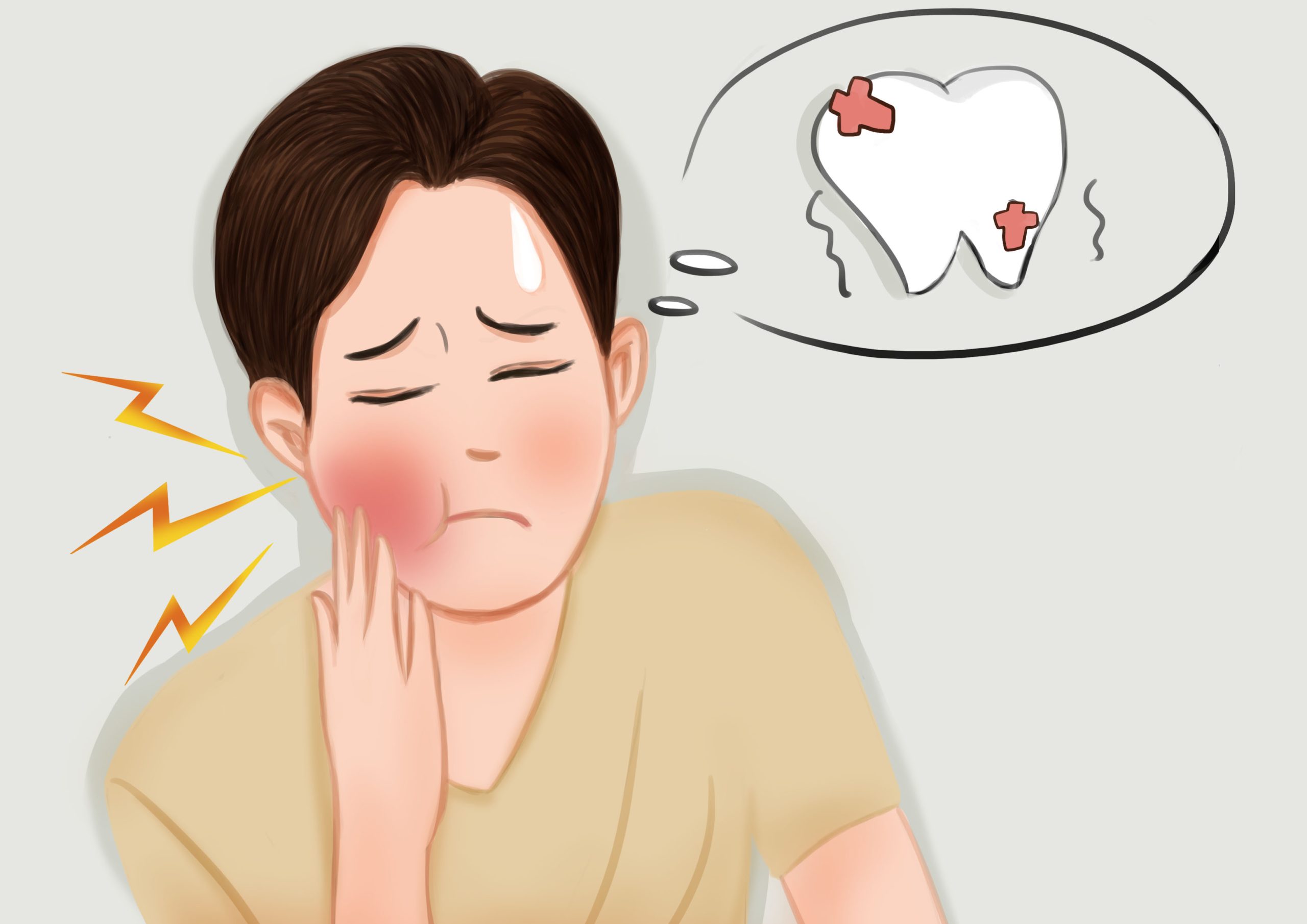
Seeing blood when you brush can be alarming, but understanding the causes and solutions for bleeding gum can help you take control of your oral health. Whether you're a dental professional advising patients or an individual seeking solutions, this guide covers everything you need to know about this common issue. 1. Why Do Gums Bleed? The Root Causes Bleeding gums are often the first sign of gum disease (gingivitis or periodontitis), but other factors include: Plaque buildup along the gumline Overly aggressive brushing techniques Using a toothbrush with hard bristles Hormonal changes (pregnancy, menstruation) Vitamin deficiencies (especially Vitamin C) 2. Immediate Steps to Stop Gum Bleeding When you notice bleeding: Use a gauze: Apply gentle pressure with moistened gauze to the affected area for 1-2 minutes Apply ice: Wrap an ice cube in cloth and hold it against swollen gums to reduce inflammation Rinse with salt water (1/2 tsp salt in warm water) to disinfect and soothe 3. Upgrade Your Brushing Tools and Technique https://www.powsmart.com/ Your toothbrush choice makes a big difference: Select the correct toothbrush: Soft or extra-soft bristles are gentler on sensitive gums Consider an electric toothbrush with pressure sensor to prevent over-brushing Use gentle, circular motions instead of harsh scrubbing Angle…
In the field of dental care and oral hygiene, product performance and safety are of paramount importance. Recent concerns have emerged regarding how Device Discoloration in dental tools or oral care devices could potentially be linked to Gum Recession Triggers. Discoloration, often overlooked, may be an early indicator of material degradation, which can cause harmful effects to users' gums and overall oral health. This blog explores the potential connection between these two phenomena, highlights the underlying causes, and provides recommendations for manufacturers to mitigate the risks associated with product degradation. Understanding the Impact of Device Discoloration Device Discoloration often signals the degradation of the materials used in the product, which can affect both its functionality and safety. In many oral care devices, such as toothbrushes or teeth-whitening tools, discoloration may occur due to prolonged exposure to moisture, cleaning agents, or wear and tear. While discoloration alone may not always suggest a malfunction, it can be an early sign of weakened materials that could potentially lead to gum irritation or, in more severe cases, Gum Recession Triggers. As materials break down, they may become more abrasive or prone to releasing chemicals that could irritate sensitive gum tissue, leading to inflammation or…
In today’s highly competitive personal care and medical device market, precision and user experience are key factors in building lasting customer trust. Recently, some customers have reported a concerning trend: devices exhibiting Pressure Sensor Errors often result in Gum Irritation Signs. This blog explores the underlying causes, symptoms, and potential solutions to address these issues and ultimately enhance product performance and user comfort. Market Background and Customer Expectations With the rise of smart dental care and high-end oral hygiene tools, consumers now expect devices not only to deliver accurate data but also to operate safely and comfortably. When Pressure Sensor Errors occur, the device may deliver inconsistent pressure during operation, leading to unwanted Gum Irritation Signs. Ensuring sensor accuracy is therefore crucial for maintaining both optimal functionality and high customer satisfaction. The Importance of Pressure Sensors and Their Potential Errors Pressure sensors are integral to the operation of many oral care devices—they monitor and adjust the force applied during use. Even minor errors in these sensors, whether from calibration issues, sensor aging, or external environmental factors, can lead to data inaccuracies. Such errors can cause the device to apply too much pressure or respond erratically, which may in turn set…
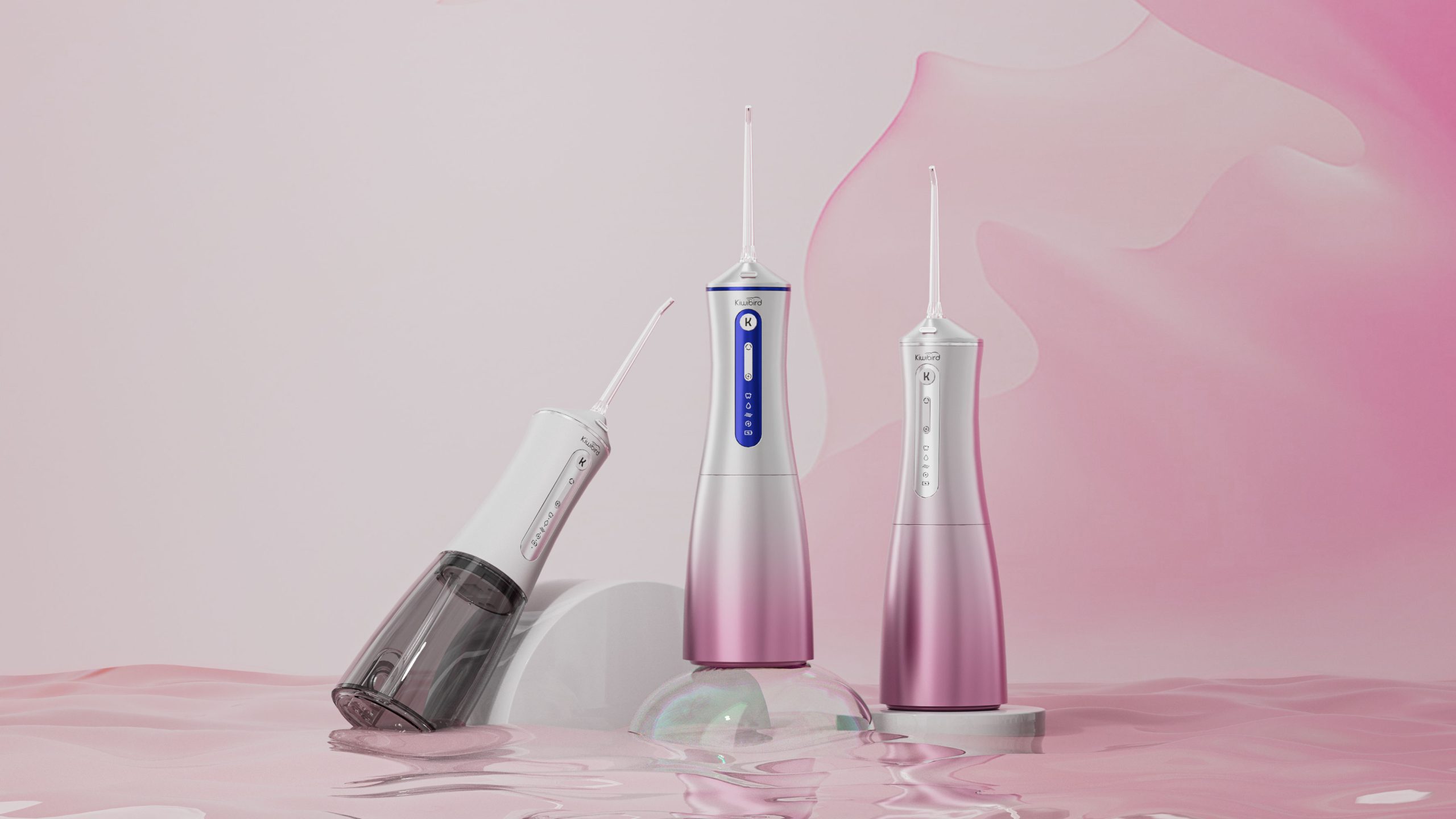
Bad breath, or halitosis, is a common issue that can affect anyone—personally or professionally. For B2B clients in the oral care industry, understanding the root causes and effective treatments is crucial for product development and customer education. Below, we break down the key factors behind bad breath and actionable solutions. 1. Bacteria: The Primary Culprit The mouth is home to millions of bacteria, some of which produce sulfur compounds when breaking down food particles. These compounds are the leading cause of unpleasant odors. Poor oral hygiene allows bacteria to thrive, especially on the tongue and between teeth. Solution: Encourage regular brushing (an electric toothbrush can remove more plaque than manual brushing). Recommend antibacterial mouthwash to reduce bacterial growth. 2. Dry Mouth: A Hidden Factor Saliva helps cleanse the mouth, but conditions like dry mouth (xerostomia) reduce saliva flow, allowing odor-causing bacteria to multiply. Common causes include dehydration, medications, and mouth breathing. Solution: Drink more water throughout the day to stimulate saliva. Suggest sugar-free gum or lozenges to promote moisture. 3. Smoking and Tobacco Use Smoking not only leaves a lingering smell but also dries out the mouth and promotes gum disease—both of which worsen bad breath. Solution: Offer smoking cessation…

Wisdom teeth pain can trigger severe headaches or migraine due to pressure, inflammation, or infection. If you're experiencing discomfort while waiting for dental treatment, these strategies can help manage the pain effectively. 1. Aspirin Therapy for Pain and Inflammation For temporary relief, aspirin therapy can help reduce both pain and inflammation associated with wisdom teeth. Always follow dosage instructions and consult your dentist or doctor before using pain medication, especially if you have underlying health conditions. 2. Salty Rinses to Reduce Swelling and Discomfort Warm salty rinses (1/2 teaspoon salt in warm water) can soothe irritated gums and reduce bacteria around erupting wisdom teeth. Swish gently 2-3 times daily to keep the area clean and minimize infection risk. 3. Gentle Cleaning with an Electric Toothbrush An electric toothbrush with a soft-bristled head can help clean around sensitive wisdom teeth without excessive pressure. Avoid vigorous brushing near the affected area to prevent further irritation. 4. When Extraction of Wisdom Teeth Is Necessary If headaches persist due to impacted or infected wisdom teeth, extraction of wisdom teeth may be the best long-term solution. Consult your dentist for an X-ray and professional assessment to determine if removal is needed. 5. Water Flossers for Gentle, Effective Cleaning A water flosser can flush out food…

In recent years, coconut oil has gained popularity as a natural teeth whitening remedy through a practice called oil pulling. But does it really work? Let's examine the science behind coconut oil for oral health and compare it to modern whitening solutions. 1. The Science Behind Coconut Oil's Antibacterial Properties Coconut oil contains lauric acid, which has proven antibacterial properties that can reduce harmful oral bacteria. While this helps maintain overall oral health, the whitening effects are often overstated. The oil's primary benefit lies in its ability to combat bacteria that cause plaque buildup rather than directly whitening teeth. 2. Prevention of Mouth Odour Through Bacterial Reduction One proven benefit of coconut oil pulling is prevention of mouth odour. By reducing bacteria that cause bad breath, coconut oil can leave your mouth feeling fresher. However, this effect is temporary and doesn't replace regular brushing or address deeper discoloration issues. 3. Supporting Gum Health But Limited Whitening Power Regular oil pulling may contribute to prevention of gum disease by reducing inflammation and bacterial load. Healthier gums create a better foundation for white teeth, but coconut oil alone cannot remove deep stains or significantly brighten tooth shade. 4. How Coconut Oil Compares to Teeth Whitening Strips Modern…
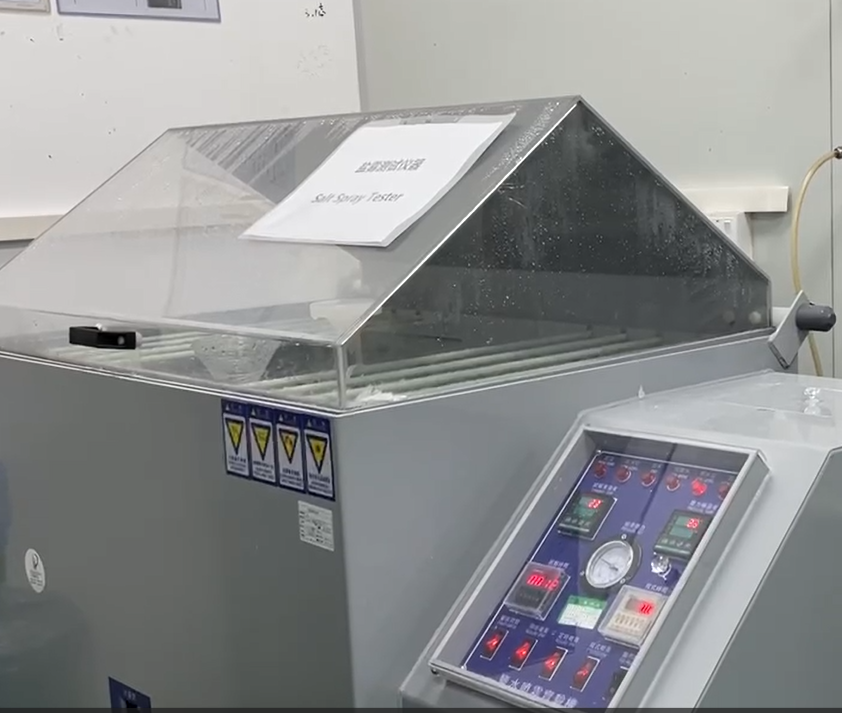
With the increasing demand for high-performance and long-lasting oral care products, waterproof technology has become a crucial factor in the competitiveness of electric toothbrushes and water flossers. Electric Toothbrush Waterproof Patents play a key role in ensuring product durability, preventing water damage, and improving user experience. This article explores how IPX7 Waterproof Technology and patented innovations help overcome the water ingress problem of water flossers, ensuring reliable quality and enhancing brand value. https://www.powsmart.com/about-powsmart/ The Role of IPX7 Waterproof Technology in Electric Toothbrushes One of the most widely adopted waterproof standards in the industry is IPX7 Waterproof Technology. This standard ensures that electric toothbrushes can withstand immersion in water up to 1 meter deep for 30 minutes. Key benefits of incorporating IPX7 waterproofing include: Extended Product Lifespan: Prevents internal circuits from being damaged by water, ensuring long-term reliability. Enhanced User Experience: Allows users to safely use the device in the shower or rinse it under running water without concerns. Improved Market Competitiveness: Products with certified waterproof ratings are more appealing to consumers, driving sales and brand recognition. How Waterproof Patents Provide Competitive Advantages? Patented waterproof technologies give manufacturers a significant edge in the market by offering unique solutions that competitors cannot easily replicate. The benefits…
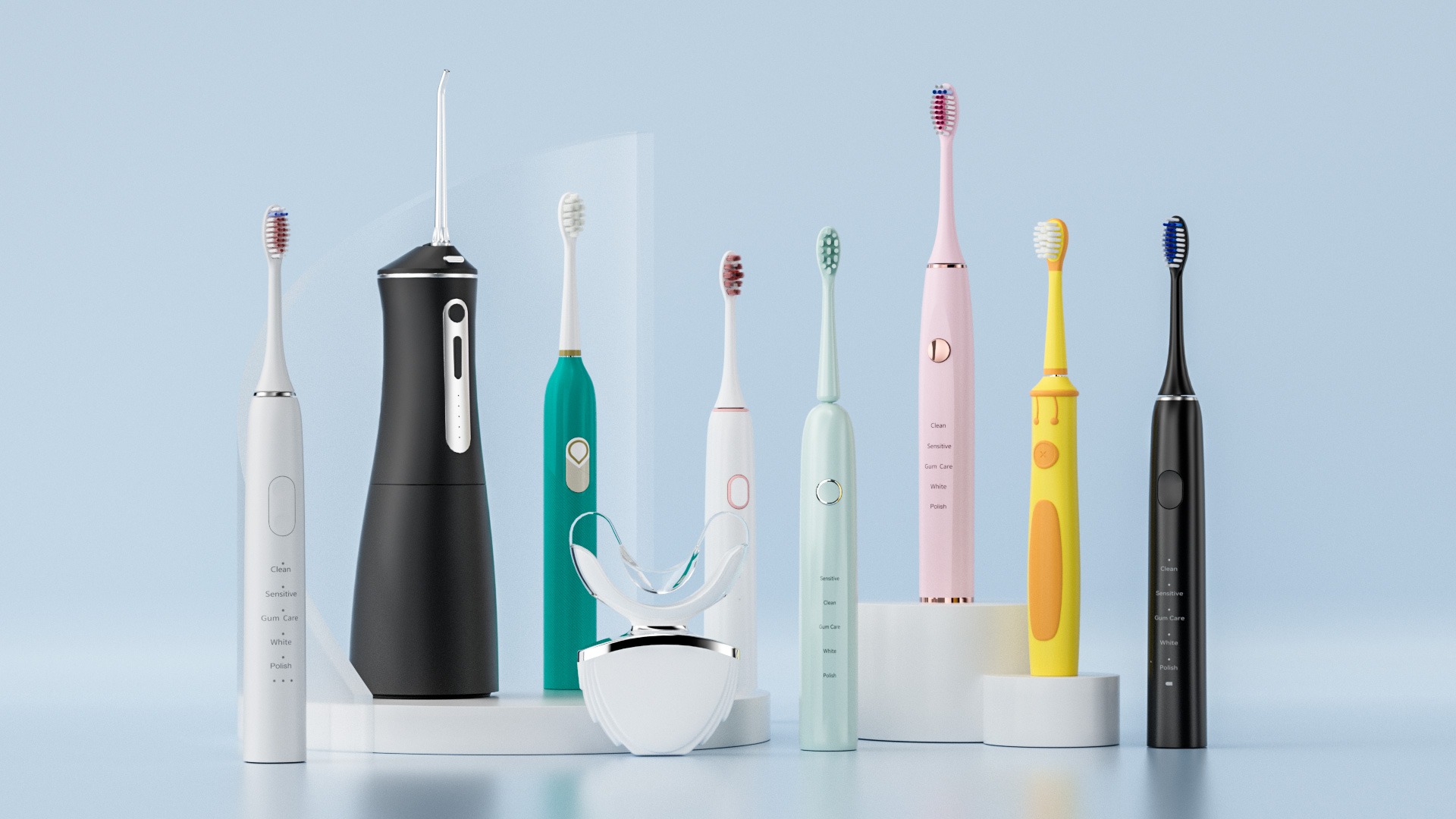
As the old saying goes, "an ounce of prevention is better than a pound of cure"—and this couldn't be truer when it comes to toothache. Toothaches are often the result of neglected oral care, but with the right habits, you can avoid pain before it starts. Here are six key strategies to keep toothaches at bay. 1. Master the Basics: Brushing Your Teeth Properly The foundation of dental health starts with brushing your teeth at least twice daily. Use a soft-bristled brush and fluoride toothpaste, gently cleaning all surfaces of your teeth for two minutes each session. Pay special attention to the gumline, where plaque tends to accumulate. 2. Upgrade to an Electric Toothbrush for Superior Cleaning Studies show that electric toothbrushes remove more plaque than manual brushes, thanks to their oscillating or sonic technology. They provide consistent brushing pressure and often include timers to ensure you clean your teeth thoroughly. Investing in one can significantly reduce your risk of cavities and gum disease. 3. Don’t Skip Flossing—Your Teeth’s Best Friend Flossing your teeth daily is just as important as brushing. It removes food particles and plaque between teeth—areas your toothbrush can’t reach. If traditional floss is tricky, try water flossers or interdental brushes for an…
Dealing with a toothache can be excruciating, and while seeing a dentist is the best long-term solution, you may need quick relief before your appointment. Whether it’s due to a cavity, gum irritation, or sensitivity, these toothache remedies can help alleviate discomfort fast. 1. Salt Water Rinse – A Natural Disinfectant A salt water rinse is one of the simplest and most effective ways to reduce inflammation and kill bacteria. Mix half a teaspoon of salt in a glass of warm water and swish it around your mouth for 30 seconds before spitting it out. This helps cleanse the affected area and promotes healing. 2. Cold Compress – Reduce Swelling & Numb Pain If your toothache is accompanied by swelling, applying a cold compress to the outside of your cheek can help. The cold constricts blood vessels, reducing inflammation and temporarily numbing the pain. Wrap an ice pack in a cloth and hold it against the sore area for 15-minute intervals. 3. Hydrogen Peroxide Rinse – Fight Bacterial Infection A diluted hydrogen peroxide rinse (equal parts 3% hydrogen peroxide and water) can disinfect the mouth and relieve pain caused by infections. Swish the solution for about 30 seconds, then rinse thoroughly with water. Avoid swallowing it, as hydrogen…
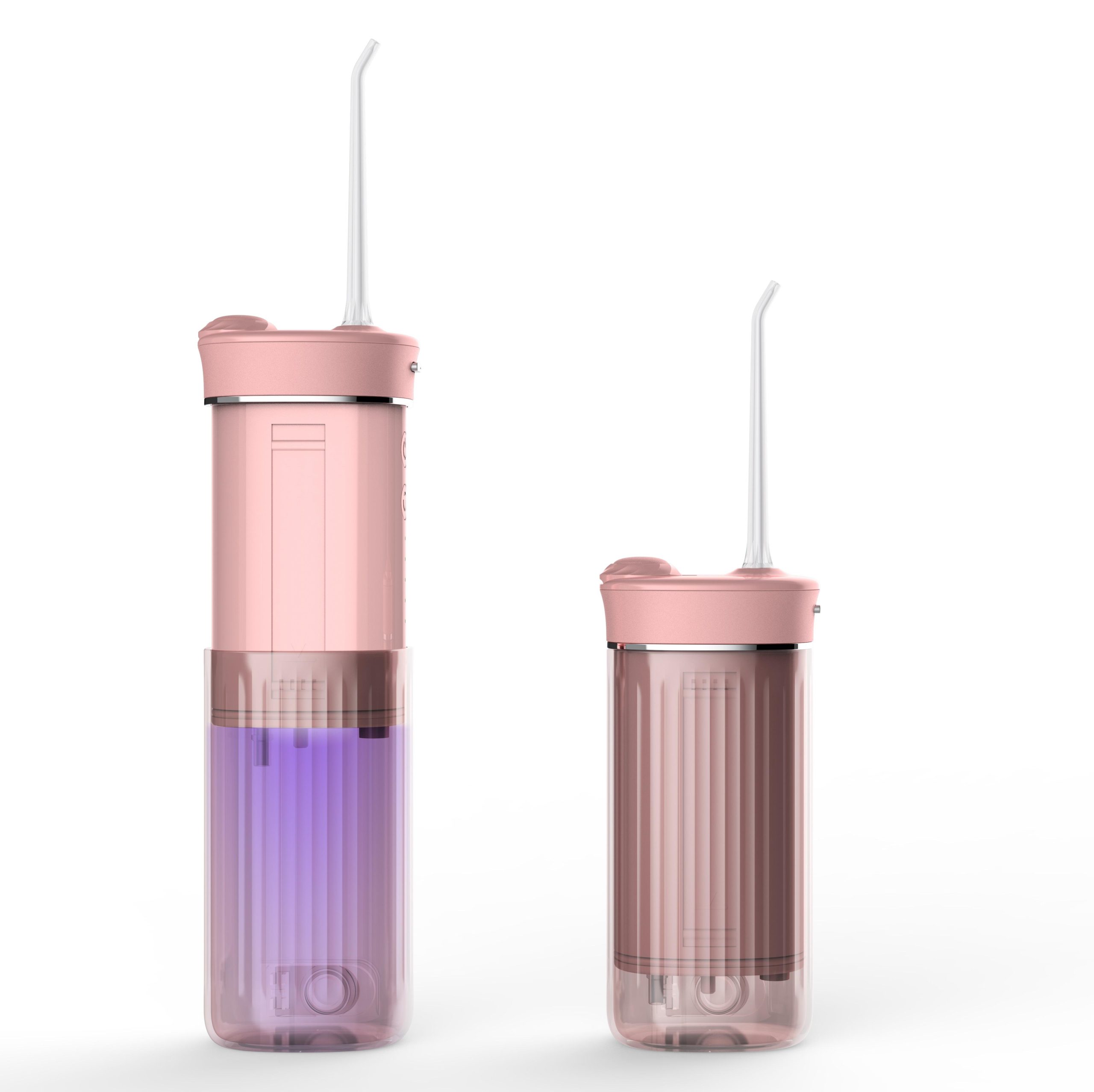
Maintaining good oral hygiene goes beyond just brushing your teeth. A water flosser is an effective tool that helps remove food particles, plaque, and bacteria from between teeth and along the gumline. For those new to this device, understanding the proper usage is essential to maximizing its benefits. This guide will provide water flosser beginners with essential oral care tips and usage tips from the factory to ensure optimal performance. Understanding How a Water Flosser Works A water flosser uses a pressurized stream of water to clean areas where traditional flossing might be difficult. Unlike string floss, which can be harsh on gums, a water flosser provides a gentler yet effective way to clean between teeth, especially for people with braces, implants, or gum sensitivity. Key Benefits: Deep Cleaning: Removes food debris and plaque more efficiently than traditional floss. Gum Health Improvement: Reduces inflammation and bleeding for people with sensitive gums. Easy to Use: A great option for those who find string flossing uncomfortable or difficult. Step-by-Step Guide: How to Use a Water Flosser for Beginners Step 1: Fill the Water Reservoir Use lukewarm water to avoid sensitivity. For additional antibacterial benefits, consider adding a mouthwash (if recommended by your dentist). Step 2: Choose the Right Nozzle…
In the competitive landscape of oral care and hygiene products, ensuring both hygiene and durability is paramount. For manufacturers aiming to meet the highest standards of safety and performance, Food-Grade Silicone Vulcanization offers an ideal solution for designing brush heads that are both hygienic and long-lasting. This blog explores how this cutting-edge technology is revolutionizing the design of brush heads for products such as electric toothbrushes, focusing on the benefits of Silicone Vulcanization and the advantages of using Food-Grade materials in product design. The Importance of Hygiene in Brush Head Design The brush head is the most critical part of any oral hygiene product. It directly interacts with the mouth, and any potential contaminants can compromise user health. To ensure superior hygiene, manufacturers increasingly turn to Food-Grade materials. These materials, commonly used in food processing, offer a high standard of safety and cleanliness, making them ideal for products that come into direct contact with the body. With Silicone Vulcanization technology, these materials are enhanced further, ensuring that brush heads remain safe and effective throughout their lifecycle. The Role of Silicone Vulcanization in Improving Durability Silicone Vulcanization is a key process that enhances the properties of silicone rubber, improving its strength,…
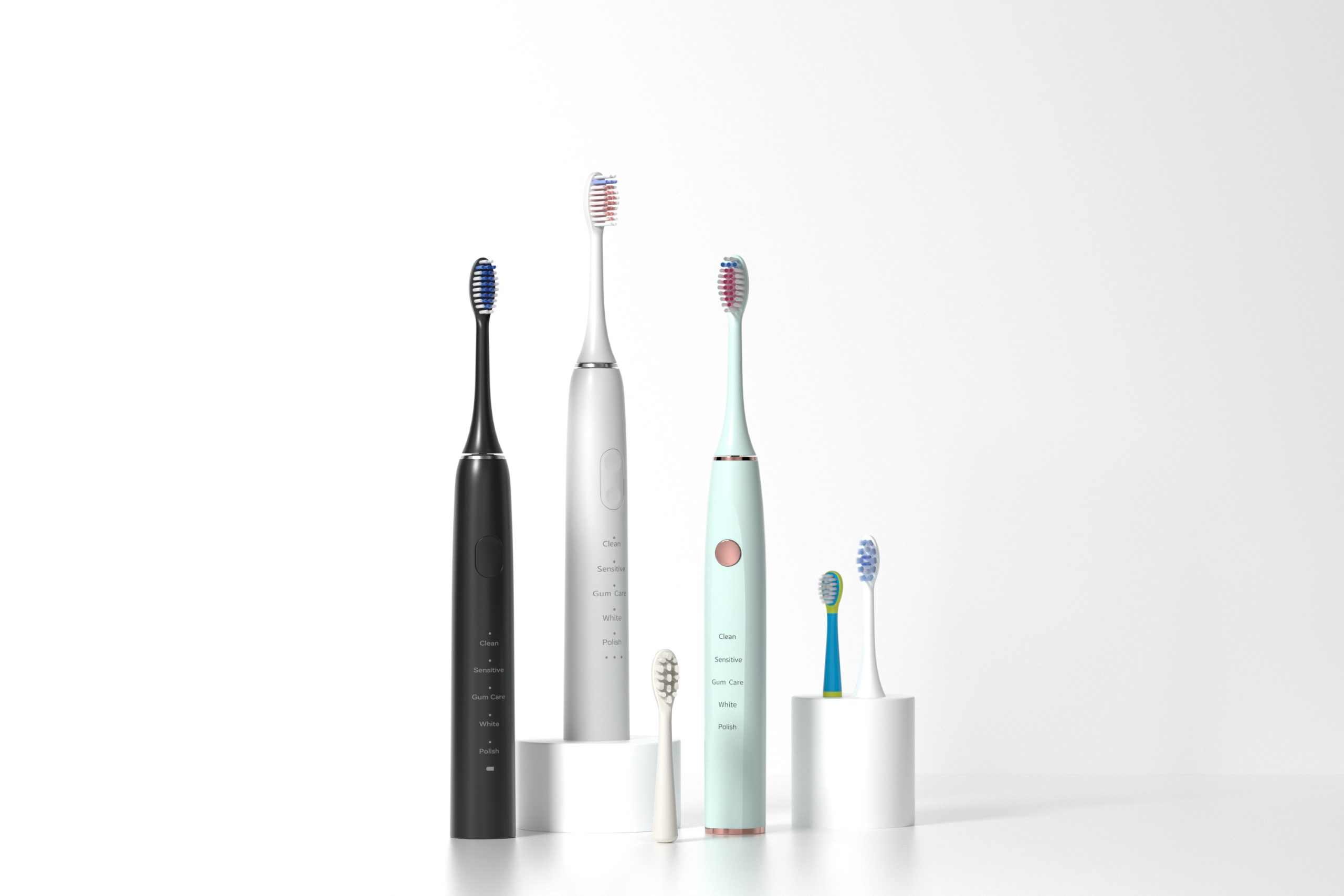
In today’s era of digital transformation and intelligent innovation, the oral care industry is experiencing unprecedented change. Powsmart technology co, ltd is committed to integrating AI technology with Smart Brush Head and Wireless Charging solutions to develop next-generation electric toothbrushes that meet market demands. This article details our approach and manufacturing strengths across six key areas. Market Trends and Technological Innovation First, as consumer demand for high-tech and health management products increases, smart electric toothbrushes are gradually becoming the market mainstream. Rapid technological development drives companies to continuously introduce new functions and designs. Meanwhile, the application of artificial intelligence in oral care makes the brushing process more intelligent and personalized. This trend provides a solid market foundation for our advanced Smart Brush Head technology and integrated Wireless Charging system. AI-Driven Smart Brush Head Technology Secondly, our products utilize leading AI technology to achieve dynamic control of smart brush heads. By embedding sensors and intelligent algorithms, each Smart Brush Head can monitor dental conditions in real time and automatically adjust cleaning intensity. This not only improves cleaning efficiency but also offers personalized oral care advice to users. Our R&D team continually refines the algorithms to ensure optimal performance in various usage…

The global teeth whitening device market is experiencing unprecedented growth, fueled by increasing consumer awareness of dental aesthetics, technological advancements, and rising disposable incomes. As more individuals seek professional and at-home solutions for teeth whitening, manufacturers and OEM partners are witnessing a surge in demand for innovative and effective products. In this report, we explore the fastest-growing regions and key consumer groups shaping the industry. Fastest Growing Regions in the Dental Beauty Device Market North America: The Market Leader North America remains the dominant force in the global teeth whitening device market, driven by strong consumer purchasing power and a well-established dental care industry. The U.S. leads the charge, with an increasing preference for at-home teeth whitening kits and professional treatments. Asia-Pacific: The Emerging Powerhouse The Asia-Pacific region is experiencing exponential growth, particularly in China, South Korea, and Japan. Factors such as growing beauty consciousness, social media influence, and an expanding middle class contribute to the rising demand for advanced dental beauty devices. Europe: A Mature Yet Evolving Market Western Europe, particularly Germany, France, and the UK, continues to be a key market. European consumers prioritize quality and safety, driving demand for clinically tested and high-end teeth whitening devices. Consumer Group…
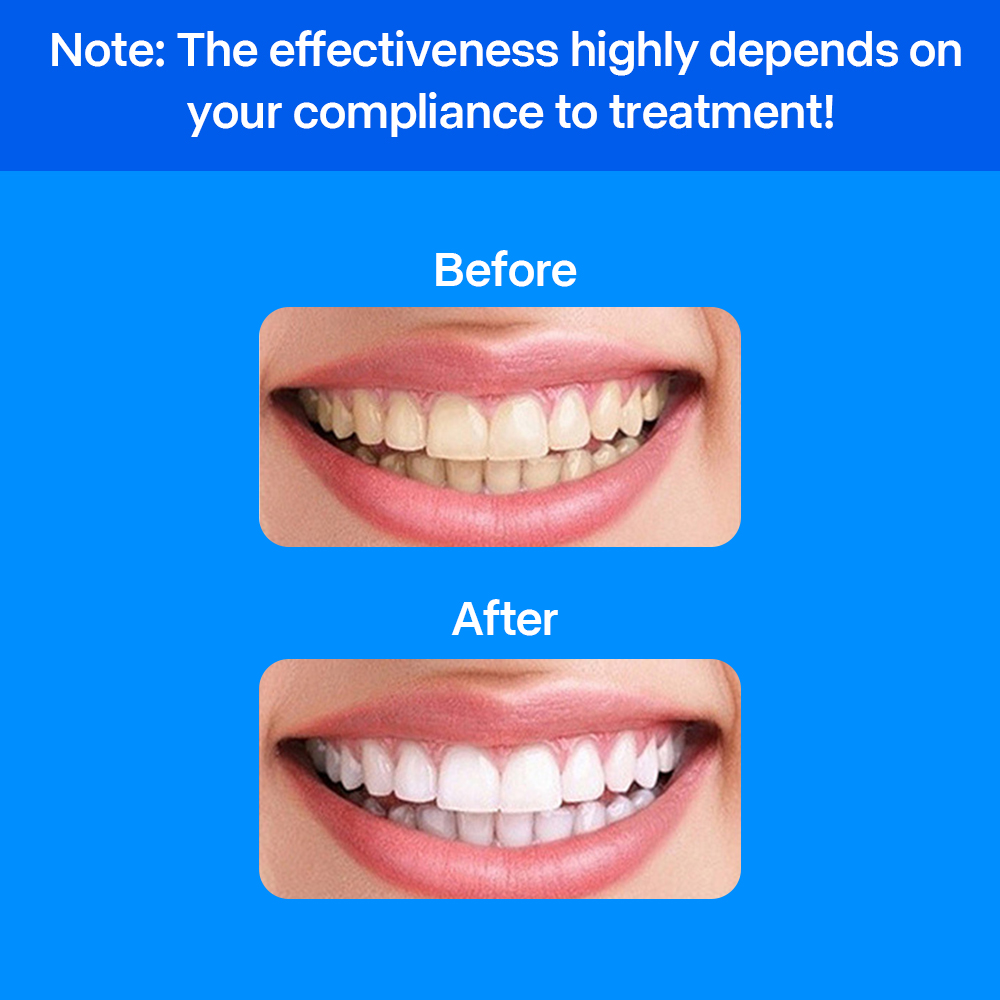
Introduction Oral care is an essential aspect of personal hygiene, and for individuals seeking whitening or sensitive care, the right products make all the difference. With the rising demand for electric toothbrush solutions tailored to different needs, manufacturers have a significant opportunity to provide high-quality, customized products. OEM manufacturing plays a crucial role in developing specialized oral care solutions that cater to diverse consumer preferences. The Growing Demand for Whitening and Sensitive Care Products Consumers today are more conscious about their smiles than ever. Whitening has become a key focus for many, while others struggle with tooth sensitivity and require specialized care. This dual demand is driving innovation in oral care products, including electric toothbrush designs that can cater to both segments. Why Electric Toothbrushes Are a Game-Changerhttps://www.powsmart.com/ Compared to manual brushing, an electric toothbrush offers superior plaque removal, improved gum health, and tailored settings for whitening and sensitive care. Through OEM manufacturing, brands can develop customized toothbrushes with features such as:https://www.powsmart.com/ Whitening modes for stain removal Gentle settings for sensitive teeth and gums Advanced bristle technology for better oral healthhttps://www.powsmart.com/simples/children-powered-toothbrush/ OEM Manufacturing: Tailoring Solutions for Whitening & Sensitivity As demand for specialized oral care grows, OEM manufacturing allows brands…
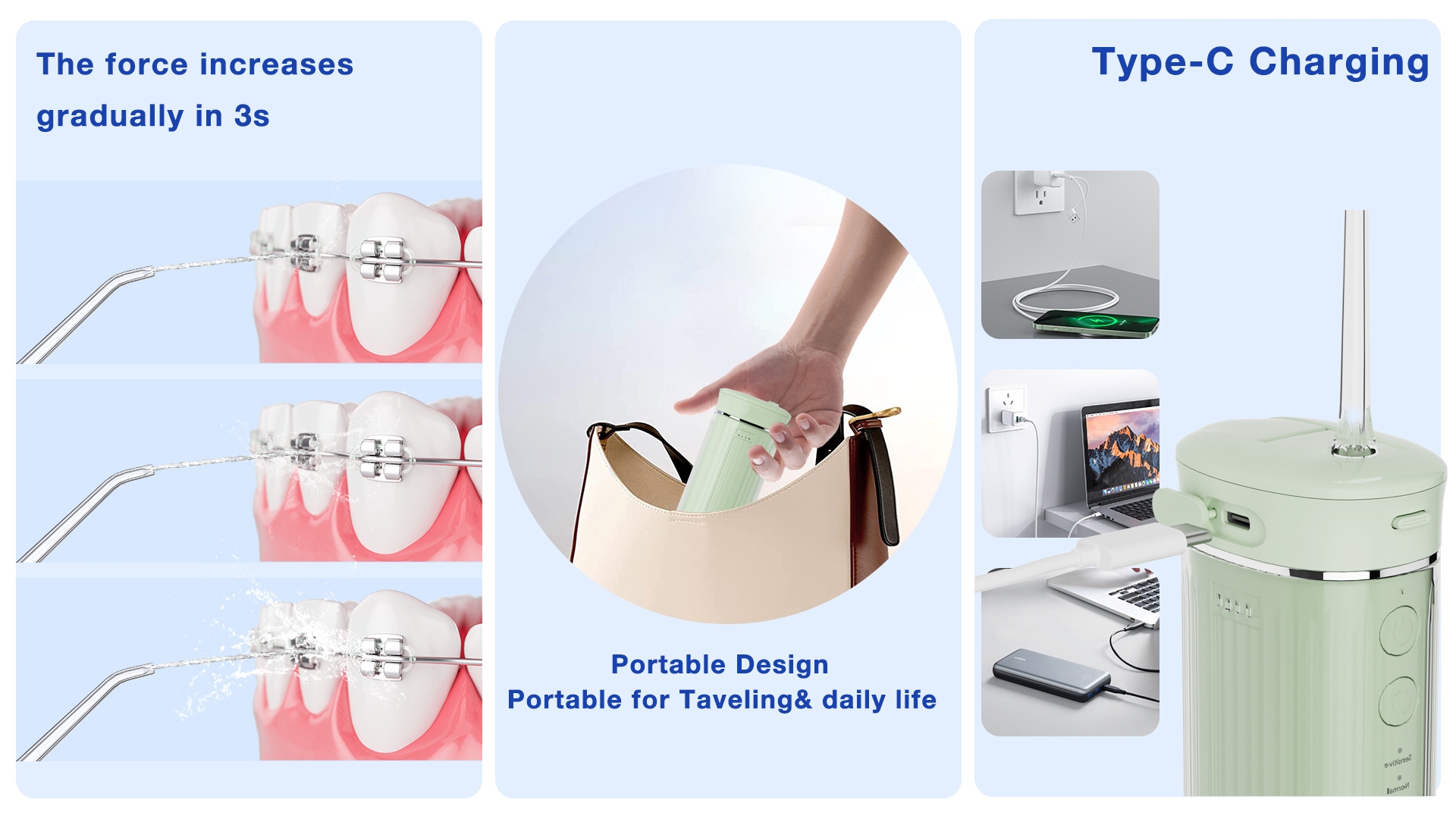
When it comes to oral health, there’s a lot more to teeth than meets the eye. As a manufacturer of top-tier oral cleaning products, we understand the fascinating world of teeth and their care. Let’s explore some surprising teeth and dental facts that will not only educate but also inspire better oral hygiene practices. Your Teeth Are as Unique as Your Fingerprints Just like fingerprints, no two sets of teeth are the same. Each person’s dental structure is unique, which is why dental records are often used for identification. This uniqueness emphasizes the importance of customized oral cleaning products to meet different needs. Enamel: The Body’s Hardest Substance Did you know that tooth enamel is the hardest substance in the human body? It protects your teeth from the wear and tear of daily life, but it’s not invincible. Acidic foods and poor hygiene can erode enamel, making it critical to use effective tools like electric toothbrushes and water flossers to maintain strong, healthy teeth. Electric Toothbrushes Make a Big Difference Studies have shown that electric toothbrushes are significantly more effective than manual ones at removing plaque and preventing gum disease. Their advanced technology ensures a more thorough clean, especially in hard-to-reach areas, making them…


.jpg)
.jpg)
.jpg)
.jpg)
.jpg)






.jpg)