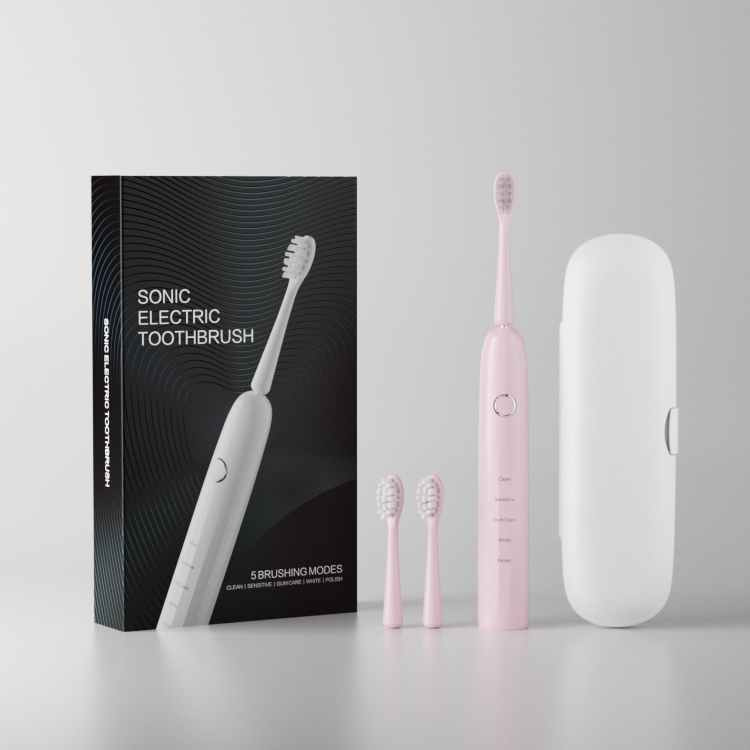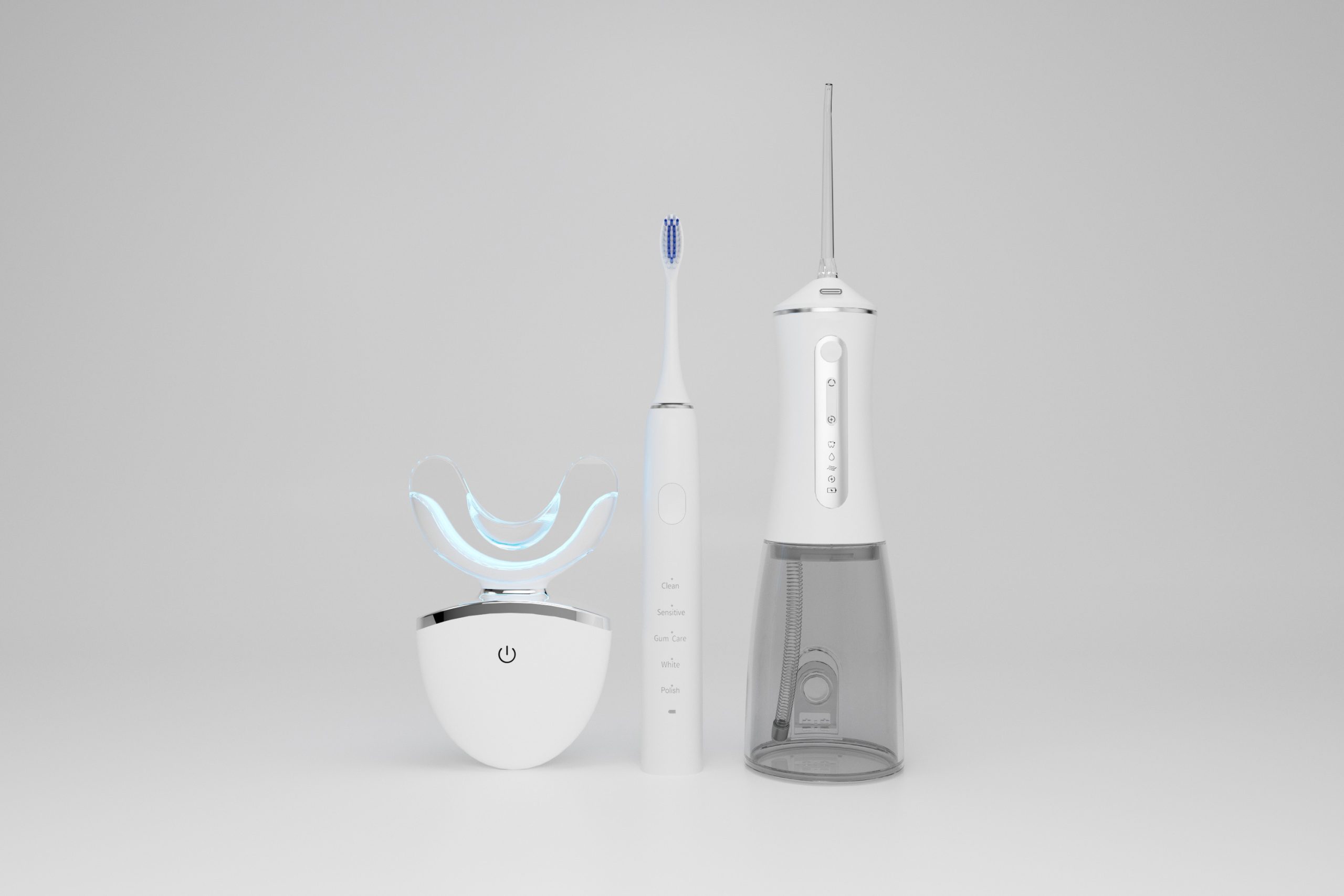
As the oral care industry evolves, dental irrigators and electric toothbrushes have emerged as essential products for consumers seeking enhanced dental hygiene. While these products serve different purposes—one focusing on interdental cleaning and the other on surface brushing—their production processes share remarkable similarities. In this blog, Powsmart is going to explore the shared aspects of manufacturing these products, from design to quality assurance, shedding light on what makes them reliable and effective as a manufacturer. Design and Prototyping Both dental irrigators and electric toothbrushes start with meticulous design and prototyping. Engineers focus on ergonomics, functionality, and aesthetics to ensure the products are user-friendly and appealing. Advanced 3D modeling software is used to create prototypes, enabling manufacturers to visualize the final product and make iterative improvements. For example, the compact design of a dental irrigator and the ergonomic grip of an electric toothbrush undergo similar validation steps during this phase. Component Selection A critical common point in the production process is selecting high-quality components. Both devices rely on motors for vibration or water propulsion, rechargeable batteries for portability, and durable plastic or silicone casings for hygiene and longevity. Ensuring that these components meet stringent industry standards is crucial for both product…
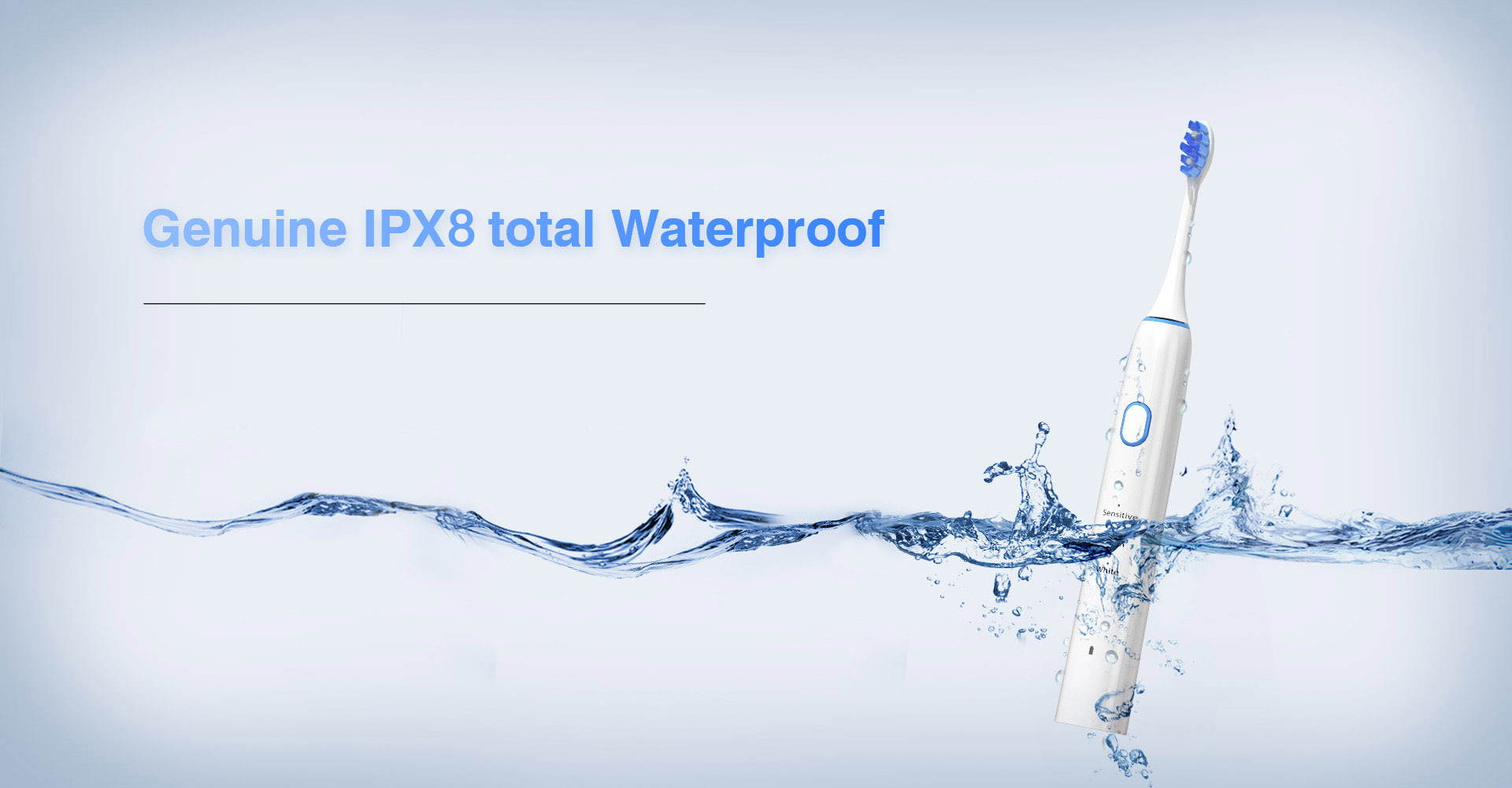
Electric toothbrushes have become an integral part of our daily oral hygiene routines, offering convenience and effective cleaning. However, one common issue that arises with prolonged use or improper handling is water ingress. This problem can lead to unexpected automatic booting of the device and other related electric toothbrush quality issues. In this blog, we will delve into the specific performances after water ingress and how they can impact the functionality of an electric toothbrush. Unexpected Activation of the Automatic Boot Feature Water ingress is a leading cause of unintended activation, where the electric toothbrush automatically boots without user input. This issue is not only inconvenient but can also drain the battery prematurely, leaving the toothbrush unusable when it’s needed most. Such behavior compromises the reliability of the device and underscores the need for robust waterproofing measures. Erratic Motor Performance When water penetrates the internal circuits, it can disrupt the motor’s operation. Specific performances after water ingress like intermittent vibrations or reduced brushing power are common signs of this issue. These erratic behaviors affect the effectiveness of cleaning and diminish the user experience. Shortened Battery Life One of the most noticeable electric toothbrush quality issues caused by water ingress is…
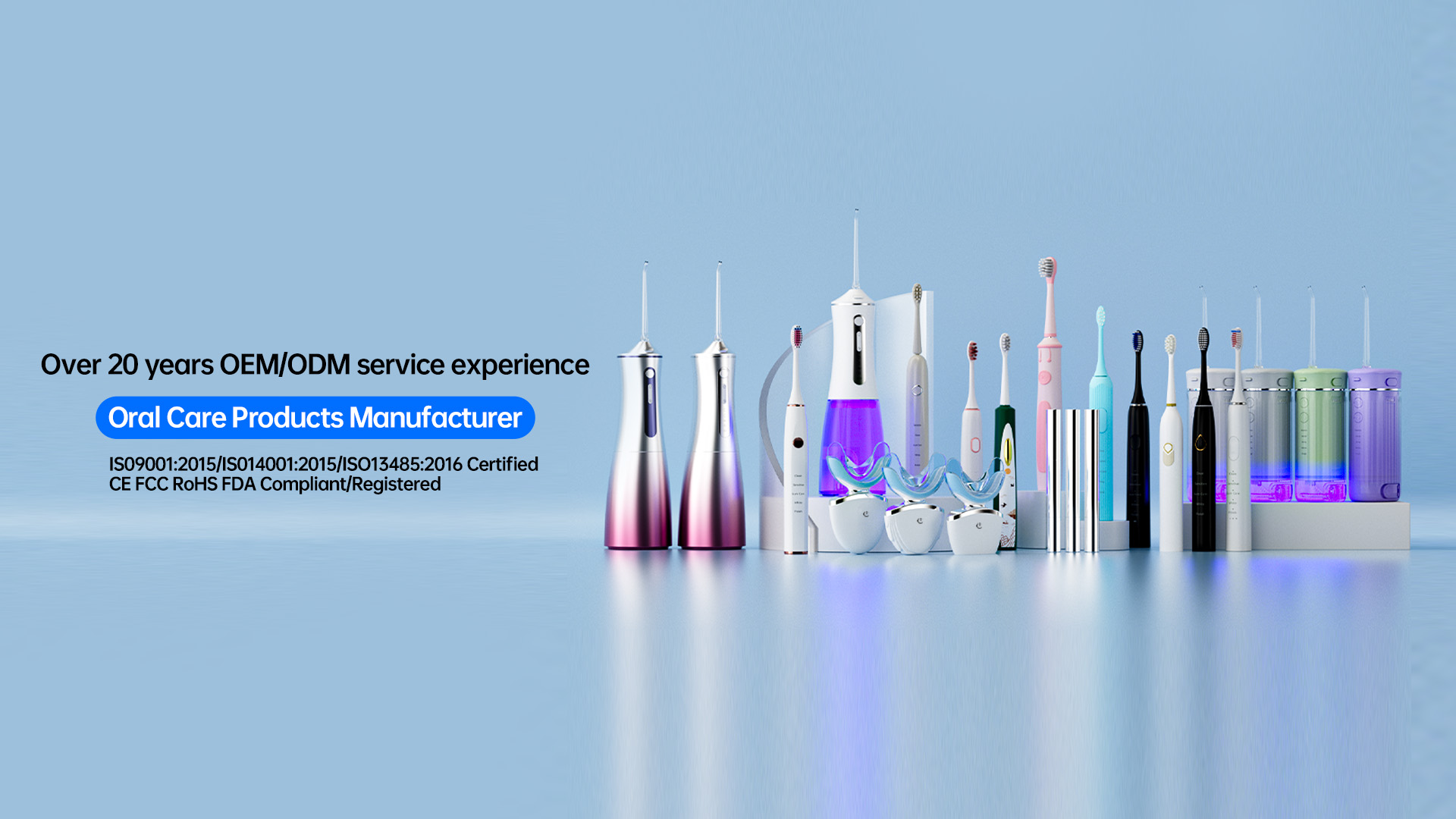
When selecting an electric toothbrush, most of us focus on features such as battery life, brush head movement, or smart technology. However, one often overlooked but critical factor is the material used to construct the toothbrush. As one of the professional electric toothbrush manufacturers in China, Powsmart is going to explore the impact of different materials on the quality, performance, and durability of electric toothbrushes.https://www.powsmart.com/ Plastic: The Most Common Choice Most electric toothbrushes are made of durable plastics such as ABS (Acrylonitrile Butadiene Styrene). This material is lightweight, cost-effective, and resistant to impact. High-quality plastic contributes to a robust build and longevity, while lower-grade plastics may crack or degrade over time, affecting the toothbrush’s lifespan and performance. Key consideration: Always opt for brushes made of BPA-free plastics to ensure safety and durability. Silicone: Softness and Hygiene Silicone is increasingly popular for electric toothbrush components, particularly the brush head. This material is gentle on gums, hypoallergenic, and easy to clean, reducing bacterial buildup. Silicone toothbrushes are a great choice for users with sensitive teeth and gums. Key consideration: High-quality silicone is more durable, but low-grade versions may tear or wear out quickly. Metal Components: Strength and Stability Some electric toothbrushes incorporate metal parts,…
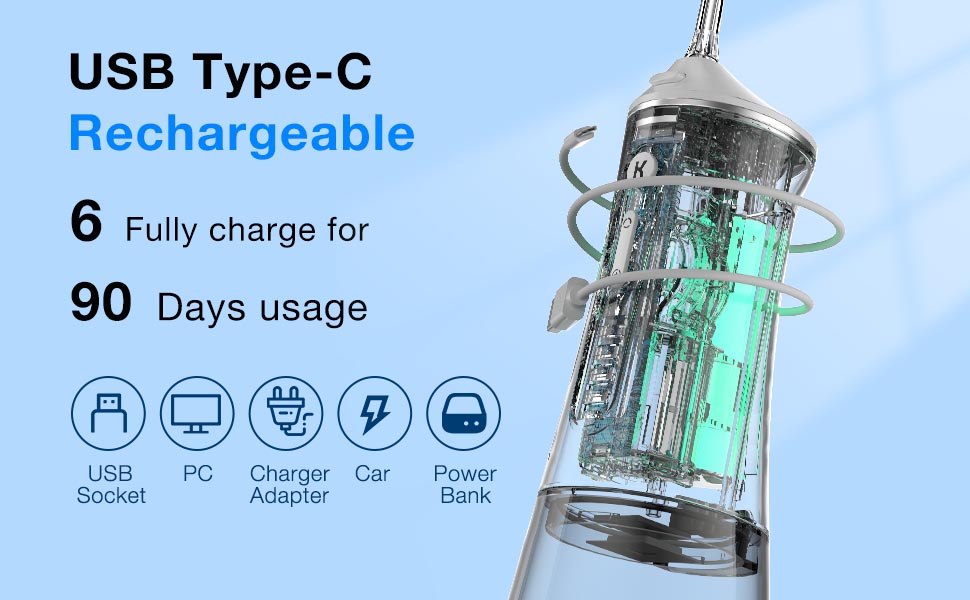
Like any electronic device,water flossers can sometimes encounter issues. One of the most common problems users report is when their water flosser can't be charged. If you’re facing this issue, don’t worry! Below, Powsmart will explore the possible causes and guide you on how to fix charging problems effectively from the perspective of manufacturer. Check the Power Source The first step in diagnosing charging issues is ensuring the power source is working correctly. Plug another device into the same outlet to confirm it’s functioning. If you’re using a USB adapter, try switching to a different one or plugging it directly into a computer’s USB port. Inspect the Charging Cable and Adapter A faulty or damaged charging cable is a common reason why a water flosser cannot be charged. Carefully examine the cable for signs of wear, fraying, or bent connectors. If the cable or adapter appears damaged, replace it with a compatible and certified alternative. Similarly, inspect the adapter for any visible issues. Some water flossers do not support fast charging, you’d better check it with the after sales or the manufacturer first and then using the adapter with correct specifications . Clean the Charging Port Debris, dust, or moisture can accumulate in the charging port,…
Electric toothbrushes offer advanced cleaning technology and convenience. However, one persistent issue continues to frustrate both manufacturers and users: the water ingress problem. In this blog, we will explore the underlying causes of electric toothbrush water ingress, its impacts, and potential solutions to address this challenge effectively. Understanding the Water Ingress Problem Water ingress occurs when water penetrates the internal components of an electric toothbrush. This problem often arises due to prolonged exposure to moisture during use or storage in damp environments, such as bathrooms. The seals and protective layers designed to keep water out can degrade over time, leading to compromised device functionality and a shorter lifespan. Why Is It a Critical Issue? Damage to Internal Electronics: The internal circuits and battery are highly susceptible to water damage. Even small amounts of moisture can cause corrosion, resulting in device failure or erratic behavior. Health Risks: Water ingress can create a breeding ground for bacteria and mold within the toothbrush, posing potential hygiene risks. Customer Dissatisfaction: Users expect durability and reliability. Water ingress issues can lead to negative reviews and returns, impacting a manufacturer’s reputation and bottom line. Key Factors Contributing to Electric Toothbrush Water Ingress Material Quality: Low-grade seals…
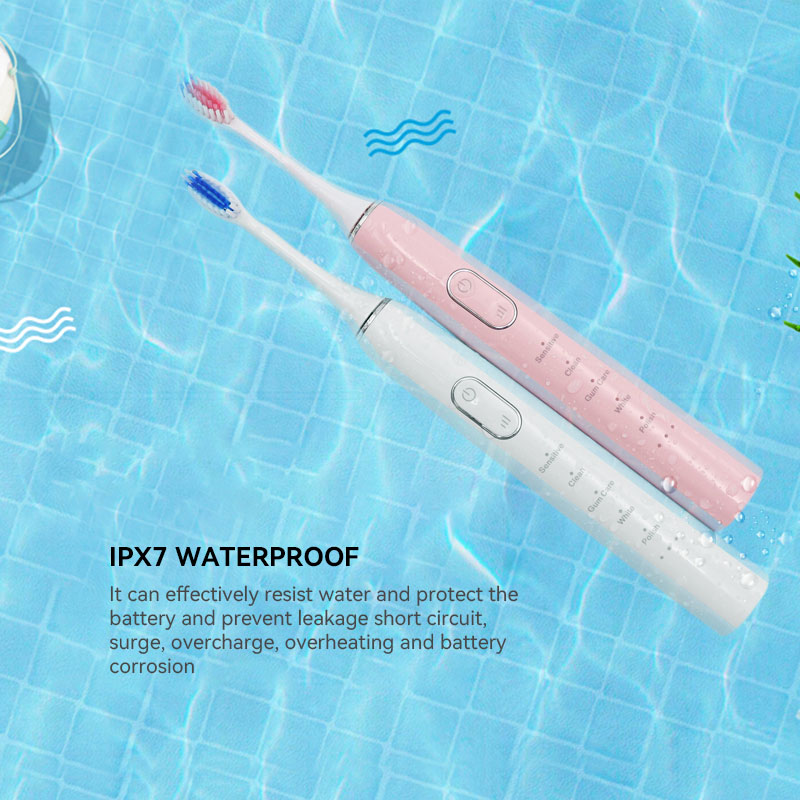
Waterproof performance is a critical factor in the design and production of electric toothbrushes. As manufacturers, We, Powsmart ensure that our products are resistant to water damage not only enhances durability but also boosts consumer trust. In this blog, we will explore practical strategies to optimize the waterproof performance of electric toothbrushes from the perspective of suppliers. Material Selection The foundation of waterproof performance lies in the selection of appropriate materials. Manufacturers should prioritize materials that are inherently resistant to water, such as high-grade polymers or specialized coatings. Collaborating with suppliers who can provide innovative material solutions is key to achieving better results. For instance, suppliers might offer advanced hydrophobic materials that prevent water ingress even under prolonged exposure. Precision in Design Design plays a pivotal role in ensuring a device’s water resistance. Electric toothbrush manufacturers should work closely with their suppliers to refine product designs. Features such as seamless joints, rounded edges, and well-engineered seals can significantly enhance waterproof performance. Additionally, incorporating design elements like labyrinth seals can provide an extra layer of protection against water penetration. Adopting Advanced Sealing Technologies Effective sealing is the backbone of waterproof performance. Suppliers specializing in adhesives and sealing materials can provide manufacturers…
When it comes to personal oral care devices like electric toothbrushes and oral irrigators, understanding their average service life is crucial for ensuring optimal performance and hygiene. Both of these devices are essential in maintaining oral health, but how long do they last before needing replacement? We're going to explore the service life of electric toothbrushes and service life of oral irrigators from the perspective of oral care manufacturer, helping you know when it’s time to replace your device for the best results. Understanding the Factors Affecting Service Life The service life of electric toothbrushes and oral irrigators depends on several key factors, including the quality of the device, frequency of use, and maintenance. Higher-end models generally offer a longer lifespan due to superior build quality and more durable components. For example, premium toothbrushes with more advanced motors or high-quality water-resistant features tend to last longer than entry-level models. Similarly, oral irrigators that feature sturdy pumps and durable battery systems often outlast their cheaper counterparts. Average Service Life of Electric Toothbrushes On average, an electric toothbrush will last between 3 to 5 years. However, this varies depending on usage patterns and how well the brush is maintained. The most common reason for replacing an electric…
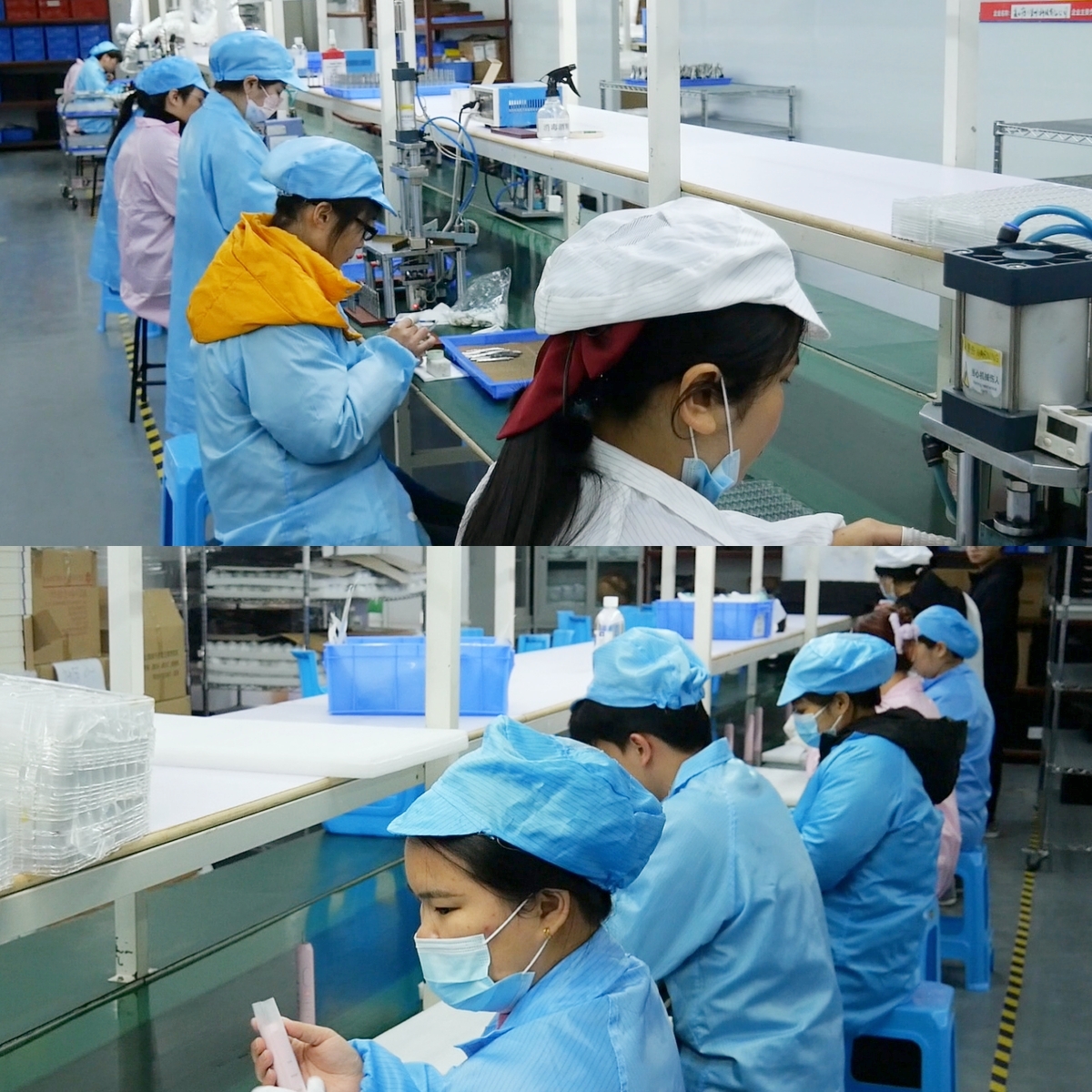
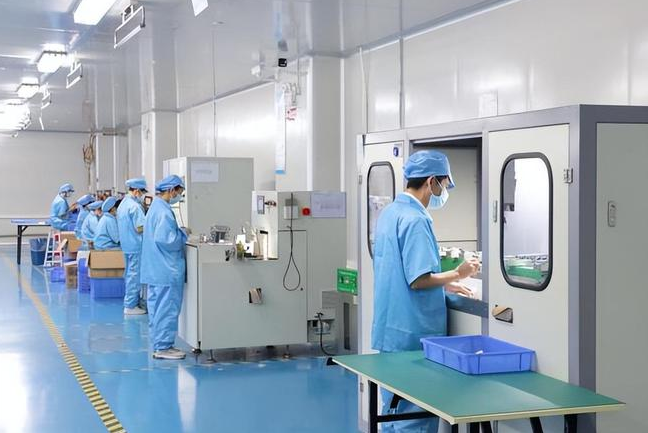
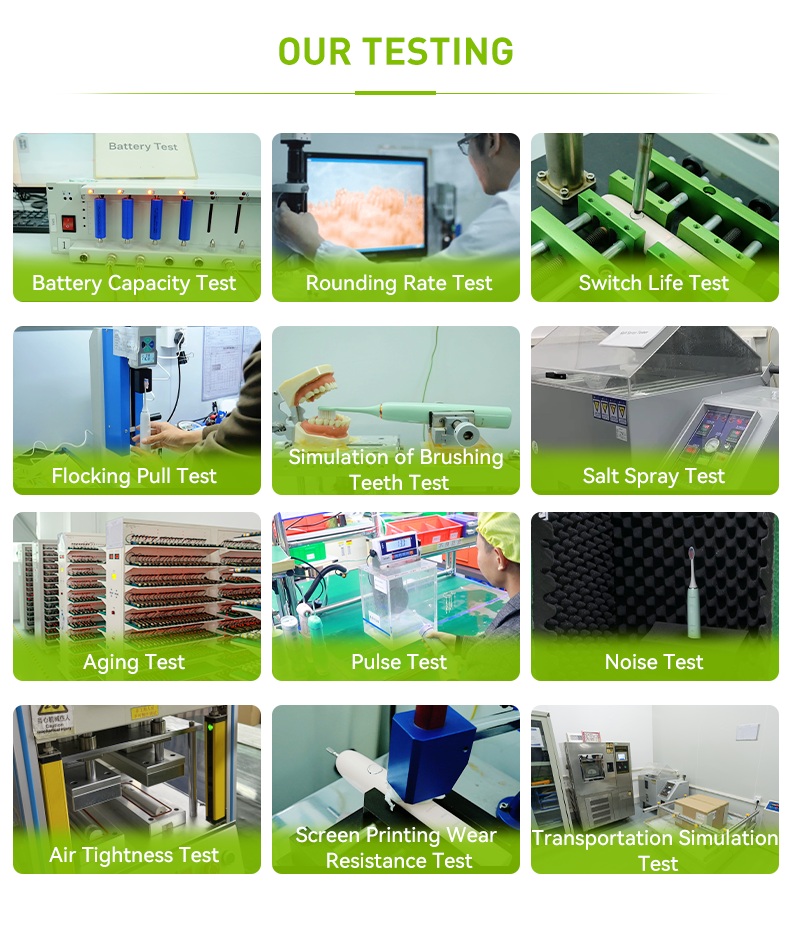
For businesses looking to partner with an electric toothbrush manufacturer, understanding their production capacity is a critical factor in making informed decisions. Ensuring that the factory can meet your volume requirements while maintaining quality standards is essential for a successful partnership. In this blog, we’ll explore key steps to assess the production capacity of an electric toothbrush factory and why it matters for your business. Assessing Manufacturing Facilities and Equipment The first step is to examine the factory’s facilities and equipment. High-quality machinery often correlates with higher production capacity. For instance, automated assembly lines and advanced testing systems can significantly improve efficiency and consistency. Ask the factory for a walkthrough or video demonstration of their operations to evaluate: The number of production lines. The speed and capacity of their equipment. Their maintenance schedule to prevent downtime. Covering an area of 3000 ㎡, Powsmart has industry-leading automated equipment and standardized production process. Monthly production capacity reaches 300,000+ pcs. We can not only shorten the delivery time for brand owners but also provide off-the-shelf branded products for wholesaler and distributor.https://www.powsmart.com/about-powsmart/ Reviewing Factory Certifications and Standards A reliable electric toothbrush manufacturer will have certifications that reflect their adherence to industry standards. Look for ISO certifications, which…
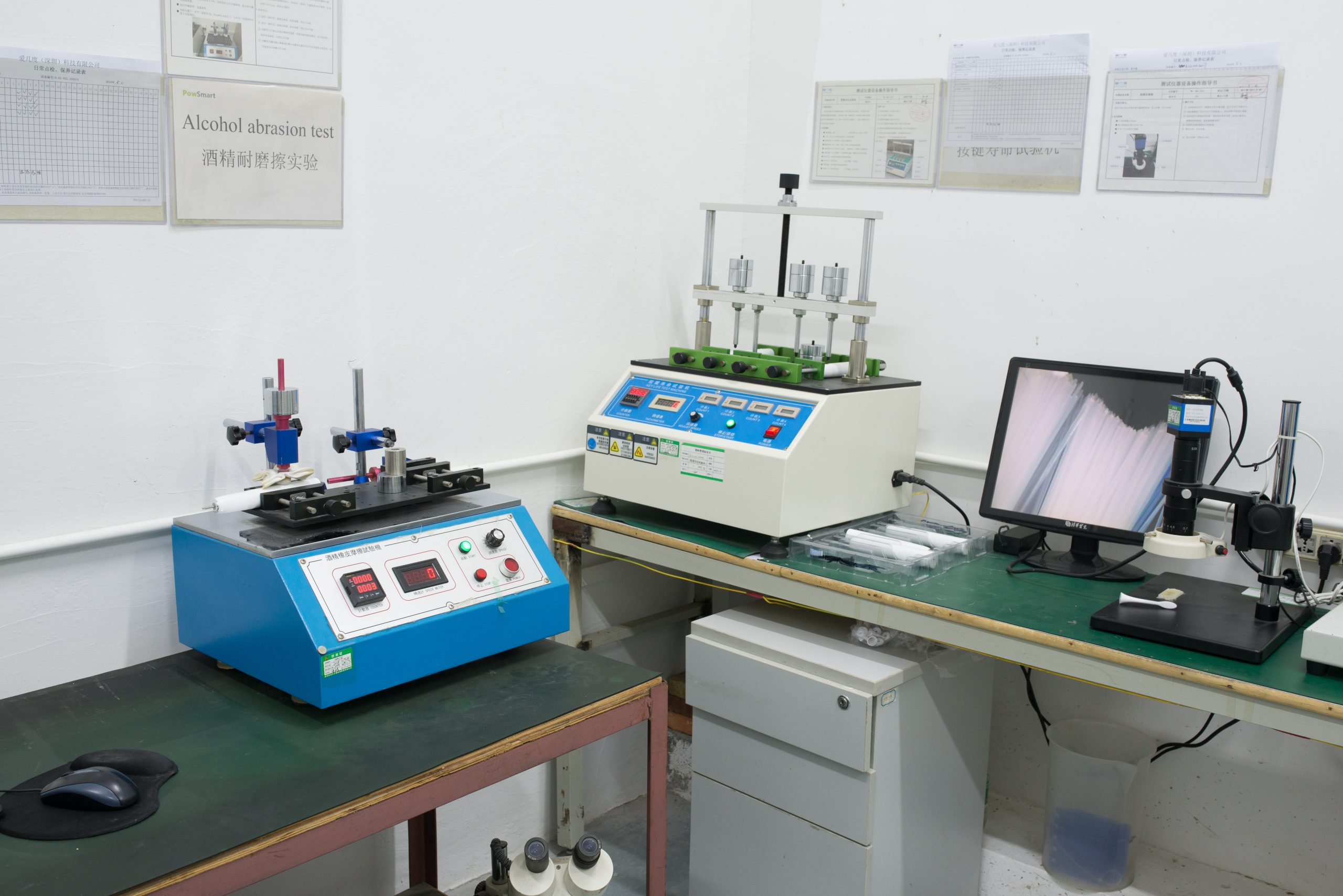
Manufacture electric toothbrush equires precision, efficiency, and advanced technology. One of the most critical steps in this process is inserting bristles into the brush head, which is handled by a bristle tufting machine. In this blog, Powsmart will explore the manufacturing process for electric toothbrushes, highlight the role of tufting machines, and discuss how an electric toothbrush factory operates efficiently to meet market demands. The Electric Toothbrush Manufacturing Process The process to manufacture electric toothbrush involves several key steps: Design and Material Selection: Factories start by finalizing the ergonomic design and selecting safe, durable materials for the brush body and bristles. Injection Molding: The toothbrush body and head are using precision molds to ensure consistency. Bristle Tufting: Using a bristle tufting machine, bristles are inserted into the brush head, ensuring uniform placement for effective cleaning. Assembly and Quality Control: Components like motors, batteries, and circuit boards are added, followed by thorough quality checks to ensure the brush meets performance standards. Packaging and Shipping: Finished toothbrushes are packed and distributed worldwide. This streamlined process ensures that every electric toothbrush meets consumer expectations for durability and functionality. Importance of Bristle Tufting Machines The bristle tufting machine is at the heart of toothbrush production. It automates the…
Understanding the life cycle of an electric toothbrush is essential for manufacturers, retailers, and consumers alike. From its initial design and production at an electric toothbrush factory to its disposal and potential recycling, the journey of an electric toothbrush offers insights into innovation, sustainability, and consumer behavior. Design and Development The first stage of the life cycle begins with design and development. Manufacturers at an electric toothbrush factory focus on creating ergonomic, efficient, and feature-rich products that appeal to diverse consumer needs. Key considerations include motor efficiency, battery life, waterproofing, and brush head compatibility. As an electric toothbrush manufacturer, Powsmart invests in research and development to integrate features such as smart brushing sensors and app connectivity to stay competitive. Production and Assembly After finalizing the design, production takes place in specialized electric toothbrush factories. These facilities handle the assembly of components, including brush heads, motors, batteries, and casings. Automation and quality control play a crucial role in ensuring consistency and reliability. Advanced factories also adopt sustainable manufacturing practices, such as minimizing waste and using recyclable materials, to align with global environmental standards. Distribution and Consumer Use This stage in the life cycle of an electric toothbrush involves logistics, marketing, and user adoption. For consumers, regular use and…
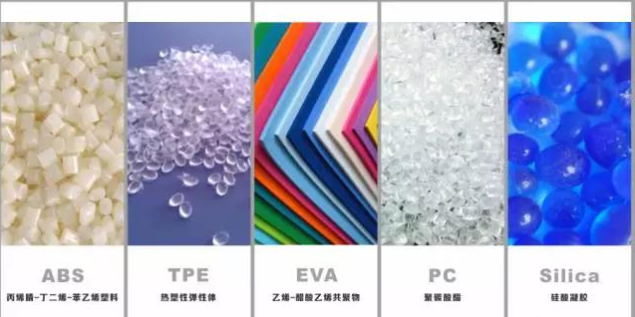
Electric toothbrushes have become a staple in oral care routines worldwide, thanks to their superior cleaning capabilities and advanced features. However, few consumers understand what goes into the making of these devices. By exploring the materials and processes used in electric toothbrush manufacturing, we can gain insight into how these essential tools combine durability, safety, and efficiency. Key Materials Used in Electric Toothbrushes a. Plastics for Housing and DesignThe outer casing of an electric toothbrush is typically made from durable and lightweight plastics such as ABS (Acrylonitrile Butadiene Styrene) or polycarbonate. These materials ensure the toothbrush is water-resistant and safe for prolonged use. High-quality plastics also provide a sleek finish, enhancing the aesthetic appeal of the toothbrush. b. Metals for Motors and ComponentsElectric toothbrushes rely on small, precision-engineered motors, which are often made of stainless steel or other robust metals. These materials are essential for creating the vibrations or rotations needed for effective cleaning, a hallmark of the electric toothbrush manufacturing process. c. Soft Nylon for BristlesSoft nylon to ensure effective cleaning without damaging enamel or gums. In many cases, manufacturers use different grades of nylon for varied cleaning modes, such as sensitive or deep-cleaning options. The Role of Advanced Materials…
The electric toothbrush industry has undergone a significant transformation in recent years, with advancements in manufacturing processes driving efficiency, innovation, and quality. In this blog, we explore the revolution in electric toothbrush manufacturing and its impact on the industry, shedding light on new technologies, streamlined production, and sustainable practices shaping the future of oral care products. Smart Automation in Electric Toothbrush Manufacturing Automation has been a game-changer in the production of electric toothbrushes. From precision assembly lines to robotic quality control, smart technologies have enhanced efficiency while minimizing human error. Manufacturers now employ advanced machines capable of handling intricate components such as motor assemblies and bristle configurations, accelerating production rates and ensuring consistent quality. This technological leap exemplifies how electric toothbrush manufacturing continues to evolve. Integration of Sustainable Practices Sustainability is becoming a core focus in the industry. Companies are exploring eco-friendly materials, such as biodegradable plastics, and energy-efficient manufacturing methods to reduce carbon footprints. For example, some manufacturers have adopted closed-loop systems to recycle water and energy during production, aligning with global efforts toward environmental responsibility. This shift underscores how the revolution in electric toothbrush manufacturing is addressing modern sustainability challenges. Customized Production and Private Labeling Another hallmark of this manufacturing revolution is…
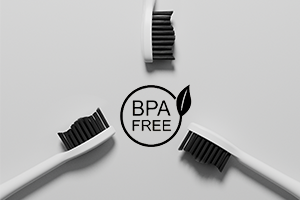
Choosing the right brush head is essential for effective oral hygiene. As an electric toothbrush manufacturer, we understand the importance of high-quality materials and designs to meet diverse consumer needs. Among these, the Toothbrush filament recommended for various types of users plays a critical role in delivering an optimal cleaning experience. Different Types of Brush Heads There are numerous brush head types available in the market, each designed to serve specific purposes: Soft Bristle Brush Heads: Ideal for individuals with sensitive gums. These heads feature soft filaments that gently clean teeth while preventing gum irritation. Powsmart offers charcoal, soft transparent and double layers bristles for sensitive gums’ option. Medium and Hard Bristle Heads: Designed for users who prioritize robust cleaning. These filaments remove stubborn plaque but should be used carefully to avoid gum damage. Powsmart offers Dupont and diamond clean bristles for normal gums. Interdental Brush Heads: Equipped with thin, tapered filaments, these heads target hard-to-reach areas, making them highly effective for thorough cleaning. Specialized Sonic Brush Heads: Tailored for electric toothbrushes. These heads use advanced filaments to amplify sonic vibrations, providing superior plaque removal. Each of these brush head types caters to specific cleaning needs, making them popular choices for toothbrush brands. If you do…
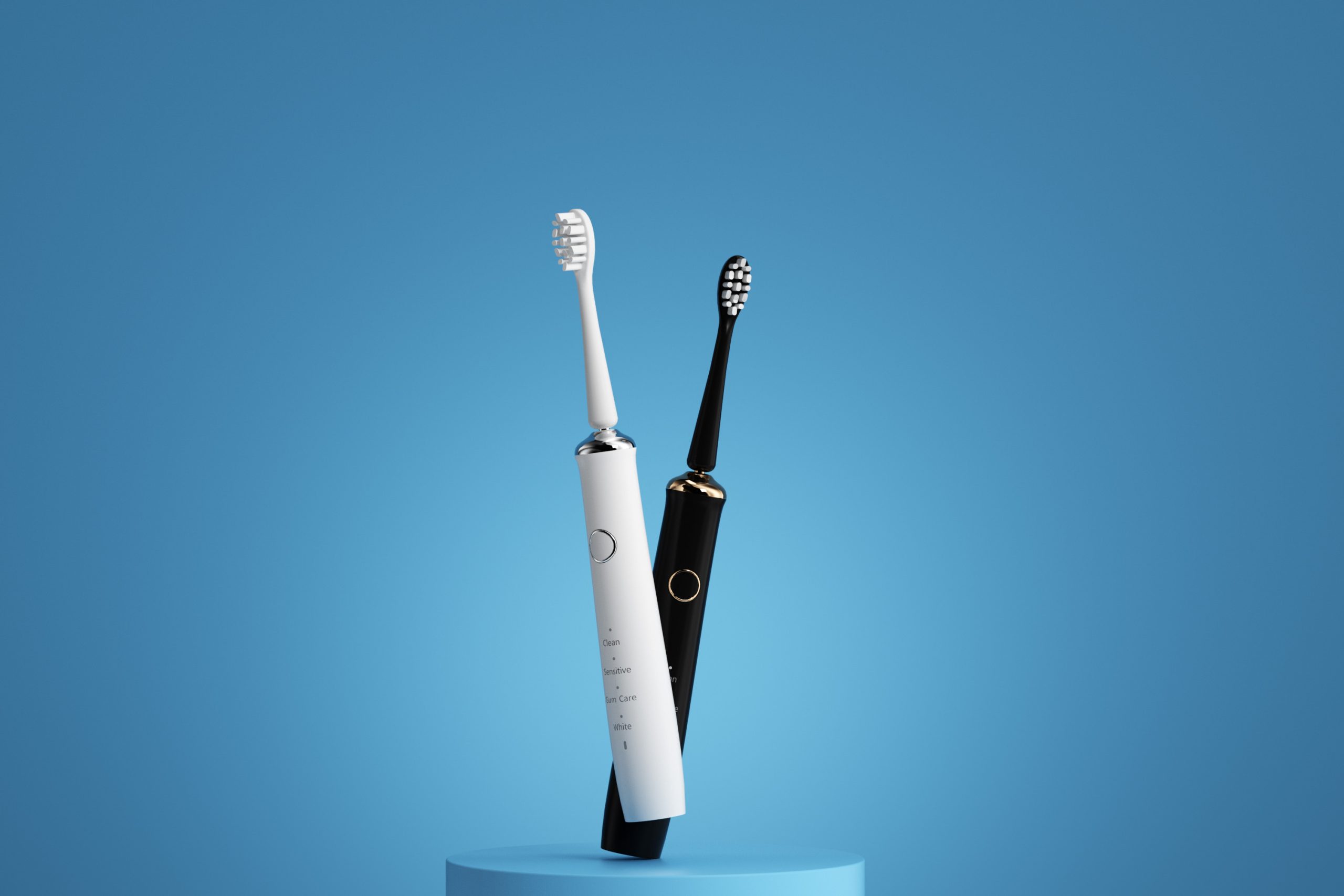
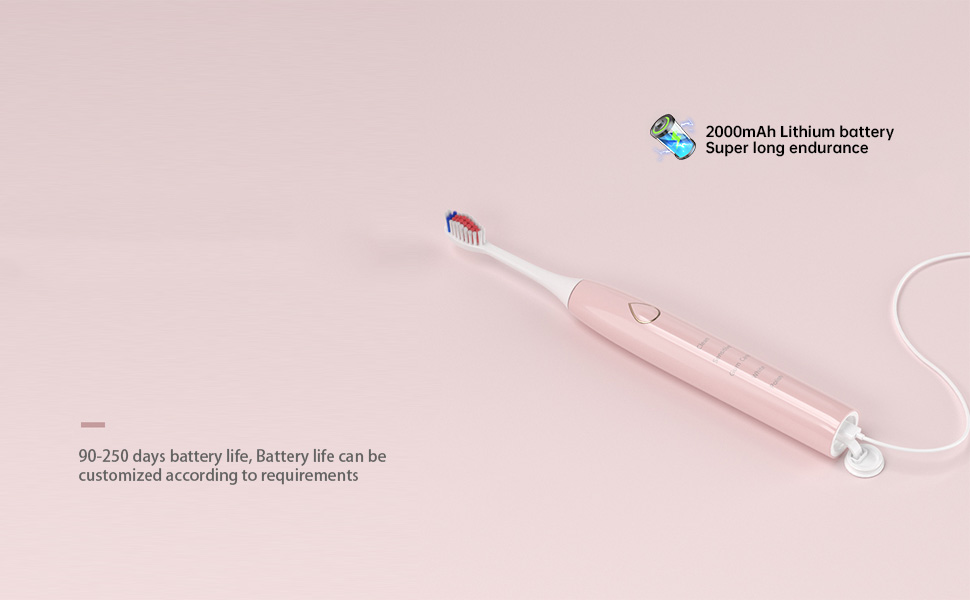
The battery life of an electric toothbrush is a crucial factor for consumers, especially for those who travel frequently or use their toothbrush multiple times daily. With advancements in technology, the battery life of electric toothbrushes has significantly improved, but there are still notable differences across different electric toothbrush manufacturers. In this blog, we will explore the average battery life, factors that contribute to variations, and how to choose a toothbrush that best meets consumer needs. Average Battery Life of Electric Toothbrushes Most electric toothbrushes on the market offer a battery life ranging from 7 days to 6 weeks on a single charge, depending on the model and usage patterns. Basic models typically last around 7–14 days, while premium models with advanced features can last up to 9 weeks. Powsmart, as a high-end electric toothbrush factory with lithium-ion batteries built-in the electric toothbrush tend to perform better in terms of longevity compared to those using nickel-metal hydride (NiMH) batteries. Factors Influencing Battery Life Differences The electric toothbrush battery life difference can be attributed to several factors: Battery Type: Lithium-ion batteries, commonly used in modern toothbrushes, are lighter, more efficient, and last longer than NiMH batteries. Most of the time, the battery type is also a key factor…
This blog explores the materials and processes of electric toothbrush handle shell used in production, providing insights into how factories maintain high standards. In an electric toothbrush factory, the handle shell plays a vital role in ensuring the product’s durability, aesthetics, and functionality. As an experienced electric toothbrush manufacturer, Powsmart is focusing on innovative materials and efficient production processes to meet market needs. Common Materials for Electric Toothbrush Shells The handle shell of an electric toothbrush must be robust, lightweight, and resistant to moisture. Factories commonly use the following materials: ABS Plastic: A widely used material, ABS plastic provides excellent strength and impact resistance. Its lightweight nature makes it ideal for comfortable handling. Polycarbonate (PC): Known for its transparency and toughness, PC is often for premium models where aesthetics are prioritized. Silicone Coating: Applied over plastic shells, silicone enhances grip and provides a soft-touch finish, increasing user comfort. Generally, material selection often depends on the product’s target market and desired features. For instance, premium designs may incorporate recycled plastics to align with sustainability goals. Powsmart focuses on producing high-end Key Manufacturing Processes The materials and processes of electric toothbrush handle shell are closely linked to ensure a seamless production cycle. Common processes include: Injection…
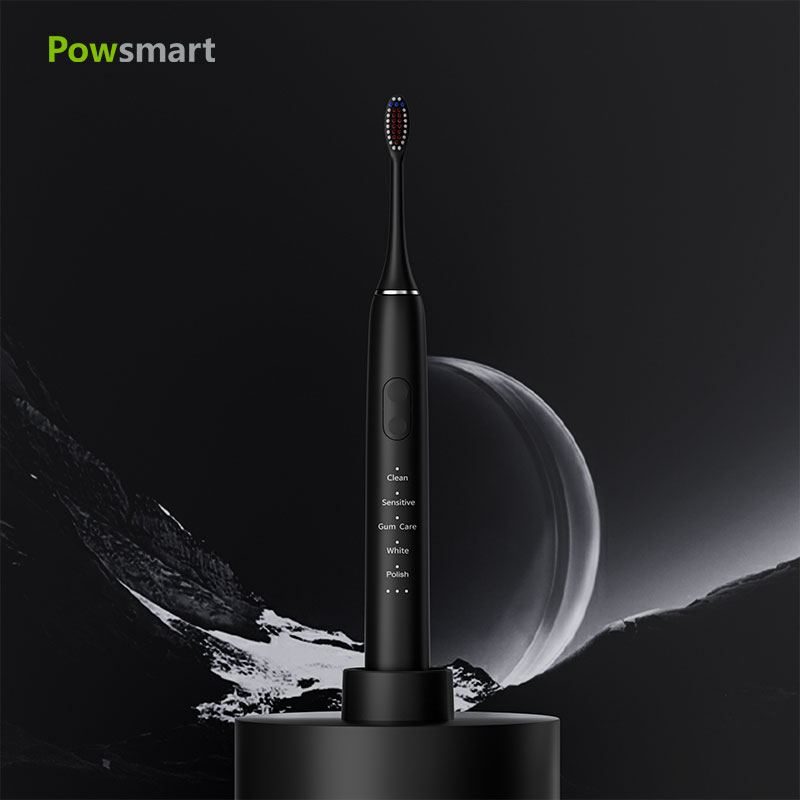
Sonic electric toothbrushes have revolutionized oral care with their advanced cleaning technology. They offer a significant upgrade from manual toothbrushes, providing superior plaque removal and a deeper clean. But what exactly is the working principle of sonic electric toothbrushes? In this blog, we’ll break down how these devices function and why they are so effective in maintaining oral hygiene. How Sonic Electric Toothbrushes Work At the core of a sonic electric toothbrush lies its ability to produce high-frequency vibrations. These vibrations typically range between 24,000 and 48,000 strokes per minute. This rapid movement enables the bristles to agitate toothpaste, water, and saliva into a dynamic fluid motion, which helps dislodge plaque and debris even in hard-to-reach areas. The unique feature of sonic toothbrushes is their ability to create microbubbles that reach areas beyond the bristles, ensuring comprehensive cleaning. This fluid dynamic action explains how sonic electric toothbrushes work effectively to clean teeth and improve gum health. Key Components of Sonic Technology The working principle of sonic electric toothbrushes relies on three primary components: Motor: The motor generates high-speed vibrations, which are transmitted to the bristle head. Bristle Design: Sonic toothbrushes often feature densely packed, specially designed bristles to enhance cleaning performance. Amplitude…
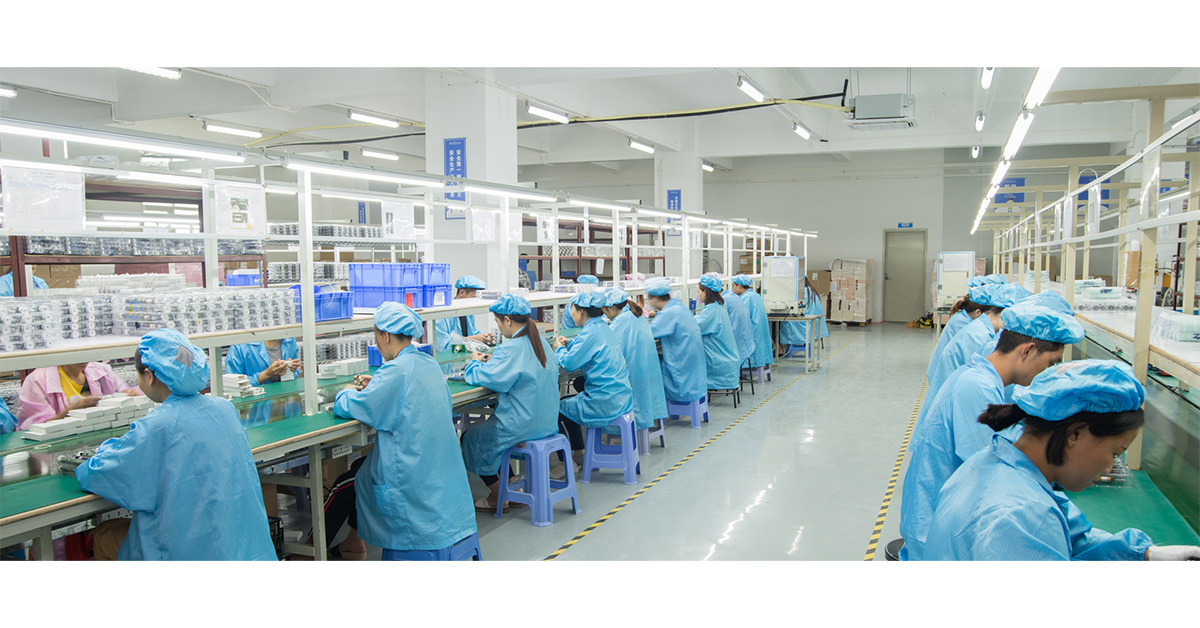
Many users notice that their electric toothbrushes produce significant noise during operation, raising questions about the cause and possible solutions. While these devices are praised for their efficiency in oral care, the sound can sometimes be disruptive. In this article, we'll explore why electric toothbrushes make noise, the factors contributing to this issue, and solutions for solving the noisy problem from the electric toothbrush manufacturer aspect. Why Do Electric Toothbrushes Make Noise? Electric toothbrushes operate using a motor that generates vibrations to clean teeth effectively. These vibrations, combined with the oscillation or rotation of the brush head, naturally produce sound. However, excessive noise can occur due to: Low-Quality Motors: Cheaper motors often produce louder vibrations due to less precision in design. Brush Head Design: Some brush heads create more friction or turbulence during use, amplifying noise. Loose Components: If the brush head or other parts are not securely fitted, they can create additional rattling sounds. Factors Contributing to Noise Levels The design and materials of an electric toothbrush play a significant role in noise levels: Material Selection: Harder plastics and cheaper components may vibrate more, leading to louder noise. Motor Technology: Sonic and ultrasonic toothbrushes generally produce higher-frequency vibrations that…
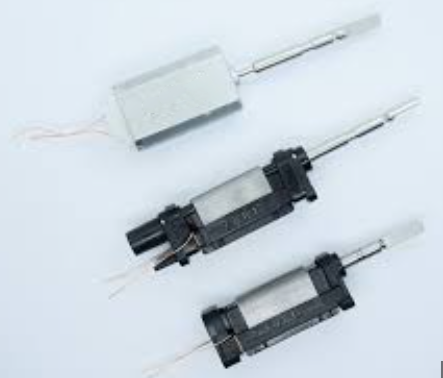
Electric toothbrushes have become a staple in oral hygiene, and the motor is the heart of their functionality. However, the difference between different manufacturers of electric toothbrush motors can significantly impact the toothbrush’s performance, durability, and cost. This blog explores how electric toothbrush manufacturers vary in technology, quality, and innovation, helping B2B buyers make informed decisions. Motor Technology and Performance One key difference between different manufacturers of electric toothbrush motors lies in the motor technology they use. High-end manufacturers often employ advanced sonic or oscillating motors, offering superior cleaning efficiency. In contrast, budget-friendly manufacturers might use basic rotary motors that are less powerful but more affordable. For instance, different electric toothbrush manufacturers targeting premium markets prioritize vibration frequency and noise reduction, while others focus on cost-efficiency for mass production. Quality and Material Standards Another factor that differentiates manufacturers is their commitment to quality and material standards. High-quality motors ensure longevity and consistent performance. Manufacturers who source robust materials and implement stringent quality control processes are often more reliable. On the other hand, some low-cost manufacturers might compromise on motor durability to reduce production costs, which can lead to a higher rate of product failure. Understanding this difference between different manufacturers of electric toothbrush…


.jpg)
.jpg)
.jpg)
.jpg)
.jpg)



.jpg)
.jpg)