In the fast-paced world of global supply chains, efficiency is key to staying competitive. However, data gaps in logistics and customs delays in international shipments are becoming major obstacles, disrupting timelines and increasing costs. Without accurate data and smooth customs clearance, manufacturers and suppliers face production setbacks, delayed deliveries, and dissatisfied customers. This article explores the causes of these challenges and provides actionable solutions to mitigate risks.
Accurate and timely data is the backbone of modern logistics. From order placement to final delivery, every step relies on seamless information flow. However, data gaps—missing, incomplete, or outdated information—can lead to:
Without a strong data management system, businesses struggle to anticipate delays and optimize inventory levels, causing inefficiencies across the supply chain.
As international trade regulations tighten, customs delays have become a common bottleneck. Factors contributing to these delays include:
These delays not only affect delivery schedules but can also result in financial penalties, damaged client relationships, and lost sales opportunities.
One of the biggest reasons behind customs delays is the presence of data gaps in shipment documentation. Missing or incorrect data can cause:
To avoid these risks, companies must implement robust digital documentation and tracking systems to ensure customs compliance from the start.
To combat data gaps, businesses should invest in digital solutions that enhance real-time data accuracy and shipment visibility. Effective strategies include:
By leveraging these technologies, companies can reduce manual errors, streamline customs clearance, and improve overall operational efficiency.
Beyond digital solutions, manufacturers and exporters must proactively address customs delays by:
By refining customs compliance strategies, companies can significantly reduce clearance times and maintain smoother supply chain operations.
To mitigate the impact of data gaps and customs delays in the long run, businesses should:
By proactively addressing these challenges, businesses can build a more resilient supply chain that withstands global trade disruptions.
The combined effects of data gaps and customs delays are causing significant supply chain inefficiencies. However, by embracing digital solutions, strengthening compliance measures, and adopting a proactive risk management approach, businesses can minimize disruptions and maintain timely deliveries. The key to success lies in ensuring data accuracy, leveraging technology, and maintaining a deep understanding of evolving international trade regulations.https://www.powsmart.com/product/electric-toothbrush/

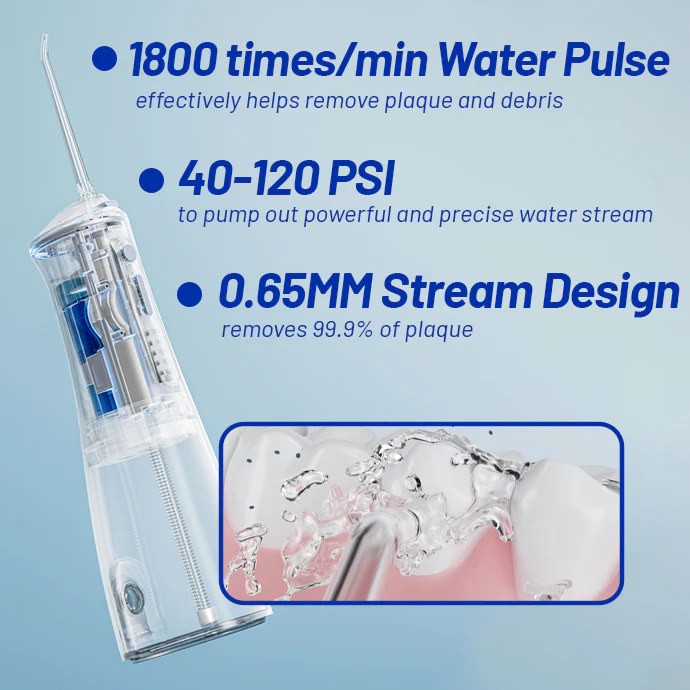
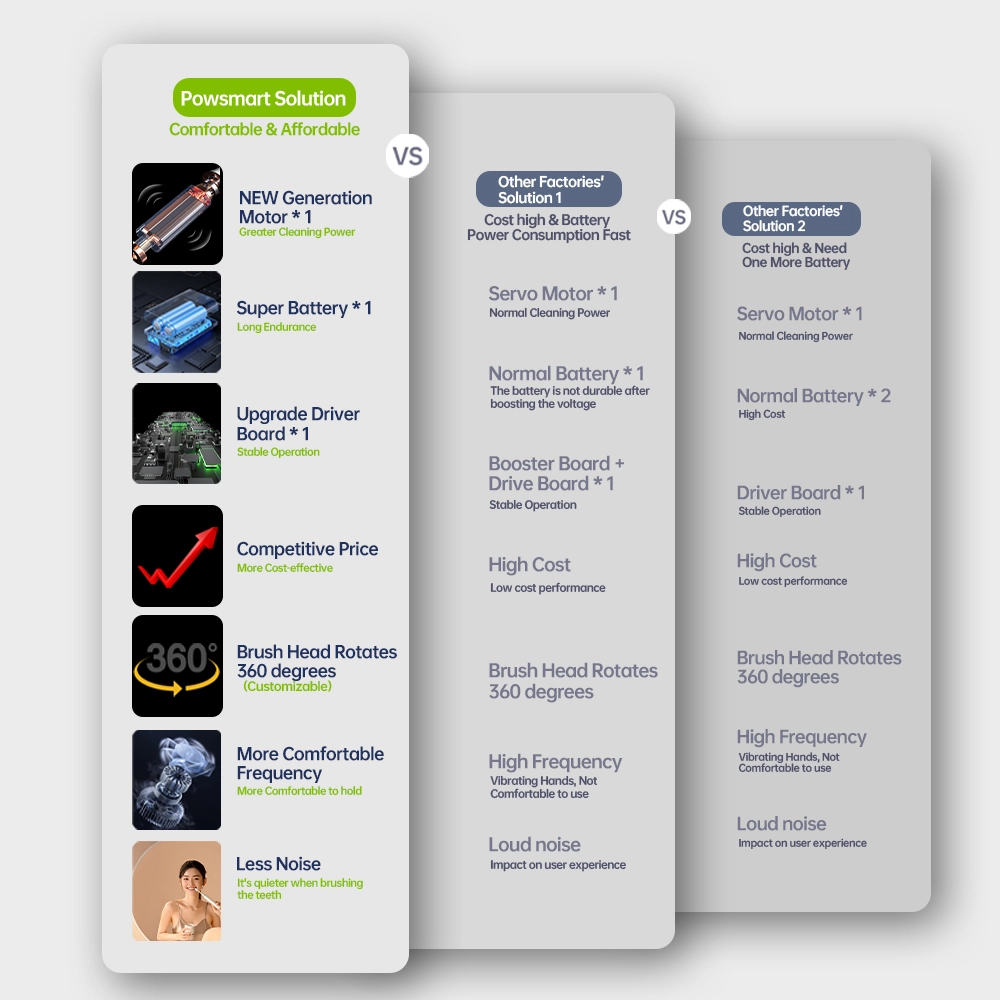

Analyzing the Current Situation and Future Development Direction of Water Flosser Brands in Technology Research and Development

Why Is a Precise Pressure Control System Dependent on an Accurate Flow Rate Calibration Tool?
.jpg)
Red Light Electric Toothbrush Factory for OEM Projects

Analyzing Oral-B Style Handle Technology: A Cost-Benefit Guide for OEM Brands

Why Should an Advanced Servo Motor System Be the Core of Your Custom Toothbrush Branding Strategy?

The Characteristics of the Target Audience for Home Teeth Whitening Devices

Is Your Toothbrush Manufacturing Process Focused on Toothbrush Sustainability?
Is IPX8 Waterproof Rating Compliance Achievable Through Strategic Bulk Material Sourcing?
uneven teeth whitening strategies: fix mottled shades
.jpg)
When Selecting Products, How Can You Make the Pricing of Electric Toothbrushes Best Suit Your Brand Image?
Nozzle Clogging Plus Tray Deformation – Design Flaw?
Replaceable Brush Head Toothbrush Supplier: Cost-Effective and Sustainable Solutions

Challenges and opportunities currently facing the oral irrigator industry
Electric Toothbrush Charging Type OEM
Teeth Whitening Device Compliance in the EU Market: A Guide for OEM Buyers
.jpg)
Customization of Oral Irrigator Pulse Frequency: How to Balance 1400–1800 Times/Minute with Noise Control?


.jpg)
.jpg)
.jpg)
.jpg)
.jpg)