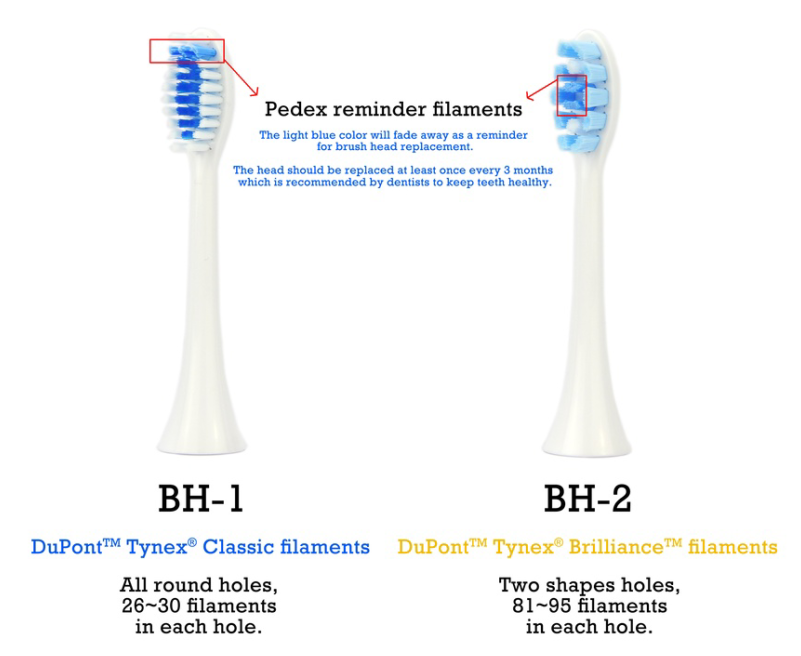
.jpg)
When customers report battery overheating during operation and mention experiencing ear discomfort, it often raises concerns about whether these symptoms are merely a nuisance or an early warning of something more hazardous. While these issues may appear isolated, manufacturers should recognize how thermal problems can lead to unintended user discomfort—and, in some cases, escalate to safety risks if left unaddressed. This article unpacks why battery overheating is more than a technical fault, how it can cause ear discomfort, and what proactive measures B2B brands can take to prevent incidents before they compromise user trust. How Battery Overheating Starts Battery overheating typically develops due to a combination of: Substandard battery cells with inadequate thermal tolerance Ineffective thermal management systems Overcharging cycles or high-current usage beyond rated specs Blocked vents or enclosures that trap heat Long-duration use without cooling intervals Once the battery begins to overheat, the excess temperature can radiate throughout the device housing, including areas that come into contact with the face or ear. The Pathway to Ear Discomfort At first glance, it might seem unlikely that battery heat could result in ear discomfort. But there are several plausible pathways: Heat conduction: The battery’s rising temperature gradually warms the entire…
When customers or dental professionals encounter chip overheating inside powered oral care devices and simultaneously observe cavity acceleration, the combination can seem puzzling—even coincidental. However, these issues may share more common ground than many manufacturers realize. Understanding how electronic thermal failures can indirectly impact oral health is essential for brands determined to deliver reliable, safe, and scientifically validated products. Below, we examine why chip overheating matters, how it could contribute to faster cavity formation, and what preventive measures B2B suppliers should adopt to protect their customers. What Drives Chip Overheating? Chip overheating typically originates from: Inadequate thermal dissipation within the device housing Low-quality PCB materials unable to withstand sustained load Blocked airflow vents that trap heat during operation Excessive power draw when motors, LEDs, or heating elements run simultaneously Lack of protective circuits to cut off power under extreme temperatures As the chip heats up, surrounding components—including those that regulate dosing of gels, water flow, or vibration speed—can also lose accuracy. Could Overheating Indirectly Promote Cavity Acceleration? At first glance, it seems unlikely that a tiny overheating chip could have any connection to cavity acceleration. However, the link emerges through indirect pathways: Disrupted dosing or spray patterns: Overheating can destabilize…
When professionals and consumers alike encounter head detachment in oral care devices, especially at the same time as lip abrasions, it raises serious concerns about product safety and design integrity. While occasional wear and tear is inevitable, recurring cases of this combination can signal a deeper design fault that demands close examination. This article explores the possible connection, the risks involved, and the steps manufacturers can take to prevent these failures. Why Does Head Detachment Occur? Head detachment generally stems from: Weak locking mechanisms: Clips or threads that loosen under repeated stress. Inferior materials: Plastic components prone to fatigue and cracking. Improper assembly tolerances: Excess gaps between the head and handle. Excessive vibration cycles: Over time, continuous micro-movements loosen the attachment. When a head detaches during use, it can expose hard or jagged internal surfaces that contact soft tissues. How Lip Abrasions Can Happen Simultaneously While lip abrasions can occur independently—through overbrushing, hard bristle contact, or accidental slips—the sudden head detachment can dramatically increase their likelihood: Unexpected movement: A detached head can shift or fall while in the mouth, scraping the lips or gums. Loss of control: Users instinctively try to catch the device mid-motion, causing unintentional force against the…
In the competitive landscape of oral care and personal devices, mode confusion coupled with runtime shortening is more than an inconvenience—it’s a product performance issue that can damage brand trust. When customers find themselves struggling to select the correct mode while battery life drains faster than expected, the result is frustration and diminished perceived value. This article unpacks why these two problems often occur together, what risks they pose, and how manufacturers can effectively resolve them. What Is Mode Confusion? Mode confusion arises when users are unable to clearly distinguish or select the intended operating mode of a device. Typical causes include: Unintuitive interfaces: Buttons that toggle too rapidly or lack clear tactile feedback. Poorly differentiated indicators: LEDs or symbols that look nearly identical across modes. Ambiguous labeling: Mode icons or instructions that fail to communicate functions clearly. When users accidentally activate higher power settings, the device consumes more energy, which directly contributes to runtime shortening. How Runtime Shortening Manifests Runtime shortening refers to the battery depleting faster than advertised or expected. Beyond natural battery degradation, this can occur due to: Inadvertent high-power mode usage triggered by mode confusion. Unnecessary cycles or repeated re-activation when users struggle to confirm the…
.jpg)
As global demand for smart and high-quality oral care products continues to grow, many brands are turning to OEM (Original Equipment Manufacturer) solutions to bring their electric toothbrush lines to market. Choosing the right OEM partner is critical—not only for meeting consumer expectations but also for ensuring Electric toothbrush quality manufacturing. This blog outlines the core OEM essentials every brand should consider before launching an electric toothbrush product through a manufacturing partner. Understanding the Basics: Electric Toothbrush Production Workflow Before entering into a partnership, it’s important for brands to understand the full electric toothbrush production lifecycle. From concept design to packaging, a typical OEM process involves: Product design and engineering: Including brush head ergonomics, vibration/motion systems, and waterproofing solutions. Prototype development: Function and safety testing using international standards. Mass production: Using automated lines and precision injection molding for consistency. Packaging and branding: Tailored to client requirements and regulatory labeling. Working with a manufacturer who can manage all stages efficiently ensures a seamless development cycle and reliable time-to-market delivery. Electric Toothbrush Manufacturing Essentials: What to Look for When assessing potential suppliers, these electric toothbrush manufacturing essentials should be at the top of your checklist: ISO-certified production facilitiesEnsure your partner complies with global standards (e.g., ISO…

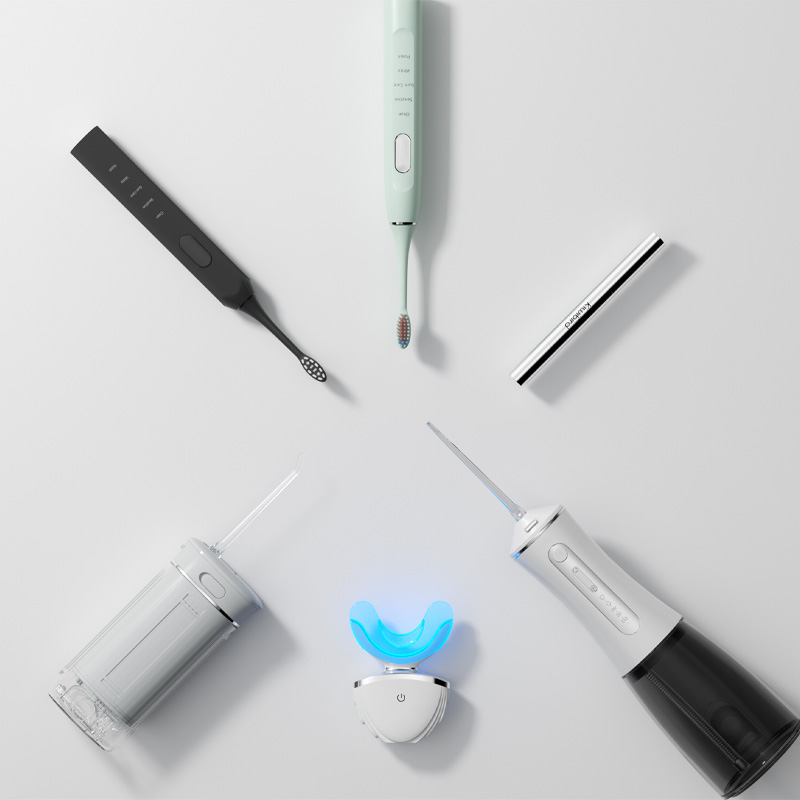
In today’s competitive consumer goods market, oral care products—including electric toothbrushes, water flossers, and whitening solutions—are no longer sold based solely on function. Packaging, placement, and product messaging all play critical roles in shaping purchasing behavior. For oral care brands aiming to scale, aligning with a capable manufacturing partner is as important as implementing smart retail merchandising tactics. This blog explores key strategies for brands and how close collaboration with a factory can enhance execution at the retail level. Understand Consumer Behavior: The Foundation of Effective Merchandising Before developing your merchandising strategy, it’s vital to understand how consumers make decisions in the oral care aisle. Most buyers are influenced by: Visual appeal: Clean, clinical packaging with modern aesthetics signals quality and trust. Feature clarity: Clear communication of product benefits like “deep cleaning,” “gum protection,” or “whitening in 7 days.” Price-point segmentation: Tiered pricing to address entry-level, mid-range, and premium shoppers. By understanding consumer behavior, brands can define their shelf strategy—and relay those insights to their oral care products manufacturing partner to support packaging, labeling, and variant development accordingly. Custom Packaging and Display: Manufacturing Alignment Is Key Custom retail packaging and display solutions are essential to stand out in a crowded retail environment.…
In an era of rapidly evolving device ecosystems, charger mismatch has emerged as a surprisingly common issue with significant consequences. When chargers are poorly specified or incorrectly paired, they often result in battery incompatibility, posing both performance and safety risks. This article explores how mismatched charging components can undermine battery lifespan and reliability—and what manufacturers can do to prevent these costly failures. What Is Charger Mismatch? Charger mismatch refers to situations where the charger’s output characteristics—such as voltage, current, or connector type—do not align with the device’s battery requirements. This can happen for several reasons: Using a third-party charger not validated by the original manufacturer Employing outdated chargers with newer battery chemistries Mistaking visually similar connectors for true compatibility Even minor deviations in output specifications can gradually degrade battery health or trigger immediate charging failures. How Does Battery Incompatibility Manifest? Battery incompatibility can present through a range of observable symptoms: Failure to charge or incomplete charge cycles Excessive heat buildup during charging Unexpected battery swelling or leakage Shortened runtime despite nominal full charge Irregular shutdowns or sudden power loss These symptoms are often mistakenly attributed to defective batteries, when the real culprit is an incompatible charger. Company web:https://www.powsmart.com/product/electric-toothbrush/ Why Charger…
In the competitive world of device manufacturing, head detachment and tank cracks may seem like isolated failures. However, when these two defects occur together, they often signal deeper structural or material issues that compromise product safety and performance. This article explains how this dual failure mode arises, why it should never be ignored, and whether a full component replacement is the most responsible solution. What Causes Head Detachment? Head detachment typically results from prolonged mechanical stress or material fatigue. Repeated torque during use, over-tightening during assembly, or low-grade plastics can weaken the connection between the head and the main body. When the head disconnects unexpectedly, it can: Create leakage paths for liquids or air Expose internal wiring or seals Render the device inoperable For B2B customers relying on consistent quality, even occasional detachment can damage trust in your brand. Why Do Tank Cracks Develop Concurrently? Tank cracks often develop alongside head detachment because similar forces and vulnerabilities are at play. For example: Thermal expansion and contraction weaken thin-walled tanks Chemical exposure (e.g., from aggressive cleaning agents) degrades polymers Inadequate reinforcement near attachment points concentrates stress Over time, these cracks can propagate rapidly, leading to sudden rupture and serious liquid leakage.Company…
In high-performance oral care devices, smooth operation and reliable performance are non-negotiable. Yet pulse lag and incomplete flushing remain two of the most frustrating issues for end users and B2B clients alike. When these problems occur together, they not only damage the user experience but also raise concerns about hygiene, device longevity, and brand reputation. This article explores why pulse lag and incomplete flushing often appear in tandem, the underlying causes, and actionable solutions to prevent these failures. Understanding Pulse Lag Pulse lag describes a noticeable delay between activating the device and the start of the water jet. While minor delays can be tolerable, excessive lag creates confusion and frustration. Typical causes of pulse lag include: Air pockets in the pump or tubing Low motor torque or inconsistent power delivery Software delays in triggering the pump cycle Valve obstructions reducing flow initiation speed Especially in professional or clinical contexts, any lag in response time undermines user confidence. Why Incomplete Flushing Is a Serious Problem Incomplete flushing occurs when residual fluid remains in the reservoir, hoses, or nozzle after a cleaning cycle. Over time, stagnant liquid can: Promote bacterial growth Cause foul odors or taste contamination Block narrow passages and damage…

In the fast-growing oral care market, choosing the right electric toothbrush factory can be the difference between product success and failure. For brand owners and sourcing managers, understanding how to properly evaluate an electric toothbrush factory is essential to ensure product consistency, timely delivery, and long-term partnership success. This article outlines a six-part evaluation framework to help you assess a factory's comprehensive capabilities, including their OEM capabilities, manufacturing standards, and commitment to Electric Toothbrush Quality Manufacturing. Assessing the Factory’s Core Manufacturing Capabilities The first step in evaluating an electric toothbrush supplier is to investigate its core production competencies. A capable electric toothbrush factory should have: In-house facilities for plastic injection molding, PCB assembly, and motor integration. Experience with multiple product lines (oscillating, sonic, kids’ models). Scalable production capacity that aligns with your demand projections. This baseline assessment ensures the factory has the technical resources to meet your product specifications under various volumes. Reviewing OEM & ODM Capabilities Many oral care brands seek manufacturers that can provide OEM capabilities and even ODM (Original Design Manufacturing) services. During the evaluation, ask: Can the factory customize molds, packaging, and firmware? Do they offer product design support or only manufacturing? Are there R&D engineers on-site for product development or…
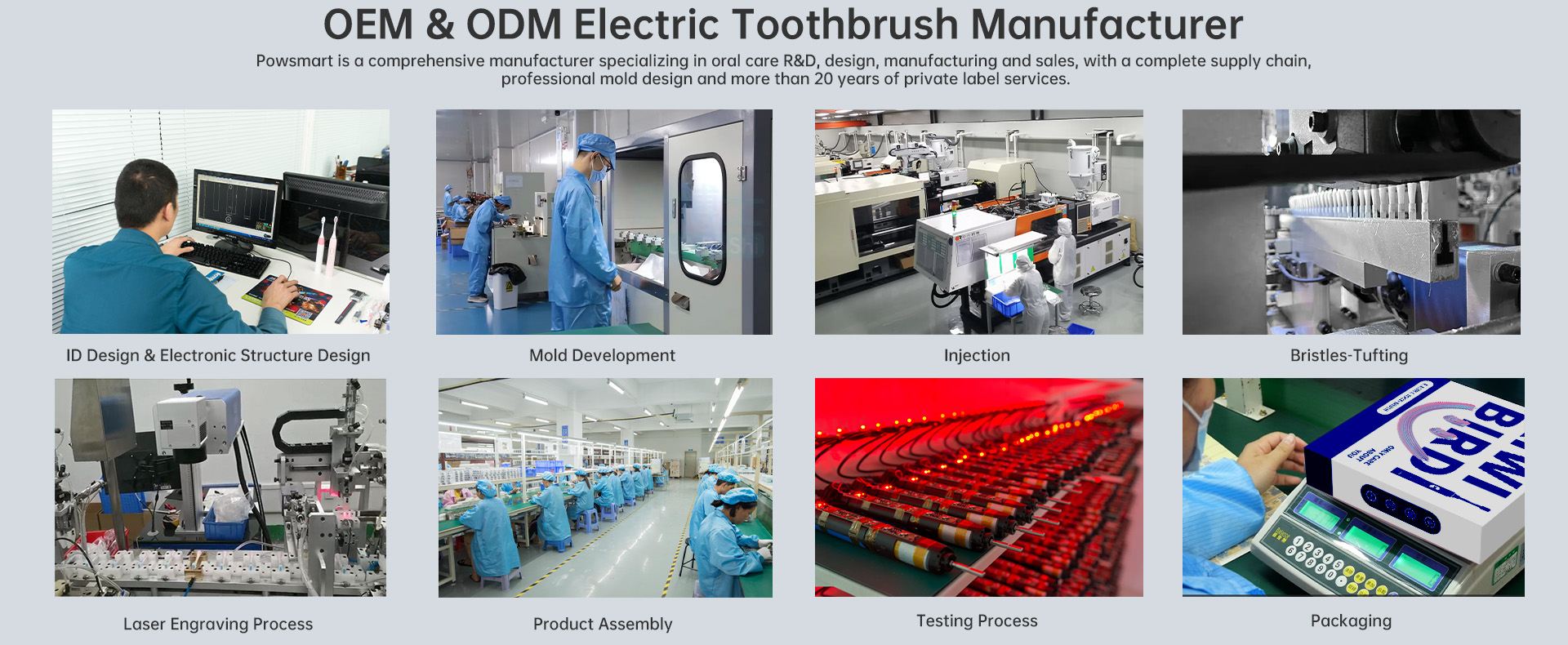
The demand for electric toothbrushes continues to rise globally, with both startups and established oral care brands seeking to expand their portfolios. One of the most effective ways to enter this market quickly and efficiently is through Electric Toothbrush OEM projects. Partnering with an experienced manufacturer allows brands to offer high-quality, customizable products under their own label. However, successful OEM cooperation requires careful planning. In this article, we highlight the essential considerations that any brand should evaluate before starting an electric toothbrush private label or OEM project. Defining Your Product Vision and Brand Goals Before contacting potential manufacturers, it’s critical to define your product vision. What kind of electric toothbrush are you looking to offer — basic entry-level models or high-end smart toothbrushes with Bluetooth and app connectivity? Key Considerations: Target market segment (budget, mid-range, premium) Core features and innovations desired Packaging and branding requirements Clear direction from the brand side helps streamline the electric toothbrush OEM process and avoids unnecessary revisions later in production. Evaluating Manufacturer Capabilities and OEM Experience Not all suppliers are equipped to handle the complexity of Electric Toothbrush OEM projects. Brands should look for manufacturers with proven expertise in oral care device production and the ability to handle…
Many manufacturers underestimate how quickly water ingress can lead to motor rust and cascade into costly performance failures. When moisture penetrates seals or housing, it does more than cause superficial corrosion—it actively damages the core electrical and mechanical components that drive your device. In this article, we’ll explore the mechanisms behind water ingress and motor rust, why this issue is often overlooked, and what manufacturers can do to prevent long-term damage. How Water Ingress Starts Water ingress describes any unintended infiltration of moisture into a device’s interior. This can occur through: Micro-cracks in the casing Worn-out gaskets Improper assembly Capillary action along wiringEven small amounts of condensation or splashes can gradually accumulate inside enclosed spaces, creating a humid microenvironment ideal for corrosion. Why Water Ingress Accelerates Motor Rust When moisture reaches the motor assembly, several problems emerge: Oxygen and water react with metal surfaces, forming rust on motor shafts, bearings, and laminations. Rust disrupts smooth rotation, increasing friction and energy consumption. Corrosion can also lead to pitting and structural weakening.Once motor rust has started, it’s difficult to reverse without replacing parts entirely. Early Warning Signs of Moisture Damage Recognizing the symptoms before failure occurs is critical. Watch for: A grinding…
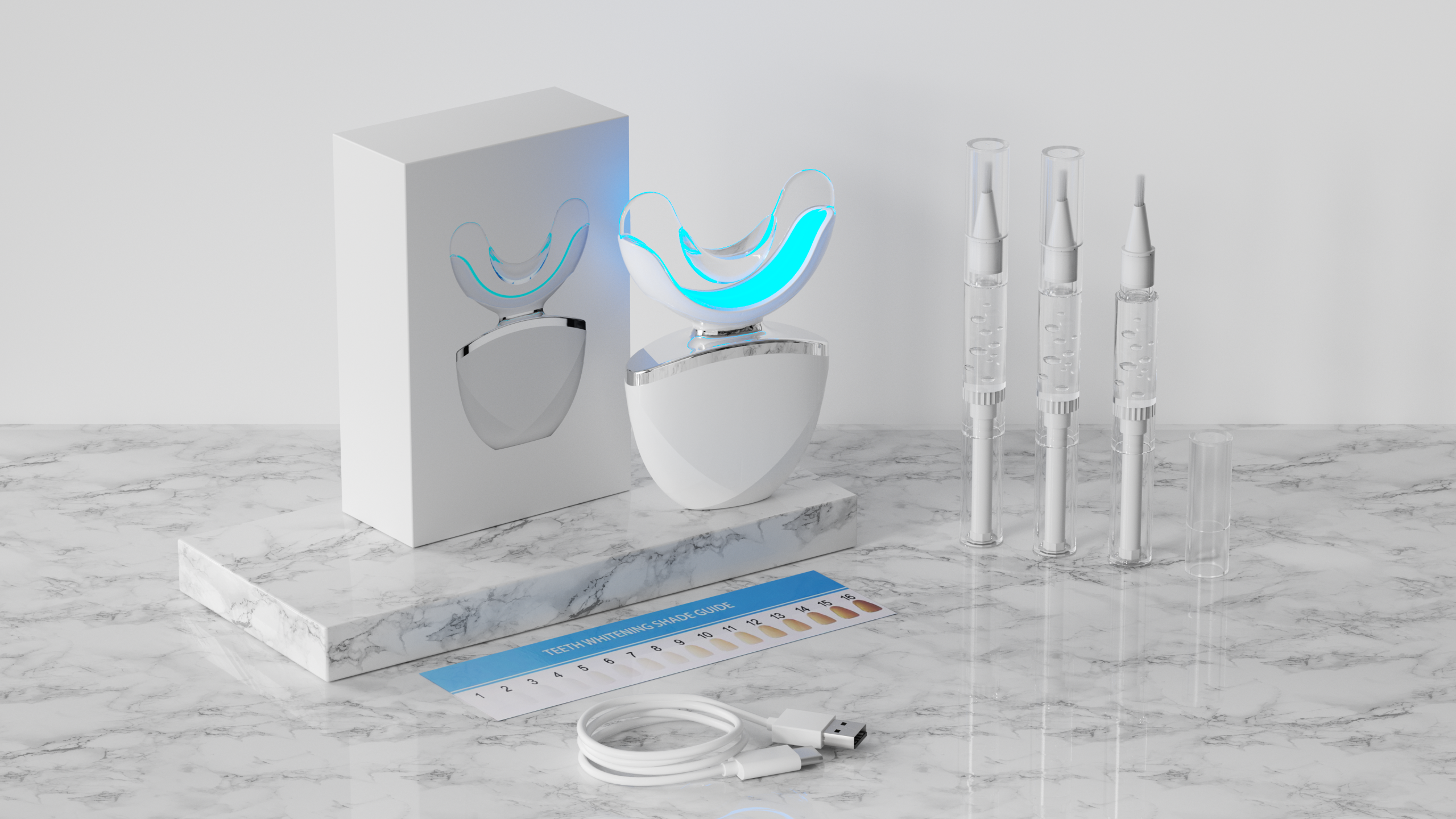
In the rapidly evolving oral care market, standing out as a brand requires more than just a good product. Today’s successful oral care brands must implement well-rounded sales-boosting strategies that address both product innovation and market execution. Whether selling in retail outlets or via online platforms, aligning with the right manufacturing partner and optimizing your oral care marketing and ecommerce sales funnel are essential to achieving sustained growth. This blog explores six actionable strategies to help oral care brands thrive in a competitive environment. Partner with Scalable, Quality-Driven Manufacturers For any oral care brand looking to scale, the choice of manufacturing partner is critical. A reliable factory not only ensures product quality but also supports innovation and volume growth. Look for manufacturers with expertise in electric toothbrushes, water flossers, and custom product development. Ensure they follow international certifications (ISO, CE, FDA) to appeal to global markets. Prioritize factories that offer fast prototyping and white-label capabilities. A strong manufacturing relationship lays the groundwork for consistent product supply, faster time-to-market, and competitive pricing—key pillars of any effective sales-boosting strategy. Develop a Differentiated Product Portfolio To stand out in crowded shelves and search results, your product line must offer unique value. Product differentiation can significantly improve retail…
When LED flickering and adapter fires appear together, many manufacturers and distributors underestimate how dangerous this combination can be. What may start as minor performance inconsistencies can rapidly escalate into severe electrical hazards and product recalls. This article breaks down why these issues arise, how they are connected, and what proactive steps brands can take to protect end-users and maintain product integrity. How LED Flickering Signals Deeper Electrical Instability While occasional LED flickering is often dismissed as harmless, it frequently indicates: Voltage fluctuations caused by unstable power supplies. Loose or degraded solder joints. Deterioration of internal capacitors or driver circuits. These inconsistencies not only disrupt the user experience but also strain the components, increasing the chance of thermal stress and electrical shorts. Why Adapter Fires Often Follow Flickering In some cases, adapter fires are the direct consequence of ignoring flickering symptoms. Here’s why: Prolonged flickering stresses the adapter’s rectifiers and transformers. Heat accumulates in the adapter casing due to inefficient power conversion. Over time, the insulation around wires can degrade, leading to sparks or flames. Especially in high-demand environments—like professional clinics or large-scale retail displays—this chain reaction can trigger extensive damage. Company web: https://www.powsmart.com/product/electric-toothbrush/ Common Triggers of This Dangerous Duo Manufacturers…
When gum bleaching appears alongside a heightened pulpitis risk, it’s time for manufacturers and dental professionals to ask whether whitening treatments have crossed the line from cosmetic enhancement to clinical hazard. While tooth whitening remains one of the most popular aesthetic procedures, inappropriate product formulations, poor application technique, and inadequate safeguards can trigger irreversible damage to both soft tissues and the pulp. This article explains why these problems occur, how they’re linked, and what steps companies can take to protect users—and their own reputations. Why Gum Bleaching Happens During Whitening Gum bleaching typically results from peroxide-based gels spreading beyond the tooth surface and contacting gingival tissue. Factors contributing to this include: Overfilled trays or syringes that leak excess gel. Ill-fitting whitening trays that fail to create a precise seal. High-concentration formulas applied without proper isolation. Although mild bleaching can be reversible, repeated exposure increases tissue irritation and sets the stage for more severe complications. How Pulpitis Risk Enters the Picture Pulpitis—inflammation of the tooth pulp—develops when peroxide penetrates enamel micro-cracks or dentin tubules, irritating the pulp chamber. In many cases, users initially notice transient sensitivity. However, if peroxide exposure persists, inflammation can escalate to irreversible pulpitis requiring endodontic treatment or…
In professional oral care devices, grip fatigue combined with noise pollution isn’t just an inconvenience; it can be a clear signal that your design approach requires reevaluation. Many manufacturers focus on performance metrics—motor power, battery runtime, spray pressure—while overlooking how ergonomics and acoustics directly shape the user experience. Yet, when customers report hand strain and excessive operating noise, the consequences can include reduced compliance, negative reviews, and long-term brand erosion. This article explores why these two issues often appear together, what underlying design choices contribute, and how you can address them effectively. What Causes Grip Fatigue in Oral Devices? Grip fatigue refers to muscle strain in the hand and wrist during repeated use. In dental water flossers and electric toothbrushes, it often stems from: Excessive device weight without counterbalance. Large handle diameters that require constant tension. Slippery surfaces causing involuntary squeezing to maintain control. Continuous operation cycles exceeding recommended usage intervals. Importantly, fatigue is not merely a comfort concern—it can also impact brushing consistency and adherence to oral hygiene routines. Why Does Noise Pollution Occur Simultaneously? Noise pollution in this context describes high-decibel motor sounds, vibration resonance, and intermittent whining. Common causes include: Poor acoustic dampening in the motor housing.…
As device miniaturization and multi-functionality evolve, the relationship between filter clogging and slow charging has become an unexpected but critical concern in the design and manufacturing of consumer electronics, especially in portable and rechargeable devices like electric toothbrushes, water flossers, and personal grooming tools. But how exactly does a clogged filter impact the charging efficiency of such devices, and what measures should manufacturers adopt to avoid this problem? How Does Filter Clogging Occur in Rechargeable Devices? Filter clogging typically refers to the obstruction of air, moisture, or dust filters within electronic devices. These filters are designed to: Block debris, moisture, or dust from entering the internal circuits; Ensure proper ventilation for battery and component cooling; Maintain clean contact points between charging ports and battery systems. However, when these filters are neglected or poorly designed, accumulated contaminants restrict airflow or moisture control, creating conditions that interfere with charging speed and performance. Why Is Filter Clogging Linked to Slow Charging? Though rarely considered, filter clogging can indirectly result in slow charging due to several technical reasons: Clogged filters may cause overheating of internal battery components as proper ventilation is reduced, forcing the device’s battery management system (BMS) to lower charging current to…
In moisture-prone personal care devices like water flossers, electric toothbrushes, and oral irrigators, gasket mold is not only a common maintenance issue—it can also become a silent driver of bacterial regrowth. While often overlooked in design and aftersales guidance, this combination poses serious hygiene risks for end users. In this blog, we explore how these factors are connected, their implications for consumer health, and what manufacturers must do to ensure product safety. What Is Gasket Mold and Why Does It Form? Gaskets are typically made of rubber, silicone, or elastomer materials and serve as seals between components—such as water tanks and main bodies. However, the same flexibility and water resistance that make gaskets effective also make them vulnerable to: Moisture retention from repeated water exposure; Biofilm formation due to trapped organic matter; Poor airflow or drying design, especially in closed systems. When left uncleaned, these conditions foster the growth of gasket mold, which not only affects performance but becomes a microbial breeding ground. How Does Gasket Mold Trigger Bacterial Regrowth? The development of gasket mold creates an ideal environment for bacterial regrowth: Porous gasket materials can trap bacteria deep within microcracks, evading surface-level cleaning; Dark, damp enclosures offer perfect conditions…


.jpg)
.jpg)
.jpg)
.jpg)
.jpg)





.jpg)

.jpg)