.jpg)
As global demand for smart and high-quality oral care products continues to grow, many brands are turning to OEM (Original Equipment Manufacturer) solutions to bring their electric toothbrush lines to market. Choosing the right OEM partner is critical—not only for meeting consumer expectations but also for ensuring Electric toothbrush quality manufacturing. This blog outlines the core OEM essentials every brand should consider before launching an electric toothbrush product through a manufacturing partner. Understanding the Basics: Electric Toothbrush Production Workflow Before entering into a partnership, it’s important for brands to understand the full electric toothbrush production lifecycle. From concept design to packaging, a typical OEM process involves: Product design and engineering: Including brush head ergonomics, vibration/motion systems, and waterproofing solutions. Prototype development: Function and safety testing using international standards. Mass production: Using automated lines and precision injection molding for consistency. Packaging and branding: Tailored to client requirements and regulatory labeling. Working with a manufacturer who can manage all stages efficiently ensures a seamless development cycle and reliable time-to-market delivery. Electric Toothbrush Manufacturing Essentials: What to Look for When assessing potential suppliers, these electric toothbrush manufacturing essentials should be at the top of your checklist: ISO-certified production facilitiesEnsure your partner complies with global standards (e.g., ISO…
In today’s competitive consumer goods market, oral care products—including electric toothbrushes, water flossers, and whitening solutions—are no longer sold based solely on function. Packaging, placement, and product messaging all play critical roles in shaping purchasing behavior. For oral care brands aiming to scale, aligning with a capable manufacturing partner is as important as implementing smart retail merchandising tactics. This blog explores key strategies for brands and how close collaboration with a factory can enhance execution at the retail level. Understand Consumer Behavior: The Foundation of Effective Merchandising Before developing your merchandising strategy, it’s vital to understand how consumers make decisions in the oral care aisle. Most buyers are influenced by: Visual appeal: Clean, clinical packaging with modern aesthetics signals quality and trust. Feature clarity: Clear communication of product benefits like “deep cleaning,” “gum protection,” or “whitening in 7 days.” Price-point segmentation: Tiered pricing to address entry-level, mid-range, and premium shoppers. By understanding consumer behavior, brands can define their shelf strategy—and relay those insights to their oral care products manufacturing partner to support packaging, labeling, and variant development accordingly. Custom Packaging and Display: Manufacturing Alignment Is Key Custom retail packaging and display solutions are essential to stand out in a crowded retail environment.…
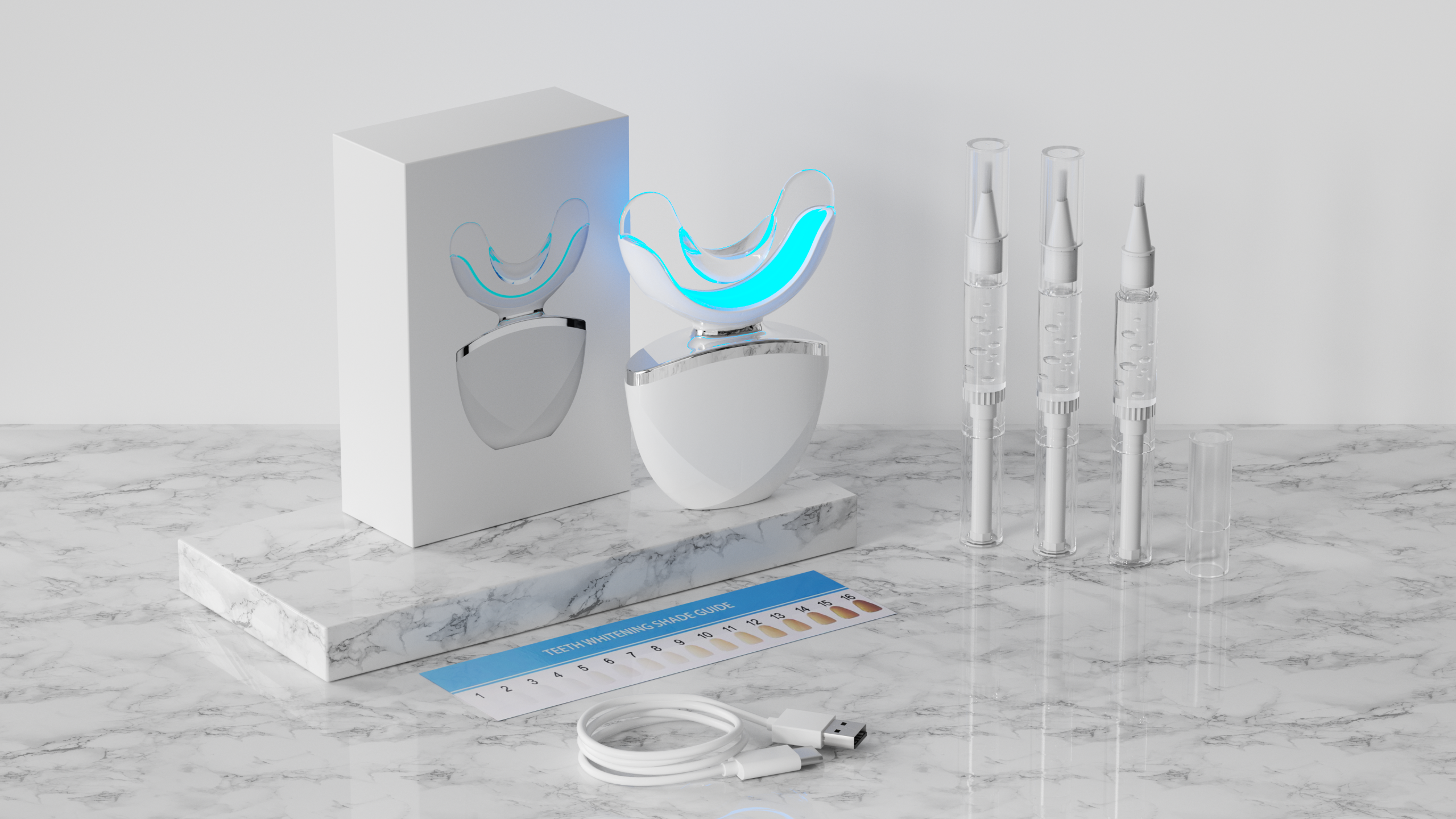
As competition increases in the oral care market, more brands are searching for ways to stand out while maintaining healthy profit margins. One increasingly effective strategy is positioning water flossers as premium oral care products. In this blog, we explore how brand owners can use luxury branding, effective product design, and OEM manufacturing partnerships to turn water flossers into maximizing profit margins oral care solutions. Market Overview: Why Premium Positioning Works The global demand for advanced oral care solutions is rising rapidly, especially among middle- to high-income consumers. Today’s consumers are no longer looking for just functionality—they want convenience, style, and wellness benefits from their purchases. Positioning a premium water flosser taps into this desire. Premium branding not only elevates perceived value but also allows brands to increase retail pricing significantly, thus maximizing profit margins. Key Features that Define a Premium Water Flosser To justify a higher price point, premium water flossers must go beyond basic cleaning. Consider incorporating the following features: Smart technology: Bluetooth-enabled tracking or AI-powered usage analytics Customizable pressure settings: More options for sensitive gums and orthodontic users Elegant design: Sleek finishes, compact build, and travel-friendly packaging Long battery life and fast charging Low-noise operation A focus on design, functionality, and…
.jpg)
In high-performance oral care devices, smooth operation and reliable performance are non-negotiable. Yet pulse lag and incomplete flushing remain two of the most frustrating issues for end users and B2B clients alike. When these problems occur together, they not only damage the user experience but also raise concerns about hygiene, device longevity, and brand reputation. This article explores why pulse lag and incomplete flushing often appear in tandem, the underlying causes, and actionable solutions to prevent these failures. Understanding Pulse Lag Pulse lag describes a noticeable delay between activating the device and the start of the water jet. While minor delays can be tolerable, excessive lag creates confusion and frustration. Typical causes of pulse lag include: Air pockets in the pump or tubing Low motor torque or inconsistent power delivery Software delays in triggering the pump cycle Valve obstructions reducing flow initiation speed Especially in professional or clinical contexts, any lag in response time undermines user confidence. Why Incomplete Flushing Is a Serious Problem Incomplete flushing occurs when residual fluid remains in the reservoir, hoses, or nozzle after a cleaning cycle. Over time, stagnant liquid can: Promote bacterial growth Cause foul odors or taste contamination Block narrow passages and damage…

In the fast-growing oral care market, choosing the right electric toothbrush factory can be the difference between product success and failure. For brand owners and sourcing managers, understanding how to properly evaluate an electric toothbrush factory is essential to ensure product consistency, timely delivery, and long-term partnership success. This article outlines a six-part evaluation framework to help you assess a factory's comprehensive capabilities, including their OEM capabilities, manufacturing standards, and commitment to Electric Toothbrush Quality Manufacturing. Assessing the Factory’s Core Manufacturing Capabilities The first step in evaluating an electric toothbrush supplier is to investigate its core production competencies. A capable electric toothbrush factory should have: In-house facilities for plastic injection molding, PCB assembly, and motor integration. Experience with multiple product lines (oscillating, sonic, kids’ models). Scalable production capacity that aligns with your demand projections. This baseline assessment ensures the factory has the technical resources to meet your product specifications under various volumes. Reviewing OEM & ODM Capabilities Many oral care brands seek manufacturers that can provide OEM capabilities and even ODM (Original Design Manufacturing) services. During the evaluation, ask: Can the factory customize molds, packaging, and firmware? Do they offer product design support or only manufacturing? Are there R&D engineers on-site for product development or…
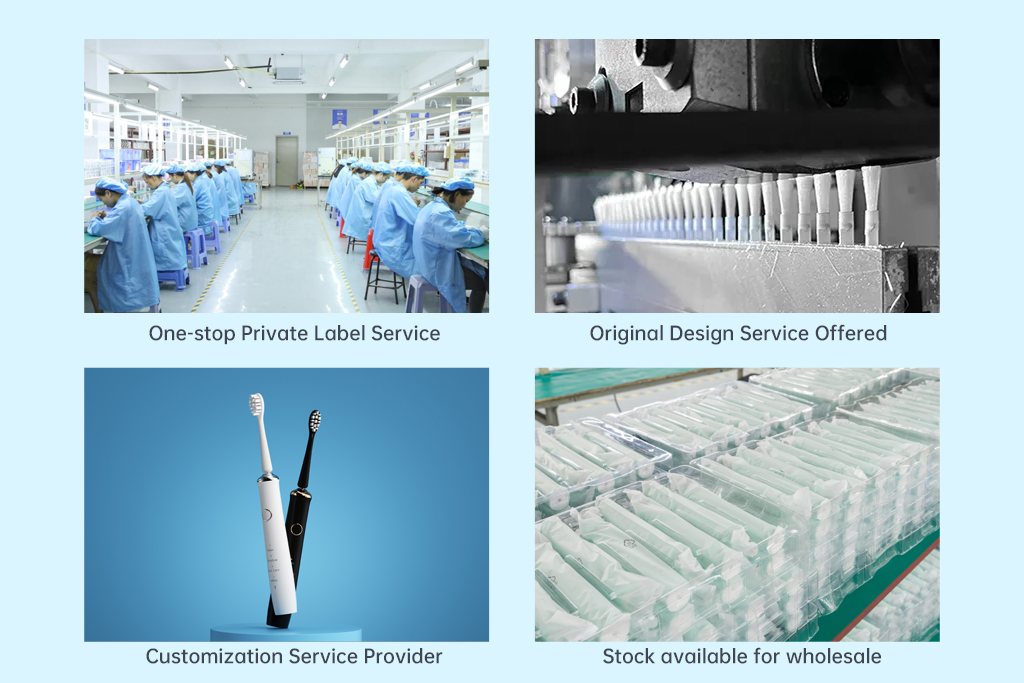
In the rapidly evolving oral care market, standing out as a brand requires more than just a good product. Today’s successful oral care brands must implement well-rounded sales-boosting strategies that address both product innovation and market execution. Whether selling in retail outlets or via online platforms, aligning with the right manufacturing partner and optimizing your oral care marketing and ecommerce sales funnel are essential to achieving sustained growth. This blog explores six actionable strategies to help oral care brands thrive in a competitive environment. Partner with Scalable, Quality-Driven Manufacturers For any oral care brand looking to scale, the choice of manufacturing partner is critical. A reliable factory not only ensures product quality but also supports innovation and volume growth. Look for manufacturers with expertise in electric toothbrushes, water flossers, and custom product development. Ensure they follow international certifications (ISO, CE, FDA) to appeal to global markets. Prioritize factories that offer fast prototyping and white-label capabilities. A strong manufacturing relationship lays the groundwork for consistent product supply, faster time-to-market, and competitive pricing—key pillars of any effective sales-boosting strategy. Develop a Differentiated Product Portfolio To stand out in crowded shelves and search results, your product line must offer unique value. Product differentiation can significantly improve retail…
.jpg)
In today's competitive oral care market, cleaning performance is a key differentiator for any electric toothbrush brand. Whether you’re launching a new line or improving your current offering, choosing the right electric toothbrush factory can make or break product performance. Key factors such as sonic technology, brush head design, and quality OEM manufacturing standards all influence the outcome. This blog explores how different factories vary and what to consider when selecting the right partner. The Role of Sonic Technology in Deep Cleaning Toothbrushes One of the primary factors impacting cleaning efficiency is the type of motor technology used. Advanced sonic technology enables toothbrushes to deliver up to 40,000 strokes per minute, creating microbubbles that reach deep between teeth and along the gum line. However, not all electric toothbrush factories implement this technology equally. Top-tier factories invest in high-frequency, stable sonic motors. Lower-end suppliers may compromise on vibration strength and consistency. When selecting a supplier, always evaluate their motor sourcing and engineering capabilities to ensure your brand offers a true deep cleaning toothbrush experience. Brush Head Design: The Unsung Hero of Cleaning Performance Another critical but often overlooked component is the brush head design. Factors such as bristle material, tufting density, and head shape directly impact how…
.jpg)
Changing Consumer Preferences in Oral Care In today’s health-conscious market, more consumers are shifting from manual to electric toothbrushes. This isn’t just a trend—it’s a transformation. Understanding the electric vs manual toothbrush debate is crucial for any brand looking to stay competitive in the growing oral care market.This blog outlines why consumers are making the switch, what this means for product development, and offers a practical guide for brands & factories on how to capitalize on this demand through the right oral care OEM partnerships. Electric vs Manual Toothbrush: What’s Driving Consumer Preferences? The shift in consumer preferences is largely driven by perceived and real advantages of electric toothbrushes over manual ones: Convenience and ease of use: Electric toothbrushes require less effort and ensure more consistent brushing techniques. Smart features: Timers, pressure sensors, and app integration help users improve their brushing habits. Aesthetic appeal: Sleek designs, USB charging, and portability make electric models more appealing to modern consumers. With digitalization and increased oral health awareness, consumers are increasingly seeing electric toothbrushes as essential rather than optional. Oral Health Benefits That Influence the Buying Decision Clinical studies and marketing campaigns continue to highlight the superior oral health benefits of electric toothbrushes:…
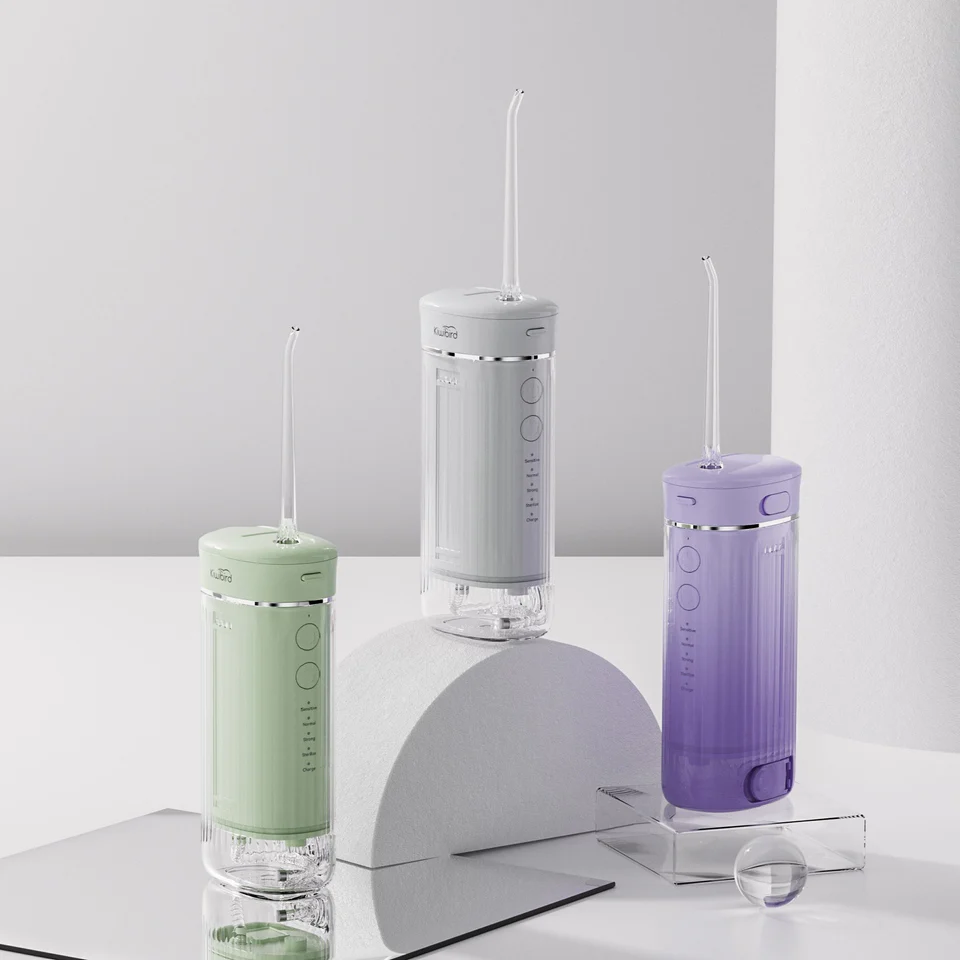
In today’s oral care market, consumer awareness of oral health benefits has never been higher. While electric toothbrushes remain a staple, water flossers are quickly gaining traction thanks to their ability to clean deep between teeth and support gum health. For brands looking to expand oral care line, adding a competitive, high-quality water flosser is both a strategic and timely move.This blog offers a guide for brands & factories, showing how to identify opportunities, understand competitive features, and partner with the right OEM manufacturers. Why Water Flossers Are Key to Oral Care Expansion Water flossers are no longer niche. They are becoming a standard part of modern oral hygiene routines—especially for users with braces, implants, or gum sensitivity. Key oral health benefits include: Gentle, effective cleaning around gums Enhanced plaque removal from hard-to-reach areas Reduction in gingivitis and bleeding gums For brands, this growing demand translates into a profitable opportunity. Expanding your lineup with a strong water flosser product signals innovation, responsiveness to consumer trends, and leadership in the full oral care line. What Makes a Water Flosser Competitive? To succeed, a water flosser must stand out in terms of both function and form. Here are the key factors that define water flosser…
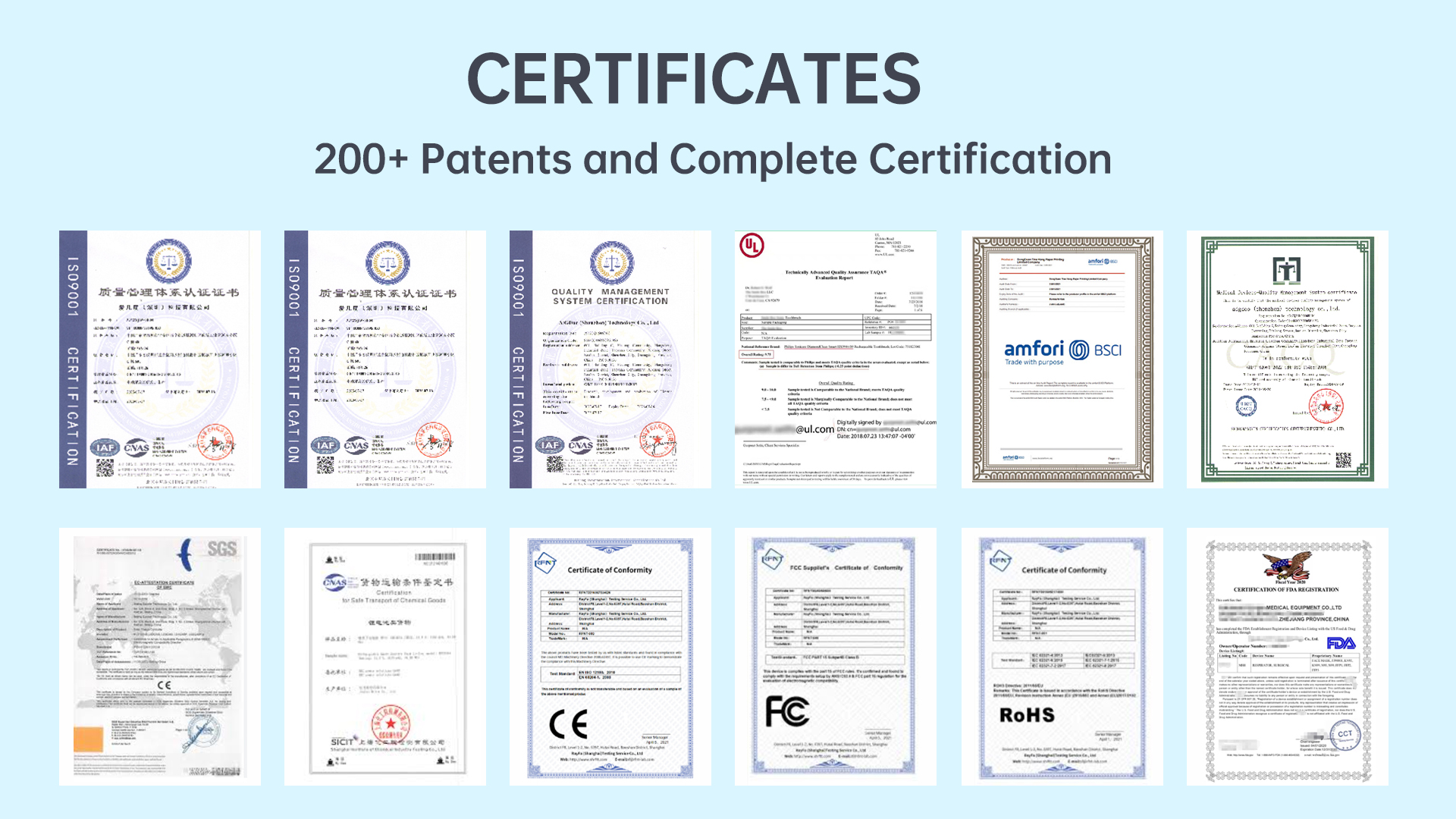
In the rapidly growing oral care industry, the demand for electric toothbrushes is at an all-time high. For brands aiming to enter or expand in this competitive market, partnering with the right electric toothbrush factory is essential—not just for product quality, but also for ensuring long-term business success. But how do you evaluate factories and identify those that can deliver superior electric toothbrush cleaning power, innovation, and scalable production? This article outlines six critical factors to help you choose the ideal manufacturing partner for your OEM electric toothbrush project. Define Your Cleaning Performance Standards Before you begin the search, it’s important to clearly define what “superior electric toothbrush cleaning power” means for your target market. Do you want high-frequency sonic vibration? Do you need multiple cleaning modes or intelligent pressure sensors? Top-tier oral care manufacturing begins with clear technical specifications. Look for a factory that can meet or exceed industry standards for plaque removal, battery efficiency, motor durability, and ergonomic design. Ask for performance test reports or existing client case studies that demonstrate their product capabilities. Evaluate R&D and Innovation Capabilities A reliable electric toothbrush factory should have strong R&D capacity. Innovation is key in a market where user expectations evolve quickly. Investigate: How…
The oral care market is experiencing rapid transformation, fueled by consumer awareness of dental hygiene and increasing demand for effective, technology-driven products. Among these innovations, electric toothbrushes stand out for their proven effectiveness in plaque removal, improving gum health, and promoting long-term oral hygiene. For brands looking to gain a competitive edge, partnering with an expert in electric toothbrush quality manufacturing and oral care OEM solutions is no longer optional—it’s essential. This blog explores why investing in high-quality electric toothbrush manufacturing is a strategic move for oral care brands. Electric Toothbrush Benefits Are Scientifically Proven One of the key drivers behind the growing popularity of electric toothbrushes is their superior cleaning capability. Research has consistently shown that electric toothbrushes remove more plaque than manual toothbrushes, leading to: More effective plaque removal Better gum health Reduced risk of cavities and gingivitis These measurable electric toothbrush benefits translate into tangible value for the end user, strengthening brand credibility and consumer trust. Consumer Expectations Are Increasing Today’s consumers are more informed and expect high-performing, reliable oral care tools. They look for: Multiple brushing modes (sensitive, deep clean, whitening) Long battery life and USB charging Smart technology (timers, pressure sensors, app connectivity) Only through reliable electric toothbrush quality…
.jpg)
Driven by increasing health awareness, technological advancement, and consumer demand for effective, at-home dental solutions. For brands already offering electric toothbrushes or traditional dental care items, expanding the product line to include water flossers represents a smart and timely product expansion strategy. Adding water flossers isn’t just about following a trend—it's about creating a more comprehensive oral care product expansion roadmap, catering to evolving consumer needs while standing out in a competitive market. Why Water Flossers Are a Natural Fit for Oral Care Brands Water flossers—also known as oral irrigators—have become a must-have in personal oral hygiene. They complement electric toothbrushes by providing deep interdental and subgingival cleaning, making them ideal for users with braces, implants, or sensitive gums. From a business perspective, this represents: A brand diversification opportunity with high consumer demand. An upsell option for customers already purchasing electric toothbrushes. A higher-margin product category with growing online and retail presence. By positioning water flossers as a value-added offering in your lineup, brands can reinforce customer loyalty and increase average order value. The Benefits of Partnering with a Water Flosser Factory One of the most important steps in successful expansion is finding the right water flosser factory or manufacturing partner. A reliable factory…
The global demand for oral care devices is surging, with water flossers becoming one of the most sought-after products in the personal care category. As more consumers prioritize gum health and interdental cleaning, the benefits of promoting water flossers for brand owners have never been clearer. This article outlines the major advantages of investing in this category and provides strategies on how to meet marketing needs of water flossers in order to increase sales effectively. Why Water Flossers? Understanding the Core Selling Points To create compelling campaigns, brand owners must understand the selling points of water flossers that appeal most to consumers: Advanced Cleaning Efficiency: Removes debris and plaque from areas traditional brushing can’t reach. Gum Health Benefits: Reduces bleeding and inflammation, especially for people with braces or implants. Ease of Use: Intuitive operation for all age groups, including seniors and individuals with limited dexterity. Modern Design: Many water flossers now feature portable designs, rechargeable batteries, and multiple pressure modes. These features form the foundation of the oral care marketing message and allow brands to differentiate themselves in a competitive landscape. Benefits of Promoting Water Flossers for Brand Owners For brand owners looking to expand their product portfolio, the benefits of promoting water flossers are both…
In an increasingly saturated market, oral care brands are under pressure to stand out. Generic products no longer attract long-term customer loyalty. To increase brand core competitiveness, companies must create differentiated products that offer true innovation and added value. A key strategy for achieving this differentiation is to collaborate with factories with technological barriers—those that have advanced capabilities, unique R&D strengths, and manufacturing know-how that are difficult to replicate. This blog provides actionable tips for oral care brands on how to identify the right manufacturing partners with strong oral care technological barriers to fuel brand innovation and market distinction. What Are Technological Barriers in Oral Care Manufacturing? Technological barriers refer to proprietary knowledge, advanced equipment, patented processes, or high-level R&D expertise that prevent easy replication by competitors. In the context of oral care manufacturing, this might include: High-frequency motor design for electric toothbrushes Precision injection molding for ergonomic brush heads Ultra-fine nozzle engineering for water flossers Smart sensor integration and mobile app ecosystems Sustainable material development and biocompatibility testing Partnering with factories with technological barriers gives brands access to these cutting-edge capabilities, enabling them to launch premium, innovative, and high-performing oral care products. Benefits of Working with Technologically Advanced Factories Choosing the right factory isn’t…
In today’s fast-evolving oral care market, consumers are no longer satisfied with single-function products. They’re seeking comprehensive, time-saving, and value-driven solutions. This shift in demand has given rise to bundled offerings, particularly the electric toothbrush and water flosser combination. For brand owners, this bundle is not just a consumer trend—it’s a powerful brand expansion strategy that can enhance competitiveness in an increasingly crowded marketplace. Why the Electric Toothbrush and Water Flosser Combination Appeals to Modern Consumers Consumers are becoming more informed and proactive about oral hygiene. Bundled oral care kits that include both an electric toothbrush and a water flosser offer multiple benefits: Comprehensive cleaning: Mechanical brushing combined with pressurized water stream provides a full-spectrum cleaning experience. Time efficiency: Bundles save time by offering everything consumers need in one package. Perceived value: Shoppers view bundles as cost-effective and premium in comparison to standalone items. For brands, tapping into this consumer demand through bundling is a smart move to enhance competitiveness through bundle strategy. Competitive Advantages for Brand Owners By offering an electric toothbrush and water flosser combination, brand owners can gain several strategic advantages: Product differentiation: Bundles stand out on shelves and e-commerce platforms, increasing product visibility. Higher average order value (AOV): Consumers…
The global oral care market is evolving rapidly, driven by rising consumer awareness and growing demand for advanced hygiene solutions. For brands looking to stay ahead, oral care product expansion is no longer optional—it's essential. Whether you're launching your first electric toothbrush line or expanding into water flossers, a strong manufacturing foundation is critical. This guide provides a roadmap for oral care brands looking to scale smartly through factory partnerships and strategic product development. Assessing Readiness for Brand Upgrade and Expansion Before jumping into production or new product categories, it's important to evaluate your brand’s current market position. Ask yourself: Is your product portfolio meeting modern oral hygiene trends? Do you have the infrastructure to manage supply chain and logistics on a larger scale? Are your current manufacturing partners able to support scale, speed, and quality? A successful brand upgrade and expansion guide starts with clear objectives, market differentiation, and an aligned vision with production partners. Finding the Right Electric Toothbrush Factory The electric toothbrush segment is a cornerstone of innovation in oral care. Selecting the right electric toothbrush factory can make or break your product success. When evaluating factories, consider: R&D capabilities: Can they develop unique brush heads, smart features, or app…
For oral care brands seeking long-term growth and product credibility, finding the right electric toothbrush factory is critical. In today’s competitive market, quality, consistency, and regulatory compliance are essential. This blog serves as a practical guide for brand owners to conduct a structured electric toothbrush factory evaluation, covering the key factors that ensure your product meets both market expectations and global toothbrush production standards. Below are 5 must-read criteria to help you identify a reliable manufacturing partner. Manufacturing Capabilities & Facility Infrastructure When evaluating a potential partner in oral care manufacturing, begin by examining their production scale and technical infrastructure. Key areas to consider include: In-house mold development for brush heads and motor components Automated production lines to ensure precision and consistency Capacity to handle large OEM/ODM orders without quality compromise A high-quality electric toothbrush factory will be able to demonstrate robust capabilities across all production stages, from injection molding to final assembly and packaging. Compliance with Toothbrush Production Standards Global markets demand strict adherence to safety and quality regulations. A factory’s ability to comply with international toothbrush production standards is a non-negotiable factor. Look for compliance with: ISO 13485 (for medical-grade manufacturing) CE, FCC, FDA certifications depending on target markets RoHS and REACH environmental…
The transformation of oral care is happening at unprecedented speed. With consumers demanding smarter, more effective, and more personalized solutions, brands are under pressure to innovate fast and scale efficiently. For both emerging startups and established players in the oral health market, one key to growth lies in a strategic partnership with experienced manufacturers. By fully utilizing factory resources, oral care enterprises can significantly accelerate product development, optimize operations, and enhance brand competitiveness. Accelerating Innovation through Manufacturer Collaboration Today’s competitive oral care market requires continuous innovation—especially in high-demand categories such as electric toothbrushes and water flossers. Factories with strong R&D and OEM/ODM capabilities allow brands to rapidly introduce new technologies and product variations without the overhead of in-house engineering. Key advantages of working with experienced manufacturers include: Access to mature R&D teams and industrial designers Ready-to-adapt solutions for AI-enabled electric toothbrushes Customization capabilities for features, packaging, and branding This model reduces time-to-market and ensures brands stay ahead of trends during the transformation of oral care. Strengthening the Supply Chain of Oral Care Products A robust and flexible supply chain of oral care products is crucial to long-term growth. By leveraging factory relationships, brands can benefit from: Transparent production scheduling and inventory forecasting Scalability…
.jpg)
In today’s increasingly competitive personal care market, consumers' preferences of electric toothbrushes are becoming more discerning, not only about the features of the product but also the price point. For brands and suppliers aiming to remain competitive and relevant, it is essential to understand how consumers weigh functions and prices of electric toothbrushes in their purchasing decisions. This blog provides a strategic look at demand preference and analysis, helping brands align with the right electric toothbrush manufacturer who can meet evolving market expectations. Core Consumer Expectations: Smart, Efficient, and Affordable Modern consumers prioritize electric toothbrushes that are not just effective, but also intelligent and user-friendly. Based on recent consumer research, the most requested features include: Multiple brushing modes (sensitive, whitening, gum care) Smart timers and pressure sensors Long battery life and fast charging Quiet operation and compact design However, while many users desire advanced features, a large portion of consumers' preferences of electric toothbrushes remain price-sensitive. This is where the balance between functionality and affordability becomes crucial in product planning and sourcing. Demand Preference and Analysis: Features vs. Cost Demand preference and analysis reveal three major consumer segments: Premium Users: Willing to pay over $80 for AI-enabled brushes, Bluetooth connectivity, and ultra-sonic vibration technology. Mid-Market Consumers:…
As demand for smart and innovative oral care products continues to rise, many brands are turning to electric toothbrush OEM cooperation to speed up production and enhance competitiveness. However, engaging in OEM partnerships without a proper risk assessment and preventive measures can lead to serious legal consequences, including quality risk and intellectual property risk. In this blog, Powsmart offer a comprehensive guide to help brands identify and avoid legal risks in the OEM process and share best practices to mitigate them. Clarify Contractual Obligations from the Beginning One of the most common legal pitfalls in OEM cooperation stems from vague or incomplete contracts. All terms—including product specifications, pricing, delivery timelines, quality standards, and penalties for non-compliance—should be explicitly defined. Key preventive measures: Use bilingual contracts if working with overseas factories. Specify testing standards and inspection responsibilities. Include confidentiality and exclusivity clauses when necessary. Clear contracts serve as the foundation for legal protection and reduce the possibility of disputes later in the manufacturing process. Conduct a Thorough Risk Assessment of the Manufacturer Before entering into a partnership, brands must perform due diligence to identify and avoid Legal Risks associated with the chosen OEM factory. A surface-level evaluation is not enough. Factors to assess include: Legal registration and…


.jpg)
.jpg)
.jpg)
.jpg)
.jpg)



.jpg)