
.jpg)
Post-surgery risks in dental and oral care are highly sensitive issues, and unexpected jaw discomfort caused by oral care devices can significantly complicate recovery. This is a growing concern for medical professionals and device manufacturers alike, as seemingly minor discomfort may exacerbate healing complications or delay tissue regeneration. Understanding this link is crucial for designing safer, surgery-compatible oral hygiene products. Why Jaw Discomfort Matters More in Post-Operative Recovery After oral or maxillofacial surgery—whether wisdom tooth extraction, implant placement, or jaw alignment—patients are in a delicate healing phase. Devices that apply unnecessary pressure to the jaw, such as electric toothbrushes with aggressive vibration, can: Aggravate inflammation at surgical sites Trigger TMJ (temporomandibular joint) flare-ups Cause bruxism-like pain or cramping during brushing Extend the patient’s recovery timeline Therefore, even light jaw discomfort becomes a serious contributor to post-surgery risk profiles. Design Features That May Intensify Jaw Pressure Many post-operative patients report that certain electric toothbrushes and oral irrigators inadvertently worsen their condition. Key design flaws include: High amplitude vibration motors that create side pressure Heavy or non-ergonomic brush handles that require extra grip force Large brush heads that require wider mouth opening Poorly balanced weight distribution, increasing strain on jaw joints Manufacturers…
For any oral hygiene product manufacturer or distributor, educating your customers about water flosser maintenance is more than just value-add content—it’s a key step in enhancing product lifespan, performance, and brand loyalty. While water flossers are known for their effective plaque removal and gum health benefits, few users realize that regular care is essential. Without proper maintenance, even the best-engineered water flosser can suffer from performance drops, mold buildup, and early failure. Why Maintenance is Critical for Water Flossers First and foremost, water flossers operate with pressurized water and micro-tubing systems—environments where mineral buildup, bacterial contamination, and mechanical wear can develop silently. Over time, neglected flossers may: Lose water pressure Develop unpleasant odors Exhibit nozzle clogging or motor strain Create a breeding ground for mold and bacteria For OEMs, this reinforces the need to provide clear aftercare guidance with every unit shipped. Key Maintenance Zones: Where and Why to Clean There are several components of a water flosser that require periodic cleaning: Water Reservoir: Standing water breeds bacteria. Rinse daily and deep-clean weekly. Nozzle Tips: These come in contact with oral fluids. They should be rinsed after each use and replaced every 3–6 months. Pump System: Mineral deposits can build…
Waterproof failure is more than just a structural issue in water flosser design—it is a critical performance hazard that directly leads to pressure fluctuation, inconsistent water delivery, and ultimately, customer dissatisfaction. For OEM manufacturers and B2B distributors, understanding this chain reaction is essential for product optimization and market competitiveness. The Core Relationship: Waterproof Integrity and Internal Pressure Stability Water flossers rely on a closed-loop system to maintain stable water flow. When waterproof failure occurs—often due to weak seals, degraded adhesives, or poor housing integration—it compromises the vacuum and pressurization environment inside the device. The result? Rapid and unpredictable pressure fluctuation. Such instability not only disrupts cleaning effectiveness but can also confuse or frustrate users, especially those with sensitive gums or dental work. Root Causes of Waterproof Failure in Water Flossers Understanding the causes of waterproofing breakdown helps manufacturers prevent them at the source. Common contributors include: Low-grade sealing rings or gaskets Poor ultrasonic welding or adhesive bonding Overexposure to hot water or alcohol-based cleaners Micro-cracks from impact or drop tests Over time, even minor leaks allow air or moisture intrusion, destabilizing internal pump pressure and affecting spray consistency. How Pressure Fluctuation Affects User Experience When pressure fluctuation occurs, the user…
When users rely on overpressure cleaning to boost their perceived “deep clean,” they often overlook that excessive brushing force actually aggravates interdental stains. Over time, too much pressure not only harms gum tissue but also drives pigment deeper into interdental spaces, creating a dual threat to oral health and aesthetics. Below, we explore six dimensions of this hidden risk and offer B2B manufacturers actionable solutions. What Is Overpressure Cleaning—and Why It Happens First, define “overpressure cleaning” and its causes: Misguided Belief: Some users think “the harder the better,” ignoring the tolerance of gums and enamel. Poor Feedback: Smooth or slippery handles provide no tactile cues, making it hard to gauge safe pressure. Mode Misuse: High-frequency vibration modes without proper warnings often prompt users to grip harder. Recognizing these root causes is the first step toward safer brushing. How Excessive Force Damages Gums and Enamel Next, excessive brushing pressure harms oral tissues in three key ways: Gum Recession: Constant high force compresses gingival tissue, leading to shrinkage and exposure. Enamel Microfractures: Intense abrasion creates microcracks in enamel, compromising its integrity. Increased Sensitivity: Damaged enamel and exposed dentin lead to heightened thermal and tactile sensitivity. These injuries set the stage for deeper…
When an electric toothbrush’s internal components succumb to motor corrosion, the resulting debris and altered electrical pathways can interfere with the device’s Bluetooth radio, leading to intermittent app connectivity or complete pairing failures. Six moisture damage pathways cascade into wireless communication failures. How Motor Corrosion Develops in Oral-Care Devices First, it’s crucial to understand why motors corrode in the oral‐care environment: Moisture Ingress: Even with IPX ratings, repeated exposure to water—especially hot, soapy water used for cleaning—can overwhelm seals, allowing condensation to reach motor windings. Electrochemical Reactions: Saliva residue and toothpaste chemicals create a humid, slightly acidic atmosphere inside the handle; over time, metal components oxidize. Material Vulnerabilities: Motors with unprotected steel shafts or low-grade copper windings lack corrosion inhibitors, making them prime targets for rust and pitting. Once corrosion begins, it accelerates as moist ions migrate through micro‐cracks, undermining the motor’s mechanical and electrical integrity. Corrosion’s Direct Impact on Motor Performance Next, consider how corrosion transforms motor behavior under load: Increased Electrical Resistance: Rust build-up on coils elevates resistance, forcing the motor to draw higher current to maintain torque—and generating more heat. Mechanical Jamming: Corroded bearings or shaft surfaces create frictional drag, causing irregular rotational speeds and vibration spikes.…
As B2B manufacturers and distributors in the oral care industry, ensuring the reliability and hygiene of water flossers is a top priority. A growing concern among users—and a crucial quality control point for suppliers—is reservoir mold growth and its potential to cause nozzle clogging. These issues not only impact user satisfaction but can lead to product returns, brand damage, and even health risks. In this blog, we explore the root causes, consequences, and solutions related to mold buildup in water flosser tanks and its impact on spray performance. How Does Mold Form in Water Flosser Reservoirs? The reservoir of a water flosser is a moist, enclosed environment—ideal conditions for microbial growth. When users fail to regularly clean and dry the tank, residual water combined with oral debris creates a perfect breeding ground for reservoir mold. Over time, fungal growth adheres to the inner walls and base of the tank, especially in hard-to-reach crevices, leading to hygiene hazards and operational issues. The Direct Link Between Reservoir Mold and Nozzle Clogging Mold growth doesn’t just affect the tank's cleanliness—it poses a mechanical risk. Once fungal spores or biofilm fragments break free, they travel with the water through the flosser’s internal tubing and…
When split bristles occur, users often only notice reduced cleaning performance, overlooking that prolonged use of frayed filaments can concentrate stress on the enamel surface and initiate enamel cracks. As a B2B manufacturer, understanding and mitigating this hazard is key to helping channel partners offer safer oral‐care solutions. 1. How Split Bristles Alter Contact Mechanics First, frayed bristle tips change how filaments engage the tooth: Pressure Concentration: Split ends become finer and stiffer, increasing localized force on enamel. Extended Friction Paths: Multiple branches sweep across the surface, multiplying abrasive interactions. Vibration Imbalance: Irregular tip structures respond unevenly to oscillation, causing hotspots of higher impact. Thus, bristle integrity directly influences enamel stress distribution. Micro-Mechanisms of Enamel Crack Formation Next, consider how enamel cracks develop at the microscopic level: Stress Accumulation: High-frequency, small-scale impacts from stiff bristles generate subsurface micro-fissures. Fatigue Damage: Repeated abrasion and compressive forces propagate these micro-cracks into larger fractures. Chemical-Mechanical Synergy: Abrasive byproducts and acidic oral conditions further weaken enamel, accelerating crack growth. Combined physical and chemical wear prime enamel for damage. User Habits That Amplify the Hazard Moreover, user behavior can magnify risk: Overbrushing on One Spot: Lingering too long with split bristles repeatedly assaults the same…
Frequent reports of gum irritation after using at-home whitening kits raise two critical questions for manufacturers: are your user instructions detailed enough to prevent misuse, and does your warranty coverage truly protect end users and channel partners from adverse reactions? In this article, we explore six perspectives to help B2B suppliers fortify manuals, streamline claims processes, and bolster partner confidence. Clarity and Accessibility of User Instructions First, ambiguous or overly technical manuals contribute directly to misuse: Overly Dense Text: Walls of small print discourage thorough reading, leading users to skip isolation and timing steps. Lack of Visual Aids: Without clear diagrams showing tray placement and gel boundaries, users often apply bleach too close to gingival margins. Untranslated Localizations: Incomplete language versions create misunderstandings in non-English markets. Action: Simplify instructions into step-by-step illustrated guides, emphasize critical precautions in call-outs, and ensure all translations are professionally validated. Highlighting Signs and First-Aid for Gum Irritation Next, user manuals must proactively educate on identifying and managing early signs of gum irritation: Symptom Checklist: List redness, tingling, or minor bleeding as early warnings. Immediate Remedies: Recommend saline rinses or cold compresses to soothe mild irritation. Usage Pause Criteria: Advise users to halt treatment and consult…
When frequency adjustment isn’t optimized, electric toothbrushes can underperform or over-stimulate—leading not only to poor plaque removal but also to thermal “hot spots” that risk chemical burns from fluoridated gels and aggravate gum bleeding. For B2B manufacturers, balancing vibration frequency is critical to safeguarding both cleaning efficacy and periodontal health. The Role of Frequency in Plaque Disruption Firstly, vibration frequency directly influences how effectively bristles dislodge plaque: Low Frequencies (<200 Hz) generate strong sweeping motions but may leave biofilm in interdental spaces. High Frequencies (>300 Hz) create micro-streaming in saliva, improving debris removal even between teeth. Misaligned Settings: Without precise calibration, mid-range frequencies can neither sweep nor micro-stream effectively, reducing cleaning efficiency. Thus, fine-tuning frequency settings maximizes both mechanical and fluid‐dynamic cleaning action. Excess Frequency and Thermal Risks Moreover, overly high frequencies can induce heat buildup in the brush head: Motor Overheating: Rapid oscillations generate friction inside the motor, elevating handle temperature. Gel Degradation: Heat can accelerate breakdown of whitening or fluoride gels applied concurrently, risking chemical burns on sensitive tissues. Localized Hot Spots: Users may feel sudden warmth at the gum line, leading to soft-tissue irritation. Controlled frequency limits and thermal cutoffs prevent these heat-related hazards.Company web:https://www.powsmart.com/product/electric-toothbrush/ Frequency-Induced Mechanical…
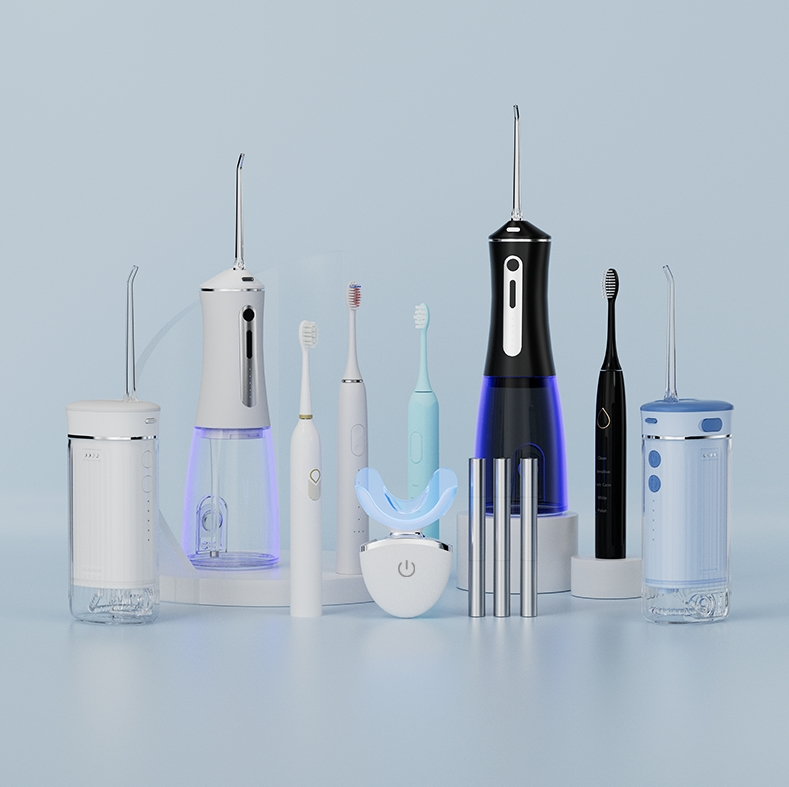
In the competitive oral care industry, brands are expected to deliver products that are both visually appealing and regulatory compliant. While customers demand sleek, modern designs, regulatory bodies enforce strict standards related to safety, materials, and environmental impact. Successfully balancing compliance and good appearance development is now a critical factor for manufacturers. This blog explores how brands can navigate these dual priorities, ensuring both marketability and global acceptance. Understanding Regulatory Requirements: FDA and REACH Compliance Compliance is the foundation of any oral care product’s viability. Two essential standards include: FDA Certification (U.S. Market) Ensures the product meets safety and hygiene standards for oral use Applies to materials, electronic components, and manufacturing environments REACH Compliance (EU Market) Regulates the use of chemicals and substances in product materials Requires full traceability and safety documentation Meeting FDA certification and REACH compliance builds trust with distributors, retailers, and end-users. It also helps avoid costly recalls, legal risks, and market access barriers. Material Selection: Safe, Durable, and Attractive Options Choosing materials that meet regulatory standards and design needs is key. For example: BPA-free plastics: Ensure safety while maintaining a high-gloss finish Medical-grade silicone: Offers flexibility and color customization ABS and PP blends: Balance durability with moldability and smooth surfaces…

In the rapidly evolving personal care industry, distributors of toothbrushes, electric oral devices, and related products face increasing pressure to meet market demand efficiently. A stable and responsive oral care supply chain is no longer a competitive advantage — it's a necessity. This guide will help oral care product distributors understand the essentials of building a stable, scalable, and transparent supply chain through solid supplier management and effective distributor cooperation strategies. Identify the Right Manufacturing Partners The foundation of a strong oral care supply chain begins with selecting trustworthy and capable manufacturers. Distributors should: Evaluate production capacity and quality control systems Check certifications (e.g., ISO, CE, FDA if applicable) Request case studies or client references Working with experienced oral care OEM/ODM suppliers ensures product consistency, production scalability, and timely delivery — key pillars of a reliable supply chain. Build Long-Term Supplier Management Systems Effective supplier management goes beyond procurement. It involves building strategic partnerships. Distributors should: Establish clear KPIs for lead times, defect rates, and communication response times Schedule regular audits and production feedback meetings Use software systems to track performance and inventory Stable supplier relationships minimize risk, reduce costs, and allow for more agile responses to market fluctuations. Diversify Supply Channels Without Compromising Quality To avoid…
With the rapid development of oral care e-commerce, oral care product distributors face both unprecedented opportunities and fierce competition. To stand out in the digital marketplace, distributors must go beyond just listing products—they must present them strategically. A well-optimized product listing can significantly enhance visibility, improve conversion rates, and strengthen customer trust. In this blog, we’ll explore practical distributor growth strategies and offer actionable product link details optimization suggestions that help boost online performance and drive higher sales. High-Quality Product Images: The First Impression Matters In e-commerce, the product image is often the first interaction between a brand and a customer. For oral care items like electric toothbrushes, flossers, and toothpaste: Use high-resolution photos with multiple angles. Include close-ups of key features, such as brush head texture or ergonomic handle. Show the product in use to highlight benefits visually. Optimizing visual presentation is a key part of the product link details optimization suggestions that leads to more engagement and trust. Compelling and Informative Product Descriptions An effective product description educates, persuades, and sells. Distributors should: Clearly explain key features and functions. Highlight unique selling points, such as battery life, water-resistance, or specialized modes for sensitive gums. Use bullet points for readability and SEO-relevant keywords to…
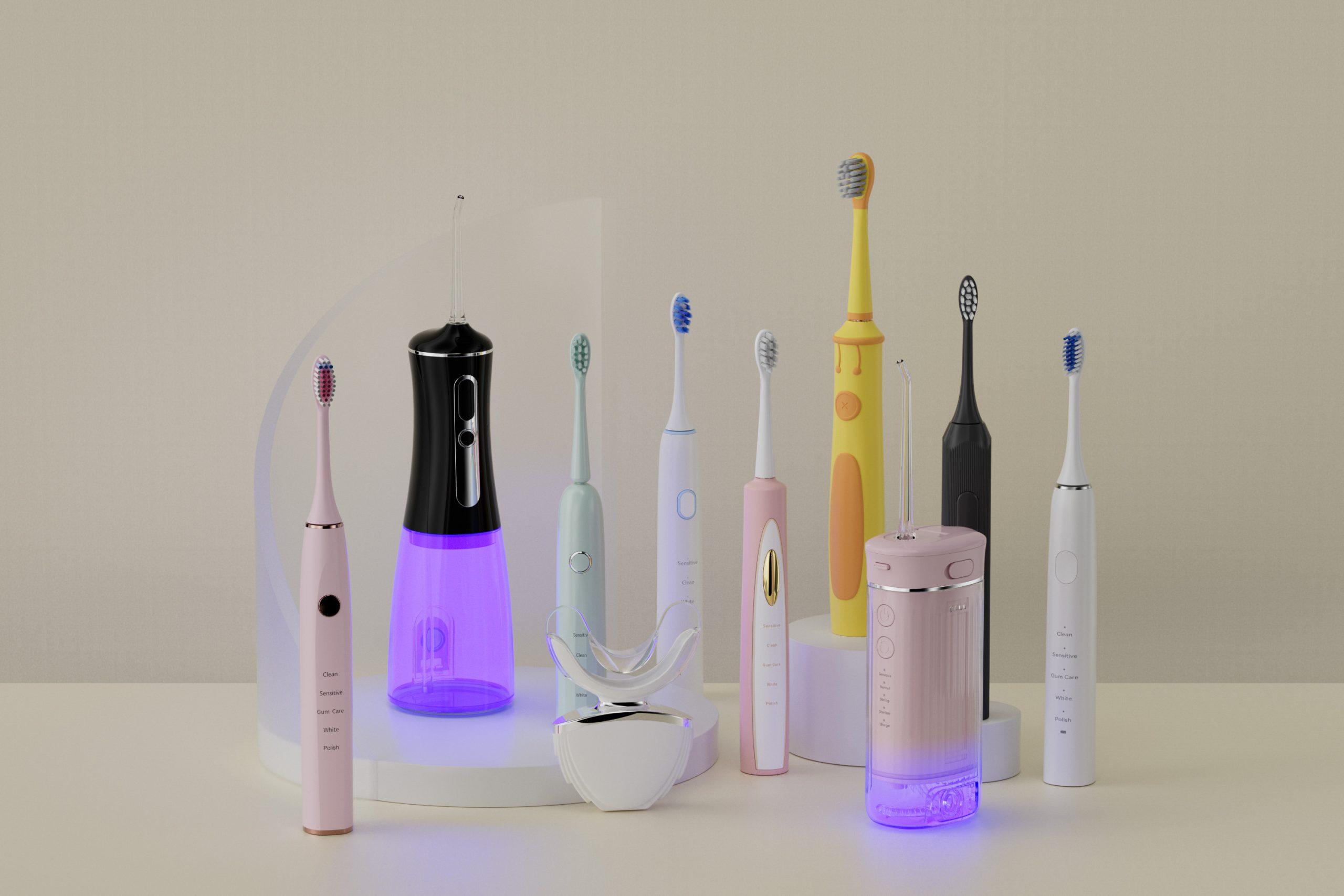
The oral care industry has witnessed rapid growth in recent years, driven by rising health awareness, technological advancements, and increasing demand for smart personal care products such as electric toothbrushes and oral irrigators. For manufacturers and brands, now is a pivotal time to focus on expand the global market. As competition intensifies locally, companies must look beyond borders. This blog outlines actionable strategies and practical market expanding tips to help oral care businesses succeed internationally—especially through emerging platforms like oral care cross-border e-commerce. Understand International Market Demand and Consumer Behavior Every region has unique consumer habits and product preferences. For successful global expansion: Conduct market research on oral care habits (e.g., preference for electric vs. manual toothbrushes, floss vs. oral irrigators) Study regulatory requirements (e.g., FDA, CE, CFDA) for product safety and certifications Tailor marketing to cultural expectations, such as packaging, language, and promotional messaging Understanding localized demand is the foundation of effective global market expansion. Leverage Cross-Border E-Commerce for Rapid Entry Oral care cross-border e-commerce platforms offer fast, scalable ways to enter new regions. Popular platforms include Amazon Global, Alibaba International, Shopee, and Tmall Global. Advantages: Low entry barriers (no physical retail setup required) Direct consumer feedback and data Quick adaptation…
High noise levels in electric toothbrushes can signal mechanical inefficiencies that not only annoy users but may also compromise cleaning efficacy, especially if the device’s water resistance features are compromised by vibration-induced seal fatigue. In this post, we explore six factors linking sound output to actual plaque removal and offer guidance for B2B manufacturers to design quieter, more effective products. Acoustic Signatures and Bristle Performance First, louder handles often indicate excessive motor vibration: Resonant Peaks: Unbalanced rotors create tonal spikes that amplify perceived noise without adding brushing power. Energy Loss: Acoustic energy dissipated as sound reduces the net mechanical force transmitted to bristles. Stability Impact: Increased vibration can cause bristle splaying, lowering contact pressure on tooth surfaces and diminishing plaque disruption. By analyzing acoustic spectra during R&D, engineers can balance rotor mass to maximize bristle-to-enamel force, not noise. User Behavior Under High Noise Levels Moreover, users react to loud devices in ways that impair brushing technique: Shortened Sessions: Prolonged noise discomfort often leads to cutting brushing time below the ADA-recommended 2 minutes. Lightened Grip: To muffle vibration, users press more lightly, reducing bristle penetration into interdental zones. Erratic Movement: Noise-induced startle responses cause inconsistent brushing patterns and missed surfaces. Designing…
In today’s competitive electric-toothbrush market, adaptor compatibility and grip ergonomics flaws often go hand-in-hand—poorly designed handles can misalign charging contacts or make it hard for users to seat the charger correctly. Below, we explore six key factors that link ergonomics missteps to charging‐base failures, and how B2B manufacturers can deliver both comfortable grips and rock-solid compatibility. Misaligned Contact Points from Awkward Grips First, when a handle’s shape or texture forces users to hold it off-center: Twisted Orientation: Angled grips tilt the charging port away from the adaptor’s coil or pins. Slippery Surfaces: Lack of tactile zones leads to insecure seating and intermittent electrical contact. Inconsistent Insertion Depth: Users ‘push’ at awkward angles, preventing the adaptor from fully engaging. Ensuring symmetrical, slip-resistant grips is the first step toward reliable adaptor compatibility. Excessive Hand Fatigue Impeding Proper Docking Moreover, grip ergonomics flaws that cause fatigue can shorten the time users apply downward force: Bulky Handles: Thick, ungainly cross-sections tire the palm, leading to half-hearted docking. Poor Balance: A top-heavy design pulls the handle backward, reducing insertion pressure. Vibration Mismatch: Inadequate isolation amplifies motor buzz in the hand, prompting users to remove and re-dock frequently. Designing handles that distribute weight and dampen feedback…
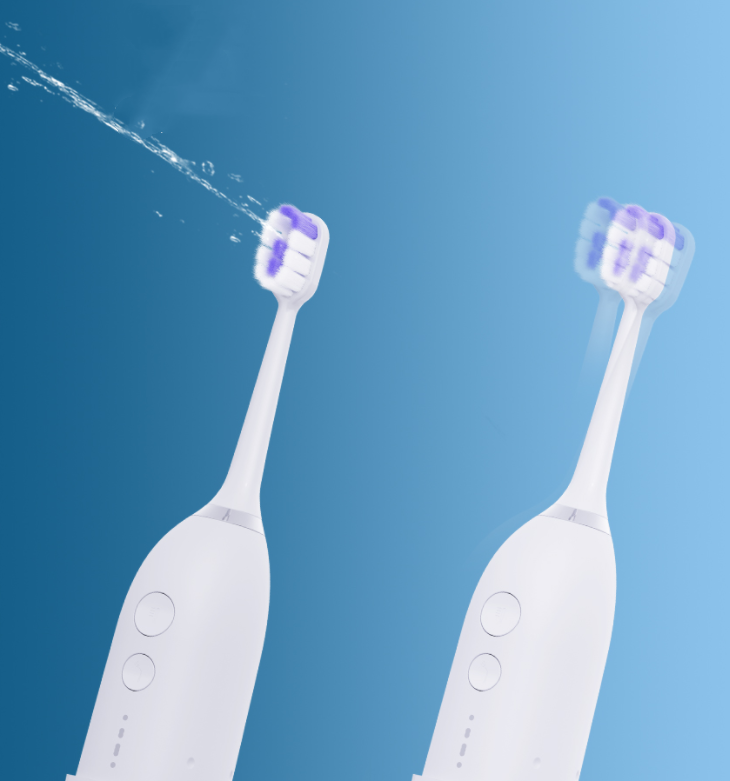
As consumer expectations evolve, the demand for multi-function oral care solutions has surged. Among the most innovative developments are two-in-one electric toothbrushes and oral irrigators—devices that combine brushing and water flossing in one compact unit. But are these hybrid devices truly the best option? In this guide, we provide a balanced analysis of the pros and cons of two-in-one electric toothbrushes and oral irrigators, offering insights for brands and manufacturers considering this category. https://www.powsmart.com/ Market Demand: Why Consumers Love Multi-Function Oral Care The modern consumer seeks efficiency, convenience, and space-saving design. A two-in-one electric toothbrush and oral irrigator caters perfectly to: Urban dwellers with limited bathroom space Travelers seeking compact oral care solutions Users desiring a simplified daily routine without compromising dental hygiene These trends drive growing interest from distributors and OEM partners to expand their product lines with multi-function oral care solutions. Advantages of Two-in-One Devices Let’s break down the key benefits of these hybrid solutions: Space Efficiency Combining two essential devices into one saves counter space and reduces clutter—ideal for modern, minimalist bathrooms. Cost-Effectiveness From a consumer perspective, buying one device instead of two can lower upfront costs. For brands, bundling features into a single SKU simplifies logistics. Travel Convenience Most…
When channel partners report persistent nozzle clogging and water tank leakage, it undermines user confidence and drives up warranty costs. In this article, we explore six critical areas—from root causes to design optimizations and maintenance protocols—so B2B manufacturers can deliver water flossers that stay clog-free and leak-proof. Identifying the Causes of Nozzle Clogging First, understanding why debris builds up in the tip helps prevent downtime: Mineral Scale & Sediment: Hard water leaves deposits that narrow the nozzle bore. Biofilm Formation: Stagnant water fosters bacterial growth, which adheres inside narrow channels. Wrong Nozzle Geometry: Sharp bends or overly thin outlets trap particles instead of flushing them away. By pinpointing these factors, manufacturers can target materials and geometries that resist clogging. Pinpointing the Source of Water Tank Leakage Next, even minor leaks from the reservoir compromise hygiene and safety: Seal & Gasket Failure: Rubber or silicone seals degrade under repeated tank removal and sterilization. Crack Propagation: Thin plastic walls or molded corners can develop hairline fractures over time. Overfill Venting Issues: Inadequate vent design forces water into electronic compartments. Accurate failure analysis informs stronger sealing methods and robust tank geometries.Company web:https://www.powsmart.com/product/electric-toothbrush/ Selecting Materials to Combat Clogs and Leaks Moreover, choosing the right…
After completing a tooth-whitening treatment, maintaining results relies not only on using a waterproof seal in your bleaching trays to block pigments but also on rigorous allergen testing to select safe post-treatment foods. Any dietary allergen or cross-contamination can trigger gum inflammation, accelerate stain redeposition, or undermine whitening effects. Therefore, testing every recommended ingredient for allergens is essential for B2B partners to ensure product safety and user satisfaction. The Physiological “High-Sensitivity Window” Post-Bleaching First, bleach leaves dentinal tubules open and enamel slightly demineralized for about 48–72 hours: Enamel Micro-Abrasion: Minor mineral loss makes the surface more prone to pigment uptake. Gingival Reactivity: Residual bleaching agents can inflame gums, heightening sensitivity to new irritants. Weakened Salivary Barrier: Saliva’s buffering capacity is still recovering, leaving acids unchecked. During this “high-sensitivity window,” consuming allergenic foods risks discomfort or color relapse. Allergen Testing: The Foundation of Safe Menus Consequently, allergen testing of common post-whitening ingredients is crucial: Multi-Panel Screening: Test for peanuts, shellfish, dairy proteins, gluten, and other high-risk allergens. Cross-Contact Assessment: Verify processing, storage, and transport chains to rule out hidden contamination. Threshold Determination: Establish safe residue levels based on clinical guidelines to inform menu formulations. Only data-driven testing provides B2B clients with…
In modern smart oral-care devices, built-in pressure sensors not only monitor brushing force but also provide early alerts for gum recession risk. Yet more sensors and complex upkeep can raise the barrier to use and increase maintenance steps. Below, we explore six facets of how gum recession relates to device maintenance complexity, and offer optimization strategies. Routine Maintenance & Recession Risk Assessment First, regular cleaning and calibration are essential for sensor accuracy: Brush-Head Replacement: Replace heads every three months; worn bristles can splinter, irritating gums. Sensor Calibration: Uncalibrated pressure sensors may misread force and allow excessive pressure, heightening recession risk. Nozzle & Seal Inspection: Blockages or aged seals disrupt fluid flow, leading users to compensate with extra force that can damage tissue. A streamlined maintenance regimen helps keep recession alerts reliable without overburdening users. The Role of Pressure Sensors in Oral Care Moreover, pressure sensors play a pivotal role in preventing gum recession: Real-Time Feedback: Handle vibrations or app notifications warn when brushing force exceeds safe thresholds. Data Logging & Reporting: Longitudinal pressure data guides dental professionals in advising patients on gentler techniques. Adjustable Sensitivity Levels: Different thresholds for “sensitive,” “standard,” or “deep-clean” modes accommodate varied gum health. However, a…
For restricted user groups, avoiding stain residuals is critical—not only because leftover pigments mar appearance, but also because these users often have heightened vulnerability. Meanwhile, optimizing bristle roundness in brush-head design helps ensure gentle yet thorough stain removal. In the following six sections, we explore why stain residues pose special risks, and how to address them safely and effectively. Oral Characteristics of Restricted User Groups Restricted user groups include: Post-operative Patients: Gum and implant sites are still healing and prone to irritation. High-Sensitivity Individuals: Those with thin enamel or dentin hypersensitivity require extra care. Chronic Health Conditions: Diabetics or immunocompromised patients face greater infection risks from residual biofilm. These groups react more strongly to any remaining debris or pigments, making complete stain removal essential. Health Hazards of Stain Residuals Beyond aesthetics, retained pigments can: Promote Bacterial Growth: Chromogens combine with proteins to form biofilms that feed anaerobic pathogens. Cause Chemical Erosion: Some food pigments are mildly acidic and can accelerate enamel micro-abrasion. Trigger Immune Overreactions: Chronic exposure to residual agents can inflame gingival tissues and worsen swelling or pain. For vulnerable users, even trace residues can spark significant oral health issues. Contact us :https://www.powsmart.com/product/electric-toothbrush/ Bristle Roundness and Cleaning Efficiency Effective…


.jpg)
.jpg)
.jpg)
.jpg)
.jpg)



.jpg)
.jpg)