.jpg)
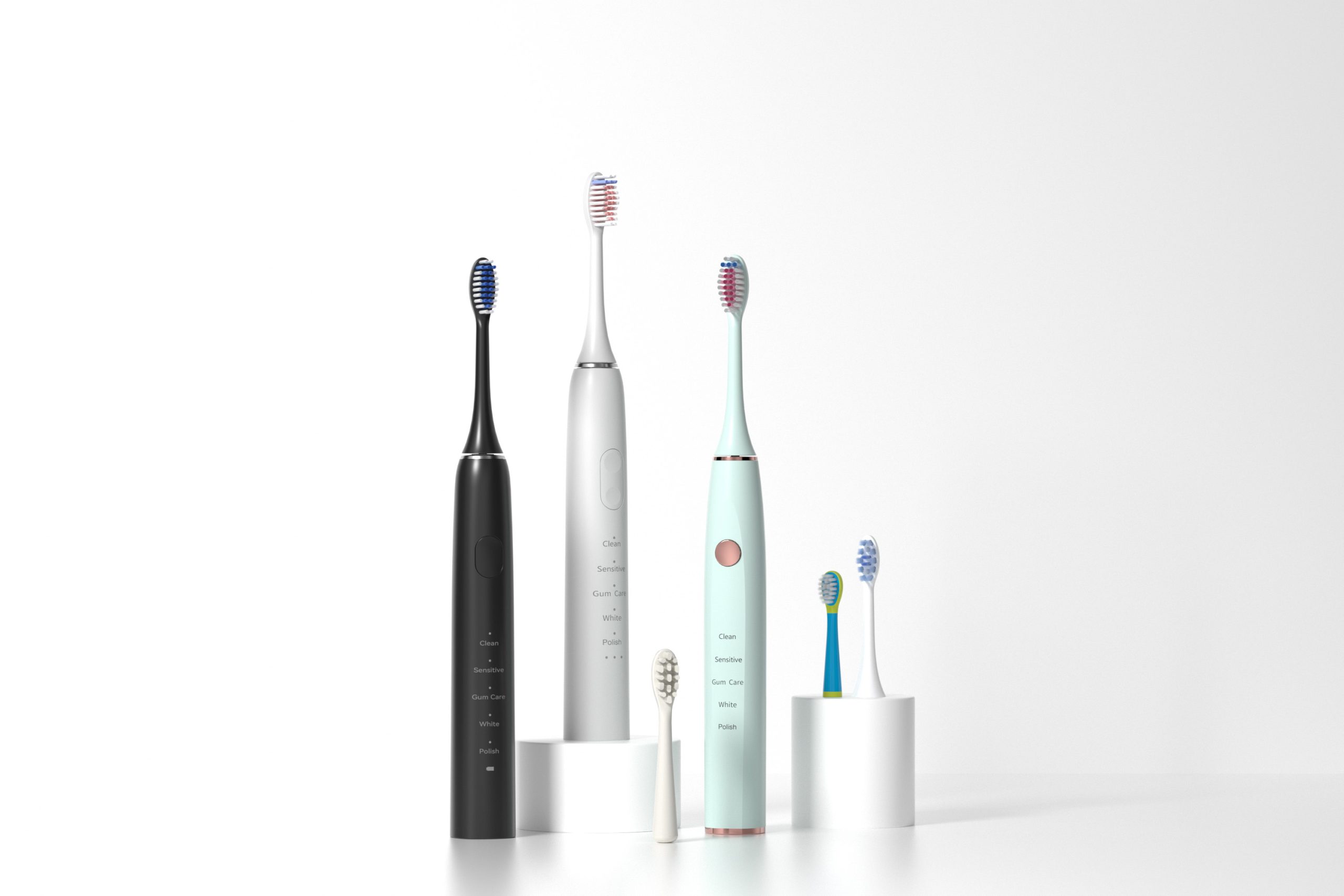
As demand for personalized oral care grows, toothbrush devices must offer highly programmable pulse frequency control and sensitivity adaptation to accommodate multiple modes and user profiles. Only by combining a range of settings with real-time feedback can a single device truly meet the needs of all ages, oral conditions, and use-case scenarios. Segmenting Users and Their Diverse Needs First, B2B manufacturers should consider the full spectrum of end users: Children and Teens: Require low-frequency, gentle pulses to protect developing gums. Everyday Adults: Need mid-range frequency and strength in a standard cleaning mode that balances efficiency with comfort. Sensitive Users: Benefit from precise sensitivity adaptation, ensuring effective cleaning without irritation. Orthodontic and Restorative Cases: Demand specialized nozzles or brush heads to navigate braces, implants, and other hardware. Clear user personas are essential to define the must-have features for a “one-size-fits-all” device. Multi-Mode Design: From Basic to Professional Next, the device should support multiple cleaning modes for different scenarios: Standard Cleaning: Ideal for daily plaque removal. Whitening/Polish: Uses high pulse frequency and specialized brush heads for surface brightening. Gum Massage: Low-frequency pulses gently stimulate gum circulation. Orthodontic Mode: Works with dedicated nozzles or heads to flush around brackets and wires. Deep-Clean Therapy:…
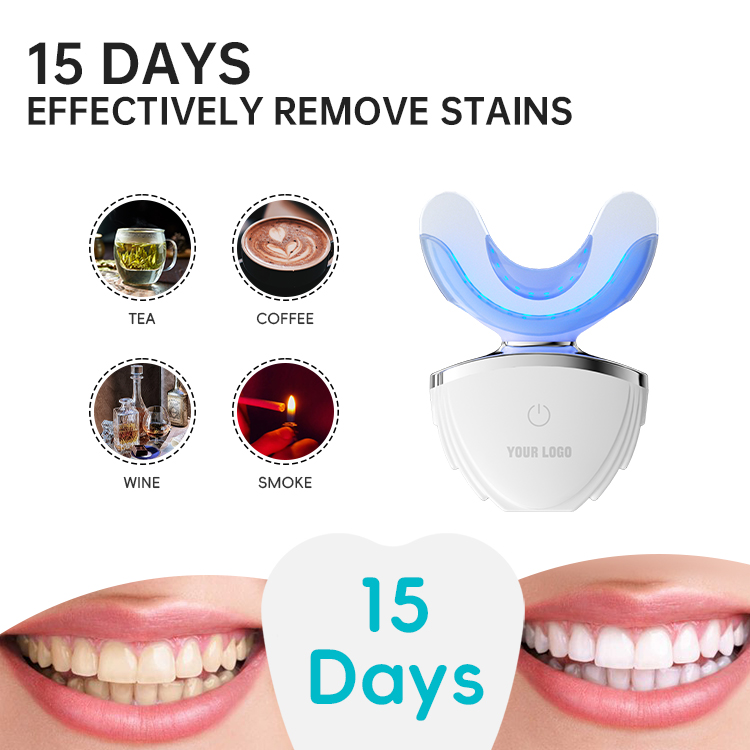
As consumers increasingly seek affordable and convenient ways to whiten their teeth at home, home whitening kits have gained massive popularity. However, many kits on the market still feature potentially dangerous design flaws in home whitening kits. This leads to poor results, discomfort, or even long-term damage to teeth and gums. For professional manufacturers and distributors, it’s essential to ensure the safety and effectiveness of these products to protect consumers and avoid legal liabilities. In this blog, we’ll guide you on how to identify unsafe whitening devices and highlight three critical design flaws to watch out for before making a purchase. Flaw #1: Unregulated Whitening Gel Concentration One of the most common issues with home whitening kits is the unregulated concentration of whitening gel. Many kits feature gels that are too strong or not formulated correctly for safe home use. Overly concentrated whitening agents can cause: Gum irritation: Harsh chemicals can burn or irritate the sensitive gum tissue. Tooth enamel damage: Prolonged exposure to high concentrations can erode enamel, leaving teeth more vulnerable to decay and sensitivity. Uneven results: High concentrations may lead to patchy whitening, causing uneven color. As a manufacturer, it’s crucial to create whitening products with a safe, regulated formula. This…
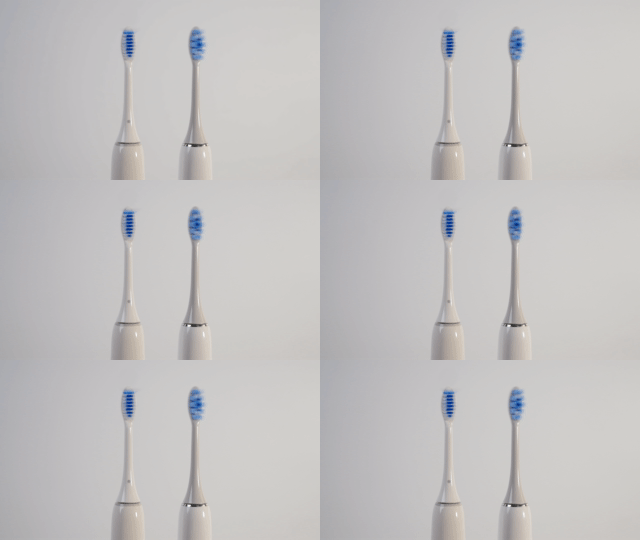
Introduction: The Critical Role of Bristle in Oral Care When sourcing electric toothbrush, manufacturers must pay close attention to bristle quality—a key factor that determines cleaning effectiveness and user satisfaction. The right bristle design can enhance plaque removal, gum protection, and overall brushing performance. In this guide, we’ll explore how to select the best brush filaments for optimal dual-effect cleaning and long-term oral health. 1. The Importance of Bristle Material and Durability High-quality brush filaments should be made from soft yet durable nylon to ensure they don’t fray quickly while remaining gentle on gums. Inferior bristles may harden over time, causing gum irritation. Manufacturers should prioritize FDA-approved materials that resist bacterial growth and maintain elasticity after prolonged use. 2. Dual-Layer Bristles for Dual-Effect Cleaning A smart bristle configuration is the double-layer bristles design, combining 0.01mm long and thin bristles with 0.15mm short and tough bristles. The long, thin bristles (0.01mm) reach deep between teeth and along the gumline to remove hidden plaque. The short, tough bristles (0.15mm) provide strong scrubbing power for surface stains and food debris.This dual-effect cleaning ensures comprehensive oral hygiene, making the toothbrush more appealing to end-users. 3. Bristle Shape and Arrangement Matter Beyond material, bristle shape and density impact cleaning efficiency: Tapered bristles enhance flexibility for gentle gum care. Crisscross patterns improve interdental cleaning. High-density clusters ensure consistent coverage with each stroke.Manufacturers should…

Electric toothbrushes are widely praised for their superior cleaning performance, but when it comes to children, parents often wonder: Are electric toothbrushes harmful to children? As a leading B2B manufacturer of dental care products, we believe it’s important to address this concern by analyzing potential risks and disadvantages. In this blog, we’ll explore three major hazards—aggravates existing dental problems, chronic tooth damage, and tooth enamel wear—while also discussing issues like lack of age-specific design, improper brushing method, low oral tolerance, and the risks of choosing low-priced and low-quality goods. 1. Aggravates Existing Dental Problems One potential risk of electric toothbrushes for children is that they may aggravate existing dental problems. For example, children with sensitive teeth, gum disease, or orthodontic appliances like braces may find the vibrations of an electric toothbrush too intense. Without proper guidance or a gentle mode, the high-speed movements could irritate sensitive areas or worsen existing conditions. It’s crucial to consult a dentist before introducing an electric toothbrush to a child with known dental issues. 2. Risk of Chronic Tooth Damage Another concern is the possibility of chronic tooth damage caused by improper use. Children who apply too much pressure or use an electric toothbrush incorrectly may experience long-term damage to their teeth and gums. Over time,…
Choose the right electric toothbrush for your children is an important decision that can impact their oral health and brushing habits. With so many options available, it’s essential to consider factors like age and stage, gentle vibration, and whether the brush head is small and moderate in design. As a trusted B2B manufacturer of dental care products, we’re here to guide you through the process of choose the perfect electric toothbrush for your children. 1. Consider the Child’s Age and Stage When choose an electric toothbrush for your children, the first factor to consider is their age and stage. Electric toothbrushes are generally recommended for ages 3 and up, as younger children may not have the motor skills to use them effectively. For toddlers, look for models specifically designed for their age group, with features like smaller brush heads and softer bristles. Older children can use more advanced models with additional features, such as timers and multiple brushing modes. 2. Opt for Gentle Vibration Children’s teeth and gums are more sensitive than adults’, so it’s important to choose an electric toothbrush with gentle vibration. Many electric toothbrushes for kids come with adjustable speed settings or specialized modes for sensitive teeth.…
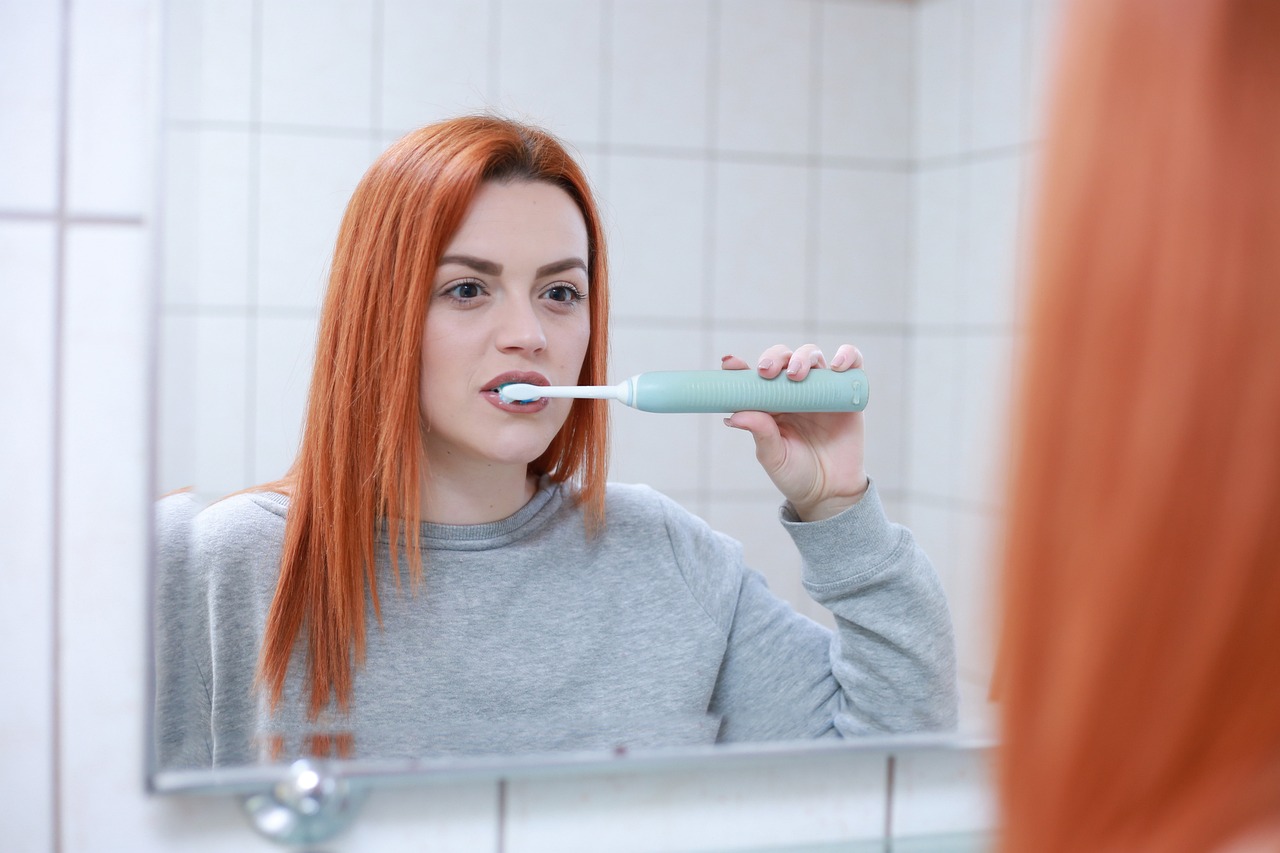
Electric toothbrushes have revolutionized oral care, offering a level of cleaning efficiency that manual brushes simply cannot match. As a leading manufacturer in the dental care industry, we have conducted extensive research and analysis to understand the advantages of electric toothbrushes and their growing role in modern oral hygiene. In this blog, we’ll explore why electric toothbrushes have become an essential part of your daily routine. And how they outperform traditional brushing methods. 1. Superior Cleaning efficiency: Clean Teeth and Gums Effectively One of the advantages of electric toothbrushes is their ability to clean teeth and gums more effectively than manual brushes. Presently Studies have shown that electric toothbrushes can remove up to 100% more plaque compared to manual brushing. This is due to bristle movements operate at thousands of revolutions per minute, ensuring a thorough clean even in hard-to-reach areas. So the oscillating, rotating, or sonic technology used in electric toothbrushes disrupts and removes plaque buildup, reducing the risk of cavities and gum disease. 2. Enhanced Plaque Removal Plaque is a sticky film of bacteria that forms on teeth and gums, leading to oral health issues if not properly removed. Electric toothbrushes are specifically designed to tackle plaque more cleaning efficiency. Their high-speed movements and…
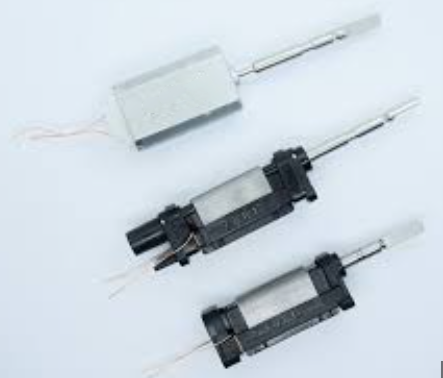
With increasing awareness of oral health, electric toothbrushes have become a preferred choice for consumers worldwide. At the heart of every electric toothbrush lies its motor, determining performance, efficiency, and user experience. The competitiveness of electric toothbrush motors is a crucial factor in differentiating products in a competitive market. Types of Electric Toothbrush Motors Understanding the types of electric toothbrush motors is essential for manufacturers aiming to enhance product quality and efficiency. The two primary types include: Brushed DC Motors: Traditional and cost-effective, but they produce more friction, resulting in shorter lifespan and higher noise levels. Brushless DC Motors (BLDC) and High-Performance Sonic Motors: These offer superior energy efficiency, lower noise, and greater durability, making them the preferred choice for premium electric toothbrushes. All of Powsmart's products are using Dual-axis motors, which is more stronger, stable, quiter and efficient compared with the single shaft motor. High-Performance Sonic Motors: A Key Differentiator High-performance sonic motors bring significant advantages to electric toothbrushes, including: Higher vibration frequencies (30,000–50,000 strokes per minute) for superior plaque removal. More consistent and powerful torque output, ensuring deep cleaning while protecting gums. Greater energy efficiency, allowing for longer battery life and sustainable usage. Low noise operation, improving user experience and comfort. Motor…
"Electric Toothbrush: Deep Clean, Sterilization Function, Gum Care" "Electric Toothbrush: Deep Clean with Sterilization Function and Gum Care" Introduction As oral hygiene awareness grows, electric toothbrushes have gained popularity among consumers for their advanced capabilities. A key feature driving this demand is the sterilization function, which ensures a higher level of cleanliness by eliminating harmful bacteria. Alongside deep cleaning and gum protection, modern electric toothbrushes also offer multi-mode cleaning options to cater to diverse user needs. For industry professionals, focusing on integrating the sterilization function and other innovative features can lead to the development of products that better align with consumer expectations. This article highlights the importance of the sterilization function, multi-mode cleaning, and gum care in enhancing the effectiveness of electric toothbrushes. 1. Deep Cleaning with Electric Toothbrusheshttps://www.powsmart.com/product/custom-logo-adult-sonic-toothbrush/ Unlike manual toothbrushes, electric toothbrushes utilize high-frequency vibrations or rotating bristles to remove plaque and food debris more effectively. This ensures a deeper and more thorough clean, reducing the risk of cavities and gum disease. Key Benefits: More efficient plaque removal compared to manual brushing Reduces the likelihood of tartar buildup Helps maintain long-term oral health 2. Importance of UV Sanitization A major concern with toothbrushes is bacterial buildup, which can compromise oral hygiene. UV…
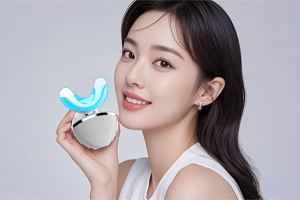
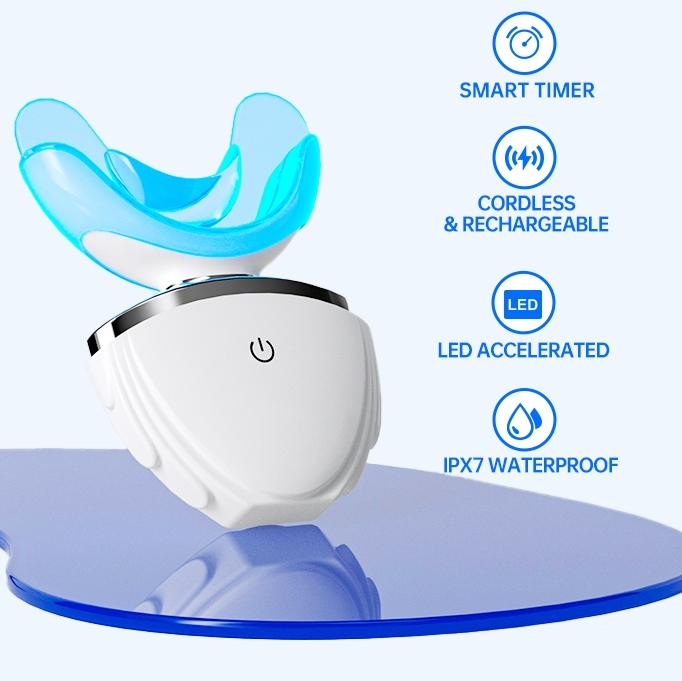
When it comes to teeth whitening, many consumers turn to advanced solutions like LED teeth whitening device and whitening gel. The combination of these two technologies promises faster and more effective results, but there are key points to note when using them together. In this blog post, we’ll guide you through the most important considerations to ensure you achieve the best possible whitening results safely and effectively. https://www.powsmart.com/product/teeth-whitening-kit-device/ Choose the Right Whitening Gel for Your LED Teeth Whitening Device One of the key points to note is to ensure that the whitening gel you’re using is designed to work with LED technology. Some gels are formulated specifically for use with LED lights, containing ingredients like hydrogen peroxide or carbamide peroxide that are activated by the light for faster results. Always check the manufacturer’s recommendations to make sure the gel you select is suitable for your device. Follow the Instructions on Both the Whitening Gel and LED Device Using the LED teeth whitening device and whitening gel together can offer outstanding results, but only if you follow the instructions carefully. Overuse of the whitening gel or excessive exposure to the LED light can lead to tooth sensitivity or gum irritation. The…
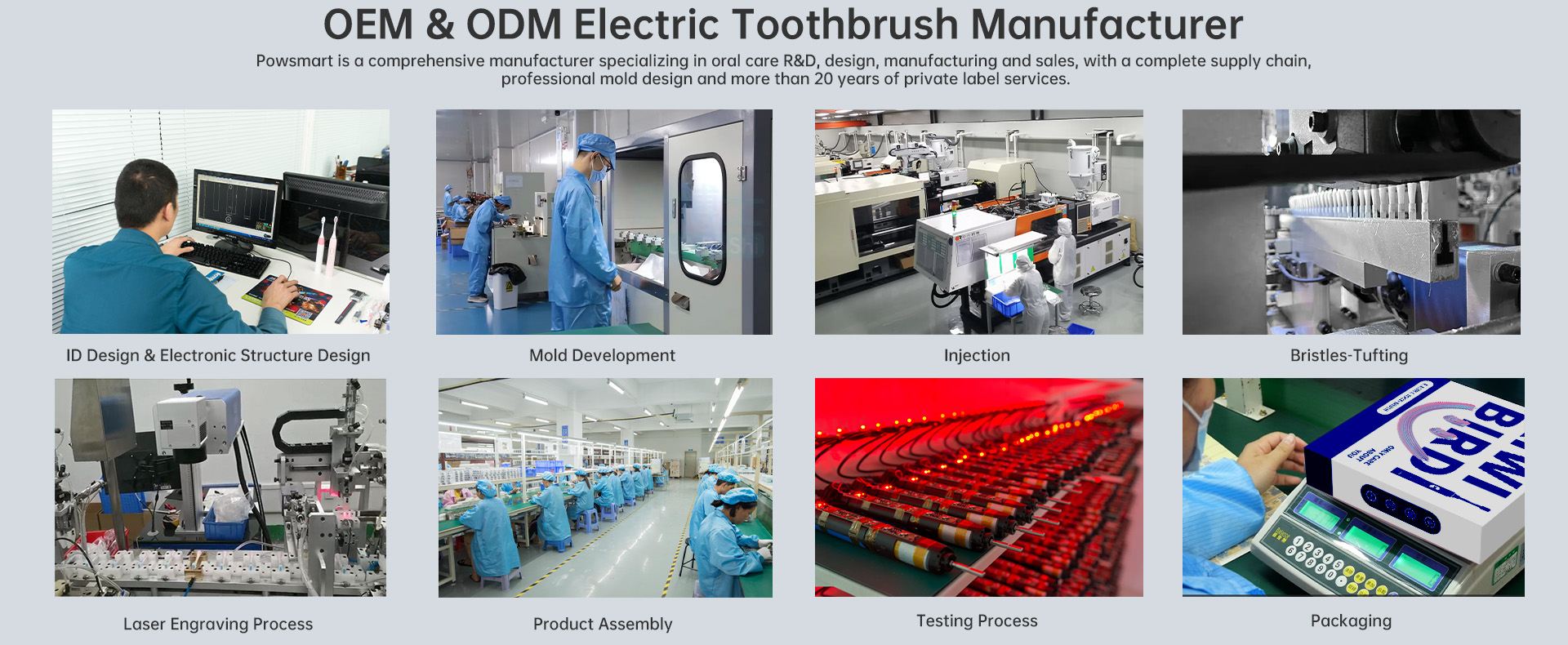
When it comes to LED teeth whitening devices, choosing the right product can feel overwhelming, especially with so many materials and manufacturers available in the market. As a professional teeth whitening products manufacturer, we understand the importance of material quality in delivering a superior whitening experience. Let’s explore the factors that determine the quality difference between different materials of LED teeth whitening devices. Material Composition and Durability The materials used in LED teeth whitening devices play a crucial role in their performance and longevity. High-quality devices often use medical-grade silicone or high-durability ABS plastic. These materials are non-toxic, resistant to wear, and provide a safe user experience. Cheaper alternatives may use low-grade plastics that can crack or degrade over time, compromising both safety and efficacy. LED Light Integration Not all LED teeth whitening devices are created equal when it comes to the integration of LED light. Devices made from superior materials often feature enhanced LED chip placement, ensuring even light distribution. Inferior materials may interfere with light transmission or allow heat buildup, reducing the effectiveness of the whitening process. Safety Standards Compliance Devices manufactured using high-grade materials are more likely to meet international safety standards. These devices undergo rigorous testing…
Customizing teeth whitening kits is a growing trend among businesses seeking to offer tailored products to their customers. Whether you're a dental clinic, beauty salon, or e-commerce retailer, knowing the basic procedures for creating customized kits ensures that you deliver high-quality and effective solutions and look for reliable manufacturer. Below, As one of the teeth whitening products manufacturer in China, Powsmart outlines the key steps in the customization process.https://www.powsmart.com/product/teeth-whitening-kit-device/ Initial Consultation and Requirement Analysis The first step is understanding the specific needs of your business and target audience. Manufacturers often schedule a consultation to discuss your branding preferences, desired product features, and customer demographics. Key details to decide include: Whitening agent concentration (e.g., carbamide or hydrogen peroxide). Product format (e.g., gels, strips, pens, or LED kits). Targeted results and sensitivity considerations. Product Design and Branding Once requirements are clear, the manufacturer designs the product packaging and components to align with your brand. This includes: Designing custom logos, color schemes, and branding elements. Selecting eco-friendly or luxury packaging options. Incorporating customer feedback from previous products, if available. Prototyping and Testing Before full production, prototypes are created for review. These allow you to test the kit’s usability, effectiveness, and appeal. During this stage:…
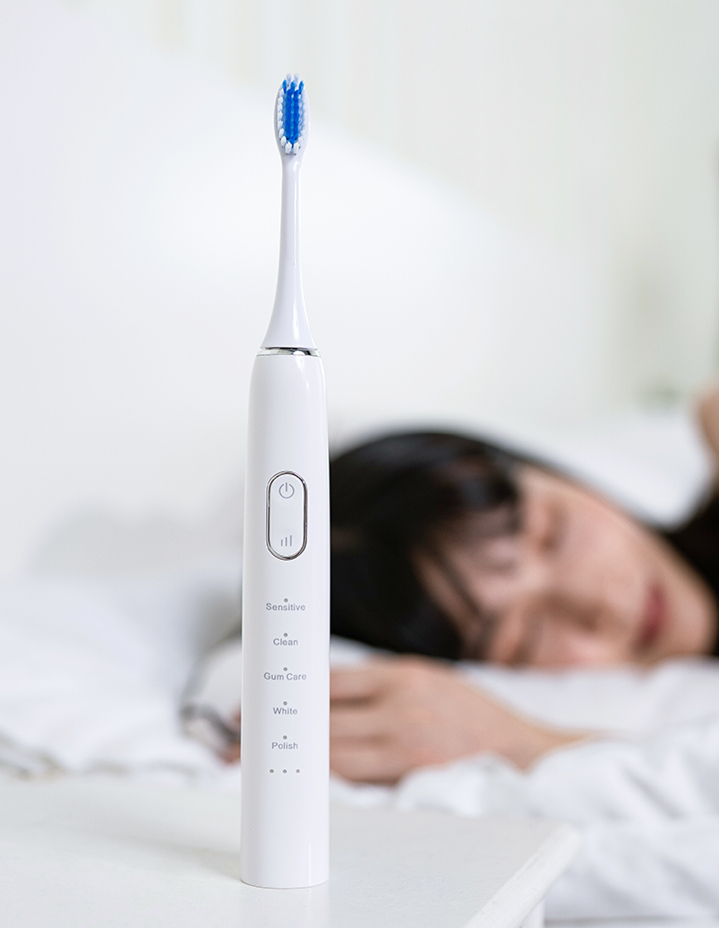
Electric toothbrushes have become an essential tool for maintaining oral hygiene, but many users often notice that certain models make excessive noise during operation. This issue can diminish the user experience and even discourage consistent usage. Understanding why an electric toothbrush makes noise and exploring potential solutions for electric toothbrushes noisy problem can help manufacturers design better products and improve customer satisfaction. Common Causes of Noise in Electric Toothbrushes Motor and Vibration Mechanics:The primary source of noise in electric toothbrushes is the motor, which generates vibrations to clean teeth effectively. While these vibrations are necessary, poor motor design or insufficient dampening materials can amplify the noise levels significantly. Material Quality:Low-quality materials used in toothbrush casings can lead to increased noise due to poor sound insulation. Thin or poorly fitted parts can rattle during operation, adding to the overall noise. Wear and Tear:Over time, components within an electric toothbrush, such as gears or bearings, may degrade, causing the device to operate louder than it initially did. Regular maintenance or timely replacement of parts can mitigate this issue. Impact of Noise on User Experience When an electric toothbrush makes noise, it can create a negative impression, particularly for users sensitive to sound or…

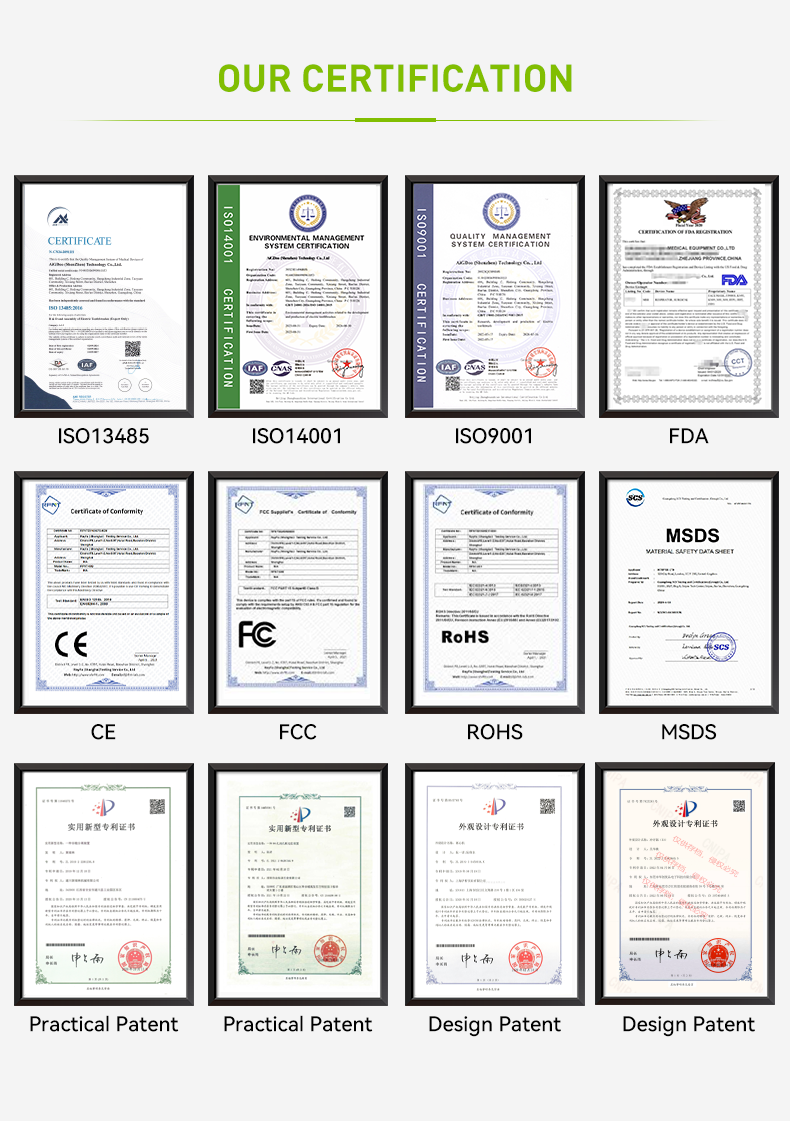
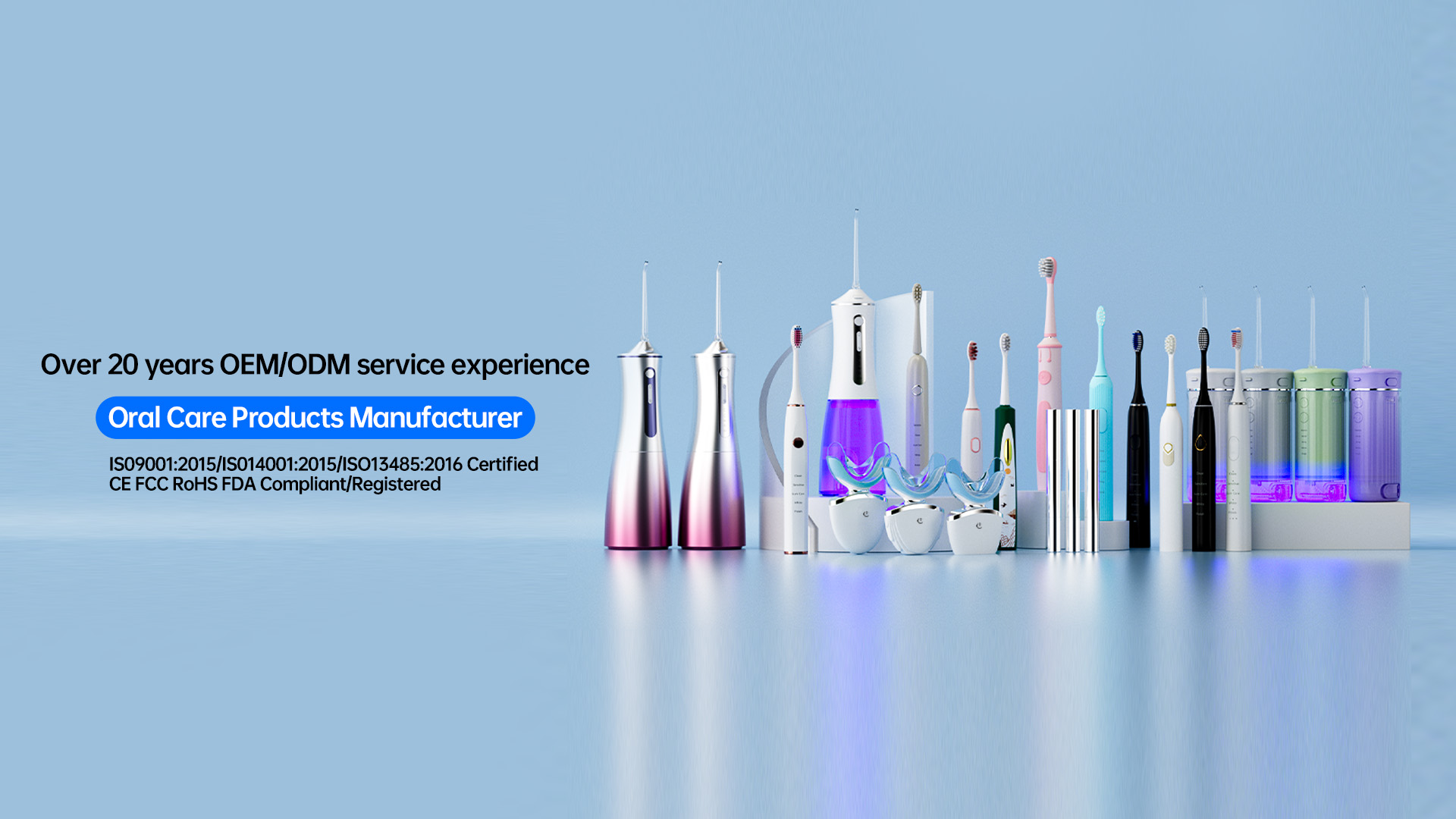
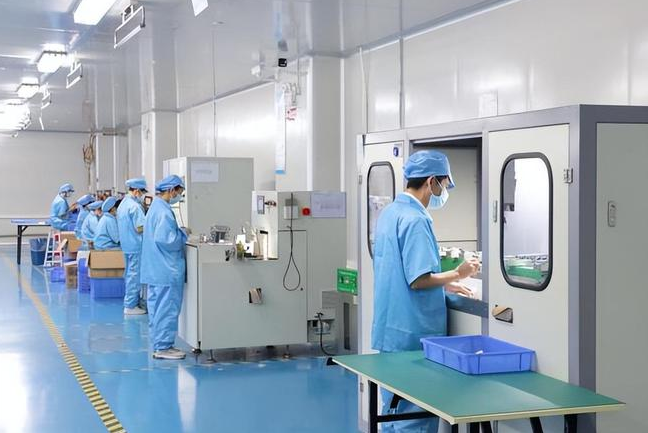
Selecting a reliable electric toothbrush factory is crucial for businesses aiming to deliver quality products to their customers. A trustworthy factory not only ensures high production standards but also enhances your brand reputation. This blog explores key factors to consider when choosing an experienced electric toothbrush manufacturer to meet your business needs. Assess Manufacturing Expertise and Experience When evaluating factories, prioritize those with extensive industry experience. An experienced electric toothbrush manufacturer understands market trends, complies with international regulations, and employs advanced technologies to produce innovative designs. Their expertise ensures you receive well-engineered, high-quality toothbrushes that meet your specifications. For example, factories with 20+ years of manufacturing experience like Powsmart are often better equipped to handle bulk orders while maintaining consistency in quality. Check for their portfolio of past projects and inquire about their experience working with various clients, including private-label brands. Verify Certifications and Quality Standards A reliable electric toothbrush factory should hold certifications such as ISO9001, CE, or FDA, ensuring compliance with global safety and quality standards. These certifications demonstrate their commitment to producing safe and effective products. Additionally, ask for a detailed quality control process. From raw material sourcing to finished product inspections, a strong quality control system minimizes defects and ensures…
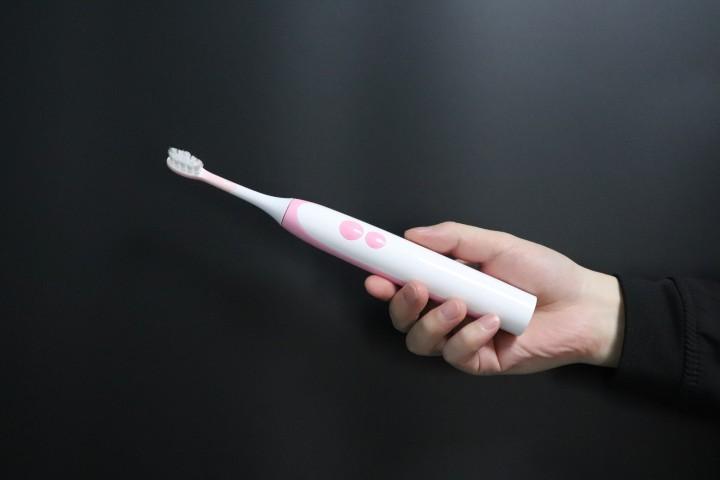
When selecting an electric toothbrush factory or buying a sonic toothbrush, understanding the vibration frequency of electric toothbrush models is crucial for ensuring effective and safe cleaning. This blog explores the ideal vibration frequency, why it matters, and how to select a recommended sonic electric toothbrush vibration for your oral care needs. Why Vibration Frequency Matters The vibration frequency of an electric toothbrush determines how efficiently it cleans your teeth. Higher frequencies allow the brush to remove plaque more effectively, even in hard-to-reach areas. However, excessive frequency can potentially damage sensitive gums and enamel, highlighting the importance of choosing the right balance. A recommended sonic electric toothbrush vibration typically ranges between 25,000 and 48,000 strokes per minute, striking the perfect balance between efficiency and comfort. Recommended Vibration Frequency for Different Users Adults: For adults with normal oral health, a vibration frequency of around 31,000 strokes per minute is ideal. This level ensures thorough cleaning without causing irritation. The frequency of Powsmart’s sonic electric toothbrushes could reach to around 31000-40000VPM, which gives strong clean ability. Sensitive Teeth and Gums: Users with sensitivity may benefit from brushes with adjustable settings, where the frequency can be lowered to around 25,000 strokes per minute. Children: Children's electric toothbrushes often feature a…
A common question arises: "Can the elderly use electric toothbrushes?" With aging often comes dental challenges such as gum sensitivity, receding gums, and weakened enamel. Electric toothbrushes are increasingly being recommended for older adults, offering advanced cleaning features that manual toothbrushes cannot match. Benefits of Electric Toothbrushes for the Elderly Electric toothbrushes are particularly beneficial for elderly individuals facing mobility issues or arthritis, as they require minimal effort compared to manual brushing. The oscillating or sonic movements effectively remove plaque, reducing the risk of gum disease and cavities. Moreover, electric toothbrushes with pressure sensors can prevent overbrushing, which is especially helpful for older adults with sensitive gums. Key Electric Toothbrush Usage Precautions While electric toothbrushes can significantly improve oral hygiene for the elderly, there are specific electric toothbrush usage precautions to consider: Choose Soft Bristles: Opt for brushes with soft bristles to avoid irritation or damage to gums. Use Gentle Modes: Many electric toothbrushes offer modes like “sensitive” or “gentle,” suitable for delicate teeth and gums. Regular Replacement of Brush Heads: Replace brush heads every three months or sooner if the bristles become frayed. Consult a Dentist: Regular dental visits can help determine the best electric toothbrush type based on individual dental…
Maintaining good oral hygiene is essential for overall health, and advancements in dental care tools have made it easier than ever to achieve. One of the most effective tools in modern oral care is the electric toothbrush. But how does it help, and what role does it play in teaching how to improve your oral hygiene habits? Powsmart, as one of the experienced oral care products manufacturer in Shenzhen, we'll explore the benefits of electric toothbrushes and how they can revolutionize your oral health routine. Superior Cleaning Efficiency Unlike traditional manual toothbrushes, electric toothbrushes use oscillating or sonic movements to deliver thousands of strokes per minute. This technology ensures more thorough plaque removal, particularly in hard-to-reach areas. Studies show that regular use of an electric toothbrush and oral health outcomes are closely linked, as these tools reduce the risk of cavities and gum disease more effectively than manual brushing. Improved Brushing Techniques A common challenge with manual toothbrushes is that users often apply too much pressure or use improper techniques. Electric toothbrushes, however, are designed to guide better brushing habits. Features like built-in timers ensure you brush for the dentist-recommended two minutes, while pressure sensors prevent damage to gums. For those wondering…
The electric toothbrush market has been buzzing with excitement as consumers increasingly turn to innovative oral care solutions. But for businesses, the key question remains: Is investing in the electric toothbrush business truly worthwhile? Powsmart is going to explore the electric toothbrushes worth investment potential, the current market trends, and why this sector is a promising avenue for growth in this blog. The Growing Electric Toothbrush Market Prospect The global electric toothbrush market has witnessed significant growth, with a CAGR of approximately 7% in recent years. Valued at over $3 billion, it is projected to expand further, driven by increasing oral health awareness and technological advancements. This strong electric toothbrush market prospect makes it an attractive opportunity for businesses aiming to tap into the oral care sector. If you’re considering enter to this industry, don’t hesitate and contact us for further discussion. Advantages of Electric Toothbrushes for Consumers Consumers are drawn to electric toothbrushes for their superior cleaning efficiency, ease of use, and added features such as timers and pressure sensors. These benefits translate to better oral hygiene and long-term dental health. From a business perspective, these unique selling points create a compelling case for an electric toothbrush investment that meets the growing consumer demand. Powsmart’s…
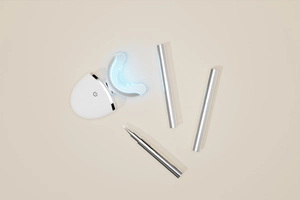
Teeth whitening lights are an essential tool for enhancing the effectiveness of teeth whitening products, especially in home-use or professional kits. However, encountering a "whitening light not working" issue can be frustrating. Understanding the common reasons behind this problem and how to address them is vital. This blog will explore the possible causes, troubleshooting tips, and the importance of sourcing reliable products from a reputable teeth whitening factory. Common Reasons for Teeth Whitening Light Malfunction If your teeth whitening light isn't working, the issue could stem from several factors: Battery ProblemsMany whitening lights are powered by replaceable or rechargeable batteries. If the batteries are depleted or improperly installed, the light won’t function. Ensure the batteries are fully charged or replaced and correctly positioned. Circuit MalfunctionWhitening lights may stop working due to a faulty internal circuit. This can occur because of poor quality manufacturing or physical damage. Choosing products from a certified teeth whitening factory reduces the likelihood of encountering such issues. LED Bulb FailureThe core of a teeth whitening light is the LED bulb. Over time, frequent use or substandard materials can cause these bulbs to burn out. Premium manufacturers use durable LED technology to extend the lifespan of the light. Troubleshooting Steps…
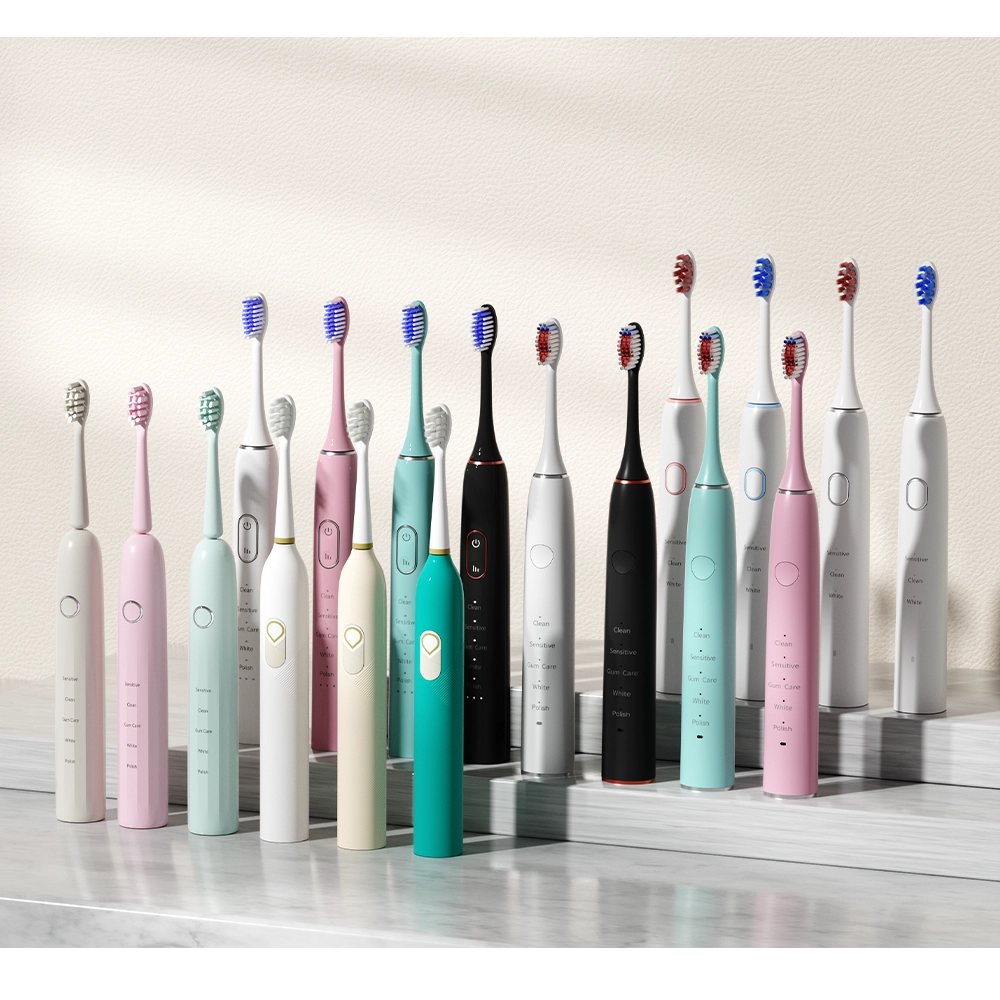
Power toothbrushes have revolutionized oral care with their efficiency and innovative features. With various options available, understanding the different types of power toothbrushes is essential for businesses aiming to meet diverse customer needs. Dry Battery Toothbrushes: Convenience and Affordability Dry battery toothbrushes are powered by replaceable AA or AAA batteries, making them a cost-effective choice for budget-conscious consumers. They are simple to use and ideal for travel due to their portability. While they lack advanced features, their affordability and ease of replacement make them appealing for customers seeking basic electric brushing solutions. For B2B buyers, offering dry battery toothbrushes provides an entry-level product that appeals to budget-conscious markets. Key Features: Low initial cost Easy maintenance with replaceable AA or AAA batteries Portable design for on-the-go users Oscillating Toothbrushes: Precision Cleaning The oscillating toothbrush is a popular choice for consumers seeking thorough plaque removal. With its rotating and pulsating motion, this type offers superior cleaning compared to manual brushes. Oscillating toothbrushes often include features like timers and pressure sensors, making them a premium option for health-conscious buyers. Key Features: Rotating bristles for deep cleaning Advanced features like timers and pressure control Higher price point but excellent cleaning performance Aluminum Travel Toothbrushes: Style Meets…
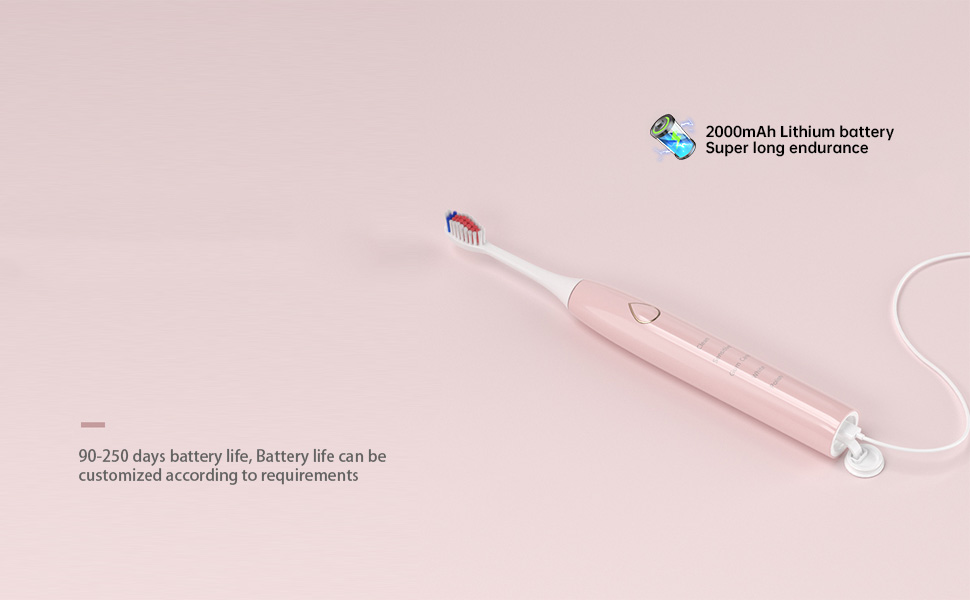
Lithium batteries have revolutionized the performance and reliability of electric toothbrushes. As a critical component, they provide long-lasting power and efficient operation, making them an essential consideration for any electric toothbrushes manufacturer. Why Lithium Batteries Are Ideal for Electric Toothbrushes Lithium batteries are widely used in electric toothbrushes due to their excellent energy density, compact size, and durability. Compared to traditional batteries, they can deliver consistent power over hundreds of charging cycles, ensuring optimal performance. For manufacturers, this means producing devices that meet customer expectations for longevity and reliability. Benefits of Lithium Batteries in Electric Toothbrushes: Long-lasting power: A single charge can last several weeks, enhancing user convenience. Lightweight design: Ensures a comfortable, ergonomic toothbrush structure. Environmentally friendlier: Many lithium batteries are designed to be recyclable, aligning with modern sustainability goals. Key Considerations for Electric Toothbrush Manufacturers Understanding the technical aspects of lithium batteries is crucial for designing high-performing devices. Battery Capacity: Toothbrushes typically require batteries with a capacity between 500mAh and 3000mAh, depending on usage patterns. Charging Systems: Incorporating fast-charging and overcharge protection features enhances safety and usability. Safety Standards: Lithium batteries must meet strict safety certifications such as CE, RoHS, and UN38.3 to ensure compliance in global markets. By collaborating with experienced battery suppliers,…


.jpg)
.jpg)
.jpg)
.jpg)
.jpg)






.jpg)