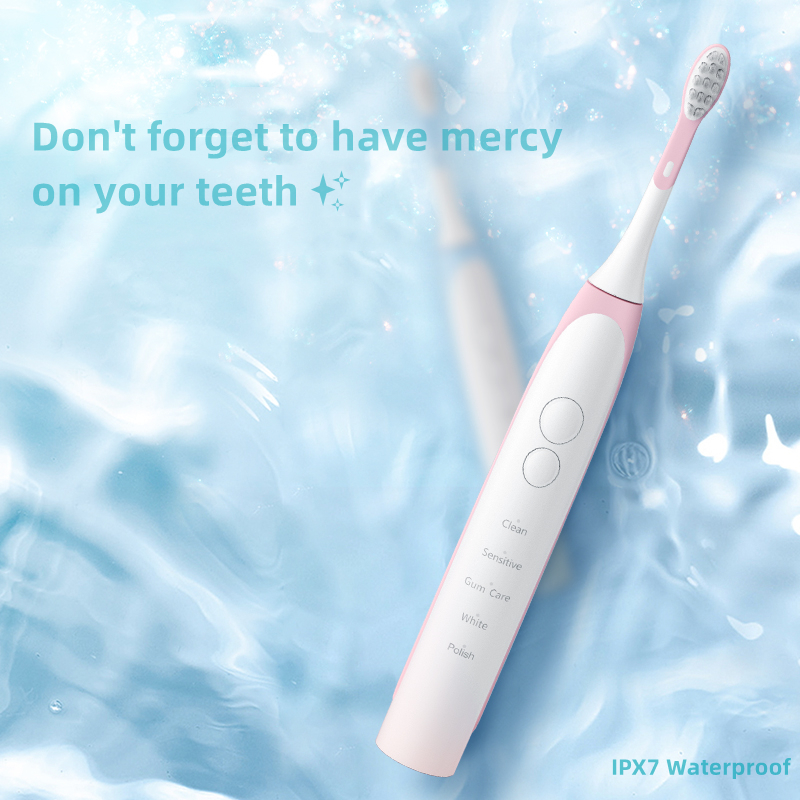
toothbrush product lifecycle management sits at the center of every successful oral-care brand that wants to scale efficiently, reduce risk, and create long-term value. For OEM and private-label buyers, the lifecycle does not start at mass production. Instead, it begins with market validation and ends with after-sales optimization. Therefore, when buyers work with manufacturers, strong lifecycle control becomes a competitive advantage rather than a technical detail.
During the concept stage, buyers define user personas, target price ranges, and compliance markets. Moreover, engineering teams translate these goals into mechanical structures, bristle systems, battery formats, and charging methods. Meanwhile, procurement teams align tooling budgets and forecast order volumes. At this point, buyers should review feasibility, MOQ risk, and expected warranty exposure. A transparent factory partner simplifies every step, because communication speed determines development efficiency.
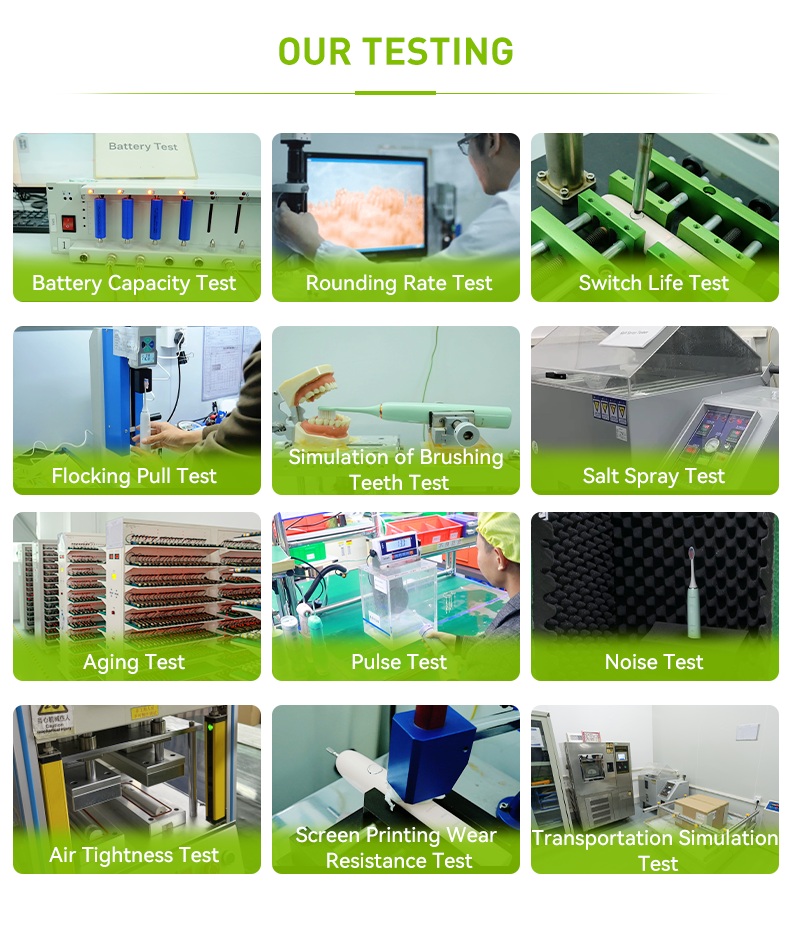
After concept lock-in, tooling moves forward. However, quality engineering must arrive early. IQC plans, golden samples, and pilot runs verify production stability before launch. In addition, testing schedules cover vibration strength, waterproof reliability, noise, charging safety, and brushing-head durability. For oral-care brands entering regulated markets, this stage also includes documentation preparation for EMC, battery, and material safety.
To support these steps, a capable OEM partner can provide controlled samples, pilot-run reports, and failure-mode analysis. Furthermore, service teams coordinate packaging design, barcode setup, language manuals, and logistics planning.
Once launch begins, lifecycle work continues. Data from distributors, Amazon sellers, and retail channels helps optimize packaging, pricing tiers, and bundle strategies. After that, supply-chain teams review cost-down proposals such as alternative components, upgraded molds, or productivity improvements. However, cost reduction should never damage brand trust, so each change requires risk evaluation.
Here, the mid-project review becomes important. It is the perfect time to realign forecasts, warranty ratios, user feedback, and accessory strategies such as replacement heads. Buyers who manage this process well protect margins while improving customer satisfaction.
Finally, every product reaches maturity. Demand stabilizes, competition grows, and a successor model takes shape. Consequently, the factory and buyer plan together: inventory run-out, spare-parts stock, and after-sales responsibility. A clean transition prevents channel loss and keeps the brand image professional.
To close the loop, a second reference to toothbrush product lifecycle management in the middle of the article reminds OEM buyers that lifecycle control builds predictable profitability across multiple generations of products. For brands expanding globally, this discipline is no longer optional — it is the operating system of the business. When the lifecycle strategy remains consistent, each launch becomes easier, faster, and more reliable. Ultimately, the strongest OEM relationships are those built on shared systems, data, and process thinking supported by structured toothbrush product lifecycle management.
Internal Link
Learn more about our toothbrush solutions at: https://powsmart.com
Outbound Link
American Dental Association: https://www.ada.org
.jpg)
Electric Toothbrush Supplier for Distributors
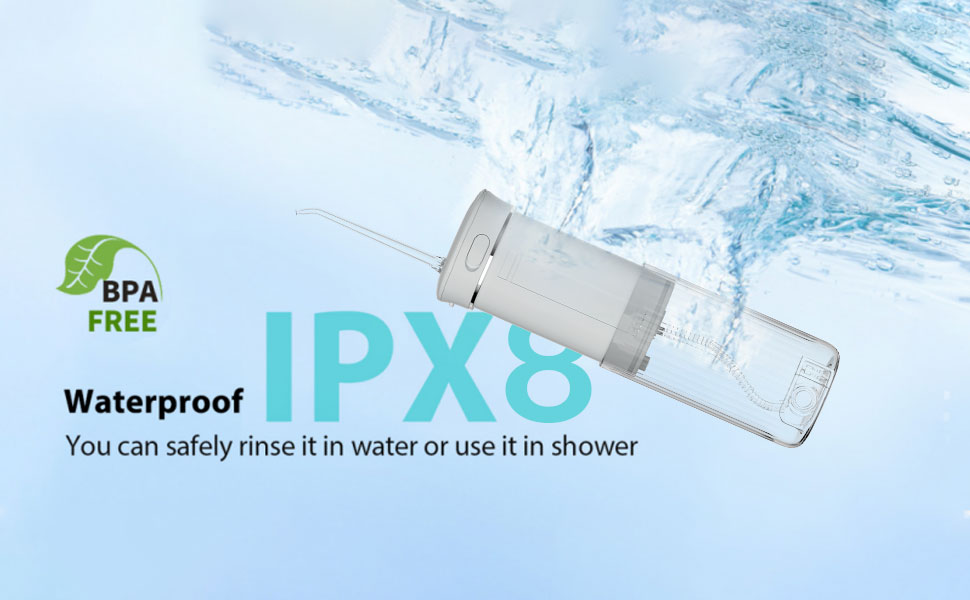
Improvement Record of Waterproof Defect of Water Flossers and the Latest Technical Solutions
LED Whitening Kits Effectiveness Comparison: Which Works Better?
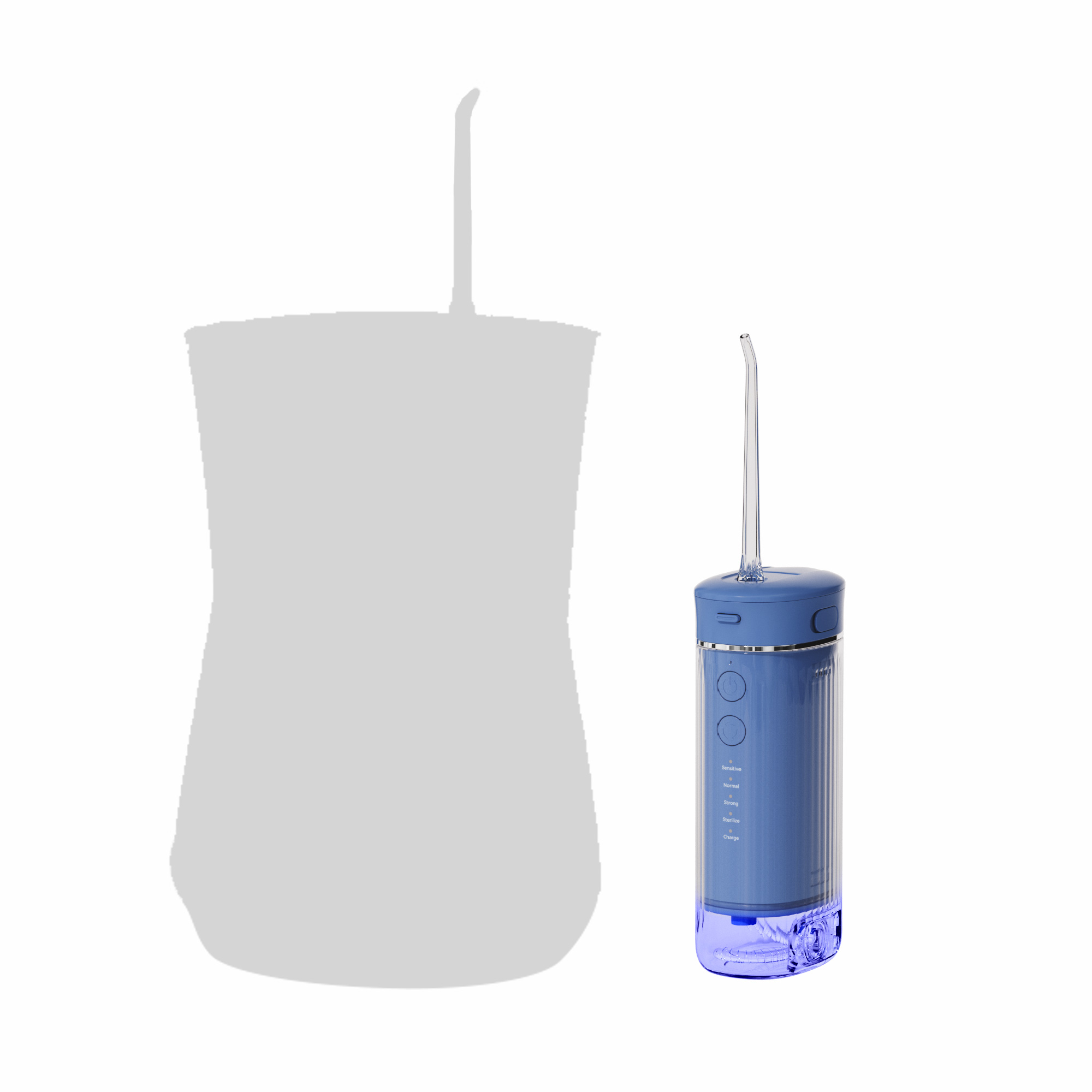
Water Flosser Working Principle Explained by a Direct OEM Factory
Custom Electric Toothbrush Manufacturer
LED Whitening Device Lifespan Guide: Maximize Your Device’s Effectiveness
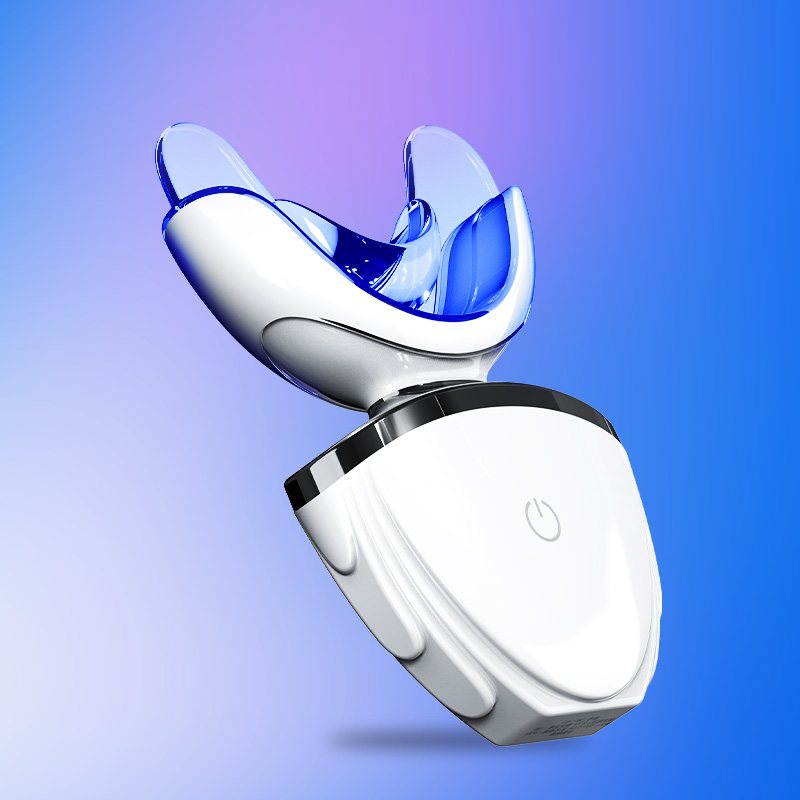
Is Toothbrush for Coffee Stain Teeth’s Whitening Mode Ineffective?
Electric Toothbrush Sample Lead Time for OEM Projects
LED indicator water flosser supplier
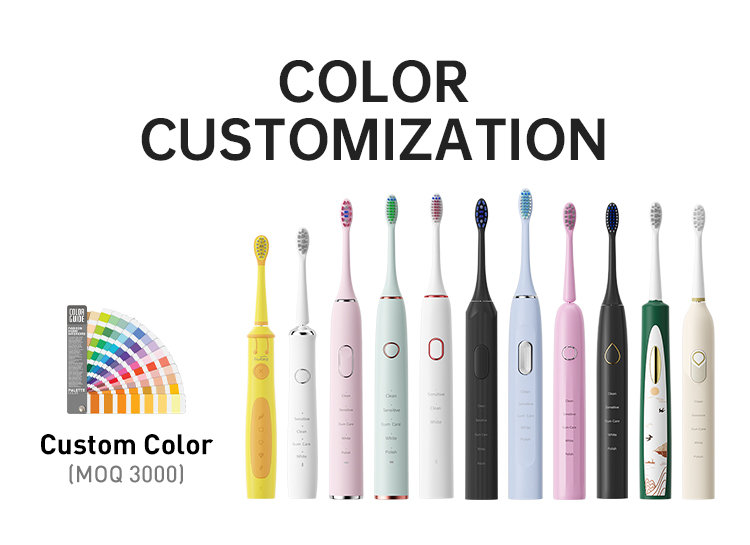
How Does Custom Color Matching Facilitate Brand Collaboration?
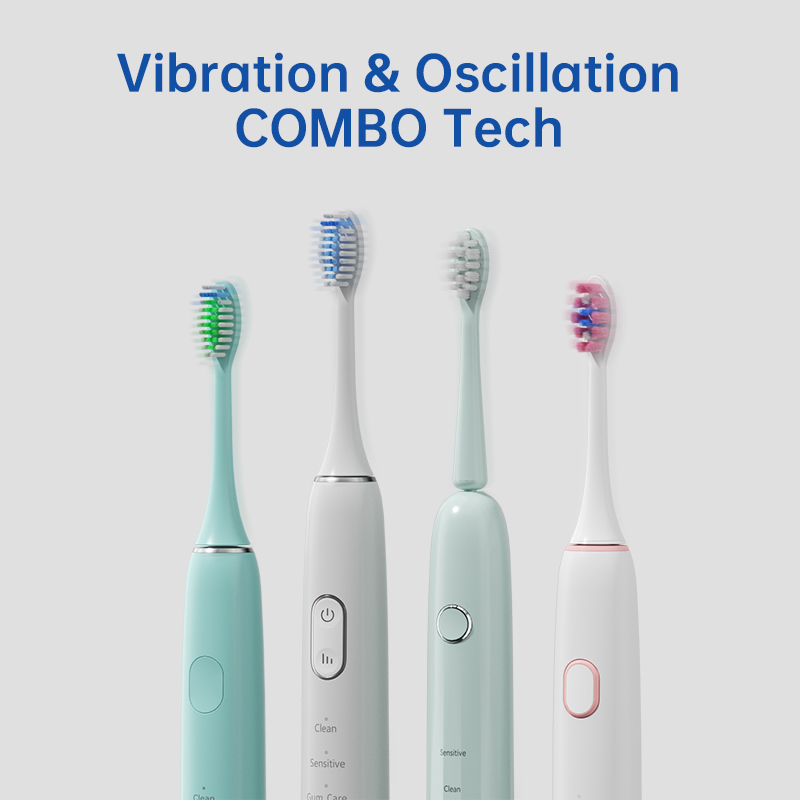
Travel Electric Toothbrush OEM: Compact and Portable Designs
Light Decay Causing Gingival Discoloration?
.jpg)
How Does Water Flosser Cordless Design Impact Battery Life Optimization?
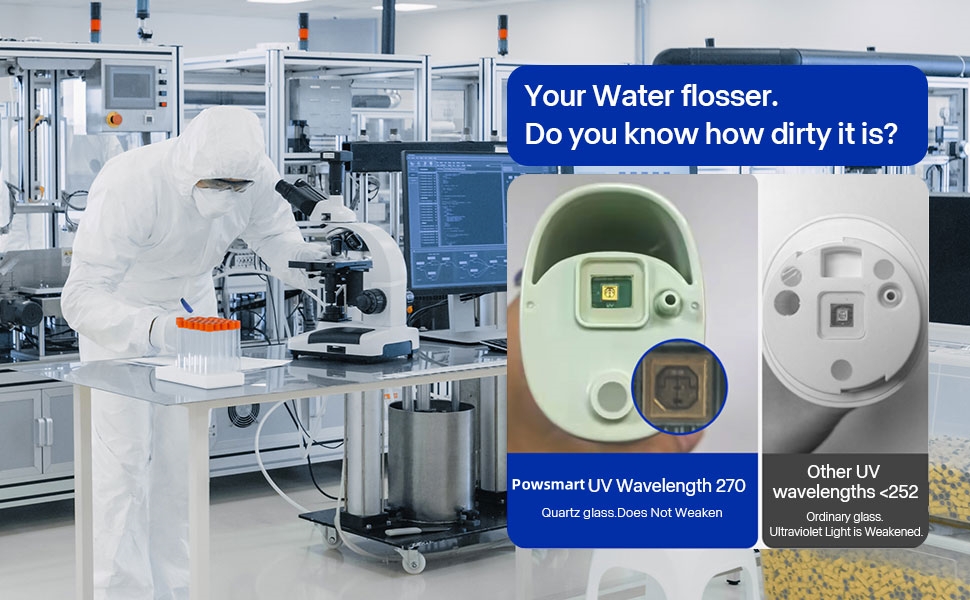
Solutions to Common Water Flosser Failures: How Can Manufacturers Reduce the Probability of Leaks and Motor Failures?
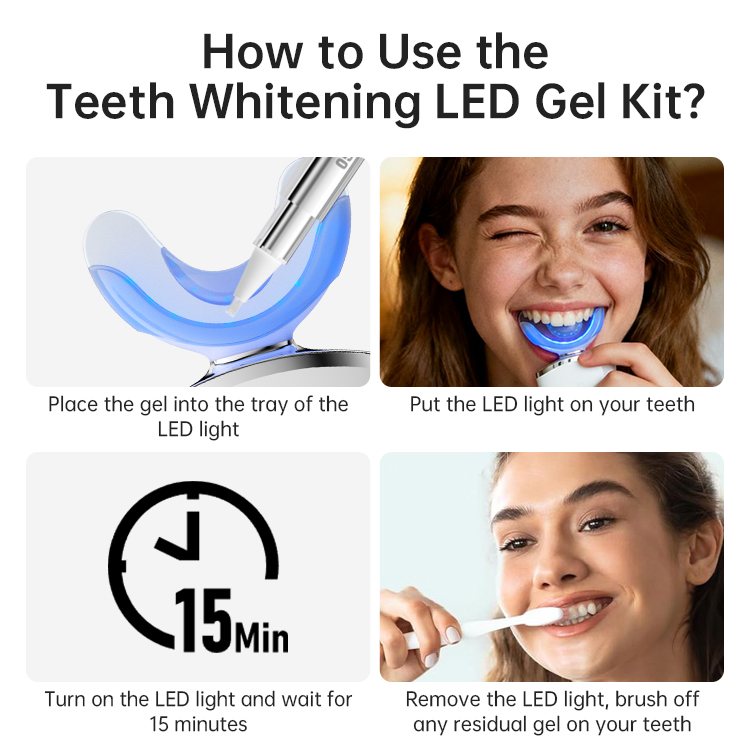
What Distinguishes Cosmetic Whitening Equipment from a Professional Salon Whitening Device?
Need a Portable Water Flosser ODM that Incorporates Leak-proof Flosser Technology?


.jpg)
.jpg)
.jpg)
.jpg)
.jpg)