In the teeth whitening industry, accurately evaluating treatment results is essential for product validation and consumer confidence. A Tooth Colorimeter is a scientific instrument used to measure tooth shade changes with high precision. When testing or developing a Whitening Catalyst Solution, manufacturers and laboratories often rely on a Tooth Colorimeter to obtain objective data instead of relying solely on visual comparison. By combining a Tooth Colorimeter with a properly formulated Whitening Catalyst Solution, brands can demonstrate measurable whitening performance and strengthen product credibility.
One major advantage of using a Tooth Colorimeter is its ability to provide objective and quantifiable measurements of tooth color.
When evaluating a Whitening Catalyst Solution, the device measures changes in brightness and shade before and after treatment, eliminating the subjectivity of human visual judgment.
During the development phase of a Whitening Catalyst Solution, researchers need reliable data to compare different formulations.
A Tooth Colorimeter allows manufacturers to test multiple formula variations and determine which Whitening Catalyst Solution delivers the most noticeable improvement in tooth shade.
In laboratory studies or controlled clinical environments, accuracy is essential. A Tooth Colorimeter provides consistent measurement conditions that ensure reliable data collection.
By using a Tooth Colorimeter to evaluate the effect of a Whitening Catalyst Solution, developers can produce performance results.
For OEM manufacturers and private label brands, presenting measurable results is important when marketing whitening products.
Data collected through a Tooth Colorimeter can clearly illustrate how a Whitening Catalyst Solution improves tooth color over a defined.
Consistency is crucial in cosmetic product manufacturing. A Colorimeter can be used to verify that each production batch of a Whitening Catalyst Solution performs within expected whitening ranges.
This testing helps manufacturers maintain stable product quality and avoid performance variation between batches.
In a competitive whitening market, brands that provide measurable proof of effectiveness gain stronger credibility. Using a Colorimeter to verify the results of a Whitening Catalyst Solution helps build trust
For OEM suppliers and cosmetic device manufacturers, incorporating Tooth testing into the development and validation process not only improves technical reliability. Contact us
.jpg)
At What Age Can Kids Use a Water Flosser? Dentist-Approved Guidelines
.jpg)
Can Chicago Black Friday deals cover Chicago toothbrush repair costs?
.jpg)
Can a Toothbrush Brand Be Also a Toothbrush Importer?
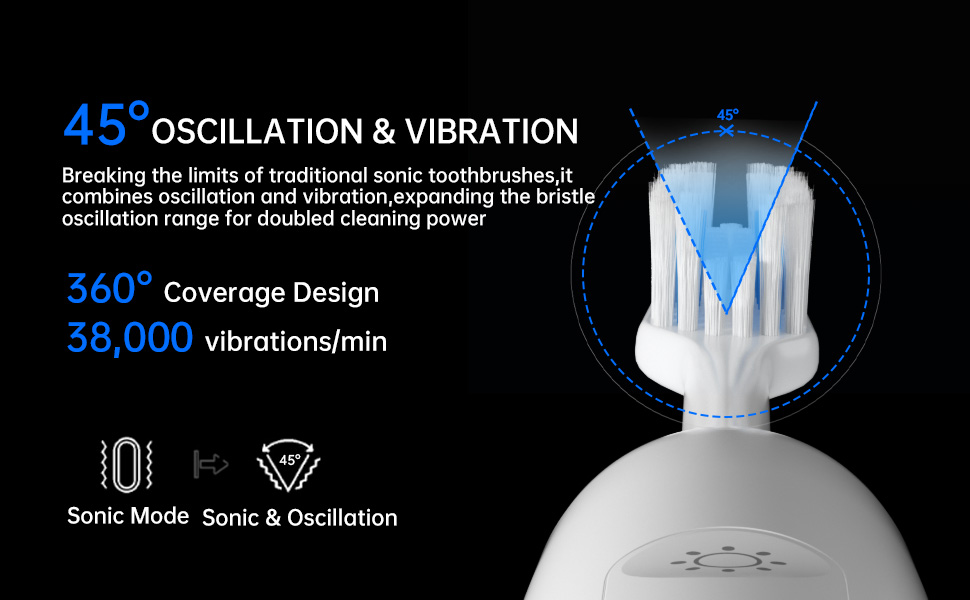
The 45-Degree Angle Rule: Optimizing Electric Toothbrush Angles Through OEM Engineering
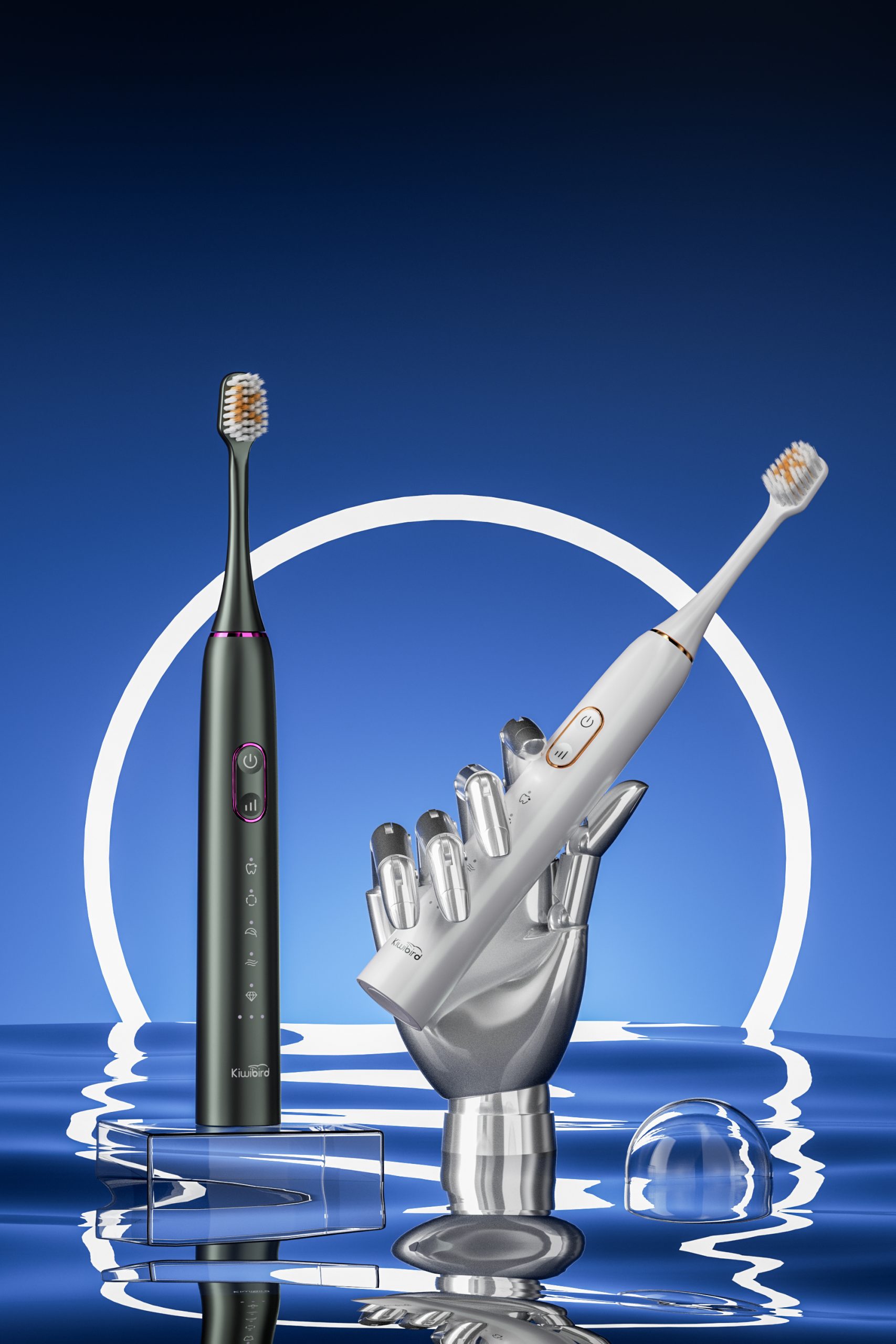
Ultra-Quiet Sonic Toothbrush Manufacturing: <60dB Technology
.jpg)
Where to get dental education? Seattle seminars worth attending
USB-C Travel Water Flosser – Compact Portable Irrigator
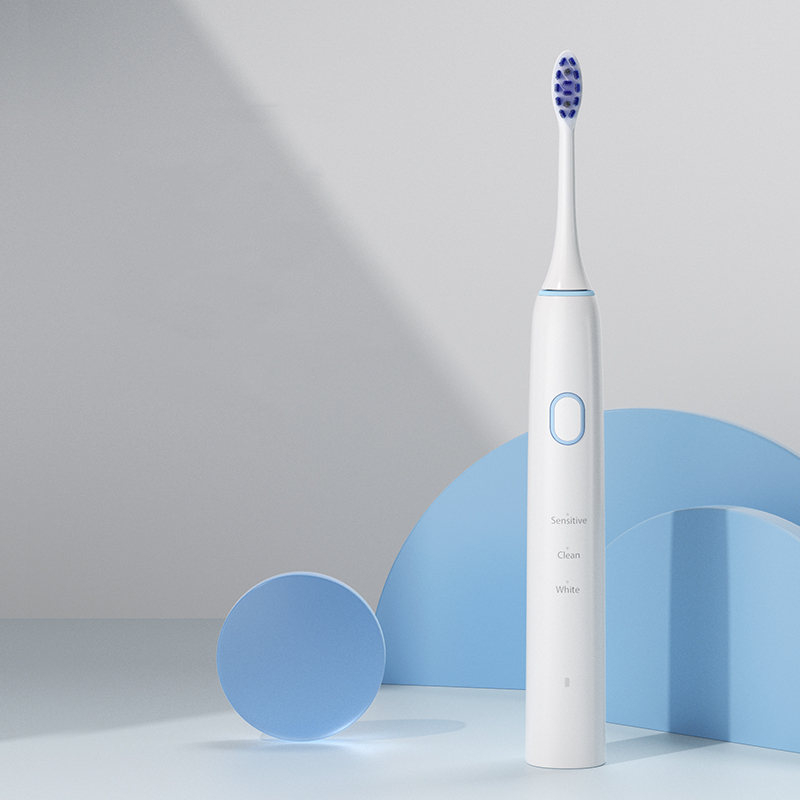
Wellness Corporate Gifts for Diwali: Custom OEM Solutions
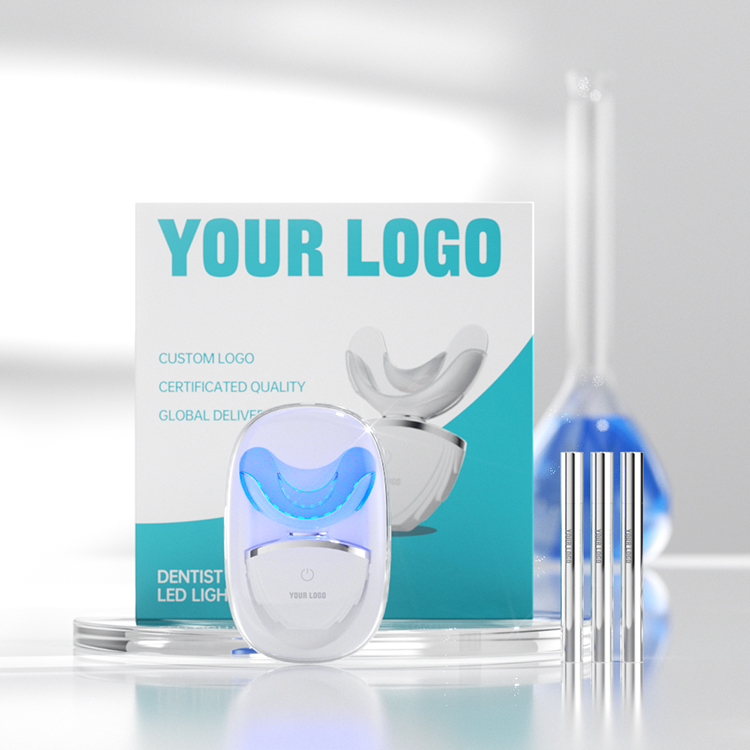
LED Teeth Whitening: Science or Gimmick? An OEM Perspective for Smart Brands
Toothbrush Product Lifecycle Management for Global OEM & Private-Label Brands
.jpg)
How Does a Hydro-mechanical Seal Improve the Reliability of Turbine Impeller Design in Water Flossers?
Can You Put Hydrogen Peroxide in a Water Flosser to Whiten Teeth? Safety Guide from Manufacturer
electric-toothbrush-whitening-safe-guide
Wireless Charging Sonic Toothbrush Wholesale
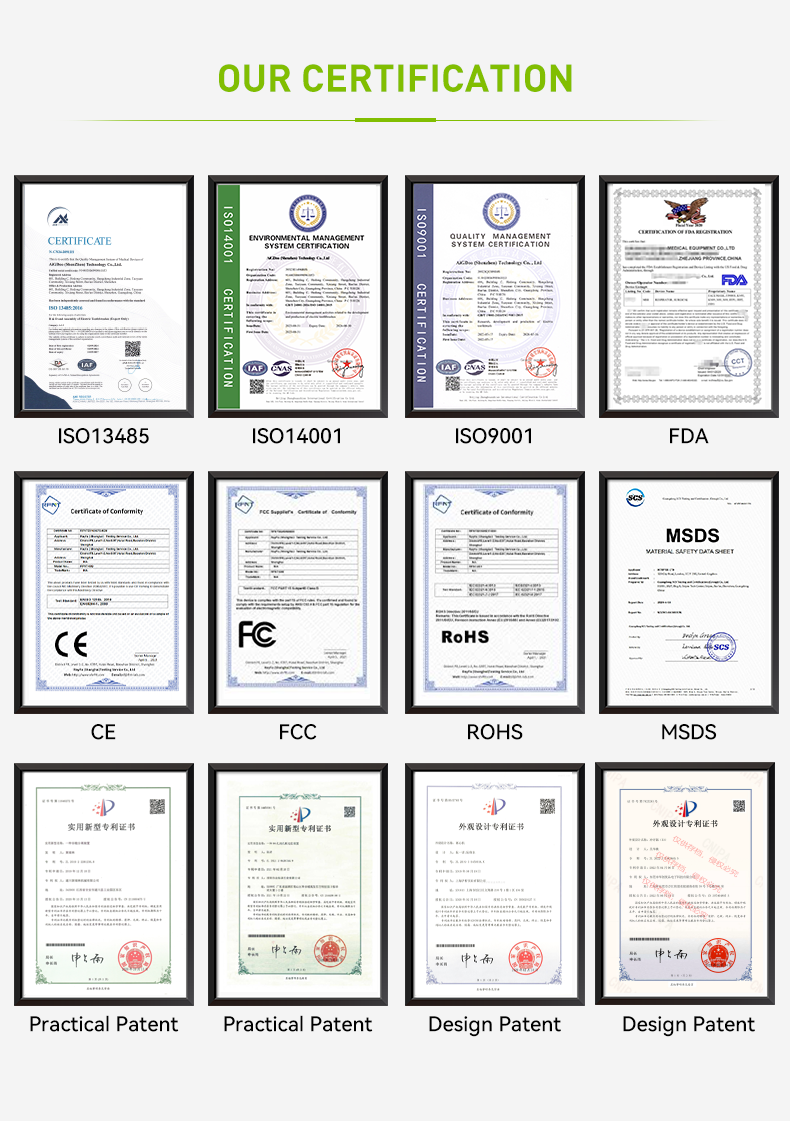
What makes Portable Flosser Design dependent on integrating a Quiet Flosser Motor?
Electric Toothbrush for Gum Recession – Soft Bristles & Pressure Control


.jpg)
.jpg)
.jpg)
.jpg)
.jpg)






.jpg)
.jpg)