Electric toothbrush quality control must cover the complete product, from incoming components to final packaging. Appearance is important, but many costly problems involve motor stability, waterproof structure, battery performance, charging, buttons, brush-head fit, or inconsistent assembly.
Quality control begins before production. The buyer and supplier should approve a specification that identifies the model, materials, dimensions, colors, motor performance, modes, timer, battery, charging input, waterproof rating, brush heads, accessories, printing, packaging, labels, and carton marks.
Keep an approved sample and artwork version as references. If a component changes, document the reason, impact, test result, and approval.
Key incoming materials may include housings, motors, batteries, circuit boards, seals, buttons, shafts, charging components, bristles, packaging, and accessories. Inspection can cover dimensions, color, appearance, supplier lot information, and relevant functional tests.
Critical components should have traceability so that a problem can be linked to a material lot or production batch.
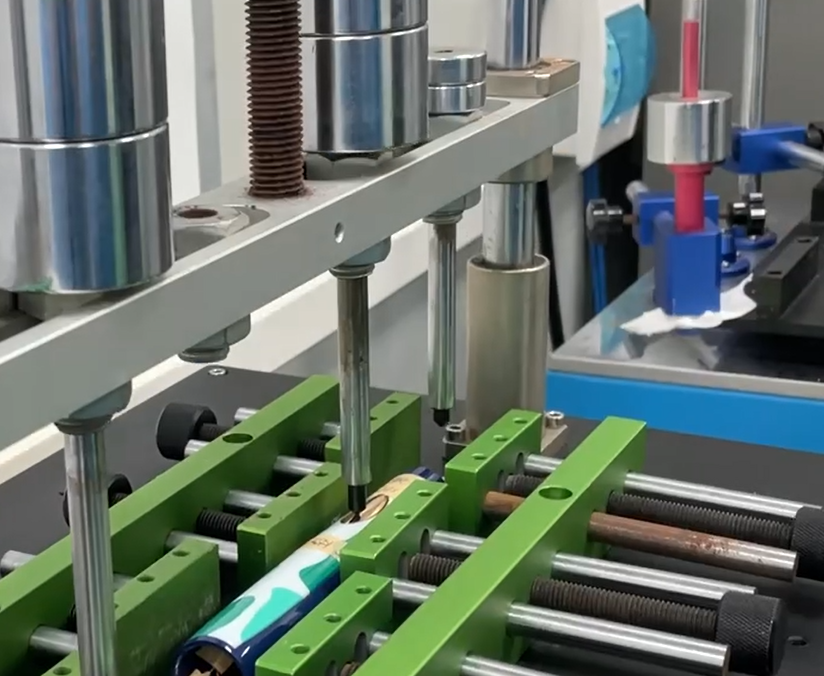
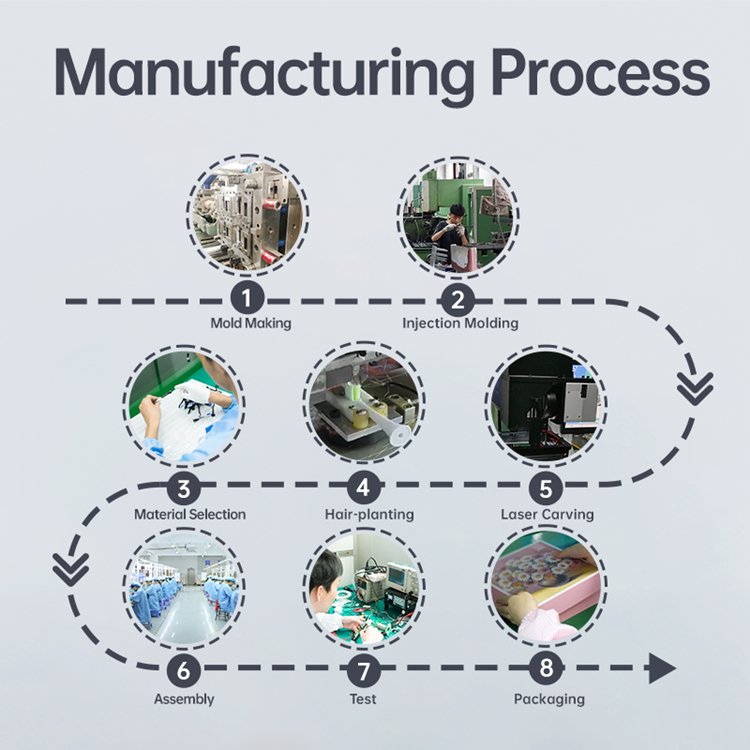
During assembly, control alignment, fastening, sealing, soldering, internal wiring, adhesive application, and cleanliness. Small process differences can affect noise, vibration, waterproof performance, or product life.
Work instructions and inspection points should be clear enough that different operators produce a consistent result.
A finished toothbrush should be checked for:
Performance limits should be measurable where possible. Words such as “strong,” “quiet,” or “stable” need an agreed test method or approved reference sample.
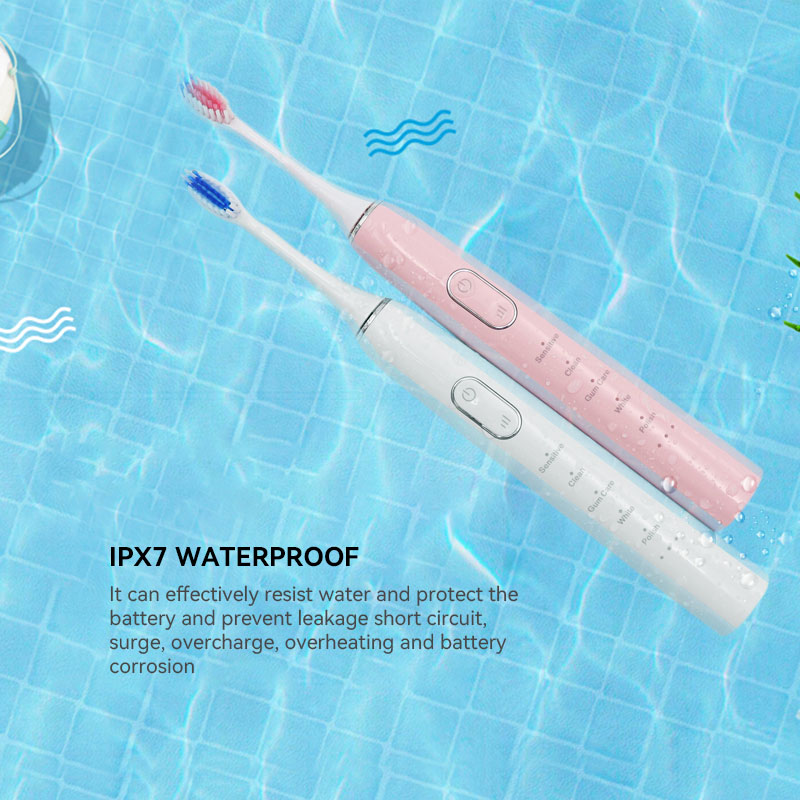
Waterproof reliability depends on the complete structure and assembly process. Testing should follow the confirmed product rating and internal control plan. For models specified as IPX8, the test conditions must be defined and consistently applied.
Buyers should also inspect areas around the button, shaft, charging interface, end cap, and housing joints. A claim on the packaging is only useful when production can repeatedly meet it.
Check battery specification, charging time, working duration, low-power behavior, protection functions, and charger compatibility. Battery transport documents and packaging requirements should be prepared for shipment.
Long-term reliability testing can include charging cycles, storage conditions, and aging tests based on the project requirements.
The brush head directly affects comfort and cleaning experience. Review filament material, diameter, end rounding, tufting, trim profile, pull resistance, head shape, fit, and movement. Confirm that replacement heads match the approved handle platform.
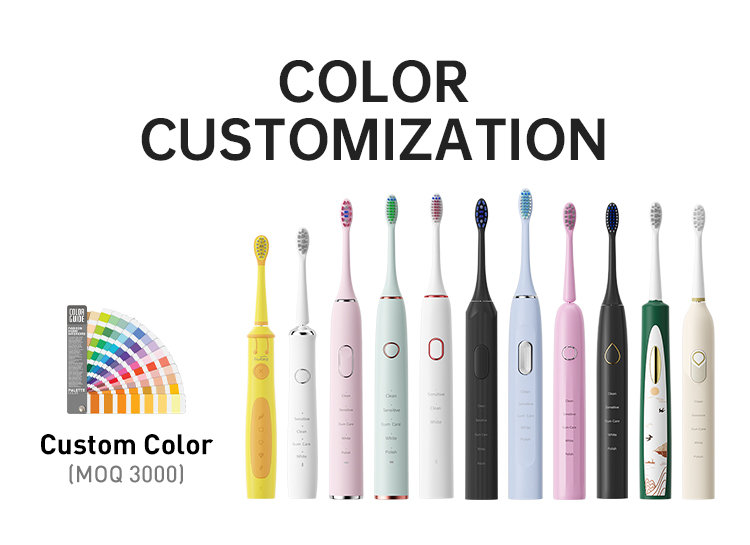
Inspect scratches, gaps, color differences, logo position, printing, dust, stains, and accessory arrangement. Packaging checks should include barcode readability, labels, manual language, model number, quantity, carton marks, and drop-protection requirements.
Final inspection can follow an agreed sampling standard and defect classification. Define critical, major, and minor defects before inspection. The buyer may request factory inspection reports, photos, videos, or a third-party inspection.
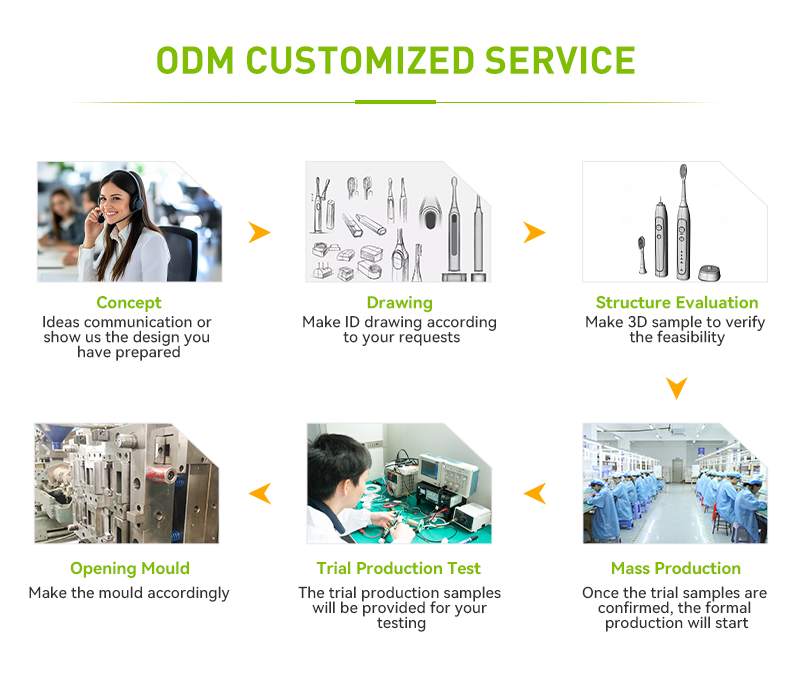
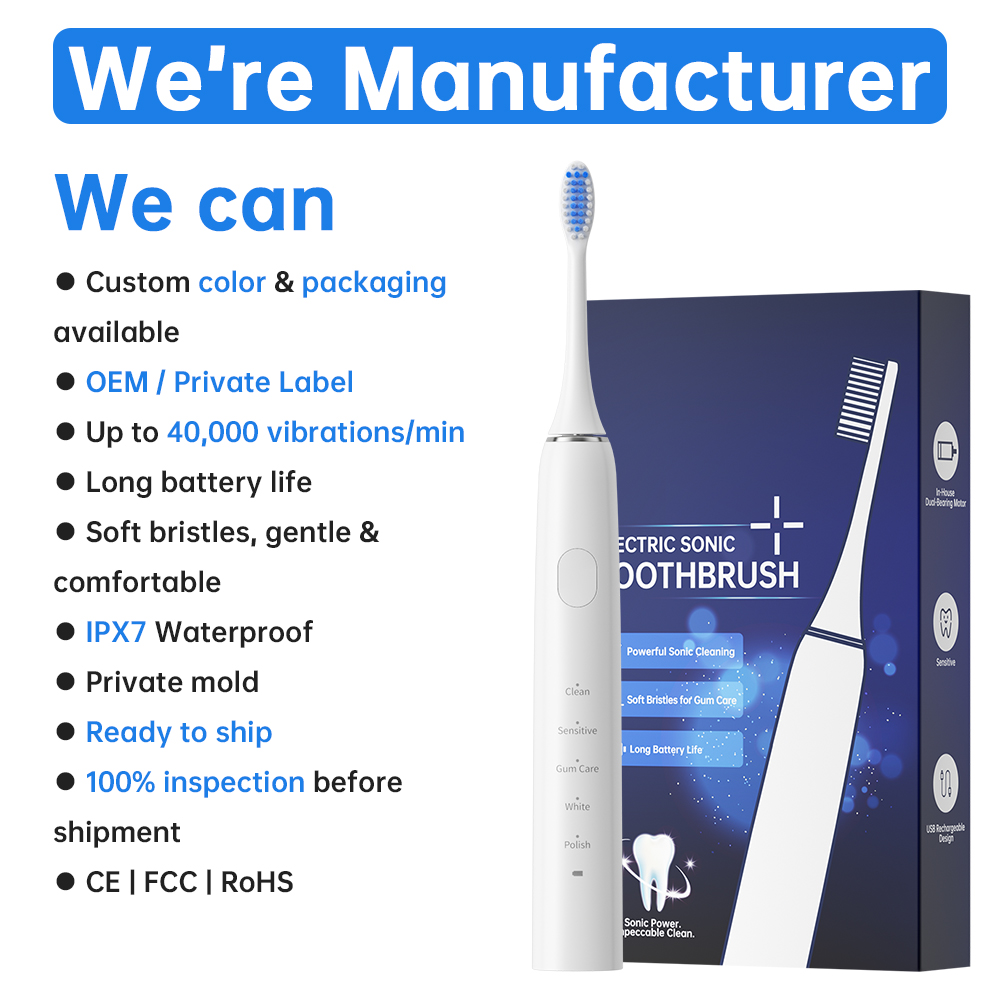
PowSmart combines product development, production control, testing, and final inspection for OEM and ODM oral-care projects. Clear specifications and measurable acceptance criteria help both buyer and manufacturer deliver consistent products across repeat orders.
.jpg)
black hairy tongue water flosser: bacteria buildup

Does Your White-Label Cloud Portal Come with an Interoperability Hub API?
Sonic Toothbrush with Light Technology Manufacturer
Electric Toothbrush OEM Supplier
How Does Recyclable Packaging Support Your Brand’s Sustainable Development Goals?
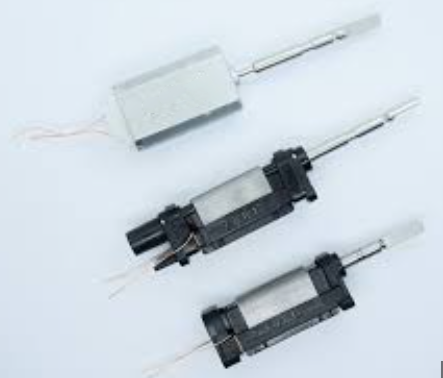
The Core Competitiveness of Electric Toothbrush Motors: How High-Performance Motors Enhance User Experience?
How Do Data Management Plan Creation and Statistical Analysis Plan Writing Work Together?
“Manual vs. Electric Toothbrush: Which is Better?”
How Do Smart Toothbrush Subscription Models Integrate with a Brush Head Subscription Service?

In Cordless Water Flosser Manufacturing, How Important Is Motor Vibration Consistency Testing?
Electric Toothbrush ODM Product Design
Does Toothbrush Battery Life Impact Gum Recession Risk?
How Can a Reliable Brush Head Supply Chain Support a Subscription Business Model?
Water Flosser for Salivary Stones
Mode Malfunction with Refill Frequency – Frustrating?
40000 VPM Sonic Toothbrush OEM Manufacturer


.jpg)
.jpg)
.jpg)
.jpg)
.jpg)