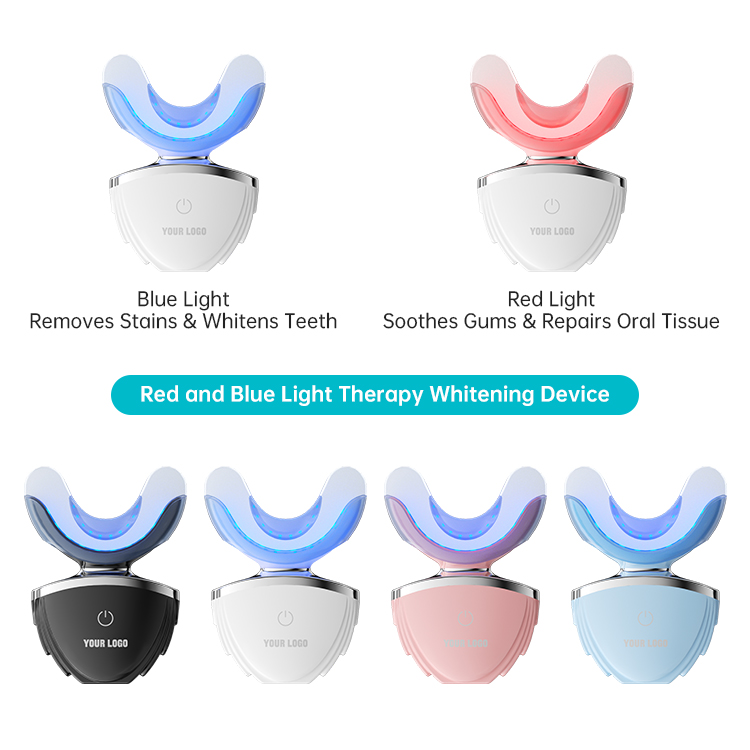
Teeth whitening device compliance EU requirements create a complex environment for B2B importers, private label brands, and distributors working in the European market. Since consumer safety remains the top priority for regulators, every device must meet strict documentation, labeling, and performance expectations before entering the region. Moreover, retailers increasingly demand full transparency from suppliers, therefore compliance is not only a legal duty but also a commercial necessity.
To begin with, brands must first define whether the whitening system falls under cosmetic, medical, or general consumer product frameworks. This classification impacts testing, responsible person obligations, and documentation depth. In addition, chemical regulations may apply depending on gel concentration and ingredients. However, the device part itself must still follow electrical safety and EMC standards. Therefore, cross-functional coordination between legal, quality, and engineering teams becomes essential from the first concept meeting.
Midway through the journey, technical files and risk assessments support teeth whitening device compliance EU audits. These files typically include circuit design records, material declarations, test reports, labeling proofs, and user instructions. Moreover, brands must ensure that translations match each target market within the EU. In addition, traceability systems should connect every product batch back to component suppliers and test results. Consequently, when inspectors request evidence, the response remains fast and consistent.
Retailer expectations add another layer. Therefore, large European chains often run their own audits that focus on social responsibility, environment, and product safety systems. Moreover, failure in these audits can block market entry even if legal documents look complete. As a result, strong cooperation with the OEM factory becomes an advantage because mature suppliers already maintain disciplined documentation systems. If you want to review how experienced manufacturers support compliance, you can visit https://powsmart.com/ for reference.
For independent information about EU consumer product and medical requirements, companies often consult official portals such as https://ec.europa.eu. However, professional regulatory advisors still add value because details and interpretations evolve continuously. In addition, B2B buyers should update their internal checklists at least annually so that changes never fall through the cracks.
In conclusion, mastering teeth whitening device compliance EU rules protects brands from costly recalls, import holds, and retailer penalties while building long-term trust with European consumers and partners.
.jpg)
For Sensitive Teeth Electric Toothbrush Manufacturer
.jpg)
Electric toothbrush wholesale Florida
.jpg)
sonic electric toothbrush Florida
dental care products importer USA
Gum care Florida solutions need Florida replacement heads?
Gentle UV Electric Toothbrush Manufacturer
Why Water Flosser Pressure Calibration Matters for OEM Buyers
Wireless Induction Charging Massage Electric Toothbrush manufacturers
.jpg)
Daily Care Mode Electric Toothbrush
.jpg)
source sonic toothbrush from USA manufacturers
Florida electric toothbrush supplier
How to Select an LED Teeth Whitening OEM Factory for Global Brands
oral care products wholesale USA
oral care products distributor United States
Oral care products wholesale

electric toothbrush manufacturer United States:.powsmart


.jpg)
.jpg)
.jpg)
.jpg)
.jpg)