In today’s competitive teeth whitening market, ensuring that your products meet industry standards is essential for long-term success. Whether you’re a teeth whitening supplier or a brand looking to enter the industry, certification plays a pivotal role. Here’s why teeth whitening certification matters and how it can influence your business.
Teeth whitening certification guarantees that the products you’re selling or sourcing meet safety and regulatory standards. Consumers are more conscious than ever about the ingredients in their oral care products, especially those that come into direct contact with their teeth and gums. Certified products provide assurance that they have undergone rigorous testing, meet legal requirements, and are safe for regular use. As a teeth whitening supplier, adhering to these certifications minimizes the risk of product recalls and ensures smooth market entry.
In an industry saturated with a wide range of products, having a certified teeth whitening product gives you a competitive edge. Customers are more likely to trust a product with recognized certifications, as they serve as an endorsement of quality and reliability. This trust leads to stronger brand loyalty and higher sales. Without teeth whitening certification, you risk alienating discerning customers who prioritize product safety and efficacy.
Many retailers and distributors will only carry products that are certified to meet specific industry standards. Having your products certified allows you to access a broader market, including premium retailers and international markets with stringent regulations. For any teeth whitening supplier looking to expand globally, obtaining certifications is often a non-negotiable requirement for market entry.
Certifications are not just about product safety; they also cover the quality of manufacturing processes. From ingredient sourcing to packaging, certified products must meet high standards at every stage of production. This helps ensure consistency, reduces defects, and improves overall product quality. Partnering with a teeth whitening supplier who upholds these standards ensures your products will consistently meet consumer expectations and regulatory requirements.
Selling uncertified teeth whitening products can expose your business to legal issues, including fines and product bans. Teeth whitening certification helps you avoid these pitfalls by ensuring that your products comply with local and international laws. By working with a certified teeth whitening supplier, you safeguard your brand against potential legal actions that could tarnish your reputation and cost you financially.
Many certifications also evaluate a supplier’s environmental and ethical practices, ensuring that the products are not only safe but also produced in a responsible manner. This adds value to your brand, as consumers are increasingly looking for companies that prioritize sustainability. Choosing a certified teeth whitening supplier who aligns with these values enhances your brand image and attracts eco-conscious consumers.
In the competitive world of oral care, particularly in the teeth whitening industry, having the right certifications is crucial. It guarantees product safety, boosts consumer trust, and opens doors to larger markets. For brands and suppliers alike, teeth whitening certification is an essential component of long-term success, minimizing risks and enhancing product quality. Whether you’re sourcing from a teeth whitening supplier or looking to certify your products, investing in certification will significantly impact your brand’s reputation and market reach.
How Does a Safe Teeth Whitening Supplier Ensure Quality for Teeth Whitening Syringe OEM Production?
How long does it take for LED teeth whitening kits to work?
Five Key Points in Quality Control of Blue Light Teeth Whitening Device: How to Ensure LOW Defects in Products?
.jpg)
Electric Toothbrush OEM Manufacturer for Global Oral Care Brands
Austin Eco Toothbrush: Sustainable Oral Care from Factory to Home
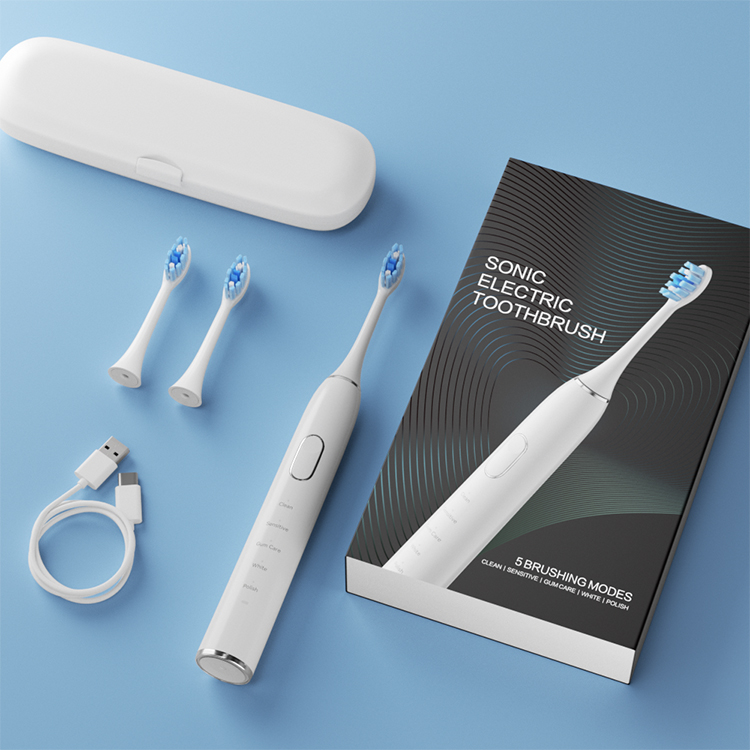
Creating the Most Effective Electric Toothbrush: Key OEM Technologies Explained

How to Become a Distributor of Electric Toothbrushes – A B2B Guide
Pregnancy Contraindications & Noise Level Concerns: Safe?
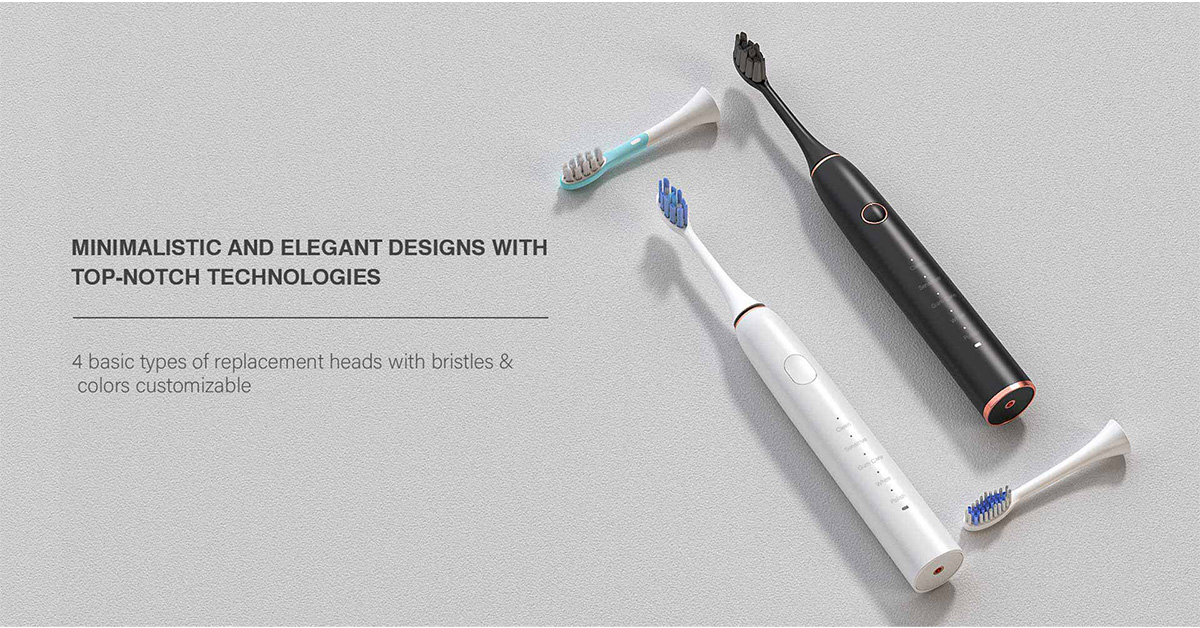
Why is There a Gap Between the Toothbrush Head and the Handle?
.jpg)
How to Evaluate an Electric Toothbrush Supplier Portfolio and Electric Toothbrush Supplier Capabilities?
Electric Toothbrush Housing Material OEM Solutions for Durable Design

Competitive Wholesale Oral Care Products for Your Store – Bulk Deals & OEM Options
.jpg)
Chicago dental toothbrush broken? Fast Chicago downtown repair options
Teeth Whitening Device Factory for OEM & Private Label Production
What Should You Pay Attention to When Using an Electric Toothbrush?
Electric Toothbrush with Dual Motor Technology OEM


.jpg)
.jpg)
.jpg)
.jpg)
.jpg)






.jpg)
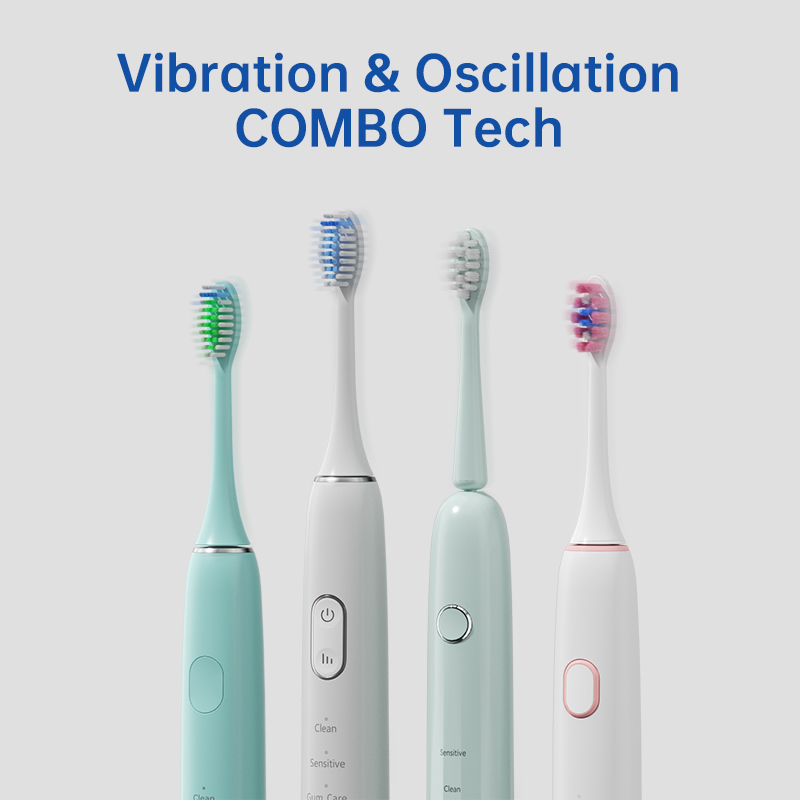
.jpg)