
As a popular whitening product in recent years, the ingredients of teeth whitening gel directly affect the whitening effect and safety. Understanding these ingredients can help you develop and source more effective and safer products. This article will discuss five aspects: key ingredients, mechanism of action, safety, common misunderstandings, and industry trends.
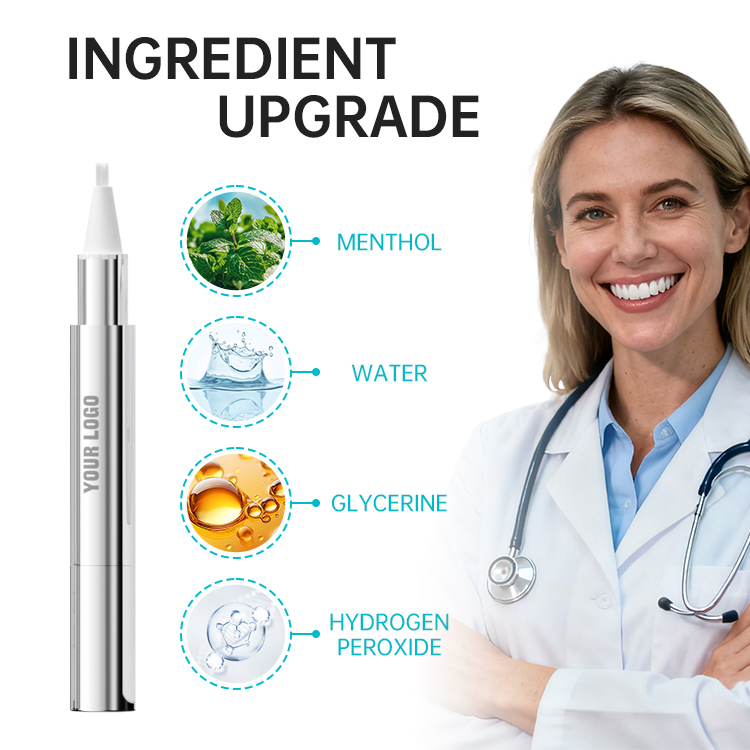
The most common active ingredients in teeth whitening gel are hydrogen peroxide and carbamide peroxide. They achieve whitening effects by releasing oxidants to decompose pigmentation on the surface of teeth. Hydrogen peroxide is commonly used for professional whitening in dental clinics, while carbamide peroxide is more common in home whitening products.
The mechanism of action of teeth whitening gel mainly relies on redox reaction. This reaction oxidizes organic pigments on the surface of teeth by releasing reactive oxygen species (ROS), thereby restoring the natural color of teeth. Manufacturers should ensure that the amount of reactive oxygen released is within a safe range to avoid damaging tooth enamel.
The safety of whitening gel depends on the ingredient concentration and frequency of use. Generally speaking, too high a concentration of hydrogen peroxide may cause tooth sensitivity or gum irritation. Therefore, manufacturers need to consider the concentration of ingredients when designing products and advise consumers to use them reasonably. In addition, adding fluoride or calcium ingredients can help reduce damage to tooth enamel during whitening.
Consumers often think that whitening gels with “natural” ingredients are safer, but this is not the case. Although some natural ingredients such as citric acid have a certain whitening effect, their acidity may corrode the surface of teeth. Therefore, manufacturers should select safer and more effective ingredients to replace inappropriate natural substances through scientific research.
As consumers become more aware of health and environmental protection, the future trend of tooth whitening gels will develop towards green formulas and personalized customization. Formulas that use biodegradable ingredients and reduce chemical residues are gradually becoming mainstream. In addition, personalized products based on consumer tooth characteristics and whitening needs will become a new growth point in the market.
The ingredients of teeth whitening gel directly determine the effectiveness and safety of the product. By understanding and optimizing these ingredients, manufacturers can develop more competitive products to meet consumer needs. In this process, focusing on safety, science, and innovation is the key to success.
.jpg)
Water Spray Scattering Plus Whitening Rebound – Design Flaw?
Foldable Travel Water Flosser Wholesale – Compact Portable Oral-Care OEM Solutions
How to Keep Teeth Clean with Braces?
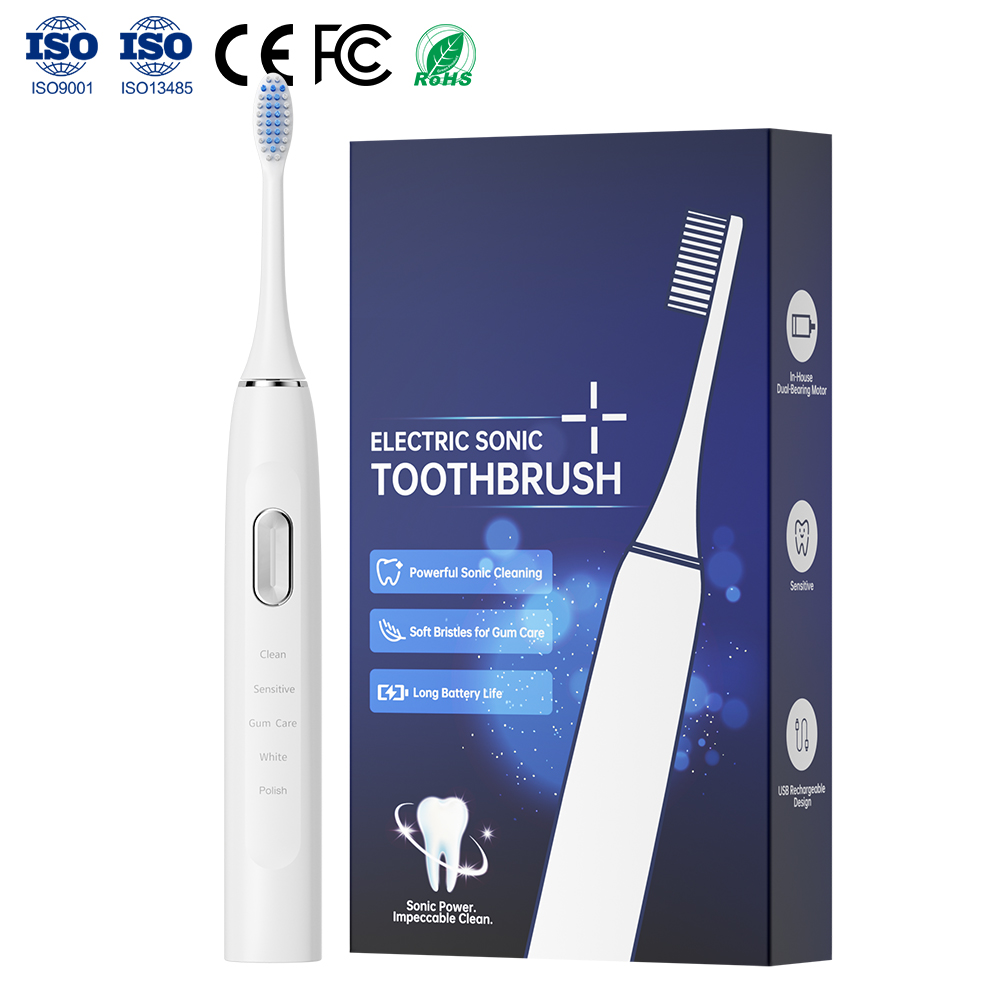
Why Market Orthodontic Oral Care Products Through a Dental Clinic Partnership Program?
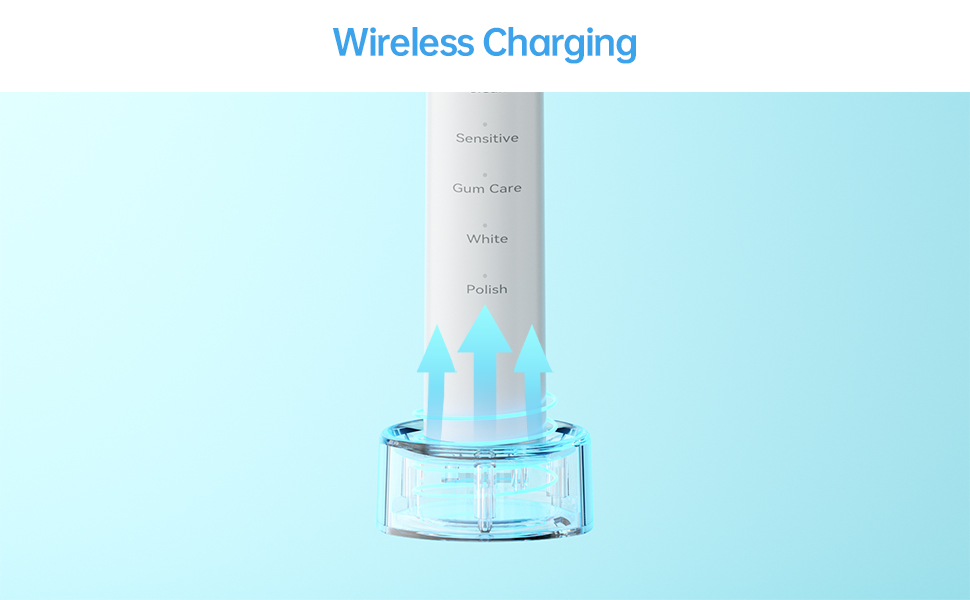
What Are the Main Reasons for Charging Problems With an Oral Irrigator?
Rechargeable Kids Toothbrush Wholesale

How to Ensure That a Factory’s Quality Control Process is Strict and Standardized
Which Electric Toothbrush Is Best for College Students in Boston?
Blue Light Whitening Device | Quick & Effective Teeth Brightening for beauty and oral-care OEM brands.
Crowded Teeth Water Flosser Guide: Clean Tight Spaces Effectively
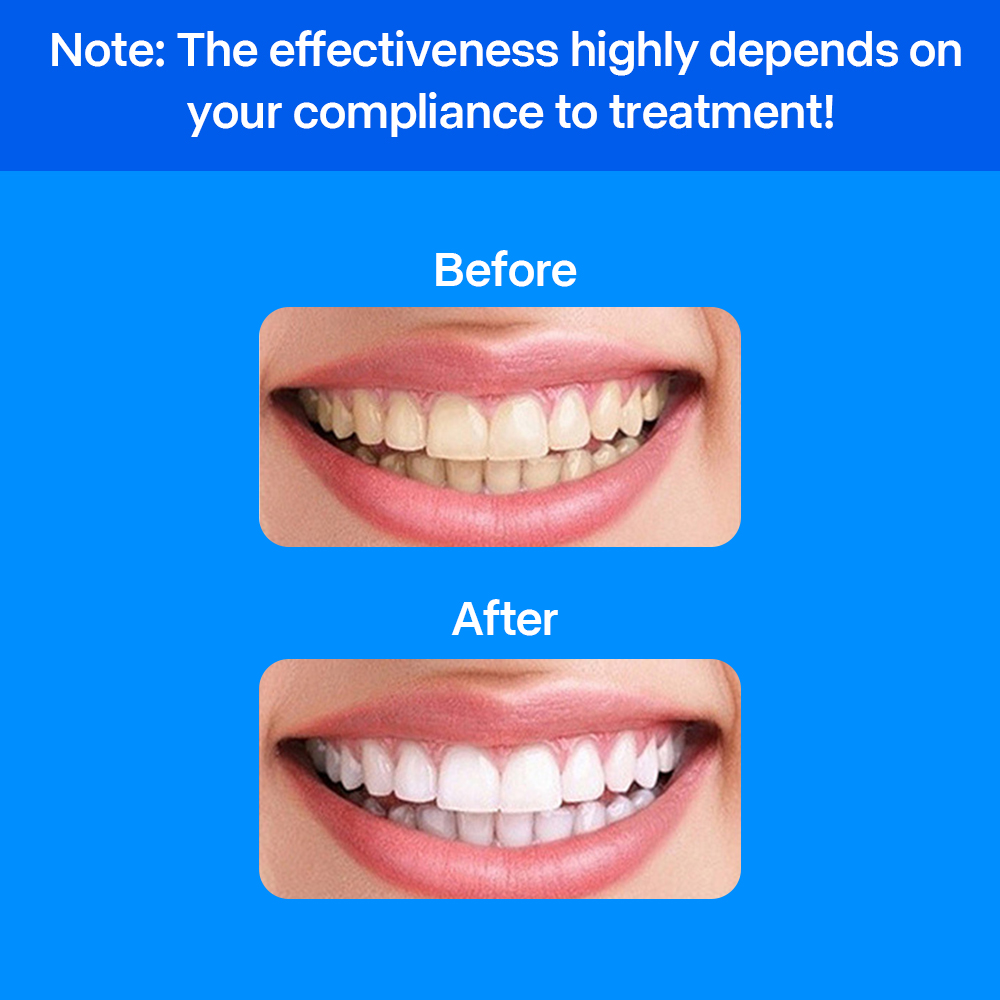
The Top Things You Need to Know About Teeth Whitening

8 Must-Have Features for Dental Water Flosser
dual-action electric toothbrush OEM
Electric Toothbrush with App Connectivity – Smart Oral Care for B2B Markets

Battery Leakage, Shell Peeling Off… What Are the Familiar Problems with Unqualified Children Electric Toothbrushes?
Are Cheap Brush Heads Worth It?


.jpg)
.jpg)
.jpg)
.jpg)
.jpg)






.jpg)
.jpg)