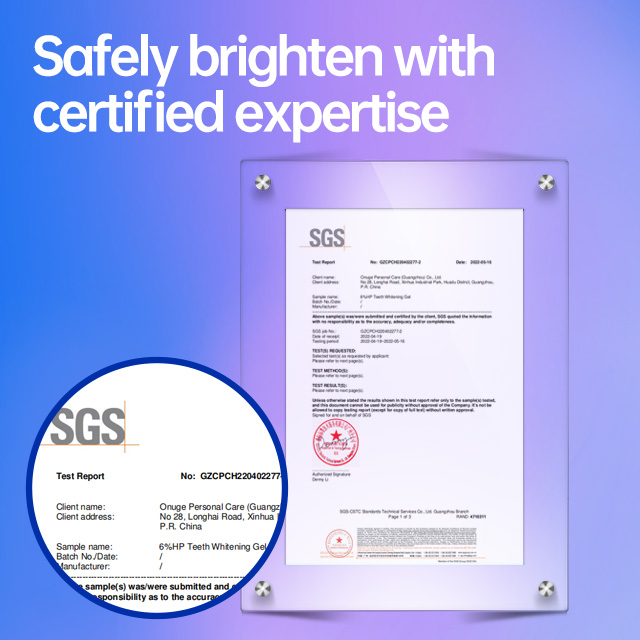
teeth whitening device safety compliance is a core concern for brands sourcing oral whitening devices through OEM or private label manufacturing. For B2B buyers, compliance is not optional; it directly affects market access, product liability, and brand credibility.
As regulatory scrutiny increases globally, whitening device compliance has become a decisive factor in supplier selection.
Oral whitening devices interact directly with the mouth and gums. Therefore, safety risks may arise from materials, electrical design, or misuse scenarios.
OEM brands must ensure that products meet applicable regulations before entering target markets. Without verified compliance, distributors and retailers face legal exposure.
Consequently, safety compliance functions as both a technical requirement and a commercial safeguard.
Compliance frameworks typically focus on material safety, electrical reliability, and user protection. Plastics and silicone components must meet biocompatibility standards, while electronic systems require insulation and charging safety validation.
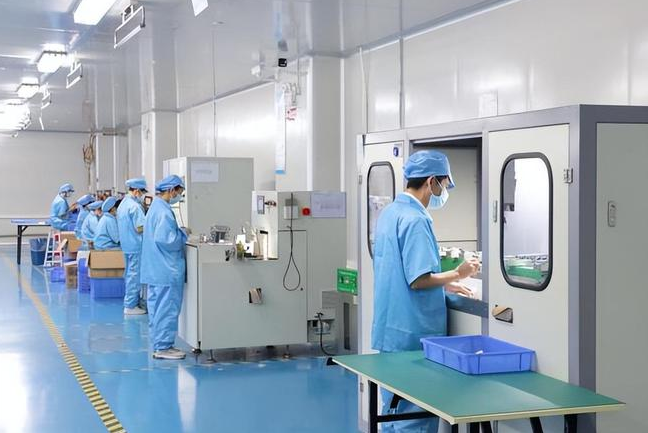
In addition, whitening devices often require documentation covering risk analysis and intended use. These records support customs clearance and regulatory audits.
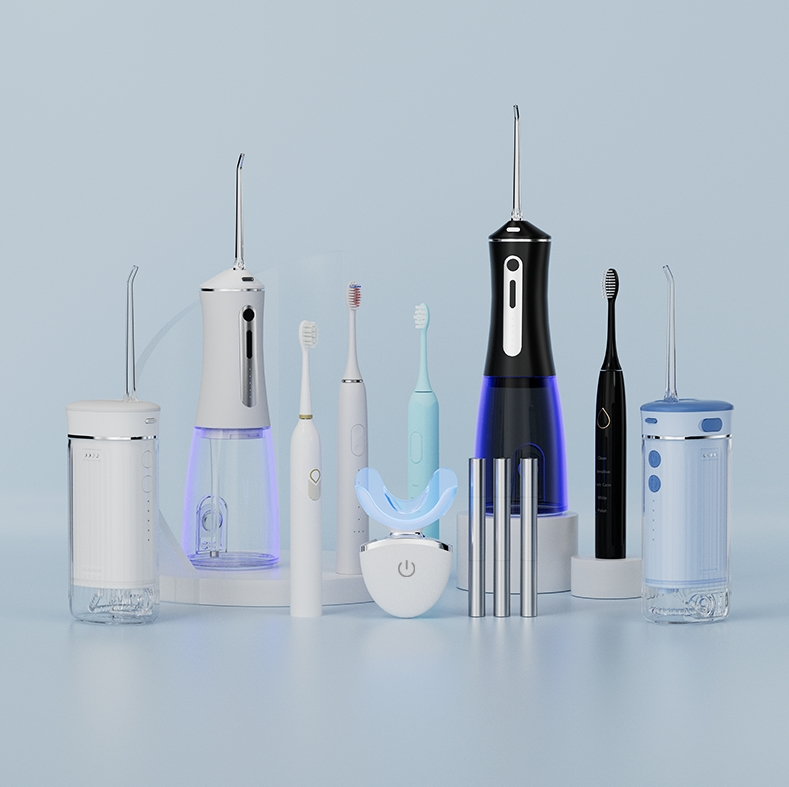
OEM whitening platforms designed for export compliance can be reviewed here:
https://www.powsmart.com/teeth-whitening-kit/
Testing protocols verify performance under real-use conditions. Electrical safety, waterproof resistance, and thermal stability are evaluated during validation.
Although testing requirements differ by region, international reference standards help harmonize compliance strategies. Organizations such as the International Organization for Standardization provide guidance on quality and safety management
https://www.iso.org
Compliance documentation includes test reports, material declarations, and manufacturing records. These materials support importer registration and distributor onboarding.
Moreover, traceability systems enable brands to track production batches, which is critical for recalls or post-market surveillance.
Rather than viewing compliance as a cost, leading brands treat it as a competitive advantage. Verified safety standards increase retailer confidence and reduce long-term operational risks.
teeth whitening device safety compliance is essential for OEM and private label brands seeking sustainable global distribution. Structured compliance systems protect both consumers and brand value in competitive oral care markets.
.jpg)
UV toothbrush sanitizer effectiveness

Powsmart electric toothbrush OEM Los Angeles
.jpg)
Electric Toothbrush Supplier Dallas
.jpg)
San Diego Electric Toothbrush Factory
San Jose sonic toothbrush distributor
.jpg)
Sonic Toothbrush Wholesale California: China Factory Supplier
.jpg)
Powsmart electric toothbrush manufacturer Houston
Oral Care Mode Sonic Toothbrush
china electric toothbrush factory
Gentle Sonic Electric Toothbrush with Pressure Sensor – Wholesale
toothbrush pressure sensor technology
Sonic toothbrush wholesale California
oral care products distributor United States
.jpg)
electric toothbrush supplier Florida
Rechargeable Oral Whitening Device Supplier for OEM and Wholesale Markets
.jpg)
Sonic toothbrush store Seattle Washington


.jpg)
.jpg)
.jpg)
.jpg)
.jpg)






.jpg)

.jpg)