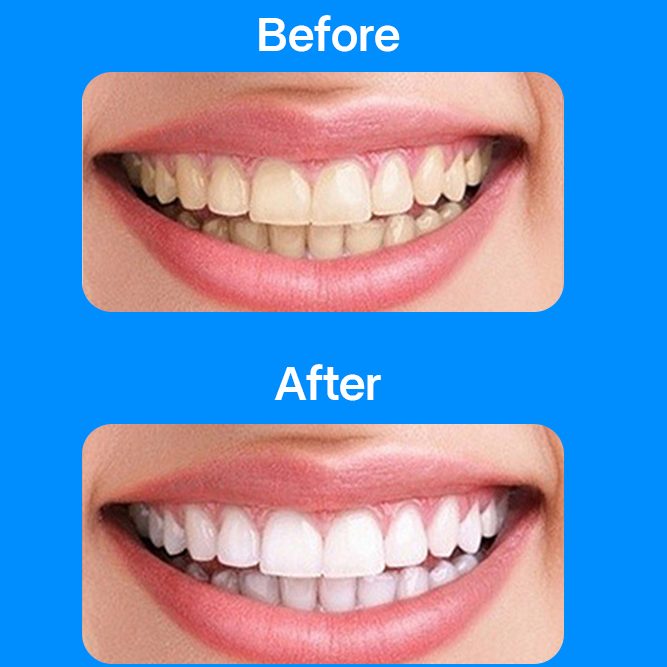
In modern whitening product evaluation, Surface Reflectance and Subsurface Scattering measurements provide a more complete understanding of how teeth interact with light during and after treatment. For B2B manufacturers developing gels, LED systems, and professional whitening devices, these optical data points move efficacy assessment beyond simple shade comparison toward a scientifically grounded evaluation of true visual improvement.
Surface Reflectance data helps manufacturers distinguish between temporary surface-level brightness and long-lasting whitening effects. By measuring how much light is reflected at the enamel surface, R&D teams can identify whether results are cosmetic or structurally meaningful.
Subsurface Scattering captures how light penetrates and diffuses within enamel and dentin layers. This insight is critical for evaluating whitening systems that aim to enhance natural translucency rather than merely increasing surface luminance.
By correlating Surface Reflectance with Subsurface Scattering data, manufacturers can evaluate how gel composition, peroxide release rates, and light activation interact. This supports data-driven optimization of both chemical and optical components in whitening systems.
Optical metrics reduce reliance on subjective visual grading. Standardized measurement of reflectance and scattering enables consistent efficacy evaluation across different labs, clinical sites, and production batches.
Quantified optical improvements provide credible evidence for efficacy claims. When manufacturers can demonstrate improvements in both Surface Reflectance and Subsurface Scattering, whitening performance claims become more defensible and transparent to professional buyers.
As the industry moves toward more advanced optical validation, integrating these data sets positions manufacturers at the forefront of innovation. This approach aligns with emerging expectations for precision, traceability, and performance differentiation in professional whitening solutions.
For B2B whitening manufacturers, incorporating Surface Reflectance and Subsurface Scattering data significantly elevates the accuracy of efficacy evaluations. These optical insights provide a deeper, more reliable foundation for product development, quality control, and global market competitiveness. Contact us
.jpg)
.jpg)
.jpg)
Red Blue Light Oral Care Device B2B Solutions for Global Brands
Water Flosser Pressure Adjustment Guide: Find the Right Setting for Comfort
LED Oral Beauty Device Manufacturer for OEM & Private Label Dental Brands
Arthritis Electric Toothbrush Guide: Easy Grip for Pain-Free Brushing
Electric Toothbrush OEM Manufacturer Guide
.jpg)
Preparing for Toothbrush Supplier Negotiation?

How Does Osmotic Pressure Regulation Fare in Accelerated Aging Tests for Product Longevity?
Refining Your Toothbrush Sourcing Strategy?
Los Angeles Teeth Whitening Kit Wholesale
New Electric Toothbrush Texas – Innovative Oral Care Launch
Wireless Charging Toothbrush | OEM Manufacturer for Premium Oral-Care Brands
Portable LED Teeth Whitening Kit OEM
low MOQ electric toothbrush | Small-Batch Sonic Toothbrush Supplier
Dallas Toothbrush Sale: Factory-Direct Discounts with Global Shipping

High After-Sales Costs: How They Cripple Oral Care Brand Profits & Reputation
The Perfect Travel Oral Care Kit.


.jpg)
.jpg)
.jpg)
.jpg)
.jpg)






.jpg)

-2-scaled.png)