Evaluating whitening performance accurately requires more than visual inspection—scientific metrics such as Surface Reflectance and Subsurface Scattering play a critical role. These optical measurements help manufacturers understand how light interacts with tooth enamel and dentin, offering a deeper, more reliable assessment of whitening efficacy and long-term aesthetic results.
Teeth are complex optical structures composed of enamel and dentin. Their appearance is influenced by how light is reflected on the surface and how it penetrates and scatters beneath the enamel. This dual-layer light interaction makes traditional visual whitening evaluations subjective and inconsistent.
Surface Reflectance measures the amount of light that bounces off the enamel surface. After whitening, increased reflectance typically associated with cleaner, smoother enamel and reduced surface stains. Quantifying this effect provides manufacturers with objective data on how well a formulation or device improves enamel brightness.
Subsurface Scattering measures how light travels within the enamel and dentin layers. Whitening treatments often influence this internal scattering by altering the chromophores and density of dentin. Monitoring these changes ensures a comprehensive evaluation of whitening depth—not just surface-level improvements.
When Surface Reflectance and Subsurface Scattering measured together, manufacturers obtain a complete optical profile of the tooth. This integrated approach allows for more precise detection of subtle whitening changes, helping differentiate between true color improvement and temporary dehydration effects.
Optical data empowers R&D teams to fine-tune formulations, adjust peroxide concentrations, and validate light-assisted whitening mechanisms. With detailed measurements, companies can identify how specific ingredients or device technologies influence both surface and subsurface optical properties, accelerating development cycles.
Objective optical metrics reinforce consistency across clinical testing, consumer trials, and quality-control procedures. By incorporating Surface Reflectance and Subsurface Scattering measurements, manufacturers can confidently validate product performance, strengthen marketing claims, and build trust with professional users and end consumers.
Using Surface Reflectance and Subsurface Scattering measurements elevates whitening efficacy evaluation by offering objective, science-driven insights into tooth appearance. For manufacturers, these metrics enhance product development, ensure reliable performance validation, and ultimately support stronger market differentiation. Contact us

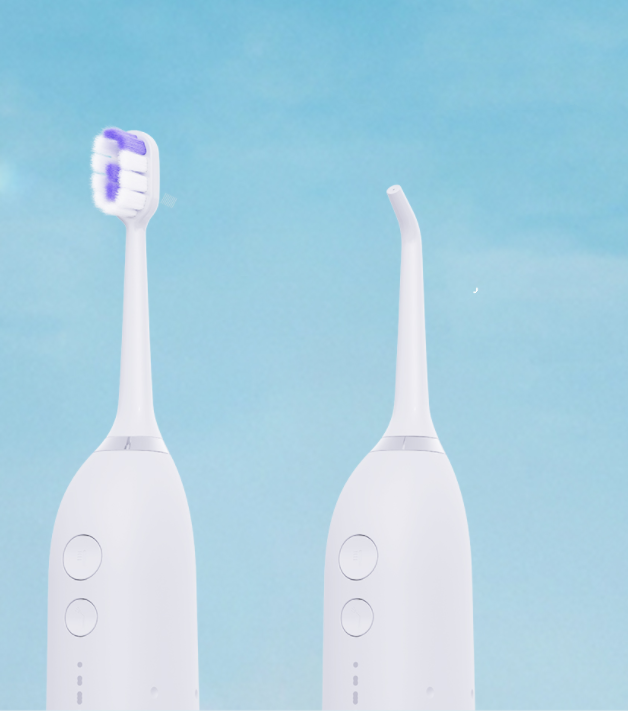
Multi-Function Electric Toothbrush Benefits for Family Oral Care
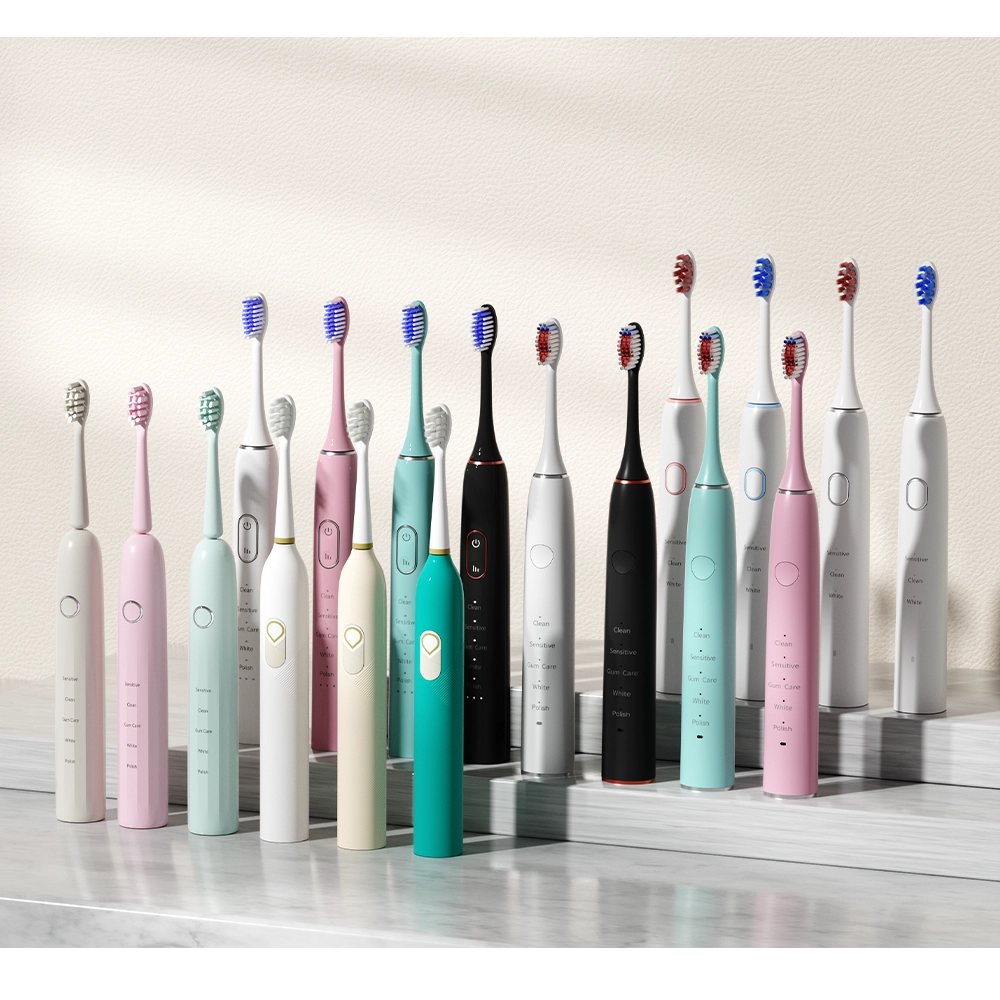
How a Gentle senior brush protects Sensitive elderly gums
.jpg)
Home Use Teeth Whitening Device OEM for Global Oral Care Brands

Dental Gift Ideas: Unique and Thoughtful Gifts for a Healthy Oral Cavity
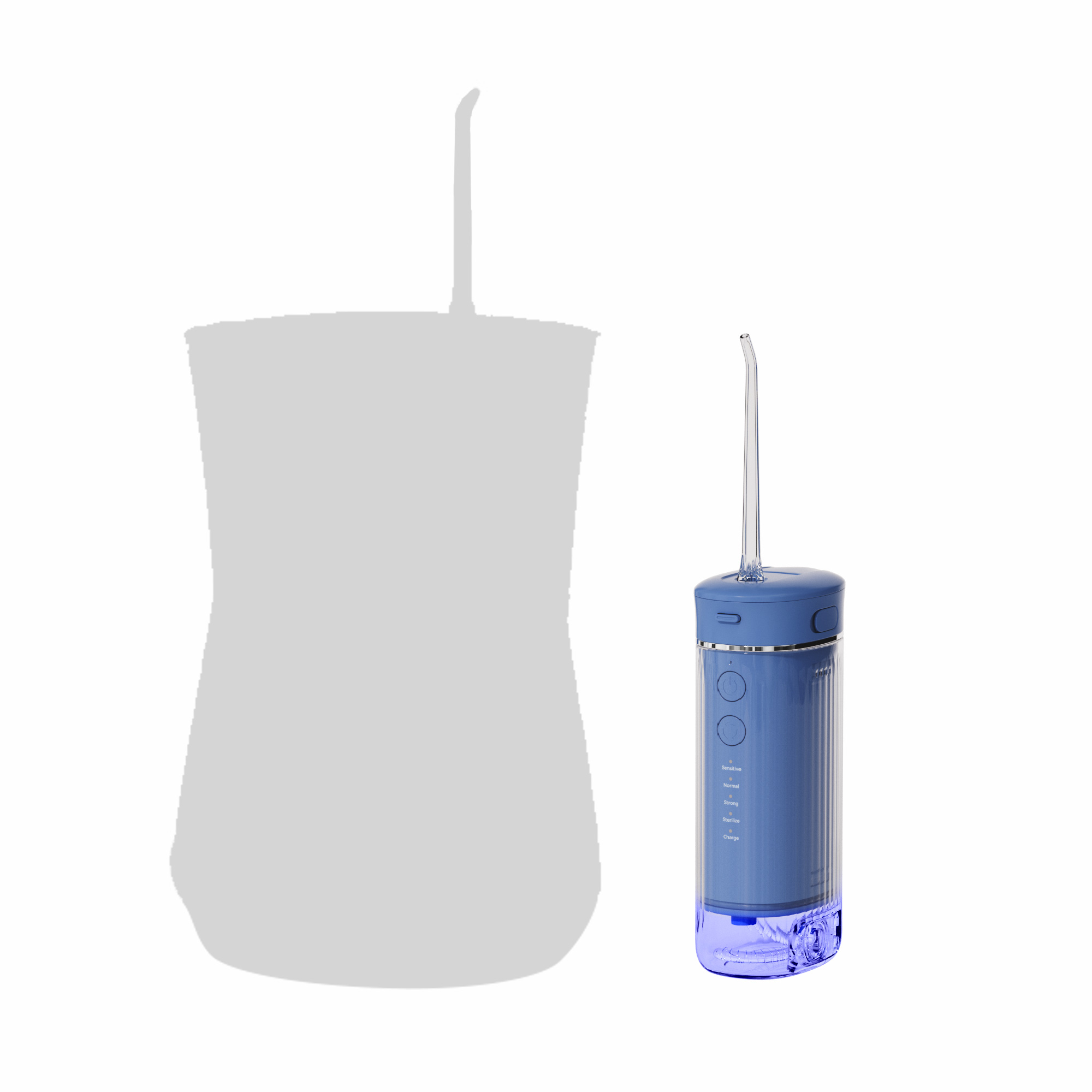
Water Flosser Working Principle Explained by a Direct OEM Factory
.jpg)
California Waterproof Toothbrush – Powsmart PTR-C8 for Beach Lifestyle
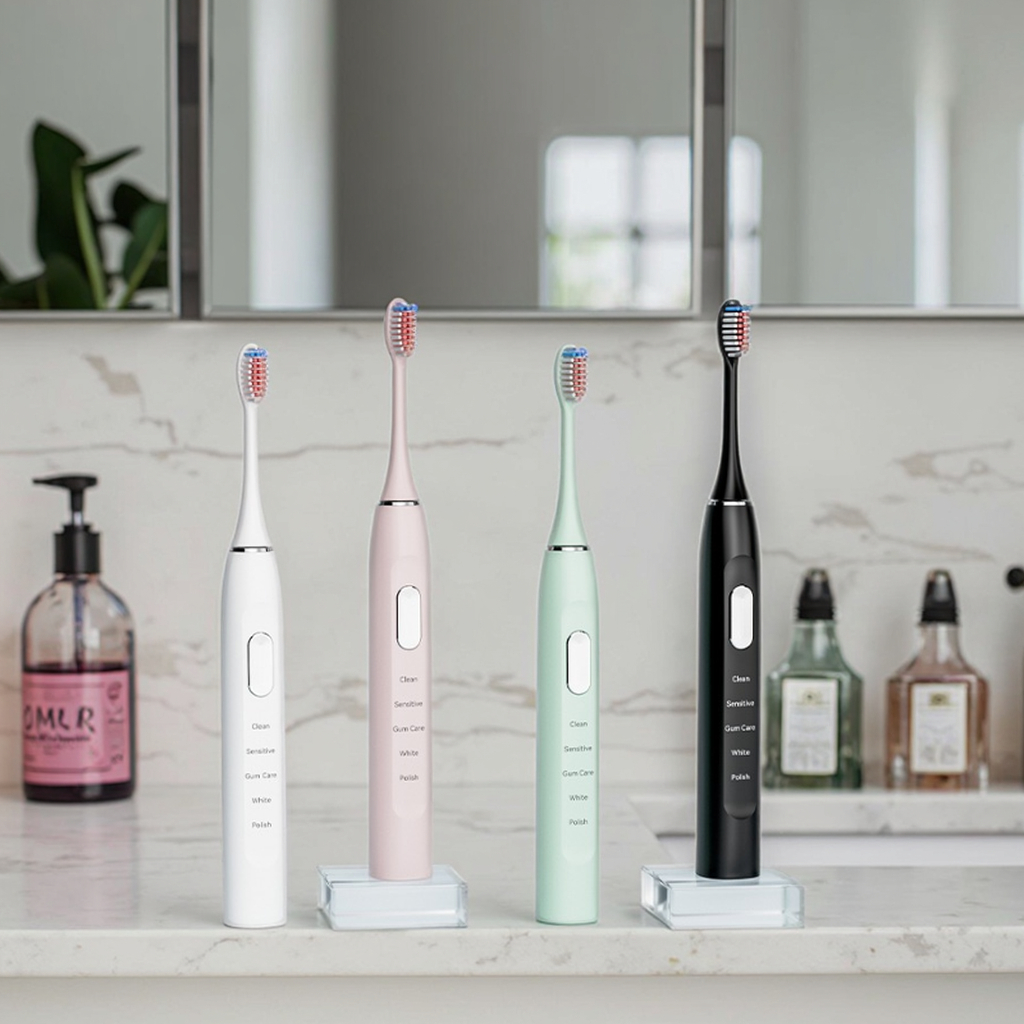
Brushing 3 Times a Day? How Brands & OEMs Can Educate for Better Oral Health
Teeth Whitening Device OEM Solutions for Oral Care Brands
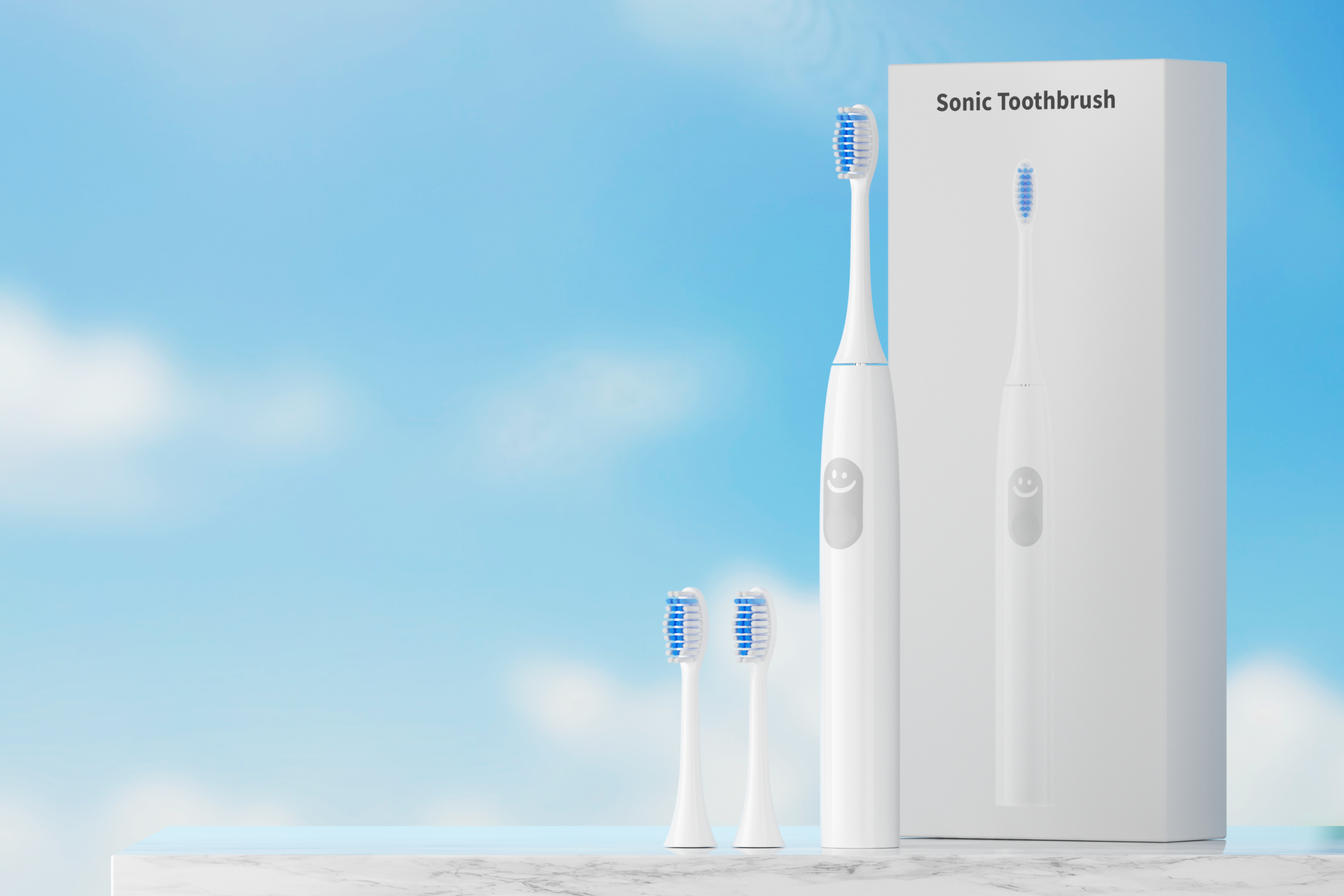
Affordable sonic toothbrushes Manufacturing – High Quality, Flexible MOQ
Does your electric toothbrush hit your teeth when brushing?
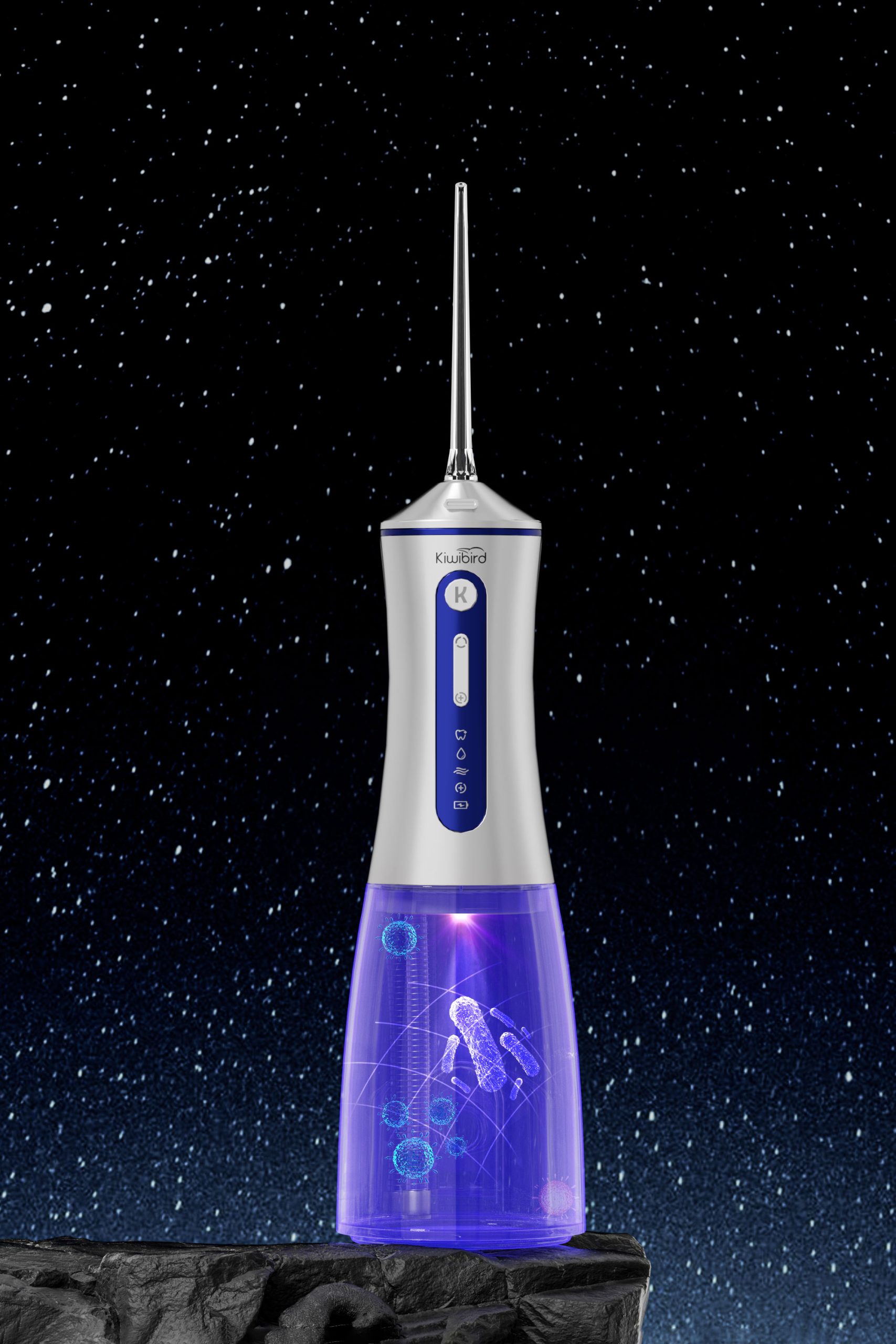
Analysis of the Core Technology of Ultraviolet Sterilization Water Flosser: How to Ensure 99% Sterilization Rate?

How to Choose the Type of Charging Method for Electric Toothbrushes?
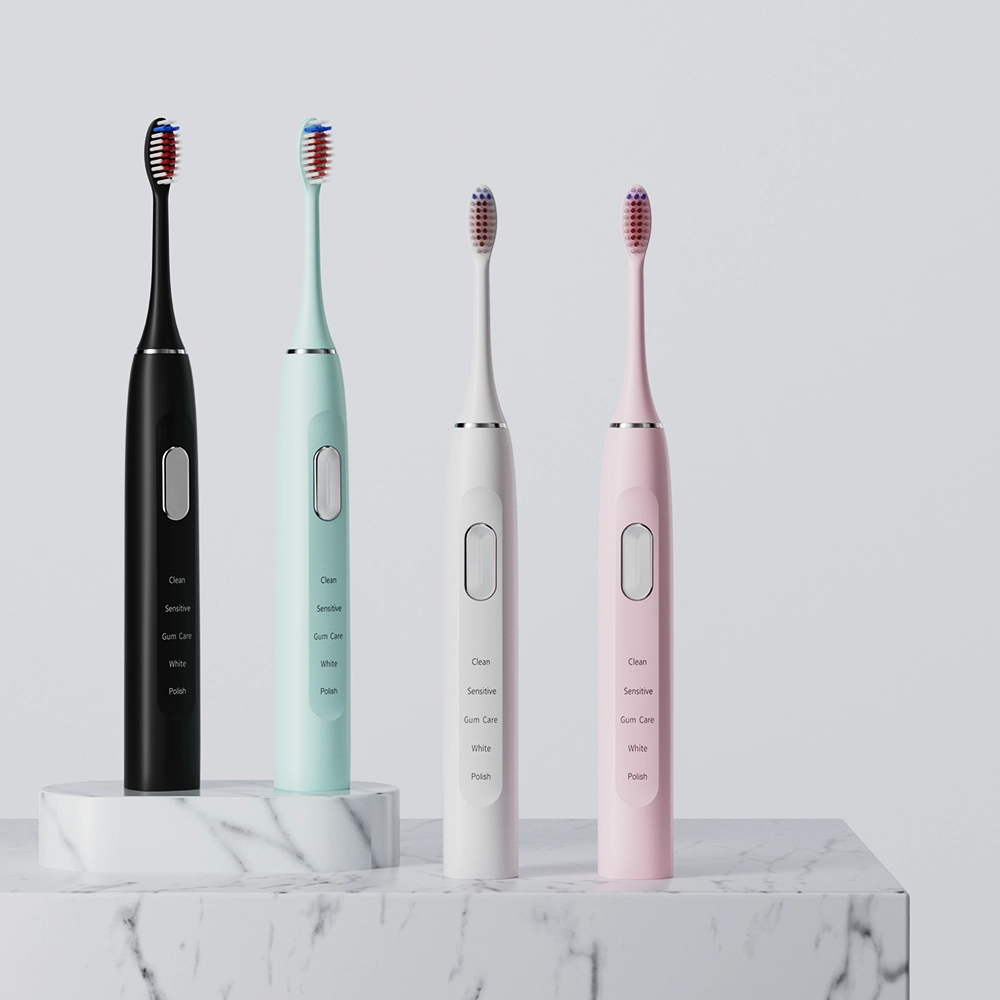
Whether an electric toothbrush is worth buying
Why Home Treatments Risk Stain Residuals?

A Guide to the Pros and Cons of Two-in-One Electric Toothbrushes and Oral Irrigators

Highly Effective Electric Toothbrush Changes Your Oral Care Habits


.jpg)
.jpg)
.jpg)
.jpg)
.jpg)