
In modern electronic and oral care device manufacturing, the successful integration of a Battery Management System depends on more than circuit design alone. Supply Chain Logistics plays a decisive role in ensuring component availability, quality consistency, and production timing, all of which directly influence how effectively a Battery Management System can be implemented at scale.
A Battery Management System relies on multiple specialized components, including ICs, sensors, and protection circuits. Well-coordinated Supply Chain Logistics ensures these parts arrive on schedule, preventing production delays that can disrupt system integration and testing.
Reliable Supply Chain Logistics supports stable relationships with qualified component suppliers. Consistency in sourcing is critical for Battery Management System performance, as variations in component specifications can lead to recalibration needs or unexpected system behavior.
Transportation, storage conditions, and handling practices all affect sensitive electronic components. Effective Supply Chain Logistics protects Battery Management System parts from moisture, electrostatic discharge, or temperature stress before assembly, safeguarding long-term reliability.
Battery Management System integration often requires close alignment between hardware delivery and firmware programming. Coordinated Supply Chain Logistics helps ensure prototype components, test units, and mass-production parts arrive in sync with development milestones.
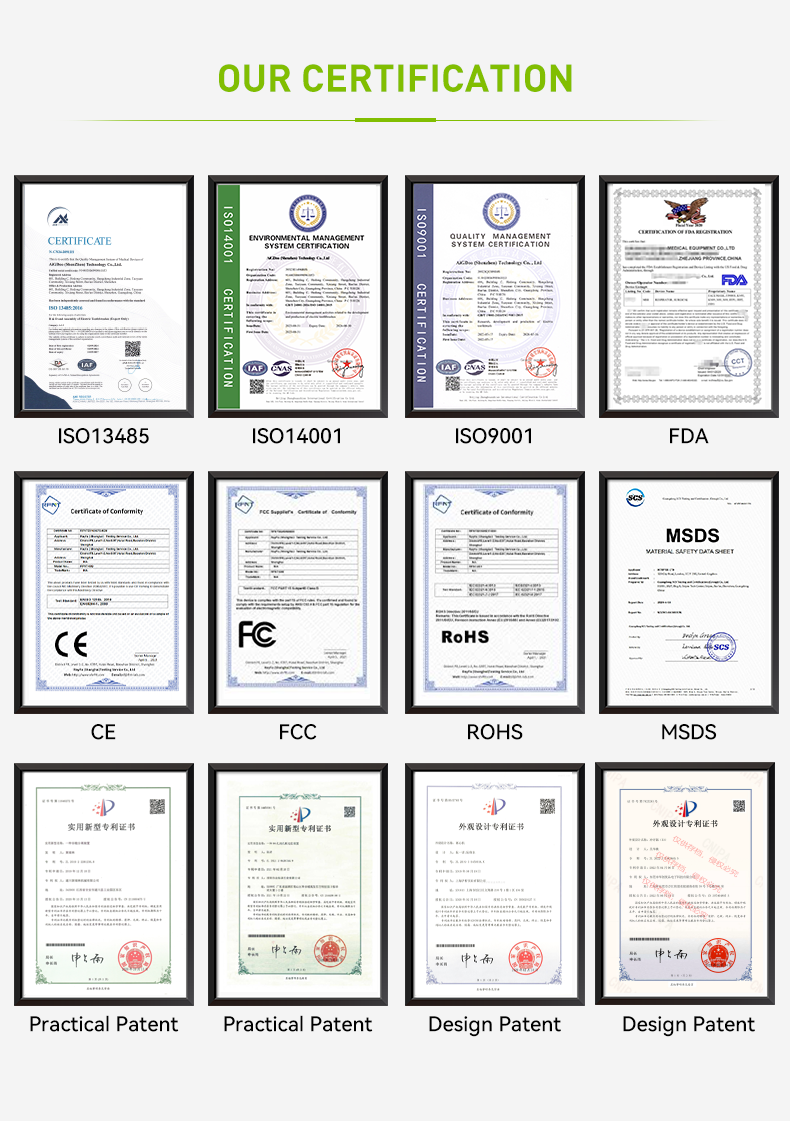
Beyond physical components, documentation is part of the supply chain. Structured Supply Chain enables accurate tracking of certifications, material declarations, and test reports required for Battery Management System compliance in different markets.
As production volumes increase, efficient Supply Chain becomes essential for controlling costs without sacrificing performance. Optimized logistics strategies allow manufacturers to scale Battery Management System integration while maintaining stable pricing and delivery schedules.
The integration of a Battery Management System is as much a logistics challenge as it is an engineering task. By strengthening Supply Chain, manufacturers can improve integration efficiency, reduce risk, and deliver reliable battery-powered products that meet performance and compliance expectations in global markets. Contact us

.jpg)
Peroxide Free Whitening Device Supplier for Global Oral Care Brands
Electric Toothbrush Gift Set Supplier

Sourcing Kids Electric Toothbrush Hyderabad: Regional OEM Manufacturing
low noise sonic toothbrush supplier | Quiet Sonic Toothbrush OEM Manufacturer
Can Electric Toothbrush Vibration Malfunction Cause Gum Recession? Shocking Truth!
What makes Portable Flosser Design dependent on integrating a Quiet Flosser Motor?
Can a Rechargeable Battery Solution Efficiently Power an LED Display Module?
Need Water Flosser OEM Manufacturing for a New Cordless Water Flosser Manufacturing Line?
Rechargeable Whitening Device OEM for Global B2B Brands
Travel Size Electric Toothbrush Wholesale

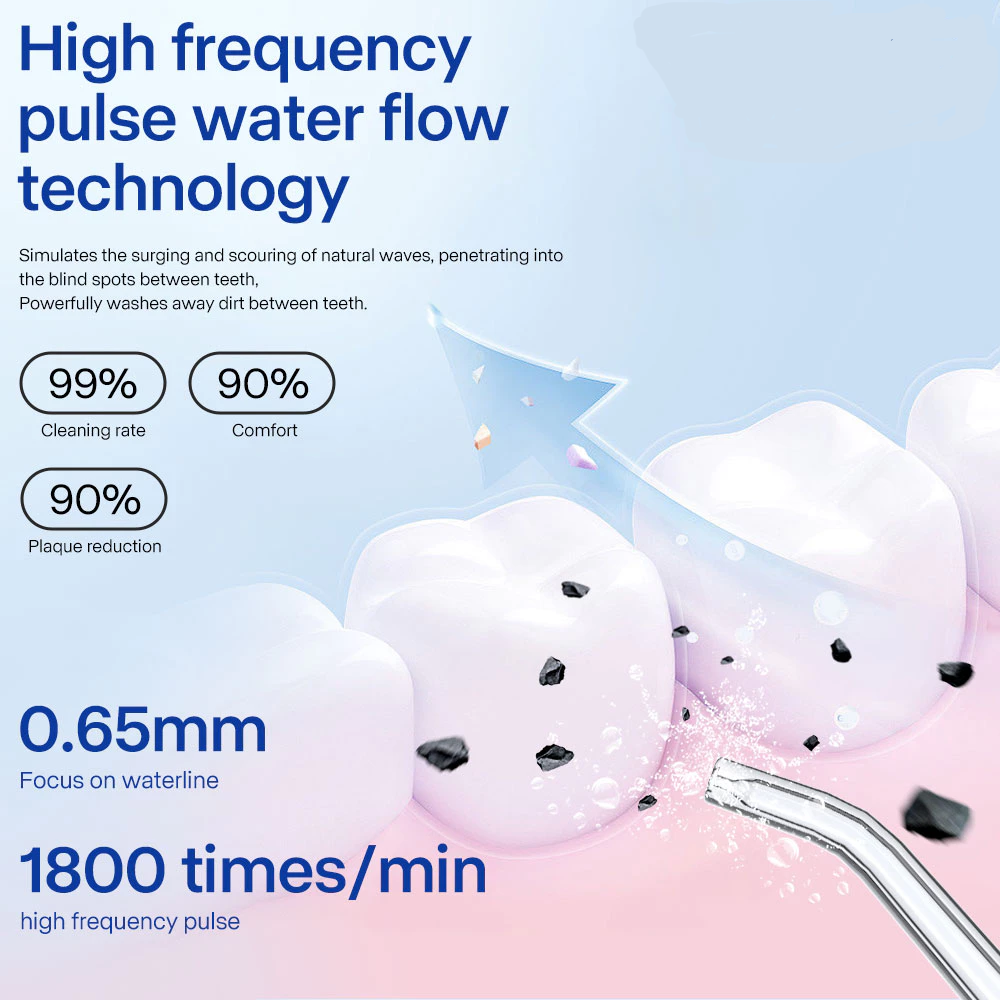
How Does Pulse Water Technology Benefit from a Smart Multi-pressure Setting Chip?How Does Pulse Water Technology Benefit from a Smart Multi-pressure Setting Chip?How Does Pulse Water Technology Benefit from a Smart Multi-pressure Setting Chip?How Does Pulse Water Technology Benefit from a Smart Multi-pressure Setting Chip?How Does Pulse Water Technology Benefit from a Smart Multi-pressure Setting Chip?How Does Pulse Water Technology Benefit from a Smart Multi-pressure Setting Chip?How Does Pulse Water Technology Benefit from a Smart Multi-pressure Setting Chip?How Does Pulse Water Technology Benefit from a Smart Multi-pressure Setting Chip?
.jpg)
Taste Distortion Alongside pH Imbalance – Vicious Cycle?
Why Is Pressure Sensor Calibration Important After Brush Head Injection Molding?
.jpg)
sonic electric toothbrush Birmingham
long battery life electric toothbrush OEM | High-End Rechargeable Toothbrush Manufacturer
Can a Wireless Charging Toothbrush OEM Produce FDA Approved Electric Toothbrush Models Efficiently?


.jpg)
.jpg)
.jpg)
.jpg)
.jpg)







.jpg)